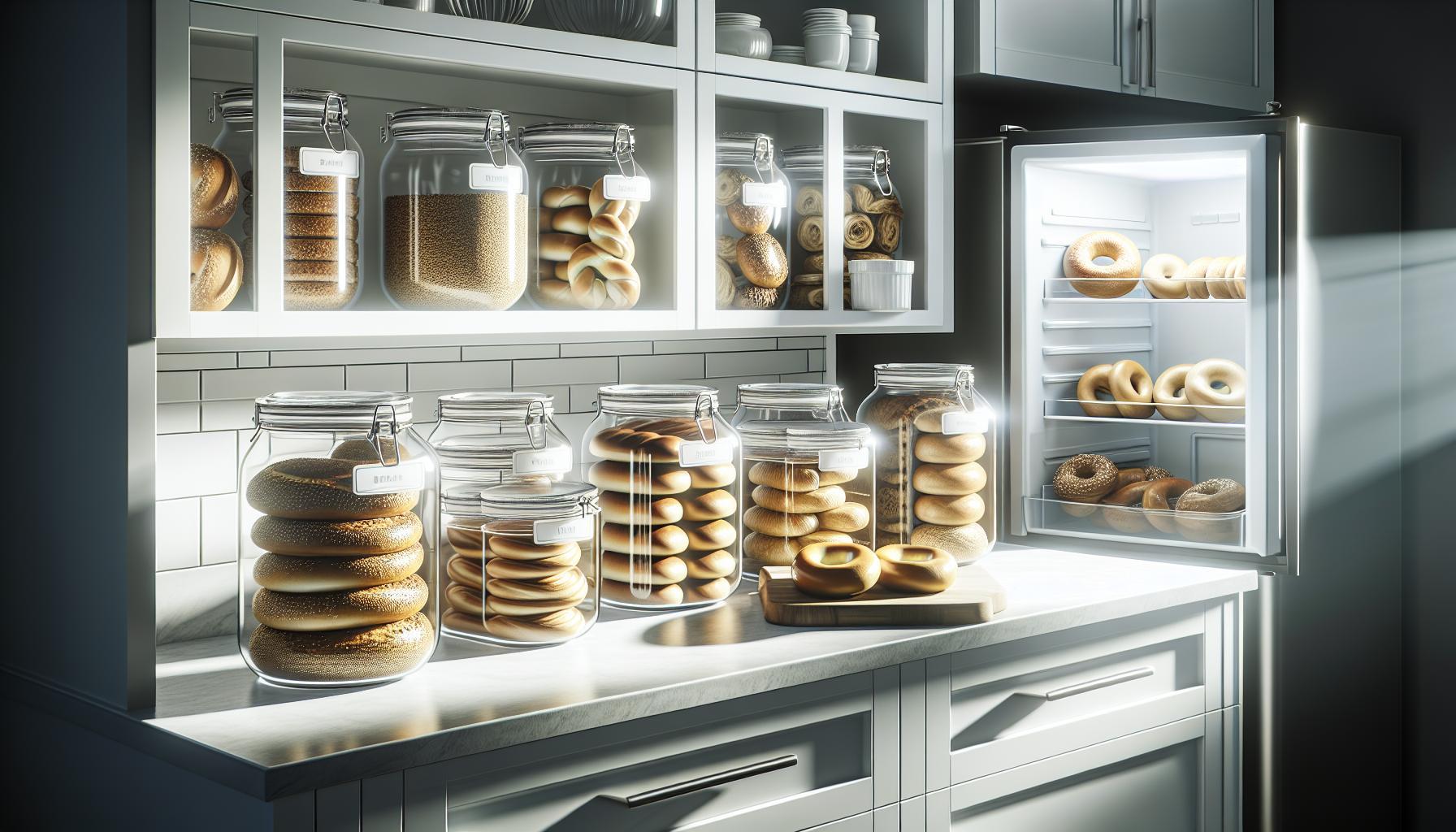

When you whip up a batch of dough, it’s not just about the immediate baking; it’s also about maximizing its potential for future meals. Understanding how long dough lasts in the fridge is crucial for anyone who loves to bake. Proper storage can ensure your dough remains fresh, flavorful, and safe to use, giving you the convenience of always being ready to bake your favorites without starting from scratch each time.
Dough can be a versatile base for countless delicious recipes, from pizza crust to pastry. However, many home bakers often wonder about the lifespan of their uncooked creations. Knowing how to store dough correctly and the time frames involved can make a significant difference in quality and safety. In the following sections, we’ll explore effective storage tips, safety measures, and the science behind why dough behaves the way it does in the refrigerator. This knowledge will empower you to make the most of your baking endeavors!
How Long Can You Store Dough in the Fridge?
Dough can be a saving grace in your kitchen, providing the foundation for a variety of baked goods. However, understanding how long it can safely reside in the fridge is crucial for both quality and safety. Generally, most types of dough can be stored in the refrigerator for up to 3 to 5 days. This timeframe allows for convenient preparation while still ensuring that the dough stays fresh and usable.
When it comes to specific types of dough, there are variations in storage duration. For instance, yeast-based doughs, such as bread or pizza dough, can often last about 3 to 5 days, while cookie dough can typically be stored for about 1 week in the fridge. It’s important to note that the presence of ingredients like eggs or dairy can influence the freshness and longevity of the dough, leading to a shorter storage lifespan.
To optimize the quality and safety of your refrigerated dough, be sure to wrap it properly. Use plastic wrap or an airtight container to prevent it from drying out or absorbing unwanted odors. If at any point you doubt the freshness of the dough, inspecting its texture, smell, and appearance can help you determine its viability before baking. Keeping these guidelines in mind will ensure that your dough maintains its integrity, ready for delicious results.
Understanding Different Types of Dough Storage
Understanding how to properly store different types of dough can significantly affect their quality and usability. Each dough possesses unique characteristics based on its ingredients and the processes involved in its preparation. By recognizing these differences, you can optimize your dough storage practices and ensure that your culinary creations maintain their intended texture and flavor.
Yeast-based doughs, such as those used for bread and pizza, rely on fermentation and require a slightly different storage approach. Typically, these doughs can be stored in the refrigerator for about 3 to 5 days. During this time, refrigeration slows down the yeast activity, allowing for continued, albeit slower, fermentation which can enhance the dough’s flavor. When storing yeast dough, it’s crucial to place it in an airtight container or tightly wrapped in plastic wrap to prevent a dry crust from forming.
In contrast, cookie dough and pastry dough often contain more fat and sugar, which can affect their shelf life. Cookie dough can generally be kept for around 1 week in the refrigerator, while pastry dough, particularly if it has a higher fat content, can also last close to a week. This versatility makes it an excellent candidate for batch preparation-simply scoop your cookie dough into portions, wrap them well, and you’ll have ready-to-bake treats at your fingertips. Keep in mind that any dough containing eggs or dairy products should be monitored more closely, as these ingredients can spoil faster than others.
In addition to understanding the specific needs of various dough types, it’s vital to adhere to proper storage techniques. Always label your dough with the date it was stored to track its freshness easily. To further extend the shelf life of dough types you won’t use within a week, consider freezing them instead; most doughs freeze well for up to three months when wrapped securely. By applying these strategies based on dough type, you can ensure delicious results while minimizing food waste and maximizing efficiency in your baking routine.
Signs Your Dough Has Gone Bad
When it comes to baking, nothing can be more disappointing than discovering that the dough you intended to use has gone bad. Recognizing the signs that dough has spoiled is crucial for ensuring food safety and achieving the best baking results. The first indicator to look for is a change in odor. Fresh dough typically has a mild, pleasant smell, while spoiled dough may emit a sour, unpleasant odor resembling fermentation gone awry. This change usually indicates that unwanted bacteria have begun to grow, making the dough unsafe for consumption.
Visual cues are equally important. If you notice any discoloration, particularly gray or green spots, these may signify the presence of mold. Mold can quickly spread beyond what’s visible on the surface, so it’s best to err on the side of caution-if your dough shows any sign of mold growth, it should be discarded immediately. Another telltale sign is texture; fresh dough should feel smooth and pliable. If your dough feels excessively sticky or has a dry, crusty surface, this can indicate that it has been compromised, typically due to prolonged exposure to air or a breakdown of its ingredients.
Finally, consider the time your dough has spent in the fridge. For yeast-based doughs, sticking to the recommended storage framework of 3 to 5 days is vital. If you are dealing with cookie or pastry dough, a week is generally acceptable. Beyond these timeframes, the risk of spoilage increases significantly. Always prioritize freshness and safety by checking your dough for these key signs before deciding to bake. By being vigilant about how your dough looks, smells, and feels, you can prevent potential waste and ensure delightful baking experiences every time.
Tips for Properly Storing Dough in the Fridge
To ensure your dough remains fresh and ready for baking, proper storage techniques are essential. Start by shaping the dough into a ball and lightly coating it with oil to prevent it from drying out. Place the dough in an airtight container or wrap it tightly in plastic wrap. This will create a barrier against air exposure, which can lead to crusting, hardening, or bacterial growth.
Always label your container with the type of dough and the date it was stored. This simple practice allows you to track freshness and minimizes the chances of forgetting its age. Different types of dough have varying shelf lives; for instance, yeast-based doughs can last between 3 to 5 days, while cookie or pastry dough can be kept for about a week. If you are unsure about its longevity, consult a storage guide specific to the dough type you are working with.
Another important tip is to store dough on a suitable shelf in the fridge, ideally in the coldest part. Avoid storing it in the door, as the temperature fluctuates more there. Maintain a consistent fridge temperature of around 37°F (3°C) to keep dough from spoilage. When ready to use, allow the dough to come to room temperature for more flexible, easier handling.
By incorporating these steps into your dough storage routine, you can maximize its shelf life, prevent spoilage, and ensure that it’s always ready to bake when inspiration strikes. Properly stored dough not only enhances the quality of your baked goods but also saves time, making your baking experience even more enjoyable.
How to Revive Day-Old Dough for Baking
Reviving day-old dough can be a straightforward yet rewarding endeavor, especially when you’re eager to bake but wish to avoid waste. Whether you’ve stored pizza dough, bread dough, or pastry dough, the process for rejuvenating it is largely similar. Follow these simple steps to ensure your dough undergoes a successful revival, ready for baking once more.
Start by checking the dough for dryness or hardening. If the dough appears dry, you can sprinkle a little water onto it or rub your hands lightly with water before kneading. This helps moisten the outside and makes the dough pliable again. Be careful not to overdo it-too much moisture can make the dough sticky. After adding moisture, gently knead the dough for a couple of minutes until it feels smooth and elastic.
Next, allow the dough to rest. Cover it with a damp cloth or plastic wrap to prevent it from drying out while it comes to room temperature. This resting period is crucial, as it allows the gluten to relax, making the dough much easier to work with. A timeframe of around 30 minutes to an hour should suffice, depending on your kitchen’s temperature. This will also give any yeast present a chance to reactivate, which is essential for rising dough.
Once the dough has rested, shape it as desired-whether for rolls, a crust, or a loaf. If you’re working with yeast-based dough, be sure to let it proof again for about 30 to 45 minutes before baking to allow it to rise properly. If you’re dealing with pastry dough, like for tarts or cookies, rolling it out immediately after resting should yield a great result. With just a bit of care, your day-old dough can become the foundation for delightful baked treats.
In summary, with a few simple revitalization techniques, your day-old dough can quickly regain its life and texture, setting the stage for a delicious baking experience. By ensuring the dough has the right moisture balance and rest time, you’ll find that even leftover dough can transform into something beautifully baked.
Freezing vs. Refrigerating Dough: What’s Best?
When it comes to dough storage, understanding the best methods for freezing or refrigerating can significantly impact the quality of your baked goods. Refrigerating dough can extend its usability, typically keeping it fresh for about 3 to 5 days, depending on the type of dough. Conversely, freezing dough can prolong its life for up to 3 months or more, maintaining the integrity and freshness required for high-quality baking. Choosing between refrigeration and freezing depends largely on your baking schedule and how soon you intend to use the dough.
Refrigerating dough is ideal for short-term storage, especially for recipes using yeast. The cooler environment slows fermentation, allowing the dough to develop better flavor while remaining manageable for a few days. When ready to use, simply take the dough out, let it come to room temperature, and proceed with shaping and baking. However, doughs stored in the fridge are still susceptible to changes in texture or dryness if not sealed properly; hence, it’s crucial to wrap them tightly in plastic wrap or use an airtight container.
Freezing, on the other hand, is preferred for longer-term storage. When properly frozen, dough maintains optimal texture and flavor for baking later. Make sure to portion your dough before freezing; this allows you to defrost only what you need, minimizing waste. Wrap each piece tightly in plastic wrap, followed by a layer of aluminum foil or place it in a freezer-safe bag, ensuring as much air as possible is removed. When it’s time to use the frozen dough, simply place it in the refrigerator overnight to thaw before shaping, allowing for a more controlled process without compromising quality.
Ultimately, whether to refrigerate or freeze should be based on your personal baking habits. If you plan to bake within a few days, refrigeration is a sound choice. For extended periods, freezing is your best bet. Balancing convenience and longevity while being mindful of airtight storage ensures your dough will be ready for that perfect bake, regardless of your immediate baking ambitions.
Safety Guidelines for Dough Storage
Storing dough properly is essential not just for quality but also for food safety. Bacteria can proliferate in improperly stored dough, leading to safety risks. The first step in ensuring your dough remains safe to use begins with hygiene-always wash your hands before handling any food and work with clean surfaces and utensils. When refrigerating dough, it should be tightly wrapped in plastic wrap or stored in an airtight container to prevent it from drying out or absorbing odors from the fridge.
It’s crucial to be aware of how long your dough has been stored. Refrigerated dough typically lasts for about 3 to 5 days, depending on its type, while frozen dough can last for up to 3 months without significant loss in quality. To maintain optimal safety, label each of your dough containers with the date of storage; this simple step can help you keep track of how long it has been in the fridge or freezer. Don’t forget: if you’re unsure about whether a batch of dough is still good to use, it’s always safer to err on the side of caution and discard it.
Pay close attention to the signs that your dough may have gone bad. A shift in texture-becoming overly sticky or developing a crust-or an off smell can indicate spoilage. If you notice discoloration or mold, it is imperative to discard the dough immediately. To minimize food waste, consider planning your baking schedule around the freshness of your dough or utilizing it sooner if you’re not certain how long it can hold up.
When ready to use refrigerated dough, allow it to come to room temperature before baking. This helps revive its elasticity and makes shaping it easier. For dough that was previously frozen, do not leave it at room temperature for extended periods; instead, thaw it overnight in the refrigerator to avoid temperature fluctuations that could encourage bacterial growth. By following these safety guidelines, you can enjoy your baking with confidence, ensuring both delicious results and food safety.
Best Practices for Labeling and Tracking Dough
Labeling and tracking dough is not merely a matter of convenience; it is a critical practice for maintaining food safety and ensuring the quality of your baked goods. When you clearly mark each container with the type of dough and the date it was prepared, you create a straightforward reference that can prevent potential mishaps. Imagine discovering a forgotten batch of dough at the back of your fridge wondering how long it has been there! With effective labeling, you eliminate the guesswork and can easily determine which dough is still fresh and ready for use.
To establish an effective labeling system, use a simple format that includes the following key details:
- Date of storage: Mark the date you placed the dough in the fridge or freezer.
- Type of dough: Specify whether it’s bread dough, pastry dough, pizza dough, etc.
- Use-by date: While refrigerated dough typically lasts 3 to 5 days, freezing can extend its life to about 3 months. Use this information to set a realistic expiration date.
A methodical approach to tracking dough can vastly improve your kitchen efficiency. For instance, create a dedicated notebook or digital spreadsheet where you log each batch of dough, noting its characteristics and intended use. This log can include details like flavor variations, resting times, and even any special ingredients that were added.
Regularly reviewing your labeled storage can prevent the ominous mystery of over-aged dough lurking in your fridge. Engaging in a weekly check can also prompt you to utilize dough that is nearing its use-by date. If you notice some dough has been stored for a while, consider absorbing it into your baking plan for the week, minimizing waste and enhancing your culinary creations.
Establishing clear labels and a tracking system helps ensure that you always have high-quality dough on hand and fosters a sense of organization that makes your baking adventures more enjoyable and successful.
How Long Does Each Dough Type Last?
Understanding how long different types of dough can last in your fridge is crucial for maximizing freshness and ensuring safe consumption. Most dough types can be stored safely for a limited period, and knowing these timeframes allows you to plan your baking schedule effectively. Refrigerated dough typically lasts between 3 to 5 days, but this can vary based on the type of dough and its ingredients.
Bread Dough
Bread dough, particularly if it contains yeast, is best used within 3 to 5 days. The longer it sits, the more it may lose its effectiveness due to yeast activity slowing down over time. If you notice any off odors or an abnormal consistency, it’s best to err on the side of caution and discard it.
Pastry Dough
Pastry dough, which includes dough for pies and tarts, can also be kept for about 3 to 5 days. Because it is often rich with butter or shortening, it may separate or become less pliable the longer it is stored. Keeping it tightly wrapped will help maintain its texture, so it’s still relatively easy to roll out when you’re ready to bake.
Cookie Dough
For cookie dough, safety and quality depend on ingredients. Unbaked cookie dough can typically be stored in the fridge for 3 to 7 days. However, if your dough includes raw eggs, consider using an egg substitute if you plan to keep it for more than a few days to mitigate food safety risks.
Pizza Dough
Pizza dough is similar to bread dough and can last about 3 to 5 days in the refrigerator. For best results, let the dough come to room temperature before stretching and shaping, as it will be easier to work with after a short rest.
Focaccia and Flatbreads
Focaccia dough, with its enriched nature, stays fresh for about 3 to 4 days. As with pizza dough, the texture improves with a bit of time at room temperature before use.
For all dough types, always ensure they are tightly wrapped in plastic or stored in an airtight container to prevent drying out or absorbing odors. If you find that you won’t be able to use the dough within the recommended timeframe, consider freezing it instead-frozen dough can last up to 3 months without a significant loss in quality. The key to maintaining dough freshness lies in understanding the nuances of each type and following proper storage practices.
Baking with Leftover Dough: Creative Ideas
Leftover dough doesn’t have to be a burden; instead, it can be the start of some delightful culinary creations. Whether you’re working with bread, pastry, or cookie dough, there are numerous ways to repurpose it into tasty treats that extend your baking endeavors. Utilizing leftover dough effectively not only reduces waste but also invites creativity into your kitchen.
For instance, if you have excess pizza dough, consider making breadsticks or calzones. Simply roll out the dough, cut it into strips, and season with garlic, herbs, and cheese before baking. Alternatively, for a savory twist, fill the dough with your favorite ingredients, such as cheese and sautéed vegetables, and bake for an easy calzone that’s perfect for a quick meal or snack.
Pastry dough can be transformed into sweet or savory delights. Use any leftover pastry to create mini tarts or hand pies. Roll it out again, fill with fruit preserves or a cheese mixture, and bake until golden. Mini quiches are another fantastic way to use up pastry dough-just press it into muffin tins, fill with beaten eggs and your choice of vegetables, and bake until set.
Cookie dough is incredibly versatile as well. Instead of only baking cookies, form the dough into bars or use it to make cookie dough bites by pairing it with chocolate or nuts and chilling them. If the dough has nuts or chocolate chips, consider making a cookie cake by pressing it into a dish and baking until bubbly and golden for easy serving.
Always remember to check the freshness of your dough before using it. If stored properly, repurposed dough can lead to delightful new bites while ensuring safety and quality. Enjoy experimenting with these creative ideas, turning your leftover dough into more culinary magic.
Common Mistakes When Storing Dough
When it comes to storing dough, understanding the common pitfalls can make all the difference between a successful bake and a failed attempt. One of the most frequent mistakes is improperly sealing the dough. Air exposure can lead to a dried-out surface, making it impossible to rise properly. Always use an airtight container or tightly wrap it in plastic wrap to avoid this issue.
Another common error is neglecting to date the stored dough. While it may seem minor, keeping track of when you put your dough in the fridge is crucial. Most types of dough can last up to 3-5 days in the refrigerator, but after a week, the quality significantly diminishes, and the risk of spoilage increases. Using labels can help you avoid risking food safety by consuming dough that has been stored too long.
Many bakers also underestimate the importance of temperature. Dough should ideally be stored in the coldest part of the refrigerator to maintain its integrity. If it’s stored in the door, fluctuations in temperature can lead to uneven rising or spoilage. Moreover, warm ingredients added to your dough before storing can raise the overall temperature, compounding the risk of bacterial growth.
Finally, it’s essential to recognize signs of deterioration before using the dough. If you notice discoloration, an off smell, or a wet surface, it’s best to err on the side of caution and discard it. Keeping these tips in mind will enhance your baking experiences and ensure your dough is always ready to rise when you are.
Frequently Asked Questions
Q: How can I tell if my dough is still good to use?
A: To determine if your dough is still safe to use, check for off smells, discoloration, or an excessively dry or sticky texture. If it exhibits any of these signs, it’s best to discard it. For detailed storage tips, refer to the section on signs your dough has gone bad.
Q: What types of dough can be stored in the fridge?
A: Most types of dough, including bread, cookie, and pizza dough, can be stored in the fridge. However, specific types may have different storage guidelines. Refer to the section on understanding different types of dough storage for a comprehensive overview.
Q: Can I store dough in the fridge for longer than a week?
A: While many types of dough can last up to a week in the fridge, certain recipes may vary. It’s advisable to check the specific guidelines for each dough type outlined in the how long each dough type lasts section of the article.
Q: Is it better to freeze or refrigerate dough?
A: Freezing dough is ideal for long-term storage, preserving its quality up to three months. Refrigeration is best for short-term use (up to a week). For more information, see the section on freezing vs. refrigerating dough.
Q: How do I revive dough that has been in the fridge too long?
A: To revive older dough, allow it to come to room temperature for about 30 minutes and gently knead it. This can help restore elasticity. For more tips, check out the how to revive day-old dough for baking section.
Q: What happens if I eat expired dough?
A: Eating expired dough can lead to foodborne illness, especially if it shows signs of spoilage. Always prioritize food safety by checking the freshness of your ingredients. Refer to the safety guidelines for dough storage for more information.
Q: How should I label my dough for storage?
A: When labeling dough, include the type of dough and the date it was prepared. This helps keep track of freshness. For best practices, see the section on best practices for labeling and tracking dough.
Q: Can I mix old dough with fresh dough?
A: It’s generally not recommended to mix old dough with fresh dough, as this can affect the flavor and texture of your baked goods. For more insights, check the common mistakes when storing dough section of the article.
Concluding Remarks
Now that you know how long dough can last in the fridge, you can bake with confidence! Whether you’re preparing a quick weeknight dinner or planning a weekend baking marathon, keeping your dough fresh and safe is essential. Remember, properly stored dough can remain viable for up to a week-so don’t let it go to waste!
For more baking tips, check out our articles on “Best Practices for Storing Different Types of Dough” and “How to Tell If Your Dough Has Gone Bad.” Don’t forget to subscribe to our newsletter for the latest recipes and expert advice directly to your inbox. If you have any questions or want to share your baking experiences, drop a comment below! Join our community of passionate bakers and keep your kitchen adventures rolling!