Fresh salsa is a staple in many kitchens, bursting with vibrant flavors and healthy ingredients. But how long can you safely keep it in the fridge? Understanding the shelf life of fresh salsa is essential not only for maintaining its delicious taste but also for ensuring food safety. With the right storage practices, you can enjoy your homemade or store-bought salsa without compromising flavor or risking spoilage.
Salsa is not just a tasty topping; it’s also a great way to add nutrients to your meals. However, knowing when it’s time to toss it can be tricky. Many of us hate wasting food, so it’s crucial to be informed about proper storage techniques and expiration timelines. Dive into this guide to discover how to keep your fresh salsa flavorful and safe, ensuring that every scoop is as good as the first!
How Fresh Salsa Is Made: Ingredients and Preparation
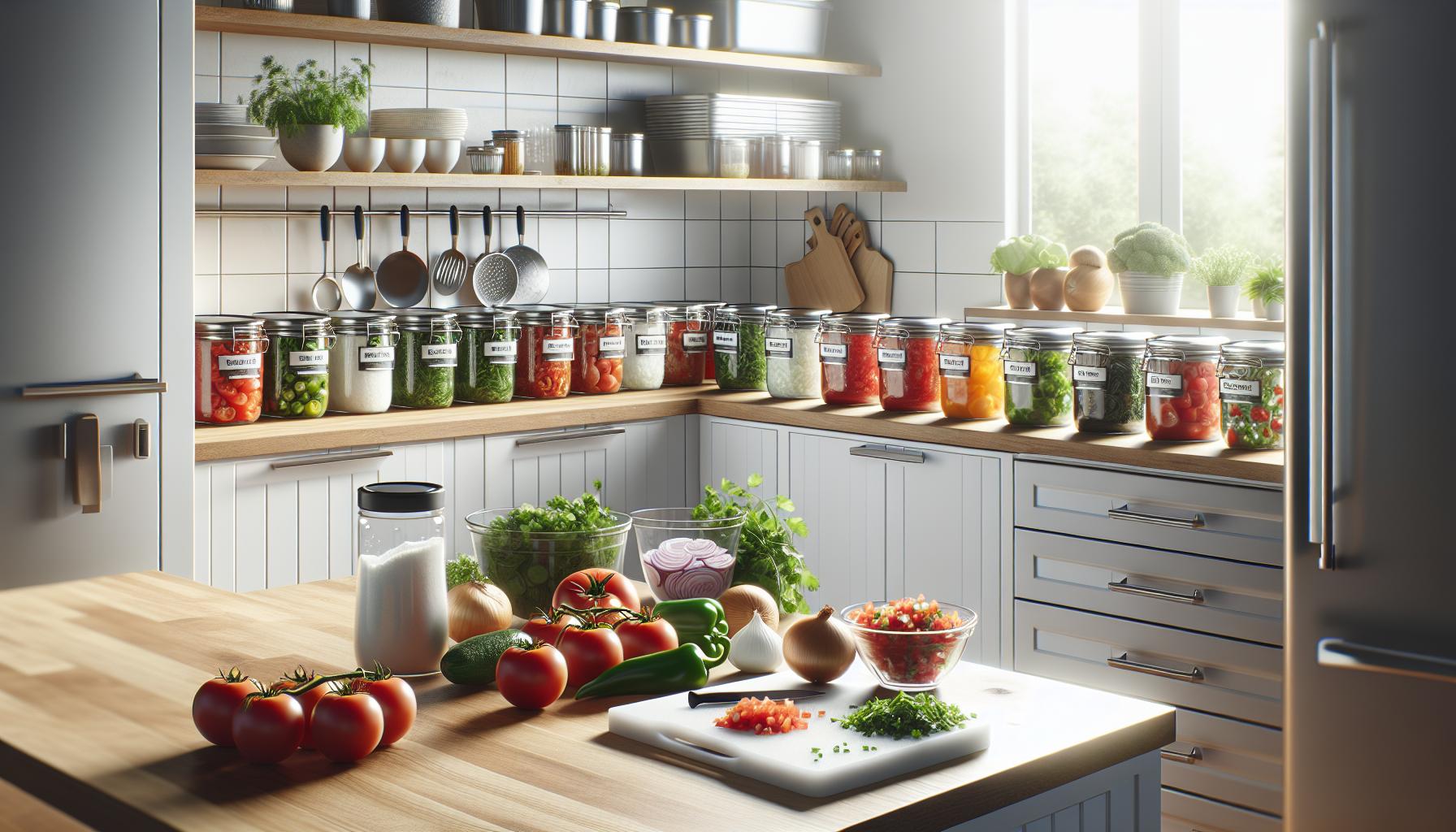
To craft an irresistible fresh salsa, the blend of ingredients plays a crucial role. The backbone of any salsa is fresh tomatoes, which give it a juicy base. Ripe tomatoes, diced, should form the largest portion of your salsa. To add complexity, include finely chopped onions-yellow or red varieties work well-along with minced garlic for a punch of flavor. Next, fresh herbs like cilantro can elevate your salsa, providing a refreshing note. Don’t forget the lime juice; its acidity balances the sweetness of the tomatoes, enhancing the overall flavor profile. You may add diced jalapeños or serrano peppers to introduce heat, adjusting the quantity based on your spice preference.
Preparation is straightforward. Start by dicing the tomatoes, onions, and any other added vegetables or fruit-like mango for a sweeter variation. Combine all ingredients in a mixing bowl, and squeeze in fresh lime juice. Mix gently but thoroughly to allow the flavors to meld. For a smoother salsa; blend the ingredients until the desired consistency is reached. Allowing the salsa to sit for at least 30 minutes before serving can help to intensify the flavors, making each bite all the more delicious.
Storing fresh salsa properly ensures you enjoy it at its best. Generally, salsa can be stored in an airtight container in the refrigerator for about 3 to 5 days. However, its freshness and taste can start to decline within a few days, especially if it contains ingredients like avocados, which can brown rapidly. To keep your salsa tasting vibrant, consider making small batches that you can consume within that timeframe. If you have leftovers that you might not use immediately, freezing salsa can be a great option, enabling you to preserve its flavor and nutritional benefits for future enjoyment.
How Long Does Fresh Salsa Last in the Fridge?
To keep your fresh salsa delicious and safe, understanding its shelf life in the fridge is essential. After you’ve expertly crafted your salsa, it will typically last about 3 to 5 days when stored properly in an airtight container. This timeframe can vary based on the freshness of your ingredients and how well the salsa is stored. Ingredients such as onions and tomatoes tend to remain stable, but the shelf life can shorten quickly if your salsa contains more perishable components like avocado or even fruits that oxidize and brown.
To maximize its lifespan and maintain flavors, ensure the container is tightly sealed, as exposure to air can lead to a decline in taste and quality. Place your salsa toward the back of the refrigerator rather than in the door, where temperature fluctuations are more common. If you notice any separation (liquid collecting at the bottom), give it a gentle stir; this is often simply a natural process without compromising the salsa’s safety.
For those batch-makers who might find it challenging to finish a larger quantity in a few days, consider dividing the salsa into smaller servings. This not only allows you to enjoy fresh salsa regularly but also reduces the likelihood of contamination when repeatedly opening a large container. If at any point you have doubts about its freshness, it’s wise to trust your instincts: look for signs of spoilage, such as off smells, changes in texture, or color alteration. Making smart storage choices ensures your fresh salsa remains vibrant and tasty for the maximum time possible.
Signs of Spoilage: Know When Salsa Is Bad
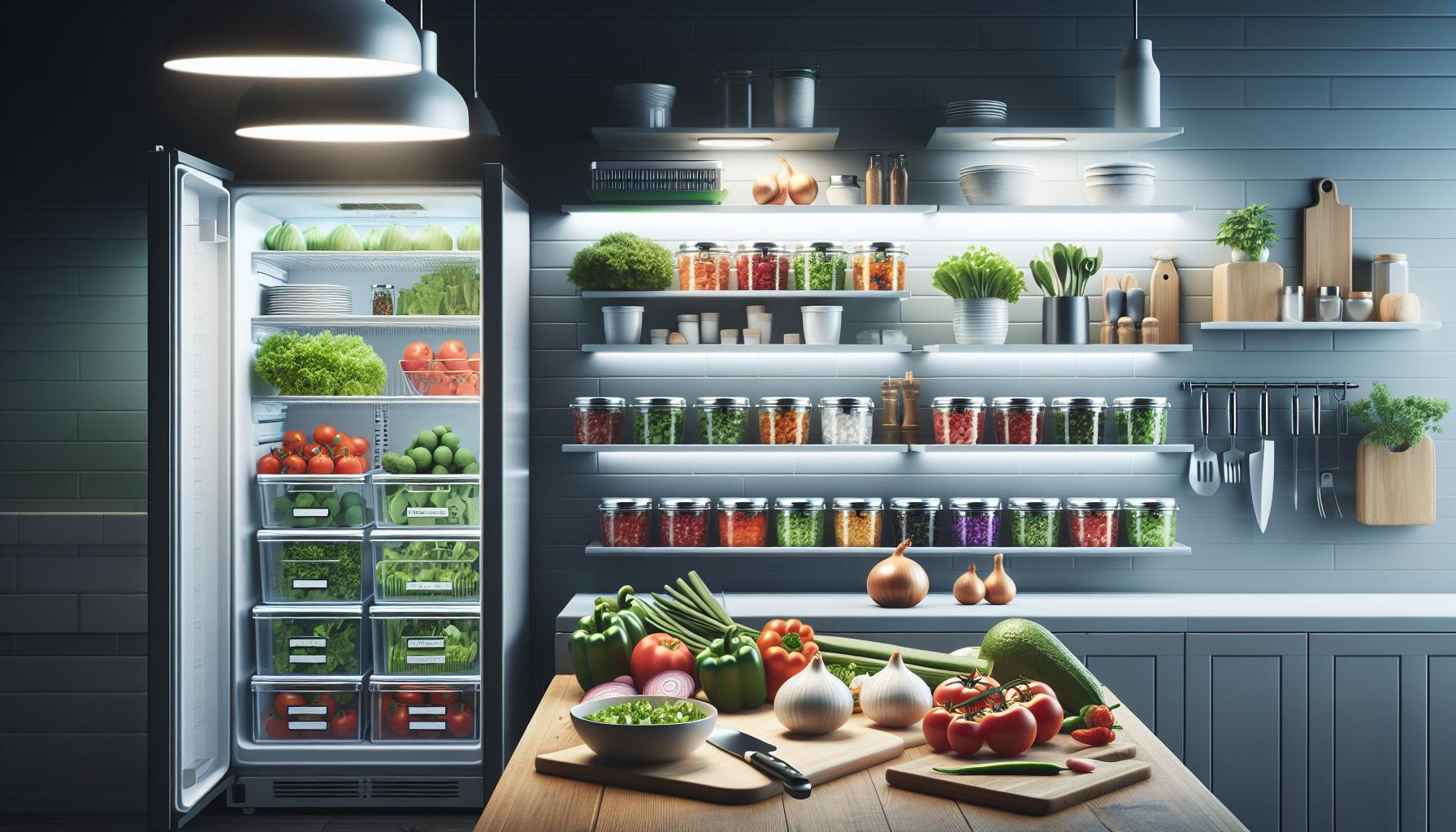
Identifying spoilage in fresh salsa is crucial for both safety and enjoyment. Fresh salsa is a vibrant dish, but like any perishable food, it can go bad, and consuming spoiled salsa can lead to foodborne illnesses. Understanding the signs of spoilage will help you make informed decisions and keep your culinary creations safe to eat.
One of the first signs to watch for is off smells. If your salsa emits a sour or rancid odor, it’s time to discard it. Additionally, a noticeable change in texture can signal spoilage; fresh salsa should have a lively, chunky consistency. If you notice that the salsa has become excessively watery or slimy, it’s an indication of bacterial growth or ingredient degradation.
Color changes can also indicate that your salsa has past its prime. Fresh ingredients, like tomatoes and peppers, should retain their natural colors. If you observe fading colors, especially in the green ingredients, or if brown or gray spots appear, it’s best to err on the side of caution and dispose of the salsa.
Lastly, always be mindful of any mold development. If you see mold on the surface, even in small amounts, this is a clear sign that the salsa is no longer safe to consume. Remember, when in doubt, it is better to throw the salsa out than risk your health. By being vigilant about these signs, you can ensure that you enjoy only the freshest and safest salsa.
Best Storage Practices for Fresh Salsa
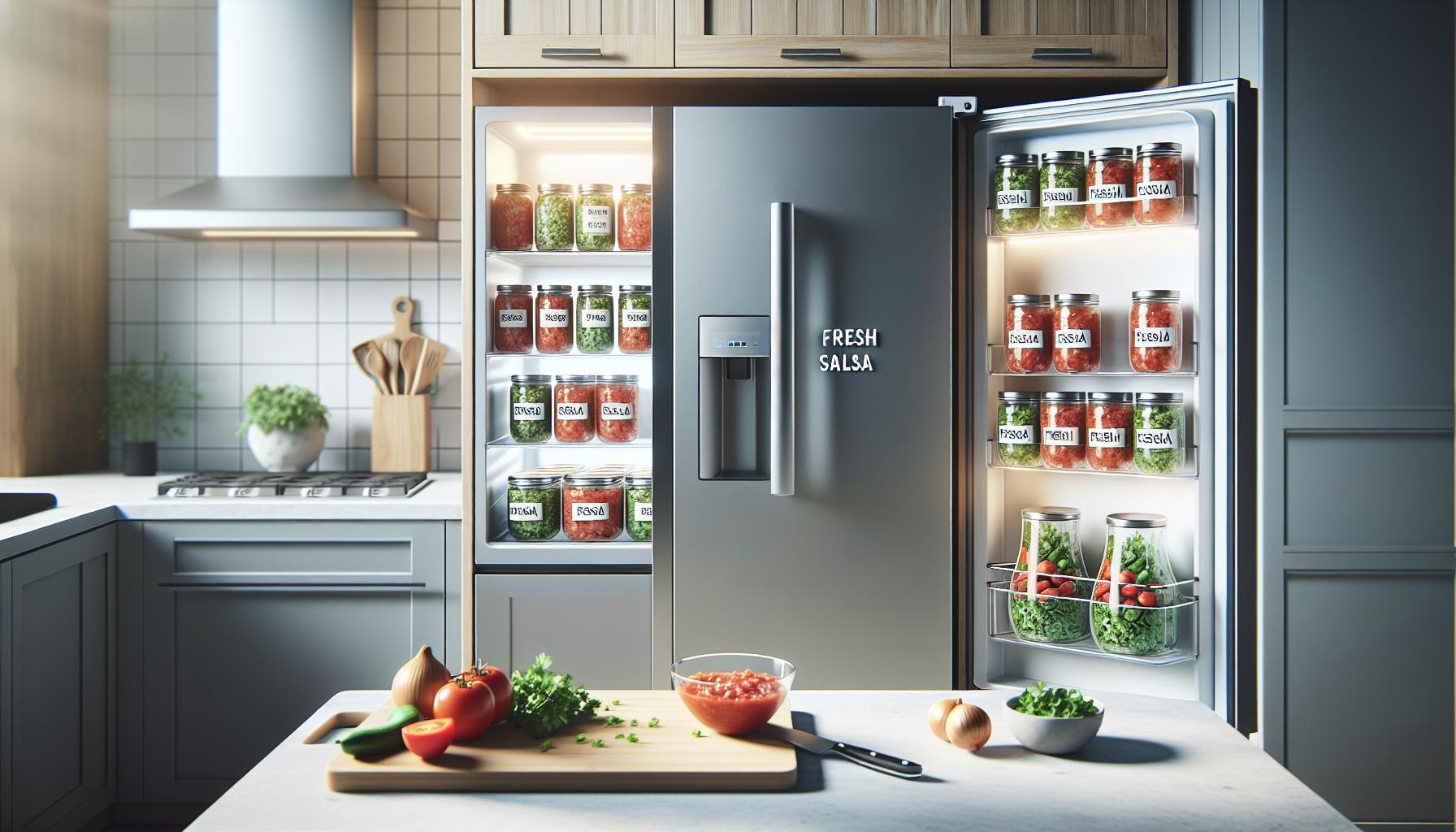
To ensure that your fresh salsa remains flavorful and safe to eat, proper storage practices are essential. Fresh salsa, packed with vibrant ingredients, can lose its quality quickly if not stored correctly. Here are some key strategies for keeping your homemade salsa at its best.
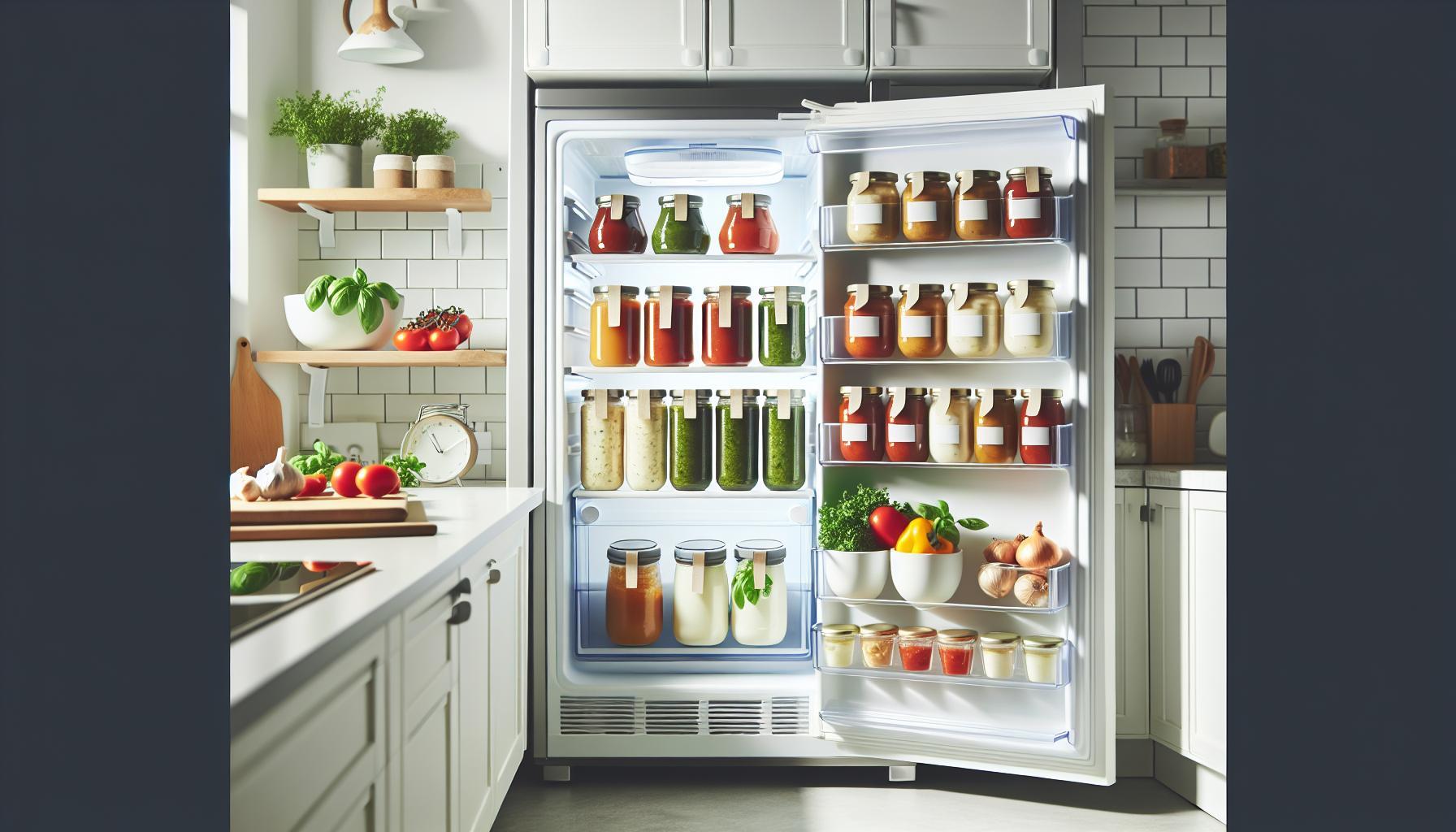
One of the most effective ways to store fresh salsa is in an airtight container. This minimizes exposure to air, which can accelerate spoilage. Choose a container that seals tightly, such as a glass jar or a high-quality plastic container. Make sure to fill it up to the top to reduce the amount of air inside. It’s also important to refrigerate your salsa promptly after making it; ideally, it should go in the fridge within two hours of preparation to inhibit bacterial growth.
To enhance the longevity of your salsa, consider layering it. Place a thin layer of lime juice or vinegar on the surface before sealing it. This creates an additional barrier against air and helps maintain the salsa’s fresh taste. Additionally, storing your salsa in smaller batches can be beneficial. This way, you only expose what you need to air during serving, keeping the remainder fresher for longer.
As a general rule of thumb, fresh salsa can last in the refrigerator for about 4 to 7 days. Ensure to label your containers with the preparation date to keep track of freshness. If you notice that the salsa starts to separate or the ingredients settle, gently stir it before serving. However, if you observe any signs of spoilage-such as off smells, discoloration, or mold-it’s best to dispose of it immediately to avoid any health risks.
Implementing these storage best practices will help you enjoy your homemade salsa while keeping it safe for consumption. Always remember that the key to delicious, fresh salsa lies not only in the ingredients but also in how you store it.
Freezing Fresh Salsa: How and When to Do It
Freezing fresh salsa is an excellent way to extend its shelf life while preserving its vibrant flavors. This method not only prevents waste but also allows you to have a delicious condiment on hand for future meals. When you’re ready to freeze your salsa, start by choosing a suitable container. Airtight freezer bags or rigid plastic containers are ideal, as they minimize the risk of freezer burn and maintain the salsa’s quality.
Before you freeze, remember to consider the ingredients. Fresh salsa typically contains tomatoes, onions, cilantro, lime juice, and spices, all of which have different moisture contents. If possible, avoid adding ingredients like garlic or avocado before freezing, as they may not thaw well. For best results, you may want to chop the tomatoes or ingredients into smaller pieces, which can aid in even freezing and thawing.
Once you’ve packed your salsa and removed as much air as possible from your container, label it with the preparation date. Fresh salsa can be frozen for up to 3 months while maintaining its quality. To ensure safety, it’s important to freeze it promptly after making it, ideally within two hours of preparation. This practice significantly reduces the risk of bacterial growth.
When you’re ready to enjoy your frozen salsa, the best way to thaw it is in the refrigerator overnight. This slow thawing method helps preserve texture and flavor. Alternatively, if you’re pressed for time, you can thaw it in the microwave using the defrost setting, but be cautious to avoid cooking the salsa. With these tips, you can successfully freeze fresh salsa and have it readily available for your favorite dishes!
Flavor Maintenance: Tips for Keeping Salsa Fresh
To maintain the vibrant flavor and freshness of your salsa, it’s essential to follow specific practices that enhance its longevity and quality. Fresh salsa is often a medley of fresh ingredients like tomatoes, onions, and cilantro, which can quickly lose their appeal if not stored correctly. One of the primary tips for preserving its flavor is ensuring that it is stored in an airtight container. This minimizes exposure to air, which can oxidize the ingredients and lead to flavor degradation. Choose glass or high-quality plastic containers with tight-fitting lids, and fill them close to the top to reduce the amount of air trapped inside.
Another effective strategy is to keep salsa refrigerated once it has been prepared. Typically, fresh salsa lasts about 3 to 5 days in the refrigerator. To keep it tasting fresh throughout this period, consider adding an extra squeeze of lime juice before each serving. This not only boosts the flavor but also helps to maintain its bright, vibrant color. Additionally, if you notice any liquid separation, gently stir the salsa before serving; this helps redistribute the flavors and ingredients, ensuring a more consistent taste.
Avoiding cross-contamination is also crucial for flavor maintenance. Always use clean utensils when scooping salsa out of the container and avoid introducing any leftover food into the salsa container. Once salsa has been served, it’s best to refrigerate any leftovers immediately. Each time salsa is left out at room temperature, the risk of spoilage increases, and each exposure can impact the flavor. For optimal results, try to make smaller batches, allowing you to enjoy fresh salsa more frequently without the risk of waste.
Lastly, consider storing some ingredients separately if you plan to keep salsa for extended periods. For instance, if your salsa includes high-moisture ingredients like tomatoes or avocado, storing them separately and mixing them in right before serving can help maintain the salsa’s texture and flavor. By incorporating these practical tips, you can enjoy fresh salsa with its full flavor profile intact, making your meals tastier and more enjoyable.
Safe Thawing Methods for Frozen Salsa
To enjoy your frozen salsa at its best, it’s crucial to employ safe thawing methods that preserve both flavor and safety. Thawing salsa improperly can lead to unwanted changes in texture and taste, not to mention the risks associated with food safety. Fortunately, there are several effective techniques to ensure that your salsa remains delicious and safe to eat after being frozen.
One of the best practices for thawing salsa is to transfer it from the freezer to the refrigerator. This method requires a bit of planning, as it can take several hours or overnight for the salsa to thaw completely. However, refrigeration maintains a stable, cool temperature, significantly reducing the risk of bacterial growth. When ready to serve, simply give it a gentle stir to recombine any separates that may have occurred during thawing.
For those in a hurry, the cold water method is also an excellent option. Place the sealed bag of frozen salsa in a bowl of cold water, changing the water every 30 minutes until it thaws. This approach allows for faster thawing while still keeping the salsa at a safe temperature. Never use hot water for thawing, as it can bring the salsa into the danger zone (between 40°F and 140°F), where bacteria can multiply rapidly.
Finally, if you find yourself in a pinch, salsa can be thawed in the microwave. Use the defrost setting, checking and stirring periodically to ensure even thawing. Be cautious, though-microwaving can sometimes heat the edges too quickly, leading to uneven textures. Regardless of the method you choose, always aim to consume thawed salsa within 3 to 5 days for optimal quality and safety. Following these guidelines will help ensure that your favorite dip is ready to enjoy without compromising taste or health.
Comparing Salsa Types: Fresh Vs. Store-Bought
When gauging the merits of fresh versus store-bought salsa, it’s essential to consider aspects such as flavor, ingredient quality, shelf life, and versatility. Fresh salsa typically boasts vibrant flavors and a crisp texture, made from high-quality, often organic ingredients. The freshness of ingredients like tomatoes, cilantro, onions, and peppers can significantly enhance the taste, offering a refreshing dip that elevates any meal.
In contrast, store-bought salsa often contains preservatives to extend shelf life. While it may provide convenience, the flavors can be muted or overly processed, lacking the zesty punch of a homemade version. Many brands focus on creating a uniform taste, which can lead to a one-dimensional experience. Additionally, it’s essential to read the labels on store-bought salsa; many contain added sugars, artificial ingredients, or high sodium levels that can detract from its nutritional value.
Storage considerations also play a crucial role in this comparison. Homemade salsa has a shorter refrigerator shelf life, usually lasting about 4 to 7 days when stored properly in an airtight container. However, its vibrant component qualities mean that fresh salsa is most enjoyable when consumed shortly after preparation. In contrast, store-bought salsa often lasts several weeks to months due to preservatives but may lack the same fresh taste.
Ultimately, the choice between fresh and store-bought salsa depends on your priorities-if you value flavor and quality ingredients, homemade is preferred. However, for convenience and shelf stability, particularly when you’re short on time, store-bought options can be a practical alternative. Always consider your immediate needs and how quickly you plan to enjoy your salsa to make the best choice for your taste buds and health.
Nutritional Value of Fresh Salsa: What to Know
Fresh salsa is not only a flavorful addition to meals but also a nutritious one. Packed with fresh vegetables like tomatoes, onions, and peppers, it is typically low in calories while high in essential vitamins and minerals. For example, just one serving of fresh salsa offers a good source of vitamin C, which is crucial for immune function and skin health. Additionally, the fiber from the vegetables can aid digestion and promote a feeling of fullness, making it a healthy choice for snacking or as a meal accompaniment.
To maximize the health benefits, consider the ingredients used in your salsa. Homemade versions allow you to control the quality and quantity of ingredients, steering clear of preservatives and artificial additives often found in store-bought options. You can enrich your salsa with antioxidant-rich ingredients like cilantro and lime juice, which not only enhance the flavor but also contribute to overall health. The absence of added sugars and excess sodium found in many pre-packaged salsas also makes fresh salsa a cleaner nutritional choice.
When storing fresh salsa, be mindful that its nutritional profile can diminish over time. Ideally, consume it within 4 to 7 days when stored in an airtight container in the refrigerator. After this period, both flavor and nutritional content may degrade, making it less appealing. To keep your salsa safe and enjoyable, monitor its freshness closely, ensuring you consume it while it retains its vibrant taste and health benefits.
Common Mistakes in Storing Fresh Salsa
Improper storage of fresh salsa can lead to waste and diminished flavor, making it essential to understand common pitfalls in keeping this tasty dip fresh. A significant mistake is storing salsa in non-airtight containers or leaving it uncovered in the refrigerator. Exposure to air can cause oxidation, leading to a loss of flavor and nutritional quality, while also increasing the risk of spoilage. For best results, always use airtight glass or plastic containers to seal in freshness.
Another common error is not monitoring the temperature of your refrigerator. Salsa should be stored at or below 40°F (4°C) to remain safe for consumption. Keeping your fridge too warm can hasten spoilage. Additionally, placing salsa in the door of the refrigerator, where temperatures fluctuate more significantly, can contribute to quicker deterioration. Instead, store salsa on a middle shelf where the temperature is more stable.
Many people also overlook the impact of ingredient freshness on salsa longevity. If you use vegetables that are already nearing their expiration, your salsa will likely spoil faster. Always start with the freshest ingredients and consume the salsa within 4 to 7 days for the best taste and safety. Lastly, if you notice any surface liquid forming in your salsa, resist the urge to simply stir it in, as this can signify bacterial growth. Instead, it’s safer to discard any salsa that shows signs of separation or unusual texture.
Creative Uses for Leftover Salsa
Leftover salsa doesn’t have to be an afterthought to your meal; it can elevate many dishes and ensure that you minimize waste. Instead of letting it languish in the fridge until it’s no longer safe to eat, consider these creative ways to incorporate it into new meals.
One delightful option is to use salsa as a vibrant topping for proteins. Grilled chicken, fish, or steak pairs beautifully with a spoonful of fresh salsa, adding a burst of flavors and a splash of color. Additionally, mix salsa into scrambled eggs or omelets for a zesty breakfast twist, or spread it over a baked potato instead of sour cream for a healthier alternative.
Salsa can also enhance the taste of various side dishes. Blend it into rice or quinoa dishes for added moisture and depth, or toss it with roasted vegetables to create a savory side that complements any meal. For those looking for a quick snack, toss nachos in a layer of melted cheese and drizzle leftover salsa on top for a deliciously easy appetizer.
If you’re feeling adventurous, consider using salsa as a base for sauces or soups. Combine it with broth for a flavorful tomato soup or mix it into a bean chili for an extra layer of taste. The versatility of salsa allows it to shine in numerous culinary contexts, proving that nothing should go to waste. Just remember to check your salsa for any signs of spoilage before using it in these new dishes!
Faq
Q: How can I tell if fresh salsa has spoiled?
A: Fresh salsa may be spoiled if it has an off smell, changes in color, or visible mold. Additionally, a watery texture or separation of ingredients can indicate spoilage. Always trust your senses-when in doubt, discard it to ensure safety.
Q: What factors affect the shelf life of fresh salsa?
A: The shelf life of fresh salsa can be influenced by the ingredients’ freshness, storage conditions, and exposure to air and bacteria. Homemade salsa generally lasts 3 to 5 days in the fridge, while store-bought salsa, if unopened, can last longer. Check the article section on Best Storage Practices for more tips.
Q: Can I mix old salsa with fresh salsa?
A: Mixing old salsa with fresh salsa is not recommended, as the old salsa may contain bacteria that can spoil the fresh mixture quickly. It’s safest to consume each salsa batch separately. Consider strategies for using up leftover salsa creatively mentioned in the Creative Uses for Leftover Salsa section.
Q: What is the best way to store fresh salsa?
A: Store fresh salsa in an airtight container in the fridge to maintain freshness. Keep it away from light and ensure it’s tightly sealed to minimize exposure to air. For comprehensive storage tips, refer to the Best Storage Practices for Fresh Salsa section.
Q: Can I freeze fresh salsa to extend its shelf life?
A: Yes, fresh salsa can be frozen to extend its shelf life. Use a freezer-safe container, leaving some space for expansion. To enjoy optimal flavor and texture, consume it within six months. Refer to the Freezing Fresh Salsa section for detailed instructions.
Q: How long does store-bought salsa last after opening?
A: Once opened, store-bought salsa typically lasts about 1 to 2 weeks in the refrigerator. Always check for signs of spoilage and refer to the expiration date on the label. For more insights on comparing salsa types, check the Comparing Salsa Types: Fresh Vs. Store-Bought section.
Q: Is homemade salsa healthier than store-bought?
A: Homemade salsa can often be healthier than store-bought options, as you can control the ingredients and reduce preservatives. Plus, you can adjust the seasoning to your preferences. For nutritional comparisons, see the Nutritional Value of Fresh Salsa section.
Q: What can I do with leftover salsa to minimize waste?
A: Leftover salsa can be used in various ways, such as a topping for proteins, a dressing for salads, or in cooking to enhance flavor. Creative recipes are available in the Creative Uses for Leftover Salsa section to inspire you.
In Summary
To keep your fresh salsa flavorful and safe, remember to store it correctly in the fridge and consume it within 3-5 days. If you have any concerns about freshness or safety, always trust your senses – discard anything that looks or smells off. Don’t forget to check out our guides on “The Best Ways to Preserve Fresh Produce” and “10 Tips for Flavorful Homemade Salsas” for more delicious tips and ideas!
Take action now to ensure your leftovers remain tasty and healthy! Subscribe to our newsletter for more food safety insights and recipes straight to your inbox. Your culinary adventures don’t have to end here-explore our resources and elevate your cooking skills today. Share your thoughts and experiences in the comments below; we’d love to hear how you keep your salsa fresh!