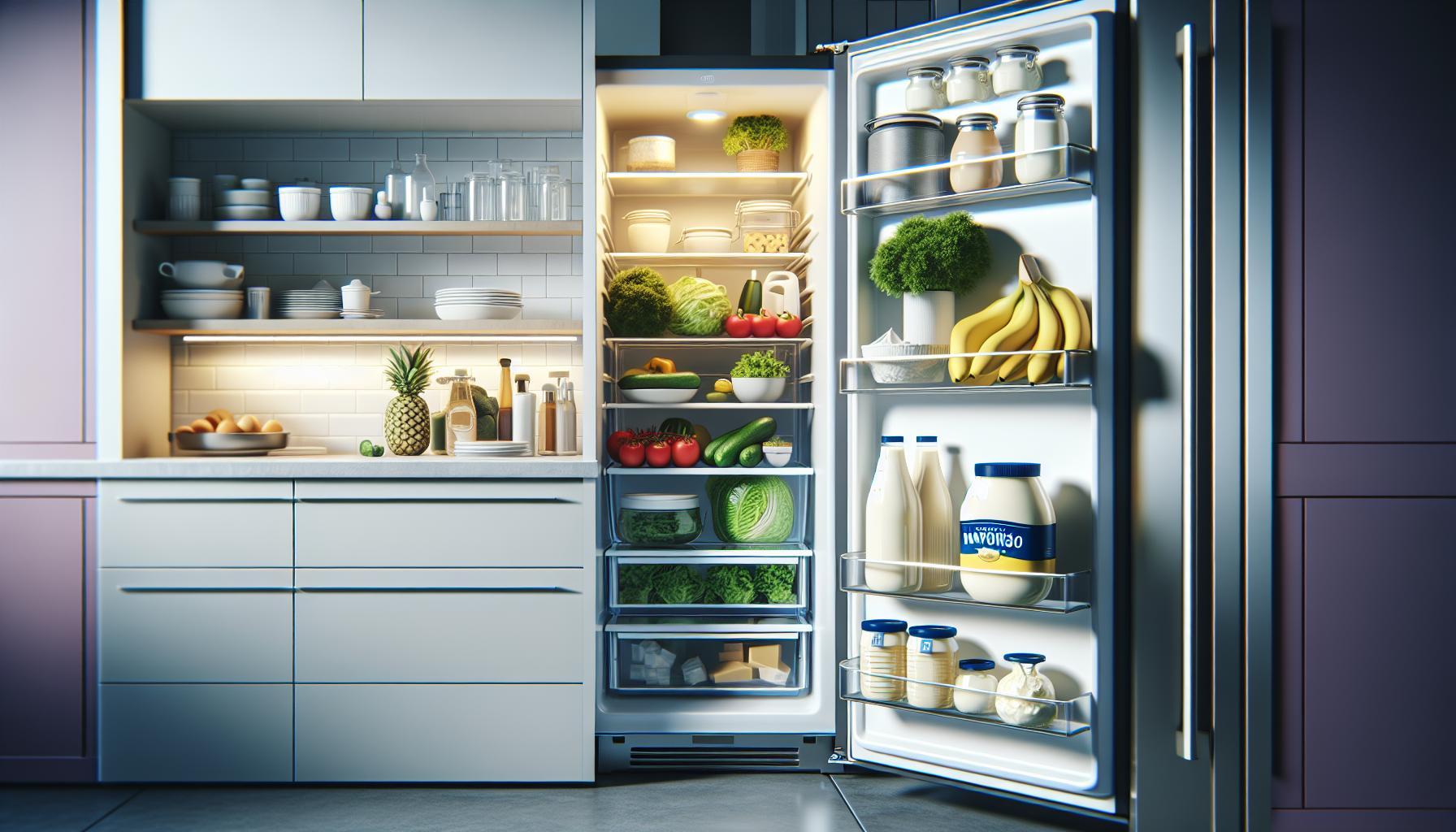

Mayonnaise is a staple in many kitchens, adding flavor and creaminess to a variety of dishes. However, knowing how long it can safely last in the fridge is crucial to avoid food spoilage and potential health risks. Did you know that improperly stored mayo can harbor harmful bacteria, leading to foodborne illnesses?
Understanding the proper storage time for mayonnaise can enhance your meal preparation and prevent waste. This guide will clarify how long mayo lasts in the refrigerator, offer tips on identifying signs of spoilage, and provide practical advice on maintaining food safety in your kitchen. Whether you’re a gourmet chef or a busy parent, knowing how to keep your favorite spreads fresh can help you serve delicious, safe meals every time. Keep reading to discover essential mayo storage tips that will give you peace of mind and elevate your culinary experience.
How Long Does Opened Mayo Last?
Opened mayonnaise can be a staple in your kitchen, but knowing how long it remains safe and tasty is crucial for both food safety and flavor. Typically, commercially prepared mayonnaise, when kept refrigerated, can last for about 2 to 3 months after opening. This timeframe hinges on proper storage practices and the original use-by date printed on the jar. It’s worth noting that homemade mayo generally has a shorter shelf life, often lasting about 3 to 5 days in the fridge due to the absence of preservatives.
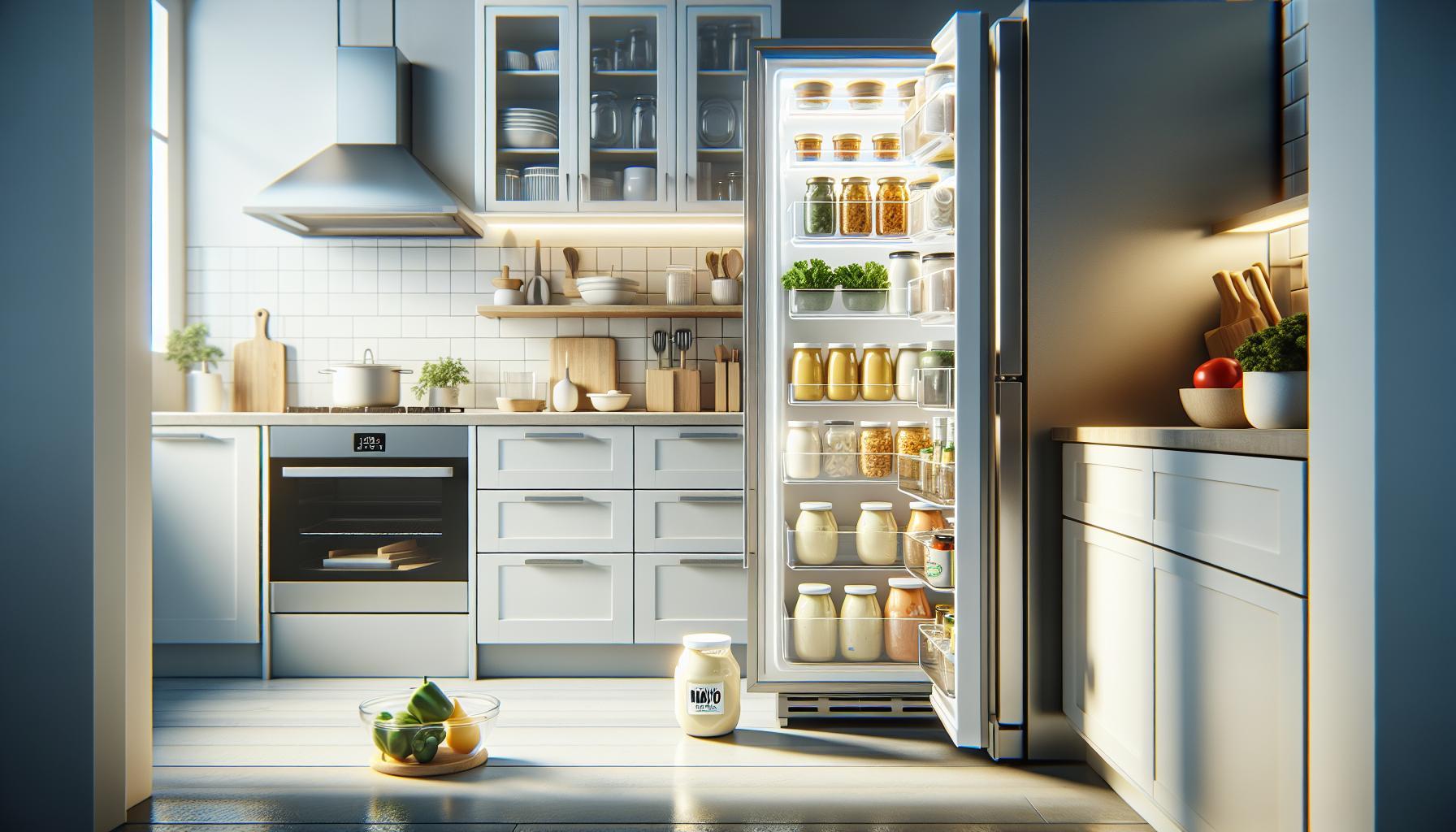
To ensure your opened mayo stays fresh for as long as possible, always store it in the refrigerator, tightly sealed to prevent contamination. Avoid leaving it out at room temperature for extended periods, as this can significantly shorten its lifespan. It’s also wise to use clean utensils when scooping mayo out of the jar to reduce the introduction of bacteria.
When assessing whether your mayo has gone bad, look for subtle changes. If the consistency appears separate or watery, or if the color changes or you detect an off smell, it’s advisable to toss the jar. Trusting your senses is vital; if something seems off, it’s best to err on the side of caution. Keeping these points in mind will help you enjoy your mayonnaise safely, ensuring it complements your culinary creations without the worry of spoilage.
The Shelf Life of Unopened Mayo
Mayonnaise is a beloved condiment that adds creaminess and flavor to various dishes, but understanding nnaise is crucial for ensuring both safety and taste. Generally, commercially prepared mayonnaise can last for quite some time when stored unopened. Most brands suggest that if kept in a cool, dry place away from sunlight, an unopened jar of mayonnaise will remain safe and retain its quality for about 3 to 4 months past its printed expiration date.
It’s essential to check the packaging for specific storage and expiration instructions, as these can vary between brands. While mayonnaise doesn’t spoil in the same way as perishable foods, the quality can diminish over time. Factors such as temperature and storage conditions can affect the longevity of the product. For best results, the mayonnaise should be stored at room temperature until opened, after which it must be refrigerated to maintain its freshness.
To maximize , keep it stored in a pantry or cupboard rather than placing it in humid areas like above the stove or refrigerator, where temperature fluctuations are common. Always inspect the jar for any damage or bulging before purchasing, as these can be signs of spoilage. If you’ve bought mayonnaise only to find it past its suggested expiration after some time, it’s important to rely on your senses; if it looks and smells good, it may still be useable.
Signs of Spoiled Mayonnaise
Fresh mayonnaise should always tantalize your taste buds, but recognizing the signs of spoilage can be crucial to both your health and your culinary experience. Spoiled mayonnaise can harbor harmful bacteria, so identifying its deterioration should be a priority for anyone who enjoys this creamy condiment. The most common indicators of spoiled mayonnaise include changes in smell, texture, and appearance.
One of the primary signs to look for is an off or sour odor. Good mayonnaise should have a mild, tangy scent. If it emits a strong, unpleasant smell reminiscent of spoiled eggs or sour milk, it’s time to toss it. Additionally, inspect the consistency; if the mayo has separated or shows an unusual watery layer on top, it may have gone bad. Fresh mayonnaise should have a smooth and creamy texture, so any graininess or curdling is also a red flag.
Color changes can be subtle yet telling. While mayonnaise typically has a pale yellow or off-white hue, any darkening, especially brown or grayish tones, can indicate spoilage. If your mayonnaise has also developed mold, either on the surface or within the jar, dispose of it immediately, as this is a definite sign of spoilage.
To ensure safety, always heed the “when in doubt, throw it out” rule. If you notice any of these signs, it’s safer to discard the product rather than risk foodborne illness. Keeping these factors in mind can help you enjoy mayonnaise without worry, allowing you to enhance your dishes with confidence.
Storage Tips to Extend Mayo Freshness
Keeping mayonnaise fresh is key to enjoying its creamy goodness without health risks. One of the best practices is to always store mayonnaise in the refrigerator once opened. Most commercial mayonnaise can be safely consumed within 2-3 months after opening if stored properly, thanks to its acidity and preservatives. However, for homemade mayonnaise, the timeline is much shorter-typically about one week.
To maximize freshness, here are some essential storage tips:
- Seal Tight: Always ensure the cap is tightly closed after each use. Exposure to air can introduce bacteria, leading to spoilage.
- Use Clean Utensils: Avoid using fingers or dirty spoons to scoop mayonnaise. This will help prevent contamination and extend its shelf life.
- Keep it Cold: Store mayonnaise in the coldest part of the refrigerator, typically the back, rather than the door, where temperatures fluctuate more.
- Avoid Sunlight: Keep the mayonnaise jar away from direct sunlight, which can influence its temperature and shelf life.
Additionally, consider labeling your mayonnaise jar with the date it was opened to monitor its freshness easily. If you have leftover homemade mayo, using a clean, airtight container reduces exposure to air and bacteria, further extending its life. By following these guidelines, you can enjoy delicious mayonnaise while minimizing waste and maintaining food safety.
Homemade Mayo: How Long It Lasts
Homemade mayonnaise, while a delightful and fresh addition to your culinary repertoire, has a significantly shorter shelf life compared to its store-bought counterpart. Typically, if stored properly, homemade mayo can last about one week in the refrigerator. This shorter timeframe is mainly due to the absence of preservatives and the use of raw eggs, which can make it more susceptible to bacterial growth.
To ensure the longevity of your homemade mayonnaise, it is essential to focus on proper storage methods. Here are a few key practices to help maintain its freshness:
- Use an Airtight Container: Transfer your homemade mayo to a clean, airtight container immediately after preparation. This minimizes exposure to air and bacteria that can accelerate spoilage.
- Keep It Refrigerated: Always store mayonnaise in the coldest part of the fridge and avoid placing it in the door, where temperature fluctuations are common.
- Label and Date: It’s a good practice to label your container with the date it was made. This way, you can easily keep track of its freshness and ensure you’re using it within the safe timeframe.
Though homemade mayo is delectable, it’s important to be vigilant about its quality. Always check for signs of spoilage, such as an off smell, discoloration, or an unusual texture. If any of these signs are present, it’s best to discard the mayo to avoid any health risks. Given the deliciously fresh taste of homemade mayonnaise, utilizing it within a week will ensure that you enjoy its creamy goodness at its peak flavor.
Best Practices for Refrigerating Mayo
Maintaining the quality and safety of mayonnaise in your refrigerator can significantly extend its edible lifespan. Understanding some effective practices will not only keep your mayo tasting fresh but will also ensure you enjoy it without fear of spoilage. First and foremost, you should always store mayo in a tightly sealed airtight container. This reduces the risk of air exposure, which can introduce bacteria and lead to spoilage. For homemade varieties, this is particularly crucial, as they lack preservatives that would otherwise help prolong shelf life.
The placement of your mayonnaise within the refrigerator is also vital. Aim to store it in the coldest part, usually towards the back of the fridge, rather than in the door. Refrigerators tend to have fluctuating temperatures in the door compartment due to frequent opening and closing, which may not be ideal for preserving perishable items like mayo.
It’s recommended to keep track of freshness by labeling your mayo containers with the date they were made. This simple step provides a clear guideline for when to consume or discard the mayonnaise. Generally, opened store-bought mayonnaise can last around two to three months in the fridge, while homemade mayonnaise should ideally be used within one week. Staying vigilant about the signs of spoilage, which include an off smell or visible changes in texture, will further safeguard you against unsafe food consumption.
By following these best practices, you can ensure that your mayonnaise remains a delicious, safe addition to your meals, enhancing your culinary creations without the worry of waste or health risks.
Freezing Mayo: Is It Safe?
While the idea of freezing mayonnaise might seem like a convenient solution to extend its shelf life, it’s important to understand the implications of doing so. Mayonnaise is an emulsion, which means it combines ingredients like oil, egg yolks, and vinegar or lemon juice. Freezing can disrupt this delicate balance, leading to a separation of the ingredients once thawed. This results in a texture that is grainy or watery and may not be suitable for use as a dressing or spread.
If you decide to freeze mayonnaise, try to use a small, airtight container, leaving some space at the top as the mayo will expand when frozen. The ideal timeframe for freezing is about 2 to 3 months to maintain the best quality. Beyond this period, while the mayo may remain safe to eat, its texture and flavor will diminish significantly.
Upon thawing, the best approach is to gently stir the mayonnaise to help re-emulsify it. However, keep in mind that even with stirring, the result may not be comparable to fresh mayonnaise. For this reason, consider using thawed mayonnaise primarily in cooked dishes, such as casseroles or baked goods, where the texture change is less noticeable. If you find that the mayonnaise has become too separated or unappetizing upon thawing, it may be best to discard it entirely to avoid compromising the quality of your dishes. Always prioritize food safety and quality when deciding whether to use frozen mayonnaise in your recipes.
Keeping Mayo Safe: Avoiding Contamination
To keep mayonnaise safe from contamination, it’s crucial to follow proper hygiene and storage practices. Mayonnaise is often made with ingredients like eggs, which can harbor bacteria such as Salmonella if not handled correctly. Therefore, taking steps to prevent contamination not only preserves the quality of your mayo but also safeguards your health.
Begin by ensuring that utensils, containers, and surfaces that come into contact with mayonnaise are spotless. Use hot, soapy water to clean all tools before cooking or serving. When using mayonnaise, avoid double-dipping or using utensils that have already touched other foods, as this can introduce pathogens into the jar. Always use clean spoons or spatulas to scoop out mayonnaise from its container.
Storage conditions also play a vital role in preventing spoilage. Keep opened mayonnaise tightly sealed in the refrigerator at temperatures below 40°F (4°C). Do not leave mayonnaise out at room temperature for more than two hours; if the temperature exceeds 90°F (32°C), that period decreases to just one hour. To extend its shelf life, store mayonnaise at the back of the refrigerator, where temperatures are more stable.
Ideally, you should also avoid putting mayonnaise in the door of the refrigerator, as the temperature fluctuates more there. If you’re unsure about your mayonnaise’s safety, look for an off smell, a change in color, or separation. If any of these signs are present, it’s best to err on the side of caution and discard the mayonnaise. By adhering to these practices, you can enjoy mayonnaise safely while minimizing the risk of foodborne illness.
Can You Revive Spoiled Mayo?
Once mayonnaise has shown signs of spoilage, such as an off smell, unusual color, or separation, it’s crucial to prioritize safety over revival. Spoiled mayo can pose a health risk, particularly due to the presence of ingredients like eggs, which can harbor harmful bacteria. Although some may consider trying to revive mayonnaise through methods like mixing or adding fresh ingredients, this is risky and not advisable. If the quality has deteriorated, it’s best to discard the mayonnaise rather than risk foodborne illness.
For those who are curious about how to handle mayonnaise before it potentially spoils, keep an eye on its shelf life. Opened commercial mayonnaise typically lasts about 2 to 3 months in the refrigerator, provided it’s stored properly. Homemade mayonnaise, on the other hand, usually has a much shorter lifespan-around 1 week-due to the absence of preservatives. Investing in airtight containers and maintaining stable refrigeration conditions can help maximize the freshness of your mayonnaise.
If you’re ever in doubt about whether your mayonnaise is still good to use, trust your senses. A sour smell, any change in texture, or signs of mold indicate that the mayonnaise should be tossed. It’s a prudent practice to avoid taking chances with food safety: when in doubt, throw it out. Always prioritize your health and safety, and remember that proper storage and hygiene can significantly extend the life of your mayonnaise.
Comparing Mayonnaise Brands: Shelf Life Differences
When selecting mayonnaise, it’s vital to consider the brand, as different manufacturers may use varying ingredients and preservation methods, directly affecting shelf life. Commercially produced mayonnaise typically contains preservatives that extend its usability significantly longer than homemade versions. For instance, most store-bought mayonnaises can safely last 2 to 3 months in the refrigerator once opened, provided they are kept in airtight containers and stored at a consistent, cool temperature.
In contrast, homemade mayonnaise, while often praised for its freshness and flavor, has a much shorter shelf life-generally around one week. This is because homemade versions do not contain the preservatives found in many commercial products, making them more susceptible to bacterial growth and spoilage, especially if left at room temperature for extended periods.
Brand Variations
Different brands also vary in their formulations, which can impact both taste and longevity. For instance, mayonnaise made with whole eggs may have a shorter shelf life compared to those made with pasteurized egg products. Some brands offer “light” or “organic” varieties, which may have different preservation methods or shorter shelf lives as well. Overall, checking expiration dates on jars, particularly for less common brands, is recommended.
To help you navigate the landscape of mayonnaise brands and their respective shelf lives, here is a simple comparison:
| Brand | Shelf Life (Opened) | Ingredients Impacting Shelf Life |
|---|---|---|
| Hellmann’s | 2-3 months | Contains preservatives |
| Miracle Whip | 2-3 months | Higher sugar content, preservatives |
| Homemade | 1 week | No preservatives |
| Organic Brands | 1-2 months | May vary; some use fewer preservatives |
Being aware of these differences can empower you to make informed decisions about your mayonnaise purchases and how to best store them. Always use your senses as your first line of defense-if something seems off, it’s safer to err on the side of caution and discard the product.
When to Toss Mayo: Safety Guidelines
When it comes to mayonnaise, knowing when to toss it is crucial for both safety and flavor. While store-bought mayonnaise can last 2 to 3 months in the fridge after opening, homemade versions have a much shorter lifespan-generally about one week. The lack of preservatives in homemade mayo increases the risk of spoilage, so regular checks are essential. Here are key guidelines for determining whether to keep or discard your mayo:
Visual and Textural Changes: Always inspect the mayo before using. If you notice any discoloration, separation, or curdling, it’s a clear sign that the mayonnaise has gone bad. Fresh mayonnaise should have a smooth, creamy texture without any lumps.
Odor and Taste: When in doubt, a sniff test can be insightful. Fresh mayonnaise has a clean, tangy aroma that enhances its flavor. If it smells sour or off, it’s best to avoid consuming it. Similarly, if a small taste reveals a strange or unpleasant flavor, it indicates that the mayo has spoiled.
Expiration Dates and Storage Conditions: Always check the expiration date on commercial mayonnaise. Even unopened jars can spoil if not stored properly. Mayonnaise should be kept in the refrigerator at all times, and after opening, ensure it’s tightly sealed in its original container. Never leave it out at room temperature for extended periods, as that increases spoilage risks.
By following these safety guidelines, you can enjoy your mayonnaise without worry. If there’s any uncertainty about its freshness, it’s wiser to discard it and avoid potential health risks. Always prioritize food safety-when in doubt, throw it out!
Creative Uses for Leftover Mayo
Have you ever found yourself with leftover mayonnaise after a gathering or recipe, unsure of how to use it before it spoils? Good news-mayonnaise is a versatile ingredient that can enhance various dishes and even substitute for other fats in cooking. Using up leftover mayo not only reduces food waste but also allows you to creatively experiment in the kitchen.
One delightful use for leftover mayonnaise is in baking. It can replace oil or butter in many recipes, adding moisture and a subtle richness to cakes, brownies, and muffins. Just about 1/4 cup of mayonnaise can substitute for a 1/4 cup of oil or melted butter without compromising taste. Here’s a quick addition to your baking:
- Cakes: Use mayonnaise in chocolate or vanilla cakes for enhanced texture.
- Bread: Add a spoonful to your bread dough for extra softness.
Beyond baking, mayonnaise can elevate savory dishes as well. It works wonders as a base for creamy salad dressings or dips. Mix leftover mayo with herbs, spices, or other ingredients like garlic and lemon juice, and you have a quick and tasty dip for vegetables or chips. Consider creating:
- Herbed Dip: Blend mayo with chopped fresh herbs and yogurt for a refreshing dip.
- Deviled Eggs: Incorporate mayo into your deviled eggs for a richer filling.
Another innovative approach is to use mayonnaise in various sauces. For instance, it can be combined with ketchup and spices to create a flavorful burger sauce. Simply mix equal parts mayo and ketchup, then add hot sauce, pickle juice, and seasoning to taste. This sauce can also be an excellent addition to sandwiches or grilled meats.
To maintain safety while using leftover mayo, always keep it stored in the refrigerator, ensuring it’s sealed properly. Any unexpected changes in texture or smell should prompt you to toss it, as spoiled mayo can lead to foodborne illness. With creativity and practicality, leftover mayonnaise can transform your meals while curbing waste.
Frequently Asked Questions
Q: How can I tell if my mayonnaise is still good?
A: To check if mayonnaise is still good, look for changes in color, texture, or smell. Spoiled mayo may develop a sour smell, off color, or separation. If any of these signs are present, it’s best to discard it to avoid foodborne illness.
Q: Can unopened mayonnaise go bad?
A: Yes, unopened mayonnaise can go bad over time, particularly past its expiration date. Store it in a cool, dark place. Always check for any signs of spoilage, such as bulging lids or leakage, before consumption.
Q: What happens if you eat expired mayonnaise?
A: Eating expired mayonnaise can pose health risks, including food poisoning. Symptoms may include nausea, vomiting, and diarrhea. If you’re unsure about the freshness, it’s safer to err on the side of caution and throw it away.
Q: How long can homemade mayonnaise be stored in the fridge?
A: Homemade mayonnaise typically lasts about 3-5 days in the fridge. Due to the lack of preservatives, it spoils more quickly than store-bought varieties. Keep it tightly sealed and always inspect for signs of spoilage before use.
Q: Does mayonnaise spoil faster in warmer temperatures?
A: Yes, mayonnaise spoils faster in warmer temperatures. To keep it fresh longer, always store it in the refrigerator at temperatures below 40°F (4°C) and avoid leaving it out during meals for extended periods.
Q: Can I freeze mayonnaise to extend its shelf life?
A: Freezing mayonnaise is not recommended, as it can separate and change texture upon thawing. It’s better to store it in the fridge where it can maintain its consistency and flavor.
Q: Is there a difference between commercial and homemade mayonnaise shelf life?
A: Yes, commercial mayonnaise has a longer shelf life due to preservatives and stabilizers. It can last 2-3 months after opening, while homemade mayonnaise lasts only 3-5 days in the fridge. Always refer to storage guidelines for best practices.
Q: How often should I check my mayonnaise for freshness?
A: It’s wise to check mayonnaise for freshness before using it, especially if it’s been opened for a while. Regularly inspect it every month or prior to any major use, especially for homemade versions or if it’s nearing its expiration date.
Key Takeaways
Now that you know how long mayo lasts in the fridge and how to avoid spoiled spreads, take action to ensure your condiments are fresh and safe. Remember, unopened mayonnaise can last up to three months beyond the expiration date, while opened jars should be consumed within two months. Always store mayo in a cool, dry place, and make sure to check for any signs of spoilage before use.
For more tips on food safety and storage, check out our articles on “How to Properly Store Condiments” and “Signs Your Food Has Gone Bad.” Don’t forget to subscribe to our newsletter for the latest updates on keeping your kitchen safe and efficient! If you have questions or want to share your experiences, drop a comment below. Your insights can help others-let’s keep the conversation going!