Oranges are not just a delicious and refreshing snack; they’re also packed with vitamins and nutrients that support your health. However, once you bring these juicy fruits home, the question arises: how long can they really last in your fridge? Understanding proper storage techniques is essential to maximize their freshness and ensure you get the most out of your purchase.
With a few simple guidelines, you can keep your oranges vibrant and tasty for longer, preventing waste and enhancing your meals or snacks. Whether you’re a health enthusiast looking to make the most of your citrus selection or simply want to enjoy fresh oranges over several days, this guide will provide you with the knowledge you need to store them effectively. Dive into our juicy storage tips and learn how to keep your oranges at their best!
How Long Do Oranges Last in the Fridge?
Oranges are a staple fruit known for their refreshing taste and vibrant flavor, but just how long can they last when stored in the fridge? Properly stored, fresh oranges can typically remain at their best quality in the refrigerator for up to two weeks. This timeframe can vary slightly depending on factors such as the oranges’ initial ripeness when purchased and the humidity level inside your fridge.
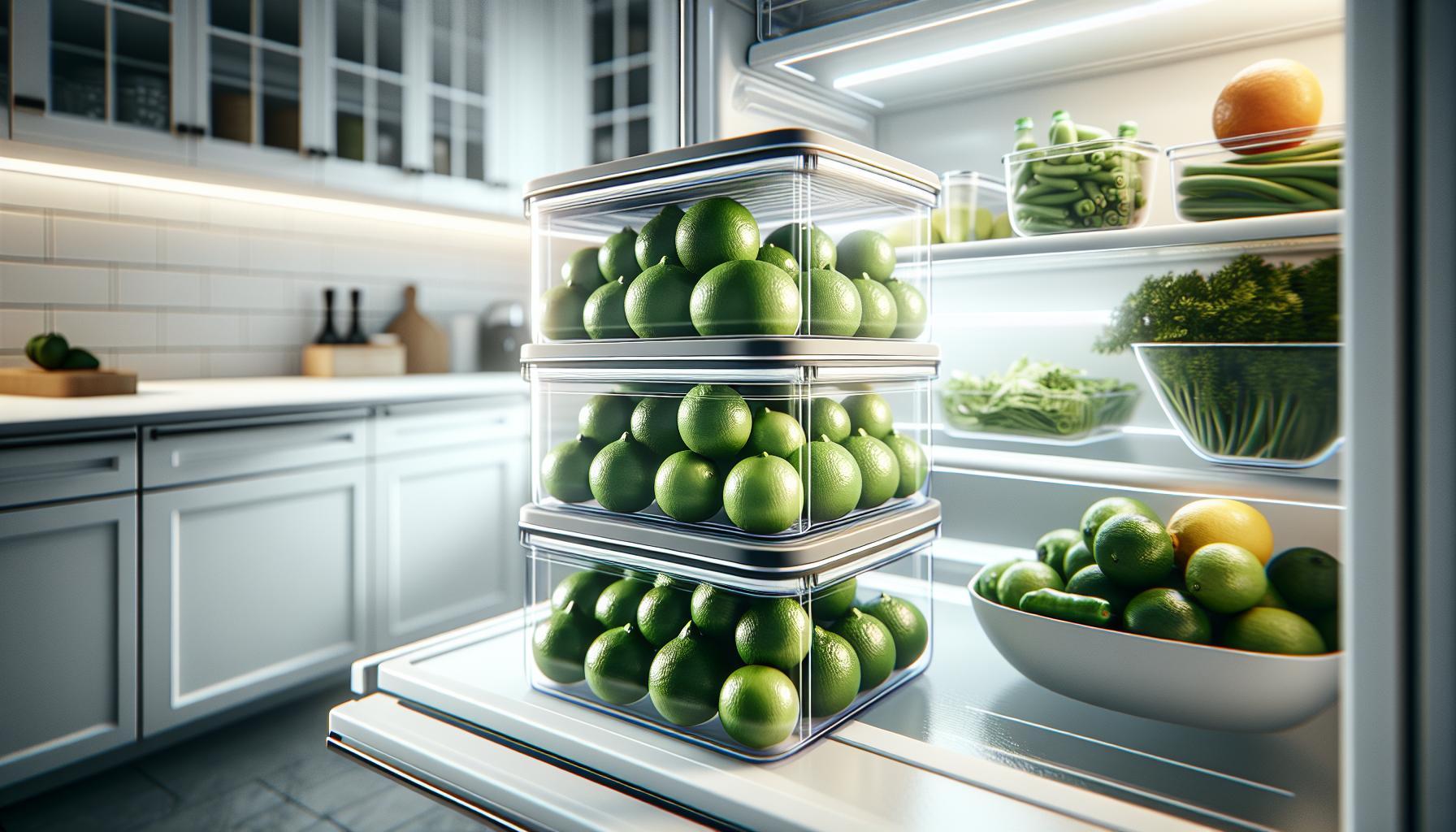
To maximize their shelf life, it is best to keep oranges in the crisper drawer of your refrigerator, which maintains a slightly higher humidity level than other areas. Placing them in a mesh bag or even leaving them loose allows for better air circulation, preventing moisture build-up that can lead to mold or spoilage. Avoid washing the oranges before storing them, as excess moisture can also cause them to spoil faster.
If you notice any signs of spoilage, such as mushy spots, dark patches, or a foul smell, it’s essential to discard the affected fruit immediately to prevent others from spoiling. While oranges can last a few days longer if left at room temperature, the quality will decline more quickly. Therefore, for the best experience and taste, refrigerating them is the way to go.
Storing Oranges: Best Practices
Proper storage practices are essential for maximizing the freshness of oranges and ensuring they remain at their best for as long as possible. Oranges typically maintain their optimal quality in the refrigerator for up to two weeks, but how you store them can significantly influence their longevity. To help readers make informed decisions, consider the following effective storage strategies.
First, the crisper drawer of your refrigerator is the ideal location for oranges. This compartment offers a slightly higher humidity level which is beneficial for retaining moisture and preventing the fruit from drying out. To promote air circulation and reduce the risk of mold, place oranges in a mesh or perforated bag. Alternatively, leaving them loose can also facilitate airflow, allowing moisture to escape rather than accumulate. It’s advisable to avoid washing oranges before refrigerating them; excess moisture can lead to spoilage.
Additionally, it’s important to periodically check your oranges for freshness. If you notice any fruit that appears mushy, has dark spots, or emits a foul odor, these are signs of spoilage. Discarding spoiled oranges promptly helps ensure the remaining fruit stays fresh. For those who find themselves with excess oranges, proper long-term storage techniques can include freezing segments or juice, thus extending their usability beyond the typical two-week fridge life.
Emphasizing safe storage practices not only maximizes the shelf life of oranges but also helps in preventing food waste, ensuring you can enjoy the zesty sweetness of these fruits for as long as possible.
Signs of Spoiling: When to Discard Oranges
Oranges are a delicious and nutritious snack, but knowing when to discard them is crucial for both health and flavor. Even when stored in the refrigerator, oranges can begin to spoil, and recognizing the signs of deterioration is key to maintaining your food safety standards. Fresh oranges might look vibrant and appealing, but internal decay can occur without visible symptoms on the skin.
One of the primary indicators of spoilage is texture. If you notice that an orange feels mushy or unusually soft when gently pressed, it signifies that the fruit has started to break down. Alongside texture, look for discoloration: dark spots or patches may suggest mold or rot, signaling that the orange is no longer safe to consume. A foul or off odor is another clear warning sign; fresh oranges should smell sweet and citrusy, whereas a sour or musty scent indicates spoilage.
To help maintain your health standards, it’s advisable to routinely check your stored oranges, particularly if they are nearing the two-week mark in the fridge. For best practices, if you find an orange that exhibits any of these spoilage signs, it’s essential to discard it immediately to prevent it from affecting the quality of other fruits stored alongside it. By being vigilant and proactive, you can ensure you enjoy oranges at their peak of freshness while minimizing the risk of ingesting spoiled food.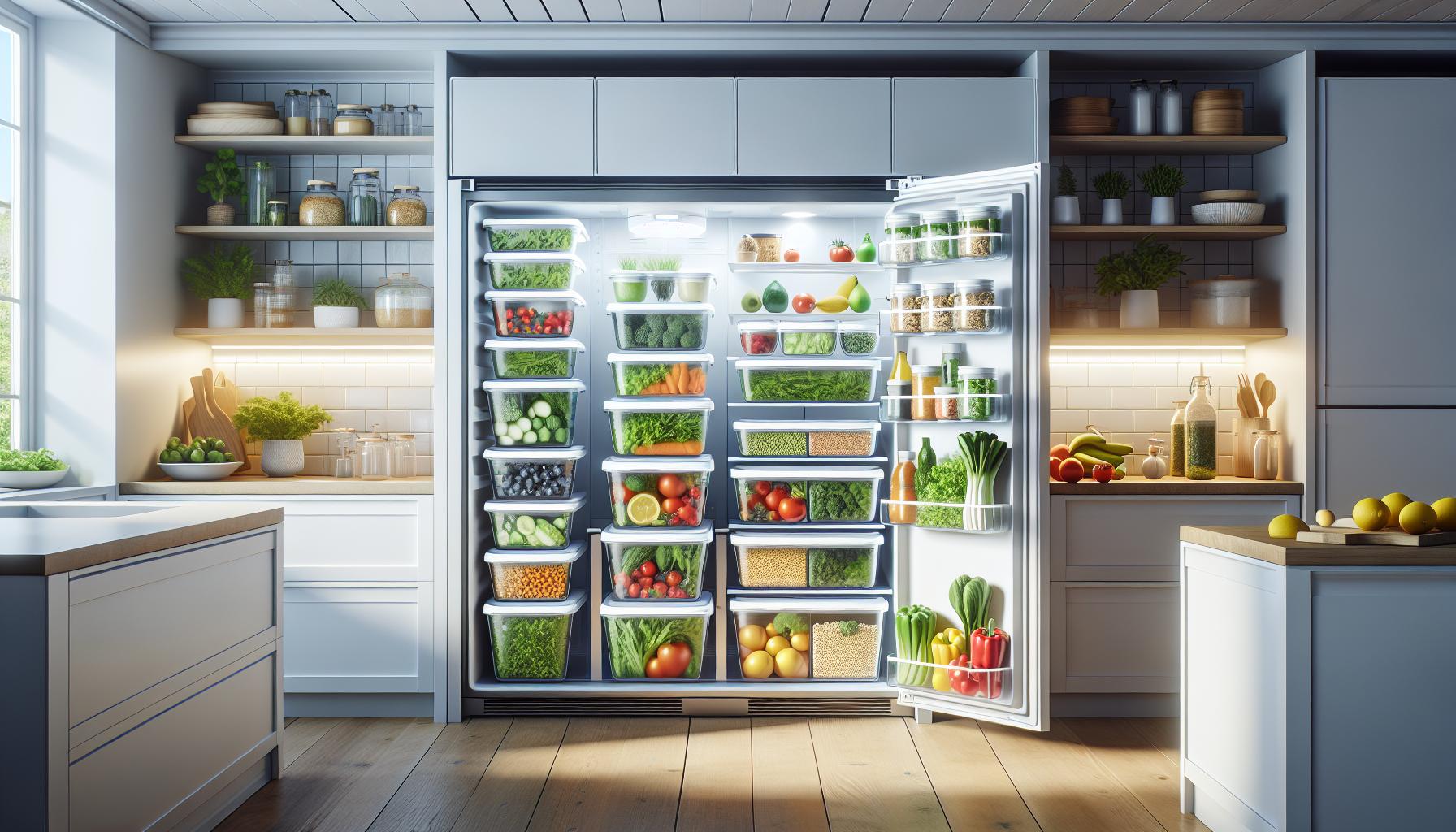
Proper Storage Techniques for Freshness
To keep oranges juicy and flavorful, proper storage techniques are essential. When stored correctly, oranges can last up to two weeks in the refrigerator, making them a convenient and healthy snack option. Here are some practical tips for maintaining orange freshness:
First and foremost, avoid storing oranges in plastic bags. Instead, opt for breathable containers, such as mesh produce bags or an open bowl, which allow for air circulation. This prevents moisture buildup that can lead to mold growth. Additionally, keep the oranges in a cool, dark area of the fridge, such as the crisper drawer, where humidity levels are typically higher and optimal for fruit preservation.
Moreover, refrain from washing the oranges until you are ready to consume them. Washing can introduce moisture, increasing the risk of spoilage. If you’re purchasing oranges in bulk, be sure to inspect them carefully for any signs of damage or spots when placing them in storage. Storing only intact fruits alongside each other will also help prevent the spread of decay.
For those looking to maximize the longevity and enjoyment of their fruits, consider separating ripe oranges from those that are not quite ready. This simple technique ensures that the ripening process of one will not adversely affect the other. By implementing these storage techniques, you can savor the freshness of your oranges longer while enjoying the delightful taste and health benefits they offer.
The Impact of Temperature on Orange Longevity
Oranges thrive best within a specific temperature range, and understanding this can significantly enhance their shelf life and maintain their delightful taste. Ideally, oranges should be stored in a refrigerator at temperatures between 35°F to 45°F (1.6°C to 7.2°C). When kept within this range, you can expect your oranges to last up to two weeks. Deviating from this temperature can lead to rapid spoilage, negatively affecting both texture and flavor.
When exposed to temperatures that are too cold, such as those below freezing, oranges are susceptible to freezer burn or frost damage. This can result in pitted appearances, a mealy texture, and diminished juiciness, ultimately rendering them unappealing for consumption. Conversely, storing them in warmer environments can promote faster ripening and spoilage. At room temperature, oranges may last just a few days before signs of mold or soft spots begin to emerge. For optimal freshness, refrigerate them shortly after purchase, especially if you don’t plan to consume them within a few days.
If you’re interested in long-term storage, consider the method of freezing. However, remember that this must be done with care-blanching slices and using airtight containers can help preserve their quality. Freezing can extend the lifespan of oranges for several months but may alter the fruit’s texture. If you ever need a refreshing addition to smoothies or recipes, frozen oranges can be a delightful option.
In short, temperature is a critical factor in maintaining the longevity and quality of oranges. By keeping them in the ideal refrigeration range, you ensure that their delightful sweetness and robust flavor maximize before you enjoy them. Following these temperature guidelines will help you make the most of this vibrant fruit while minimizing food waste.
Long-Term Storage: Freezing Oranges Safely
Freezing oranges is an excellent method to extend their lifespan well beyond the typical two weeks you might expect in the refrigerator. Properly frozen, oranges can last for up to six months, making them a great option for preserving the seasonal fruit. To ensure optimal taste and texture, it’s essential to follow a few simple steps when preparing oranges for freezing.
Before freezing, wash the oranges thoroughly to remove any dirt or pesticide residues. Next, you can choose one of two popular methods for freezing: whole or sliced. If you decide to freeze whole oranges, be sure to dry them completely after washing to prevent the formation of ice crystals. Place them directly into a freezer-safe bag or container, ensuring you remove as much air as possible to avoid freezer burn.
If you prefer sliced oranges, peel and segment them first, then lay the slices out on a baking sheet lined with parchment paper in a single layer. This method, known as flash freezing, prevents the slices from sticking together. After a few hours in the freezer, transfer the frozen slices into an airtight container or resealable freezer bag. This makes it easy to grab just the amount you need later on.
For those considering how freezing may affect the fruit’s usage, it’s important to understand that while texture may change, frozen oranges are perfect for smoothies, baked goods, or as a refreshing snack. The freezing process causes cells within the fruit to break down, which can result in a softer texture upon thawing. However, this does not diminish their flavor or nutritional value, allowing you to enjoy the health benefits of oranges long after the harvest season has passed.
Health Benefits of Properly Stored Oranges
Oranges are not just a delicious snack; their health benefits can be maximized significantly when stored properly. By following recommended storage practices, you can maintain their fresh, juicy quality and keep enjoying their many advantages. Oranges are rich in vitamin C, fiber, and antioxidants, which play a vital role in supporting the immune system, promoting heart health, and aiding digestion. Proper storage techniques help in preserving these nutrients, ensuring that your consumption of oranges continues to be healthy and beneficial.
To maintain the nutritional value and flavor of oranges, it is essential to store them in the right environment. When kept in the fridge, oranges can last up to three weeks. Keeping them in a perforated plastic bag allows for proper air circulation while reducing moisture build-up, which can lead to spoilage. It’s important to keep them away from ethylene-producing fruits like apples and bananas, as this gas accelerates ripening and can cause oranges to spoil more quickly. For longer storage periods, freezing is an excellent option. When frozen correctly, oranges can last for up to six months without significant loss of their vitamin content.
Additionally, consuming properly stored oranges can provide health benefits that extend beyond basic nutrition. The antioxidants found in oranges, such as flavonoids and carotenoids, can help reduce inflammation and lower the risk of chronic diseases. Regular consumption of fresh oranges can boost energy levels and enhance skin health. When stored properly, these fruits retain their juiciness and sweetness, making them more enjoyable and enhancing their potential health benefits, encouraging you to include them in your daily diet.
In summary, adhering to effective storage techniques not only prolongs the freshness of oranges but also ensures that their pack of nutrients remains intact. By taking the time to store them properly, you can enjoy all the benefits that these vibrant fruits offer while conveniently having a healthy snack at hand.
Exploring Different Varieties: Storage Tips for Each
Different varieties of oranges offer unique flavors, textures, and opportunities for culinary creations, but they can also come with specific storage requirements to maximize their shelf life and quality. Understanding these differences can help ensure that each variety retains its best qualities, makes your meals more enjoyable, and helps you get the most out of your purchases.
For instance, navel oranges, with their thicker skin and sweetness, can last up to three weeks in the fridge when stored in a perforated plastic bag. This allows them to maintain optimal moisture levels without the risk of spoilage from excess humidity. In contrast, Valencia oranges, known for their juiciness, are ideal for juicing and should be treated similarly; however, they are best consumed within two weeks of storage, as their thin skin makes them more susceptible to decay.
Another variety, blood oranges, not only add a vibrant color to your dishes but also provide unique storage considerations. Due to their higher anthocyanin content, they may deteriorate faster than other types when exposed to ethylene gas from nearby fruits. It is advisable to keep them isolated from apples and bananas and inspect them frequently for any signs of spoilage, ideally using within 10 to 14 days if kept in the fridge.
Lastly, if you’re looking to enjoy these citrus delights beyond their prime, freezing is a great option. Segmenting the oranges and placing them in airtight containers can preserve their flavor and most of their nutrients for up to six months. Always label containers with the date of freezing to keep track of their storage time and ensure optimal use.
By exploring the nuances of each orange variety, you can customize your storage techniques, thus enhancing your culinary experience and reducing waste in your kitchen. Staying aware of how to best preserve each type allows you to enjoy fresh and zesty oranges at their peak while reaping the full benefits of their delicious, nutritious qualities.
Creative Ways to Use Oranges Before They Spoil
To ensure that you make the most of your oranges before they spoil, consider creative ways to incorporate them into your meals and snacks. Citrus fruits like oranges are not only delicious but also versatile, allowing you to experiment in the kitchen while preventing waste.
One enjoyable method to use up oranges is by making vibrant salads. Combine segmented oranges with mixed greens, avocado, and nuts for a refreshing dish. Drizzle with a citrus vinaigrette to enhance the flavors, creating a perfect side or a light lunch that showcases the oranges’ natural sweetness. Tip: Pairing oranges with flavors like feta cheese or red onion can add delightful contrasts and elevate your salad.
Another fantastic way to use oranges is through juicing. Fresh orange juice is a morning staple that can elevate your breakfast routine. Squeeze a few oranges and serve the juice as a refreshing beverage or use it to make smoothies. You can also incorporate orange juice into marinades for chicken or fish, adding a zesty flavor that tenderizes the meat. Safety Note: Store any leftover juice in the fridge and consume it within three to five days for optimal freshness.
If you’re feeling adventurous in the kitchen, consider making a homemade orange marmalade. This sweet spread can enhance breakfast options, from toast to pancakes, and it’s a delicious way to use multiple oranges at once. Combine orange peels, juice, sugar, and water, simmering until the mixture thickens. Once cooled, store the marmalade in sterilized jars for up to a month in the refrigerator, or can it for long-term storage.
Lastly, don’t overlook the possibility of freezing oranges if you’re unable to consume them promptly. Peel and segment the fruit, then place the pieces in airtight containers or freezer bags. Frozen oranges can be added directly to smoothies or used in cooked dishes like stir-fries for a burst of flavor. They’re also a refreshing addition to summer drinks, providing a coolness that’s both tasty and visually appealing.
By exploring these methods, you can ensure that your oranges do not go to waste, allowing you to enjoy their bright flavor and nutritional benefits thoroughly.
Common Mistakes When Storing Oranges
Storing oranges might seem straightforward, but there are several common mistakes that can significantly affect their freshness and longevity. Understanding these pitfalls can help you maximize the shelf life and taste of your citrus fruits, ensuring that every bite is juicy and delicious.
One frequent error is washing oranges before storing them. While it may seem like a good idea to clean your fruit, moisture promotes mold growth and accelerates spoiling. Instead, it’s best to leave the oranges unwashed until you’re ready to eat them. If you need to wash them, do so just before consumption and ensure they are thoroughly dried before storage.
Another mistake is storing oranges in plastic bags. This might trap moisture and create a damp environment, which can lead to mold. Instead, placing oranges in a mesh bag or a cardboard box allows for proper air circulation, keeping them dry. Additionally, avoid putting them in the crisper drawer of your fridge; oranges prefer a slightly warmer environment. Storing them in the main compartment can help maintain optimal flavor.
Temperature fluctuations can also be detrimental. Many people leave their oranges out on the counter initially, then transition them to the fridge, not realizing that this can shock the fruit and affect its texture. Ideally, oranges should be stored in a cool, stable environment right away, especially if you live in a warm climate. Always aim for consistent temperatures to prolong their lifespan.
Lastly, ignoring the signs of spoilage can lead to wasted fruit. Pay attention to any soft spots, an off smell, or unusual discoloration. If you notice any blemishes, use those oranges promptly in smoothies or cooking, as consuming spoiled fruit can lead to gastrointestinal issues. Taking these steps will help ensure that your oranges remain fresh and enjoyable for as long as possible.
Maximizing Freshness: Other Fruit Storage Tips
Oranges are not only a delicious snack but also an excellent source of vitamin C and other antioxidants. To maximize the freshness of oranges and other fruits, it’s essential to adopt specific storage techniques that go beyond simply putting them in the fridge. Here are some crucial tips to keep your fruit in top condition, ensuring you can enjoy every bite.
First, consider the temperature at which you store your oranges. Oranges thrive in cool temperatures but not too cold. Ideally, store them in a place that maintains a temperature between 45°F (7°C) and 50°F (10°C). If necessary, utilize the refrigerator, but avoid placing them in the crisper drawer, as it tends to be humid. Instead, store them in a well-ventilated area of the fridge, in a mesh bag or cardboard box, promoting airflow and preventing moisture buildup.
Additionally, consider the compatibility of different fruits. Certain fruits, such as apples and bananas, emit ethylene gas, which can accelerate the ripening process of surrounding produce. Keep your oranges away from these ethylene-producing fruits to prolong their longevity. When grouping fruits, aim to create a harmonious collection that won’t compromise their freshness.
Lastly, maintaining cleanliness while handling your fruits is essential. Before storing, ensure your hands and surfaces are clean to prevent the transfer of microbes that could lead to spoilage. For long-term storage, if you find yourself with surplus oranges, consider juicing them and freezing the juice. This method preserves the freshness and nutritional quality for several months, allowing you to enjoy the vibrant flavor of oranges long after their peak ripeness has passed. By implementing these storage strategies, you can significantly extend the life of your oranges and other fruits, minimizing waste and maximizing flavor.
Faq
Q: How can I tell if my oranges are still fresh?
A: To check if oranges are fresh, look for firm skin that feels heavy for its size. Avoid those with soft spots, wrinkled skin, or mold. A fresh orange should have a bright, rich color. For further tips on signs of spoiling, see the section on “Signs of Spoiling: When to Discard Oranges.”
Q: What is the best way to store oranges to keep them fresh longer?
A: Store oranges in the fridge’s crisper drawer in a mesh bag or perforated container to promote airflow. This helps maintain humidity levels and prevents spoilage. Refer to the “Proper Storage Techniques for Freshness” section for more detailed information.
Q: Can you freeze oranges, and if so, how?
A: Yes, you can freeze oranges! Peel and segment them, then place in an airtight container or freezer bag. This keeps them fresh for several months. For complete freezing tips, check the “Long-Term Storage: Freezing Oranges Safely” section of the article.
Q: How long do cut oranges last in the fridge?
A: Cut oranges typically last about 3-5 days in the fridge when stored in an airtight container. Make sure to keep them away from ethylene-producing fruits to extend their freshness. For further guidance, see “Storing Oranges: Best Practices.”
Q: What temperature should oranges be stored at for optimal freshness?
A: Oranges should be stored at a temperature between 35°F and 45°F (1.6°C to 7.2°C) in the refrigerator. This range helps prolong their shelf life significantly. More on this can be found in “The Impact of Temperature on Orange Longevity.”
Q: How do different orange varieties affect storage time?
A: Storage time can vary by variety; for instance, Valencia oranges typically last longer than Navel oranges. Always check specific guidelines for each variety to ensure optimal freshness. For variety-specific tips, see “Exploring Different Varieties: Storage Tips for Each.”
Q: What should I avoid when storing oranges?
A: Avoid storing oranges in plastic bags or near fruits that produce ethylene gas, such as apples and bananas. These practices can hasten spoilage. For common mistakes, see “Common Mistakes When Storing Oranges.”
Q: Can I use leftover orange peels creatively?
A: Yes! Leftover orange peels can be used to make citrus-infused water, as natural cleaning agents, or in recipes like candied peels. Discover more ideas in the section “Creative Ways to Use Oranges Before They Spoil.”
In Retrospect
Maximize the freshness of your oranges by storing them correctly in the fridge, where they can last up to two weeks. Remember, proper storage not only preserves their juicy goodness but also ensures you’re enjoying the best in flavor and nutrition. Want to elevate your fruit storage game? Check out our guide on “Best Practices for Storing Fresh Fruit” and “How to Tell When Oranges Are Bad” for practical tips to keep your pantry in top shape.
Don’t let your oranges go to waste-implement these simple storage tips today! If you found this information valuable, consider signing up for our newsletter for more tasty tips and tricks. We love hearing from you, so drop your thoughts or questions in the comments below! Explore our related articles and keep your kitchen stocked with knowledge that makes cooking and food storage a breeze.