Did you know that storing lemons properly can significantly extend their freshness and flavor? Whether you’re a cooking enthusiast or someone who simply enjoys the occasional citrus slice in your water, understanding how long lemons last in the fridge is essential.
Lemons can brighten up dishes and drinks, but they can also spoil quickly if not stored correctly. Many people find themselves tossing out half-used lemons, not realizing that with the right storage techniques, these zesty fruits can remain fresh and flavorful for weeks. This article will guide you through the optimal ways to keep your lemons fresh, ensuring you maximize their shelf life and minimize waste. Keep reading to discover the best practices for lemon storage and tips for maintaining their delicious quality!
How Long Do Lemons Last in the Fridge?
When stored properly, fresh lemons can remain viable in the fridge for up to three to four weeks. This timeframe can vary based on the initial freshness of the lemons at the time of purchase and the conditions they are kept in. To maximize their shelf life, it is advisable to keep them in the crisper drawer of your refrigerator, which maintains a stable humidity level that helps prevent them from drying out. By storing your lemons correctly, you can enjoy their bright flavor and zest without waste.
It’s important to inspect your lemons regularly for freshness. Here are some signs indicating they may be past their prime:
- Soft spots or wrinkles: If the skin feels overly soft or has noticeable wrinkles, the lemons are losing moisture.
- Mold: Any signs of mold on the surface are a clear indication that they should be discarded.
- Off smell: A sour or fermented odor can also suggest spoilage.
To ensure your lemons stay juicy and vibrant, consider storing them whole rather than cut. When sliced, lemons expose more surface area, making them prone to drying out, and they should ideally be used within a week. If you must cut them, wrap the remaining piece tightly in plastic wrap and store it in an airtight container in the fridge. These practices not only assist in prolonging freshness but also maximize the use of this versatile fruit in your recipes and beverages.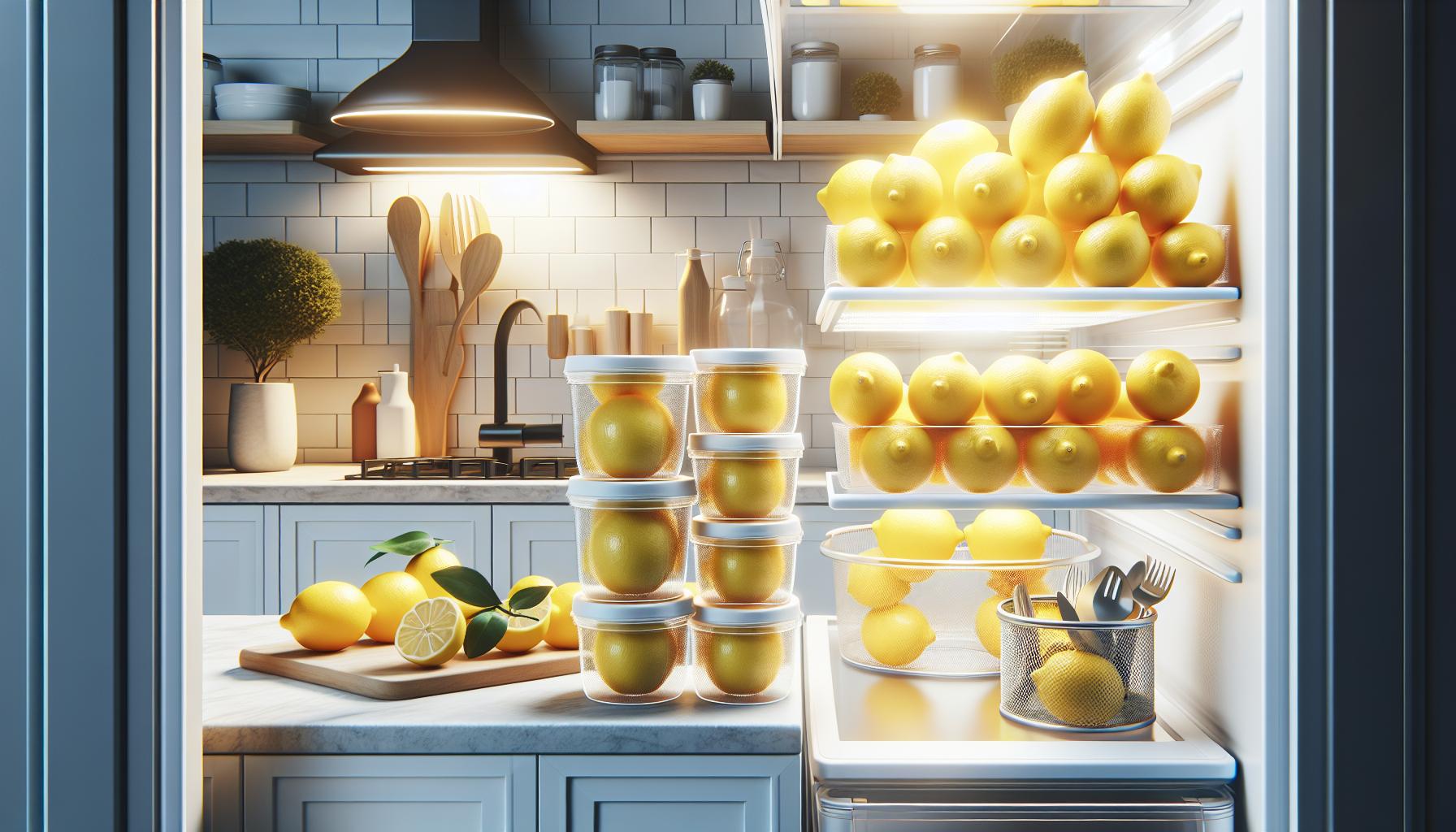
Ideal Storage Conditions for Lemons
To keep lemons at their freshest, it’s essential to optimize their storage conditions. Properly stored, lemons can last three to four weeks in the fridge, but they require specific environmental settings to thrive. The ideal temperature for lemon storage is around 35°F to 45°F (1.6°C to 7.2°C), which is typically found in the crisper drawer of most refrigerators. This compartment is designed to maintain a stable humidity level, creating a microclimate that helps prevent the lemons from drying out and losing their juiciness.
One key aspect to consider is airflow. Limiting exposure to excess air can help retain moisture, so it’s a good practice to keep lemons in a breathable bag or a produce container designed to keep fruits fresh. Avoid sealing them in airtight plastic bags, as trapped moisture can promote mold growth. Also, placing a paper towel in the container can help absorb excess moisture, further extending their shelf life.
When it comes to light exposure, keeping lemons in a shaded area of the fridge is beneficial. Direct light can lead to faster spoilage and degradation of the fruit. It’s important to regularly check on your lemons, looking for signs of deterioration, such as soft spots or mold, so you can take action before too many go bad. By creating a suitable environment and monitoring their condition, you can enjoy the bright flavor of lemons for weeks on end, ensuring they remain a zesty addition to your meals and drinks.
Signs Your Lemons Have Gone Bad
Identifying when lemons have gone bad is crucial to minimizing waste and ensuring food safety. Even with the best storage practices, lemons can spoil, and knowing the signs will help you avoid undesirable flavors and potential health risks.
One of the most noticeable indicators that your lemons have spoiled is their texture. Fresh lemons should feel firm and heavy for their size. If you notice that your lemons have become soft, squishy, or shriveled, it’s a clear sign that they are past their prime. Moreover, check for any discoloration; if you see significant dark spots or patches of mold-especially fuzzy, white, green, or black mold-it’s best to discard the lemon entirely.
In addition to texture and mold, smell can provide critical clues. Fresh lemons have a bright, citrusy aroma, while spoiled lemons may emit a sour or off-putting smell. If your lemon releases anything other than a fresh fragrance, it’s time to toss it.
Another factor to consider is juice quality. If you cut a lemon open and notice an unusual discoloration, such as brown or dark yellow flesh, or if it appears excessively dry with little juice, it is likely no longer good to use. Always trust your senses: if something seems off, it’s better to err on the side of caution and dispose of any suspect lemons. By staying vigilant and conducting regular checks, you can ensure that you only use the freshest lemons in your culinary endeavors.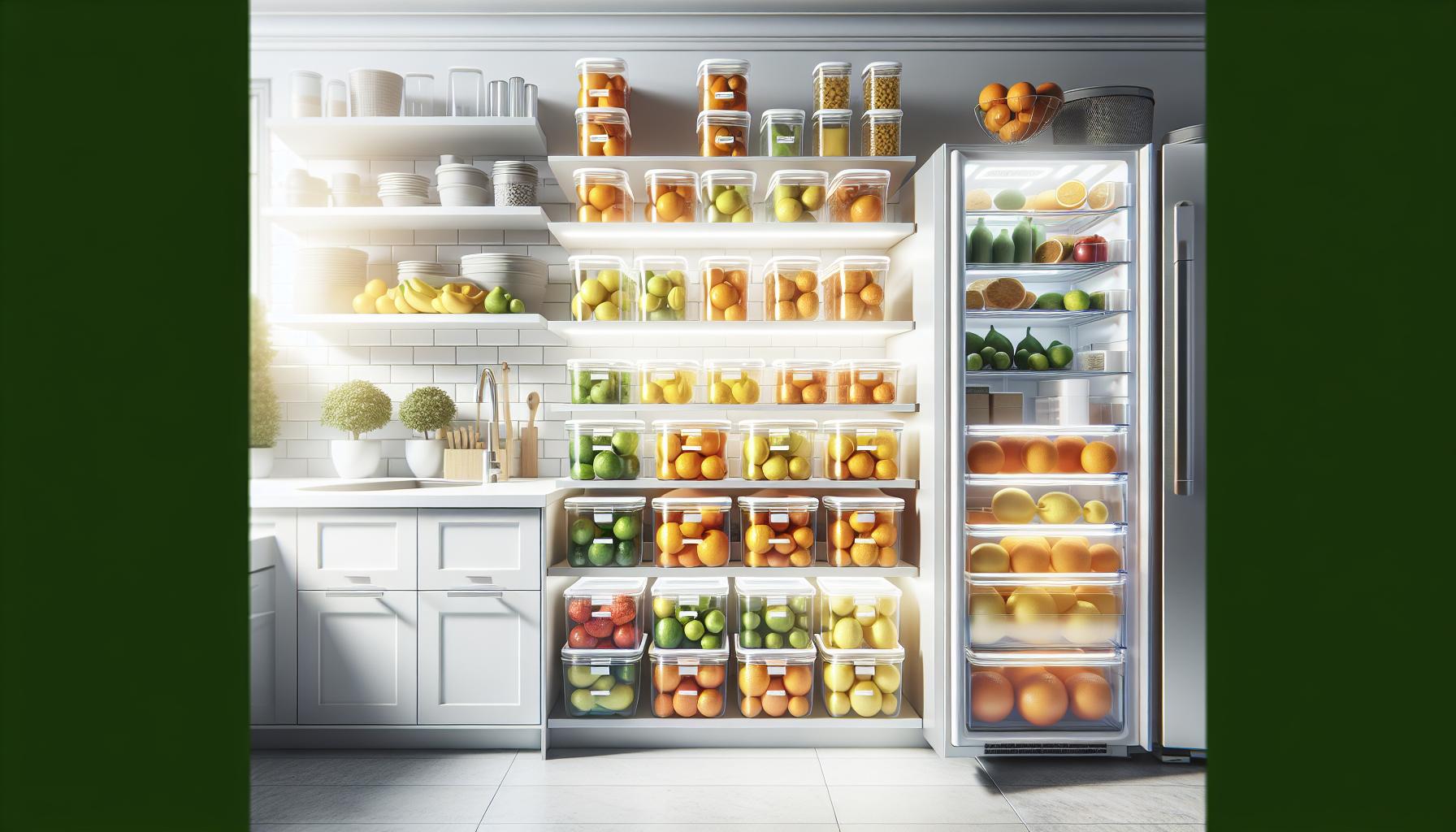
The Impact of Moisture on Citrus Longevity
Moisture plays a pivotal role in determining the lifespan of citrus fruits, including lemons. While these fruits thrive in humid conditions when growing, excess moisture during storage can accelerate spoilage and lead to undesirable results. Understanding this delicate balance is essential for keeping your lemons fresh in the refrigerator.
When lemons are stored in an overly moist environment, they are more susceptible to mold and decay. The skin of a lemon is relatively porous, allowing moisture to penetrate. If condensation forms within the storage container, it creates an ideal breeding ground for mold and bacteria. To mitigate this risk, avoid washing lemons before storage; moisture from washing combined with condensation can hasten spoilage. Instead, store them dry and consider placing them in a breathable produce bag to allow airflow.
Moreover, consider the storage settings: placing lemons in the crisper drawer of your refrigerator can help control moisture levels better than keeping them in the main compartment. This designated area typically has appropriate humidity settings that can help preserve the lemons’ freshness without exposing them to excess moisture that might lead to spoilage.
For optimal results, check your lemons periodically and remove any that show signs of mold or moisture accumulation. By managing moisture carefully, you can extend the shelf life of your lemons and ensure you always have fresh, vibrant fruit ready for your culinary endeavors.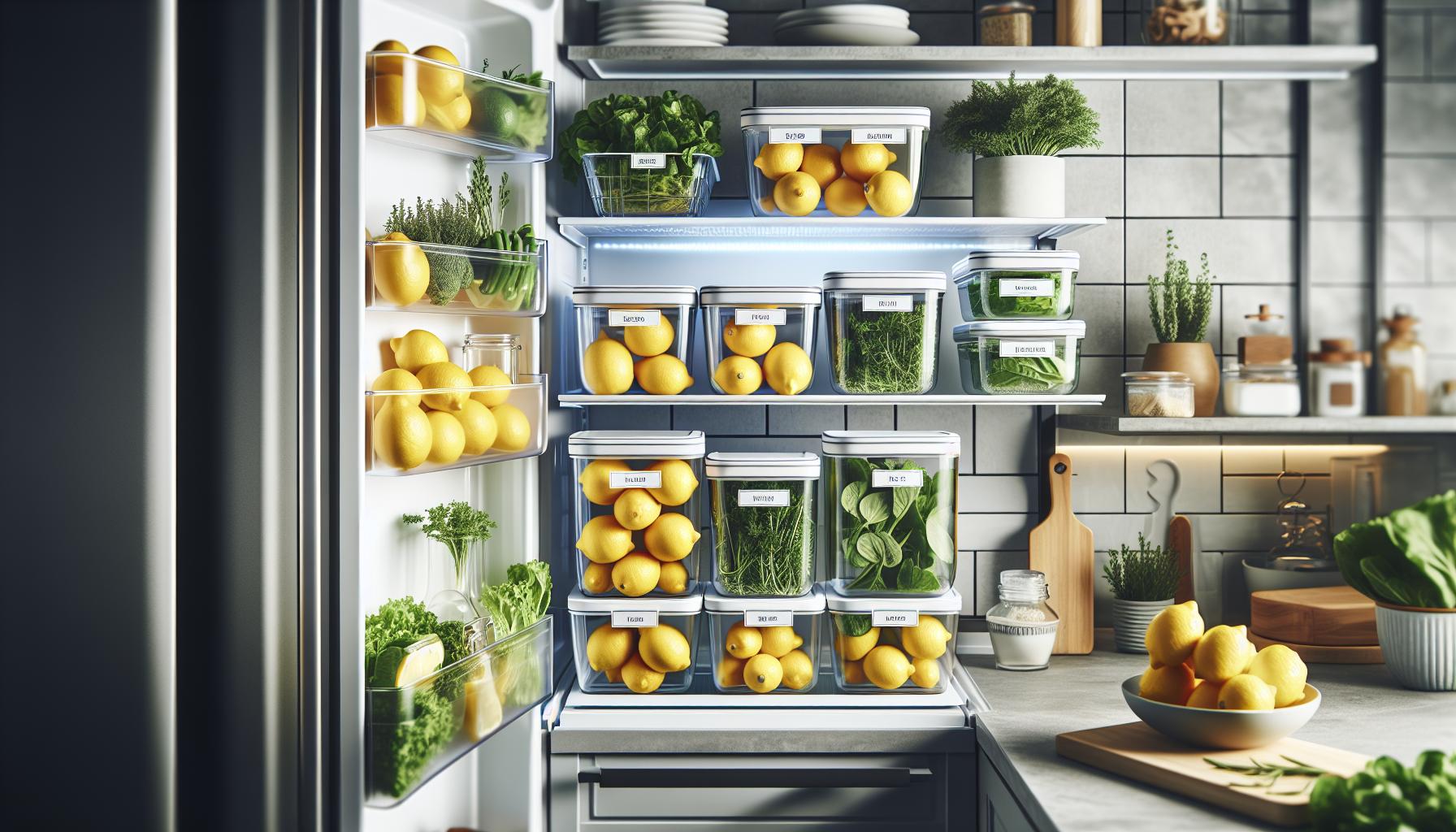
Best Practices for Keeping Lemons Fresh
Storing lemons correctly can significantly extend their freshness and use, allowing you to make the most of this versatile citrus fruit. To truly optimize the shelf life of your lemons, consider the following best practices.
Keep Initial Handling in Mind
When you bring lemons home, refrain from washing them before storage. As previously discussed, moisture can lead to mold and decay. Instead, store them dry. If they’re particularly dirty, simply wipe them with a cloth. Once dry, place them in a breathable produce bag or keep them loose in the crisper drawer of your refrigerator. This environment helps control humidity while allowing for necessary airflow.
Temperature Matters
Temperature plays a critical role in how long lemons last. Ideally, lemons should be stored in the refrigerator at temperatures around 38-40°F (3-4°C). When stored properly, whole lemons can last up to three to four weeks in the fridge. However, if you decide to cut your lemons, they should be wrapped tightly in plastic wrap or placed in an airtight container to prevent moisture loss and contamination. Cut lemons typically last about three to four days, so only cut what you plan to use within that timeframe.
Regular Checks are Crucial
Proactively checking your stored lemons can help you maintain quality. Make it a habit to inspect them once a week, looking for any signs of mold or excessive softness. If you spot any lemons beginning to spoil, remove them immediately to prevent the spread to healthier fruits. Consider using a system where you utilize the oldest lemons first, ensuring nothing goes to waste.
Think Beyond Fresh
If you have a surplus of lemons or notice they’re starting to age, don’t hesitate to freeze them. You can freeze lemon juice in ice cube trays or slice lemons and freeze them as wedges. Not only does this preserve their freshness, but it also allows you to have ready-to-use lemons for drinks or recipes. Simply transfer the frozen cubes to a resealable plastic bag for long-term storage, and they can last up to six months.
With these practices, you can keep your lemons fresh and vibrant, ready to enhance your culinary creations or serve as a refreshing addition to your beverages.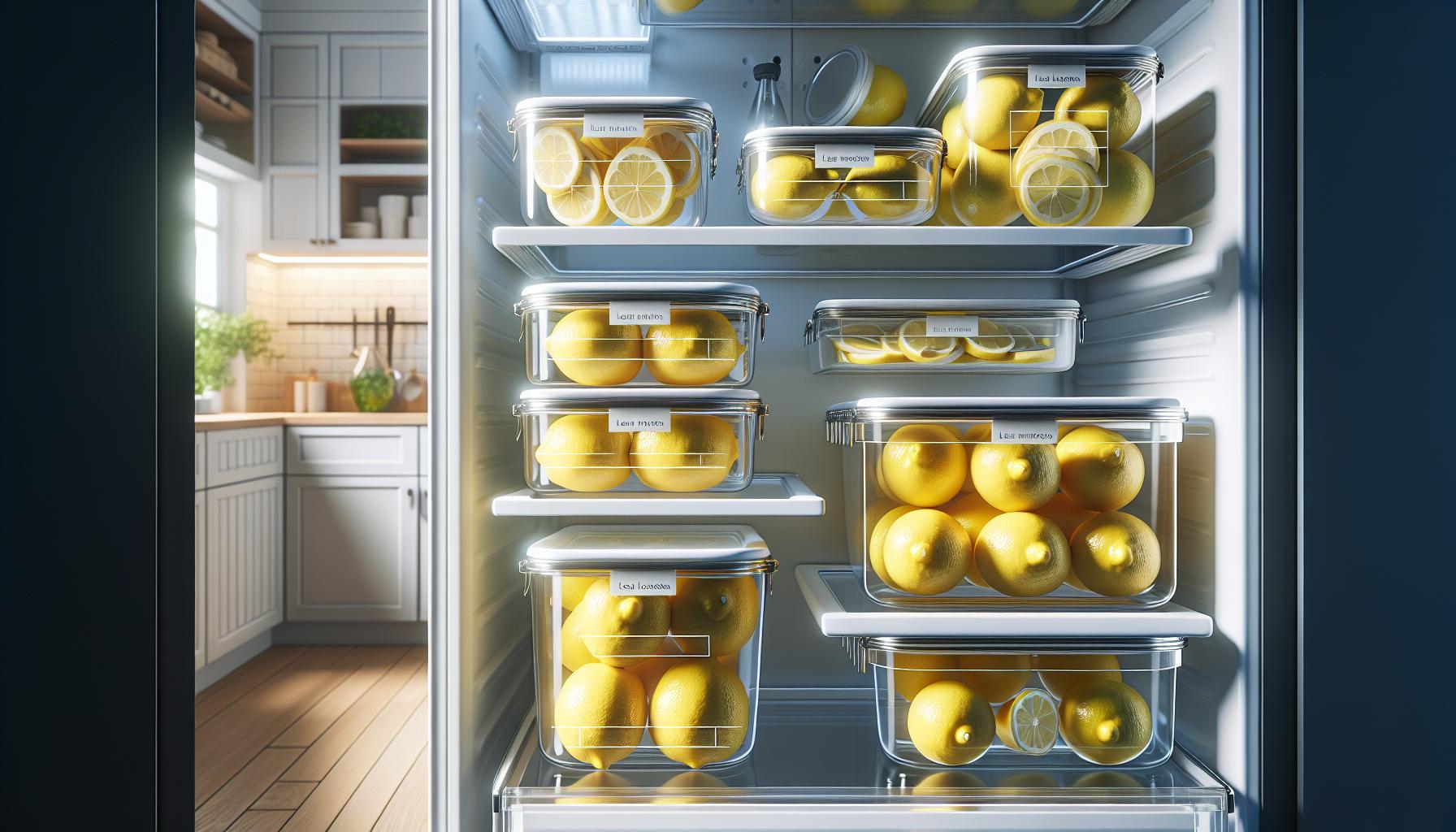
Should You Store Lemons Whole or Cut?
When it comes to storing lemons, their form-whole or cut-significantly affects their longevity. Whole lemons not only maintain their fresh, zesty flavor but also keep longer than their cut counterparts. Stored correctly in a cool, dry place or in the refrigerator, whole lemons can last up to three to four weeks. The intact skin acts as a natural barrier, locking in moisture and essential oils, which helps prevent spoilage.
On the other hand, once you cut a lemon, you expose the inner fruit, making it more susceptible to bacteria and mold. Cut lemons must be stored properly to maximize their freshness. Wrap them tightly in plastic wrap or place them in an airtight container to minimize moisture loss and prevent external contaminants. Even with these precautions, cut lemons typically last only about three to four days in the fridge. To maintain freshness, cut only what you plan to use right away.
If you find yourself with an excess of lemons, consider using them creatively in your meals or beverages. For example, you can make a refreshing lemonade, toss slices into salads, or use lemon zest in baking. If you can’t use them all before they start to lose quality, freezing is an excellent alternative to prolong their shelf life. Whole lemons can be frozen for later use, allowing you to enjoy their bright flavor well beyond the refrigerator’s limits. Simply slice or juice them, store in airtight containers or freezer bags, and you can enjoy their freshness for up to six months.
Freezing Lemons: A Practical Guide
Freezing lemons is a fantastic way to preserve their flavor and extend their shelf life, ensuring you always have this versatile citrus on hand. Whether you want to use whole lemons, juice, or zest, freezing allows you to maintain the lemon’s zesty characteristics for several months. When stored properly, frozen lemons can last up to six months without significant loss of quality, making this a practical solution for managing excess fruit.
To freeze whole lemons, simply wash them thoroughly and pat them dry. Place the entire fruit into a resealable freezer bag, ensuring you remove as much air as possible before sealing. This method preserves the lemon’s juice and zest, allowing you to use it later in drinks, marinades, or baked goods. If you prefer to freeze lemon juice, juice the lemons and pour the juice into ice cube trays. Once frozen, transfer the cubes to a freezer-safe container or bag for easy access later. Each cube typically holds about one tablespoon of juice, making portioning a breeze.
Another option is to zest the lemons before freezing, which allows for quick flavor enhancement in various dishes. Use a microplane or grater to zest the lemons, then spread the zest out on a parchment-lined tray and freeze until firm. After that, transfer it into a small airtight container or freezer bag. This method not only preserves the aroma and flavor of the zest but also makes it easy to add lemon flavor to your recipes without thawing whole lemons.
In addition to preserving lemons for future use, freezing provides a convenient option for using aging lemons that may not be as vibrant as fresh ones. Incorporating frozen lemon juice or zest into your cooking or baking can help minimize waste while keeping your dishes bright and flavorful. Embracing freezing as a storage technique allows you to enjoy the taste of fresh lemons long after they would have spoiled in your fridge.
Creative Ways to Use Aging Lemons
With their bright flavor and vibrant aroma, lemons not only elevate dishes but also prevent food waste in creative ways when they begin to show signs of aging. Instead of discarding those slightly softened lemons, consider repurposing them in various culinary applications that can enhance both your meals and beverages.
One simple method to utilize aging lemons is to make a refreshing lemon-infused water or lemonade. Squeeze out the juice, mix it with some water, and add sweeteners or herbs like mint for a delicious drink that hydrates and refreshes. As an alternative to fresh juice, the zesty goodness from slightly softer lemons can also be transformed into salad dressings. Combine the juice with olive oil, mustard, honey, and herbs to create a tangy vinaigrette that brings any salad to life.
Aging lemons also shine in cooking. They can be cut into wedges and tossed with roasted vegetables or meats, where their flavors will deepen during the cooking process. You can also create a lemon syrup by simmering the juice with sugar and water, which can be drizzled over pancakes, waffles, or desserts like ice cream. This method preserves the lemon’s quality while extracting its essential flavors.
For sweet indulgences, consider crafting lemon curd or lemon bars. These treats are not only delicious but also an excellent way to use up lemons that are past their prime. Don’t forget about zesting! The zest of aging lemons can still pack a punch in flavor and can be dried for later use or added to baked goods, offering a delightful lemony aroma.
Incorporating these strategies not only makes the most of aging lemons but also allows you to reduce waste while enjoying the bright and vibrant flavor that lemons offer, long after their prime freshness.
Alternatives for Storing Other Citrus Fruits
The vibrant essence of citrus fruits can uplift any dish or beverage, but maintaining their freshness requires some special considerations. While lemons are often the star of the show, other citrus fruits like limes, oranges, grapefruits, and tangerines also benefit from specific storage methods to ensure they stay flavorful and juicy for as long as possible. Here’s how to properly store these fruits to extend their shelf life while preserving their freshness.
Room Temperature vs. Refrigeration
Citrus fruits can typically be stored at room temperature if consumed within a week. However, refrigeration is ideal for prolonged freshness. Storing in the fridge at around 35°F to 45°F (1.6°C to 7.2°C) can inhibit spoilage and extend their lifespan up to two to three weeks. For optimal results, place them in the crisper drawer, where humidity levels are higher and prevent dehydration.
Moisture Matters
Moisture is both a friend and a foe to citrus fruits. While a slight amount of humidity can keep citrus fresh, excessive moisture can lead to mold growth. To mitigate this, avoid washing citrus fruits until just before use, and consider placing them in breathable bags (like mesh or perforated bags) in the crisper to allow air circulation. If storing cut citrus, be sure to wrap it tightly in plastic wrap or store it in an airtight container to minimize exposure to oxygen, which can lead to spoilage.
Avoiding Ethylene Exposure
Some fruits, such as apples and bananas, emit ethylene gas that can speed up the ripening process of nearby citrus fruits. To maximize their freshness, store citrus away from ethylene-producing fruits. If keeping a diverse fruit bowl, consider creating a separate compartment for citrus to shield them from these gases.
Freezing Citrus Fruits
For long-term storage, freezing is an excellent option. Citrus fruits can be frozen whole or in segments. To freeze, wash and dry the fruits, then place them in freezer-safe bags, ensuring to remove as much air as possible. Juice can also be frozen in ice cube trays for easy use in beverages or recipes later. Just remember that freezing can alter the texture of the fruit, making them better suited for cooking or juicing than for fresh eating.
In summary, proper storage of citrus fruits requires attention to temperature, moisture control, and ethylene exposure, enhancing your culinary experiences while reducing food waste. Whether you enjoy them fresh or frozen, following these guidelines will help you keep your citrus fruits at their best for longer.
How to Store Lemons for Maximum Zest
Lemons are not just a versatile ingredient for flavoring dishes and beverages; they also add a vibrant zest that enhances culinary creations. To maximize this zest and keep your lemons fresh longer, it’s essential to adopt proper storage techniques. When stored correctly, lemons can last in the fridge for up to three weeks, making them a staple in your kitchen.
To start, the ideal storage location for lemons is in the crisper drawer of your refrigerator, where humidity levels can help maintain their firmness and prevent dehydration. Place lemons in a breathable mesh or perforated bag to allow for air circulation, which can help prevent mold growth while still keeping them moist. If you prefer to store them without a bag, make sure they are not tightly packed against one another, as this can also lead to spoilage.
It’s important to consider how you store your lemons – whole or cut. Whole lemons generally retain their freshness longer than cut ones. If you have halved or juiced any lemons, wrap them tightly in plastic wrap or store them in an airtight container to minimize exposure to air. This will help preserve their moisture and flavor. Additionally, keep cut lemons away from other fruits that produce ethylene gas, such as bananas and apples, as this can accelerate spoilage.
If you find yourself with an abundance of lemons you can’t use in time, freezing is an excellent option. To preserve their zest and juice, wash and dry the lemons, then place them whole in freezer-safe bags. Alternatively, you can slice them and freeze the segments or juice in ice cube trays for convenient use in your favorite recipes later. Remember, while freezing can alter texture, the flavor remains vibrant for cooking and drinks. By following these steps, you can ensure your lemons stay fresh and zesty for all your cooking needs.
Health Benefits of Fresh Lemons
Fresh lemons are not just a culinary delight; they are packed with health benefits that can enhance your well-being. Rich in vitamin C, lemons play a crucial role in boosting the immune system, helping fend off colds and other infections. This potent antioxidant also supports skin health by combating free radicals that cause premature aging. Incorporating lemons into your diet can help improve your overall health in various ways.
The natural acidity of lemons makes them excellent for digestion. They stimulate the production of digestive juices, which can help reduce symptoms of indigestion and bloating. Drinking warm lemon water first thing in the morning can kickstart your metabolism and aid in detoxification. Additionally, the citric acid found in lemons can help prevent kidney stones by increasing urine volume and preventing the formation of crystals.
Lemons also offer cardiovascular benefits. Regular consumption of lemon juice may contribute to lower blood pressure and improved heart health due to their rich potassium content. Potassium is essential for maintaining proper blood circulation and balancing blood sugar levels, making lemons a smart choice for individuals looking to support their heart health. Furthermore, the flavonoids present in lemons have been shown to reduce cholesterol levels and combat inflammation.
To fully reap these health benefits, it’s essential to store lemons properly to keep them fresh. When kept in optimal conditions, whole lemons can last for about three weeks in the fridge. To maximize their longevity, consider wrapping cut lemons in plastic wrap and refrigerating them. This simple precaution ensures that their nutritious properties and zesty flavor remain intact, providing you with delicious and healthful additions to your meals and beverages whenever you need them.
Common Myths About Citrus Storage
Many people believe that citrus fruits, including lemons, have a long shelf life and can be stored carelessly. However, understanding the myths surrounding their storage is crucial for maintaining their freshness and flavor. A common misconception is that all citrus fruits can last indefinitely in the fridge. In reality, while whole lemons can typically last for up to three weeks when stored correctly, their lifespan varies based on several factors such as moisture, temperature fluctuations, and whether they are kept whole or cut.
Another prevalent myth is that it’s best to store cut lemons uncovered in the refrigerator. This practice can actually lead to quicker deterioration, as exposure to air can degrade their quality and cause them to dry out. Instead, cut lemons should always be wrapped tightly in plastic wrap or stored in an airtight container to preserve their juiciness and flavor. This simple step can significantly extend their usability beyond just a few days.
There’s also a belief that storing lemons in a fruit bowl at room temperature is a good alternative to refrigeration. While this is true for a short period, it’s important to remember that lemons will lose quality much faster at room temperature, especially in warm environments. A better approach is to refrigerate them to maintain their zesty freshness for longer periods.
When it comes to freezing, there’s a myth that lemons lose their flavor and nutritional value when frozen. On the contrary, freezing lemons can be a great way to preserve their zest and juice. Whole lemons, lemon slices, or juice can be frozen in ice cube trays and stored for future use, ensuring that even aging lemons can still come in handy for recipes or beverages. By debunking these myths and adhering to proper storage techniques, you can enjoy the vibrant flavor and health benefits of lemons for an extended period.
Frequently asked questions
Q: How can I tell if a lemon is still good to eat?
A: To check if a lemon is still good, look for firmness, a vibrant yellow color, and a fresh scent. Signs of spoilage include a dull skin, softness, or dark spots. If you notice excessive wrinkling or a dry texture, it’s time to discard it. For more on spoilage signs, refer to the section on “Signs Your Lemons Have Gone Bad.”
Q: Can you store lemons with other fruits?
A: It’s not ideal to store lemons with other fruits, especially apples or bananas, as they release ethylene gas which can accelerate spoilage. Instead, keep them separately to prolong freshness. For storage tips, check “Ideal Storage Conditions for Lemons.”
Q: How long do cut lemons last in the fridge?
A: Cut lemons can last in the fridge for about 3 to 4 days when stored in an airtight container. Ensure they are covered to prevent drying out and absorbing odors. For best practices, visit “Best Practices for Keeping Lemons Fresh.”
Q: What is the best way to freeze lemons?
A: To freeze lemons, slice them or juice them, then place in airtight freezer bags or containers. This method preserves their flavor and nutrients, allowing use later in drinks or recipes. For a complete guide, refer to “Freezing Lemons: A Practical Guide.”
Q: Why do my lemons turn soft in the fridge?
A: Lemons can turn soft due to moisture accumulation, leading to rot. Always store them in a dry, cool place to maintain their firmness. Consider checking “The Impact of Moisture on Citrus Longevity” for more insights.
Q: How can I extend the shelf life of my lemons?
A: To extend the shelf life of your lemons, store them in the crisper drawer of your fridge in a breathable bag. Keeping them dry and cool will help them last longer. For more storage strategies, visit “How to Store Lemons for Maximum Zest.”
Q: Can I use lemons after they have started to dry out?
A: Yes, dried-out lemons can still be used for zest or juicing. However, they might not be ideal for eating fresh. Always assess for any signs of mold before use. Check “Creative Ways to Use Aging Lemons” for more ideas.
Q: What freshness alternatives can be used for storing citrus fruits?
A: Alternative methods for storing citrus include using mesh bags or wrapping them in paper towels to absorb moisture. This can help extend their freshness. Explore the section on “Alternatives for Storing Other Citrus Fruits” for additional tips.
In Retrospect
To maximize the freshness of your lemons, remember they can last up to four weeks in the fridge when stored properly. By following our tips, you’ll not only extend their shelf life but also enhance their flavor for all your culinary needs. Don’t forget to check out our guides on “Proper Fruit Storage Techniques” and “Creative Ways to Use Leftover Lemons” for more insights and tips to keep your kitchen thriving.
Ready to put these techniques into action? Start today by organizing your fridge or trying a new lemon recipe! Share your experiences in the comments below, and if you found this information helpful, consider signing up for our newsletter for more tips on food storage and delicious recipes. Keep exploring, and don’t let those citrus fruits go to waste!