Did you know that improperly stored cooked sausage can lead to foodborne illnesses? Ensuring your leftover sausage remains safe to eat is crucial for both flavor and health. In this guide, we’ll explore how long cooked sausage lasts in the fridge, providing you with essential tips to keep your meals safe and tasty.
Many home cooks face the dilemma of whether their leftovers are still good days after cooking. With the right knowledge about storage times and techniques, you can enjoy your sausage dishes without worry. Whether you’re planning meals for the week or simply want to know how to maintain the quality of your cooked sausage, this information will empower you to make informed decisions. Keep reading to uncover the best practices for safely storing your favorite protein!
How Long Can Cooked Sausage Last in the Fridge?
Knowing how long cooked sausage can last in the fridge can save you from potential waste and foodborne illness. Generally, properly stored cooked sausage can remain safe and palatable in the refrigerator for about 3 to 4 days. This timeframe applies to most types of cooked sausage, including breakfast links, Italian sausage, and hot dogs, if they have been adequately sealed.
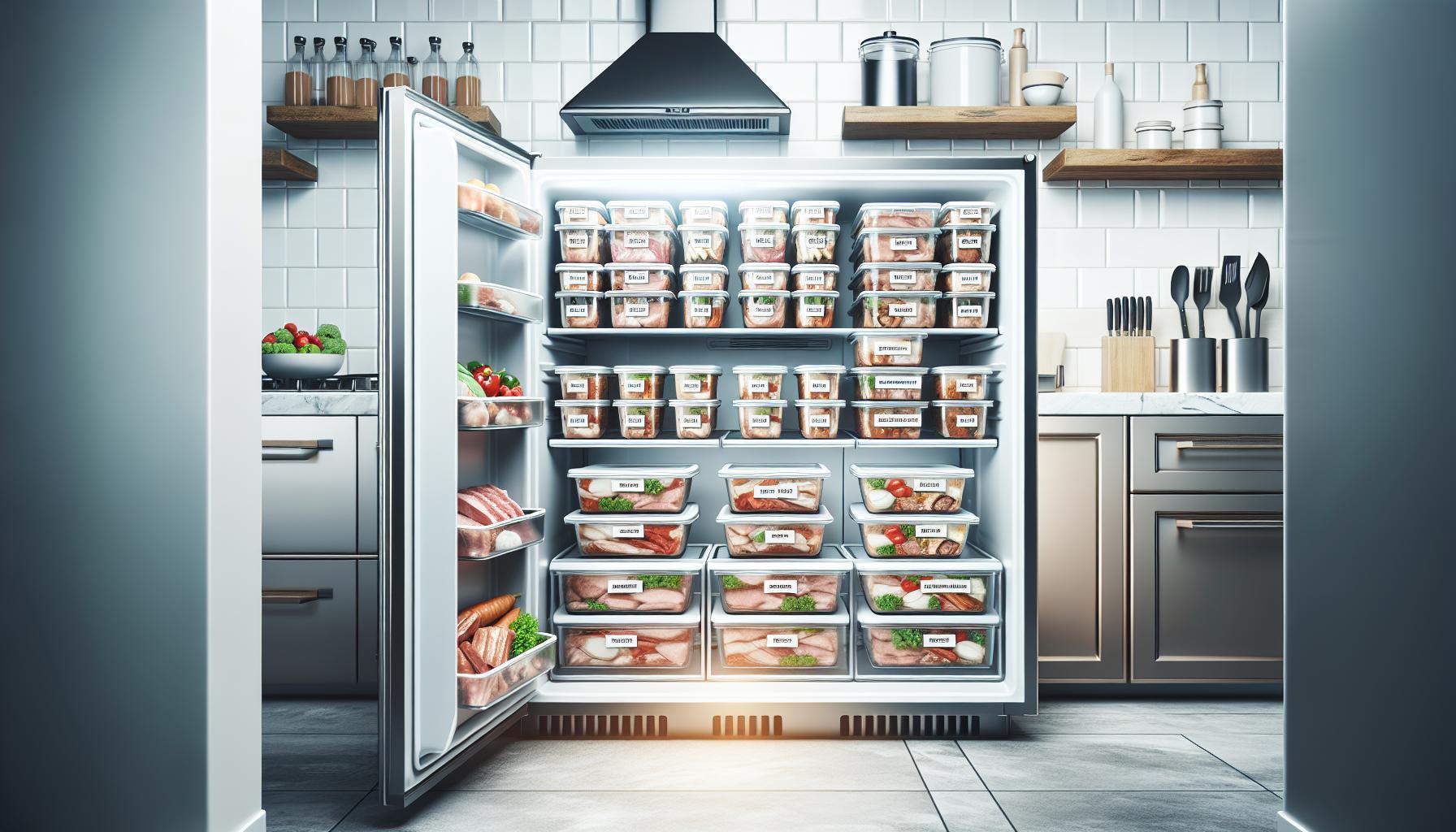
To ensure the longevity of your cooked sausage, it’s essential to keep it in the refrigerator at a temperature below 40°F (4°C). Using airtight containers or tightly wrapping the sausage in aluminum foil or plastic wrap is advisable, as this not only prevents moisture loss but also protects against cross-contamination with other foods. Always label your storage containers with the date so you can keep track of how long the sausage has been stored.
In addition to time, always use your senses to evaluate the quality of stored sausage before consuming it. If you notice any off-odors, discoloration, or a slimy texture, it’s best to discard the sausage, even if it is still within the recommended timeframe. By following these guidelines, you’ll enjoy safe and delicious meals without the worry of spoilage.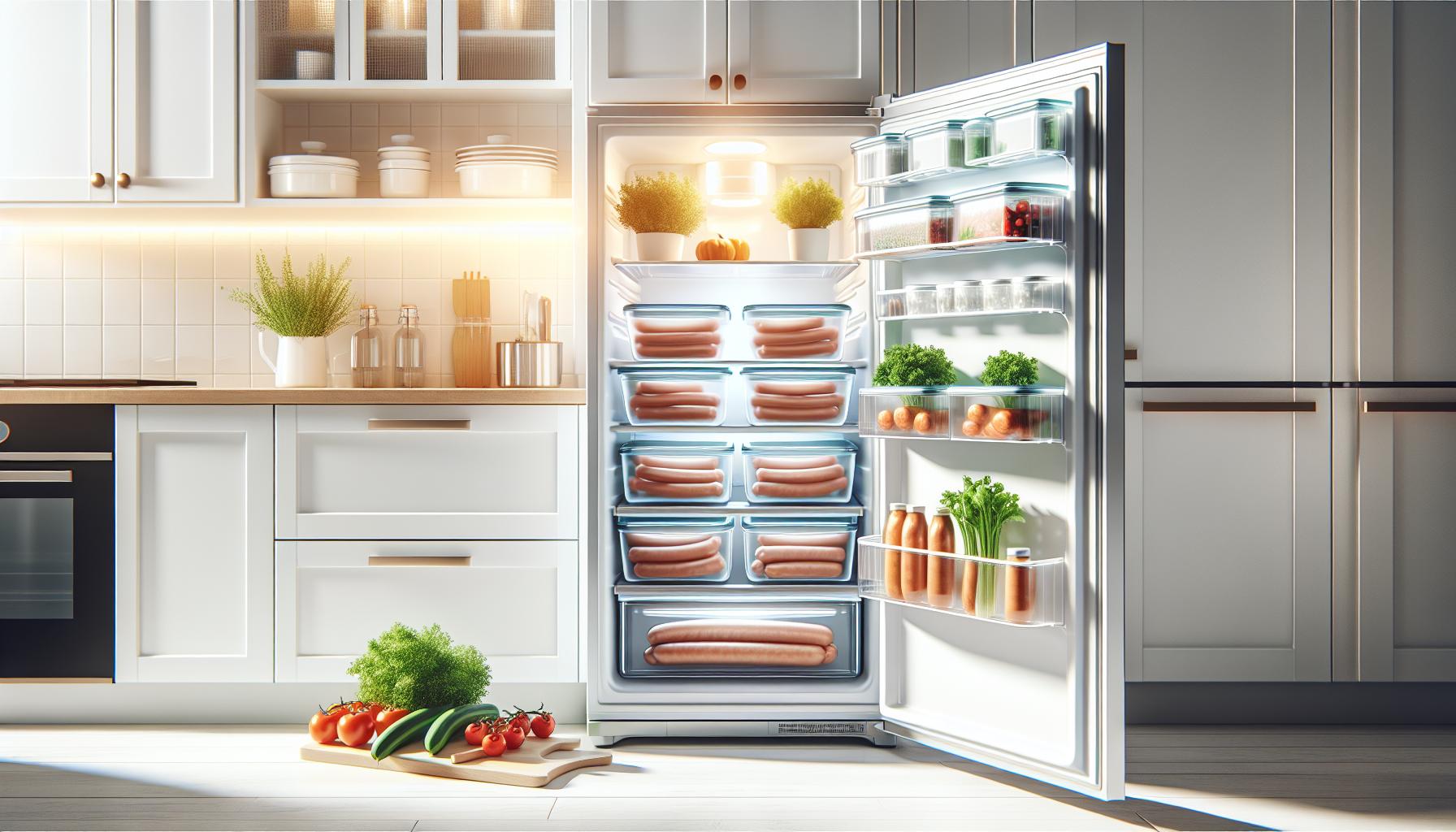
Best Methods for Storing Cooked Sausage
To maximize the freshness and safety of cooked sausage, it’s crucial to use the right storage methods. Once your sausage has been prepared, allow it to cool down to room temperature. This step is vital because placing hot sausage directly into the refrigerator can raise the overall temperature inside, creating a breeding ground for bacteria.
Next, opt for airtight containers or resealable plastic bags. These options minimize air exposure and maintain the quality of the sausage, preventing moisture loss and avoiding contamination from other foods in your fridge. When using containers, fill them only to the top to reduce air space, which can contribute to spoilage. Another practical approach is to wrap the sausage tightly in aluminum foil or plastic wrap before placing it in your storage container. This two-step method offers added protection against odor transfer and freezer burn if you choose to freeze any leftovers.
Labeling and Temperature Control
Always label your storage containers with the date before placing them in the refrigerator. This practice helps you keep track of how long the sausage has been stored, ensuring you can use it before it reaches the spoilage window of 3 to 4 days.
Maintaining your refrigerator at a temperature below 40°F (4°C) is essential for food safety. Regularly check your fridge temperature and consider using a thermometer to ensure it stays within this safe range. If you follow these guidelines, you’ll not only extend the shelf life of your cooked sausage but also enjoy safe and delicious meals throughout the week.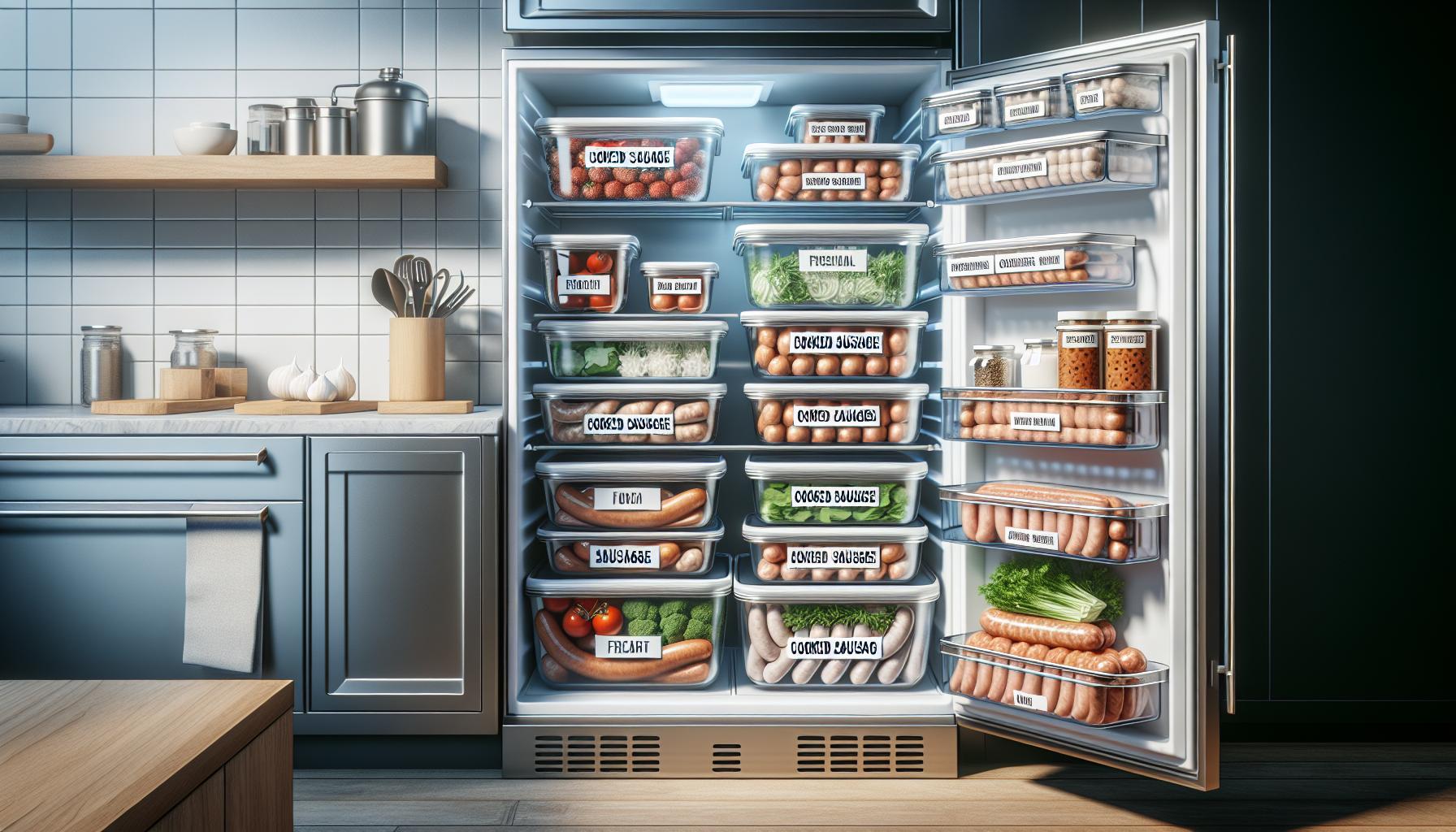
Signs of Spoilage: When to Discard Cooked Sausage
Detecting spoilage in cooked sausage is crucial to ensure food safety and enjoy your meals without worry. While cooked sausage can typically last in the fridge for 3 to 4 days, there are specific signs that indicate when it’s time to discard it. Recognizing these indicators will help you avoid potential foodborne illnesses and serve you well in your kitchen practices.
First, pay close attention to any changes in appearance. Fresh cooked sausage should have a consistent color and a slight sheen. If you notice any discoloration, such as a gray or greenish hue, this may signal spoilage. Additionally, if the sausage develops a slimy or sticky texture, it’s best to err on the side of caution and throw it away.
Another critical aspect is the smell. Fresh cooked sausage should have a pleasant aroma. When it starts to develop a sour or off-putting odor, it’s a strong indication of spoilage due to bacteria. Relying on your senses is essential-if something seems off, it likely is. Always trust your instincts in the kitchen; food safety is paramount.
Lastly, texture and moisture are also important factors. Cooked sausage should be firm to the touch. If it feels excessively soft or mushy, this is a red flag. Moisture loss can also be a sign that the sausage has been in the fridge too long, as it should retain some juiciness. If you observe any unusual moisture pooling in the storage container, it’s best to discard the sausage.
By being vigilant about these spoilage signs, you can help ensure you only consume safe and delicious meals. Always keep a mental note of how long your cooked sausage has been stored and inspect it carefully before use. Food safety practices like these not only protect your health but also enhance your culinary experiences.
Reheating Cooked Sausage Safely
Reheating cooked sausage requires a careful approach to ensure it reaches a safe temperature while retaining its flavor and texture. Let’s dive into effective methods for safely reheating your cooked sausage.
To begin, it’s crucial to reheat cooked sausage to an internal temperature of at least 165°F (74°C) to minimize the risk of foodborne illness. Using a cooking thermometer can help you confirm that the sausage has reached this temperature. There are several methods you can use to reheat cooked sausage effectively:
- Microwave: Place the sausage on a microwave-safe plate and cover it with a damp paper towel to retain moisture. Heat on medium power in short intervals of 30 seconds, checking the temperature and consistency after each interval.
- Stovetop: In a skillet over medium heat, add a little oil or broth to prevent sticking. Cook the sausages, turning regularly, until heated through. This method can help keep the sausage juicy.
- Oven: Preheat your oven to 350°F (175°C). Place the sausage on a baking sheet and cover it with aluminum foil to avoid drying out. Heat for about 10-15 minutes, checking the internal temperature.
- Grill: If you’re in the mood for a smoky flavor, preheat your grill to medium heat. Grill the sausages for a few minutes on each side until warmed through, which can yield a delicious charred flavor.
When you opt for any of these reheating methods, always monitor the sausage closely to avoid overcooking, which could lead to a dry or tough texture. Reheated sausages can be just as enjoyable as freshly cooked ones if done correctly. For added convenience, consider slicing the sausage before reheating, as this can help them warm up more quickly and evenly.
Understanding these safe reheating techniques allows you to enjoy leftover cooked sausage without compromising on safety or flavor. Remember, the key to delicious leftovers is all in the details, from proper storage to attentive reheating.
Different Types of Cooked Sausage: Storage Tips
When it comes to storing cooked sausage, the type of sausage can significantly influence its longevity and storage method. Different varieties, such as fresh pork sausage, chicken sausage, or smoked sausage, each have unique characteristics that can affect how they should be stored and for how long. By understanding these differences, you can maximize freshness and safety in your kitchen.
Fresh Pork Sausage
Fresh pork sausage, which is often rich in flavor and fat content, can be stored safely in the fridge for about 3 to 4 days after cooking. To preserve its quality, make sure to cool it completely before refrigerating. Store it in an airtight container to prevent exposure to air, which can lead to spoilage. It’s also essential to label the container with the date it was cooked to keep track of its freshness.
Chicken Sausage
Chicken sausage has a firmer texture and lower fat content compared to its pork counterpart. It also lasts about 3 to 4 days in the refrigerator once cooked. Because chicken can harbor bacteria if not handled properly, ensure that it is cooked thoroughly before storage and cooled quickly. Storing chicken sausage in vacuum-sealed bags or tightly sealed containers can help maintain its moisture and flavor over this short duration.
Smoked Sausage
Smoked sausages, such as kielbasa or andouille, have a different shelf life due to their curing process. They can be kept in the fridge for up to a week after cooking. These types of sausages tend to have a stronger flavor profile, making them great for various dishes even after several days. Because they are usually preserved longer than fresh sausages, wrapping them tightly in foil or plastic wrap before placing them in an airtight container can help prolong their quality.
Summary Table of Storage Tips
| Type of Sausage | Refrigerator Storage Time | Storage Tips |
|---|---|---|
| Fresh Pork Sausage | 3-4 days | Airtight container; label with date |
| Chicken Sausage | 3-4 days | Vacuum seal or airtight container |
| Smoked Sausage | Up to 1 week | Wrap tightly; airtight container |
By adhering to these storage tips specific to the type of cooked sausage you have, you can ensure that your meals remain safe to eat and delicious for as long as possible.
Freezing Cooked Sausage: A Complete Guide
Freezing cooked sausage is a practical solution for extending its shelf life, allowing you to reduce food waste and have delicious meals ready at your convenience. When done correctly, freezing can preserve the quality, flavor, and safety of your cooked sausages for future enjoyment. Whether you have leftover sausages from a barbecue or want to prepare in advance, knowing how to freeze these tasty treats will make meal prep easier.
To begin, ensure your cooked sausages are completely cooled before attempting to freeze them. This step is crucial to prevent ice crystals from forming, which can affect texture. Once cooled, wrap each sausage tightly in plastic wrap or aluminum foil to minimize exposure to air. For extra protection against freezer burn, place the wrapped sausages in an airtight freezer bag or container. Be sure to squeeze out any excess air from the bags before sealing, as this will further enhance their protection.
H3: Storage Time in the Freezer
Cooked sausages can be safely frozen for approximately 2 to 3 months without significant loss of quality. Although they may remain safe to consume beyond this period, the taste and texture might not be as enjoyable. To keep track of when you froze them, consider labeling each package with the date. Once you’re ready to use a frozen sausage, the best method for thawing is to place it in the refrigerator overnight. Alternatively, you can use the defrost setting on your microwave if you need them thawed more quickly.
H3: Reheating After Freezing
When it comes time to enjoy your frozen cooked sausages, ensure you reheat them thoroughly. Use a food thermometer to check that they reach an internal temperature of 165°F (74°C) before consumption. This step not only enhances the flavor but also ensures any potential bacteria have been effectively neutralized. You can reheat them in several ways, including on the stovetop, in the oven, or in the microwave; just be sure to heat evenly.
By following these simple steps, you can easily freeze cooked sausage, preserving its taste and quality, while ensuring you always have a convenient meal option at hand. Whether in a hearty breakfast scramble or a savory pasta dish, properly frozen and reheated sausage can provide a flavorful boost to your cooking.
How to Meal Prep with Cooked Sausage
Cooking sausages in advance can make meal prep a breeze, not only saving time but also enhancing the versatility of your weekly menu. By incorporating cooked sausage into various dishes, you can whip up quick meals that are both satisfying and nutritious. When meal prepping with cooked sausage, it’s essential to prioritize proper storage and safety to ensure freshness and flavor throughout the week.
To successfully meal prep with cooked sausage, start by considering how you’ll use it in your meals. Popular options include adding it to breakfast scrambles, grain bowls, pasta dishes, or casseroles. After cooking the sausage, allow it to cool completely to prevent moisture buildup in storage containers, which can lead to spoilage. Once cooled, slice or crumple the sausages into bite-sized pieces for easy incorporation into meals.
Storage Guidelines
Transfer the cooked sausage into an airtight container or a resealable freezer bag. Properly stored, cooked sausage can last in the refrigerator for up to 3 to 4 days. If you want to extend its shelf life, consider freezing the portions you won’t use immediately. For the freezer, wrap the sausage in plastic wrap or foil before placing it in a freezer-safe bag or container-this will help maintain quality for about 2 to 3 months. Always label your containers with the date to keep track of freshness.
Easy Meal Ideas
Using prepped cooked sausage can streamline your cooking process. Here are a few quick meal ideas:
- Breakfast Bowls: Mix scrambled eggs with chopped cooked sausage, spinach, and cheese for a hearty breakfast.
- Pasta Dishes: Toss cooked sausage into pasta with marinara sauce and vegetables for a delicious dinner in minutes.
- Grain Bowls: Combine cooked sausage with quinoa, roasted vegetables, and a drizzle of dressing for a nutritious lunch.
By planning ahead and storing cooked sausage properly, you can enjoy a variety of healthful meals without the daily hassle of cooking from scratch. Meal prepping not only enhances convenience but also allows you to create balanced, flavorful dishes that incorporate the beloved taste of sausage.
Best Containers for Storing Cooked Sausage
To maintain the quality and safety of cooked sausage in storage, using the right containers is crucial. Ideally, cooked sausage should be stored in airtight containers or resealable bags to prevent exposure to air, which can lead to spoilage or freezer burn. One effective option is to use glass food storage containers, as they provide a hermetic seal and do not retain odors or stains like some plastic containers might. BPA-free plastic containers are also an excellent choice, especially those designed specifically for food storage, as they’re typically more durable and resistant to wear over time.
When preparing to store cooked sausage, make sure to let it cool completely to avoid condensation, which can create the perfect environment for bacteria to grow. For shorter-term storage in the refrigerator, a shallow container is ideal, as it allows for even cooling. If you choose to freeze your sausage, it’s best to wrap it tightly in plastic wrap or aluminum foil before placing it in a freezer-safe bag or container. This double-layering protects the sausage’s flavor and texture for an extended period, ensuring it lasts up to three months in the freezer without significant loss of quality.
For both refrigeration and freezing, it’s essential to label your containers with the date of storage. This simple step helps you keep track of freshness and consumable timelines, reinforcing the practice of food safety. Remember, cooked sausage can usually last in the fridge for three to four days when stored properly, while the freezer extends its lifespan significantly. By selecting the right storage containers and following these best practices, you can enjoy your delicious meals without worrying about spoilage.
Cooked Sausage Recipes for Leftovers
Leftover cooked sausage is a versatile ingredient that can transform simple meals into hearty dishes, while also helping to reduce food waste. Whether you have grilled sausages from a barbecue or sautéed links from a weeknight dinner, there are many delicious ways to incorporate them into your meals before they spoil, which typically happens within three to four days in the fridge.
One great option is to slice the sausage and toss it into a stir-fry with your favorite vegetables. This quick and easy dish allows you to utilize whatever fresh produce you have on hand, creating a colorful and nutritious meal. Here’s a simple recipe to consider:
Quick Sausage Stir-Fry
- Ingredients: Cooked sausage, bell peppers, broccoli, carrots, soy sauce, garlic, and rice or noodles.
- Instructions:
- Heat a tablespoon of oil in a large skillet over medium-high heat.
- Add minced garlic and chopped vegetables, cooking until tender.
- Stir in sliced sausage and soy sauce, cooking until heated through.
- Serve over cooked rice or noodles.
Alternatively, you can use leftover sausage in a savory breakfast scramble. Mixing in eggs, spinach, and cheese not only makes for a filling breakfast but also another opportunity to use leftover ingredients.
Breakfast Sausage Scramble
- Ingredients: Cooked sausage, eggs, fresh spinach, cheese, and seasoning.
- Instructions:
- In a bowl, whisk eggs and season with salt and pepper.
- In a skillet, sauté sausage pieces until warmed, adding spinach until it wilts.
- Pour in the eggs, stirring gently until just set, and top with cheese.
- Serve hot with toast or a tortilla.
For something more substantial, consider making a sausage chili or pasta dish. Both recipes are comforting and can easily be adapted to include various beans, lentils, or pasta shapes, allowing you to stretch your leftovers while enjoying a satisfying meal.
To keep your meals safe and delicious, make sure always to store leftover cooked sausage properly. Refrigerate promptly within two hours of cooking, use airtight containers, and remember to label them with the date. When consumed within the recommended timeframe, these recipes will not only help you enjoy your leftovers but also ensure food safety and maximize flavor.
Understanding Food Safety Labels on Sausage
is crucial to ensure that you consume it safely and avoid any risk of foodborne illness. These labels provide essential information such as use-by dates, storage instructions, and proper handling techniques. It’s vital to pay attention to the “use by” and “best before” dates, which indicate the product’s safety and quality timeframe. Sausage should not be consumed after its use-by date, as this could lead to spoilage or foodborne illness.
When you purchase pre-packaged cooked sausage, look for labels that mention whether it needs to be refrigerated or if it can be stored at room temperature. Packaged sausages often come with clear storage instructions that should be followed. If the label suggests refrigeration, ensure you store it promptly after purchase, ideally within two hours of cooking. For opened packages, always check the storage duration, which is typically 3 to 4 days for cooked sausage in the fridge. Ensure that any leftover sausage is placed in an airtight container and labeled with the storage date to keep track of its freshness.
Additionally, understanding terms such as “safe handling instructions” can guide you on how to prevent contamination. This includes cooking sausages to the recommended internal temperature and ensuring that they are stored separately from raw foods to avoid cross-contamination. Using a food thermometer can help verify that your sausage has reached a safe temperature of 165°F (74°C) when reheating. By adhering to these guidelines laid out on packaging, you can extend the shelf life of your cooked sausage and maintain safe handling practices, allowing you to enjoy delicious meals without compromise.
The Science Behind Sausage Shelf Life
Understanding the factors that influence the shelf life of cooked sausage can significantly enhance your food safety practices. The primary determinants include moisture content, temperature, and the presence of preservatives. Cooked sausages contain moisture, which, when combined with proteins and fats, creates an environment that bacteria can thrive in if not stored correctly. For optimal safety and quality, it is essential to keep cooked sausage at refrigeration temperatures below 40°F (4°C).
When cooked sausage is stored properly in the refrigerator, it can typically last for about 3 to 4 days. To extend its lifespan, consider the following best practices:
- Cool Promptly: Allow cooked sausage to cool to room temperature before refrigerating, but do not leave it out for longer than two hours to prevent bacterial growth.
- Airtight Storage: Use airtight containers or wrap the sausage tightly in plastic wrap or aluminum foil to minimize exposure to air, which can cause spoilage.
- Labeling: Always label containers with the date of storage to keep track of freshness.
It’s also important to be aware of signs of spoilage. Look for changes in color, texture, or smell. If the sausage exhibits a slimy texture, off odor, or discoloration, it’s best to discard it to avoid the risk of foodborne illness.
Reheating leftover sausage should always involve heating it to an internal temperature of 165°F (74°C) to ensure it is safe to eat. This practice not only enhances the flavor but also protects against potential pathogens that can develop during storage. For an added layer of safety, be mindful of leftover cooking methods; grilling, broiling, or pan-frying can effectively kill any bacteria that may have formed while the sausage was stored.
As you become familiar with , you’ll find that proper attention to storage methods can dramatically reduce waste while keeping your meals flavorful and safe.
Faq
Q: How can I tell if cooked sausage has gone bad?
A: Cooked sausage may have gone bad if it develops a slimy texture, off-putting smell, or mold. Always check for these signs before consumption, and if in doubt, it’s safer to discard the sausage. For more tips on spoilage, refer to the “Signs of Spoilage: When to Discard Cooked Sausage” section.
Q: What is the best way to reheat cooked sausage?
A: The best way to reheat cooked sausage is to use a microwave, stovetop, or oven until it reaches an internal temperature of 165°F (74°C). This ensures any potential bacteria are eliminated. For more details, see “Reheating Cooked Sausage Safely.”
Q: Can I freeze cooked sausage, and if so, how long does it last in the freezer?
A: Yes, you can freeze cooked sausage. When properly sealed, it can last for about 2-3 months in the freezer without losing quality. For a complete freezing guide, check the “Freezing Cooked Sausage: A Complete Guide” section.
Q: What storage containers are recommended for cooked sausage?
A: Glass or BPA-free plastic containers with airtight seals are excellent for storing cooked sausage. Avoid using containers that are not airtight, as they can lead to quicker spoilage. For specific container recommendations, see “Best Containers for Storing Cooked Sausage.”
Q: How long can I leave cooked sausage out at room temperature?
A: Cooked sausage should not be left out at room temperature for more than two hours. Beyond this time frame, it can enter the “danger zone” for bacteria growth. Ensure you refrigerate it promptly after serving.
Q: Is it safe to eat leftover cooked sausage after a week in the fridge?
A: It is not recommended to eat leftover cooked sausage after a week in the fridge. For optimal safety, consume leftovers within 3-4 days. See “How Long Can Cooked Sausage Last in the Fridge?” for more information.
Q: Can cooked sausage be stored with other foods in the fridge?
A: Yes, cooked sausage can be stored with other foods, but it’s important to keep it in a sealed container to prevent cross-contamination and preserve its flavor. Refer to “Best Methods for Storing Cooked Sausage” for best practices.
Q: What type of cooked sausage lasts the longest in the fridge?
A: Generally, vacuum-sealed sausages or those without preservatives tend to last longer. However, regardless of type, always adhere to recommended storage times for safety. For details on various types, see “Different Types of Cooked Sausage: Storage Tips.”
Final Thoughts
To keep your cooked sausage safe and delicious, remember it lasts in the fridge for about three to four days when properly stored. Don’t hesitate-make sure you’re checking your leftovers regularly to prevent any food safety issues. For those interested in extending the shelf life of your meals, explore our tips on freezing sausage and proper thawing methods.
If you found this helpful, please share your thoughts in the comments below and don’t forget to subscribe for more food safety insights! You can also check out our guides on safe food storage practices and the best ways to tell if your meat has gone bad. Stay informed and keep your kitchen safe!