Homemade chicken stock is a culinary treasure, rich in flavor and nutrients, but knowing how long it lasts in the fridge is crucial to enjoying it safely. Generally, properly stored chicken stock can last about 3 to 4 days, but understanding the nuances of storage can help you make the most of your delicious creation while ensuring food safety.
Many home cooks face the dilemma of using, freezing, or discarding leftover stock, often unsure of how long it remains fresh. By learning the best practices for storage and recognizing signs of spoilage, you can enhance your cooking experience and reduce food waste. As you delve into this guide, discover practical tips to keep your homemade stock flavorful and safe, all while elevating your culinary prowess.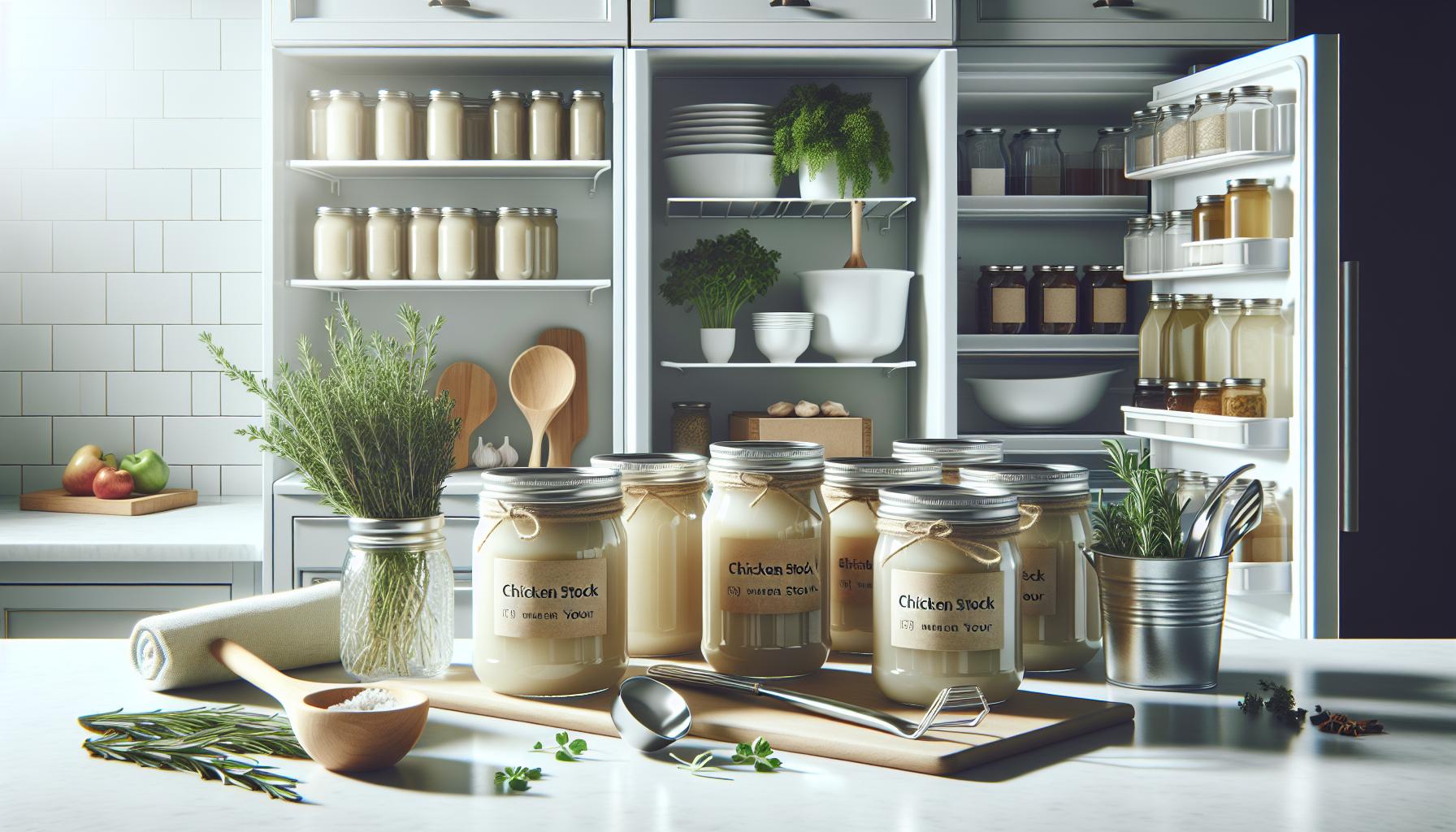
How Long Does Homemade Chicken Stock Last in the Fridge?
Homemade chicken stock is not only a delicious foundation for soups and sauces but also a nutritious addition to your meals. When properly stored, homemade chicken stock can last in the fridge for about 3 to 4 days. This short time frame depends on several factors, including the initial temperature of the stock when stored and the cleanliness of your storage containers. To maximize freshness, ensure that the stock is cooled quickly to room temperature before refrigerating. This helps to inhibit bacterial growth, keeping your stock safe to consume for as long as possible.
To store your chicken stock effectively, use airtight containers, preferably glass or BPA-free plastic. Fill these containers, leaving a little space at the top for expansion, which occurs when the stock freezes. Label the containers with the date of preparation to keep track of how long they have been stored. It’s advisable to check the stock daily, especially if it’s towards the end of its shelf life, to ensure it hasn’t developed any off smells or changes in texture.
To extend the life of your chicken stock, consider freezing it. Chicken stock freezes exceptionally well and can maintain its quality for up to 4 to 6 months when stored in an airtight container or freezer bag. When you’re ready to use the stock, simply transfer it from the freezer to the refrigerator a day ahead, allowing it to thaw slowly and safely. Always remember to taste the stock before using it in your recipes to ensure optimal flavor and freshness. Proper storage practices not only enhance the longevity of your chicken stock but also maximize its rich, savory taste in your culinary creations.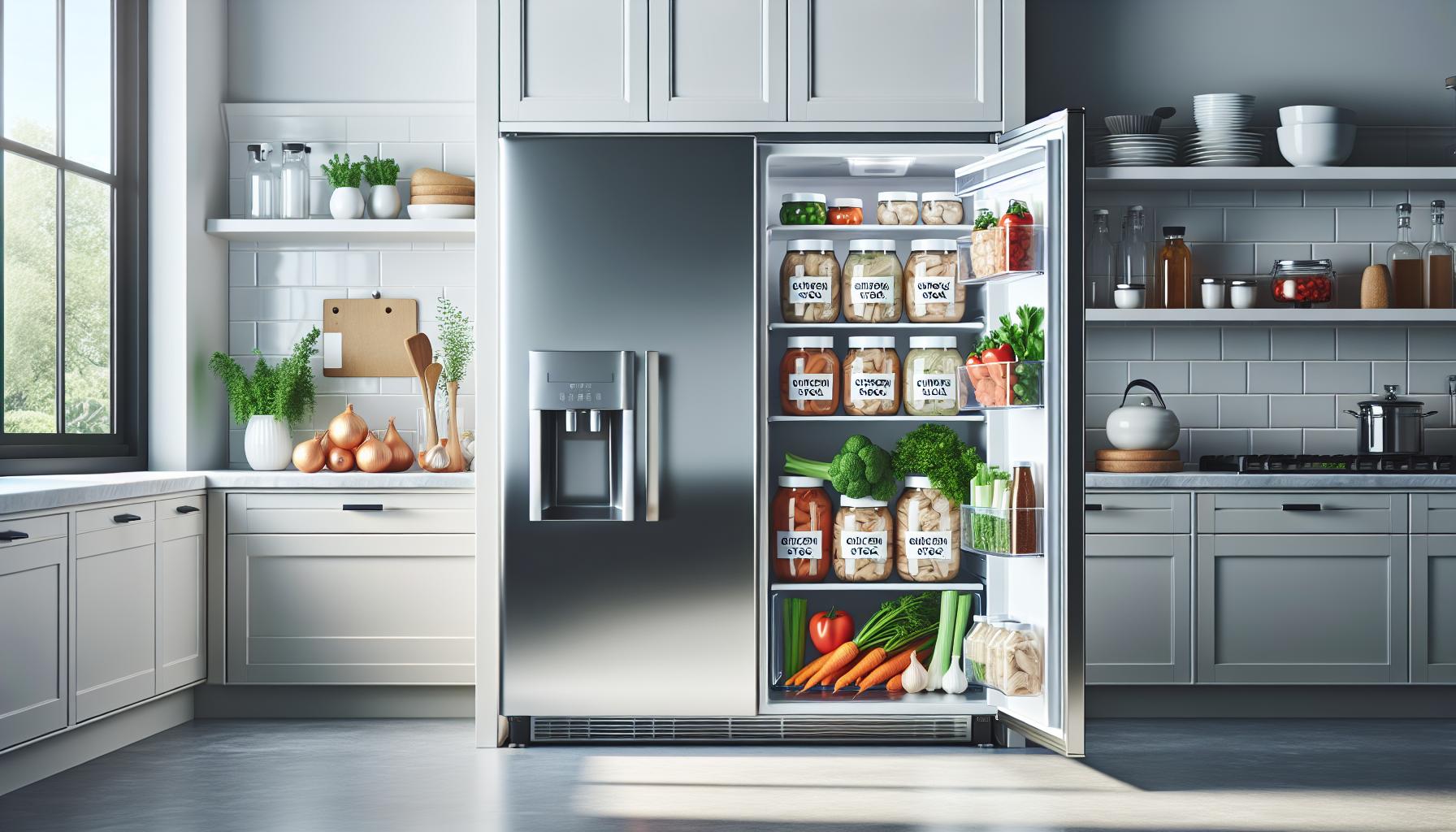
Factors Influencing Chicken Stock Shelf Life
The shelf life of chicken stock is influenced by several critical factors that every home cook should understand to ensure food safety and optimal flavor. The first variable is the temperature of the stock when stored. Rapid cooling is essential; ideally, stock should be cooled to room temperature within two hours after cooking. This inhibits bacterial growth, which can flourish at lukewarm temperatures.
The cleanliness of storage containers plays a vital role as well. Containers that are not thoroughly cleaned can introduce bacteria that may spoil the stock. Always use airtight containers made from materials that do not leach chemicals, such as glass or BPA-free plastic. When storing, it’s effective to leave a small space at the top of the container to allow for expansion if the stock is frozen. Consider labeling your stock with the preparation date to monitor its age easily.
Moreover, the ingredients in the stock can affect its longevity. Stocks made with fresh ingredients will typically last longer than those with spoiled or older components. Additionally, the fat content can play a role; stocks with higher fat content often have a shorter shelf life due to rancidity risks. In contrast, a well-strained stock with minimal fat can maintain quality for a more extended period.
Lastly, the environment where the stock is stored is significant. Consistent refrigeration at or below 40°F (4°C) is crucial for maintaining safety and quality. In summary, adhering to strict hygiene practices, ensuring rapid cooling, using appropriate containers, and storing at the right temperatures all contribute to maximizing the shelf life of your homemade chicken stock.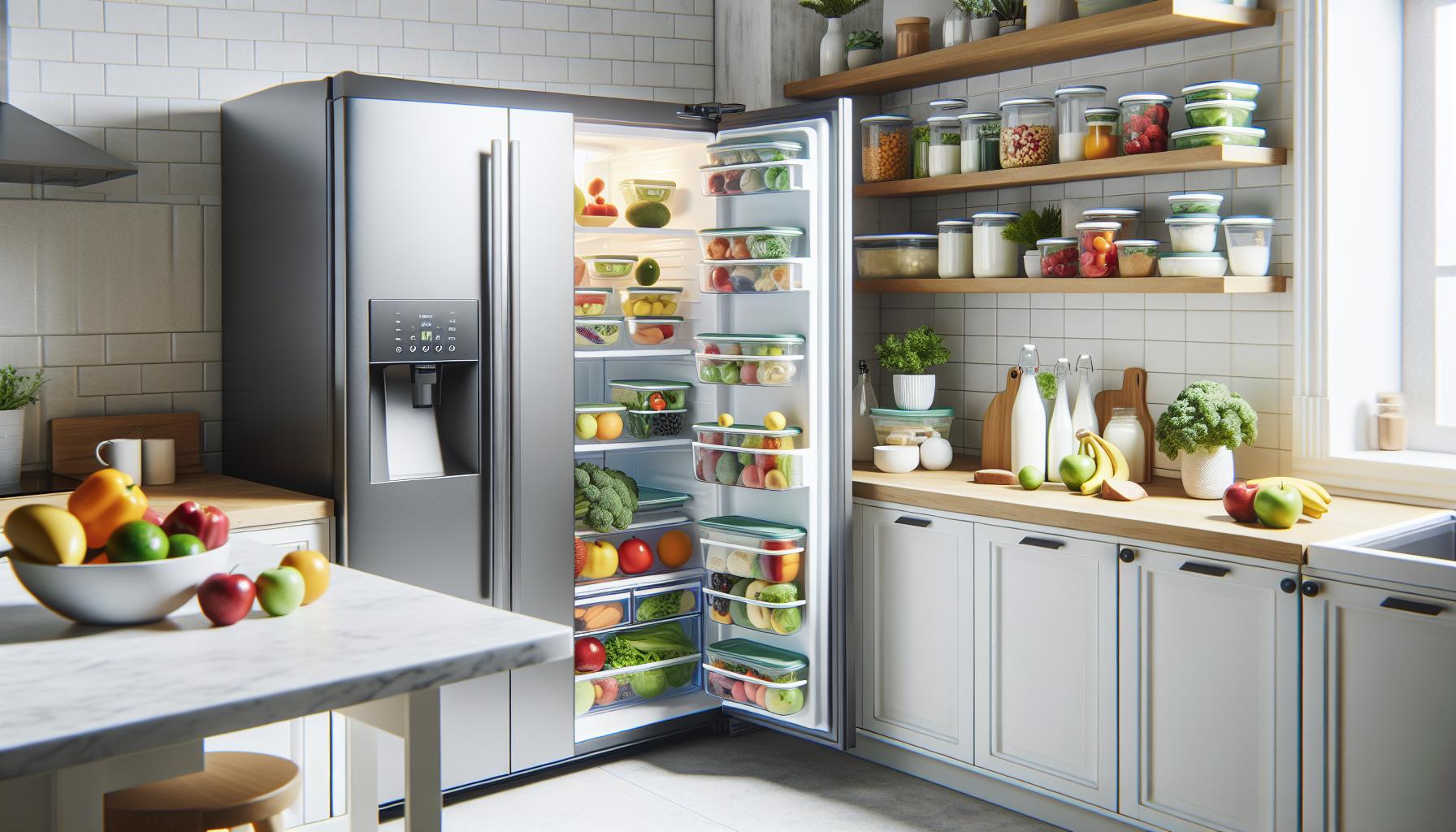
Proper Storage Techniques for Maximum Freshness
To ensure your homemade chicken stock maintains its freshness and flavor, implementing effective storage techniques is crucial. One of the primary steps is to cool the stock promptly after cooking. Ideally, the stock should reach room temperature in no more than two hours to prevent bacterial growth. Consider using an ice bath by placing the pot in a larger basin filled with ice and water, stirring occasionally. This method accelerates cooling and helps retain the stock’s quality.
When it comes to storage containers, opt for airtight options made from glass or BPA-free plastic. These materials prevent chemical leaching and preserve the stock’s taste. Fill the containers, but leave a bit of space at the top if freezing, as liquids expand when frozen. Additionally, be sure to thoroughly clean your containers and utensils before use, as any residue can introduce bacteria that may compromise the stock.
Labeling each container with the preparation date is another good practice. This simple step helps you keep track of freshness and ensures you use the oldest stock first, reducing waste. Store your chicken stock in the refrigerator at a consistent temperature of 40°F (4°C) or below. Under proper conditions, chicken stock can last for about four to six days in the fridge. If you don’t plan to use your stock within this timeframe, freezing is an excellent option for extending its shelf life.
To freeze chicken stock, pour it into freezer-safe bags or containers, leaving enough space at the top for expansion. Consider organizing your stock in small portions, making it easier to thaw only what you need for recipes. Remember, maintaining proper storage techniques not only maximizes the freshness of your stock but also enhances its flavor, ensuring that every drop is as delicious as the first.
Signs That Your Chicken Stock Has Spoiled
Determining whether your homemade chicken stock has spoiled is critical to ensuring safety and maintaining flavor in your dishes. Spoiled stock can harbor harmful bacteria that may lead to foodborne illnesses, so it’s essential to proceed with caution. Here are the key signs to watch for when assessing the condition of your chicken stock.
Firstly, take note of any off odors. Fresh chicken stock should have a pleasant, savory smell. If your stock emits a sour or rancid odor, it has likely spoiled. Visual inspection is equally important. Look for changes in color or clarity. If your once-clear stock appears cloudy or has developed a film on the surface, these alterations could indicate spoilage.
Another telltale sign is the presence of mold. This may appear as white or green spots on the surface. If you detect any mold, it’s best to discard the stock entirely, as it can penetrate deeper than what is visible. Additionally, if the stock has developed a slimy texture, this is a direct indicator of bacterial growth and spoilage.
Lastly, consider the duration of storage. If your chicken stock has been in the refrigerator for longer than four to six days, even if it appears and smells fine, it’s safest to discard it. When in doubt, remember that it’s always better to err on the side of caution regarding food safety. Always trust your senses-smell, sight, and touch-to guide you in determining whether your chicken stock is still good to use.
Freezing Chicken Stock: Best Practices
The preservation of homemade chicken stock can be a game changer in your kitchen, allowing you to enjoy rich flavors at your convenience. Freezing chicken stock not only extends its shelf life significantly but also retains the nutritional benefits and taste that come from a slow-cooked batch. For optimal results, there are a few best practices to follow that will help you store your stock effectively, ensuring it is ready to use whenever you need it.
To freeze your chicken stock, start by allowing it to cool completely. This is crucial because placing hot stock directly into the freezer can raise the overall temperature, potentially affecting other frozen items. Once cooled, consider portioning the stock into smaller, more manageable quantities. This can be done using freezer-safe containers or freezer bags. If using bags, lay them flat in the freezer; this not only saves space but also speeds up the freezing process. Aim to leave some headspace in containers to allow for expansion as the stock freezes.
Label your containers with the date and contents for easy identification later on. Homemade chicken stock is best used within three to six months when frozen, although it can last longer if stored at a consistent temperature of 0°F (-18°C) or below. This timeframe helps ensure that the flavors remain intact and the stock does not develop freezer burn, which can negatively affect its quality.
When you’re ready to use your frozen stock, it’s best to thaw it in the refrigerator overnight. If you’re short on time, you can use the defrost setting on your microwave or place the sealed bag in cold water for quicker thawing. After defrosting, use it within a few days and never refreeze once it’s been thawed. By following these guidelines, you can maintain the rich, homemade flavor of your chicken stock, making your soups, sauces, and culinary creations even more delicious.
Extending the Flavor of Your Stock
To elevate the flavor of your homemade chicken stock, consider incorporating a few simple techniques and ingredients that will deepen its taste profile and make your culinary endeavors even more delightful. A well-prepared stock can serve as a robust base for soups, sauces, and numerous dishes, but its flavor may diminish over time if not properly enhanced or stored. Here are some proven methods to ensure your stock remains vibrant and delicious every time you use it.
Use Aromatics Wisely
Infusing your stock with aromatics can significantly enhance its flavor. When you start boiling your stock, add a combination of vegetables such as onions, carrots, and celery. Additionally, herbs like thyme, bay leaves, and parsley can impart rich flavors. To truly maximize the flavor, roast your vegetables beforehand until caramelized – this adds complexity and depth. Remember, the type of chicken you use (whole, bones, or scraps) and whether it has been roasted or boiled will also affect the resultant stock’s richness.
Layering Flavors
As you cook, don’t hesitate to layer flavors by adding gastronomic elements at different stages. A splash of white wine can introduce acidity and brightness, while a teaspoon of soy sauce or fish sauce can provide umami depth. Even a small amount of vinegar or lemon juice used towards the end of cooking can help brighten and balance the flavors. Experiment with different additions to find the right balance that suits your palate.
Storing Tips for Lasting Flavor
How you store your homemade stock plays a crucial role in preserving its flavor. Always allow your stock to cool completely before storing it in the refrigerator or freezer. For short-term storage in the fridge, it’s best to use the stock within 3 to 4 days to ensure optimal freshness; for freezing, consider using smaller portions to maintain flavor over longer storage times. Use freezer-safe containers or vacuum-sealed bags to minimize exposure to air, which can lead to oxidation and diminish flavor. Label these containers with the date to ensure you use them within the recommended timeframe.
Creative Reuse of Leftover Stock
To keep your culinary creations exciting, explore creative ways to use leftover stock. Use it as a cooking liquid for grains like rice, quinoa, or couscous to infuse them with additional flavor. You can also incorporate it into sauces, gravies, or braises to enhance their depth. Lastly, consider using stock in your next vegetable or bean stew, as it can transform these simple dishes into a restaurant-quality experience with rich complexity.
By implementing these strategies, you can not only preserve but also extend the delightful flavors of your homemade chicken stock. This approach not only ensures food safety but also enhances the joy of cooking and brings robust taste into your meals.
How to Use Leftover Chicken Stock Creatively
Using leftover chicken stock can elevate your meals while minimizing food waste, and the possibilities are as diverse as your culinary creativity. Whether you’ve got a small amount left over or a larger batch, there are countless ways to integrate it into your cooking. Consider transforming grains into a flavorful side by using chicken stock as the cooking liquid for rice, quinoa, or couscous. This simple trick infuses the grain with a rich taste that plain water just can’t match, turning a basic dish into something deliciously memorable.
Another fantastic way to make the most of leftover stock is by incorporating it into sauces and gravies. A splash of chicken stock can serve as the perfect base for a creamy sauce, adding depth and richness without overwhelming other flavors. When making a pan sauce after cooking meat, deglaze the pan with stock instead of wine for a hearty finish that pulls together all those delicious browned bits.
Soups and stews are also prime candidates for the addition of chicken stock. It can serve as a comforting foundation for vegetable soups, bean stews, or even chili, enriching the broth and enhancing overall flavor. By adding stock to a simple vegetable medley, you not only boost the nutrition but also bring the dish to life with complex flavors.
Finally, don’t overlook simple recipes like risotto, where stock is essential. Gradually adding chicken stock to rice as it cooks ensures a creamy texture and layers of flavor. With these strategies, your leftover chicken stock becomes a versatile asset in the kitchen, enhancing taste and reducing waste in your meal prep.
Differences Between Homemade and Store-Bought Stocks
Homemade chicken stock stands in stark contrast to its store-bought counterpart, offering distinct advantages in flavor, nutrition, and customization. One of the most significant differences lies in the ingredient quality. When you make stock at home, you have full control over the components, allowing for a richer, more nuanced flavor profile. You can choose organic, free-range chickens and fresh vegetables, resulting in a stock that tastes far more vibrant and wholesome than many store-bought options, which often rely on preservatives, artificial flavors, and lower-quality ingredients.
Another critical aspect is the nutritional content. Homemade stock is typically richer in collagen and gelatin, thanks to the simmering of bones, which can greatly benefit joint health and digestion. In contrast, many commercially prepared stocks are formulated primarily for flavor, with less focus on nutrient density. Therefore, when opting for homemade stock, you not only enhance the taste of your dishes but also bolster their nutritional value, providing a more health-conscious option for your culinary creations.
Additionally, the versatility of homemade stock allows you to tailor the flavor to your specific needs. You can infuse it with herbs, spices, or other aromatics to create unique blends that cater to your dishes. Unlike pre-packaged stocks, which come in standard flavors, homemade stock can adapt to your preferences, letting you experiment with ingredients like smoked garlic, lemongrass, or even citrus peels to elevate your cooking.
Finally, it’s crucial to note the freshness factor. While homemade stock can be safely stored in the fridge for about 3 to 4 days, proper cooling and storage techniques can maximize its shelf life and flavor. In contrast, store-bought stocks may have longer shelf lives due to preservatives, but the homemade version packs a fresher, homemade essence that can significantly enhance the outcomes of your meals. By embracing the art of stock-making, you open up a world of culinary creativity that’s both rewarding and delicious.
Is It Safe to Reheat Chicken Stock?
Reheating chicken stock can be a simple yet rewarding process, transforming your meals with its rich flavor while adhering to safe food handling practices. To ensure safe consumption, it’s essential to understand how and when to reheat your stock effectively. When storing homemade chicken stock in the fridge for up to 3 to 4 days, you can safely reheat it multiple times, but each reheating should be done with care.
To begin, if your stock has been chilling in the fridge, retrieve it and inspect it for any signs of spoilage before reheating. It’s important to check for off odors, unusual colors, or sediment that may indicate it’s gone bad. Always reheat your stock to a rolling boil for at least one minute to kill any potential bacteria, particularly if it has been stored for a few days. This process not only ensures safety but also enhances flavors as the stock returns to a lively state.
Reheating Techniques
There are several methods to safely reheat chicken stock:
- Stovetop: Pour the stock into a saucepan and heat over medium-high heat, stirring occasionally, until boiling.
- Microwave: Transfer the stock to a microwave-safe container, cover it loosely, and heat in 30-second intervals, stirring in between until it reaches a rolling boil.
- Slow Cooker: If you’re reheating a larger batch, transfer the stock to a slow cooker and set it on high for about 1 to 2 hours, stirring occasionally.
Regardless of your reheating method, the key is to ensure it reaches a sufficient temperature, thereby maximizing both safety and flavor. It’s advisable to only reheat the amount of stock you plan to use in one sitting, as repeated heating can impact the quality and safety of the stock.
By following these guidelines, you can confidently enjoy the deep, savory flavors of your homemade chicken stock while ensuring that it remains safe for you and your family to consume.
Common Mistakes When Storing Chicken Stock
Storing homemade chicken stock may seem straightforward, but there are several common pitfalls that can compromise its quality and safety. One of the most frequent mistakes is not allowing the stock to cool properly before refrigerating. Placing hot stock directly in the fridge can raise the internal temperature, potentially leading to bacterial growth. It’s best to let your stock cool at room temperature for no more than two hours before transferring it to the refrigerator.
Another critical error is using inadequate containers for storage. Some may opt for a large pot or a non-sealable dish, which exposes the stock to air and can lead to oxidation and spoilage. Instead, use airtight containers or freezer bags to keep the stock fresh. Be sure to leave some space at the top of the container, as liquids expand when frozen, preventing the risk of splatter or broken containers.
Timing is also crucial; homemade chicken stock should ideally be consumed or frozen within 3 to 4 days if stored in the fridge. Conversely, many assume that stock can last indefinitely, which is a misconception. After a few days, the risk of spoilage increases, and the flavors can dissipate, leading to a lackluster broth. For longer preservation, consider freezing your stock in smaller portions, allowing for easy thawing and use whenever you need it.
Finally, overlooking the importance of labeling can lead to confusion and waste. It’s easy to forget when you made the stock, particularly if you’re storing multiple batches. Label your containers with the date and contents to ensure you use them within their safe timeframe. By avoiding these common mistakes, you can enjoy vibrant, flavorful chicken stock at its peak while ensuring food safety for your household.
Nutritional Benefits of Homemade Chicken Stock
Homemade chicken stock is not only a delicious base for soups and sauces, but it also offers a range of nutritional benefits that contribute positively to your health. One of the standout advantages of chicken stock is its richness in essential vitamins and minerals, primarily extracted from the bones, meat, and vegetables simmered over time. These elements can enhance your immune system and overall well-being. Importantly, the gelatin formed during the cooking process can aid digestion and promote joint health, making chicken stock a comforting choice during illness or recovery.
When you make chicken stock from scratch, you have control over the ingredients, which means you can avoid preservatives and additives often found in store-bought versions. This also allows you to tailor the stock to your taste and dietary needs. For instance, adding nutrient-dense vegetables like carrots, celery, and onions not only boosts flavor but also infuses the stock with additional vitamins such as vitamin A and vitamin C, further enhancing its health benefits.
Incorporating homemade chicken stock into your meals can also improve hydration, particularly important during warmer months or periods of physical exertion. Use the stock as a base for soups or as a cooking liquid for grains and legumes, ensuring your meals are both flavorful and nutritious. Moreover, the minerals like calcium and magnesium extracted from the bones are essential for maintaining strong bones and teeth.
To maximize these nutritional benefits, consider incorporating the stock into your daily cooking routine. Using it in place of water in recipes can elevate your dishes while providing nutrients that support your health. By prioritizing homemade chicken stock, you’re not only creating delicious meals but also investing in a nourishing component central to a balanced diet.
Frequently Asked Questions
Q: How can I tell if homemade chicken stock is still good?
A: To determine if your homemade chicken stock is still safe to consume, check for off smells or unusual color changes. If it has a sour or rotten odor or appears cloudy, discard it. Always trust your senses to guide your decision on freshness.
Q: Can I store chicken stock in glass containers?
A: Yes, glass containers are suitable for storing chicken stock. Ensure they are airtight to prevent absorption of odors and moisture from the fridge. For optimal freshness, leave some space at the top to allow for expansion if freezing.
Q: What is the best way to reheat chicken stock?
A: The best way to reheat chicken stock is to do it gently on the stovetop over medium heat. Stir occasionally and heat until it reaches a simmer. Avoid boiling to preserve flavor and texture.
Q: Can I use chicken stock after the expiration date?
A: Homemade chicken stock doesn’t have a strict expiration date but should ideally be consumed within 3-4 days when refrigerated. If stored properly and still smells and looks good, it may be safe to use for a short period longer.
Q: How long can you freeze homemade chicken stock?
A: Homemade chicken stock can be frozen for up to 6 months. To maintain quality, use airtight containers or freezer bags, and label them with the date. Thaw in the refrigerator before reheating for best flavor.
Q: Why does my chicken stock have a gelatinous texture when cold?
A: A gelatinous texture in your chicken stock once chilled is normal and indicates a good concentration of collagen. This texture shows the stock was made from bones, which provides rich flavor and nutrients. It will liquefy upon reheating.
Q: Is homemade chicken stock healthier than store-bought?
A: Yes, homemade chicken stock is often healthier than store-bought options as you can control the ingredients, sodium levels, and avoid preservatives. It tends to have richer flavors too, contributing more to your dishes.
Q: What can I do with excess chicken stock?
A: If you have excess chicken stock, consider using it in soups, stews, risottos, or sauces for added flavor. You can also freeze it in ice cube trays for easy portioning in future recipes.
The Way Forward
Now that you know how long homemade chicken stock lasts in the fridge, ensure you store it properly for optimal flavor and safety. If you’ve enjoyed this guide, explore our related articles on versatile cooking tips or safety practices for homemade meals. Remember, fresh flavors are just a stock away-don’t hesitate to use your delicious chicken stock within 3-4 days for maximum quality!
We’d love to hear your thoughts! Share your favorite chicken stock recipes or storage tips in the comments below. For more culinary insights, sign up for our newsletter and never miss an update! Whether you’re an experienced chef or a beginner, let’s continue this flavorful journey together.