Did you know that improper handling of thawed chicken can lead to foodborne illnesses? Understanding how long thawed chicken lasts in the fridge is essential for food safety and minimizing waste. Proper storage practices not only keep your meals safe but also help you enjoy delicious, worry-free dishes.
Many home cooks often find themselves wondering how to effectively store thawed chicken to avoid spoilage. With guidelines indicating that thawed chicken should ideally be consumed within 1-2 days, ensuring you follow best practices can make all the difference. By the end of this article, you’ll have a clear understanding of the timeframes and tips for storing thawed chicken, so you can confidently prepare meals that protect your health and your family’s well-being. Stay with us to learn how to keep your kitchen safe and your meals enjoyable!
How Long Can Thawed Chicken Remain Safe in the Fridge?
Thawing chicken safely is essential, but once it’s thawed, you need to know how long it can remain safe in the refrigerator to prevent foodborne illnesses. The general guideline is that thawed chicken can be stored in the fridge for 1 to 2 days. This timeframe applies whether you’ve thawed the chicken in the fridge or you’ve defrosted it using other methods. Ensuring that your refrigerator is consistently set at or below 40°F (4°C) is crucial, as temperatures above this may allow harmful bacteria to multiply.
Storage conditions matter significantly. Keep the chicken in its original packaging or in a tightly sealed container to minimize exposure to the air, which can accelerate spoilage. Additionally, placing the chicken on a plate can help catch any juices that might leak, which is important for maintaining overall cleanliness in your fridge. If you’re unsure when you thawed the chicken or how long it has been stored, it’s always safer to err on the side of caution and dispose of it if you question its freshness.
To maximize the safety and quality of thawed chicken, consider labeling your packages with the date you thawed them. This approach helps you keep track and makes meal planning easier. Remember, while it may be tempting to store thawed chicken beyond the recommended timeframe, doing so increases the risk of foodborne illness, so always adhere to these guidelines for a safe cooking experience.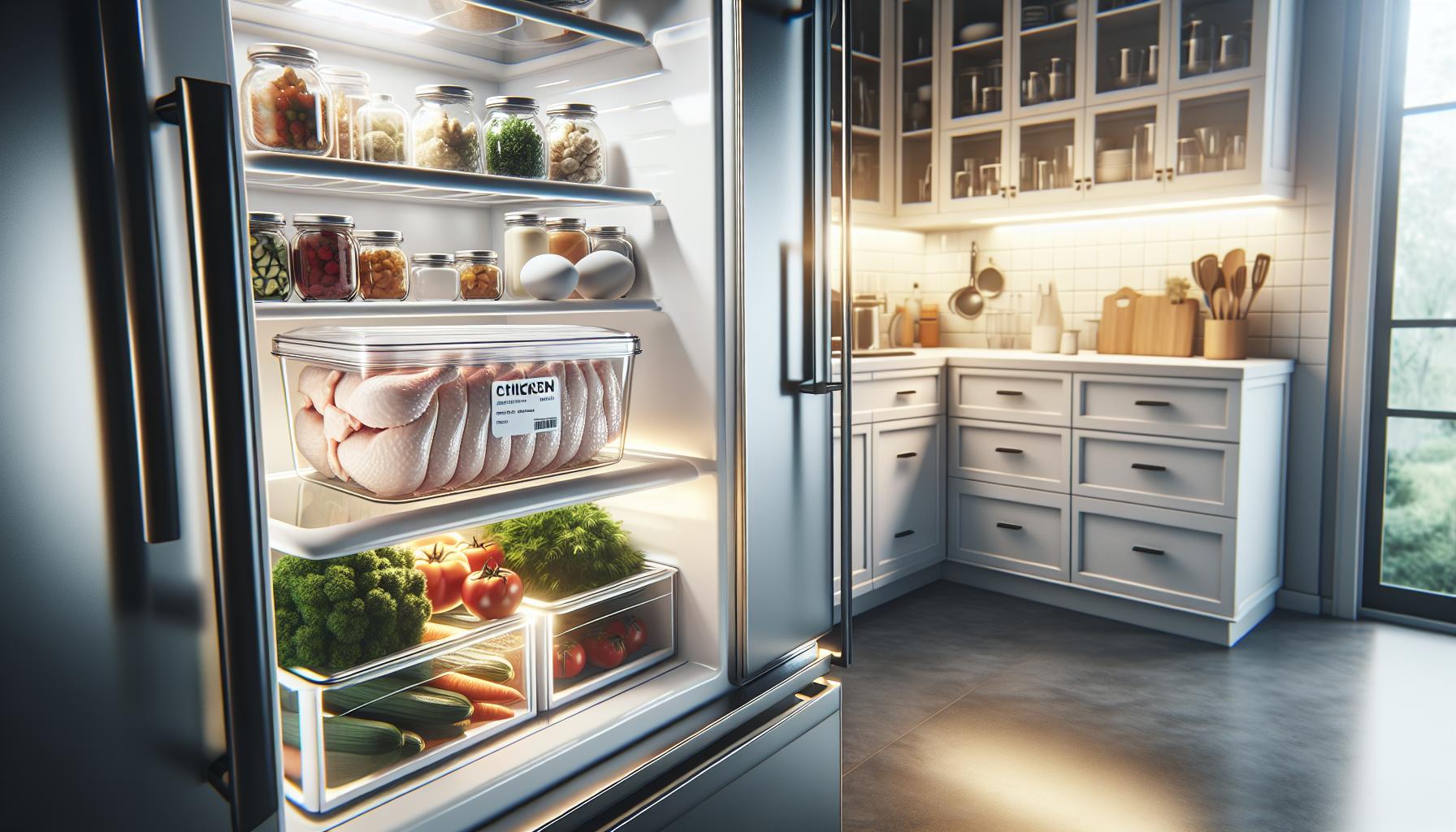
Understanding Storage Times for Thawed Chicken
Storing thawed chicken safely requires an understanding of how long it can remain in your refrigerator while still being considered safe for consumption. Once chicken has been thawed, it should ideally be cooked within 1 to 2 days. This timeframe applies regardless of whether you’ve thawed it in the refrigerator or by other means, highlighting the importance of tracking how long it has been stored. It’s essential to ensure that your refrigerator is set to a safe temperature of 40°F (4°C) or lower, as higher temperatures can promote the growth of harmful bacteria.
To further safeguard your thawed chicken, keep it in its original packaging or place it in a tightly sealed container. This not only minimizes exposure to air-helping to reduce spoilage-but also prevents any potential cross-contamination with other foods in your fridge. For additional safety, you might want to place the container on a plate to catch any drips, ensuring that your refrigerator stays clean and free from any raw chicken juices. If you’re ever uncertain about the safety of the chicken based on how long it has been in the fridge, it’s better to err on the side of caution and dispose of it.
Plan your meals ahead of time and consider labeling your chicken with the date it was thawed. This simple step can make meal preparation easier and help you stay within the safe storage timeframe. Recognizing these limits is crucial; while it may seem convenient to keep thawed chicken longer, doing so raises the risk of foodborne illnesses. Following these guidelines will help you enjoy your meals safely and minimize any potential health risks.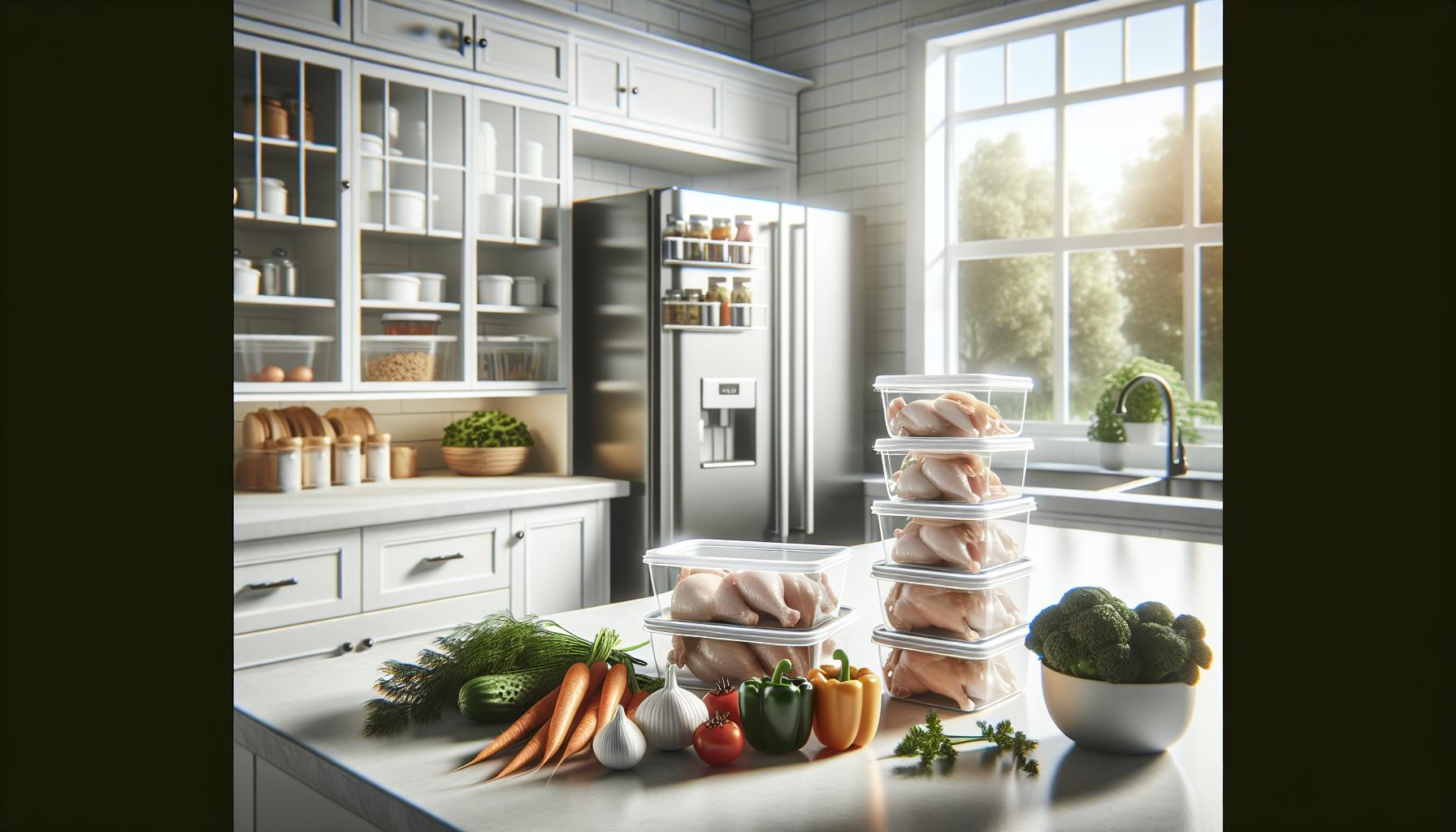
Signs of Spoilage: Recognizing Unsafe Chicken
Recognizing when thawed chicken has gone bad is crucial for maintaining food safety and preventing foodborne illnesses. Numerous factors can lead to spoilage, and being informed about the signs can save you from a risky meal. Fresh chicken should have a mild odor; any strong or unpleasant smells are often a red flag. Spoiled chicken may emit a sour or ammonia-like scent, which is indicative of bacterial growth. Trust your senses-if something seems off, it’s best to discard the chicken.
Another telltale sign of spoilage is the texture. Fresh chicken should feel moist but not slimy. A slimy texture is a strong indicator that the chicken has spoiled, often due to the presence of bacteria. Additionally, look for any discoloration on the surface. While fresh chicken can have some variations in color, any greenish or gray tones suggest that the meat has begun to deteriorate. If you spot any visible mold or starts of bacterial growth, the chicken should be discarded immediately.
Proper storage practices can significantly reduce the chances of spoilage. Always keep thawed chicken in its original packaging or in airtight containers to minimize exposure to air, which can accelerate spoilage. Store the chicken on a plate or in a separate area of the refrigerator to avoid cross-contamination. Remember, even if the chicken looks and smells fine, if it has been stored in the fridge for more than 1 to 2 days, it’s safer to throw it away. Always err on the side of caution when it comes to food safety-it’s not worth the risk.
When in doubt, don’t hesitate to reach for a food safety checklist or guidelines to help evaluate your chicken. Regularly clean your fridge and monitor the temperatures to maintain an environment that inhibits harmful bacteria from thriving. By staying vigilant and informed about these spoilage signs, you can enjoy your thawed chicken confidently, knowing you’ve prioritized your health and safety.
Safe Thawing Methods for Chicken: Best Practices
Thawing chicken safely is a critical step to ensure both flavor and food safety, allowing you to avoid potential health risks associated with improper handling. There are three widely accepted methods to thaw chicken: in the refrigerator, using cold water, or in the microwave. Each of these methods not only preserves the quality and safety of the chicken but also minimizes the risk of bacterial growth.
The refrigerator method is considered the safest and simplest approach, albeit requiring some patience. To use this method, place the chicken in its original packaging or in a leak-proof container to prevent any juices from contaminating other foods. Ideally, allow approximately 24 hours for every 5 pounds of chicken for it to fully thaw. This method keeps the chicken at a consistent, safe temperature below 40°F, greatly reducing the risk of bacteria multiplying.
An alternative to the refrigerator is the cold water method, which is faster but requires more attention. Chicken should be sealed in a leak-proof bag, ensuring that water cannot seep in and compromise the meat. Submerge the bag in a bowl of cold water, changing the water every 30 minutes to keep it cold. Small pieces of chicken can thaw in one hour or less, while a whole chicken may take 2 to 3 hours. This method significantly reduces thawing time but must be monitored to ensure that the chicken remains at a safe temperature.
Lastly, the microwave method can be used in a pinch, though it is the least favored due to the potential for uneven thawing which might cook portions of the chicken. If opting for this method, follow the microwave manufacturer’s instructions for defrosting meat, keeping in mind that the chicken should be cooked immediately after thawing to prevent any bacteria from developing.
Whichever method you choose, ensuring that chicken is thawed properly is key to maintaining its freshness and safety. By following these best practices, you can enjoy your meals without the worry of foodborne illnesses.
How to Properly Store Thawed Chicken in the Fridge
Proper storage of thawed chicken is essential to ensure both its safety and quality before cooking. Once thawed, chicken should be refrigerated promptly and stored correctly to limit the potential for bacterial growth. When storing thawed poultry, it is important to keep it at a temperature below 40°F to maintain freshness. According to food safety guidelines, thawed chicken can safely be kept in the refrigerator for 1-2 days before cooking, regardless of the cut of chicken involved [[1](https://familyweal.com/how-long-can-thawed-chicken-breast-stay-in-the-fridge/)].
To store thawed chicken effectively, follow these steps:
- Use leak-proof packaging: Keep the chicken in its original packaging or transfer it to a sealed, leak-proof container. This prevents juices from leaking and contaminating other foods in the fridge.
- Label the container: Mark the container with the date you placed it in the fridge. This will help you keep track of how long it has been stored and ensure that you cook it within the recommended timeframe.
- Avoid cross-contamination: Store the chicken on a separate shelf or in a designated area of the fridge to avoid contact with ready-to-eat foods. This practice reduces the risk of foodborne illnesses.
- Keep your fridge organized: Ensure that your refrigerator is not overloaded, as proper air circulation is key to maintaining an even temperature.
If you suspect that you may not cook the thawed chicken within the 1-2 day window, consider refreezing it if it has been kept refrigerated. However, it is important to note that the texture and quality may diminish after being frozen a second time. Cooking the thawed chicken before refreezing can help preserve its quality and make meal preparation easier later on. By adhering to these guidelines, you can safely store thawed chicken and enjoy delicious meals without the risk of foodborne illness.
The Risks of Keeping Thawed Chicken Too Long
Keeping thawed chicken too long in the refrigerator can pose significant health risks due to the potential for bacterial growth. Once thawed, chicken should not remain in the fridge for more than 1-2 days. Beyond this period, the risk of foodborne illnesses increases, primarily from bacteria such as Salmonella and Campylobacter. These pathogens can multiply rapidly at temperatures above 40°F (4°C), jeopardizing food safety and leading to serious health issues if consumed.
To mitigate risks, it is essential to monitor both the time and condition of your thawed chicken. If the chicken has been in the refrigerator for two days, it is advisable to either cook it or discard it to avoid potential food poisoning. Signs that the chicken may no longer be safe include an off smell, a change in color, or a sticky texture. These indicators suggest the presence of harmful bacteria that could cause illness if ingested. Always trust your senses-when in doubt, it’s safer to err on the side of caution and dispose of questionable meat.
Proper handling and adherence to storage guidelines can significantly reduce the likelihood of foodborne illnesses. Always store thawed chicken in a leak-proof container to prevent cross-contamination with other foods. Additionally, label storage containers with the date of thawing to keep track of freshness and ensure consumption or cooking occurs within the recommended timeframe. Establishing routines for assessing and managing your food items can greatly enhance kitchen safety and contribute to your overall health and wellness.
How to Tell If Thawed Chicken Is Still Good
To ensure your thawed chicken is still safe to consume, it’s essential to rely on your senses and understanding of food safety indicators. When chicken has been thawed in the refrigerator, it’s crucial to check for any signs of spoilage before cooking or consuming it. Generally, thawed chicken should be used within 1-2 days; however, factors such as storage conditions and initial freshness also play significant roles.
One of the first aspects to evaluate is the smell. Fresh chicken typically has a mild scent; if you detect a strong, unpleasant odor, it is a clear sign that the chicken has gone bad. Additionally, the texture of the chicken can provide clues about its safety. If the surface feels sticky or slimy, discard it immediately as this texture may indicate bacterial growth.
Color changes can also be indicative of spoilage. Fresh chicken should appear pink and moist, while any graying or dull coloration signals that the meat is no longer fresh. If you notice any discoloration, combined with an off smell or strange texture, it is safest to err on the side of caution and dispose of the chicken.
Furthermore, the storage method can impact how long the chicken remains safe. Always store thawed chicken in a sealed or leak-proof container to minimize cross-contamination. Regularly check your stored chicken, particularly if it’s nearing the 2-day mark post-thawing, and if you are ever in doubt about its safety, prioritize your health and safety by discarding it. By remaining vigilant and applying these checks, you can confidently decide whether your thawed chicken is still fit for consumption.
Can You Refreeze Thawed Chicken? What You Need to Know
Refreezing thawed chicken may seem convenient, especially when you find yourself with unwanted leftovers. However, the process requires careful consideration to ensure food safety. If chicken has been properly thawed in the refrigerator, it can indeed be refrozen, but there are crucial guidelines to follow. First and foremost, any chicken that has been thawed and remains at safe temperatures in the fridge (below 40°F) can be refrozen within the recommended 1-2 days after thawing.
When refreezing, it’s important to note that the quality of the chicken may decline. Freezing can create ice crystals that affect the texture, potentially rendering the meat dryer or less palatable. To mitigate this, ensure that the chicken is tightly wrapped in airtight packaging to prevent freezer burn, which not only compromises the taste but also affects the safety of the chicken.
Best Practices for Refreezing Thawed Chicken
- Thawing Method: Always thaw chicken in the refrigerator rather than at room temperature. This helps maintain a safe environment and minimizes the risk of bacterial growth.
- Time Frames: Stick to the rule: refreeze chicken within 1-2 days after thawing for best results.
- Temperature Check: Make sure the chicken is still cold (below 40°F) when you decide to refreeze it.
- Packaging: Use vacuum-sealed bags or sturdy plastic containers to protect against freezer burn and preserve flavor.
To further enhance food safety and maintain flavor, consider cooking the chicken before refreezing. Prepared chicken dishes can be safely stored in the freezer for extended periods, allowing for versatile meal options while reducing waste. If you choose to refreeze uncooked chicken, be mindful that the texture may not be the same as if it had been frozen initially, but it will still be safe for consumption if handled properly. Ultimately, understanding these practices not only ensures your meals are safe but also helps you enjoy delicious chicken creations without the worry of foodborne illnesses.
Expert Tips for Handling and Cooking Thawed Chicken
Handling and cooking thawed chicken involves crucial practices to ensure food safety while maximizing flavor and texture. A common question that arises is whether the thawed chicken can remain in the fridge for longer than a few days. The answer is that once thawed, chicken should ideally be cooked within 1-2 days to avoid the risk of bacterial growth. Keeping your refrigerator at a safe temperature-below 40°F-is essential to maintain the chicken’s quality and prevent spoilage.
When it comes to cooking thawed chicken, a few tips can significantly enhance both safety and culinary results. Always use a meat thermometer to check that chicken reaches a minimum internal temperature of 165°F. This not only ensures that harmful bacteria are killed but also allows you to enjoy the juicy, tender meat that results from proper cooking. Marinating chicken can also be a game-changer; just ensure that it’s done in the refrigerator, not on the countertop, to prevent any bacterial proliferation.
For those who like to plan meals ahead, consider cooking a batch of chicken and then refrigerating or freezing the portions for later use. Cooked chicken can safely be stored in the refrigerator for 3-4 days, or frozen for up to 4 months. Moreover, if using cooked chicken in salads or cold dishes, make sure to add it only when it’s cooled to room temperature to prevent heating up other ingredients inadvertently.
In summary, being mindful about the timing and methods of handling thawed chicken not only enhances your cooking results but also ensures you’re serving safe meals. With these steps in mind, you can navigate food safety confidently and create delicious, healthy dishes without the unnecessary worry of foodborne illnesses.
Common Mistakes to Avoid When Storing Thawed Chicken
When it comes to storing thawed chicken, there are several critical missteps that can jeopardize food safety and compromise the quality of your meals. One of the most common errors is neglecting to monitor the storage time. It’s essential to remember that once chicken is thawed, it should be cooked within 1-2 days to prevent bacterial growth. Keeping it in the fridge beyond this window increases the risk of foodborne illnesses.
Another frequent mistake is improper packaging. Many people might think that simply placing thawed chicken in the fridge is sufficient, but using a sealed container or a zip-top bag is crucial. This helps to avoid cross-contamination with other foods and prevents leaks that could contaminate your fridge. If the chicken is not adequately sealed, it can absorb odors from other items, which can affect the flavor and safety of your dish.
Temperature Mismanagement
Maintaining the right temperature is vital for food safety, yet many don’t check if their fridge is set below 40°F (4°C). Regularly verify that your appliance is functioning correctly; this ensures a consistent temperature that inhibits bacterial growth. Furthermore, placing thawed chicken on the top shelf can cause it to be subjected to higher temperatures, especially if the door is opened frequently. Instead, store it on the bottom shelf, where the temperature is more stable.
Ignoring Signs of Spoilage
Failing to inspect thawed chicken for signs of spoilage is another common oversight. Look for discoloration, an off odor, or a slimy texture. If any of these symptoms are present, it’s best to discard the chicken promptly. Trusting your senses can significantly contribute to food safety and help you avoid potentially harmful meals.
Finally, another common pitfall is not utilizing frozen leftovers or inadvertently refreezing thawed chicken without cooking it first. While it’s generally safe to refreeze cooked chicken, thawed raw chicken should not be refrozen unless it was thawed in the refrigerator and has not been stored for more than 1-2 days. Always verify the conditions under which the chicken was thawed to minimize the risk of spoilage. By avoiding these common mistakes, you can ensure safer eatings and a better culinary experience.
Creating Delicious Meals with Thawed Chicken Safely
Creating flavorful and satisfying meals using thawed chicken can be both easy and safe, provided you follow some essential guidelines. When planning your menus, keep in mind that thawed chicken should be cooked within 1-2 days of being stored in the refrigerator. This timeframe not only ensures optimal freshness but also minimizes the risk of bacterial growth that can occur as the days pass. With careful meal planning, you can enjoy a variety of dishes without compromising safety.
To ensure a delicious outcome, consider marinating your thawed chicken for added flavor. Simple marinades made from ingredients like olive oil, lemon juice, garlic, and herbs can elevate your dish significantly. Marinade your chicken for at least 30 minutes, but for more flavor, allow it to soak for a few hours or overnight in the refrigerator-just make sure to keep it sealed. This method not only enhances taste but can also tenderize the meat, giving you a more enjoyable dining experience.
When cooking thawed chicken, adopt safe cooking practices. Always use a meat thermometer to verify that the internal temperature reaches 165°F (75°C) before serving. This step is crucial as it eliminates harmful bacteria. Utilizing methods such as grilling, baking, or sautéing can produce delightful results. For an extra layer of flavor, consider finishing your chicken with a sauce or glaze during the last few minutes of cooking; this can provide a delectable contrast to the savory flavor of the chicken.
Lastly, if you’re not planning to consume all the cooked chicken immediately, cool leftovers promptly and store them within 2 hours in a sealed container. Cooked chicken can safely be stored in the refrigerator for 3-4 days or frozen for longer preservation. By treating thawed chicken with care and awareness, you can create a variety of safe and scrumptious meals that your family will love.
Frequently Asked Questions
Q: How long can thawed chicken stay in the fridge?
A: Thawed chicken can remain safe in the fridge for an additional 1-2 days after it has been properly thawed. Always ensure it is kept at or below 40°F (4°C) to minimize spoilage risks. Reference the section on “How Long Can Thawed Chicken Remain Safe in the Fridge?” for detailed storage guidance.
Q: What should I do if my thawed chicken has a strange smell?
A: If your thawed chicken emits an off or sour smell, it is best to discard it. A foul odor indicates spoilage, and consuming spoiled chicken can lead to foodborne illness. Refer to the “Signs of Spoilage: Recognizing Unsafe Chicken” section for more tips.
Q: Can I freeze chicken after it has been thawed?
A: You can only refreeze chicken that has been thawed in the refrigerator without cooking it first. If thawed using cold water or a microwave, cook it immediately before freezing. More details can be found in “Can You Refreeze Thawed Chicken? What You Need to Know.”
Q: Is it ever safe to thaw chicken on the counter?
A: No, thawing chicken on the counter is not safe due to the risk of bacterial growth. Always thaw chicken using proper methods such as the refrigerator, cold water, or microwave. For more on this, see “Safe Thawing Methods for Chicken: Best Practices.”
Q: What are the risks of keeping thawed chicken too long?
A: Keeping thawed chicken beyond the safe time frame increases the risk of bacterial growth, which can potentially lead to food poisoning. It’s essential to adhere to recommended storage times to ensure food safety. Check “The Risks of Keeping Thawed Chicken Too Long” for in-depth insights.
Q: How can I tell if thawed chicken is still good to eat?
A: To determine if thawed chicken is still safe to eat, check for changes in color, texture, or odor. If it appears slimy or has a foul smell, it’s best to discard it. More information can be found in “How to Tell If Thawed Chicken Is Still Good.”
Q: Can cooked thawed chicken be stored in the fridge?
A: Yes, cooked thawed chicken can be stored in the fridge for 3-4 days. Ensure it is properly sealed in an airtight container. For information on storage practices, see “How to Properly Store Thawed Chicken in the Fridge.”
Q: What are common mistakes to avoid when storing thawed chicken?
A: Common mistakes include leaving chicken out at room temperature and not sealing it properly. Always store thawed chicken within the fridge and ensure it’s airtight to prevent contamination. For further tips, consult “Common Mistakes to Avoid When Storing Thawed Chicken.”
In Retrospect
Ensuring that your thawed chicken stays safe to consume is crucial for both your health and meal satisfaction. Remember, thawed chicken can last in the fridge for up to 1-2 days – a short timeframe that underscores the importance of planning your meals accordingly. If you still have questions about food safety, explore our comprehensive guide on “Food Storage Safety Tips” or check out “Avoiding Foodborne Illnesses” for further insights.
Don’t let your meal prep efforts go to waste! We encourage you to sign up for our newsletter for more expert tips, delicious recipes, and nutrition advice delivered straight to your inbox. Have you experienced issues with meal planning or food safety? Share your thoughts in the comments below – we’d love to hear from you! Remember, making informed decisions about your food storage practices today can lead to healthier and safer meals tomorrow. Explore more of our resources to keep your kitchen safe and your family healthy.