Did you know that oysters can spoil quickly if not stored properly? These delicate shellfish are not only a culinary delight but also a potential health hazard if consumed past their prime. Understanding how long unopened oysters last in the fridge is crucial for ensuring your safety and enjoying them at their best.
Proper storage of unopened oysters is vital to prevent foodborne illnesses and maintain flavor. Whether you’re planning a special dinner or simply craving seafood, knowing their shelf life empowers you to make informed choices. In this article, we’ll explore the precise storage guidelines and timeframes for unopened oysters, equipping you with practical knowledge to enhance your seafood experience. Let’s dive into the essential details that will help you eat safely and deliciously!
How Long Can You Store Unopened Oysters?
When it comes to enjoying oysters, knowing how long you can safely store unopened oysters is crucial for both flavor and health. Unopened oysters can be a delightful addition to your meals, but they are best enjoyed fresh. Typically, oysters can be stored in the refrigerator for up to seven days from the time you purchase them. This timeframe is essential to ensure that they maintain their quality and safety.
To maximize their shelf life, it’s important to keep the oysters in their original packaging or place them in a bowl covered with a damp cloth or paper towel to maintain moisture. Avoid sealing them in airtight containers, as they need to breathe. Storing them in the coldest part of the refrigerator-usually near the back-also helps maintain the optimal temperature for freshness, which should be around 32°F to 40°F (0°C to 4°C).
Here’s a quick reference for storing unopened oysters:
| Storage Method | Maximum Storage Time |
|---|---|
| Refrigerator | Up to 7 days |
| Freezer (not recommended for freshness) | Up to 6 months |
If you plan to keep them longer than a week, freezing is an option, although it might affect the texture. It’s always best practice to consume them as soon as possible to enjoy the full richness of their flavor. Always check for any off-smells or other signs of spoilage before consuming, even within the recommended storage time.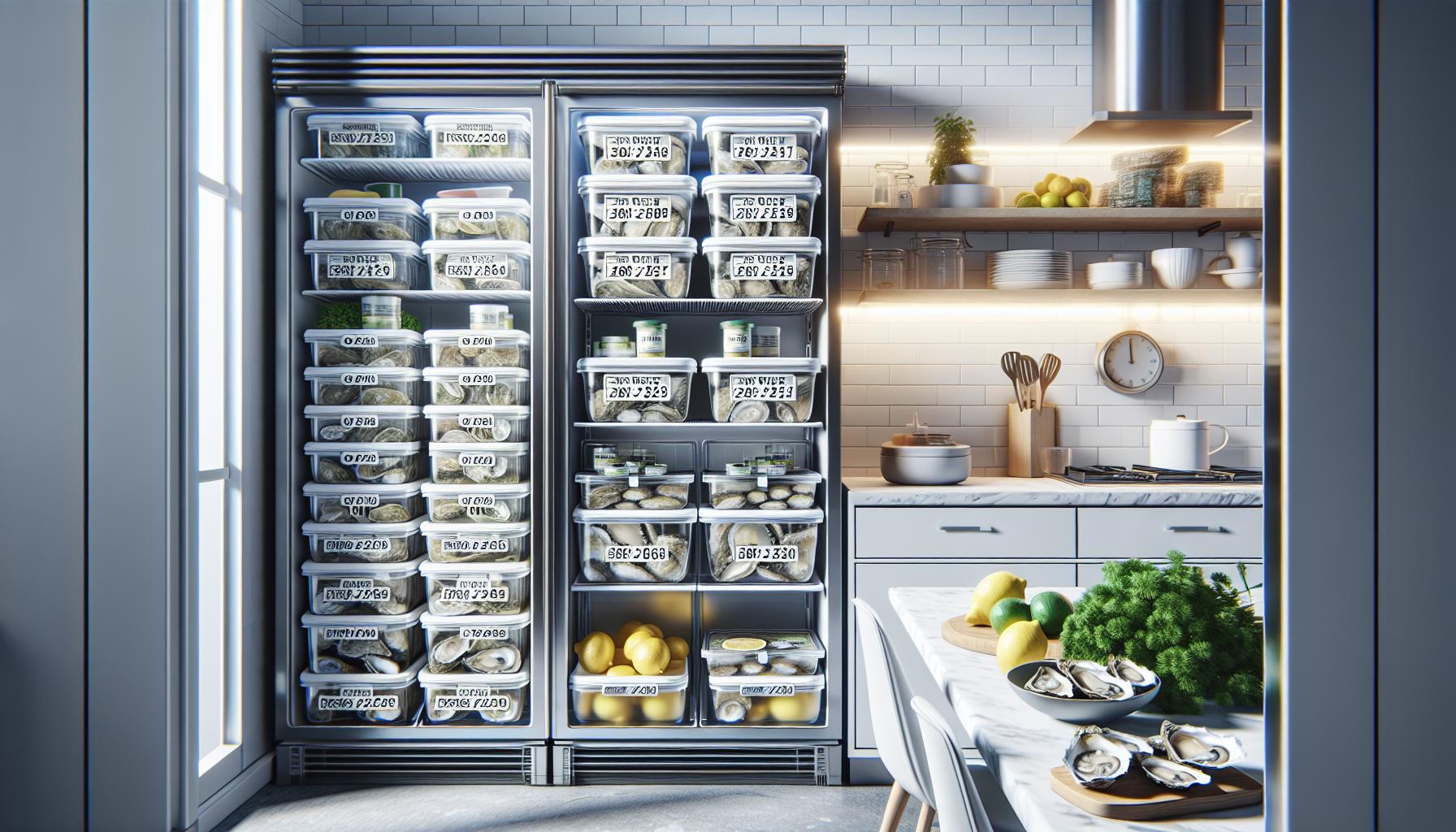
Understanding Oyster Expiration Dates
When it comes to oysters, understanding expiration dates is essential for both food quality and safety. Just like any perishable seafood, unopened oysters have a limited shelf life, which can influence your culinary choices and health. Typically, unopened oysters are best when consumed within seven days of purchase. This timeframe is crucial in preserving their delicate flavor and texture, as well as preventing any risk of spoilage or foodborne illness.
Oysters are often sold with a sell-by or use-by date, but it’s important to note that these dates can sometimes vary based on freshness at the time of sale. Therefore, always aim to purchase oysters from reputable sources to ensure you’re getting the freshest product possible. Many experts recommend also looking at how the oysters are being displayed in stores; they should be kept on ice and still closed tightly. If you notice any oysters that are open or have a cracked shell, these should be discarded.
To maximize the freshness of unopened oysters, store them properly in the refrigerator. Keep them in their original packaging or place them in a breathable container covered with a damp cloth. This helps to maintain the necessary moisture while allowing for proper airflow. Avoid placing them in airtight containers, as this can suffocate the oysters and lead to spoilage more quickly. Always check your oysters for any off-odors or unusual changes in texture before consumption, even if they are within the suggested storage period.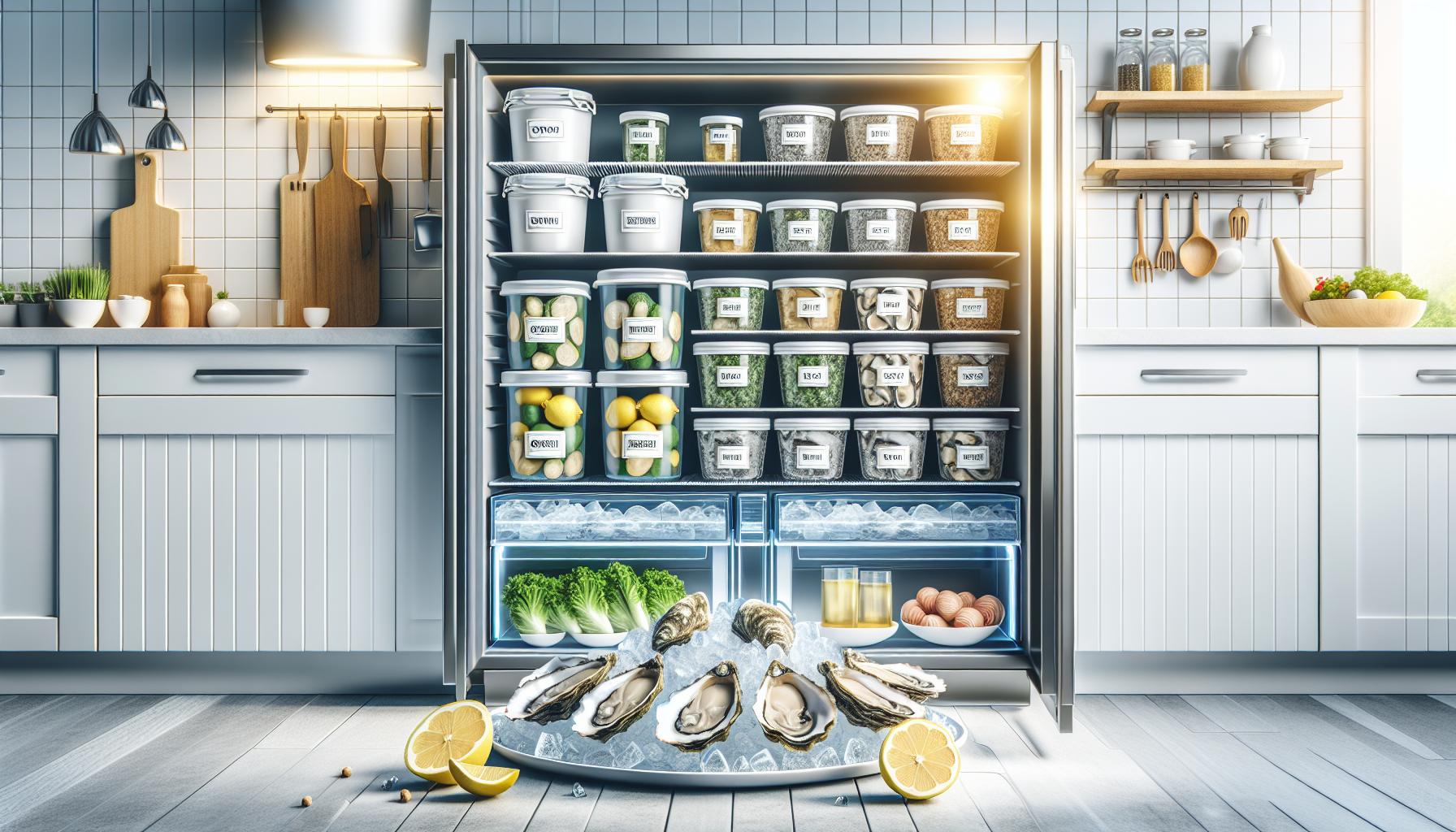
Signs of Spoiled Oysters: What to Look For
Consuming oysters can be a delectable experience, but it’s crucial to ensure their safety and freshness before indulging. One of the key indicators of spoiled oysters lies in their physical appearance and behavior. Oysters should be tightly closed; if you find any that are open and do not close when gently tapped, they are likely dead and should be discarded immediately. Another telltale sign is the presence of any cracked shells or an otherwise damaged exterior, both of which compromise their freshness and safety.
In addition to visual checks, trust your sense of smell. Fresh oysters carry a clean, briny scent reminiscent of the sea. If an oyster emits a strong, foul odor or has a distinctly off-putting smell, this is a clear indication of spoilage. Texture also matters; fresh oysters should feel moist and plump, while a dry or shriveled appearance suggests deterioration. When opened, they should look juicy and vibrant, not dry or discolored.
Maintaining optimal storage conditions is also critical in preserving oyster quality. Cold temperatures are essential, as oysters thrive when kept at or below 40 degrees Fahrenheit. Always store them in a breathable container, such as a mesh bag or a bowl covered with a damp cloth, to ensure proper air circulation and prevent them from suffocating. Periodically inspect your oysters for any changes in smell or appearance, and remember that when in doubt, it’s safer to err on the side of caution and discard them. Eating spoiled oysters can lead to foodborne illnesses, so staying vigilant about freshness helps ensure a safe culinary experience.
Optimal Refrigerator Conditions for Oysters
Maintaining the right refrigerator conditions for oysters is essential to prolonging their freshness and ensuring food safety. Oysters thrive in cool environments, ideally at temperatures of 35°F to 40°F (1.6°C to 4.4°C). Keeping your refrigerator within this range helps to slow down metabolic processes in the oysters, allowing them to remain alive and fresh for longer periods.
When storing unopened oysters, proper airflow is crucial. Unlike many foods, oysters should not be stored in sealed containers. Instead, use a breathable storage solution such as a mesh bag or an open bowl covered with a damp cloth. This setup allows humidity to be retained while preventing suffocation, which can occur if they are too tightly enclosed. It’s important to avoid placing oysters directly on ice, as the melting ice can lead to the oysters drowning; instead, place the bag or bowl on top of a layer of ice in a shallow pan if you wish to maintain a colder temperature.
To ensure the best practices for refrigeration, check your fridge’s temperature frequently using a thermometer. Regular maintenance of your refrigerator, including cleaning and checking for proper functioning, will help maintain a consistent temperature, further enhancing the shelf life of your oysters. It’s also wise to place your oysters in the colder part of the refrigerator-typically the bottom shelf-where temperatures are most consistent.
Lastly, it’s crucial to inspect oysters regularly. Look for any open shells, foul odors, or signs of deterioration. If any oysters appear compromised, it’s best to discard them to avoid foodborne illnesses. By adhering to these refrigeration guidelines, you can enjoy your oysters at their best, providing a safe and delicious seafood experience.
How to Safely Store Unopened Oysters
Proper storage of unopened oysters is essential not only for preserving their freshness but also for safeguarding your health. When stored correctly, fresh oysters can remain in the refrigerator for up to seven days without compromising their quality, provided they were kept at the right temperature. Here’s how to ensure they stay safe and delicious until you’re ready to enjoy them.
First, pay attention to airflow. Oysters need to breathe, so avoid plastic bags or sealed containers. Instead, opt for breathable materials-like a mesh bag or an open bowl-ensuring they are covered with a damp cloth to maintain humidity while allowing air circulation. This approach keeps the oysters alive longer. For optimal conditions, place them in a shallow pan with ice, ensuring the oysters are not sitting directly in water, as they can drown if submerged.
To maintain their ideal environment, regularly monitor the refrigerator’s temperature, which should be kept between 35°F and 40°F (1.6°C to 4.4°C). Utilize a refrigerator thermometer to ensure accuracy and consistency in the storage conditions. It’s recommended to store the oysters on the bottom shelf, as this area typically provides the most stable temperature.
Be vigilant and inspect your oysters daily. Discard any that have open shells or develop foul odors, as these are telltale signs of spoilage. Following these guidelines will help you savor the unique flavor and texture of fresh oysters while minimizing the risk of foodborne illness.
Comparing Shelf Life: Fresh vs. Frozen Oysters
Fresh and frozen oysters present distinct shelf lives that can influence your purchasing and consumption decisions. Generally, fresh oysters, when unopened and stored under ideal conditions, can last up to seven days in the refrigerator. This time frame is contingent upon proper airflow and temperature, which ideally should be maintained between 35°F and 40°F (1.6°C to 4.4°C). However, after this window, the quality can decline sharply, and consuming them may pose health risks due to potential spoilage.
In contrast, freezing is an effective method for extending the shelf life of oysters significantly. Frozen oysters can last for up to six months without a drop in quality if properly stored. To freeze oysters, first shuck them and store them in airtight freezer bags or containers, ensuring you include their natural juices as this helps preserve flavor and moisture during freezing. When you’re ready to use them, thaw oysters in the refrigerator for several hours or overnight, and they are then ready for cooking.
While both fresh and frozen options have their respective advantages, the choice often depends on your immediate plans for consumption. Fresh oysters offer that truly exquisite taste and texture that many seafood aficionados crave, while frozen oysters serve as a convenient alternative, particularly for recipes where they will be cooked, such as in soups or casseroles.
Key Differences in Shelf Life
| Oyster Type | Storage Method | Shelf Life |
|---|---|---|
| Fresh | Refrigerator | Up to 7 days |
| Frozen | Freezer | Up to 6 months |
By knowing the differences and suitable storage methods, you can enjoy oysters safely and at their best, making informed choices that suit your culinary needs.
What to Do with Expired Oysters
When oysters have surpassed their optimal storage period, it’s crucial to handle the situation safely and responsibly. If you find unopened oysters in your refrigerator after the seven-day mark, the best course of action is to discard them. Consuming expired oysters can lead to foodborne illnesses, as they may harbor harmful bacteria or toxins after their freshness has declined. Remember, when it comes to seafood, it’s better to err on the side of caution.
If you suspect that the oysters may still be viable, you can perform a brief inspection. Look for any signs of spoilage, such as an off-putting odor, shells that are cracked or open, and a slimy texture. Fresh oysters should have a clean, briny smell reminiscent of the ocean, and their shells should be tightly closed. If you encounter any irregularities, it is safest to dispose of them right away to avoid potential health risks.
Safe Disposal Practices
To dispose of expired oysters properly, seal them in a plastic bag before placing them in your trash bin. This minimizes any unpleasant smells and keeps your home hygienic. Avoid flushing oysters down the toilet or disposing of them in your compost, as they can attract pests or cause plumbing issues.
While it might be disappointing to part with expired oysters, understanding their storage limitations helps ensure that your culinary experiences remain safe and enjoyable. Being well-informed about food preservation can significantly enhance your seafood selections in the future, so always keep an eye on your oyster stash and prioritize freshness.
Oyster Storage Myths Debunked
Despite the allure of fresh seafood, misconceptions about oyster storage can lead to unnecessary waste or, worse, foodborne illnesses. One prevalent myth is that oysters can last indefinitely in the refrigerator as long as they remain in their shells. However, this could not be further from the truth. Generally, unopened oysters should be consumed within a week for optimal freshness, and after that, their safety declines significantly. Relying on this belief can put health at risk, so it’s essential to understand the actual shelf life of these delicacies.
Another common myth is that rinsing oysters before storing them will prolong their freshness. In reality, rinsing can introduce moisture and bacteria that hasten spoilage. Oysters thrive in a moist environment, but they should remain in their natural juices from the shell. To keep them fresh, place them in a bowl covered with a damp cloth instead of submerging them in water or rinsing them. This method allows them to breathe while preventing the growth of harmful microorganisms that thrive in overly wet conditions.
Lastly, many believe that freezing oysters is an effective way to extend their shelf life. While freezing can preserve their quality for a limited time, it alters the texture of the oysters. Once thawed, they may not provide the desirable briny, fresh taste that makes them enjoyable. If you do choose to freeze oysters, it’s best to shuck them first and store them in an airtight container, consuming them within six months for the best quality. Understanding these myths allows for safer and more enjoyable oyster consumption. Always prioritize proper storage and handling to revel in their delicious flavors without compromising health.
Best Practices for Handling Oysters
Eating oysters can be a delicious and nutritious experience, but proper handling is essential to ensure safety. Handling oysters correctly from purchase to preparation significantly reduces the risk of foodborne illness. Fresh oysters are highly perishable, and their quality can be compromised if not handled appropriately. Here are some best practices for controlling that freshness and ensuring a safe and enjoyable oyster experience.
When purchasing oysters, always choose live, healthy specimens with tightly closed shells, indicating that they are still alive. If the shell is open, tap it gently; if it does not close, it’s best to avoid that oyster. Once you have your oysters at home, keep them cold; ideally, they should be stored in the refrigerator at temperatures below 40°F (4°C). Do not store them in an airtight container, as they need to breathe. Instead, place them in a bowl covered with a damp cloth or newspaper to maintain humidity without excess moisture. This approach mimics their natural habitat and keeps them fresh longer.
Before cooking or consuming oysters, inspect them again. Discard any oysters that have broken shells or those that do not close when tapped; these could be spoiled. Always wash your hands, utensils, and surfaces thoroughly with soap and water before and after handling oysters to prevent cross-contamination. If you’re serving oysters raw, ensure they are very fresh and consider serving them on a bed of ice for temperature control. For cooking, ensure that oysters reach an internal temperature of 145°F (63°C) to safely kill harmful bacteria.
After enjoying oysters, dispose of any uneaten ones promptly. Following these best practices helps maximize their flavor and safety, allowing you to indulge in this delicacy without unnecessary health risks. Remember, when it comes to oysters, freshness and proper handling are vital for a delightful culinary experience.
Tips for Choosing Fresh Oysters at Purchase
When diving into the world of oysters, selecting fresh specimens is crucial for both safety and flavor. The journey to enjoying delectable oysters starts at the store or market; thus, being equipped with the right knowledge ensures you pick the best. Fresh oysters should have tightly closed shells, which indicate they are alive and well. A refreshing fact: oysters can survive outside of water for some time, but the moment shells are open, they should be treated with caution. If you find an open shell, gently tap it-if it doesn’t close, it’s best to leave that oyster behind.
Factors to Consider
A few key attributes to look for when purchasing oysters include:
- Smell: Fresh oysters should smell like the ocean; a strong, fishy odor is a red flag.
- Shell Integrity: Inspect for broken or cracked shells, which can lead to contamination and are often indicative of poor quality.
- Size and Weight: Heftier oysters generally mean more meat inside. Choose those that feel heavy for their size.
- Local Sourcing: Support local fisheries whenever possible, as they tend to offer fresher options due to shorter transport times.
Where to Buy
Opt for reputable seafood markets or grocery stores known for their high turnover of seafood products. If available, inquire about the oysters’ harvest date; freshest oysters will have been harvested within the last few days. Consider also looking for processed or packaged oysters in a controlled package; while fresh is best, some pre-packaged options are safer and can still boast good flavor profiles if handled properly.
Handling After Purchase
Once you’ve made your selection, ensure you’re set to keep them fresh. Store the oysters in your refrigerator wrapped in a damp cloth or newspaper-not in airtight containers-to allow them to breathe. Maintain a temperature of 40°F (4°C) or lower for optimal freshness. Fresh oysters can generally last in this state for about a week, but the sooner you eat them, the better for both taste and safety.
By employing these tips, you can confidently choose the freshest oysters, minimizing risk while maximizing flavor. Remember, fresh oysters are not just a culinary delight but a health-conscious choice when properly handled from the moment of purchase to the plate.
Frequently Asked Safety Questions about Oysters
When it comes to enjoying oysters, safe consumption is paramount. Many people wonder about the best practices for storing unopened oysters and how long they can safely remain in the fridge. Generally, unopened oysters can last roughly 5 to 7 days in the refrigerator if stored correctly. Keeping them properly chilled at a consistent temperature below 40°F (4°C) is essential for maintaining their freshness and safety. Remember, oysters are best consumed as soon as possible for optimal taste and quality.
One common question is about recognizing the freshness of oysters past their storage duration. If the oysters remain tightly closed, they are likely still alive and safe to eat. If the shells are open, give them a gentle tap; if they close, they’re okay. However, if the shell doesn’t close or has a strong, unpleasant odor, these are signs that they should be discarded immediately. Always prioritize your health: when in doubt, throw it out.
Proper storage techniques can also significantly impact the shelf life and safety of oysters. Store them in a breathable container, such as a bowl covered with a damp cloth or newspaper, rather than airtight packaging, which can suffocate the oysters. Providing them with a bit of moisture while allowing for airflow can help maintain their freshness. It’s vital to avoid placing them in standing water or ice, as this can promote bacterial growth and spoilage.
For those considering how the shelf life of frozen oysters compares to fresh ones, freezing can extend their usability up to a year, as long as they are frozen while still alive. However, freezing can affect their texture, making them less appealing for raw consumption. Thus, freshly harvested oysters are always recommended for that delightful ocean-fresh taste. To ensure the best experience, always observe proper handling and storage practices when dealing with these delicious bivalves.
Cooking and Enjoying Your Oysters Safely
When it comes to enjoying oysters, knowledge and proper practices can help ensure that your culinary experience is both safe and delectable. Before preparing oysters, always make sure that they have been stored correctly. The ideal environment for unopened oysters is a refrigerator set below 40°F (4°C). Most unopened oysters can be safely consumed within 5 to 7 days after being purchased; this timeframe helps lock in their freshness and flavor. Always prioritize consuming them as soon as possible for an optimal tasting experience.
Cooking oysters can amplify their flavors and provide a unique dining experience. Whether you prefer them grilled, baked, or in a stew, it is crucial to ensure they reach appropriate cooking temperatures. Cooking oysters thoroughly helps eliminate potential harmful bacteria and viruses. Aim for an internal temperature of at least 145°F (63°C) to ensure they are safe to eat. Common methods include:
- Grilling: Place fresh oysters on a hot grill and cover them until the shells open, usually in about 5-10 minutes.
- Baking: Top oysters with butter, herbs, or breadcrumbs and bake in a hot oven until cooked through.
- Stews and soups: Incorporate oysters in broths, allowing them to simmer until just cooked.
When enjoying oysters, consider pairings that enhance and complement their briny taste. Classic accompaniments to raw oysters include a squeeze of lemon juice, mignonette sauce, or a tangy cocktail sauce. For cooked oysters, vibrant sides such as garlic butter or infused oils can elevate the dish.
Always remain vigilant about the freshness of your oysters during preparation. If an oyster’s shell remains open before cooking, a light tap should prompt it to close. If it doesn’t, it’s best to discard it. This precaution helps ensure that only the best and freshest oysters make it to your plate, allowing you to enjoy the distinct, delicate flavors that these ocean treasures offer. Prioritize safety, and your oyster experience will be as delightful as it is delicious.
Frequently Asked Questions
Q: How long can I keep unopened oysters in the fridge?
A: Unopened oysters can last up to 7 to 10 days in the refrigerator when stored properly at a temperature of 30-34°F (-1 to 1°C). It’s best to keep them in a breathable container, like a mesh bag or a bowl covered with a damp cloth, to maintain their freshness.
Q: What is the best way to store unopened oysters in the fridge?
A: Store unopened oysters in the fridge in a breathable container with a damp cloth or paper towel on top. This helps maintain humidity while allowing airflow, which is crucial for their survival. Avoid submerging them in water or ice, as this can kill them.
Q: Can I freeze unopened oysters for later use?
A: While it’s not recommended to freeze unopened oysters due to quality loss, you can freeze shucked oysters for about 2 to 3 months. Ensure they are in an airtight container to prevent freezer burn. Thaw them in the refrigerator before cooking.
Q: How can I tell if unopened oysters are still good?
A: Fresh unopened oysters should be tightly closed or close when tapped. If you find any shells that remain open and do not close, they are likely dead and should not be consumed. Always inspect oysters carefully before use to ensure safety.
Q: How long are opened oysters safe to eat?
A: Opened oysters should be consumed within 1 to 2 days when stored properly in the refrigerator. Keep them in a sealed container to maintain freshness and prevent contamination. Discard any that show signs of spoilage, such as off-scents or abnormal colors.
Q: What is the impact of temperature on oyster shelf life?
A: Temperature significantly affects oyster shelf life. Keeping them at optimal refrigeration temperatures (30-34°F or -1 to 1°C) helps extend their freshness. Temperatures above this range can accelerate spoilage, so it’s critical to monitor fridge conditions.
Q: Are there any safety precautions when handling oysters?
A: Yes, always wash your hands before and after handling oysters, and use clean utensils. Ensure oysters are sourced from safe, reputable suppliers. Cooking oysters thoroughly can reduce the risk of foodborne illness, especially for those with weakened immune systems.
Q: Should I consume oysters past their expiration date?
A: It’s safest not to eat oysters past their expiration date. If oysters show signs of spoilage-such as an unpleasant smell, loose shells, or discoloration-discard them. It’s better to err on the side of caution to ensure food safety.
Insights and Conclusions
Ensuring the safety of unopened oysters in your fridge is crucial for enjoying them at their best. Remember, they can last up to a week if stored correctly, so be mindful of their shelf life. For more tips on seafood safety, check out our guides on “Best Practices for Storing Seafood” and “How to Tell If Seafood Is Fresh”. Don’t forget to follow us for regular updates and delicious recipes that inspire safe cooking!
If you have any lingering questions about oyster storage or seafood safety, drop a comment below or share your thoughts. Your kitchen adventures are important to us, and we’d love to help you explore more about oysters and other seafood delights. Stay safe and savor every bite!