
Properly storing salmon in the freezer can significantly extend its shelf life without sacrificing taste or quality. Did you know that when kept frozen, salmon can last for up to six months while maintaining its flavor? Understanding how long salmon lasts in the freezer is essential for anyone who loves this delicious fish but wants to prevent waste and ensure food safety.
Many of us struggle with food preservation, especially when it comes to seafood, which can spoil quickly. Whether you’ve stocked up on fresh salmon or have leftovers from a dinner party, knowing how to store it correctly can help you enjoy it later, without compromising its freshness. In this guide, we’ll explore the best practices for freezing salmon, including recommended timeframes and methods for ensuring optimal quality. With this valuable information, you can make informed decisions and savor your salmon dishes whenever the craving strikes.
How Long Can You Freeze Salmon?
When it comes to preserving the delicate flavor and texture of salmon, understanding its freezing duration is key. Properly frozen salmon can maintain its quality for several months, with guidelines suggesting that raw salmon lasts about six months in the freezer. Cooked salmon, on the other hand, is best enjoyed within three months for optimal taste and texture.
To ensure that your salmon remains as fresh as possible during freezing, it’s crucial to consider several factors. The type of salmon-wild-caught or farmed-can impact freezing duration; wild-caught salmon typically has a firmer texture and may retain quality longer. Additionally, the method of storage plays a significant role; vacuum-sealed packages greatly reduce the risk of freezer burn, which can compromise flavor and texture.
Here are some best practices for freezing salmon to lock in freshness:
- Pre-freezing preparation: Clean and dry the salmon thoroughly. Portion it into meal-sized pieces if desired.
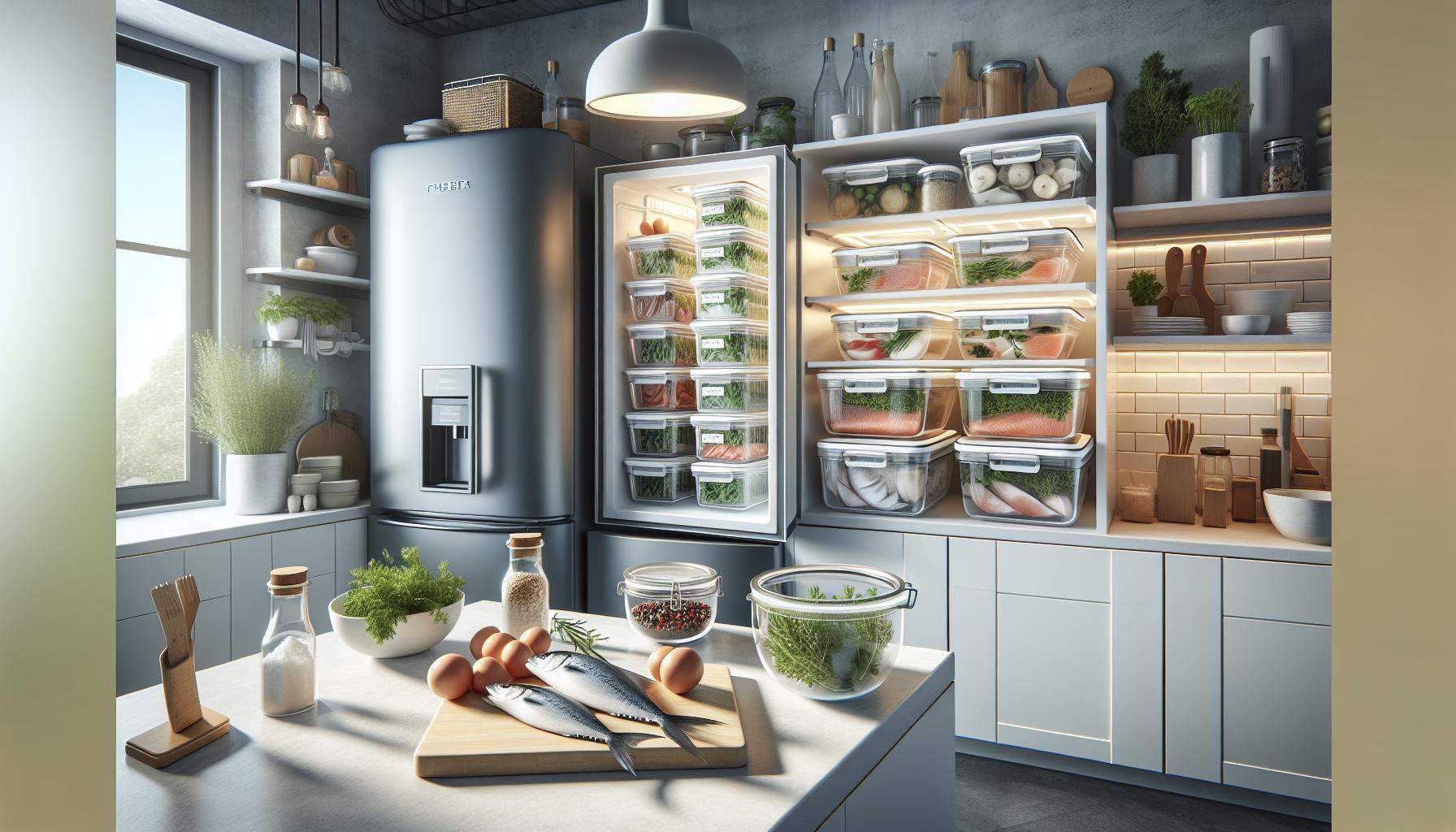
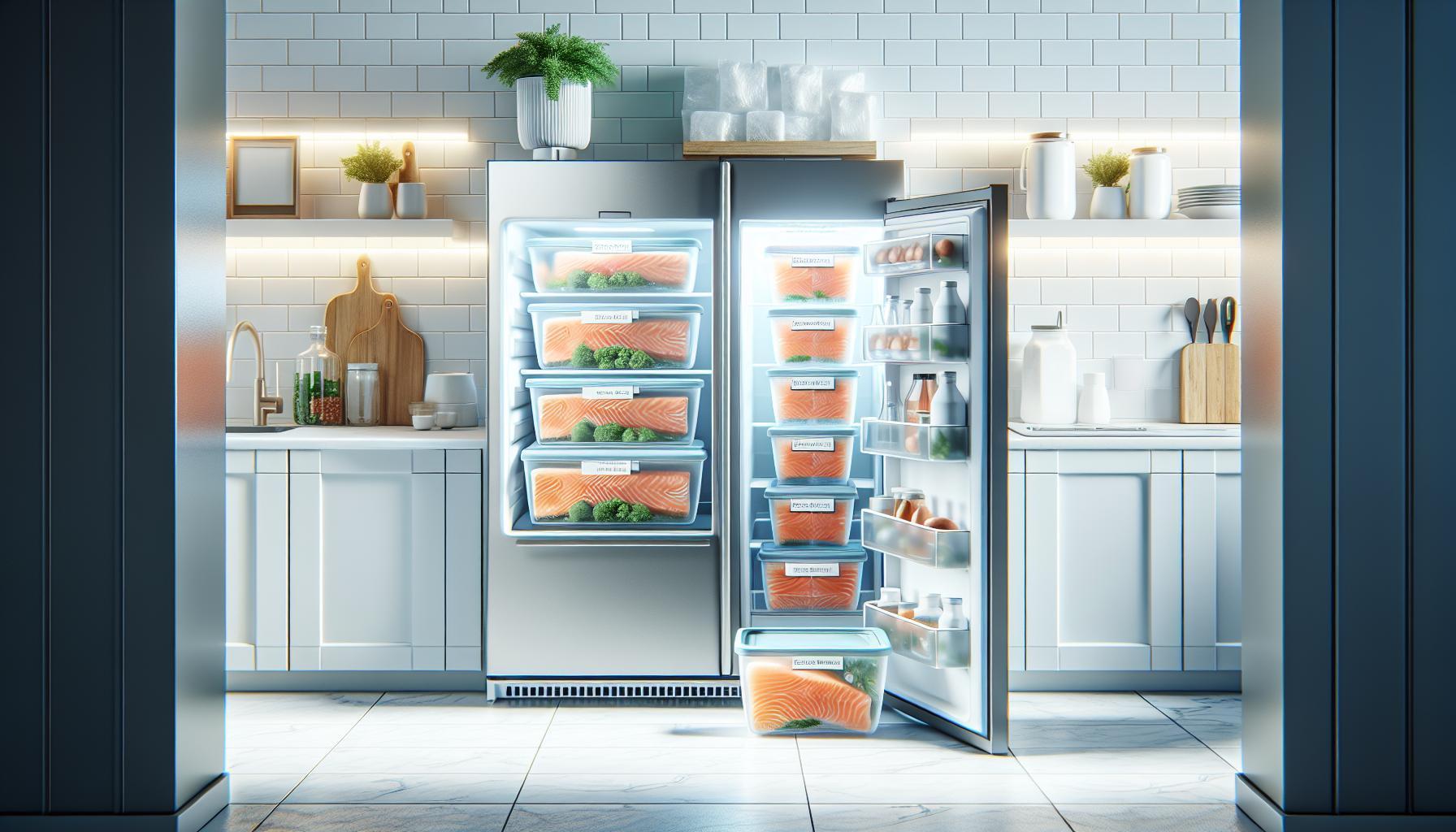
- Packing: Use airtight containers or heavy-duty freezer bags. Remove as much air as possible to minimize freezer burn.
- Labeling: Clearly mark each package with the date of freezing to keep track of freshness.
By following these guidelines, you can enjoy the delightful taste of salmon even months after freezing, making it a convenient and nutritious part of your meal planning.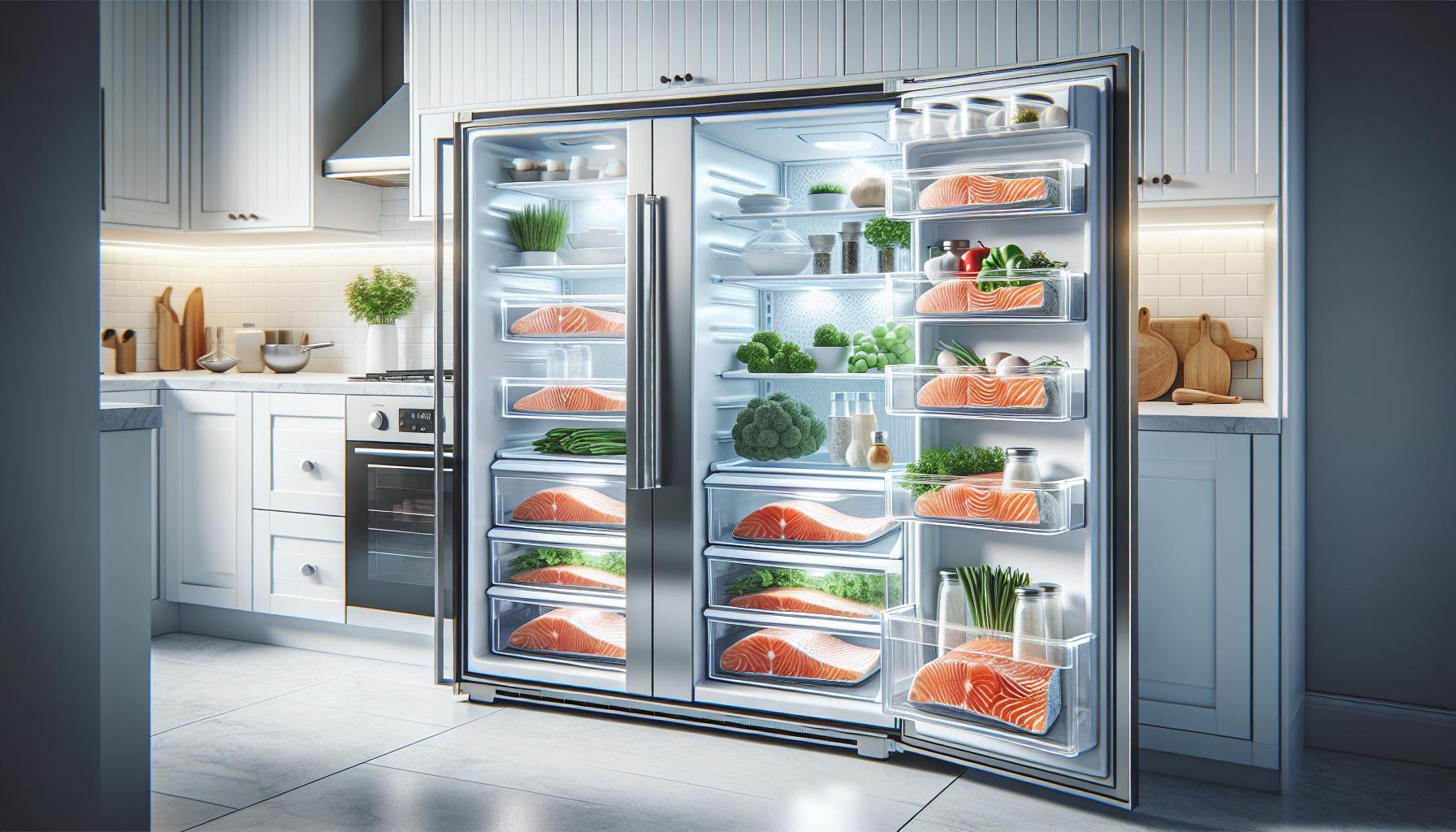
Factors Impacting Salmon Freezing Duration
The quality of salmon you can enjoy months after freezing hinges on several key factors that directly impact its freezing duration. Understanding these elements will ensure that you maintain not just safety but also the best possible taste and texture in your frozen salmon. Primarily, the type of salmon-whether wild-caught or farmed-plays a crucial role. Wild-caught salmon generally boasts a firmer texture and deeper flavor, allowing it to withstand longer periods in the freezer, typically around six months. In contrast, farmed salmon, while still nutritious, may begin to lose its quality after about three to four months.
Another significant factor is the method of storage used during freezing. Salmon that is vacuum-sealed has a dramatically reduced risk of freezer burn, which can alter its flavor and texture. Freezer burn occurs when air comes into contact with the fish, causing dehydration and oxidation. To combat this, always opt for airtight containers or heavy-duty freezer bags and eliminate as much air as possible before sealing them. Using these techniques not only helps preserve taste but also extends the salmon’s freezer life.
The freezing temperature also matters. Maintaining a consistent freezer temperature at 0°F (-18°C) or colder is essential for long-term storage. Fluctuations in temperature can affect the salmon’s quality, leading to textural changes and decreased safety. Lastly, the preparation and handling of the salmon prior to freezing are vital. Proper cleaning, drying, and portioning can make a significant difference in how well the fish freezes. These considerations collectively empower you to enjoy high-quality salmon long after its freezing, making it a dependable option for meal planning and culinary adventures.
Best Practices for Freezing Salmon
When it comes to preserving the delectable taste and nutritional benefits of salmon, employing effective freezing techniques is crucial. To ensure your salmon remains fresh and flavorful for as long as possible, following some best practices can make all the difference. A well-frozen piece of salmon can retain its quality for several months, but only if you adhere to a few essential guidelines.
First and foremost, proper packaging is key. Always opt for vacuum-sealing or tightly wrapping the salmon in heavy-duty freezer wrap. This prevents air exposure, significantly reducing the risk of freezer burn, which not only affects the texture but also diminishes flavor. If vacuum-sealing tools are unavailable, use airtight containers or resealable freezer bags, making sure to squeeze out as much air as possible before sealing. For additional protection, consider double-wrapping, especially if you plan to store the salmon for an extended period.
Temperature Control
Maintaining a consistent freezing temperature is equally important. Ensure your freezer is set at 0°F (-18°C) or lower; this temperature inhibits the growth of bacteria and preserves the quality. Avoid opening the freezer door frequently, as temperature fluctuations can lead to freezer burn or affect the salmon’s texture. If you’re freezing a large batch of salmon, place it in the coldest part of the freezer to expedite the freezing process, which helps maintain quality by minimizing crystal formation.
Preparation Tips
Before freezing, make sure to prepare your salmon properly. Rinse it under cold water, pat it dry with paper towels, and cut it into portion sizes that suit your meals. This not only makes it easier to thaw later but also reduces the chances of spoilage. When packing, consider adding a layer of lemon juice or olive oil to enhance flavor and protect the fish from oxidation. Additionally, label each package with the type of salmon, date, and portion size for easy tracking.
By incorporating these best practices, you can ensure that your frozen salmon remains a delicious and nutritious option for months to come. Enjoying high-quality seafood at home is achievable with just a little attention to detail in the freezing process, making meal planning both convenient and satisfying.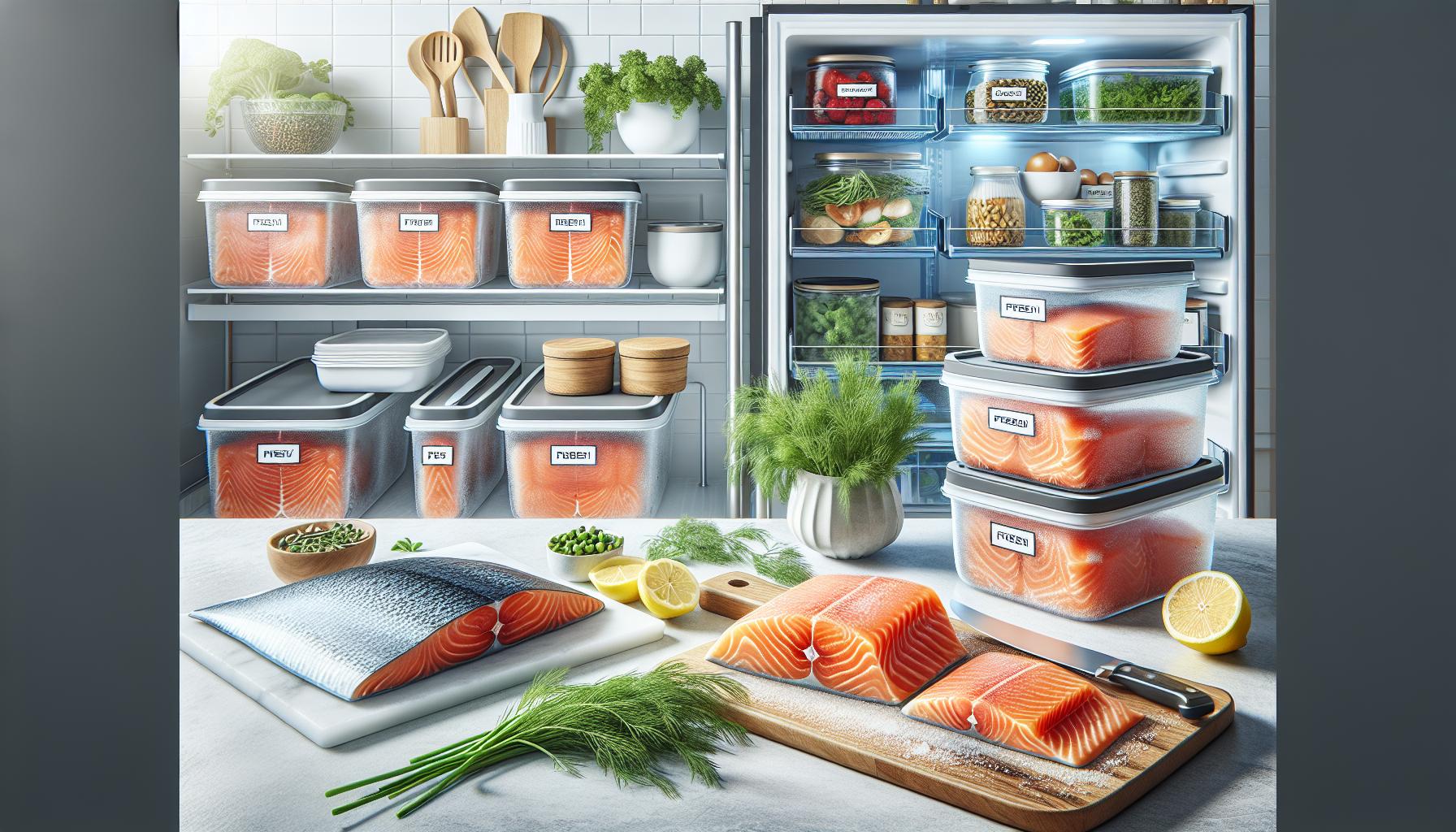
How to Properly Thaw Frozen Salmon
Thawing salmon properly is essential to maintaining its quality and safety. The key to preserving the fish’s flavor and texture lies in a cautious approach to defrosting. Salmon can be safely thawed using three main methods: in the refrigerator, in cold water, or in the microwave. Each method varies in time and effectiveness, so understanding the best practices will help you achieve the tastiest results.
One of the safest and most recommended ways to thaw salmon is to place it in the refrigerator. This method requires advance planning, as it can take several hours to overnight depending on the size of the fillet. Simply transfer your frozen salmon from the freezer to the fridge and let it thaw gradually. This technique ensures that the fish remains at a safe temperature (below 40°F or 4°C), minimizing bacterial growth and preserving its texture. For optimal quality, aim to use the salmon within one to two days once it’s fully thawed.
If time is of the essence, the cold water method offers a quicker alternative. Place the sealed salmon in a bowl of cold water, changing the water every 30 minutes to maintain a low temperature. This method will usually thaw a fillet in about one to two hours, making it a suitable choice when you need salmon on the table quickly. Be cautious not to leave the fish out at room temperature, as this can allow harmful bacteria to multiply.
The microwave is another option, especially for urgent situations. However, this method requires careful attention to avoid partially cooking the fish. Set your microwave to the defrost setting and check the salmon frequently. It’s best suited for smaller portions and should be cooked immediately after thawing to ensure safety. To prevent hotspots, rotate the salmon about halfway through the defrosting time.
In conclusion, whether you choose to thaw salmon in the refrigerator for optimal flavor, in cold water for a quicker solution, or in the microwave for immediate needs, each method has its advantages. Always prioritize food safety by ensuring the salmon does not reach potentially hazardous temperatures, and remember to cook it promptly after thawing. Enjoy your beautifully thawed salmon, knowing you’ve taken the right steps to keep your meal both delicious and safe.
Signs Salmon Has Gone Bad
When it comes to enjoying salmon, knowing the signs that indicate it has gone bad is crucial for maintaining both health and flavor. Fresh salmon should have a mild scent, reminiscent of the ocean, with a bright, shiny surface and firm texture. Any deviations from these characteristics warrant caution. Discerning whether salmon has spoiled involves a few key visual and sensory checks.
Firstly, examine the color of the salmon. Fresh fillets typically display a vibrant pink or reddish hue. If you notice any dullness or browning, particularly in the edges, this could signal that the fish is no longer fresh. Additionally, look out for any discoloration, such as dark spots or gray areas, as these are indicators of spoilage.
The texture also plays a significant role in assessing the fish’s freshness. Fresh salmon will feel moist yet firm. Slimy or sticky textures are strong red flags, suggesting bacterial growth. Furthermore, when pressed, fresh salmon should bounce back to its original shape. If it leaves an indentation, it’s likely past its prime.
Lastly, pay attention to the smell. While fresh salmon has a light, briny scent, spoiled salmon exudes a strong, fishy odor that hits you with an overpowering ammonia smell. This pungent quality is a clear indication that the fish should not be consumed.
By carefully observing color, texture, and aroma, you can make informed decisions about your salmon, ensuring safety and quality in your meals. Remember, when in doubt, it’s better to err on the side of caution and discard any questionable fish.
Freezing Salmon Recipes You’ll Love
When freezing salmon, it’s essential to consider how to make it not just safe for long-term storage but also delicious when you’re ready to cook it. One of the best ways to enjoy your frozen salmon is by incorporating it into delightful recipes that enhance its flavor while retaining its nutritional value. Here are some creative and easy salmon recipes that you can prepare after taking your salmon out of the freezer.
Baked Lemon Garlic Salmon
This simple yet flavorful dish is perfect for showcasing the taste of salmon. To whip it up, preheat your oven to 375°F (190°C). While your oven heats, take a frozen salmon fillet and place it on a lined baking dish. Drizzle with olive oil, and then sprinkle minced garlic, salt, and pepper on top. Squeeze fresh lemon juice and add lemon slices for an extra zing. Bake for about 20-25 minutes or until the salmon flakes easily with a fork. This dish pairs wonderfully with roasted vegetables or a light salad.
Salmon Teriyaki
Bring a taste of Japan to your kitchen with this delectable teriyaki salmon. Start by thawing your frozen salmon overnight in the refrigerator. Then, marinate it in a mixture of soy sauce, honey, garlic, and ginger for at least 30 minutes. Heat a skillet over medium heat and cook the salmon skin-side down for about 6-8 minutes. Flip it over and cook for another 3-4 minutes until cooked through. Serve with steamed rice and broccoli for a complete meal.
Salmon Burgers
Make your meal prep exciting by crafting salmon burgers that can also be frozen. Combine thawed salmon, breadcrumbs, diced onions, and spices in a bowl, and form into patties. Sauté the patties in a skillet until golden brown on each side. For a healthier option, serve them on lettuce wraps with avocado and a yogurt-based sauce. These burgers can also be flash-frozen before cooking and grilled later for a quick and satisfying meal.
Spicy Salmon Pasta
Revive your weeknight dinners with a spicy salmon pasta. Start by cooking your favorite pasta until al dente. In a separate pan, sauté garlic in olive oil, add thawed salmon cut into chunks, and season with red pepper flakes and fresh herbs. Toss in the cooked pasta and add a splash of pasta water to create a light sauce. Top with grated Parmesan and fresh parsley. This meal is not just filling but also incorporates healthy fats from the salmon.
By utilizing these recipes, you can enjoy the versatility of frozen salmon while ensuring it remains delicious and nutritious. Remember, it’s best to consume frozen salmon within 2-3 months for optimal flavor and quality, but it can be safely stored for up to 6 months if properly packaged. Enjoy your culinary adventures with frozen salmon!
Nutritional Value of Frozen Salmon
Salmon is renowned not only for its rich flavor but also for its impressive nutritional profile, which remains relatively unchanged whether it’s fresh or frozen. Packed with high-quality protein, omega-3 fatty acids, and essential vitamins and minerals, frozen salmon is a powerhouse of nutrition that can easily fit into a balanced diet. One serving (approximately 3.5 ounces) typically provides about 22 grams of protein, making it an excellent option for muscle repair and overall health.
Among its standout components, omega-3 fatty acids-particularly EPA and DHA-play a significant role in heart health by reducing inflammation and lowering blood pressure. Regular consumption of salmon may also support brain health, reducing the risk of cognitive decline as we age. Additionally, salmon is an excellent source of various vitamins, including B vitamins (such as B12 and B6), which are crucial for energy production and maintaining a healthy metabolism. It also contains important minerals like selenium, which contributes to antioxidant defense, and potassium, essential for cardiovascular health.
Benefits of Freezing Salmon
Freezing salmon does not diminish its nutritional value; in fact, it can lock in the freshness and flavor, allowing you to enjoy its health benefits even after extended storage. To ensure that the nutritional quality of frozen salmon is preserved, careful attention should be paid to how it is packaged and stored. Here are key practices to maintain its nutritional excellence:
- Packaging: Wrap salmon tightly in plastic wrap or aluminum foil, and place it inside a freezer bag. Removing as much air as possible helps prevent freezer burn, which can affect both flavor and texture.
- Storage Time: For optimal taste and nutritional quality, consume frozen salmon within 2-3 months. However, it can remain safe to eat for up to 6 months if properly stored.
By including frozen salmon in your diet, you’re selecting a versatile ingredient that not only satisfies palates but also supports your health. From providing crucial nutrients to being a practical staple for quick meals, frozen salmon offers substantial benefits, making it a smart choice for health-conscious consumers.
Common Mistakes When Freezing Salmon
When it comes to freezing salmon, many people make common missteps that can compromise the quality and safety of this nutritious fish. One prevalent error is neglecting to properly package the salmon. Tightly wrapping the fish in plastic wrap or aluminum foil, followed by placing it in a freezer bag, is essential. Removing as much air as possible helps prevent freezer burn, which can lead to undesirable changes in texture and flavor. This simple step can significantly extend the shelf life and maintain the quality of your salmon.
Another common mistake is freezing salmon without considering its freshness. Store-bought salmon often has a sell-by date. If frozen too close to this date, the quality may be less than optimal, even if safety isn’t an issue. Always aim to freeze salmon that is at its peak freshness. For best results, it should be frozen within 1-2 days of purchase.
Additionally, many people overlook the importance of portioning salmon before freezing. Instead of freezing the entire fillet at once, cut it into individual portions. This allows you to defrost only what you need, reducing waste and preventing the salmon from being refrozen, which can deteriorate its quality. It also helps expedite the freezing and thawing processes, leading to better preservation of taste and texture.
Lastly, failing to label packages with the date of freezing is a frequent oversight. Giving your salmon a “freeze by” date helps keep track of how long it has been stored. Ideally, aim to consume frozen salmon within 2-3 months for best quality, although it can remain safe for up to 6 months depending on conditions. Taking these steps ensures that your frozen salmon locks in its freshness and remains enjoyable for meals in the future.
Storage Guidelines: Salmon vs. Other Fish
When it comes to freezing fish, salmon stands out for its rich flavor and nutritional benefits, but understanding how its storage compares to other fish can enhance your culinary experience and ensure food safety. Salmon can be stored in the freezer for up to 6 months without significant loss of quality, while other types of fish may have shorter durations. For instance, lean fish like cod and haddock typically maintain their quality for about 4-6 months, while fatty fish such as mackerel may last only 2-3 months under optimal freezing conditions.
General Storage Guidelines
To optimize freshness, it’s crucial to consider the unique properties of each fish type. Here are some key guidelines for freezing salmon compared to other fish:
- Packaging: Always wrap salmon tightly to prevent exposure to air, which can cause freezer burn. The same applies to other fish, but oily varieties like salmon often require even more protection due to their higher fat content.
- Freezing Temperature: Maintain your freezer at 0°F (-18°C) or lower. All fish should be frozen at this temperature, but fatty fish like salmon should be consumed within the recommended freezing timeframe for best flavor.
- Portioning: Cut fish into portion sizes before freezing. This is particularly effective for salmon, allowing you to thaw only what you need and minimizing waste, a crucial step for all fish types to preserve texture and flavor.
Comparative Freshness and Quality
The freshness of fish before freezing markedly affects its quality when thawed. Salmon that has been frozen shortly after purchase tends to retain its taste and texture better than other fish, especially if flash-frozen at sea shortly after being caught. However, fish like tilapia and sole can also offer excellent results when frozen quickly. Always check for freshness indicators, like the sell-by date, and aim to freeze fish within 1-2 days of purchase to lock in maximum freshness.
While freezing methods and guidelines may vary slightly among different species, maintaining good practices ensures that you get the most out of your salmon and other fish. This attention to detail helps preserve both flavor and safety, allowing you to enjoy delicious meals at your convenience.
Safety Tips for Enjoying Frozen Salmon
The process of safely enjoying frozen salmon hinges on understanding proper handling and storage techniques to minimize the risk of foodborne illnesses. Salmon, like all fish, can harbor harmful bacteria if not stored correctly, so following stringent food safety protocols is crucial. It’s important to remember that while freezing suspends bacterial growth, it doesn’t kill bacteria that may be present. Hence, ensuring your salmon is handled safely from the moment of purchase until it’s served is essential.
To start, always purchase salmon from a reputable source, ensuring it’s fresh and stored at appropriate temperatures in the store. Once home, prioritize freezing it as soon as possible-ideally within one to two days. Use airtight packaging like vacuum-sealed bags to prevent air exposure, which can lead to freezer burn. If you don’t have vacuum sealing capabilities, wrap the salmon tightly in plastic wrap or aluminum foil before placing it in a resealable freezer bag, squeezing out as much air as possible.
When thawing your frozen salmon, safety is paramount. Always choose to thaw in the refrigerator overnight, if possible, or under cold running water if you need to thaw it quickly. Avoid defrosting at room temperature, as this can allow harmful bacteria to grow. Once thawed, consume the salmon within one to two days for optimal safety and quality. It’s safe to refreeze previously frozen salmon if it has been thawed in the refrigerator, provided it hasn’t been left out for more than two hours at room temperature.
Finally, before cooking or consuming your salmon, perform a thorough check. Fresh salmon should have a bright color, firm texture, and a clean, ocean-like smell. If the fish appears dull, has a strong odor, or shows signs of sliminess, it’s best to err on the side of caution and discard it. By adhering to these safety practices, you can enjoy delicious and nutritious frozen salmon while minimizing health risks.
Understanding Freezer Burn and Its Effects
Freezer burn is a common issue that can affect the quality of frozen salmon, diminishing its flavor and texture. This phenomenon occurs when moisture evaporates from the surface of the fish, leaving behind dry, discolored patches. Not only does freezer burn impact the visual appeal of your salmon, but it also alters the taste, which can make your meal less enjoyable. Understanding how to prevent and manage freezer burn is essential for maintaining the best quality in your frozen salmon.
To mitigate the risk of freezer burn, it’s crucial to use proper packaging techniques. Always store salmon in airtight containers or vacuum-sealed bags, as these methods minimize air exposure. If vacuum sealing is not an option, wrap the salmon tightly in plastic wrap or aluminum foil, then place it in a resealable freezer bag. Squeeze out as much air as possible before sealing. A general guideline is to use salmon within three months for optimal quality, but it can last up to six months in the freezer if stored correctly.
When thawing frozen salmon, remember that the best methods include refrigerator thawing or using a cold water bath. Avoid leaving salmon out at room temperature, as this not only risks freezer burn but can also promote bacterial growth. If freezer burn occurs, assess the extent of the damage; minor freezer burn on salmon might be trimmed away before cooking. However, if the fish shows extensive signs of freezer burn, it’s advisable to discard it to avoid compromising your dish’s flavor.
In summary, to enjoy your frozen salmon at its best, prioritize proper storage techniques and monitor the duration it spends in the freezer. By being mindful of these practices, you can protect the delicate flavor and texture of your fish, ensuring a delightful dining experience.
Frequently asked questions
Q: How long is vacuum-sealed salmon good in the freezer?
A: Vacuum-sealed salmon can last 6 to 12 months in the freezer while maintaining optimal freshness. Ensure it is stored at a consistent temperature of 0°F (-18°C) or lower for best results. For more details, refer to the section on “How Long Can You Freeze Salmon?”
Q: Can you freeze cooked salmon?
A: Yes, you can freeze cooked salmon. It should be properly cooled and wrapped tightly to prevent freezer burn. Cooked salmon can last in the freezer for up to 3 months. For best practices, see the “Best Practices for Freezing Salmon” section.
Q: What is the best way to store salmon in the freezer?
A: The best way to store salmon in the freezer is to wrap it tightly in plastic wrap or aluminum foil, then place it in a freezer bag or airtight container. This minimizes exposure to air, preventing freezer burn. More storage tips are covered in “Repackaging Salmon for Longer Freshness.”
Q: Is frozen salmon safe to eat after a year?
A: While frozen salmon can be safe to eat after a year, its quality deteriorates over time. It’s best consumed within 6 to 12 months for optimal flavor and texture. Refer to our “Factors Impacting Salmon Freezing Duration” for more insights.
Q: How do you know if frozen salmon is still good?
A: Check for signs of freezer burn, an off odor, or discoloration. If the salmon appears dry or has ice crystals, it’s best to discard it. For detailed signs to look for, check the section on “Signs Salmon Has Gone Bad.”
Q: Can you refreeze salmon after thawing?
A: Yes, you can refreeze salmon after thawing if it has been thawed in the refrigerator and not left out for more than two hours. However, the texture might change. For more thawing tips, see the section on “How to Properly Thaw Frozen Salmon.”
Q: What types of salmon freeze best?
A: Fatty salmon varieties like sockeye and king salmon typically freeze better than lean types due to their oil content, which helps preserve moisture. For more on nutritional value, refer to “Nutritional Value of Frozen Salmon.”
Q: Can you freeze smoked salmon?
A: Yes, smoked salmon can be frozen for 2 to 3 months. It’s important to wrap it tightly to maintain quality. For details on safety and proper storage, check out our article section on “Safety Tips for Enjoying Frozen Salmon.”
To Conclude
By taking the right steps to properly store salmon, you can enjoy its freshness for up to 6 months in the freezer. Remember to use airtight packaging to prevent freezer burn and ensure maximum flavor. If you’re curious about the best ways to thaw and cook frozen salmon, or if you want to explore recipes that highlight this delicious fish, check out our related articles on safe thawing methods and creative salmon dishes.
Ready to enhance your culinary skills further? Sign up for our newsletter for expert tips delivered straight to your inbox, and don’t hesitate to leave a comment below sharing your favorite salmon recipes or any lingering questions you have. Your journey to perfect salmon starts now; let us help you make it a delicious one!