Did you know that shrimp can be safely stored in your freezer for several months, preserving both their flavor and nutritional benefits? For seafood lovers and home cooks alike, understanding how long shrimp lasts in the freezer is essential not only for enjoying fresh-tasting meals but also for maintaining food safety. Improper storage can lead to spoilage and waste, which no one wants.
In this guide, we’ll delve into best practices for freezing shrimp, including specific timeframes and practical tips to safeguard its quality. Whether you’re stocking up for a seafood feast or just want to enjoy shrimp whenever the craving strikes, you’ll gain the knowledge to make the most of your seafood storage. Keep reading to discover the secrets to keeping your shrimp fresh and safe!
How Long Can Shrimp Be Frozen?
Shrimp can be a fantastic addition to your meals, and knowing how to properly store it can help maintain its delicious flavor and texture. When stored correctly in the freezer, shrimp can maintain its best quality for a considerable duration. Generally, raw shrimp can be frozen for up to six months, while cooked shrimp is best used within three months. It’s noteworthy that freezing does not eliminate any bacteria but slows their growth, making it vital to adhere to proper storage guidelines.
To ensure optimal quality, freezing shrimp should be done promptly after buying or cooking. If you have fresh shrimp, you can wash and pat them dry before placing them in airtight packaging. For cooked shrimp, cool them to room temperature and then transfer them to freezer-safe bags or containers. Remember to remove as much air as possible to prevent freezer burn, which can compromise both taste and texture.
While shrimp can remain safe to eat beyond these timeframes, the quality may decline, resulting in a less enjoyable dining experience. Monitoring the storage time will help you enjoy shrimp at its peak, ensuring both flavor and safety are prioritized.
Best Practices for Freezing Shrimp
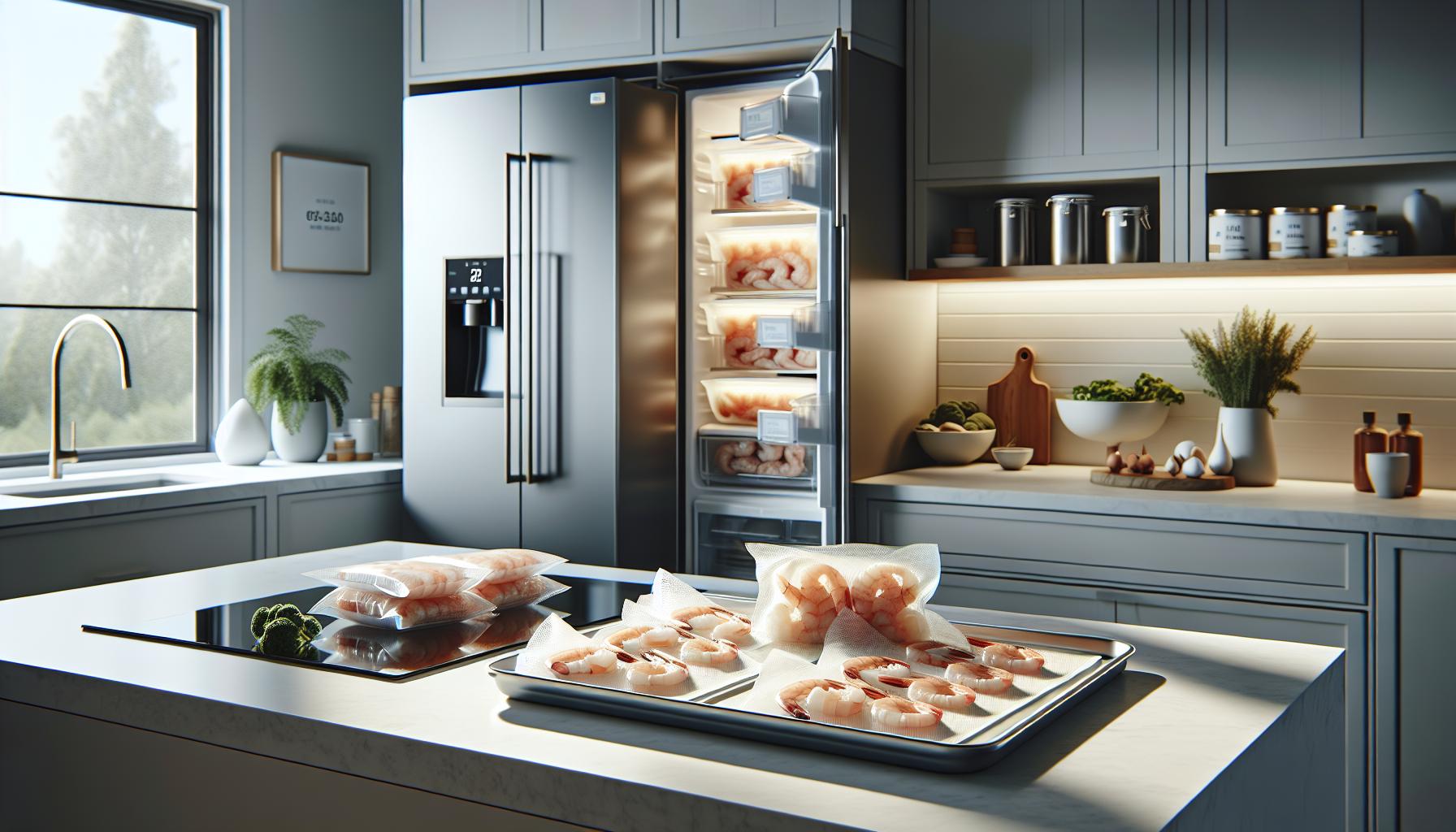
Freezing shrimp effectively can significantly enhance your meal prep and save you time without sacrificing flavor or quality. To maintain the freshness of shrimp, it’s crucial to act quickly after purchase to preserve its delicate texture and taste. Start by rinsing the shrimp under cold water to remove any residual debris, and then pat them dry with paper towels. This step not only helps to avoid excess moisture but also reduces the risk of ice crystals forming during freezing, which can lead to undesirable freezer burn.
Once your shrimp are clean and dry, choose a suitable storage method. Utilize airtight freezer bags or vacuum-sealed containers, which can help to minimize air exposure. For maximum preservation, either squeeze out as much air as possible from the bags before sealing or use a vacuum sealer, which will create a tight seal around the shrimp. Label your bags with the date and type of shrimp, allowing for easy tracking of freshness over time. For best results, make sure to freeze the shrimp in single layers first on a baking sheet before transferring to bags. This prevents them from clumping together, making it easier to take out only what you need later.
Moreover, maintaining a consistent freezer temperature is essential for ensuring that your shrimp stays safe and delicious. The ideal temperature for freezing seafood is 0°F (-18°C) or lower. Keeping the temperature stable helps prevent thawing and refreezing cycles, which can adversely affect shrimp quality.
Finally, when you’re ready to cook your frozen shrimp, it’s important to thaw them properly to retain flavor and texture. The recommended method is to transfer them to the refrigerator overnight or to use cold water for a quicker thaw-just be sure to cook them immediately afterward if you choose this method. With attention to these freezing best practices, you can enjoy shrimp at its best, whether cooking them fresh or pulling them from your freezer stash.
Identifying Freshness: Signs of Spoiled Shrimp
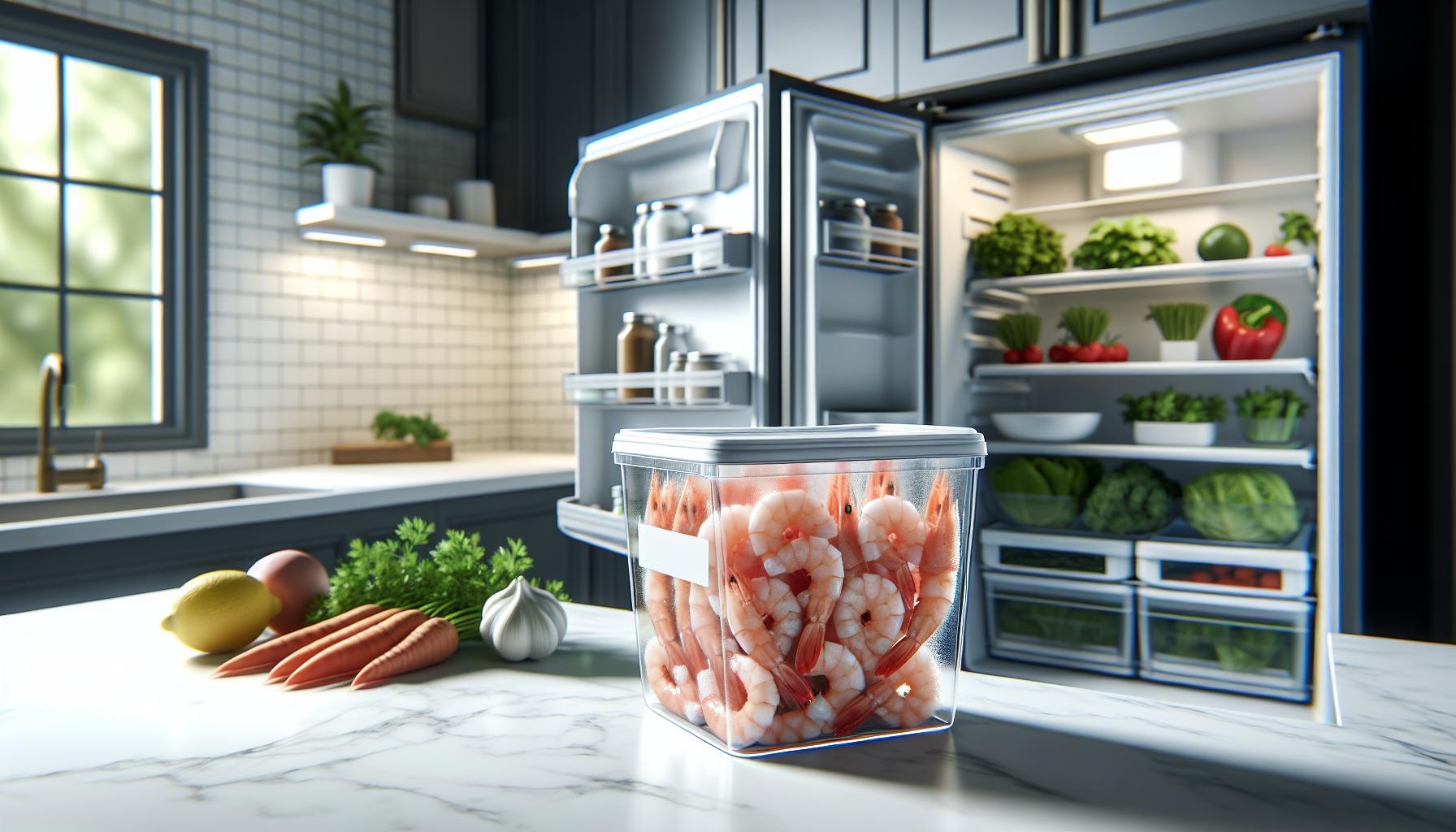
To ensure that your shrimp remains safe and enjoyable to eat, it is crucial to recognize the signs of spoilage. Fresh shrimp has a clean, briny smell, reminiscent of the ocean, but any off or sour odor is an indicator that the shrimp has gone bad. Spoiled shrimp may emit a strong ammonia-like smell, which is a clear red flag; if you detect this, it’s best to discard the shrimp to avoid any risk of foodborne illness.
When assessing shrimp for freshness, pay close attention to its appearance and texture. Fresh shrimp should have a translucent, slightly shiny appearance. If the shrimp looks dull, discolored, or has dark spots, these are warning signs that it may not be safe to consume. Additionally, the flesh of fresh shrimp should be firm and bounce back when pressed. If it feels mushy or slimy to the touch, it’s time to toss it out.
Properly stored shrimp can last in the freezer for about six months without significant loss of quality; however, the ideal timeframe may vary depending on its type (raw or cooked). It’s important to regularly check your stored shrimp for any signs that they’ve been freezer burned, such as dry spots or a gritty texture, which indicates that they may not be enjoyable to eat, even if they’re technically safe.
In summary, effective visual and olfactory inspections are your best tools for determining the freshness of shrimp. When in doubt, remember that it’s better to err on the side of caution and discard shrimp that show any signs of spoilage. Maintaining proper storage techniques will help extend the shelf life of shrimp, but being vigilant and using your senses can prevent potential health risks associated with spoiled seafood.
How to Properly Wrap Shrimp for Freezing
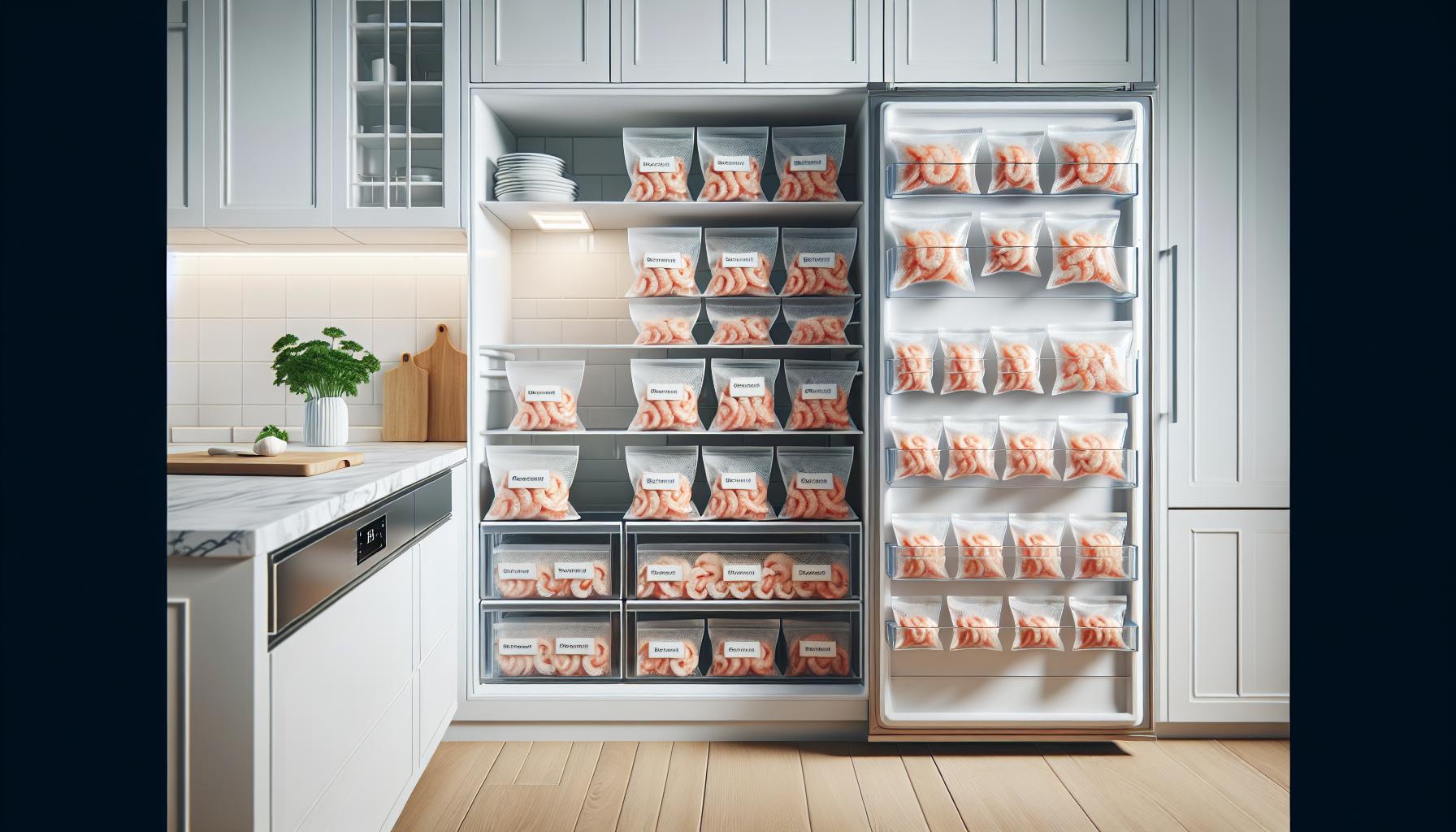
To ensure your shrimp maintains its quality in the freezer, proper wrapping is essential. When shrimp is not adequately protected from the cold air, it can suffer from freezer burn, which dehydrates the shrimp, leading to a loss of flavor and texture. Here are the steps to effectively wrap shrimp for freezing, ensuring the best quality for later use.
Begin by patting the shrimp dry with a paper towel to remove excess moisture, which can form ice crystals during freezing. Once the shrimp is dry, you have a couple of wrapping options to choose from. For raw shrimp, consider wrapping them tightly in plastic wrap, ensuring all air is squeezed out to minimize exposure. This method works well for small batches. Another effective method is to place the shrimp in a resealable freezer bag. Push out as much air as possible before sealing to protect against freezer burn. For maximum protection, you can double-wrap by first using plastic wrap and then placing the shrimp in a freezer bag.
If you opt for cooked shrimp, you should also dry them slightly before wrapping. It’s best to store them in an airtight container or a freezer-safe dish with a tightly fitted lid to prevent air from entering. Using aluminum foil as an additional layer over the container can further safeguard against freezer burn.
Finally, don’t forget to label your packages with the date and type of shrimp. This step will help you track how long they’ve been in the freezer. Shrimp can typically last around six months in the freezer if properly wrapped, but labeling ensures you don’t accidentally exceed storage times. Utilizing these wrapping methods effectively will contribute to keeping shrimp fresh, flavorful, and ready for your next culinary creation.
The Ideal Temperature for Freezing Seafood
To preserve the quality and safety of shrimp and other seafood during freezing, it is crucial to maintain the right temperature. Freezing seafood effectively requires that your freezer is set at or below 0°F (-18°C). At this temperature, the growth of bacteria is halted, and the seafood retains its flavor and texture for longer periods. Consistently keeping your freezer at this temperature ensures that shrimp can last about 6 to 12 months, depending on how well it is wrapped and the initial quality of the shrimp.
When placing shrimp in the freezer, a few best practices can enhance their longevity. Spread the shrimp out in a single layer on a baking sheet before freezing them. This prevents them from sticking together and allows them to freeze more quickly and uniformly. Once frozen solid, transfer them to airtight containers or heavy-duty freezer bags, pushing out as much air as possible to avoid freezer burn. If your freezer doesn’t maintain the ideal temperature due to frequent opening or loading, consider investing in a freezer thermometer to monitor conditions effectively.
Additionally, it’s advisable to avoid freezing shrimp that is on the cusp of spoilage or has already been thawed. For optimal quality and safety, use fresh shrimp that has been handled properly prior to freezing. This attention to temperature and handling not only preserves the shrimp’s taste and texture but also ensures that your seafood experience remains enjoyable and safe.
Thawing Frozen Shrimp Safely and Effectively
Thawing shrimp correctly is essential for maintaining both their taste and safety. Unlike some proteins, shrimp can quickly become a breeding ground for bacteria if thawed improperly. The best practices for thawing shrimp include using the refrigerator, cold water, or cooking from frozen, each ensuring that the shrimp remains safe to eat while preserving its quality.
Thawing Methods
- Refrigerator Thawing: This is the safest method. Transfer the shrimp from the freezer to the refrigerator a few hours or even a day before cooking. This gradual thawing allows the shrimp to maintain its texture and prevents any bacterial growth.
- Cold Water Thawing: If you need shrimp thawed more quickly, place them in a sealed plastic bag and submerge them in cold water. Change the water every 30 minutes to keep it chilled. This method typically takes about 30 minutes to an hour, depending on the size of the shrimp.
- Cooking from Frozen: It’s perfectly acceptable to cook shrimp directly from frozen. Simply increase the cooking time by 1-2 minutes, and you’ll still achieve a delightful texture and flavor.
Points to Remember
Regardless of the thawing method selected, there are crucial points to ensure food safety:
- Never thaw shrimp at room temperature, as this can allow bacteria to multiply.
- Once thawed, shrimp should be cooked immediately; do not refreeze them unless they have been cooked.
- Should you notice any unusual odor, sliminess, or discoloration upon thawing, discard the shrimp immediately.
Employing these thawing methods will not only improve your shrimp dishes but will also safeguard your health, ensuring that your seafood experience is both enjoyable and safe.
Can You Refreeze Shrimp?
If you find yourself with thawed shrimp and are contemplating whether to refreeze them, it’s essential to understand the safety guidelines and quality implications involved. When shrimp are thawed in the refrigerator, it is generally safe to refreeze them, provided they haven’t been cooked. However, if thawed using methods such as cold water or microwaving, it’s best to cook the shrimp before refreezing to avoid potential bacterial growth.
The key to ensuring safety when refreezing shrimp is to remain vigilant about timelines and storage conditions. If the shrimp were properly thawed in the refrigerator and remain at a safe temperature (at or below 40°F), they can be refrozen within a day. It is important to note that refreezing may affect the texture and flavor of the shrimp. The freezing process can cause ice crystals to form, which can break down the shrimp’s cell structure, making them potentially rubbery upon subsequent cooking.
Steps to Safely Refreeze Shrimp
If you’ve decided to refreeze shrimp after cooking, follow these steps for optimal safety and quality:
- Cool Quickly: After cooking, allow the shrimp to cool to room temperature within two hours to minimize bacterial growth.
- Wrap Properly: Use airtight containers or freezer bags to minimize air exposure, which can help prevent freezer burn.
- Labeling: Always label the contents with the date for easy tracking.
- Freeze Promptly: Place the wrapped shrimp in the freezer immediately to maintain freshness.
By observing these practices, you can safely enjoy your shrimp at a later time while maintaining their best possible quality. Always remember that freshness, proper storage, and vigilance about safe food handling can enhance the enjoyment of shrimp dishes, even after freezing and refreezing.
Storage Timeframes for Different Shrimp Varieties
When it comes to freezing shrimp, understanding the different storage timeframes for various shrimp varieties is essential to maintain their quality and safety. Generally, shrimp can retain their best quality when frozen for about 6 to 12 months, depending on the type and how fresh the shrimp was at the time of freezing. For instance, raw shrimp offers a superior taste and texture if consumed within the first six months of storage. On the other hand, cooked shrimp can last up to 10 months in the freezer while still retaining most of its flavors.
Different types of shrimp varieties may have varying characteristics that affect their freezing capabilities. Here’s a quick overview of common shrimp types and their recommended freezing lifespans:
| Shrimp Variety | Raw (Storage Time) | Cooked (Storage Time) |
|---|---|---|
| Wild-Caught Shrimp | 6-9 months | 6-10 months |
| Aquaculture Shrimp | 10-12 months | 8-10 months |
| Peeled and Deveined Shrimp | 6-10 months | 6-9 months |
| Shrimp Shell-on (Uncooked) | 6-8 months | N/A |
To ensure optimal quality, it’s crucial to freeze shrimp that is as fresh as possible and to package it correctly in airtight bags or containers to prevent freezer burn. Moreover, labeling each package with the freezing date allows for easy tracking, ensuring that you consume shrimp within its ideal timeframe. By adhering to these guidelines and being mindful of the type of shrimp you are freezing, you can enjoy delicious seafood meals long after initial purchase while ensuring that safety and flavor are never compromised.
Understanding Shrimp Quality After Freezing
While freezing can extend the life of shrimp significantly, understanding the quality of shrimp after it has been frozen is crucial for ensuring a delightful culinary experience. Upon thawing, it’s essential to recognize that although shrimp may remain safe to eat for months, the texture and taste can fluctuate based on several factors. Freshness before freezing, duration in the freezer, and the cooking method all play vital roles in determining the overall quality.
Proper storage methods directly impact how well shrimp retains its quality. When frozen correctly, shrimp can maintain its flavor and texture for a considerable time. That said, after being frozen and thawed, shrimp may lose some of its firmness and become slightly mushy, particularly if the freezing process was not handled with care. To prevent this, ensure that shrimp is placed in an airtight container or vacuum-sealed bag before freezing, which minimizes exposure to air that can lead to freezer burn.
Key Factors Influencing Shrimp Quality Post-Freezing
- Initial Freshness: Always freeze shrimp as soon as possible after purchase for optimal quality. Fresh shrimp that is flash-frozen immediately at sea tends to retain a better quality than shrimp that has been thawed and refrozen.
- Thawing Method: Thaw shrimp slowly in the refrigerator or under cold water rather than leaving it at room temperature. Proper thawing helps maintain texture and prevents the growth of bacteria.
- Cooking Technique: The method of cooking affects the final taste and texture. Overcooking shrimp can lead to a rubbery texture, so a quick sauté, boil, or grill is often preferable to ensure tenderness.
Ultimately, while shrimp may still be safe to consume after months in the freezer, each step in the handling and preparation processes significantly influences the end quality. Keeping these factors in mind will help enhance your seafood dishes, allowing you and your family to enjoy shrimp that tastes as close to fresh as possible.
Preserving Flavor: Seasoning and Marinating Tips
Flavorful shrimp can elevate any dish, but to truly enhance their taste, effective seasoning and marinating techniques are essential. When using frozen shrimp, thoughtful seasoning before freezing can lock in delightful flavors, ensuring a culinary experience that rivals fresh seafood. It’s common for cooks to wonder how to maintain and enhance flavor through freezing; this knowledge can transform simple shrimp into a standout ingredient in your meals.
For marinating, consider using acidic components like lemon juice, vinegar, or yogurt. These not only infuse flavor but also help to tenderize the shrimp. Combining these acids with herbs, spices, and oils allows the shrimp to absorb delicious flavors before they even reach the cooking stage. A simple marinade can include ingredients like olive oil, minced garlic, fresh herbs (like parsley or cilantro), and a splash of citrus. Place the shrimp in a resealable plastic bag with enough marinade to coat, seal it well, and refrigerate for 30 minutes to an hour before cooking, or freeze them in the marinade if you’re not planning to use them immediately. Just be cautious not to exceed the marination time significantly to avoid a mushy texture due to prolonged exposure to acids.
When seasoning, using dry rubs or spice blends can also be effective, especially if you’re short on time. A mix of paprika, cayenne pepper, salt, and pepper applied directly to thawed or fresh shrimp right before cooking can create a flavorful crust while keeping the shrimp juicy. If you choose to add seasoning prior to freezing, ensure the shrimp are well coated, but avoid using finely ground spices that might overpower the delicate flavor.
Once thawed, cook the shrimp promptly for the best taste. Quick cooking methods such as grilling, sautéing, or broiling allow the seasoning or marinade to caramelize, enhancing the overall flavor profile. Always ensure your shrimp are cooked to a safe internal temperature of 145°F (63°C), resulting in a tender texture that retains the infused flavors beautifully.
By combining thoughtful seasoning and marinating techniques, you can preserve and even enhance the flavor of shrimp, making your culinary creations unforgettable, regardless of whether they’ve been frozen for a few weeks or months.
Common Mistakes in Seafood Freezing
Mistakes in freezing seafood can significantly impact the quality and safety of your shrimp, leading to less-than-ideal culinary experiences. One of the most prevalent errors is inadequate packaging. If shrimp is not tightly sealed, it is susceptible to freezer burn, a condition that occurs when air reaches the food surface, resulting in oxidation and dehydration. To avoid this, always use airtight containers or vacuum-sealed bags designed for freezer use. Removing as much air as possible before sealing ensures maximum freshness and quality.
Another common oversight is not properly labeling frozen shrimp. It is easy to forget how long shrimp has been in the freezer, so take the extra step to clearly label the container or bag with the date it was frozen. This practice not only helps with organization but also allows you to monitor how long the shrimp has been stored, as shrimp is best when consumed within six months for optimal quality. Remember, while freezing can extend shelf life, it does not stop the degradation process entirely.
Temperature maintenance is also critical when it comes to preserving seafood quality. Many people may freeze shrimp at temperatures that are not cold enough or leave the freezer door ajar for prolonged periods. Shrimp ideally should be stored at or below 0°F (-18°C) to remain safe and maintain texture and flavor. A thermometer in your freezer can help ensure consistent temperatures. Regularly check for ice build-up or abnormal frost, which can indicate that the appliance is not functioning optimally.
Lastly, while it may be tempting to freeze shrimp in marinades or sauces for convenience, it can lead to texture changes and less desirable flavors after thawing. If you choose to marinate shrimp before freezing, use acidic components cautiously, and limit the marination time to avoid mushiness. A well-thought-out approach to freezing shrimp will lead to better cooking outcomes and delicious results when you finally bring them to the table.
How to Avoid Freezer Burn on Shrimp
To ensure your shrimp retains its quality during freezing, it is essential to understand how to prevent freezer burn. This common issue arises when frozen food is exposed to air, causing dehydration and oxidation, which can ruin flavor and texture. To combat this, start with proper packaging. Utilizing vacuum-sealed bags or airtight containers can significantly reduce the amount of air that comes into contact with the shrimp. Be sure to remove as much air as possible before sealing; this not only preserves the shrimp’s quality but also extends its shelf life.
Another helpful strategy is to freeze shrimp in smaller portions. By dividing the shrimp into meal-sized servings and wrapping them individually, you can minimize the number of times the main package is opened and closed. This reduces exposure to warmer air every time you access the container. Additionally, consider pre-freezing shrimp on a baking sheet before transferring them to a bag or container. Spread the shrimp out in a single layer on the sheet, freeze until solid, and then transfer to storage bags. This prevents them from sticking together, ensuring you can only take out what you need, thus reducing the risk of freezer burn.
Monitor your freezer’s temperature regularly to maintain an optimal environment for your shrimp. The ideal temperature for freezing seafood is 0°F (-18°C) or lower. Keeping a thermometer in your freezer can help you track this and ensure a consistent freezing temperature. Frequent fluctuations in temperature can lead to frost buildup and ultimately freezer burn, so it’s best to avoid leaving the freezer door open for prolonged periods.
Lastly, pay attention to shelf life. While freezing slows down the degradation of shrimp, it does not stop it entirely. Consuming frozen shrimp within six months is recommended for the best quality. Properly labeling your packages with dates can help you keep track of how long they’ve been stored, ensuring you enjoy your shrimp at its best. Adopting these practices will help keep your shrimp plump and flavorful, ready to shine in your culinary creations.
Frequently Asked Questions
Q: How should I store shrimp in the freezer to ensure maximum freshness?
A: To ensure maximum freshness, wrap shrimp tightly in plastic wrap or aluminum foil, then place them in an airtight freezer bag or container. Remove as much air as possible to prevent freezer burn and store at 0°F (-18°C) or lower. Refer to our section on “Best Practices for Freezing Shrimp” for detailed tips.
Q: What is the best way to thaw frozen shrimp?
A: The best way to thaw frozen shrimp is by placing it in the refrigerator overnight. If you’re short on time, you can also submerge it in cold water in a sealed bag for about 30 minutes. Avoid thawing at room temperature to maintain safety.
Q: Can frozen shrimp lose quality over time, even if stored properly?
A: Yes, frozen shrimp can lose quality over time due to freezer burn or degradation. While shrimp can last for up to 6-12 months in the freezer, it’s best to consume them within 3 months for optimal flavor and texture. Check “Understanding Shrimp Quality After Freezing” for more insights.
Q: How can I tell if frozen shrimp has gone bad?
A: Signs that frozen shrimp may be bad include an off odor, discoloration, or a slimy texture after thawing. If you notice any of these signs, it’s best to err on the side of caution and discard the shrimp. For more detailed guidance, see our section on “Identifying Freshness: Signs of Spoiled Shrimp.”
Q: Is it safe to cook shrimp that has been frozen for a long time?
A: Yes, it is safe to cook shrimp that has been frozen for an extended period as long as it has been stored properly. However, the texture and flavor may not be as good if it has been frozen beyond the recommended timeframe. Refer to “Storage Timeframes for Different Shrimp Varieties” for specific guidelines.
Q: What are the common mistakes to avoid when freezing shrimp?
A: Common mistakes include not removing air from packaging, using outdated storage methods, or failing to mark dates on packages. Properly wrapping shrimp and labeling can help prevent freezer burn and ensure freshness. Check out our section on “Common Mistakes in Seafood Freezing” for further details.
Q: How can I prevent freezer burn on shrimp?
A: Prevent freezer burn by using airtight containers or vacuum-sealing shrimp. Ensure there’s minimal air in the packaging and store shrimp at a consistent temperature below 0°F (-18°C). Additional tips can be found in our article section on “How to Avoid Freezer Burn on Shrimp.”
Q: What types of shrimp freeze best?
A: Generally, raw shrimp freeze better than cooked shrimp due to less moisture loss. Varieties like shell-on or deveined shrimp maintain their quality better when frozen. Explore more in “Storage Timeframes for Different Shrimp Varieties” for information on which types perform best.
To Wrap It Up
Now that you know how long shrimp can last in the freezer and the best practices for storage, you can maximize both flavor and safety. Remember, properly stored shrimp can retain its quality for up to six months, ensuring delicious meals whenever you’re ready to cook. Don’t leave any questions unanswered-check out our guides on “How to Thaw Shrimp Safely” and “Recognizing Fresh Seafood” for more actionable tips.
If you found this article helpful, consider subscribing to our newsletter for expert advice and updates on seafood storage. Have any lingering concerns about shrimp or other seafood? Drop your questions in the comments below, and let’s keep the conversation going! Your culinary adventures are just beginning, so explore more resources on our site to enhance your seafood knowledge. Happy cooking!