Tamales are a beloved culinary tradition, often enjoyed at gatherings and celebrations. However, once you’ve indulged in these delicious treats, it’s crucial to understand how long they can safely last in your fridge. Proper storage not only preserves their taste but also ensures food safety, preventing potential health risks.
Imagine savoring the flavorful experience of homemade tamales days after preparing them; knowing they are stored correctly enhances that enjoyment. But how long can these cornmeal-wrapped delights truly linger without sacrificing quality? In this article, we’ll explore the lifespan of tamales in the fridge, providing you with essential guidelines and practical tips to make the most of your leftovers. Dive in to discover how to savor every bite safely!
How Long Do Tamales Last in the Fridge?
Tamales are a beloved dish, often prepared in large batches for celebrations and gatherings. However, it’s essential to manage leftovers properly to ensure safety and maximize enjoyment. Generally, tamales can last in the fridge for about 3 to 5 days when stored correctly. This timeframe helps to maintain their flavor and texture, ensuring you savor each bite safely.
To extend their life, it’s crucial to store tamales in airtight containers or tightly wrap them in plastic wrap or aluminum foil. This practice prevents moisture loss and protects them from absorbing strong odors from other foods. Be sure to cool tamales to room temperature before refrigerating, as placing hot food directly into the fridge can raise the temperature inside, potentially compromising the safety of your other food items.
When consuming refrigerated tamales, always conduct a quick inspection. If they have an off smell, discoloration, or an unusual texture, it’s best to err on the side of caution and discard them. Remember, keeping track of your tamales’ storage time and regularly checking for spoilage signs is key to enjoying this delicious treat without worry.
Understanding Tamale Storage Safety
Tamales, cherished for their rich flavors and cultural significance, require careful handling when it comes to storage to guarantee their safety and quality. Understanding the intricacies of tamale storage safety is crucial for enjoying these delicious treats without compromising health. The right practices can significantly extend the life of leftover tamales, allowing you to savor them well beyond the initial serving.
To begin with, it’s essential to cool tamales to room temperature before refrigerating. Placing hot tamales directly into the refrigerator can raise the internal temperature, creating a breeding ground for bacteria. Once cooled, transfer them to an airtight container or wrap them tightly in aluminum foil or plastic wrap. This prevents moisture loss and shields them from absorbing odors from other foods, which is crucial for maintaining their original flavor.
It’s vital to mark your calendar or keep track of when you stored your tamales, as they typically last only 3 to 5 days in the fridge. If you’re ever in doubt about their safety, always conduct a quick inspection. Look for signs such as off smells, discoloration, or a peculiar texture. Trust your instincts-if something seems off, it’s best to discard the tamales and prioritize your health over food waste.
By adhering to these storage guidelines and being mindful of food safety practices, you can enjoy your tamales at their best, relishing every bite while ensuring that you’re consuming safely.
Best Practices for Refrigerating Tamales
To preserve the delightful flavors and textures of tamales, proper refrigeration practices are essential. Following a few straightforward steps can significantly enhance the longevity and safety of your tamales, ensuring that each bite remains a tantalizing experience.
First and foremost, allow your tamales to cool to room temperature before placing them in the refrigerator. This step is crucial because introducing warm tamales directly into the cold environment of the fridge can raise its internal temperature, creating a conducive atmosphere for bacteria to flourish. After they have cooled, store your tamales in airtight containers or wrap them tightly in plastic wrap or aluminum foil. This not only prevents unwanted moisture loss but also protects your tamales from absorbing any odors that might be present from other foods in your fridge.
It’s equally important to label your containers with the date of refrigeration. Generally, tamales can be safely stored in the fridge for about 3 to 5 days. If you need to keep them longer, consider freezing them instead. When thawing, do so in the refrigerator and use them within a few days. During storage, periodically check your tamales for any signs of spoilage, such as off smells, discoloration, or changes in texture, and if any of these are present, does not consume them.
By implementing these best practices, you can maximize the freshness of your tamales and savor every delicious bite safely. Ensure you’re following these storage techniques to enjoy tamales that are not only safe to eat but also flavorful and enjoyable, maintaining the authenticity and love that goes into preparing this cherished dish.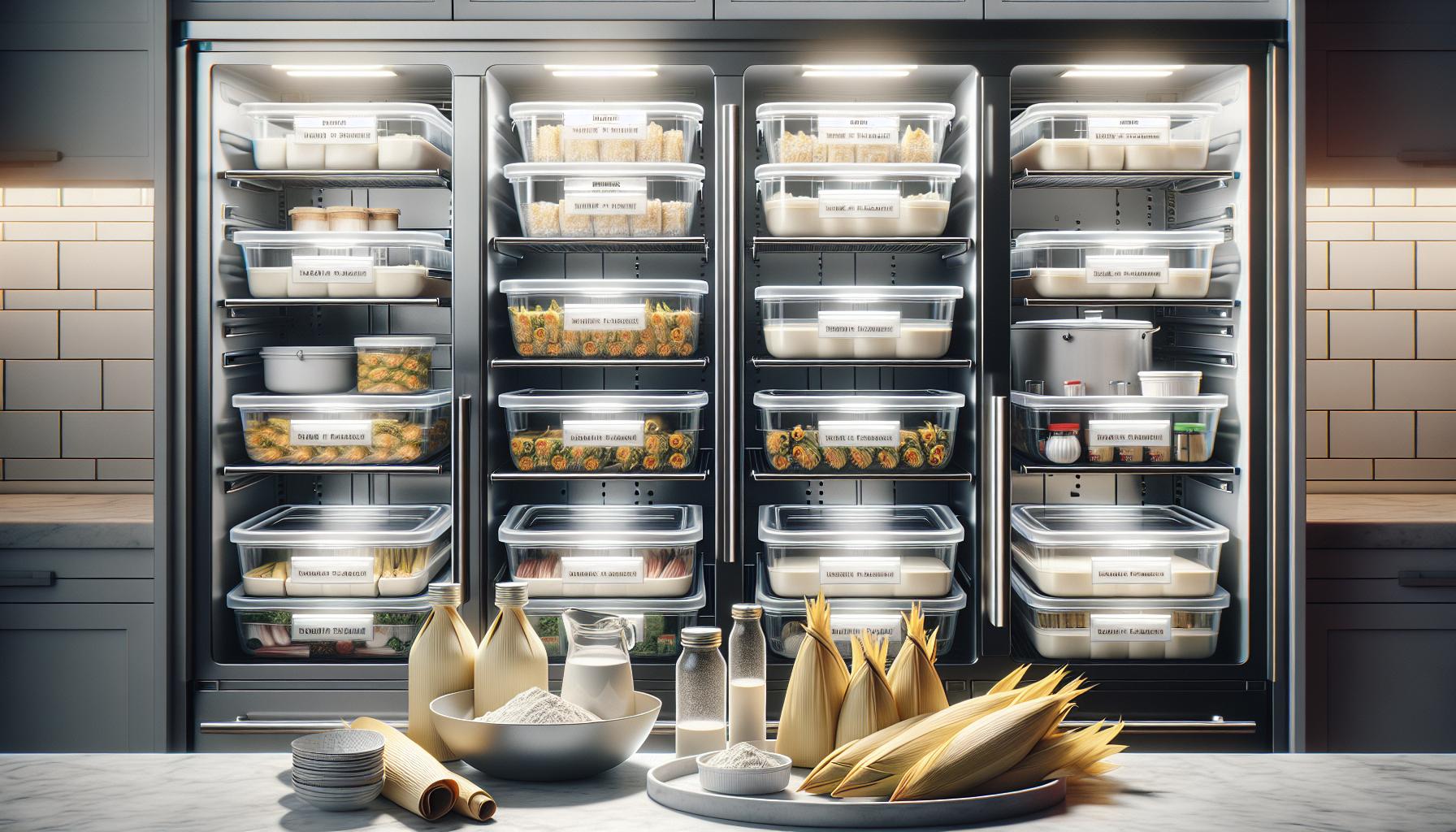
Signs of Spoiled Tamales to Watch For
When it comes to ensuring that your delicious tamales retain their quality, being vigilant about spoilage signs is crucial. Knowing what to look for can help you enjoy every bite without the worry of foodborne illness. Spoiled tamales may exhibit several distressing indicators that signal they have gone bad, and it’s essential to pay attention to these cues for food safety.
One of the most apparent warning signs is an unpleasant odor. If your tamales emit a sour or off-smell, they have likely begun to spoil. Fresh tamales should have a subtle, warm aroma that reflects their ingredients. Another critical sign to monitor is the texture; if the masa feels excessively sticky or mushy instead of firm, it could mean that bacteria have started degrading the food quality. Discoloration is also a red flag. If you notice any significant change in color, such as dark spots or an overall dullness, it’s better to err on the side of caution and discard them.
Additionally, be observant of any mold growth. Even small patches can indicate the presence of harmful bacteria, and it’s vital to not consume tamales that exhibit mold under any circumstances. Regularly check your stored tamales if you keep them for the maximum recommended period of 3 to 5 days in the refrigerator. Disposing of any tamales showing these signs will safeguard your health and ensure that you only enjoy the best quality of this traditional dish.
How to Reheat Tamales Safely
Reheating tamales safely is essential to preserve their delicious flavor and texture while ensuring food safety. These flavorful parcels, often filled with meats, cheeses, or vegetables, can easily become dry or lose their integrity if not reheated properly. The goal is to achieve a warm, tender dish that reflects the craftsmanship behind making them.
To reheat tamales effectively, the stovetop and steam methods are highly recommended. Here’s a straightforward process to guide you:
Stovetop Method
- Preparation: Remove tamales from the fridge. If they are wrapped in foil or corn husks, leave them wrapped for protection during reheating.
- Heat a skillet: Place a non-stick skillet over medium heat. You might add a splash of water to create steam, but this isn’t necessary if the tamales are moist.
- Reheat: Place the tamales in the skillet, cover with a lid, and let them heat for about 10 to 15 minutes, turning occasionally until they are heated through. Keep an eye on the bottom to prevent burning.
Steaming Method
- Set up a steamer: Fill a pot with water and bring it to a gentle simmer. If you have a steamer basket or rack, place it above the water level.
- Arrange tamales: Stand the tamales upright in the steamer basket, ensuring they are not overcrowded.
- Steam: Cover with a lid and steam for about 20-30 minutes, checking their temperature to ensure they are fully heated. The steam method is excellent for keeping tamales moist.
Both of these methods help retain the original flavors and moisture of the tamales while keeping them safe for consumption. Always ensure that tamales are heated to at least 165°F (74°C) to eliminate any potential bacteria, especially if they have been stored longer than a couple of days.
For an even quicker option, tamales can be reheated in the microwave. Heat them on a microwave-safe plate, covering them with a damp paper towel to retain moisture, in 30-second increments until warmed through. However, using a microwave may lead to a less desirable texture compared to steaming or stovetop reheating.
Employing these methods ensures that each bite of your tamales is not only flavorful but also safe to savor. Enjoying your tamales at their peak quality is the best way to appreciate this traditional dish.
Freezing Tamales: Tips and Techniques
When it comes to enjoying delicious tamales at a later time, freezing them is an excellent option that allows you to savor the flavors even past their refrigeration period. Freezing preserves their taste and texture, making it possible to enjoy a homemade, comforting meal without the need for lengthy preparation each time you crave them. Properly frozen tamales can last up to six months while maintaining their quality, giving you plenty of time to enjoy your culinary creation.
To ensure the best freezing results, begin by allowing your tamales to cool completely after cooking. This step is essential as it prevents condensation from forming inside the storage container, which can lead to freezer burn. Once cooled, wrap each tamale individually in plastic wrap, ensuring they are tightly sealed. After that, place the wrapped tamales in a freezer-safe bag or container. For added protection, consider labeling the bags with the date and contents, so you can easily keep track of how long they have been stored.
Thawing and Reheating Frozen Tamales
When you’re ready to enjoy your frozen tamales, the trick lies in thawing and reheating them correctly to preserve their original taste. For best results, transfer the tamales from the freezer to the refrigerator and allow them to thaw overnight. If you’re short on time, you can also thaw them in a microwave using a defrost setting. Once thawed, you can use any of the previously mentioned reheating methods-steaming or stovetop heating-to bring back their delightful moisture and texture. Remember to check that they reach an internal temperature of at least 165°F (74°C) to ensure food safety.
Incorporating a few simple techniques can guarantee that your tamales are ready to indulge whenever you desire. Freezing not only prolongs the shelf life of your tamales but also offers the convenience of quick meals at your fingertips, allowing you to relish the taste of tradition without compromising quality. Enjoying a well-prepared tamale, even after months, is truly a testament to the beauty of this cherished dish!
Tamale Storage: Homemade vs. Store-Bought
When it comes to tamale storage, understanding the differences between homemade and store-bought options can significantly impact their longevity and safety. Homemade tamales often embody rich, authentic flavors and may use a variety of fresh ingredients, but they typically have a shorter shelf life compared to their commercially produced counterparts. Generally, homemade tamales can last in the fridge for about 3 to 5 days when stored properly, while store-bought versions, thanks to preservatives and vacuum sealing, might hold their quality for about a week or sometimes longer when unopened.
To maximize freshness, homemade tamales should be tightly wrapped in plastic wrap or aluminum foil before being placed in an airtight container. This method helps prevent moisture loss and exposure to air, which can lead to spoilage. Store-bought tamales generally come with their packaging, but once opened, placing them in airtight containers is essential to maintain their quality. Both types benefit from proper labeling with preparation dates to keep track of their freshness, ensuring you consume them within the recommended time frame.
Another aspect to consider is the type of filling inside the tamales. Tamales filled with meats may spoil faster than those with beans or cheese due to differing protein levels. Check for specific storage guidelines attached to the packaging of store-bought options or consult trusted recipes for homemade tamales, as the ingredients used can influence both taste and shelf life. Keeping this in mind will help you enjoy these delicious treats while ensuring safety and quality.
In terms of reheating, the best practices are similar for both types. For optimum flavor and texture, steaming is highly recommended, whether you’re using homemade or store-bought tamales. This method rejuvenates the masa and filling, preserving the original moisture. If tamales have been stored correctly, the journey from fridge to steaming plate should be seamless, allowing you to savor every bite safely.
Maximizing Freshness: Tamale Storage Containers
To keep tamales fresh and delicious, the choice of storage containers plays a pivotal role. Proper storage not only enhances the lifespan of your tamales but also preserves their unique flavors and textures. When you’re dealing with both homemade and store-bought varieties, understanding the right containers can make all the difference.
First, it’s essential to choose containers that are both airtight and leak-proof. Plastic containers with snap-on lids work well, as do glass containers with airtight seals. These containers prevent moisture loss and keep the tamales from absorbing odors from other foods in the fridge. For homemade tamales, consider wrapping them individually in plastic wrap or aluminum foil before placing them into a container. This additional layer of protection helps maintain the masa’s moisture and flavor.
Ideal Container Types
Here are some recommended container types for storing tamales:
- Airtight Plastic Containers: These are lightweight and easy to stack.
- Glass Storage Jars: Glass is non-reactive and ensures flavors are preserved, but can be heavier and more prone to breakage.
- Vacuum Sealing Bags: If you have a vacuum sealer, this is a great option for long-term storage, as it removes air and prevents freezer burn.
Labeling containers with dates is also a crucial practice; this allows you to keep track of how long the tamales have been stored, ensuring you consume them while they are still delicious. Typically, homemade tamales should be consumed within 3 to 5 days if refrigerated, while store-bought versions may last about a week or longer, depending on preservatives.
Overall, the right storage container can significantly extend the life of your tamales, allowing you to savor every bite without compromise. Prioritize airtight seals, layer protection, and proper labeling to enjoy these delightful treats at their best.
The Science Behind Food Preservation
Understanding food preservation is essential for maximizing the lifespan and safety of your tamales. At the heart of this science lies the concept of controlling the growth of microorganisms, which thrive in warm, moist environments. When tamales are properly stored, you slow down the activity of bacteria and molds that can spoil food or cause foodborne illnesses.
One critical factor in food preservation is temperature. Keeping tamales in the fridge at temperatures below 40°F (4°C) creates an environment less favorable for bacteria to grow. This chilling process not only halts bacterial growth but also minimizes changes in texture and flavor, ensuring your tamales maintain their integrity for a longer period. On the other hand, storing tamales at room temperature can lead to rapid spoilage, often within a few hours, especially if they contain moisture-rich fillings.
Furthermore, proper packaging is vital. Airtight containers or vacuum-sealed bags protect tamales from exposure to air, which can dry them out or introduce bacteria. When tamales are wrapped adequately, you lower the risk of oxidation and maintain moisture levels, enhancing their taste and preventing the development of off-flavors.
An effective tip is to always cool tamales down to room temperature before refrigerating them; this helps prevent condensation inside storage containers, which can promote bacterial growth. In general, homemade tamales should ideally be consumed within 3 to 5 days of refrigeration, while store-bought varieties may last a week or more, depending on specific preservatives used. Keeping track of storage times with dates on containers can further ensure safe consumption.
By understanding and applying these food preservation principles, you can enjoy your tamales without worry, relishing every bite safely.
Frequently Asked Questions About Tamale Storage
An essential aspect of enjoying tamales to the fullest is knowing how to store them properly. Here are some that can help you keep your delicious creations safe and tasty.
How long do tamales last in the fridge?
Homemade tamales typically stay fresh in the refrigerator for about 3 to 5 days. If you’ve purchased store-bought tamales, they might last longer-up to a week or more-depending on the preservatives they may contain. Always label your containers with the date they were stored to ensure you consume them within the safe window.
Can I freeze tamales for later use?
Absolutely! Freezing is an excellent way to extend the life of your tamales. When frozen, they can last for up to 6 months. Make sure to wrap them tightly in plastic wrap or aluminum foil and place them in airtight containers or freezer bags to prevent freezer burn. To reheat, simply steam or microwave them directly from frozen, adding a little moisture if needed.
What should I look for to determine if tamales have gone bad?
It’s crucial to be vigilant about signs of spoilage. Look for any off smells, discoloration, or a slimy texture, which can indicate bacterial growth. If your tamales exhibit any of these signs, it’s best to err on the side of caution and discard them. Trust your senses-if it doesn’t smell or look right, don’t eat it!
How should I reheat tamales to ensure they stay moist?
The best way to reheat tamales while keeping them moist is to steam them. Place the tamales upright in a steamer basket and steam for about 15-20 minutes. Alternatively, you can wrap them in a damp paper towel and microwave them, turning them halfway through to ensure even heating. This method helps retain moisture and keeps the tamales delicious.
By following these guidelines and knowing the answers to these common questions, you can enjoy delicious and safe tamales whenever the craving strikes.
Creative Ways to Use Leftover Tamales
Leftover tamales can be a delightful canvas for creativity in the kitchen. Not only can they be enjoyed as they are, but they can also be transformed into a variety of new dishes that make the most of their flavorful fillings. Here are some clever ways to repurpose your leftover tamales while ensuring food safety and maintaining their deliciousness.
Tamale Casserole
One of the easiest and most satisfying ways to use leftover tamales is by creating a tamale casserole. Simply slice the tamales into bite-sized pieces and layer them in a baking dish with your choice of cheeses, beans, and vegetables. Add a sauce or some salsa to keep everything moist. Bake at 350°F (175°C) for about 25-30 minutes until hot and bubbling. This dish is perfect for feeding a crowd or for meal prep because it keeps well and can be reheated.
Tamale Soup
Another delicious option is to turn your leftover tamales into a hearty soup. Cut the tamales into chunks and add them to a pot of simmering broth, along with diced tomatoes, corn, and black beans. Season with cumin, chili powder, and lime juice for a refreshing touch. Let it simmer for 15-20 minutes to meld the flavors, and serve with a dollop of sour cream or avocado on top. This soup is not only comforting but also a great way to use up any vegetables you have on hand.
Breakfast Hash
For a creative breakfast idea, try making a tamale-based hash. Chop the tamales and sauté them with diced potatoes, bell peppers, and onions. Cook until everything is golden and crispy, then top with a fried egg or scrambled eggs for a filling meal. The combination of flavors will elevate your breakfast routine and kickstart your day.
Serving Suggestions
When serving these creatively repurposed dishes, ensure that they are cooled quickly if you’re not consuming them immediately, and store them in airtight containers. Consume them within 3-5 days for the best quality and safety. By incorporating leftover tamales into new meals, you can minimize waste and savor every bite while ensuring your food remains safe and delicious.
FAQ
Q: How can I tell if tamales have gone bad?
A: Signs of spoiled tamales include an off or sour smell, discoloration, or a slimy texture. If you notice any of these indicators, it’s best to discard them for safety purposes. Always refer to the section on “Signs of Spoiled Tamales” for more detailed guidance.
Q: Can I eat tamales past their expiration date?
A: Eating tamales past their expiration date is risky. While they might still be safe to consume if stored properly, it’s crucial to check their appearance, smell, and texture first. Refer to the “Understanding Tamale Storage Safety” section for more information.
Q: What is the best way to reheat tamales without losing flavor?
A: The best method to reheat tamales is by steaming them or using a microwave with a damp paper towel to retain moisture. For specifics, see the section on “How to Reheat Tamales Safely” in the main article.
Q: How long do tamales last in the freezer?
A: Tamales can last in the freezer for up to 6 months. Properly wrap them in plastic wrap and place them in an airtight container to maximize freshness. See the “Freezing Tamales: Tips and Techniques” section for more storage advice.
Q: Are homemade tamales more perishable than store-bought ones?
A: Yes, homemade tamales can be more perishable than store-bought due to fewer preservatives. Store them properly and refer to the “Tamale Storage: Homemade vs. Store-Bought” section for tips on extending their shelf life.
Q: How should I store leftover tamales?
A: Leftover tamales should be cooled, then tightly wrapped in plastic wrap or placed in an airtight container before refrigerating. This helps maintain their moisture and flavor. For more storage tips, check the “Maximizing Freshness: Tamale Storage Containers” section.
Q: Can tamales be stored at room temperature?
A: Tamales should not be stored at room temperature for more than 2 hours due to food safety concerns. Always refrigerate within this time frame. For more on safe storage practices, see the “Understanding Tamale Storage Safety” section.
Q: Is it safe to eat tamales that have been in the fridge for a week?
A: Tamales should ideally be consumed within 3-5 days if stored in the fridge. If they have been in the fridge for a week, check for any signs of spoilage before consuming. More details can be found in the “How Long Do Tamales Last in the Fridge?” section.
To Conclude
Now that you know how long tamales last in the fridge, you can enjoy every bite safely and with confidence! Remember, tamales are best consumed within three to five days when properly stored. If you have extras that you might not finish in time, consider freezing them for longer shelf life. This way, you can savor that delicious taste in the future with no worries!
Feeling inspired? Check out our articles on meal prepping for tamales and how to reheat them perfectly. Join our newsletter for more tips on food storage and safety practices to boost your cooking confidence. Share your tamale experiences in the comments below-your insights could help fellow tamale lovers! Don’t hesitate to explore more of our resources, ensuring you make the most of your culinary adventures. Savor every bite, and keep discovering new ways to enjoy your favorite foods!