Miso soup is not only a comforting staple of Japanese cuisine but also a cherished dish enjoyed worldwide. Yet, many home cooks wonder: how long can you safely store miso soup in the fridge while preserving its delicious flavor and quality? Understanding the freshness timeline is essential to avoid waste and ensure every bowl is delightful.
Proper storage can make all the difference, allowing you to savor that umami goodness without compromising on taste or safety. Whether preparing a large batch for the week or simply looking to enjoy leftovers, knowing how long your miso soup lasts can help you make informed decisions. Dive into this guide to discover practical tips, best practices for storage, and the science behind keeping your miso soup as fresh and flavorful as possible.
How Long Does Miso Soup Last in the Fridge?
Miso soup, a staple in Japanese cuisine, is not only delicious but also often enjoyed in larger batches, leading to common questions about its storage longevity. When stored properly in the refrigerator, homemade miso soup can last for about 3 to 4 days. This timeframe is influenced by several factors, including the freshness of the ingredients used and the soup’s preparation method. It’s essential to use airtight containers to minimize exposure to air and bacteria, which can hasten spoilage.
To maximize the freshness and taste, consider the ingredients you include. If your miso soup contains delicate items like tofu or green onions, the soup’s quality may diminish faster than if it is purely broth-based. Always keep an eye on the appearance and smell of the soup; if there is any discoloration or off-odors, it’s best to err on the side of caution and dispose of it.
Storing miso soup safely is crucial not only for maintaining its flavor but also for avoiding potential health issues. When you plan to keep leftovers, let the soup cool to room temperature before placing it in the fridge. Remember to reheat only the portion you intend to consume to maintain quality and avoid repeated temperature changes, which can encourage bacterial growth. By following these practices, you can enjoy your miso soup while ensuring it remains both safe and flavorful.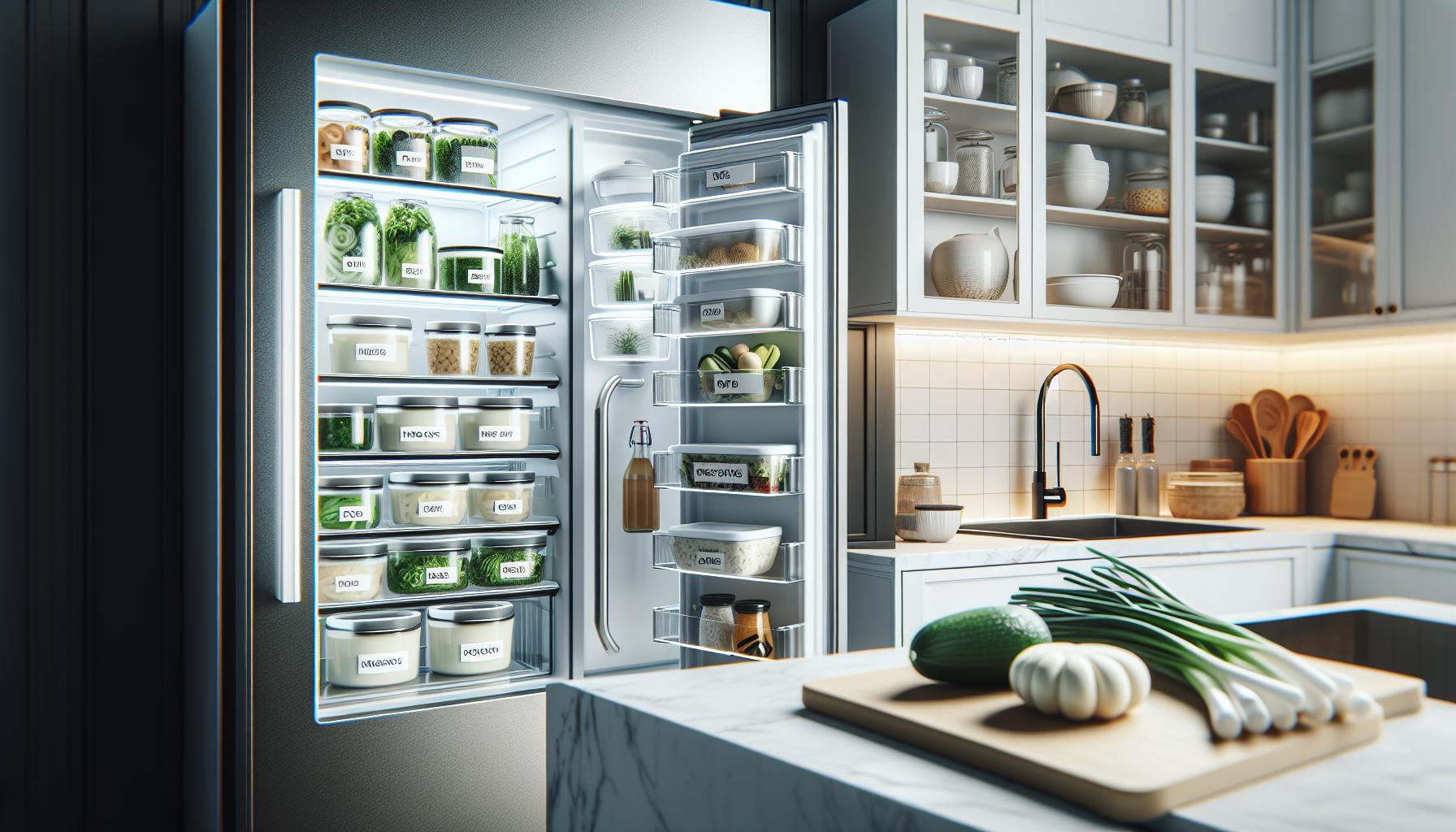
Factors Affecting Miso Soup Shelf Life
One critical aspect to consider when determining how long miso soup will last is the individual ingredients used in the recipe. Fresh ingredients like vegetables, proteins, and herbs can significantly alter the shelf life of your soup. For instance, miso soup that contains delicate items such as tofu, mushrooms, or green onions may spoil faster than a simpler broth that primarily consists of miso paste and dashi (Japanese soup stock). These fresh components can introduce moisture and increase susceptibility to bacterial growth, thereby reducing the overall longevity of the soup.
The method of preparation also plays a vital role in the shelf life of miso soup. Homemade soup that is brought to a boil and then quickly cooled can maintain its quality longer than soup that has been simmered for a long time without adequate cooling. Proper cooling is essential for minimizing bacteria’s ability to thrive in the soup. After cooking, allow the miso soup to cool to room temperature before transferring it to an airtight container for refrigeration, which is a sound practice to enhance freshness and safety.
Another factor to keep in mind is storage conditions. Using airtight containers prevents exposure to air and environmental contaminants that can heighten the risks of spoilage. Additionally, filling the container to the brim can limit the amount of air inside, further prolonging freshness. Miso soup should ideally be stored in the coldest part of the refrigerator, usually near the back, to maintain a consistent temperature.
Lastly, the saltiness of miso paste contributes to the soup’s overall shelf life. A higher salt concentration can inhibit the growth of bacteria, allowing your soup to last longer. If you’re making a large batch with intentions of storing it, consider adjusting the saltiness by adding more miso paste, but remember that any added salt may require dilution if you plan to reheat and serve the soup later. By being mindful of these factors, you can enjoy your miso soup longer while preserving its refreshing flavors and quality.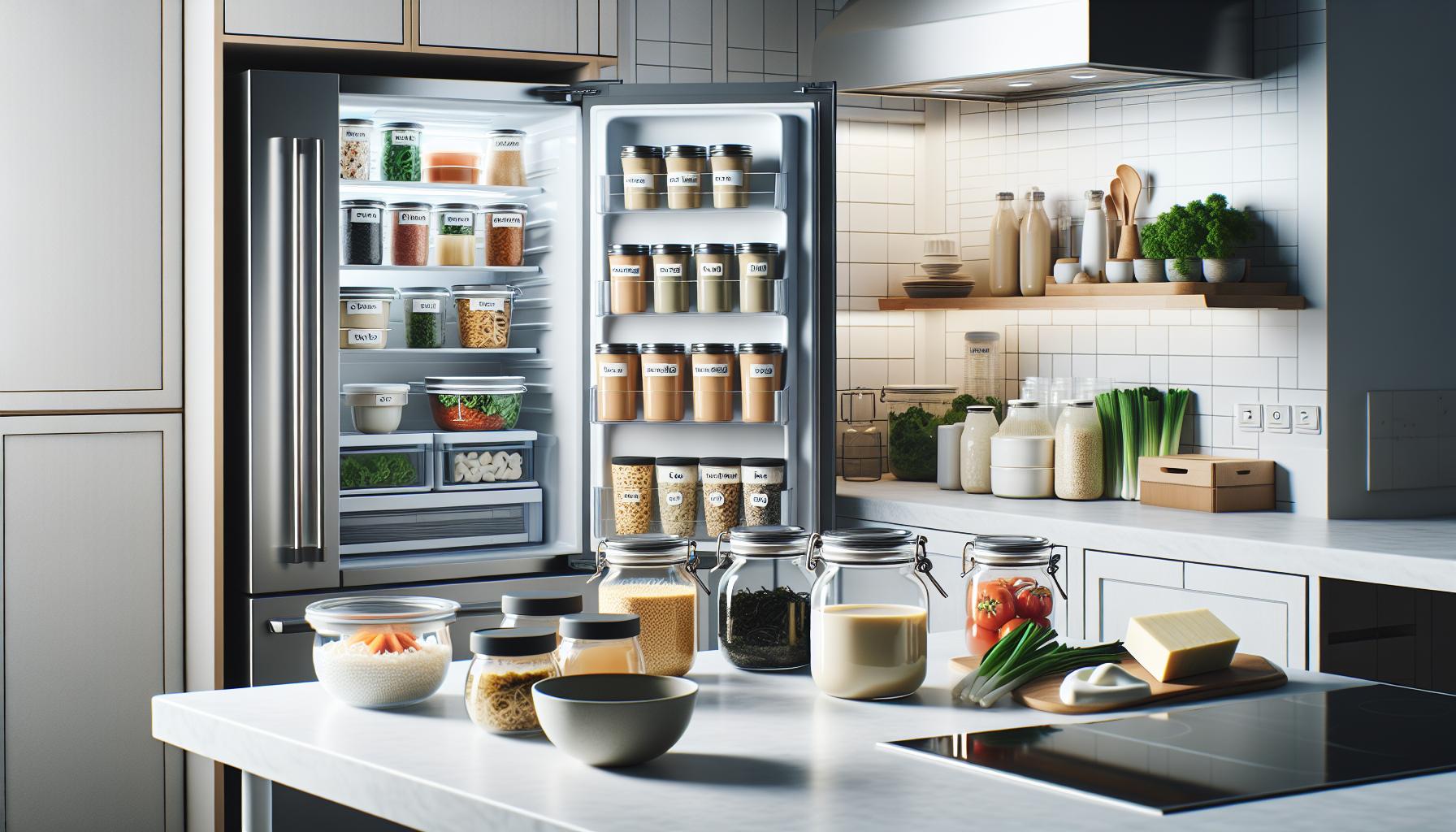
Signs Miso Soup Has Gone Bad
Determining the freshness of miso soup can sometimes be challenging, especially because it often contains a variety of ingredients that can spoil at different rates. Recognizing the signs that indicate miso soup has gone bad is crucial for both health and enjoyment. A primary indicator is an off smell; if your soup has developed a sour or otherwise unpleasant odor, it’s best to err on the side of caution and discard it. Miso itself has a savory fermentative smell, so any drastic change could signal spoilage.
Visual cues can also reveal much about the soup’s state. Look for any significant changes in color, particularly if the broth has darkened noticeably or if you see any mold or unusual film developing on the surface. If you notice the fresh ingredients like tofu or green onions have turned a different color or become slimy, this is a clear sign that the soup should not be consumed. Texture is a crucial factor too; if the soup feels thick or greasy due to separation or coagulation, it’s a good indication that bacterial growth may have occurred.
Taste testing, while a common practice, should be approached with caution. Even if the soup doesn’t exhibit any obvious spoilage signs, tasting a small amount is advisable only if there are no visible abnormalities or unusual smells. If the flavor seems off-either sour or overly salty-it’s safer to dispose of the soup. In general, homemade miso soup should be consumed within 3-4 days when stored in the fridge, so keeping an eye on these signs will help ensure your meals are not only delicious but also safe to eat.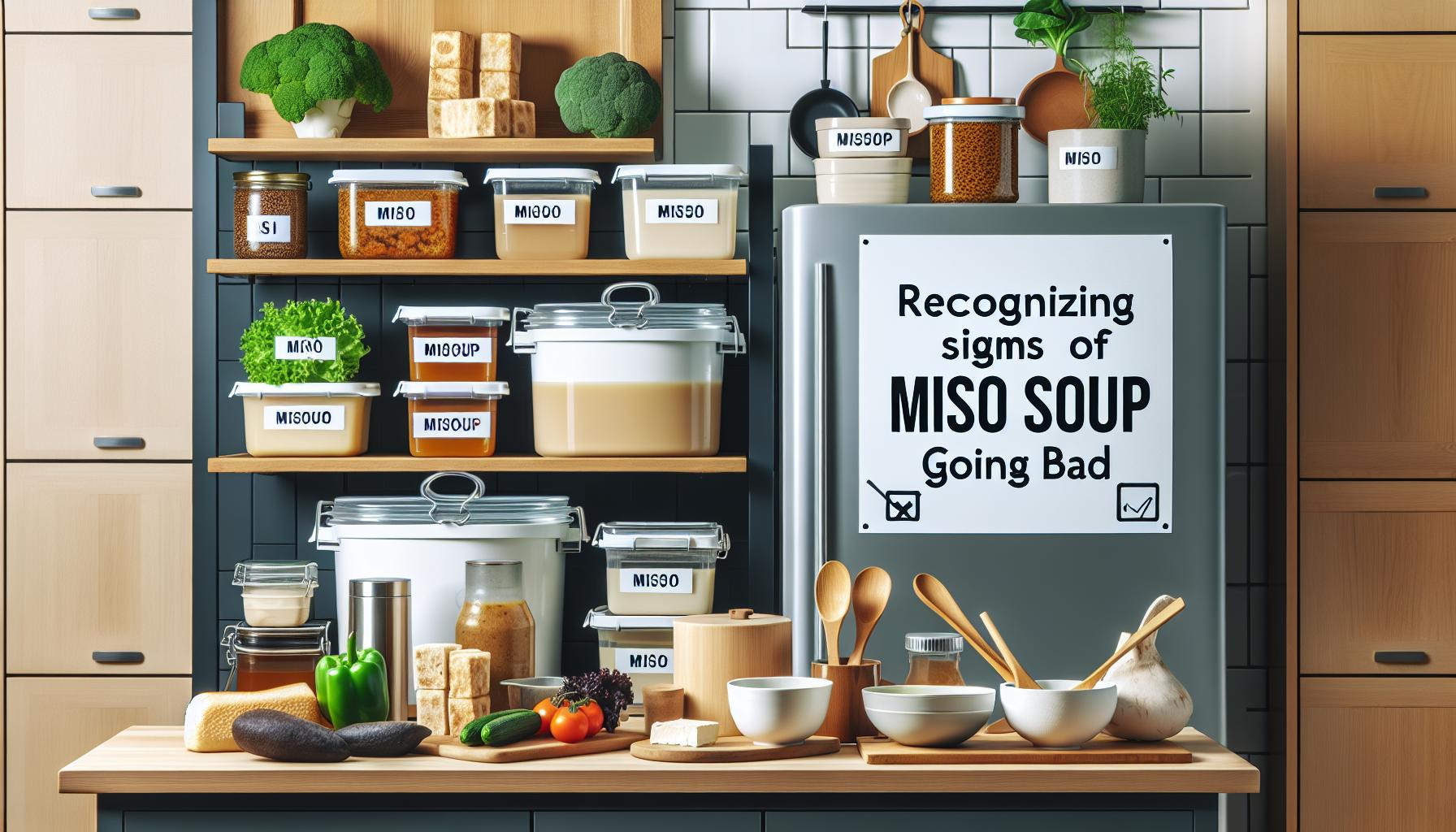
Best Practices for Storing Miso Soup
To extend the life of your miso soup while preserving its flavor and quality, it’s vital to follow specific storage practices. Miso soup typically lasts about 3-4 days in the fridge when stored properly, but adhering to these best practices can help ensure that your soup remains both safe to eat and delicious.
Start by letting the soup cool to room temperature before transferring it to the refrigerator. Placing hot soup directly into the fridge can raise the overall temperature, potentially putting other foods at risk. Use airtight containers to store your miso soup; glass or BPA-free plastic containers are excellent choices. These not only help maintain the flavor but also limit the exposure to air, which can degrade the soup’s quality over time. To optimize freshness, divide the soup into smaller portions. This minimizes air exposure each time you open the container and allows you to heat only what you need.
Avoid adding miso paste until you’re ready to consume the soup if you plan to store it for more than a couple of days. Miso paste can lose its flavor and modify the soup’s texture over time when stored together. If you find your soup starting to lose flavor, consider adding a little more miso before reheating. Also, keep an eye on the ingredients you’ve added, like tofu or vegetables, as they may spoil faster than the broth. Always check for signs of spoilage before consuming, such as unusual odors, color changes, or any mold development.
In summary, using airtight containers, cooling the soup properly before storage, and carefully managing ingredient additions will help you enjoy your miso soup at its best for longer.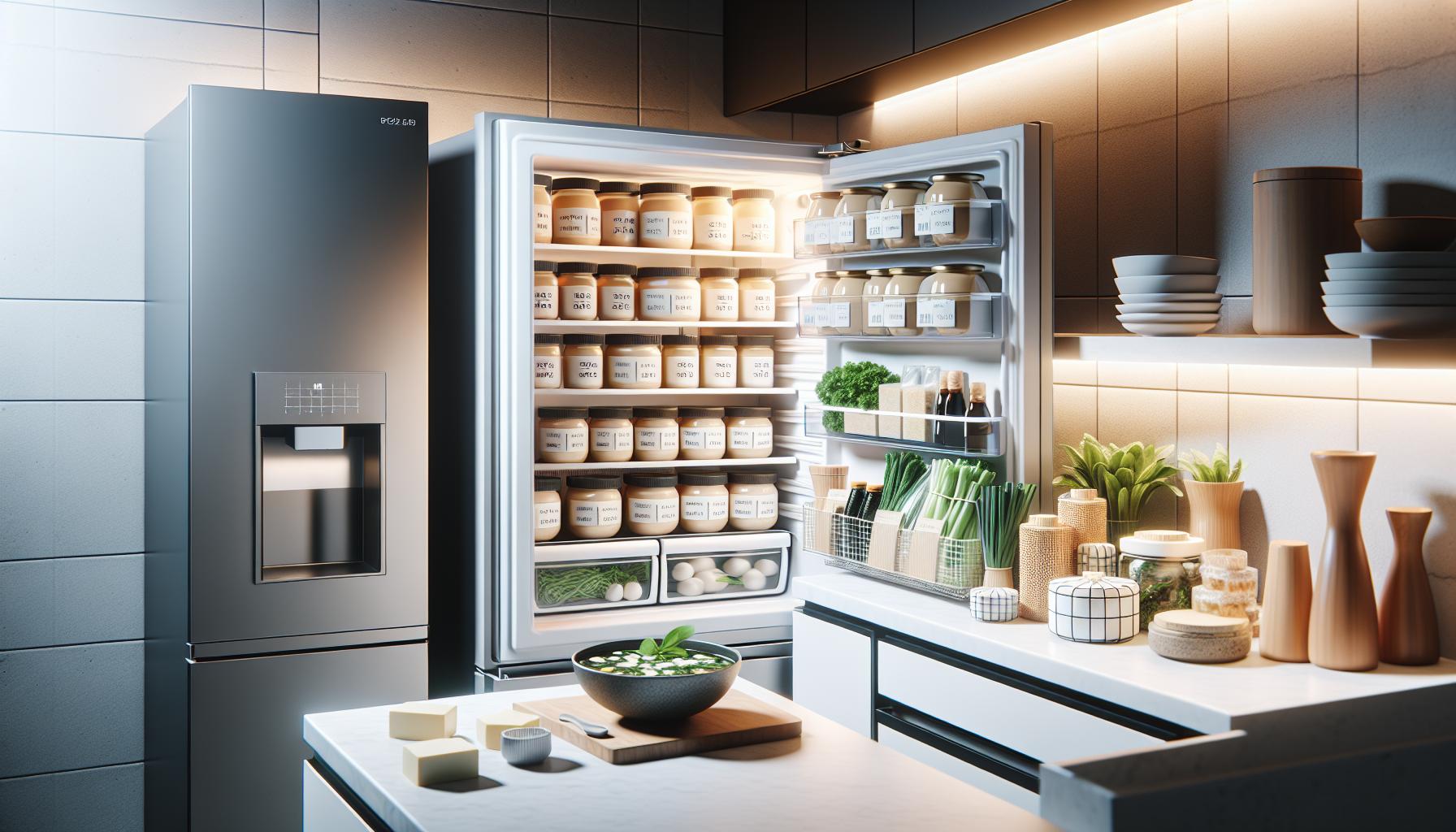
How to Reheat Miso Soup Safely
Reheating miso soup safely is crucial to maintaining its delightful flavor while ensuring food safety. Miso soup, rich in umami from fermented soybeans, can often taste better the next day, but improper reheating can compromise both taste and safety. The key is to gently warm your soup without letting it reach a boil, as boiling can affect the delicate flavors and nutritional benefits.
To reheat miso soup, the microwave is one of the easiest methods. Start by transferring the soup into a microwave-safe bowl. Cover it with a microwave-safe lid or plastic wrap to retain moisture while preventing spattering. Heat on medium power for about 20-second intervals, stirring frequently. This method revolutionizes the reheating experience as it allows greater control, ensuring the soup warms evenly without risk of boiling. Generally, a typical portion should take around one minute to reheat.
Another effective way to reheat miso soup is on the stovetop. Pour the soup into a small pot and heat it over low to medium heat. Stir occasionally to prevent the soup from sticking to the bottom and ensure even heating. It’s vital to monitor the soup closely, as letting it come to a boil can alter the flavor and texture. Heat until warm, just below boiling, taking care to maintain the original consistency and taste.
Always check for signs of spoilage before reheating your soup, especially if it has been stored for more than three to four days. If you notice any unusual odors, colors, or textures, it’s best to err on the side of caution and discard the soup. By reheating your miso soup properly, you not only preserve its rich flavors but also ensure a safe and enjoyable dining experience.
Freezing Miso Soup: A Comprehensive Guide
When it comes to preserving the delightful flavors of miso soup, freezing can be a great strategy to extend its shelf life significantly. Freezing not only helps you manage leftovers but also allows you to enjoy the soothing comfort of miso soup well beyond its typical refrigeration lifespan of about 3 to 4 days. When done correctly, frozen miso soup can last for up to six months without losing its essential qualities, making it a convenient option for quick meals.
To freeze miso soup effectively, start by allowing it to cool to room temperature to avoid raising the temperature of your freezer. Once cooled, transfer the soup into airtight containers or heavy-duty freezer bags. It’s advisable to portion them into single servings, making it easier to thaw only the amount you need later. For added protection against freezer burn, you can also wrap the containers with plastic wrap or aluminum foil before sealing them. Ensure to leave some space at the top of your containers, as liquids expand when frozen.
When you’re ready to enjoy your frozen miso soup, it’s crucial to thaw it properly to maintain its flavor and texture. The best method is to transfer it to the refrigerator to thaw overnight. If time is short, you can also use the microwave on a low power setting, stirring occasionally to promote even thawing. After thawing, reheat the soup gently on the stove over low heat, making sure not to boil it, as high temperatures can negatively impact the delicate balance of flavors associated with miso.
Finally, while freezing miso soup can preserve its taste, adding fresh ingredients such as tofu or vegetables before freezing isn’t recommended. These toppings are best added when you’re ready to eat the soup, as they can alter the texture upon freezing and thawing. By following these precautions and techniques, you can ensure that your miso soup retains its rich umami flavor and provides a comforting meal whenever you desire.
How to Maintain Miso Soup’s Flavor and Quality
To ensure the delectable flavor and nutritional integrity of miso soup remains intact, there are several key practices to follow that can significantly enhance its quality during storage. One crucial factor in maintaining its taste is the timing of consumption. Miso soup is best enjoyed fresh, ideally within 3 to 4 days after preparation when stored in the refrigerator. This timeframe allows the complex flavors of the miso to shine while preventing the risk of spoilage.
Another effective strategy is the careful selection of storage containers. Use airtight containers to minimize exposure to air, which can degrade the flavor over time. Glass containers are preferable, as they do not absorb odors or flavors compared to plastic. When sealing, ensure that the lid is tightly closed to further limit airflow. Additionally, if you can, keep the soup in smaller portions, as this allows for quicker cooling after making the soup and reduces the frequency of opening the container, thus preserving its flavor.
Temperature control is also paramount. As miso soup contains live probiotics from the fermented miso paste, keeping the soup at a consistent cold temperature of 40°F (4°C) or lower is essential. Avoid leaving it out at room temperature for more than two hours, as this can encourage bacterial growth. If you’re unsure about the freshness, checking for any off-odors or changes in the texture can prevent any unwanted surprises.
When reheating miso soup, do so gently. Use low heat to warm it up without boiling. High temperatures can destroy the beneficial probiotics and alter the flavor profile negatively. This method not only preserves the quality but also the rich umami that miso soup is known for. Finally, adding fresh elements like green onions or tofu right before serving can rejuvenate the soup and provide a fresh texture, ensuring you enjoy a wholesome bowl every time. By following these straightforward tips, you can extend the life of your miso soup while keeping its delicious taste delicious and nutritious for longer.
Using Leftover Miso Soup Creatively
Using leftover miso soup can be a delightful culinary adventure, transforming what could be waste into flavorful dishes. Since miso soup retains its nutritional and umami properties for a few days when stored correctly in the fridge, leveraging those leftovers creatively not only minimizes waste but also enriches your weekly meal plan.
One fantastic way to repurpose leftover miso soup is in grain-based dishes. Consider using it as a cooking liquid for rice, quinoa, or couscous. This method infuses your grains with that rich, savory flavor, making a simple side dish remarkably more complex and enjoyable. Just replace the water with your miso soup in a 1:1 ratio for an instant flavor upgrade.
Another creative use is as a base for sauces or dressings. Whisk together leftover miso soup with ingredients like sesame oil, vinegar, and a touch of honey to create a delicious dressing for salads or steamed vegetables. This combination not only adds depth but also retains the health benefits of miso, making your meals more nutritious.
Moreover, leftover miso soup can be an excellent addition to stir-fries. Simply use it to deglaze the pan after cooking your protein and vegetables, allowing the soup to intermingle with the sautéed ingredients. This technique creates a cohesive flavor profile that can enhance dishes like stir-fried noodles or vegetables. The addition of fresh ingredients right before serving, such as chopped scallions or toasted sesame seeds, can revitalize the dish and offer a burst of freshness.
Lastly, consider adding leftover miso soup to stews or casseroles. It serves as a flavorful liquid component that can deepen the overall taste. Just remember to adjust the saltiness of your dish since miso is inherently salty. By thinking outside the bowl, you can elevate your meals while making sure that your delicious miso soup does not go to waste.
Miso Soup Safety Guidelines You Should Know
Maintaining the safety and quality of your miso soup is essential to ensure a delicious and healthy dining experience. Miso soup, while rich in umami flavor and nutritional benefits, can spoil if not stored correctly. Always refrigerate homemade miso soup within two hours of cooking to minimize the risk of bacterial growth. In the fridge, it can last between 3 to 5 days. If you want to enjoy miso soup beyond this timeframe, freezing is an excellent option that can extend its life significantly, allowing you to store it for up to three months.
When assessing whether your miso soup is safe to consume, look for signs of spoilage. Visual cues are particularly telling; changes in color or the presence of mold are clear indicators that the soup has gone bad. Additionally, trust your sense of smell-if the soup emits an off or sour odor, it’s best to err on the side of caution and discard it. Appearance and scent should be your initial means of evaluating safety, but also be mindful of flavor changes over time. As miso soup ages, its taste might become less vibrant, though this alone does not necessarily indicate spoilage.
Proper storage is vital to preserving both the quality and safety of your miso soup. Use an airtight container to minimize exposure to air, which can speed up the degradation process. Label the container with the date of preparation so that you can keep track of its age easily. If leftover miso soup is refriged but is not going to be consumed within the recommended period, consider freezing it in single-serving portions. This method not only facilitates easier reheating but also helps prevent waste. When reheating, do so gently on the stove or in the microwave, ensuring it reaches a minimum internal temperature of 165°F (74°C) to ensure that any harmful bacteria are effectively killed.
By following these guidelines, you can enjoy your miso soup safely, maximizing its flavor and nutritional benefits while minimizing the risk of foodborne illness.
The Nutritional Benefits of Miso Soup Preservation
Miso soup is not only a comforting dish but also a powerhouse of nutritional benefits, thanks largely to its key ingredients like miso paste, seaweed, and tofu. Keeping these nutrients intact during storage is vital for ensuring you maximize the health advantages associated with this delicacy. Proper preservation methods help maintain the probiotic properties of miso, which can enhance gut health and support the immune system.
To maintain the nutritional quality of miso soup, always opt for airtight containers when refrigerating. This minimizes exposure to air, which can degrade quality over time. When stored in the fridge, homemade miso soup generally lasts about 3 to 5 days. For longer preservation, freezing is an excellent option, allowing you to keep the soup for several months without compromising its nutritional value. However, be aware that while freezing does extend shelf life, the texture and flavor might be somewhat altered upon thawing. Therefore, consuming it fresher is always ideal.
Another benefit of preserving miso soup is the convenience it offers in meal planning. Preparing larger batches and storing them in single-serving portions not only saves time but also ensures that you can enjoy a healthy meal on demand. This strategy is beneficial for maintaining dietary goals and reducing food waste, as you can easily reheat a portion whenever hunger strikes. Remember to reheat to at least 165°F (74°C) to preserve safety and ensure any bacteria are eliminated, allowing you to enjoy your nutritious miso soup to the fullest.
Comparing Fresh vs. Store-Bought Miso Soup Storage
When considering the storage of miso soup, it’s essential to assess the differences between fresh homemade versions and store-bought varieties. The primary factor affecting their longevity is the ingredient composition and preparation methods used in each. Fresh miso soup, typically made with quality ingredients like miso paste, seaweed, tofu, and various vegetables, is free from preservatives and often retains its freshness for about 3 to 5 days when stored in an airtight container in the refrigerator. On the other hand, store-bought miso soup, particularly those sold in shelf-stable packages, may contain preservatives that extend its shelf life, allowing for several months of usability before opening.
For both fresh and store-bought versions, air exposure is a crucial enemy of flavor and quality. Homemade soup should always be stored in airtight containers to prevent oxidation, which can lead to stale flavors and nutrient degradation. In contrast, unopened store-bought miso soup can be stored at room temperature until opened, thanks to its packaging, but must be refrigerated once opened, typically lasting around 3 to 7 days depending on the specifics of the product.
Another important distinction lies in reheating practices. Fresh miso soup should not be boiled, as this can alter its delicate flavors, whereas store-bought varieties often provide specific reheating instructions that preserve their intended taste. For optimal enjoyment, aim to consume freshly prepared miso soup soon after making it, while store-bought options offer the convenience of longer shelf life but may not provide the same depth of flavor that comes from a freshly prepared bowl. Thus, whether you choose homemade or store-bought miso soup can significantly influence both your storage strategy and overall eating experience.
Expert Tips for Making Miso Soup Last Longer
To extend the life of your miso soup while maintaining its flavors and freshness, consider implementing a few strategic storage techniques. First and foremost, always store your miso soup in an airtight container. This minimizes exposure to air, which can lead to oxidation and spoilage. Depending on the ingredients used, homemade miso soup typically remains safe to consume in the refrigerator for about 3 to 5 days. For enhanced longevity, try to make your soup without adding miso paste until you are ready to serve. This method allows you to store the broth and miso separately, which can significantly prolong its shelf life.
Utilizing fresh ingredients effectively also plays a significant role in extending your soup’s lifespan. When preparing miso soup, consider adding more salt by increasing the amount of miso paste or reducing the water content. Miso paste has a natural preservative effect due to its high salt content, which can help inhibit bacterial growth. However, if you find your soup too salty upon reheating, feel free to dilute it with a bit of water or broth.
Lastly, for those who want to keep their miso soup for an extended period, consider freezing it. Freezing prevents spoilage and can maintain the soup’s quality for up to 3 months. When freezing, portion the soup in smaller containers or freezer bags. This allows you to thaw only the amount you need while keeping the rest safe and frozen. When ready to eat, thaw the soup in the refrigerator overnight and reheat gently on the stove or in the microwave, avoiding boiling to preserve its delicate flavors.
By following these tips, you can savor your miso soup for longer while enjoying its rich flavors and nutritional benefits.
Faq
Q: How long can miso soup be kept in the refrigerator?
A: Miso soup can be stored in the refrigerator for up to 3-5 days. It’s advisable to consume it within this timeframe to ensure the best flavor and quality, especially if it contains perishable ingredients like tofu or vegetables.
Q: Can I store miso soup with toppings?
A: It’s best to avoid storing miso soup with toppings such as tofu or green onions. Instead, keep toppings separately and add them just before serving to maintain freshness and flavor quality.
Q: What factors affect the shelf life of miso soup?
A: The shelf life of miso soup can be affected by factors such as the ingredients used, storage conditions, and whether it was heated or cooled properly before refrigeration. High salt content from miso paste may also extend its lifespan.
Q: Is it safe to eat miso soup after a week in the fridge?
A: While miso soup may still be edible after a week, it is not recommended. Consuming miso soup beyond the 3-5 days guideline can pose food safety risks, so always check for signs of spoilage before consuming.
Q: How can I tell if miso soup has gone bad?
A: Signs that miso soup has gone bad include an off or sour smell, a change in color, or visible mold. If any of these signs are present, it’s best to discard the soup.
Q: Can I freeze miso soup for later use?
A: Yes, miso soup can be frozen for up to 2-3 months. To maintain flavor and quality, it’s advisable to freeze it without toppings and reheat it thoroughly before serving.
Q: What is the best way to reheat leftover miso soup?
A: The best way to reheat miso soup is on the stovetop or microwave. If using the microwave, heat it in short intervals while stirring to prevent boiling. Avoid overheating to preserve flavor.
Q: How can I preserve the flavor of miso soup when storing?
A: To preserve the flavor of miso soup, store it in an airtight container and avoid adding delicate ingredients until serving. Using higher salt content in the miso can also help increase its shelf life.
For detailed insights about miso soup storage, please refer to the sections on How Long Does Miso Soup Last in the Fridge? and Best Practices for Storing Miso Soup in the full article.
The Way Forward
Preserving the flavor and quality of your miso soup is essential, and knowing how long it lasts in the fridge helps avoid any safety concerns. Properly stored, your homemade miso soup can remain delicious for 3 to 5 days. If you’re looking to extend its life beyond this timeframe, consider freezing your soup for up to 3 months. Remember, always check for signs of spoilage before consuming!
Curious about more delicious recipes? Dive into our guide on the best miso soup recipes here to explore new flavors, or learn how to make the most out of your ingredients with our article on food storage tips here. For more culinary insights, don’t forget to sign up for our newsletter and stay updated on delicious recipes and food safety practices. Share your miso adventures in the comments below, and let’s keep the conversation going!