Did you know that mozzarella is one of the most beloved cheeses worldwide? Its creamy texture and mild flavor make it a staple in many dishes, from pizza to salads. However, knowing how to properly store mozzarella is crucial to enjoying its best quality and ensuring food safety. Many people wonder, “How long does mozzarella last in the fridge?”
Understanding the shelf life of this cheese is not only essential for flavor but also for your health. Cheese can harbor harmful bacteria if not stored properly, leading to foodborne illnesses. In this article, we’ll explore effective storage tips and the lifespan of mozzarella, empowering you to make informed decisions that minimize waste and maximize taste. Wondering how to keep your mozzarella fresh and delicious? Read on for all the details!
How Long Does Mozzarella Last in the Fridge?
Fresh mozzarella cheese is a beloved ingredient in many dishes, but understanding its shelf life in the fridge is essential for both food safety and culinary enjoyment. Typically, when properly stored, unopened fresh mozzarella can last about one week past its “sell by” date when kept refrigerated, while opened mozzarella should ideally be consumed within 3 to 5 days for the best flavor and texture.
To maximize shelf life, ensure mozzarella is stored in its original packaging or transfer it to an airtight container filled with brine or water to maintain moisture. This reduces exposure to air, which can lead to spoilage. Remember that even when refrigerated, the quality can degrade over time-beyond the recommended duration, mozzarella may begin to develop an off smell or a slimy texture.
Monitoring your mozzarella for freshness is crucial. If you notice any signs of mold or an unusual odor, it’s best to err on the side of caution and discard it. Following these guidelines will help you enjoy fresh mozzarella at its best while minimizing waste.
Understanding Mozzarella: Types and Storage Needs
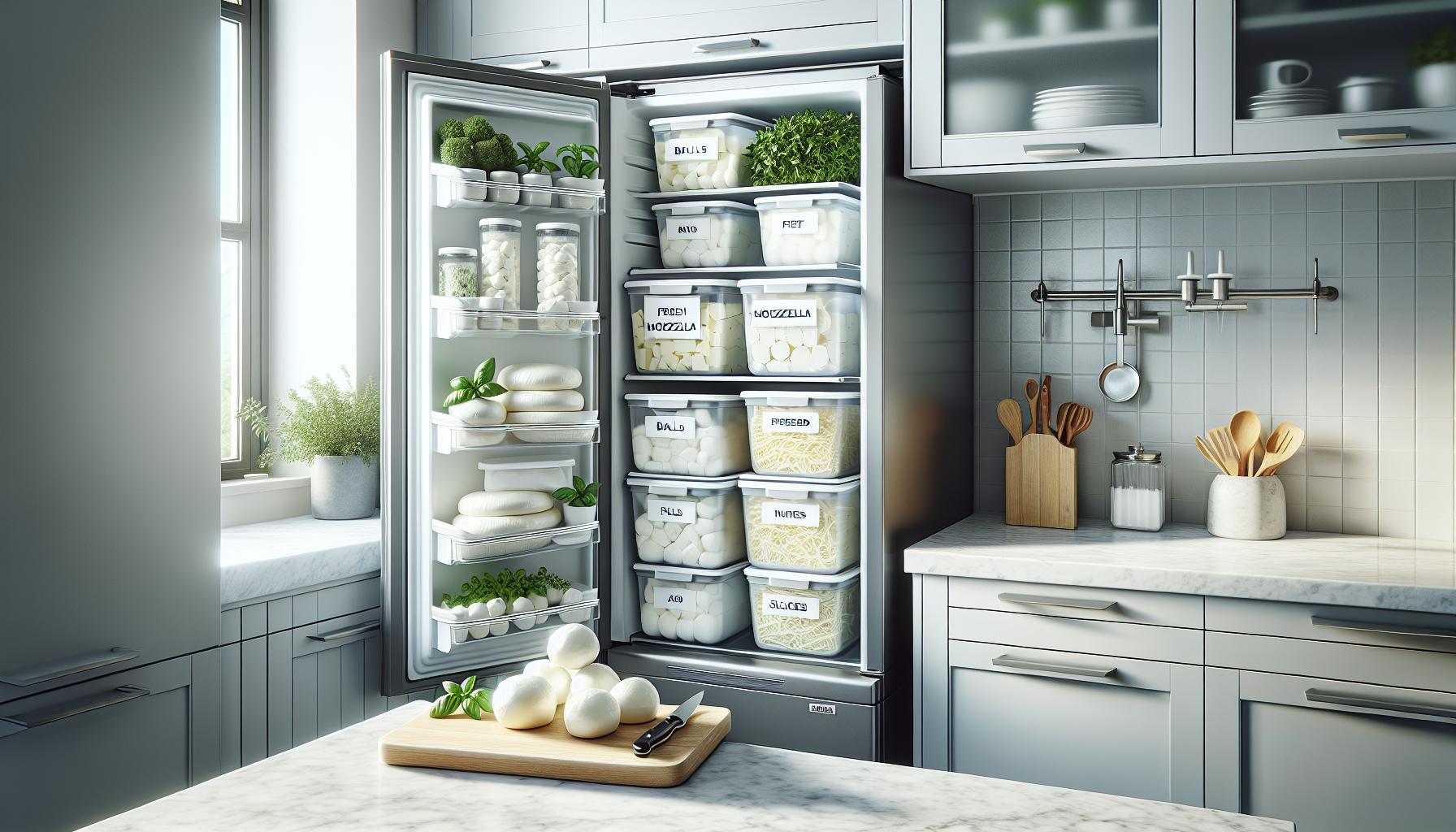
Fresh mozzarella is a delectable and versatile ingredient loved in various dishes, from caprese salads to homemade pizza. However, understanding the different types of mozzarella and their specific storage needs is crucial not only for optimal flavor but also for ensuring food safety.
Mozzarella comes in several varieties, each with unique characteristics. Fresh mozzarella, known for its soft texture and mild flavor, is usually sold in packed water or brine, which helps maintain its moisture. Low-moisture mozzarella is more commonly found in grocery stores; it is firmer, drier, and has a longer shelf life, making it a popular choice for cooking and melting. In contrast, buffalo mozzarella, made from the milk of water buffalo, is creamy and rich, often considered a gourmet option. Each type requires different storage considerations to maintain its quality over time.
For storing mozzarella effectively, keep the following guidelines in mind:
- Unopened Fresh Mozzarella: Can last about one week past the “sell by” date if kept in the refrigerator.
- Opened Fresh Mozzarella: Should ideally be consumed within 3 to 5 days. Store it in an airtight container with enough brine or water to cover the cheese, minimizing air exposure that causes spoilage.
- Low-Moisture Mozzarella: This type can last up to three weeks in the fridge once opened, given it’s tightly wrapped to prevent drying out.
- Buffalo Mozzarella: Like fresh mozzarella, it should be consumed within a few days after opening for the best flavor and texture.
By understanding these distinctions and storage needs, you can ensure that your mozzarella remains fresh and delicious, ready to elevate your culinary creations while adhering to safety guidelines.
Ideal Temperature for Storing Mozzarella Cheese

To maintain the quality and safety of mozzarella cheese, the temperature at which it is stored is crucial. Mozzarella should be kept at a consistent refrigerator temperature of 35°F to 40°F (1.6°C to 4.4°C). Keeping it within this range helps to inhibit the growth of harmful bacteria while preserving its fresh flavor and texture.
For fresh mozzarella, particularly varieties packed in brine or water, it’s important to ensure that the liquid is kept cool as well. By storing the cheese submerged in its brine within a tightly sealed container in the fridge, you’re not only maintaining an optimal temperature but also retaining essential moisture. Meanwhile, low-moisture mozzarella, often utilized for melting in pizzas and casseroles, benefits from a slightly different approach. While it can be stored in the fridge, it’s best to wrap it tightly in plastic wrap to minimize exposure to air, which can lead to drying out even at proper refrigeration temperatures.
Avoid placing mozzarella in the refrigerator door, where temperature fluctuations are more common due to frequent opening. Instead, store it on a middle shelf, where temperatures remain more stable. By adhering to these temperature guidelines and practices, you can enjoy your mozzarella cheese at its best for as long as possible. Remember, keeping mozzarella at the right temperature is not just about taste; it’s also a matter of food safety, helping to prevent spoilage and making sure it’s always ready for your next culinary adventure.
How to Properly Store Opened Mozzarella
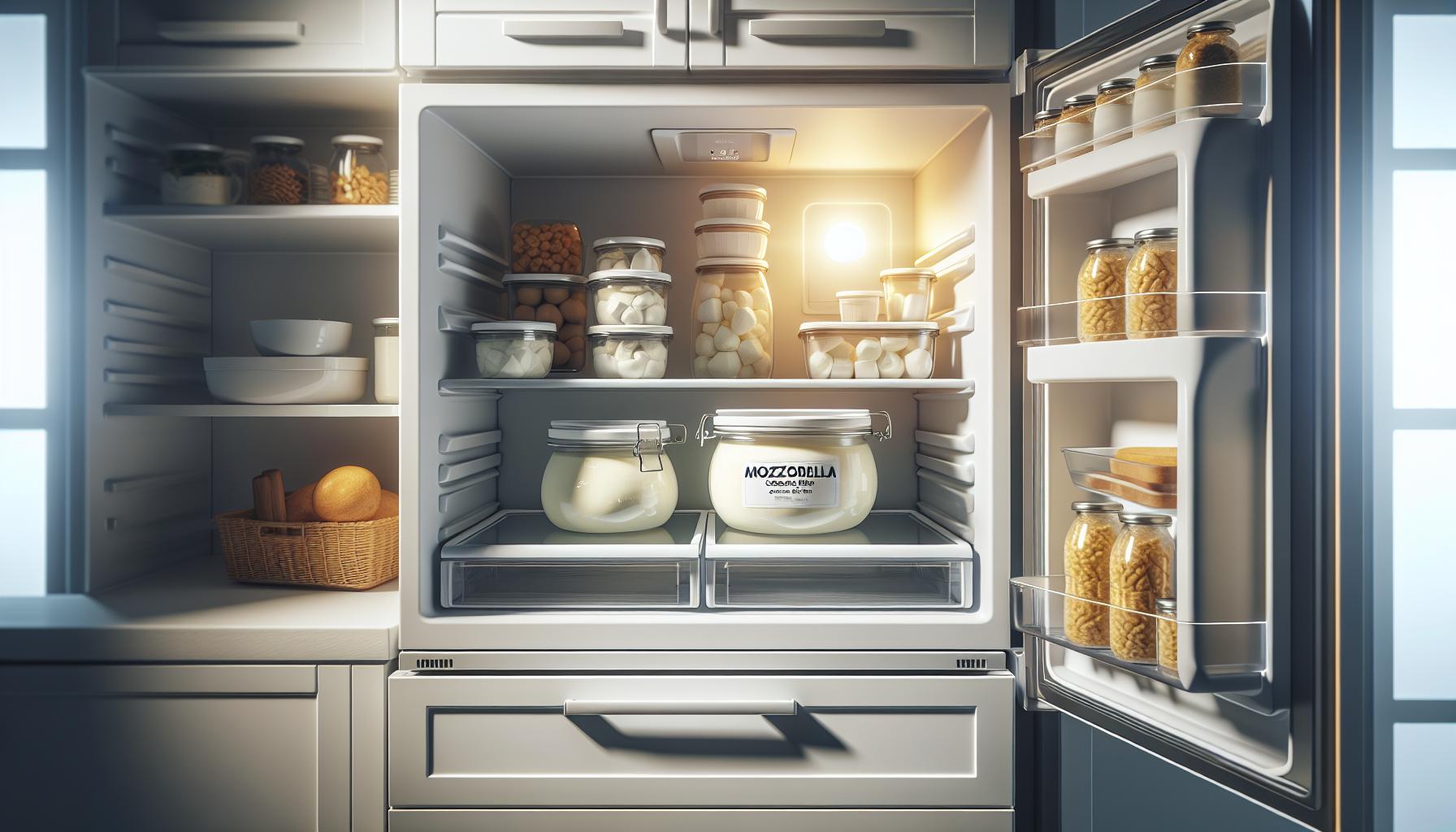
To maintain the quality and freshness of opened mozzarella, it’s essential to follow a few simple yet effective storage practices. Once you’ve opened a package of mozzarella, whether it’s fresh or low-moisture, its shelf life and quality can significantly depend on how you store it. Surprisingly, freshly opened mozzarella can typically last for about 5 to 7 days in the refrigerator if properly stored. Adopting the right methods not only prolongs its usability but also ensures it remains safe to eat.
The first step in storing opened mozzarella is to ensure it’s kept in a moist environment, especially for fresh varieties. If your mozzarella comes in brine or water, keep it submerged to retain moisture and flavor. Use an airtight container and seal it tightly after each use. If your mozzarella is in a vacuum-sealed package that has been opened, transfer the cheese to a container with a secure lid to limit air exposure, which can cause it to dry out. You can also lightly cover the cheese with water or a bit of olive oil to help maintain its moisture.
For low-moisture mozzarella, the approach changes slightly. After opening, wrap the cheese tightly in plastic wrap or place it in a resealable plastic bag, ensuring to push out as much air as possible. This minimizes exposure to air and helps prevent the cheese from hardening. Keep the wrapped cheese in the refrigerator, ideally on a middle shelf rather than the fridge door, as the latter experiences more temperature fluctuations that can degrade the quality of the cheese.
It’s prudent to check your mozzarella regularly for any signs of spoilage, such as an off smell or a slimy texture. Following these storage tips will not only help extend the life of your mozzarella but also ensure that you always have high-quality cheese ready for your favorite recipes. Properly stored mozzarella can elevate dishes like pasta, salads, or even simply enjoyed on its own for a week or more, making it a staple you can rely on in your kitchen.
Keeping Fresh Mozzarella: Tips for Longevity
To keep fresh mozzarella at its best for as long as possible, it’s vital to adopt specific storage practices to preserve its quality and flavor. Interestingly, mozzarella thrives in moisture-rich environments, which mimic its original packaging conditions. When storing fresh mozzarella, whether it’s in brine or water, always aim to maintain it submerged. Additionally, consider using an airtight container to minimize exposure to air, as this can contribute to the cheese drying out.
If you find yourself with low-moisture mozzarella, the strategy changes slightly. Wrap the cheese tightly in plastic wrap or place it in a resealable plastic bag, making sure to remove excess air before sealing. This not only prevents the cheese from hardening but also reduces the chance of it absorbing any unwanted odors from the fridge. Avoid storing mozzarella in the fridge door, as the temperature fluctuations can negatively impact its shelf life. Instead, place it on the middle shelf, where the temperature is more stable.
Beyond these initial steps, periodically check your mozzarella for early signs of spoilage. Look out for changes in texture, such as an unusual sliminess or off-putting odors, which indicate that it’s time to discard the cheese. For those who enjoy cooking with mozzarella, keeping it fresh can ensure that whenever a recipe calls for this delightful cheese, it’s ready for use, enhancing dishes from pasta to salads. With these straightforward tips, you can easily prolong the life of your mozzarella cheese, ensuring it stays fresher longer for your culinary creations.
Signs Your Mozzarella Has Spoiled
The freshness of mozzarella is essential not just for flavor but also for safety. Knowing the indicators of spoilage can save you from consuming spoiled cheese and ensure your culinary creations remain delicious. Fresh mozzarella should be enjoyed within 5 to 7 days after opening when stored properly. Beyond this timeframe, it’s crucial to look for telltale signs that the cheese has gone bad.
Texture Changes
One of the first signs that mozzarella might be spoiled is a change in texture. Fresh mozzarella should have a smooth, slightly elastic texture. If you notice it becomes slimy, overly hard, or grainy, it’s best to err on the side of caution. The sliminess indicates bacterial growth, while a hard texture could mean the cheese has dried out. In either case, it’s advisable to throw it away.
Unpleasant Odors
Another critical indicator is the smell. Fresh mozzarella should have a mild, creamy aroma. If you detect any sour or off-putting odors, this is a clear sign of spoilage. Trust your senses; if the cheese smells wrong, it’s not worth the risk.
Appearance Issues
Visual cues can also help in determining the safety of mozzarella. Look for any discoloration, such as yellow or brown spots. Additionally, the presence of mold, which can appear as green or black spots, is a definitive sign that the cheese should not be consumed. While some cheeses can be salvaged by cutting away mold, this does not apply to fresh mozzarella, which should be discarded entirely if mold is present.
To maintain mozzarella’s freshness for as long as possible, ensure it’s stored in a moisture-rich environment, ideally submerged in its brine or liquid. Regularly check your cheese against these spoilage signs, and when in doubt, throw it out. Prioritizing safe storage and mindful inspection can help prolong the life of your mozzarella, ensuring that it remains safe and delicious for your cooking needs.
Can You Freeze Mozzarella Cheese?
Freezing mozzarella cheese can be an effective way to preserve its longevity, especially if you find yourself with excess cheese that you can’t use within the typical 5 to 7 days of freshness. While freezing may slightly alter the texture and flavor, it remains a viable option to extend the shelf life and prevent waste. For the best results, proper preparation and storage techniques are essential.
Before freezing, it’s advisable to separate the mozzarella into smaller, manageable portions. This way, you can thaw only the amount you need for a particular dish, preventing repeated freezing and thawing cycles that can compromise quality. Wrap each portion tightly in plastic wrap, followed by a layer of aluminum foil to protect against freezer burn. Additionally, placing the wrapped cheese in an airtight container or a resealable freezer bag can further safeguard it from moisture and odor absorption.
When frozen, mozzarella can last for about 3 months. Although it is safe to consume beyond this time frame, the quality may decline. When you’re ready to use your frozen mozzarella, it’s best to thaw it in the refrigerator overnight. This gradual thawing helps retain as much flavor and texture as possible. If you’re pressed for time, you can also place the sealed cheese under cold running water for quicker thawing.
One important aspect of freezing mozzarella is understanding its versatility in culinary applications. While thawed mozzarella may not be suitable for fresh salads or caprese dishes due to potential changes in texture-where it may become crumbly or watery-it can still shine in cooked dishes. Using thawed mozzarella in recipes like pizzas, pastas, or casseroles can provide delicious results, making it an excellent option for meal prep or batch cooking. Always ensure you’re confident in the cheese’s state before use, and when in doubt, prioritizing food safety is key-if it looks or smells off, it’s best to discard it.
Thawing Mozzarella: Best Practices
Thawing mozzarella cheese properly is essential to maintaining its texture and flavor, crucial aspects that can greatly enhance your culinary experience. When you need mozzarella for a dish and have previously frozen it, there are considerate and effective methods to ensure the cheese retains its quality. The aim is to minimize any changes in texture that might occur when mozzarella is frozen, as thawing it the right way can make a significant difference in your recipes, especially if you plan on using it in salads or fresh preparations.
For optimal results, the recommended method for thawing mozzarella is to place it in the refrigerator overnight. This method allows the cheese to defrost gradually, preserving its moisture and texture. By controlling the temperature, you prevent any drastic changes that might lead to a rubbery or watery product. Once thawed, the mozzarella can be used in a variety of dishes, from gooey pizzas to creamy pasta bakes.
If you’re in a rush, another useful technique involves sealing the mozzarella in a plastic bag and submerging it in cold water. This method significantly speeds up the thawing process, usually taking about 30 minutes, while still protecting the cheese from direct exposure to air and potential moisture loss. It’s critical to avoid using warm or hot water, as this can lead to uneven thawing or even the partial cooking of the cheese, compromising its texture.
After thawing, inspect the mozzarella carefully. It’s worth noting that the texture may differ slightly from fresh mozzarella, potentially becoming softer or more crumbly. This change often poses no issues when using the cheese in cooked dishes like casseroles or pizzas; however, it may not be ideal for fresh salads or caprese dishes. Always prioritize food safety by ensuring the cheese smells good and shows no signs of spoilage, such as discoloration or an off odor, before use. By following these thawing practices, you can enjoy the full flavor and culinary versatility of your mozzarella cheese even after it’s been frozen.
Reusing and Repurposing Expiring Mozzarella
Mozzarella cheese has a remarkable ability to elevate a dish, but what happens when it’s nearing its expiration date? Instead of tossing it out, there are numerous creative ways to repurpose this versatile cheese, ensuring you don’t waste food while still enjoying its rich flavor. Expiring mozzarella may still have potential in the kitchen, as long as it shows no signs of spoilage like off odors or excessive mold.
One popular option is to incorporate mozzarella into baked dishes. Lasagna, casseroles, and pasta bakes are ideal vehicles for slightly old mozzarella. The heat will melt the cheese, restoring some of its texture while blending perfectly with the other rich flavors in the dish. Simply layer thin slices of mozzarella or tear it into pieces, and let the oven do the work.
If the mozzarella has started to become grainy or tougher, consider shredding it and using it in stuffed peppers, omelets, or quesadillas. These dishes offer a fantastic way to mask any slight changes in texture, while still providing that delicious cheesy goodness. You can also blend expiring mozzarella into recipes for sauces, making a creamy cheese sauce for macaroni, drizzle over pizzas, or even integrate it into soups for added heartiness.
For those hot summer days, grilled mozzarella sandwiches or caprese salads can still work wonders if the cheese is only slightly past its prime. Just be sure to check for any off smells or unusual textures-fresh basil and ripe tomatoes can make even a little aging go unnoticed in a delicious sandwich. By choosing the right method, you can breathe new life into mozzarella that might otherwise end up in the trash, contributing not only to food sustainability but also to a delightful culinary experience.
Health Safety Guidelines for Cheese Storage
Proper cheese storage is crucial not just for maintaining flavor and texture, but also for ensuring food safety. Mozzarella is particularly sensitive, so adhering to safe storage guidelines can significantly extend its shelf life while minimizing the risk of spoilage or foodborne illness.
First and foremost, always store mozzarella in the refrigerator at temperatures below 40°F (4°C). If you purchase mozzarella packed in water or brine, keep it submerged to maintain moisture. For opened mozzarella, transfer it to an airtight container with a little water or brine to ensure it remains fresh. To prevent cross-contamination, avoid placing mozzarella next to raw meats or other potentially unsafe foods.
When assessing how long mozzarella lasts in the fridge, unopened mozzarella can typically last up to three to four weeks past the printed expiration date, while opened mozzarella should ideally be consumed within five to seven days. Always check for any signs of spoilage, such as a sour smell or changes in texture, before using mozzarella. If mold is present, it’s best to discard the entire piece, as mold can penetrate the cheese and may pose health risks.
To further enhance safety, keep mozzarella well-wrapped and away from light, as exposure can lead to premature spoilage. Always use clean utensils when scooping or cutting cheese to prevent bacterial contamination. By implementing these basic yet essential cheese storage practices, you can enjoy your mozzarella longer while keeping your meals safe and delicious.
Avoiding Common Mozzarella Storage Mistakes
Proper cheese storage is an art, especially when it comes to mozzarella, which is known for its delicate texture and flavor. To ensure you’re getting the most out of your mozzarella and avoiding common storage pitfalls, consider these essential tips that will keep your cheese fresh and safe to eat.
One of the most common mistakes is failing to maintain appropriate moisture levels. Since mozzarella is often packaged in liquid, always keep it submerged if you purchased it in brine or water. If you’ve opened a package, it’s crucial to transfer the cheese to an airtight container filled with a small amount of water or brine. This prevents it from drying out, which can lead to a rubbery texture and loss of flavor. Also, avoid exposing mozzarella to air as much as possible; the more it’s exposed, the quicker it will spoil.
Another frequent error is neglecting the placement of cheese in the fridge. Storing mozzarella near raw meats or other odor-heavy foods can lead to cross-contamination and affect the cheese’s taste. Dedicate a shelf or section of your refrigerator specifically for dairy products, ideally where the temperature is consistently below 40°F (4°C). It’s also advisable to keep your mozzarella wrapped tightly to guard against absorption of any unwanted smells or contaminants.
Lastly, many people overlook the use of clean utensils. Always use fresh, clean tools when cutting or serving mozzarella to prevent bacterial introduction. If you are using a block of mozzarella, avoid touching the cheese with your hands; instead, use a clean knife or cheese slicer. This habit not only promotes hygiene but also extends the shelf life of the cheese, ensuring that each slice is as fresh as possible. By following these straightforward guidelines, you can enjoy your mozzarella with confidence, knowing you’re minimizing spoilage and maximizing flavor.
The Shelf Life of Cooked Mozzarella Dishes
Cooked mozzarella dishes, such as lasagna, pizza, or stuffed shells, carry their own unique shelf life considerations that differ from fresh mozzarella. When prepared, these dishes can remain safe to eat for a limited period, providing you follow proper storage protocols to maintain freshness and quality.
Generally, cooked dishes featuring mozzarella can last in the refrigerator for about 3 to 5 days. It’s essential to store these dishes in airtight containers to prevent moisture loss and absorption of odors from other foods. Ensure that the dishes are cooled to room temperature before sealing them in containers to avoid condensation, which could promote bacterial growth. For optimal storage, place the sealed containers on middle shelves of the refrigerator where the temperature is consistently below 40°F (4°C).
Signs of Spoilage
Keeping an eye on the condition of your cooked mozzarella dishes is crucial. Look for:
- Off aromas: A sour or unusual smell indicates spoilage.
- Texture changes: If the cheese has become rubbery or excessively soggy, it’s best to discard the dish.
- Mold growth: Any visible mold on the surface is a sign that the dish should not be consumed.
For longer storage, consider freezing cooked mozzarella dishes. When properly wrapped and sealed to prevent freezer burn, they can last up to 2 to 3 months in the freezer. Thaw frozen dishes in the refrigerator overnight before reheating to ensure safe and even cooking.
By adhering to these guidelines for storage and monitoring, you can enjoy your cooked mozzarella dishes while minimizing waste and ensuring safety. Remember, when in doubt about the food quality, it is always safer to err on the side of caution and discard anything questionable.
Q&A
Q: How can I tell if mozzarella cheese has gone bad?
A: Mozzarella cheese has likely spoiled if it exhibits an off smell, changes in texture (becoming slimy), or shows visible mold. Additionally, if the color appears dull or yellowish, it’s best to discard it. Always trust your senses to ensure food safety.
Q: What is the best way to store opened mozzarella cheese?
A: After opening, store mozzarella cheese in an airtight container, submerged in its liquid if possible. If it’s in block form, wrap it tightly in plastic wrap and place it in the fridge to maintain freshness for up to a week.
Q: Can you store mozzarella cheese at room temperature?
A: It’s not recommended to store mozzarella cheese at room temperature for extended periods. Mozzarella should be kept refrigerated to prevent bacterial growth. If left at room temperature, consume it within two hours to ensure safety.
Q: How long can shredded mozzarella cheese last in the fridge?
A: Shredded mozzarella cheese typically lasts about 5 to 7 days in the fridge once opened. Keep it sealed in its original package or in an airtight container for optimal freshness. Check for signs of spoilage before use.
Q: Is it safe to eat expired mozzarella cheese?
A: Eating expired mozzarella cheese is risky. If it shows signs of spoilage such as bad odor, mold, or unusual texture, it should not be consumed. Always check the expiration date and condition before eating.
Q: How should I thaw frozen mozzarella cheese?
A: To thaw frozen mozzarella cheese, place it in the refrigerator for several hours or overnight. Avoid thawing at room temperature, as this can promote bacterial growth. For quicker thawing, you can use the defrost setting on a microwave, but consume it immediately afterward.
Q: What is the ideal temperature for storing mozzarella cheese?
A: The ideal storage temperature for mozzarella cheese is between 34°F and 40°F (1°C to 4°C). This range helps maintain its freshness and prevents spoilage. Always keep your refrigerator at the correct temperature.
Q: Can I use expired mozzarella for cooking?
A: Using expired mozzarella for cooking is not recommended. If the cheese shows any signs of spoilage, it is best to discard it to avoid food safety risks. Always prioritize safe food handling practices.
Closing Remarks
Now that you know how long mozzarella lasts in the fridge and the best storage tips, it’s time to put this knowledge to good use. Remember, keeping mozzarella fresh not only enhances your meals but ensures food safety. For more delightful recipes and insider tips, check out our guide on delicious mozzarella recipes, or learn how to grill mozzarella cheese without the mess.
Have questions or tips about your mozzarella experience? We’d love to hear from you in the comments! If you’re eager to continue your culinary journey, consider signing up for our newsletter for more expert insights and exclusive recipes. Make every bite count, and keep exploring delicious possibilities with mozzarella and more!