Did you know that fresh corn can lose its sweetness within just a few days of being picked? Understanding how long corn lasts in the fridge is crucial for enjoying its peak flavor and maintaining its crispness. Whether you’re a corn enthusiast or a casual consumer, knowing proper storage techniques can help you reduce waste and savor that delightful taste.
Storing corn properly not only extends its shelf life but also ensures that you get the most out of your culinary creations. As you navigate the ins and outs of corn storage, you’ll discover practical tips that keep your corn sweet and fresh for longer, helping you make the most of your meals. So, let’s dive into the best practices and timeframes for storing corn in the refrigerator, so you’ll never miss out on its deliciousness.
How Long Can You Store Fresh Corn in the Fridge?
Fresh corn is a delightful ingredient that can elevate countless dishes with its sweet and crisp texture. When properly stored, fresh corn can maintain its flavor and quality in the fridge for up to 1 to 3 days. However, the clock starts ticking as soon as corn is harvested, so it’s best to use it as soon as possible for the freshest taste.
To store fresh corn effectively, keep it in the husk and place it in a perforated plastic bag to allow air circulation while reducing moisture build-up. This helps to preserve its sweetness and crispness. If the corn has already been husked, use an airtight container to limit exposure to air, which can dry it out. It’s essential to place it in the vegetable crisper drawer of your refrigerator, where the humidity is higher and temperatures are cooler.
Knowing when corn is nearing the end of its shelf life can save you from unpleasant surprises. Check for signs of spoilage such as dried-out husks or dark spots on the kernels, which indicate that the corn has begun to deteriorate. Always trust your senses; if the corn smells off or has an unusual texture, it’s safer to discard it. By following these guidelines, you can enjoy fresh corn at its best and minimize waste.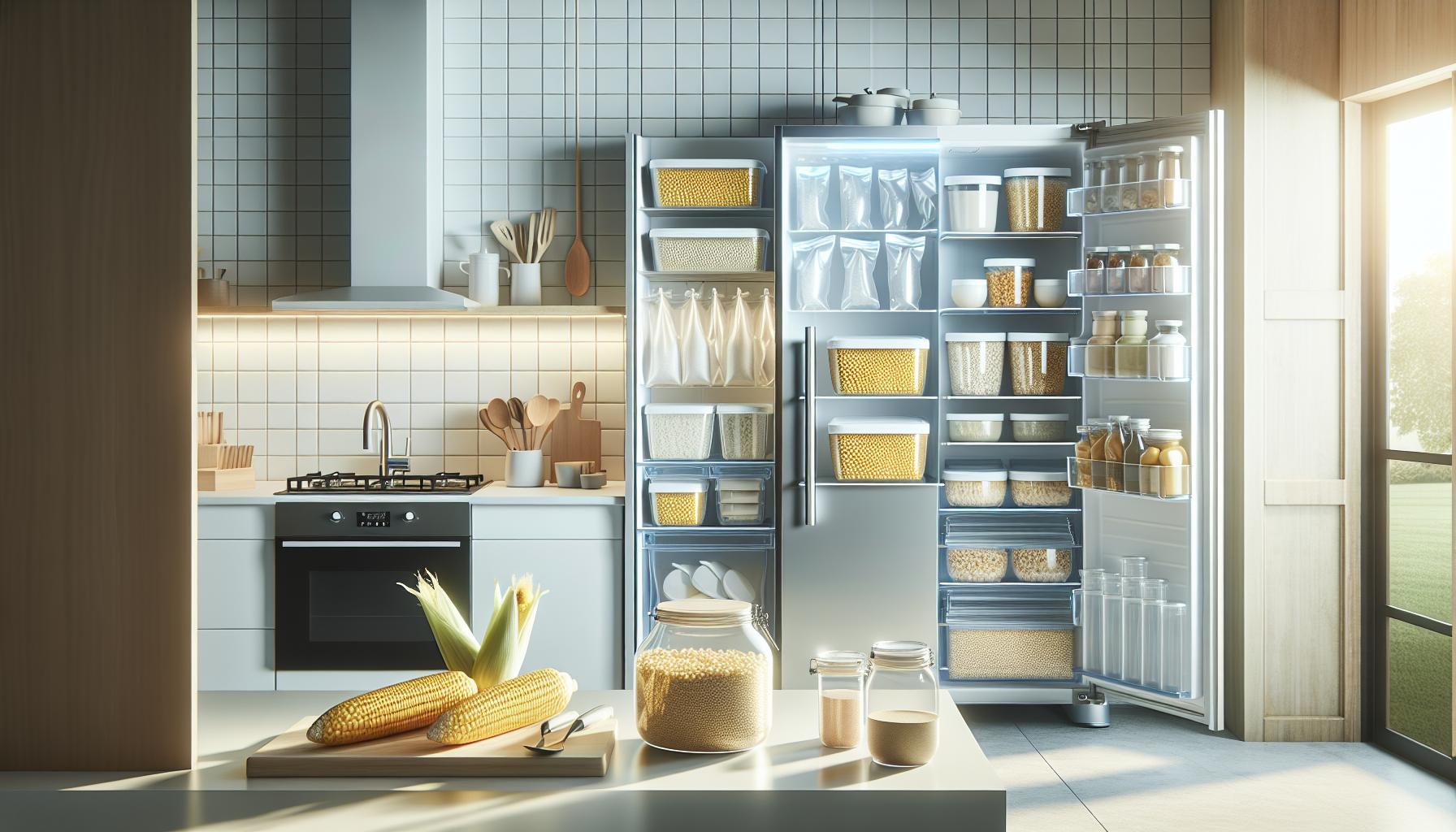
Key Factors That Affect Corn Longevity
Fresh corn offers a sweet crunch that can elevate a variety of dishes, but its lifespan depends on several key factors that can significantly influence its longevity in the fridge. One of the most crucial elements affecting the shelf life of corn is time since harvest. The sugars in corn can begin to convert to starch almost immediately after being picked, diminishing its sweetness. Therefore, corn that has just been harvested from a local farm can be much sweeter and last longer than corn that has been sitting in storage for days or weeks.
Another important factor is storage temperature. Corn thrives in cooler conditions, ideally at temperatures between 32°F and 40°F (0°C to 4°C). Storing corn in the vegetable crisper drawer of your refrigerator, where humidity is higher, can help maintain its freshness. It’s essential to keep corn in its husk or in a perforated plastic bag to prevent moisture buildup, which can lead to mold. If the corn has already been husked, make sure to store it in an airtight container to limit air exposure that can dry it out.
Lastly, environmental conditions such as humidity and air circulation play significant roles in corn preservation. High humidity can promote mold growth, while dry air can lead to dehydration of the kernels. Ensuring that corn is appropriately sealed can help mitigate these risks. By paying attention to these factors, you can maximize the freshness of your corn, keeping it sweet and crisp for as long as possible.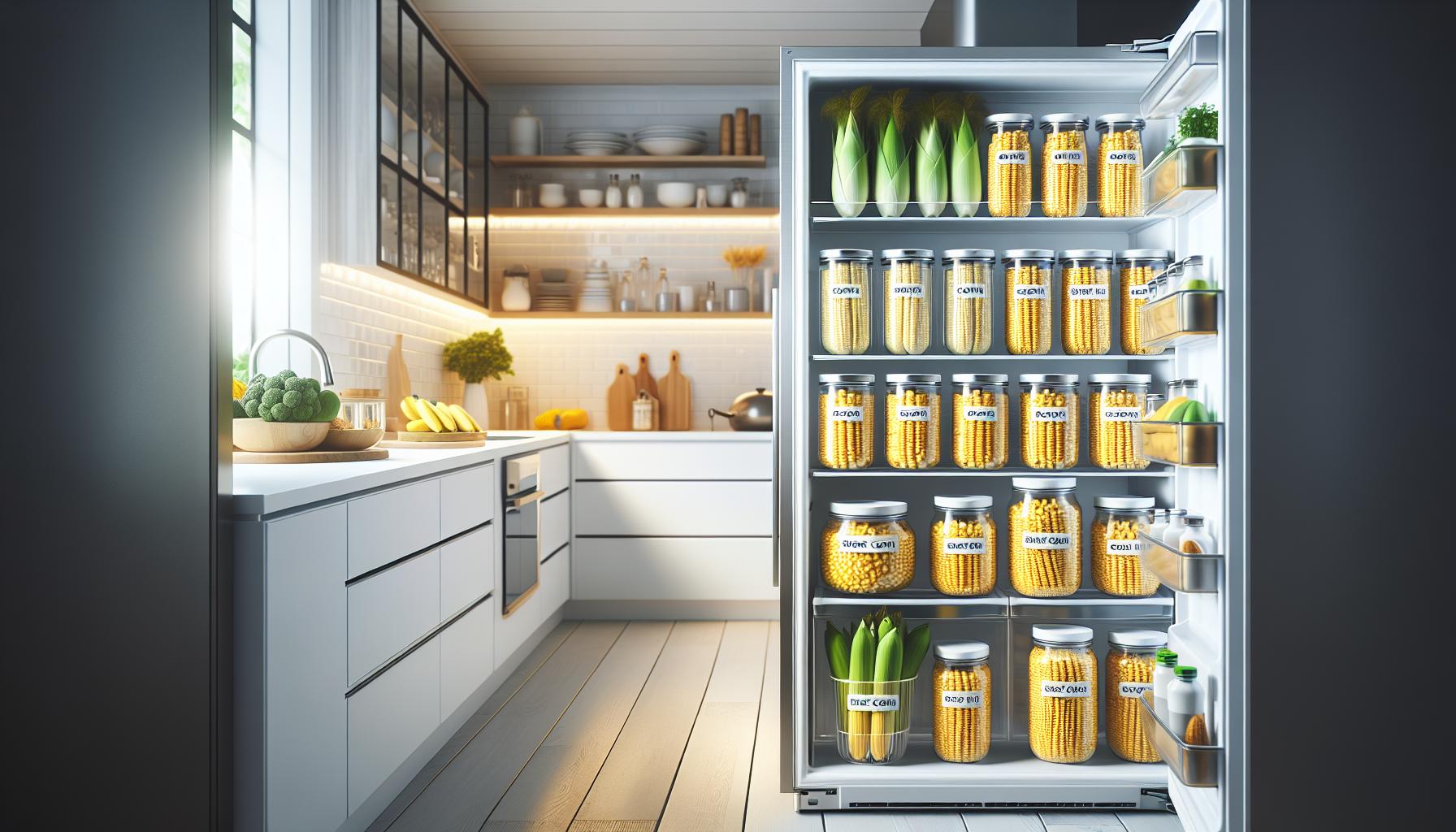
Best Practices for Storing Corn Properly
To maintain the delightful sweetness and crispness of fresh corn, following best storage practices is essential. Corn is best stored in its husk, which acts as a natural protector. However, if you’re dealing with husked corn, wrap it tightly in plastic wrap or place it in an airtight container to minimize exposure to air. This will help keep the kernels from drying out or losing flavor.
It’s important to store corn in the refrigerator, ideally in the vegetable crisper drawer, where the temperature is more stable and humidity levels are higher. This environment not only helps retain moisture but also prevents the corn from absorbing odors from other foods. When properly stored, fresh corn can typically last in the fridge for about 3 to 7 days. If you notice the husks becoming dry or the kernels softening, it’s a sign that the corn is approaching spoilage.
For longer-lasting preservation, consider freezing corn. If you have excess fresh corn that you cannot consume within the week, freezing is an excellent option. Blanch the corn on the cob or cut the kernels off, then pack them in freezer-safe bags, removing as much air as possible before sealing. Frozen corn will retain its sweetness and texture for several months, making it a great ingredient to have on hand for future meals.
In summary, by storing corn correctly and understanding the ideal conditions for its longevity, you can enjoy the sweet flavors and crunchy bite of this delicious vegetable well beyond its harvest.
How to Tell If Corn Has Gone Bad
Determining whether corn has spoiled can be an essential skill for anyone who enjoys this sweet summer vegetable. Fresh corn not only tantalizes the taste buds but also provides valuable nutrients. However, left too long in the fridge, it can quickly lose its appeal and safety.
Start by examining the corn’s appearance. Fresh corn should have bright green husks, tightly wrapped around the cob. If you notice that the husk is yellow or brown, this could indicate that the corn is past its prime. The kernels should be plump, shiny, and tightly packed together. If the kernels look shriveled or dry, they are likely old. Additionally, a quick check of the kernels is essential: when you press them with your finger, they should be firm and should release a milky liquid. If they produce a watery or dry fluid instead, it’s time to discard the corn.
Next, consider the smell. Fresh corn has a pleasant, sweet aroma. If the corn emits an off-putting or sour smell, it’s no longer good to eat. Spoilage often produces a distinct odor that can be quite noticeable when you open the fridge. Always trust your nose, as it can be a reliable indicator of freshness.
Lastly, examine the texture. Fresh corn should feel slightly moist to the touch due to its natural sugars and moisture. If it feels slimy or overly dry, this is a strong sign of spoilage. Consuming bad corn can lead to foodborne illnesses, so err on the side of caution. If anything seems off, it’s best to toss the corn and opt for a fresh batch to ensure both safety and flavor in your meals.
Freezing Corn: A Guide to Long-Term Storage
Fresh corn is a summertime delight, but to enjoy its sweet flavor throughout the year, freezing is the best option for long-term storage. When done correctly, frozen corn retains its texture, taste, and nutritional value, allowing you to savor that fresh taste even in winter. To achieve this, follow a quick process that locks in the flavor and protects the corn from freezer burn.
Start by blanching the corn. Bring a large pot of water to a rapid boil, then add the corn on the cob. Blanch the corn for about one minute, as this process halts enzyme actions that can cause loss of flavor, color, and texture. Once blanched, immediately transfer the corn to an ice water bath to halt the cooking process and cool it down rapidly. This step is crucial for maintaining the corn’s vibrant color and crunch.
After allowing the corn to cool for several minutes, drain it and dry it gently. You can choose to freeze the corn in whole cobs or cut the kernels off. For cutting, use a sharp knife and carefully slice downward along the cob to remove the kernels. Store the corn in airtight freezer bags or containers, removing as much air as possible to prevent freezer burn. Label with the date to keep track of freshness; properly frozen corn can last up to 12 months in the freezer while still retaining optimal quality.
Quick Freezing Tips
- Use bags that are specifically designed for freezing to ensure a good seal.
- Lay bags flat in the freezer to save space and promote even freezing.
- Do not overload the freezer, as maintaining an even temperature is essential.
By taking these simple steps, you can enjoy the taste of fresh corn all year round, avoiding the disappointment of past-their-prime ears and reducing food waste while maximizing nutrition and flavor.
The Science Behind Sweetness: Preserving Flavor
Fresh corn reaches its peak sweetness at harvest when sugars are maximized in the kernels. However, over time, these sugars begin to convert into starch, leading to a loss of flavor. This transformation underscores the importance of proper storage methods to maintain the sweetness and crisp texture that make corn a summertime favorite.
When stored in the refrigerator, fresh corn can typically retain its best quality for about 3 to 5 days. The cooler temperatures help slow down the conversion process, but it’s essential to keep the corn in its husk until ready to use, as this protective layer helps to preserve moisture and flavor. Additionally, placing the corn in a perforated plastic bag can create a humid environment that further aids in maintaining its freshness.
To enhance the preservation of sweetness, consider blanching the corn before freezing. This quick cooking method stops enzymatic reactions that could degrade the corn’s flavor and texture. By ensuring that corn is blanched for just a minute in boiling water, then rapidly cooled, you can lock in the sweet flavor and preserve the quality for months. Stored correctly in a freezer, corn can maintain its delightful characteristics for up to a year, allowing you to enjoy that summertime flavor even during the off-season.
Ultimately, understanding the science behind how sweetness degrades can empower you to make informed storage choices. By paying attention to the conditions under which you keep your corn and using techniques like blanching when freezing, you can ensure that every bite remains as sweet and crisp as possible, allowing you to enjoy fresh corn’s deliciousness long after its season has passed.
Safely Reheating Corn: Tips and Techniques
Keeping the delightful sweetness of corn intact while reheating it can be a challenge, but with the right techniques, you can enjoy tender, flavorful kernels even after storing it. The goal is to gently warm the corn to prevent it from becoming tough or mushy. Here are some effective tips to safely and deliciously reheat corn.
One of the best methods for reheating corn on the cob is to steam it. Fill a pot with a small amount of water and place a steamer basket above it. Bring the water to a boil before adding the corn, either on the cob or cut off the cob into a microwave-safe bowl. Cover and steam for about 4-6 minutes, checking for doneness. This method helps maintain moisture and flavor without drying out the corn, and it can revive any limp kernels.
If you’re in a hurry, using the microwave is a quick option. Wrap each ear of corn in a damp paper towel, or place cut corn in a bowl covered with a microwave-safe lid. Heat on high for 1-2 minutes for fresh corn that has been stored in the fridge. Be sure to check at 30-second intervals to prevent overheating. Remember that microwaving can sometimes lead to uneven heating, so give it a good stir if you’re reheating cut corn.
For leftover corn from recipes like corn salads or salsas, a skillet can work wonders. Heat a small amount of oil or butter in a pan over medium heat, then add the corn, stirring occasionally for about 5 minutes until heated through. This will enhance its flavor and add a delightful texture. If the corn was previously seasoned, the skillet method can help integrate those flavors back together.
Whichever method you choose, ensure that the corn reaches an internal temperature of 165°F (74°C) to ensure food safety. Reheating leftovers not only enhances your meal, but it also minimizes food waste, allowing you to enjoy the vibrant taste of corn long after its initial preparation.
Creative Ways to Use Leftover Corn
There’s something truly special about enjoying fresh corn, and the good news is that leftover corn can shine in a variety of creative dishes. Whether you have sweet corn off the cob from a barbecue or a corn salad that needs a makeover, there are plenty of ways to ensure nothing goes to waste and your meals remain delicious.
Consider transforming leftover corn into a vibrant corn chowder. Simply sauté some onions, garlic, and diced potatoes in a pot, add vegetable or chicken broth, and then stir in the corn. Let it simmer until the potatoes are tender, then blend for a creamy texture or leave it chunky for rustic charm. Season with herbs like thyme or cilantro to elevate the flavors.
Another delightful option is to incorporate the corn into breakfast dishes. Add it to scrambled eggs or omelets for a sweet burst of flavor that complements the savory ingredients. For a nutritious start to your day, mix the corn with oats to create a savory corn and cheese breakfast bake. Combine corn, eggs, and cheese, pour into a baking dish, and bake until set.
For those seeking an easy snack or side, consider making corn fritters. Combine leftover corn with flour, eggs, baking powder, and spices to form a batter. Fry dollops in hot oil until golden on both sides. These fritters are perfect as appetizers or as a side to burgers or grilled meats, allowing you to enjoy corn’s freshness in a new way.
Lastly, don’t overlook the option of adding corn to grains and salads. Toss it into a quinoa or rice salad with beans, herbs, and a zesty dressing, or mix it into a pasta salad for added sweetness and texture. The versatility of corn allows it to play harmoniously with various flavors while providing an extra crunch and delightful sweetness, ensuring every meal remains a winner.
By utilizing leftover corn creatively, you can not only enhance your meals but also reduce food waste, keeping your kitchen efficient and innovative.
Nutritional Benefits of Fresh Corn
Fresh corn is not just a delicious treat during the summer months; it also offers a wealth of nutritional benefits that make it a valuable addition to your diet. Packed with essential nutrients, fresh corn is a whole grain that provides a good source of antioxidants, vitamins, and minerals. One of the standout features of corn is its rich content of fiber, which aids in digestion and helps maintain a healthy gut. This dietary fiber can assist in regulating blood sugar levels, contributing to overall health and well-being.
In addition to fiber, corn is an excellent source of several key vitamins and minerals. For instance, it contains Vitamin B6, which plays a crucial role in metabolism and the functioning of the nervous system. Additionally, corn is rich in folate, a B-vitamin that is particularly important for pregnant women, as it helps reduce the risk of neural tube defects in developing babies. It also provides significant amounts of Vitamin C, an antioxidant that supports immune function and skin health.
Fresh corn is also known for its vibrant yellow and golden hues, which indicate the presence of carotenoids, such as lutein and zeaxanthin. These compounds are beneficial for eye health, helping to reduce the risk of age-related macular degeneration. Consuming corn can contribute positively to your vision and protect against various eye disorders. Furthermore, corn offers a variety of phytonutrients that may help combat inflammation and reduce the risk of chronic diseases.
Incorporating fresh corn into your meals is easy and versatile. Whether you enjoy it grilled, steamed, or as part of a salad, fresh corn not only adds flavor and texture but also enhances the nutritional profile of your dishes. Making a point to include this wholesome ingredient in your diet will not only elevate your meals but also support your overall health and wellness.
Common Mistakes in Corn Storage to Avoid
Storing fresh corn correctly is crucial for preserving its sweetness and crisp texture, but it’s easy to make mistakes that can lead to spoilage. One common error is washing corn before storing it. When corn is washed, moisture can accumulate, creating a breeding ground for mold and causing the kernels to spoil faster. Instead, it’s best to leave the husks on and store corn as is, allowing it to stay dry and protected.
Another frequent issue is improper temperature maintenance. Corn thrives best in a refrigerator at around 32°F to 40°F (0°C to 4°C). Storing corn at temperatures that are too warm will hasten the sugar-to-starch conversion, diminishing flavor and sweetness. It’s important to store corn in the coldest part of the fridge, ideally in a vegetable crisper drawer, which helps maintain humidity and prevent dehydration.
In addition, many tend to ignore the advice of using corn within a few days of purchase. Fresh corn is best consumed within 1 to 3 days after harvesting. After that period, it starts to lose its sugars and moisture, impacting both the taste and texture. To maximize shelf life, avoiding any exposure to ethylene-producing fruits and vegetables-like apples and bananas-is essential, as ethylene gas can accelerate ripening and spoilage.
Lastly, failing to check for signs of spoilage before cooking or consuming the corn can lead to unpleasant surprises. Look for husks that are green and moist, kernels that are plump and milky, and avoid any ears with dried or darkened kernels. These simple steps can make a significant difference in ensuring your corn remains fresh and delicious for as long as possible.
When to Choose Canned or Frozen Corn Over Fresh
Opting for canned or frozen corn instead of fresh can be a wise choice depending on various factors, including availability, convenience, and culinary applications. Fresh corn may deliver superior flavor when it’s in season, but if fresh ears are not accessible or if you’re not planning to use them quickly, canned or frozen options can maintain nutritional value and taste while offering longer shelf stability.
Canned corn is pre-cooked and stored, making it ready to use in recipes right out of the can. This can save valuable time in meal preparation, especially during busy weekdays or when preparing large family gatherings. On the other hand, frozen corn retains a close taste and texture to its fresh counterpart, especially when it has been frozen shortly after harvest. When selecting canned corn, look for products without added sugars or preservatives, ensuring a healthier choice.
Consider the context in which you’ll use the corn. If you’re making a dish that requires the corn to be texturally integral, such as a salad or fresh corn salsa, then fresh corn may be the best option. However, for soups, casseroles, or other cooked dishes where the corn will be blended with other flavors, canned or frozen corn will suffice and may even enhance convenience.
It’s important to remember that both canned and frozen corn offer considerable shelf life-usually several years for canned items and about 8 to 12 months for frozen corn, as long as they are stored properly. Therefore, choosing canned or frozen corn can often prevent waste and provide a nutritious alternative when fresh corn is past its prime or not available.
Q&A
Q: How can I tell if corn is still fresh?
A: To check if corn is fresh, look for bright, green husks, plump kernels, and a moist silk. If the kernels are shriveled or the husk is dry and brown, the corn may be past its prime. Fresh corn typically stays sweet for about 1-2 days in the fridge.
Q: Can I store corn in water to keep it fresh?
A: Storing corn in water is not recommended, as it can lead to spoilage. Instead, keep fresh corn in the fridge in a perforated plastic bag or wrapped in a damp paper towel to maintain moisture without soaking it.
Q: How long does cooked corn last in the fridge?
A: Cooked corn can be stored in the fridge for about 3 to 5 days. Be sure to store it in an airtight container to maintain freshness and prevent contamination from other foods.
Q: Can I freeze fresh corn on the cob?
A: Yes, you can freeze fresh corn on the cob for long-term storage. Blanch the corn for 4-6 minutes, then cool it in ice water, dry, and wrap in aluminum foil or freezer bags before placing it in the freezer. This helps preserve its sweetness.
Q: What’s the best way to reheat corn while keeping it sweet?
A: To reheat corn without losing its sweetness, steam it for 2-3 minutes or microwave it covered with a damp paper towel. Avoid boiling, as it can lead to loss of flavor and texture.
Q: Is it safe to eat corn that’s turned brown?
A: While some browning on the silk or kernels can occur, corn is generally safe to eat if the husk remains green and the kernels are firm. If the corn has a bad odor or mushy texture, it’s best to discard it.
Q: How does the sweetness of corn change over time?
A: Corn’s sweetness can diminish rapidly after harvest due to the conversion of sugars into starches. To keep it sweet, consume corn within a couple of days of purchase and store it properly in the fridge.
Q: What are the signs of spoiled corn?
A: Spoiled corn will exhibit dull or discolored kernels, a strong unpleasant odor, and a mushy texture. If any of these signs are present, it’s advisable to discard the corn to avoid foodborne illness.
Concluding Remarks
Now that you know how to keep your corn sweet and crisp in the fridge, it’s time to take action! Remember, fresh corn should ideally be consumed within 1-2 days for the best flavor and texture. If you’re looking for more ways to enhance your culinary experience, check out our guides on “Best Ways to Store Vegetables” and “Creative Corn Recipes” for delicious ideas on maximizing your fresh produce.
Don’t let your hard work go to waste-store your corn properly and enjoy it at its peak! If you have any questions or tips on corn storage, feel free to share in the comments below. Also, consider subscribing to our newsletter for more insightful food storage tips and recipes delivered right to your inbox. Explore our site for more information that will help you make the most of your kitchen adventures!