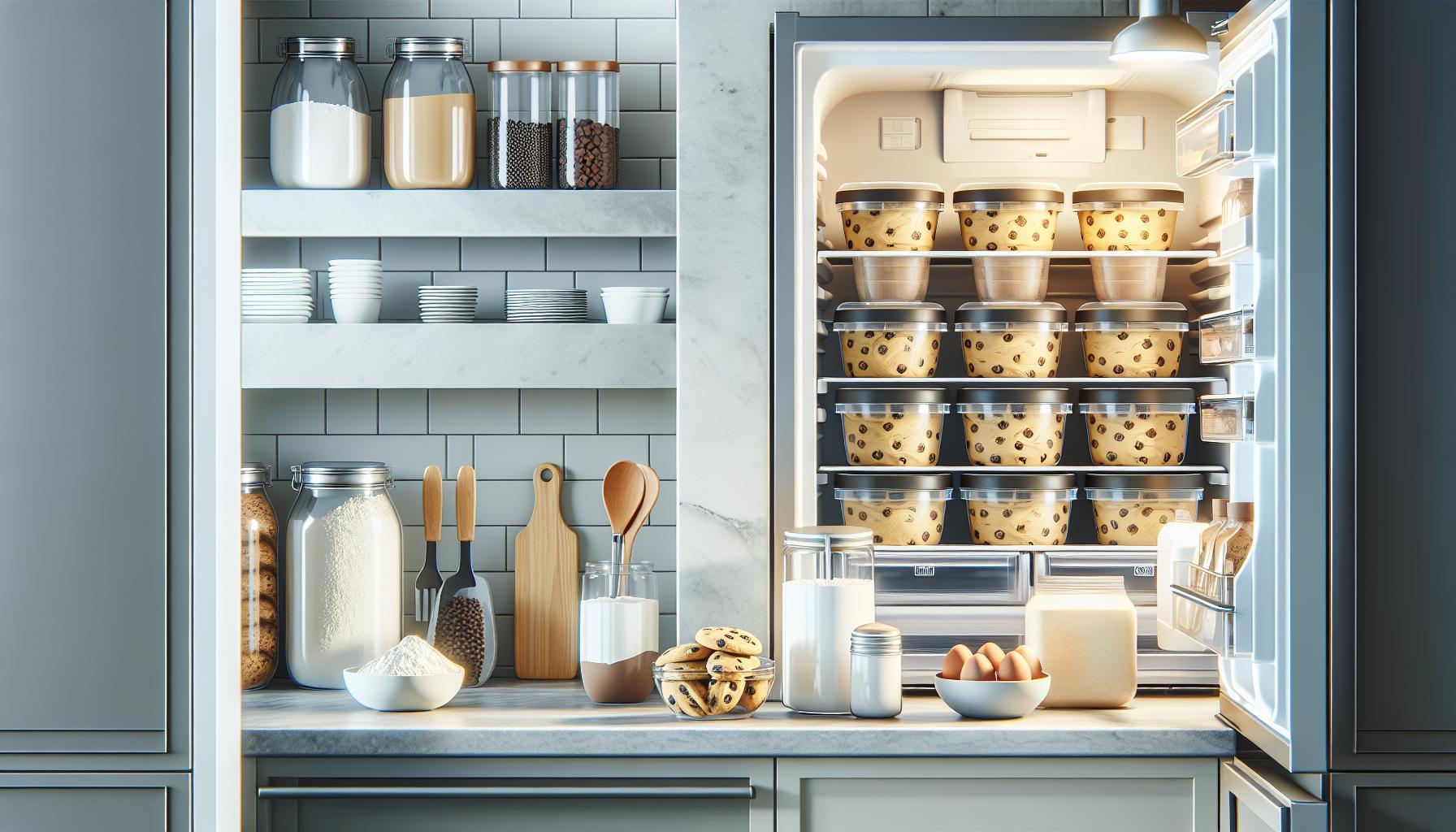

Have you ever craved warm, freshly-baked cookies but didn’t have time to whip up a batch from scratch? Knowing how long cookie dough lasts in the freezer can be a game-changer for your last-minute baking needs. Properly stored, cookie dough can remain safe and delicious for up to three months, allowing you to enjoy homemade treats whenever the craving strikes.
Understanding cookie dough storage not only prepares you for impromptu baking sessions but also ensures food safety. Keeping track of your dough’s freezer life helps prevent waste, letting you make the most out of your baking ingredients. Plus, with straightforward tips on how to freeze and thaw your dough effectively, you’ll be ready to satisfy your sweet tooth in no time. Dive into our guide to discover the best practices for storing cookie dough and enjoy the convenience of fresh-baked cookies anytime!
How Long Can You Store Cookie Dough in the Freezer?

Cookie dough is a versatile treasure in the kitchen, providing the option to bake fresh cookies at a moment’s notice. When it comes to long-term storage, freezing is your best bet. Cookie dough can typically be stored in the freezer for up to three months without significant loss of quality. After this period, while the dough may still be safe to eat, you might notice a decline in flavor and texture. To maximize freshness, use airtight containers or heavy-duty freezer bags, and remember to label and date your storage to keep track of how long it’s been frozen.
For optimal results, consider portioning your dough into individual servings before freezing. This way, you can easily bake just the amount you need without repeatedly thawing the entire batch. Additionally, wrapping the dough in plastic wrap before placing it in a freezer bag helps prevent freezer burn. If you find yourself with multiple types of cookie dough, store each variety separately to avoid flavor transfer. With the right practices, your frozen cookie dough can be a reliable ally for impromptu baking sessions, ready to turn into delectable treats whenever you’re in the mood.
Signs Your Cookie Dough is No Longer Good
It can be disheartening to discover that a batch of your beloved cookie dough is no longer suitable for baking. Recognizing the signs that your cookie dough has gone bad is crucial for both food safety and achieving the delicious results you expect. Here are some key indicators to help you determine if your stored cookie dough is still good to use.
First and foremost, pay attention to the smell of the dough. Fresh cookie dough has a sweet, rich aroma. If you detect any sour or off-putting odor, this is a clear sign that your dough has spoiled and should be discarded. Additionally, examine the texture. Cookie dough that has been well-stored should remain soft and pliable. If it appears dry, crumbly, or has developed a hard crust, these changes suggest that the dough may no longer produce quality cookies.
Visually inspecting your cookie dough can also reveal its condition. Look for any signs of freezer burn, which appears as white or grayish spots on the surface. This damage occurs when moisture escapes from the dough, diminishing texture and flavor. While cookie dough affected by freezer burn might still be safe to consume, the final baked product could be less enjoyable. If you notice any mold or unusual discoloration, it’s best to err on the side of caution and discard the dough.
Lastly, keeping track of storage times is essential. Cookie dough can last in the freezer for up to three months, but beyond that timeframe, even if it appears and smells fine, its quality may have declined significantly. Use a combination of your senses and best storage practices to ensure that your cookie dough remains a delightful pantry staple, ready to bake when the craving strikes.
Best Practices for Freezing Cookie Dough

When it comes to storing cookie dough for future baking, ensuring the best preservation methods will keep your dough fresh and ready for use. Proper freezing not only locks in flavors but also maintains texture, allowing you to bake delightful treats whenever the craving strikes.
Start by portioning your cookie dough into manageable sizes. This could mean scooping out dough into individual cookie portions or shaping it into logs. Using a cookie scoop can help create uniform shapes that bake evenly. Once portioned, wrap each piece tightly in plastic wrap or aluminum foil to prevent exposure to air, which can lead to freezer burn.
Next, place the wrapped cookie dough into an airtight container or resealable freezer bag. Squeeze out as much air as possible before sealing. Not only does this layer of protection help combat freezer burn, but it also keeps any strong odors from the freezer at bay, safeguarding the dough’s original flavor.
To keep track of your stored cookie dough, label the containers or bags with the date of freezing and the type of dough. Remember that cookie dough can typically be stored in the freezer for up to three months. After this time, quality may decline even if the dough remains safe to eat. Additionally, consider separating different types of dough to prevent flavor transfer, especially if you’re working with distinct flavors like peppermint or citrus.
Lastly, when dealing with specific ingredients like nuts or chocolate chips, consider whether they’ll retain their texture when frozen. In some cases, certain additions might alter the cookie’s final outcome. Keeping these practices in mind will help ensure that your cookie dough remains as delicious as the day you made it, ready to deliver freshly baked goodness at a moment’s notice.
How to Properly Thaw Frozen Cookie Dough
Thawing frozen cookie dough correctly can make a significant difference in the final baked product, ensuring that you maintain flavor and texture while also adhering to food safety guidelines. The key is to allow the dough to thaw gradually and safely to prevent any changes in its composition that could affect the bake.
One effective method for thawing cookie dough is to transfer it from the freezer to the refrigerator. Depending on the size of the dough portion-whether you have entire logs or individual cookie balls-the thawing time will vary. Typically, smaller dough balls will take about 30 minutes to 1 hour to thaw in the refrigerator, while larger amounts may require several hours or overnight. This method allows the dough to thaw slowly and evenly, preventing it from becoming too sticky or difficult to handle, thus retaining its original characteristics.
If you’re in a hurry and need to bake sooner, you can also thaw the cookie dough at room temperature. Place the wrapped dough on a plate and let it sit out for about 15 to 20 minutes for smaller portions, or up to 30 to 60 minutes for larger portions. Keep in mind that while this method is quicker, you should not leave the dough out for too long, as it can become too warm and potentially lead to an undesirable texture or bacterial growth if left out beyond the recommended time.
For some recipes-especially those that require chilled dough or specific texture conditions-it’s recommended to bake the cookies from frozen with slight adjustments to baking time. Preheat your oven as directed in the recipe, add a couple of extra minutes to the baking time, and enjoy a delightful treat with a freshly baked taste right from your frozen dough stash.
By applying these thawing techniques, you can ensure that your cookie dough remains perfectly prepared for baking whenever a craving strikes, allowing you to whip up delicious cookies in no time!
Using Frozen Cookie Dough for Baking Treats
When the craving for freshly baked cookies strikes, having frozen cookie dough on hand can be a game changer. Not only does it allow for quick baking, but it also offers the convenience of enjoying cookies with minimal effort and maximum flavor. The best part? Properly stored cookie dough can last in the freezer for up to three months, ensuring that a delightful cookie experience is always within reach.
One key to successful baking from frozen dough is understanding how to manage your baking time. If you choose to bake cookies directly from the freezer, there’s no need to thaw the dough first. Simply preheat your oven to the desired temperature listed in your recipe, and then add an additional 2 to 5 minutes to the baking time, depending on the size of your cookie dough portions. This slight adjustment compensates for the colder starting point of the dough and will yield equally delicious results.
Another valuable strategy is to portion out your cookie dough in advance. By rolling the dough into balls or shaping it as specified in your recipe before freezing, you maintain consistency in baking as well as portion control. Use a baking sheet to arrange the dough portions and flash freeze them for about an hour before transferring them into an airtight container or a freezer bag. This step prevents the dough from sticking together, allowing you to pull out just the right amount as needed.
Safety is a prime concern when it comes to using frozen cookie dough. Always ensure that your dough is tightly wrapped to avoid freezer burn, which can affect flavor and texture. If you notice any unusual discoloration or off-smells, it’s best to discard the dough. Following these tips not only maximizes the lifespan and quality of your stored cookie dough but also guarantees that each baking experience is as delightful as the last, enabling you to whip up delicious treats anytime the mood strikes.
Storage Tips for Different Types of Cookie Dough
To keep your cookie-making adventures stress-free and delightful, understanding how to store different types of cookie dough can make all the difference. Different recipes and ingredients can affect how long dough can last in the freezer and how best to preserve its quality. Whether it’s traditional cookie dough, cut-out dough for sugar cookies, or even gluten-free variations, each type has unique storage needs.
### Types of Cookie Dough and Their Storage Guidelines
- Traditional Cookie Dough: This classic dough can be stored in the freezer for up to three months. To maintain the best quality, wrap it tightly in plastic wrap and then place it in an airtight container or freezer bag. Always label with the type of cookie and the date frozen.
- Cut-Out Cookie Dough: For dough intended for rolled and cut cookies, such as sugar or gingerbread cookies, it is best to chill it before freezing. Wrap the dough in wax paper and then in plastic wrap to prevent it from absorbing odors. This type of dough can also last up to three months but benefits from being flattened into a disc before freezing for easier thawing later.
- Gluten-Free Cookie Dough: Gluten-free cookie dough is sensitive to moisture loss. Hence, it’s critical to ensure it is wrapped tightly in both plastic and aluminum foil. This dough can be kept for about two months in the freezer without significant loss of quality.
- Cookie Dough with Add-Ins: Doughs that contain high moisture ingredients like fruit or sticky sweets may need special attention. These should be frozen for a shorter time, typically around one to two months, as moisture can affect texture and taste. Again, ensure it is tightly wrapped to prevent freezer burn.
### Best Practices for Efficient Dough Storage
Using a dedicated cookie dough storage label or color code system can also streamline your baking experience. For example, place a small piece of tape on your container with the type of cookie and the date you froze it. This practice will help you keep track of your dough and ensure you’re using it while it’s still fresh.
When ready to use any type of frozen cookie dough, allow it to thaw in the refrigerator overnight for optimal results. This gradual thawing process helps the dough regain its original texture, leading to delicious cookies. If you’re short on time, let it sit at room temperature for about 30 minutes before baking. Always check for any signs of freezer burn or unusual smells before using, as these are indicators that the dough may have lost its quality.
Can You Refreeze Cookie Dough?
While it may be tempting to refreeze cookie dough to prevent waste, it’s essential to proceed with caution. Each cycle of freezing and thawing alters the dough’s texture and can lead to diminished quality. If you have thawed cookie dough, it is generally safe to refreeze it as long as it has been stored in the refrigerator and has not been left at room temperature for more than two hours. This guideline ensures that the dough remains safe from harmful bacteria that can multiply in warm conditions.
Before refreezing, inspect the dough for any signs of freezer burn or spoilage, such as unusual odors or discoloration. If the dough shows any of these signs, it is advisable to discard it rather than risk compromising your baked goods. When ready to refreeze, wrap the dough tightly in plastic wrap to minimize exposure to air. Place it in an airtight container or freezer bag, and label it with the date and type of cookie.
Bear in mind that repeated freezing can affect the dough’s consistency, leading to cookies that are less enjoyable once baked. For optimal results, try to freeze cookie dough only once. If you anticipate the need for multiple batches of cookies, consider portioning the dough into smaller amounts before freezing. This strategy allows you to thaw just what you need, maintaining the quality of the remaining dough for future use.
Freezing Cookie Dough: Safety and Guidelines
Freezing cookie dough is a convenient way to ensure fresh-baked cookies are just moments away whenever the craving strikes. However, following proper safety and storage guidelines is crucial to maintain the dough’s quality and ensure food safety. When correctly frozen, cookie dough can last up to three months, allowing you to always have a stash ready for baking.
To ensure food safety, always start with clean utensils and containers. Before freezing, portion the dough into individual cookie sizes. This practice not only speeds up baking time but allows for flexibility, letting you bake just what you need. Wrap each portion tightly in plastic wrap or place them in an airtight freezer bag. Remove as much air as possible to prevent freezer burn, a common issue that can compromise flavor and texture.
Monitoring temperatures is equally important. Make sure your freezer is set to 0°F (-18°C) or colder. If you’re unsure how long the dough has been in the freezer, check for signs of freezer burn, such as icy patches or off-putting odors. If you notice these changes, it’s best to discard the dough to avoid any unpleasant surprises when baking. Remember, the key to delicious cookies from frozen dough lies in proper freezing techniques and clear labels-mark the date and type of dough so you can easily keep track of your inventory and avoid any confusion later on.
By following these simple steps and storing cookie dough correctly, you can enjoy the sweet satisfaction of fresh cookies anytime without risking food safety or quality. Always prioritize cleanliness and proper storage to ensure there are no surprises, just deliciousness every time you bake.
Creative Ways to Use Leftover Cookie Dough
Leftover cookie dough is not just an inconvenience; it’s an opportunity to get creative in the kitchen! With a few innovative ideas, you can turn surplus dough into delicious treats that extend beyond traditional cookies. Here are some exciting ways to repurpose that extra cookie dough:
One of the simplest methods to use leftover cookie dough is to transform it into a variety of baked goods. For instance, shape your cookie dough into small balls and bake them as is for different cookie shapes and styles. You can jazz things up by adding mix-ins such as nuts, chocolate chips, or dried fruits to create a new flavor profile. Additionally, press the dough into a baking pan and cut it into bars after baking-this not only makes for quick snacks but also allows for better portion control and easy on-the-go options.
Consider incorporating your cookie dough into other desserts. You can crumble baked cookie dough over ice cream for a delectable topping or fold small chunks of the dough into brownie batter for a delightful indulgence. Cookie dough can also be molded and frozen on its own, serving as a sweet treat that can be popped straight into the oven from the freezer when you need a quick dessert.
If you’re feeling adventurous, try using cookie dough as a crust. Press the dough into a pie or tart pan, bake it first, and then fill it with your favorite custard or cheesecake mixture. This creates a unique dessert that combines the best of both worlds-cookie and pie! Further, you could create stuffed pastries by wrapping cookie dough around various fillings like fruit preserves or chocolate, then baking them for delightful treats.
Finally, remember the classic choice of making cookie dough bites. Simply roll your leftover dough into small balls, refrigerate or freeze them until set, and enjoy them raw or dipped in chocolate for a fun snack. These options not only minimize waste but also maximize flavor, ensuring that every bit of that delicious dough finds a way to tantalize your taste buds.
Storing Cookie Dough in the Fridge vs. Freezer
Storing cookie dough properly is key to maintaining its quality and ensuring delicious results when you’re ready to bake. The choice between refrigerating and freezing can significantly impact the dough’s longevity and texture. Cookie dough can be safely stored in the refrigerator for up to three days, but for longer storage, freezing is the preferred method.
When you refrigerate cookie dough, it can develop better flavors due to the resting time, as the ingredients have time to meld together. Just ensure you wrap it tightly in plastic wrap or place it in an airtight container to prevent it from absorbing odors and to maintain moisture. Keep in mind that dough stored in the fridge may become a bit firmer, so you might want to let it sit at room temperature for a short time before baking to make scooping easier.
On the other hand, freezing cookie dough is ideal for longer storage-up to three months without compromising flavor or texture. To freeze, portion the dough into balls or shape it as a log and wrap it securely in plastic wrap, followed by a layer of aluminum foil or a freezer-safe bag to prevent freezer burn. Label with the date and type of dough for easy identification later. When you’re ready to bake, you can bake the dough straight from the freezer; just allow a couple of extra minutes of baking time.
In conclusion, the decision to refrigerate or freeze depends on when you plan to bake. For immediate baking, refrigerating works well, while freezing is excellent for planning ahead. Regardless of your method, ensuring good storage practices will help you enjoy freshly baked cookies whenever the craving strikes!
FAQ
Q: How can I tell if my frozen cookie dough is still good?
A: To determine if your frozen cookie dough is still good, check for any off-smells, discoloration, or freezer burn. If it smells bad or has an unusual appearance, it’s best to discard it. Ensure you store cookie dough in airtight containers to maintain quality.
Q: Can I bake cookie dough straight from the freezer?
A: Yes, you can bake cookie dough straight from the freezer. Just add a few extra minutes to the baking time for best results. This ensures the cookies are evenly baked without compromising their shape or texture.
Q: How long can cookie dough sit at room temperature before baking?
A: Cookie dough can safely sit at room temperature for about 30 minutes before it becomes a safety concern. If left out longer, bacteria can grow, especially in dough containing eggs or dairy.
Q: What is the best way to freeze cookie dough?
A: The best way to freeze cookie dough is to scoop portions onto a baking sheet, freeze until solid, then transfer to an airtight container or freezer bag. Label with the date for easy reference and optimal storage longevity.
Q: Can I mix different types of cookie dough in the same container?
A: It’s not recommended to mix different types of cookie dough in the same container, as they may have different cooking times or baking requirements, leading to inconsistent results. Store each variety separately to maintain quality.
Q: What happens if cookie dough is frozen for too long?
A: If cookie dough is frozen for too long, it may lose its flavor and texture, potentially leading to freezer burn. Aim to use frozen cookie dough within three months for the best taste and quality.
Q: Is it safe to eat raw cookie dough made from frozen dough?
A: Eating raw cookie dough made from frozen dough poses a risk due to raw eggs and flour. If you’d like to enjoy raw cookie dough, consider using heat-treated flour and egg substitutes designed for raw consumption.
Q: How can I store leftover cookie dough?
A: Leftover cookie dough should be wrapped tightly in plastic wrap or placed in an airtight container. Refrigerate for short-term storage (up to a week) or freeze for long-term storage (up to three months) for future baking.
Wrapping Up
Now that you know how long cookie dough lasts in the freezer, you can enjoy fresh-baked cookies anytime you crave them! Remember, to ensure optimal freshness and flavor, aim to use frozen cookie dough within three months. Don’t miss out on the joy of homemade treats-consider organizing your freezer and labeling dough for easy access. If you’re eager for more baking tips, check out our guide on essential baking tools and explore delicious cookie recipes that are perfect for any occasion.
Looking for ways to make your baking even more efficient? Sign up for our newsletter for exclusive recipes and storage strategies straight to your inbox. Share your favorite cookie dough experiences in the comments below, and let us know what other topics you’d like us to cover! Your perfect batch of cookies awaits-get baking today!