Quiche is a beloved dish that combines a rich, custardy filling with a flaky crust, making it perfect for any meal, especially brunch. However, it’s important to know how long quiche lasts in the fridge to ensure food safety and maximize flavor. Many home cooks wonder if that leftover slice is still good to eat or if it’s safer to toss it out.
Understanding the shelf life of quiche not only helps you reduce food waste but also ensures that you and your guests enjoy the best possible flavor and texture. In this guide, we’ll explore how long quiche remains fresh in the fridge, as well as tips for safe storage and reheating. So, whether you’re planning a weekend brunch or simply enjoying leftovers, you’ll be well-equipped to make informed decisions and enjoy every bite.
How Long Can Quiche Stay Fresh?
Quiche, a delightful savory dish, is not only a versatile meal choice but also one that can last for a reasonable amount of time when properly stored. Generally, quiche can remain fresh in the refrigerator for about 3 to 4 days. This timeframe is ideal for maintaining its flavor and texture, allowing you to enjoy it without concerns about spoilage. If you’re preparing a quiche in advance for brunch, lunch, or dinner, knowing this window can help you plan effectively without waste.
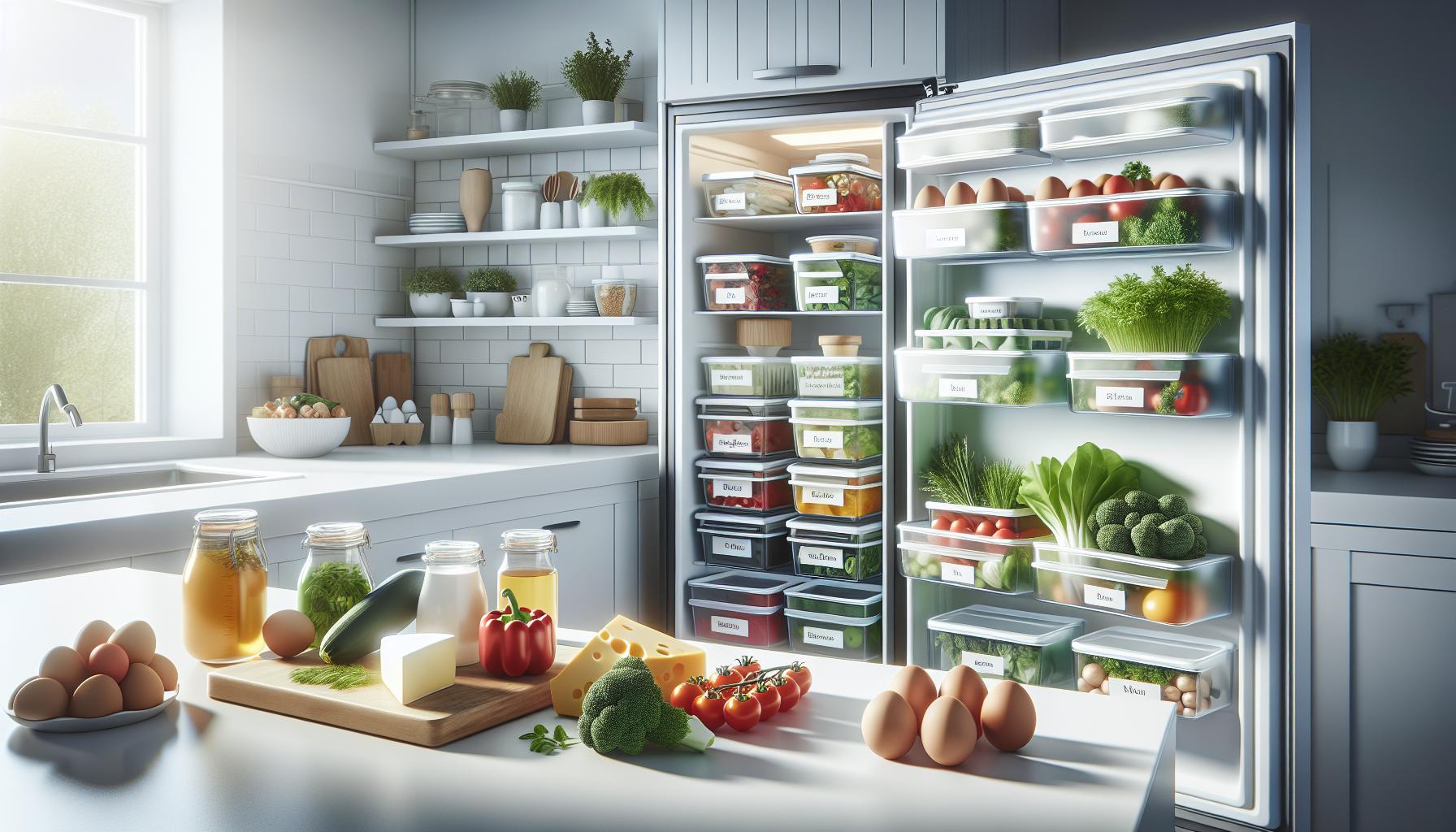
When storing quiche, it’s essential to let it cool to room temperature before placing it in the refrigerator. Use an airtight container or cover it tightly with plastic wrap or aluminum foil to prevent exposure to air, which can dry out the crust and affect the overall quality. Additionally, placing it on a shelf instead of the door can help maintain a more consistent temperature.
Over time, several factors may influence how long your quiche stays fresh. Ingredients, for instance, play a significant role. Quiches loaded with fresh vegetables might not last as long as those made with heartier ingredients like meats or cheeses. Always trust your senses; if a quiche exhibits any off odors, discoloration, or an unusual texture, it’s best to err on the side of caution and discard it.
Understanding Quiche Storage Guidelines
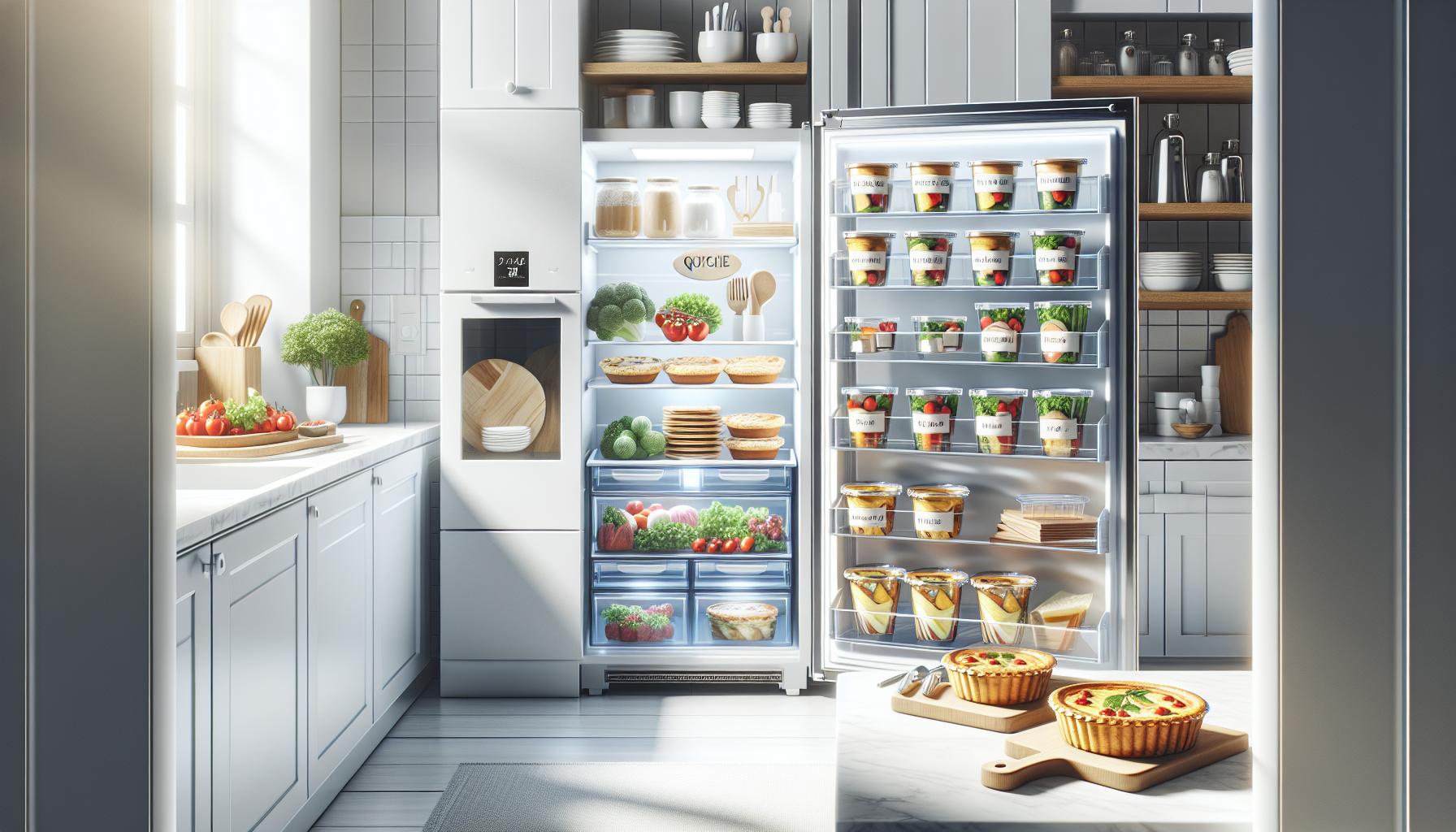
Storing quiche properly is essential to preserving its freshness and delicious flavor. The key to maintaining quiche quality is understanding the right storage methods and conditions. Here’s a comprehensive guide to ensure your quiche remains enjoyable for as long as possible.
To start, always allow your quiche to cool to room temperature before refrigeration. This step is crucial as placing hot food directly into the fridge can raise the interior temperature and potentially spoil other foods. Once cooled, you should store your quiche in an airtight container or wrap it tightly with plastic wrap or aluminum foil. This prevents air exposure, which can dry out the crust and diminish the overall texture and taste.
Storage Duration
Generally, quiche can stay fresh in the refrigerator for about 3 to 4 days. To streamline your meal planning, consider how your quiche ingredients might affect this timeframe. Quiches filled with sturdier ingredients like cheeses and meats often have a longer shelf life compared to those packed with delicate vegetables, which may spoil more quickly. For instance, a quiche loaded with spinach might only last a couple of days, while a bacon and cheese quiche could remain safe to eat for up to four days.
Best Practices for Safe Storage
To keep your quiche at its best:
- Store quiche on a shelf rather than the door to keep it at a consistent temperature.
- Label your quiche with the date it was made so you can easily track its freshness.
- Check your fridge’s temperature to ensure it stays below 40°F (4°C).
If you want to keep quiche longer than a few days, freezing is a viable option. It can maintain quality for about 2 to 3 months in the freezer when wrapped tightly. Defrost it in the refrigerator before reheating to enjoy its full flavor and texture nearly as fresh as when it was first baked.
By adhering to these guidelines, you can ensure your quiche remains a delightful and safe option for meals throughout the week.
Factors That Affect Quiche Shelf Life

The freshness of quiche is not solely defined by how it’s stored but is significantly influenced by a variety of factors including ingredients, preparation methods, and environmental conditions. Understanding these elements can help you make informed choices about when to enjoy your quiche and when to discard it to ensure food safety and quality.
One primary factor is the type of filling used in the quiche. Quiches that are loaded with hearty ingredients like meats and aged cheeses generally last longer than those filled with delicate vegetables or seafood. For instance, a classic quiche Lorraine, rich in eggs and cheese, can maintain its quality for four days in the fridge, while a vegetable quiche, particularly one with spinach or mushrooms, may only stay fresh for about two days due to the moisture content absorbed by these ingredients, which tends to spoil quicker.
The temperature at which quiche is stored also plays a crucial role in its shelf life. Keeping your refrigerator consistently below 40°F (4°C) is essential to prevent the growth of harmful bacteria. Fluctuating temperatures caused by frequent opening of the fridge or storing food in the door can lead to quicker spoilage. Additionally, how the quiche is stored-whether tightly wrapped in plastic wrap or aluminum foil or placed in an airtight container-can affect moisture retention and staleness. Properly sealing your quiche helps minimize air exposure, which is vital for maintaining freshness and texture.
Lastly, preparation methods and the use of preservatives can also impact how long your quiche lasts. If you’re using homemade crust versus a store-bought version might affect not only taste but also the quiche’s longevity. Homemade ingredients, while fresher, often lack preservatives and can spoil faster, so one must pay attention to the length of time they keep such items. By understanding these factors, you can not only enjoy delicious quiche but also ensure its safety and freshness during storage.
Signs Your Quiche Has Spoiled
Determining whether your quiche is still safe to eat requires vigilance and knowledge of spoilage signs. While enjoying this delicious dish for brunch or dinner, you should always keep an eye out for changes that indicate it has reached its expiration date. One of the most prominent signs is a change in appearance; if you notice any discoloration, particularly a darkening or browning of the filling, it could be a warning that bacterial growth has begun.
Another critical indicator is odor. Fresh quiche typically has a savory, pleasant aroma, depending on its ingredients. If you detect a sour or off smell, it’s best to discard it immediately. The texture is also telling; if your quiche has become unusually slimy, separated, or exhibits signs of excessive moisture, this indicates that the ingredients are breaking down and it’s likely spoiled.
Lastly, consider the time frame since preparation. Quiches with delicate fillings, such as fresh vegetables, should only be consumed within two days when stored properly, while richer varieties can last up to four days. If you’re ever in doubt, it’s prudent to err on the side of caution. Discard any quiche that exhibits any of the above signs, especially if it’s been stored for longer than its recommended shelf life. Following these guidelines ensures that you enjoy your quiche safely and deliciously.
Tips for Properly Storing Quiche
Properly storing quiche can significantly extend its freshness and ensure that every slice is just as delightful as the first. To maintain the quality of your quiche, it’s essential to employ a few straightforward techniques, focusing on temperature, containment, and environment. By following these tips, you can better enjoy your quiche, whether it’s a breakfast staple or a centerpiece for brunch.
To start, always allow your quiche to cool completely at room temperature before storing it. This helps prevent condensation from forming, which can lead to a soggy crust. Once it’s cooled, wrap the quiche tightly in plastic wrap or aluminum foil, or place it in an airtight container. This limits exposure to air, which can lead to drying out or off-flavors. If you plan to keep it for a longer period, it’s wise to slice the quiche beforehand; this allows for easier reheating later on.
Refrigeration Tips
Ensure that your refrigerator is set to a temperature of 40°F (4°C) or lower, as this is the optimal environment for preserving the freshness of perishable foods. When stored correctly, quiche can last up to four days in the fridge. Always store the quiche on a middle shelf rather than in the door; the temperature may fluctuate more in the door, resulting in quicker spoilage.
Freezing for Extended Freshness
If you want to keep quiche for even longer, consider freezing it. A properly wrapped quiche can be frozen for up to three months. To freeze, wrap it in plastic wrap and then aluminum foil or place it in a freezer-safe container. Label and date your quiche to keep track of its storage time. When you’re ready to enjoy it, thaw in the refrigerator overnight before reheating-this will help retain its texture and flavor.
By following these straightforward steps for storing quiche, you can ensure that it remains delicious and safe to eat, helping you savor every bite of this exquisite dish.
Freezing Quiche for Long-Term Storage
Freezing quiche is an excellent solution for making this delightful dish last much longer, allowing you to enjoy its rich flavors even weeks after preparation. Whether you have leftovers from a brunch gathering or you’ve made a batch ahead for a busy week, knowing how to freeze quiche properly can ensure you retain its appealing texture and taste.
To start the freezing process, allow your quiche to cool completely at room temperature. This step is crucial as it helps prevent condensation from forming inside the packaging, which can lead to a soggy crust upon defrosting. Once cooled, wrap the quiche tightly in plastic wrap, ensuring there are no air pockets. For additional protection against freezer burn, follow this with a layer of aluminum foil. Alternatively, you can also place the wrapped quiche in an airtight freezer-safe container, making sure to press out any excess air before sealing.
Storage Timeframe
A properly stored quiche can last in the freezer for up to three months. To avoid any mix-ups, be sure to label your quiche with the date of freezing. This simple act helps you keep track of its freshness and ensures you consume it within the ideal time frame.
Defrosting and Reheating
When you’re ready to enjoy your frozen quiche, the best method is to transfer it from the freezer to the refrigerator the night before you plan to eat it. This gentle thawing process keeps the quiche moist and helps maintain its structure. Once thawed, you can reheat the quiche in an oven preheated to 350°F (175°C) for about 20 to 30 minutes, or until heated through. This method not only warms it up but also helps restore the crispness of the crust, making for a delicious meal once again.
By following these guidelines, you can savor the delightful taste of your quiche long after the initial baking, ensuring that every bite remains just as enjoyable as when it first came out of the oven.
Reheating Quiche: Best Practices
To ensure your quiche retains its delightful flavors and texture after being stored, reheating it properly is key. Reheating not only brings life back to the dish but also helps to eliminate any unpleasant coldness and sogginess that can occur when foods are stored. The best method for reheating quiche combines gentle warmth with sufficient time to heat through, ensuring that the custard filling and the crust regain their desired consistency.
Start by preheating your oven to 350°F (175°C). This temperature is ideal for evenly warming the quiche without causing the crust to burn or become overly dry. If your quiche was frozen, allow it to thaw in the refrigerator overnight for best results. Once your quiche is thawed and the oven is ready, place the quiche directly on the oven rack or use a baking sheet for easier handling. Heat it for about 20 to 30 minutes, checking periodically to make sure it’s heating evenly. If the top is browning too quickly, you can cover it lightly with aluminum foil.
To further enhance the reheating process, consider adding a splash of milk or cream to the filling before reheating. This can help maintain the creaminess of the custard. When reheated, the quiche should be heated through to a minimum internal temperature of 165°F (74°C) to ensure safety and enjoyment. Use a food thermometer to check if you’re unsure.
Following these practices not only helps you enjoy your leftover quiche at its best but also ensures that it’s safe to eat. With the right technique, you can relish every bite just as much as when it was freshly baked, making quiche a convenient and delectable option for any meal.
Creative Ways to Use Leftover Quiche
Leftover quiche can be a delightful resource for creating new meals and snacks that excite the palate. Instead of simply reheating and serving your quiche again, here are some creative avenues for transforming your delicious leftovers into fresh and innovative dishes that can be enjoyed throughout the week.
One of the simplest and most effective ways to use leftover quiche is as a filling for a savory breakfast burrito or wrap. Cut the quiche into small, flexible pieces, and combine it with scrambled eggs, cheese, and fresh vegetables like spinach or tomatoes. Wrap the mixture in a tortilla, and you can reheat it for a quick breakfast on the go. This not only revamps your quiche but also adds new textures and flavors, turning a single leftover dish into an entirely different meal.
- Quiche Salad: Chop your leftover quiche into bite-sized squares and toss it with mixed greens, cherry tomatoes, and a zesty vinaigrette. The warm quiche will make the salad extra comforting, providing a wonderful contrast to the crisp vegetables.
- Quiche Soup: Blend diced quiche with some broth and fresh herbs for a creamy soup. Just heat until warm, and you’ll have a cozy dish perfect for lunch or a light dinner.
- Quiche Sliders: Use small pieces of your quiche as a filling for sliders. Pair it with mini buns, add some lettuce and your favorite sauces, and you’ve got a fun, party-ready appetizer.
Additionally, quiche can be transformed into a savory frittata. Simply beat a few eggs and pour them over pieces of your quiche in a skillet. Cook on low heat until set, then finish in the oven to create a delightful frittata that incorporates all the flavors of the original dish while introducing a new cooking technique.
For those who love incorporating leftovers into baked dishes, consider layering crumbled quiche with pasta and cheese in a casserole. This method not only stretches the flavors of your quiche but also allows for customization. You can throw in some extra veggies or proteins, elevating a simple leftover into a hearty main dish.
Exploring these creative ways to repurpose your leftover quiche ensures minimal waste while maximizing flavor and variety in your meals. By thinking outside the box, you can transform one dish into several during a busy week, making planning meals easier and more enjoyable.
Nutritional Value of Quiche: What to Know
Quiche is not only a versatile and delicious dish but also packs a noteworthy nutritional profile that can fit into a balanced diet. Made primarily from eggs, cream, and various fillings such as vegetables, meats, or cheeses, quiche can provide essential nutrients. A typical slice of a vegetable quiche can be a good source of protein, delivering about 8-12 grams per serving, largely coming from the eggs and any cheese added. Eggs are known for their high biological value, meaning they contain all the essential amino acids your body needs for growth and repair.
When considering the calorie content of quiche, most varieties contain approximately 200 to 400 calories per slice, depending largely on the ingredients and size of the serving. If you’re mindful of your fat intake, note that the cream and cheese can contribute saturated fats, but they also provide calcium and vitamins A and D. For a healthier twist, quiches can be made with more vegetables or by using alternatives like low-fat milk or Greek yogurt, maintaining creaminess without excessive calories.
Choosing Healthier Options
Focus on incorporating nutrient-dense ingredients into your quiche. Using whole-grain crusts or opting for crustless versions can help reduce calories and increase fiber content. Filling your quiche with leafy greens, such as spinach or kale, along with other colorful vegetables, adds a variety of vitamins and minerals. Moreover, using lean meats like turkey or chicken instead of higher-fat options can enhance the protein content while reducing overall fat.
If you are looking to enhance the nutrient profile of your quiche further, consider adding herbs and spices, which not only boost flavor but also offer additional antioxidants and anti-inflammatory properties. Basil, thyme, and rosemary are excellent choices, while adding a touch of garlic can benefit heart health and provide flavor without extra calories.
By understanding the nutritional value and potential health benefits of quiche, you can enjoy this classic dish while making informed choices that fit your dietary needs and preferences. The key lies in balancing the rich, indulgent ingredients with lighter, nutrient-rich components to create a meal that satisfies both taste and health goals.
Common Mistakes in Quiche Storage
One of the most common errors people make when storing quiche is not allowing it to cool completely before refrigerating it. Placing a hot quiche directly into the fridge can create condensation, leading to sogginess and spoiling the delicate texture. It’s best to let the quiche sit at room temperature for at least 30 minutes after baking, allowing it to cool and firm up. This simple step not only helps maintain its integrity but also prolongs shelf life by preventing moisture buildup.
Another frequent mistake is using inadequate or improper storage containers. Air-tight containers are crucial for quiche storage, as they prevent air exposure that can lead to dry edges and off-flavors. If you’re storing a slice or two, wrap them tightly in plastic wrap or aluminum foil before placing them in an airtight container. Additionally, consider labeling your containers with the date to track how long the quiche has been stored, ensuring you consume it within the safe timeframe.
Not accounting for the ingredients used is another pitfall. Quiches made with dairy or meat can spoil faster than those made predominantly with vegetables. If a quiche contains perishable ingredients, it should be consumed within 3 to 4 days in the refrigerator. For long-term storage, freezing is a suitable option that can extend its life significantly, making it essential to know which ingredients will impact the quiche’s freshness most.
Finally, ignoring the signs of spoilage can lead to food safety issues. Always check for visual changes, such as discoloration or a sour smell, before consuming refrigerated quiche. These indicators are often clear signals that something has gone awry. By avoiding these common storage mistakes, you can enjoy your quiche safely, preserving the dish’s delightful flavors and textures over time.
Perfect Quiche Recipes for Any Occasion
A perfectly crafted quiche is not just a dish; it’s an experience that can elevate any meal, from brunch gatherings to weekday dinners. Combining a rich, creamy filling with a flaky crust, quiches can be customized with an endless variety of flavorful ingredients, making them suitable for any occasion-whether you’re hosting a festive brunch or looking for a comforting dinner option. Here are some standout quiche recipes to impress your guests or brighten up your family meals.
Classic Quiche Lorraine
This timeless quiche is a crowd-pleaser, featuring crispy bacon and rich Swiss cheese enveloped in a creamy custard. To make it, simply line a pie dish with a flaky pie crust, layer in the cooked bacon, sprinkle with Swiss cheese, and pour a mixture of eggs, cream, and seasonings over the top. Bake until set for a savory delight that pairs wonderfully with a side salad.
Spinach and Feta Quiche
For a nutritious twist, try a spinach and feta quiche. Sauté fresh spinach with garlic until wilted and combine it with crumbled feta cheese. Add this mixture to your prepared crust, then pour a custard of eggs and milk over it, seasoned with nutmeg and black pepper. This quiche showcases vibrant flavors and can be served warm or at room temperature, making it ideal for brunch or lunch.
Crab and Asparagus Quiche
Elevate your quiche game by incorporating seafood with a crab and asparagus recipe. Start with a buttery crust, fill it with blanched asparagus spears and lump crab meat, then pour in a custard made from eggs, cream, and Old Bay seasoning for that quintessential crab flavor. This elegant quiche can be a standout dish for special occasions or gatherings.
Vegetable Medley Quiche
If you’re looking for a vegetarian option, a vegetable medley quiche can do the trick. Use a mix of seasonal vegetables like bell peppers, zucchini, and fresh herbs. Sauté the veggies before adding them to the crust and pouring the egg mixture on top. This dish not only showcases colorful veggies but also invites creativity-feel free to swap in your favorites!
Whether you’re indulging in a classic or experimenting with unique ingredients, quiche offers versatility that fits any occasion. When paired with the right sides, like a fresh green salad or a fruit platter, you can create a delightful and balanced meal that this beloved dish deserves. Enjoy the process of crafting your perfect quiche and savor every bite, knowing that it’s a dish meant to be shared and enjoyed.
Enhancing Your Brunch Experience with Quiche
Quiche brings a delightful touch to brunch that transforms an ordinary gathering into a memorable culinary experience. Its versatility allows for endless combinations of flavors and ingredients, making it easy to cater to diverse tastes. When hosting a brunch, consider complementing your quiche selections with various sides and beverages that enhance the overall dining experience.
To elevate your brunch spread, you might include a selection of fresh fruits, such as berries or citrus slices, which add a vibrant contrast to the richness of the quiche. A light, zesty salad with arugula, goat cheese, and a lemon vinaigrette can provide a refreshing counterbalance, ensuring guests have a variety of textures and flavors to enjoy. For beverage options, fresh-squeezed juices, mimosas, or a selection of teas can elevate the meal, making it feel more festive and special.
When planning your brunch, it’s important to consider the quiche’s storage and freshness to ensure maximum flavor and safety. Properly stored, quiche can last up to 3-4 days in the refrigerator. If you plan to make it ahead of time, wrap it tightly in plastic wrap or foil to prevent drying out. If you have leftovers, you can easily reheat them in the oven or microwave, making it convenient when hosting larger gatherings.
Remember, quiche isn’t just about satisfying hunger; it’s also about creating an inviting atmosphere. By thoughtfully selecting accompaniments and presenting your dishes appealingly, you invite your guests to indulge in a shared experience that’s as enjoyable as it is delicious. Whether it’s a classic Quiche Lorraine or a veggie-packed medley, your brunch can become a celebration of flavors and camaraderie.
FAQ
Q: How long can quiche sit out at room temperature?
A: Quiche should not sit out at room temperature for more than two hours. After this time, harmful bacteria may grow, making it unsafe to eat. Always refrigerate leftovers promptly to ensure food safety.
Q: Can you eat quiche after the expiration date?
A: It’s not advisable to eat quiche after its expiration date. Even if it appears normal, the quality and safety can be compromised. Always check for signs of spoilage before consuming, such as changes in smell or texture.
Q: How should quiche be stored in the fridge?
A: Store quiche in an airtight container or tightly wrapped with plastic wrap to prevent exposure to air and moisture. This helps maintain its freshness and prevents contamination from other foods in the fridge.
Q: Can you freeze cooked quiche?
A: Yes, cooked quiche freezes well. Allow it to cool completely, then wrap tightly in plastic wrap followed by aluminum foil, or place it in a freezer-safe container. It can last up to three months in the freezer.
Q: How do you know if quiche has gone bad?
A: Signs that quiche has spoiled include an off smell, discoloration, a slimy film on the surface, or a change in texture. If you notice any of these, it’s best to discard it to avoid food poisoning.
Q: Is it safe to reheat quiche?
A: Yes, reheating quiche is safe as long as it was stored correctly. Reheat it in the oven at 350°F for about 15-20 minutes or until heated through. This ensures it reaches the proper temperature to eliminate any bacteria.
Q: Can quiche be made ahead of time for brunch?
A: Absolutely! Quiche can be prepared a day in advance, baked, and then refrigerated. When ready to serve, you can reheat it or serve it cold, making it a perfect option for brunch gatherings.
Q: How long does homemade quiche last in the fridge compared to store-bought?
A: Homemade quiche can last 3 to 4 days in the fridge if stored properly, while store-bought quiche may last up to about 5 days due to preservatives. Always check the packaging for specific shelf life recommendations.
Concluding Remarks
Now that you know how long quiche can last in the fridge, it’s time to enjoy your perfect brunch worry-free. Remember, for the best quality, consume your quiche within 3-4 days after cooking. If you have leftovers, store them properly in an airtight container to maintain freshness. Interested in exploring delicious variations? Check out our top quiche recipes for ideas that will elevate your brunch game even further. Also, don’t miss our tips on freezing quiche for later enjoyment-an excellent way to savor your favorite dish anytime!
If you found this guide helpful, share your thoughts in the comments below or sign up for our newsletter to receive more expert tips and recipes directly to your inbox. Curious about food storage safety or other culinary delights? Delve into our related articles and enhance your cooking skills today! Keep experimenting and creating delightful meals that everyone will love.