
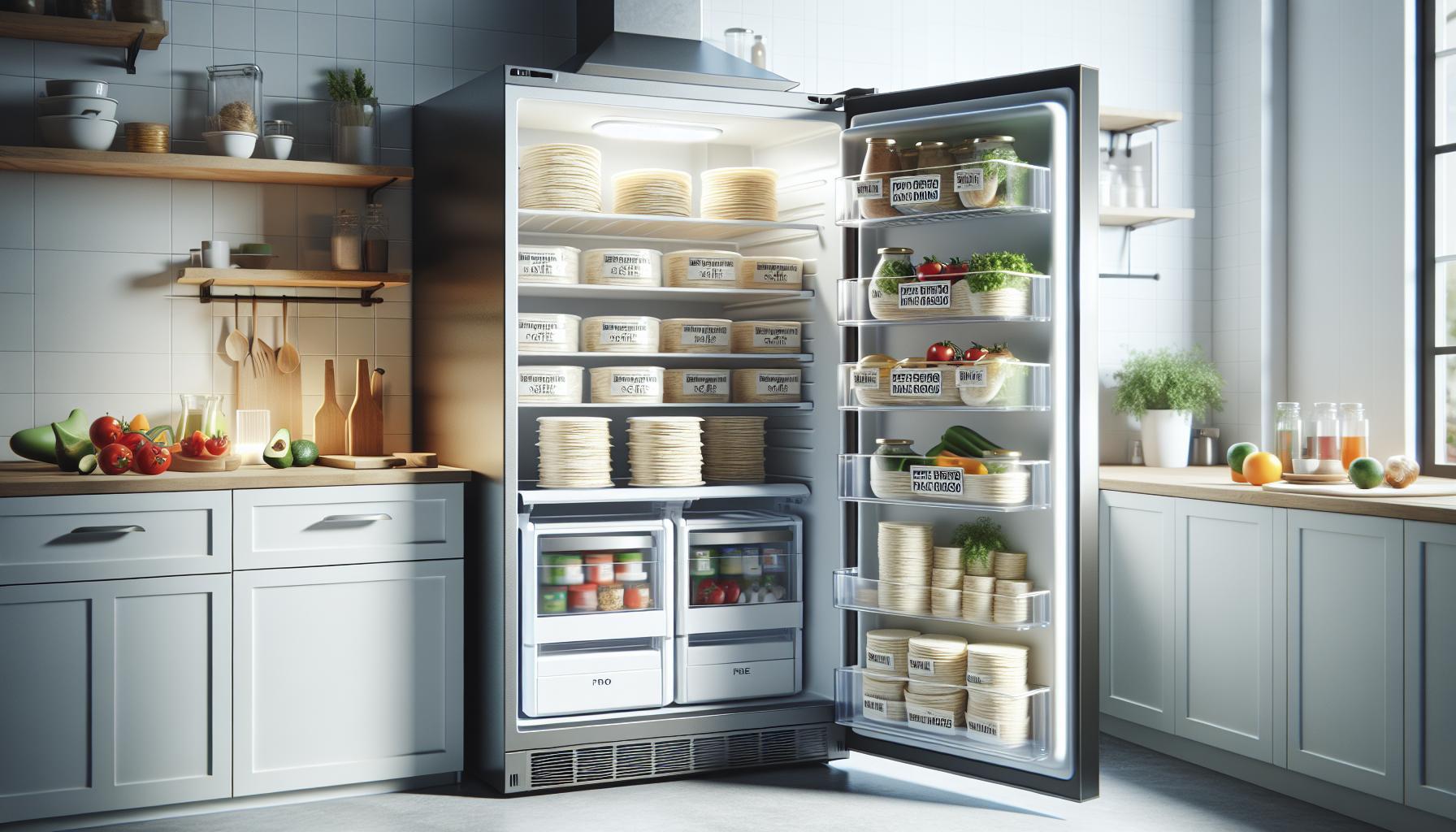

Did you know that proper storage can significantly extend the life of your tortillas, keeping them soft and tasty longer? Whether you’re a taco aficionado or a burrito lover, the freshness of your tortillas can make or break a meal. Understanding how long tortillas last in the fridge and the best practices for storing them is essential for anyone looking to enjoy these versatile staples without waste.
With just a few simple guidelines, you can ensure that your tortillas maintain their flavor and texture, ready for your next culinary creation. From the right way to wrap them up to knowing how long you can keep them in the fridge, this article will equip you with the knowledge you need to keep your tortillas at their best. Dive in to discover how to master tortilla storage and elevate your meals!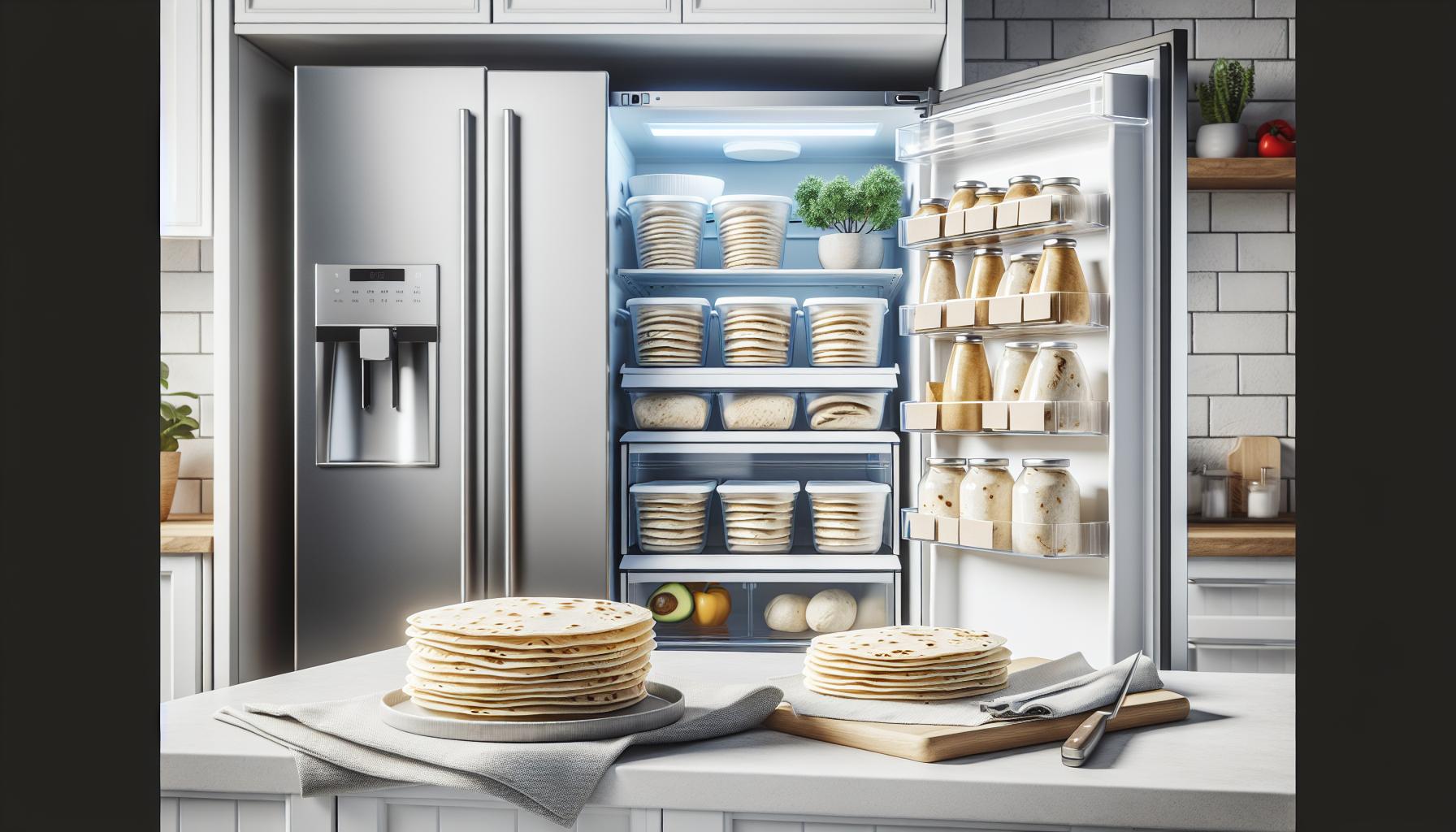
How Long Do Tortillas Last in the Fridge?
Tortillas are a staple in many households, but knowing how long they last in the fridge can help you avoid waste and enhance your culinary experience. When stored properly, tortillas can remain fresh and safe to eat for about a month in the refrigerator. This extended shelf life is particularly beneficial for those who may not use tortillas frequently or want to stock up for future meals.
To maximize freshness, be sure to keep tortillas in their original packaging if it’s unopened. Once opened, transferring them to an airtight container or sealing them tightly in a resealable plastic bag helps prevent moisture and air exposure that can lead to staleness. Additionally, placing a paper towel in the container can absorb excess moisture, keeping the tortillas soft and pliable.
It’s important to note that refrigeration slows down spoilage but doesn’t completely stop it. Consequently, checking for signs of spoilage, such as discoloration or an off smell, is crucial before use. By adhering to these storage recommendations, you can enjoy your tortillas at their best, ensuring they remain a versatile ingredient in your cooking repertoire.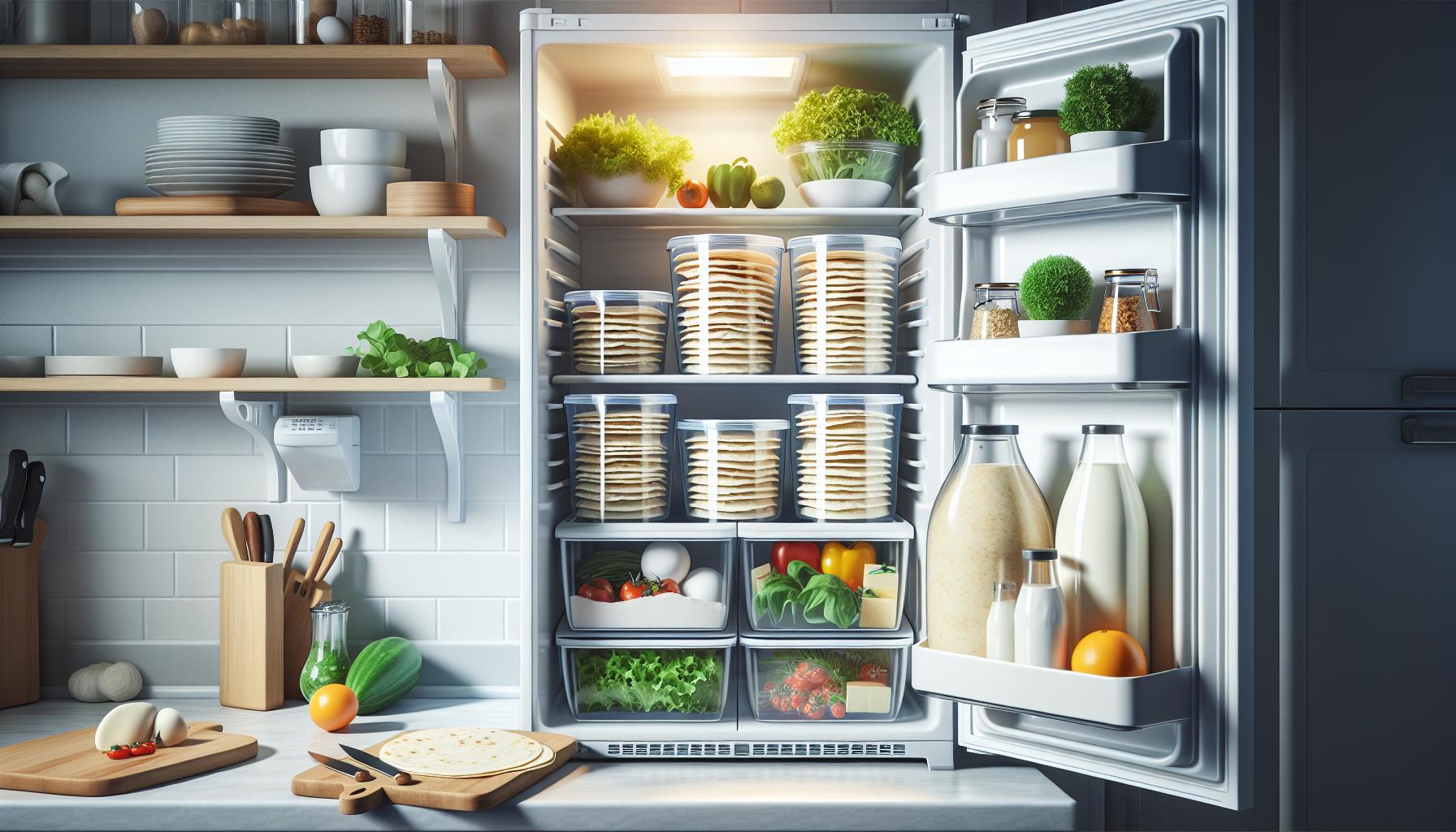
Factors Affecting Tortilla Shelf Life
Understanding the factors that influence tortilla shelf life is essential for anyone looking to maintain the integrity and taste of their favorite wraps. Proper storage practices, tortilla types, and environmental conditions all play a pivotal role in determining how long tortillas will stay fresh and delicious.
One of the primary factors is the type of tortilla. Flour tortillas generally have a longer shelf life than corn tortillas due to their higher fat content, which can help stave off staleness. Additionally, tortillas containing preservatives will typically last longer than those made from organic or natural ingredients. Packaging also matters – unopened tortillas can last significantly longer than those that have been opened, as exposure to air and moisture accelerates spoilage.
Environmental conditions, including temperature and humidity, are crucial. When stored in the refrigerator, tortillas benefit from a cooler environment that slows down the growth of mold and bacteria. However, fluctuations in temperature can introduce moisture, which may compromise their texture and freshness. You should also avoid leaving tortillas out at room temperature for extended periods, as heat can cause them to dry out or become stale.
Also noteworthy is the importance of checking for freshness before consuming stored tortillas. Adhering to expiration dates, identifying any signs of spoilage, like discoloration or an unusual smell, ensures that you’re enjoying tortillas at their prime. Taking these factors into account not only helps in prolonging tortilla shelf life but also enhances your overall culinary experience.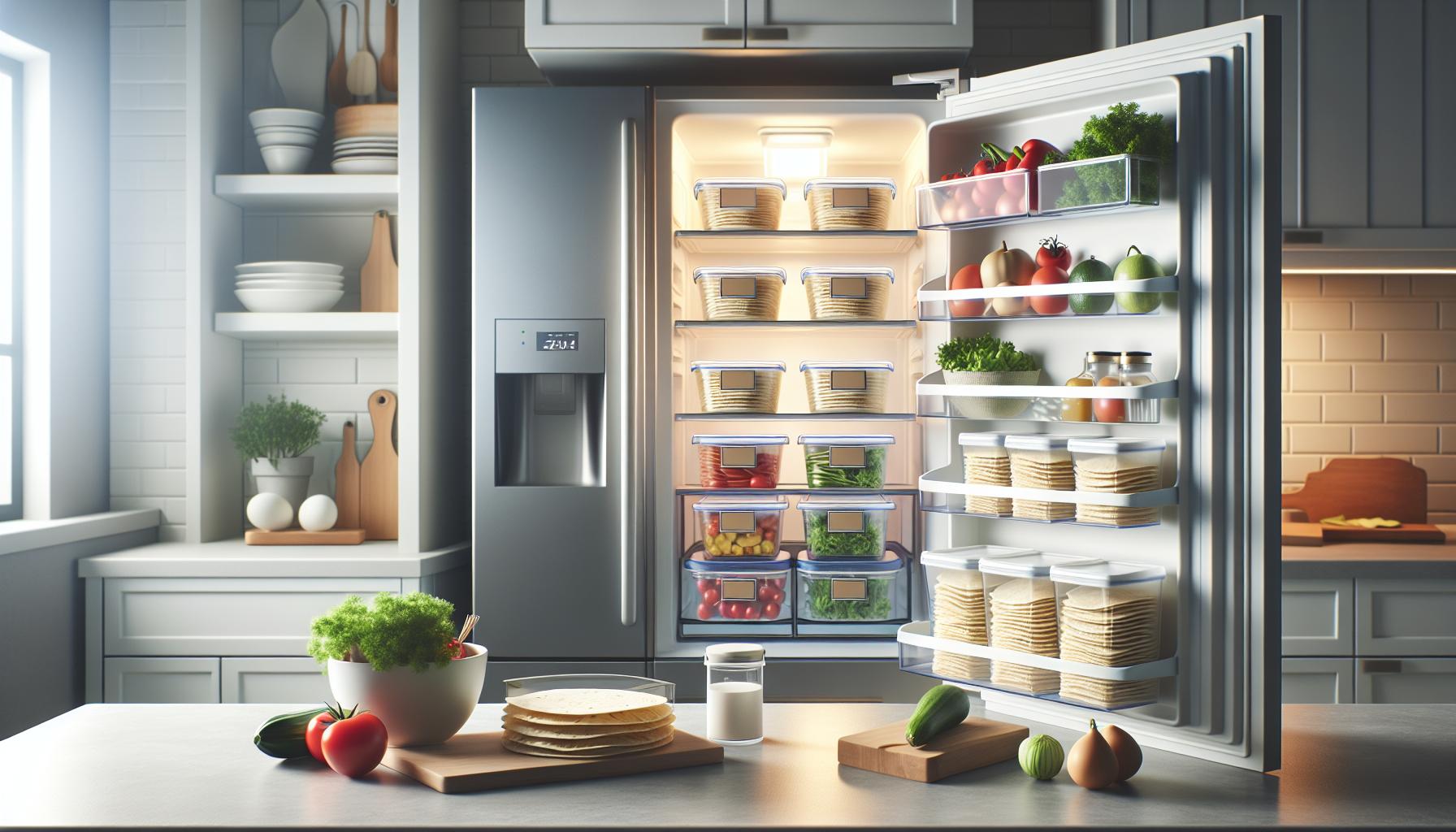
Tips to Keep Tortillas Soft and Fresh
Keeping tortillas soft and fresh is essential for enjoying their taste and texture in various dishes. A few simple strategies can significantly extend the lifespan and quality of your tortillas, whether you’ve purchased them or made them at home. The key lies in understanding moisture management and temperature control.
One effective method is to store tortillas in a resealable plastic bag or an airtight container immediately after opening. This minimizes air exposure, which can lead to dryness. For added protection, consider wrapping tortillas in a clean kitchen towel before placing them in the bag. The towel helps maintain moisture levels, preventing them from becoming hard. It’s important to remember that tortillas stored this way can last up to one week in the refrigerator, depending on the type.
Additionally, consider reheating tortillas before use to enhance their texture. A quick method is to place them in a hot skillet for about 30 seconds on each side. This not only softens the tortillas but also restores some of their original flavor. For longer-term storage, freezing tortillas can be a game changer. Simply stack them with parchment paper between each tortilla, seal them in a freezer-safe bag, and they can last for up to six months without significant loss of quality.
Regularly checking the condition of your tortillas is also crucial. Look for signs of spoilage, such as discoloration or an off smell before use. If they start feeling dry, consider using them in recipes where they will be cooked or blended, such as in soups or casseroles, ensuring you still enjoy their taste even if they are past their prime. By following these tips, you can keep your tortillas soft and fresh longer, enhancing your culinary experience.
Best Practices for Storing Tortillas
To maintain the freshness and quality of your tortillas, following best practices for storage is crucial. A common mistake many make is simply tossing the package into the fridge or leaving them out on the counter, which can significantly shorten their lifespan. Proper storage not only helps prolong their usability but also preserves the texture and flavor, making sure you can enjoy them in various dishes.
One of the most effective methods is to keep tortillas in their original packaging until opened, then transfer them to a resealable plastic bag or an airtight container. This helps reduce exposure to air and moisture, which can lead to mold or drying out. For added protection, especially if you live in a particularly humid environment, wrapping your tortillas in a clean kitchen towel before sealing them in the bag can help maintain their softness. This layer of softness shields them from excessive drying while still allowing some air circulation, which is vital to prevent spoilage.
When it comes to refrigerator storage, the general guideline is that tortillas can last anywhere from 5 days to 4 weeks, depending on the type. Flour tortillas typically have a shorter shelf life than corn tortillas; the latter can often last up to 8 weeks when refrigerated properly. It’s beneficial to label your storage containers or bags with the date to easily track their freshness. Additionally, place your tortillas on a middle shelf of your refrigerator, as this area experiences a more stable temperature compared to the door, which can fluctuate.
If you’ve got an excess of tortillas or want to save them for later, freezing is an excellent option. Stack your tortillas with a piece of parchment paper between each one, then place them in a freezer-safe bag, squeezing out as much air as possible before sealing. This method can preserve their quality for up to six months. When you’re ready to use them, simply thaw in the refrigerator overnight or several hours at room temperature. To restore their softness, consider reheating them in a skillet for 30 seconds on each side. This method not only revives their texture but also enhances the flavor, ensuring your culinary creations remain delicious and satisfying.
Signs Your Tortillas Have Gone Bad
Tortillas are versatile staples in many kitchens, but knowing when they’ve gone bad is crucial to avoid unnecessary waste and ensure food safety. Several signs can indicate that your tortillas have lost their freshness, and recognizing these indicators can help you make informed decisions about their usability.
One of the most common visual cues of spoilage is the appearance of mold. If you notice any green, black, or white fuzzy spots on your tortillas, it’s time to discard them immediately. Even small patches can indicate that bacteria or mold spores have infiltrated the entire batch. Additionally, if your tortillas have developed an unusual color or texture that is different from their original state-like excessive dryness or crumbly spots-it’s best to err on the side of caution and not consume them.
Another significant sign to consider is smell. Fresh tortillas typically have a mild, pleasant aroma. If they emit a sour, rancid, or otherwise off-putting smell, it can be a warning that they have indeed gone bad. Texture is also a key factor; if your tortillas feel excessively hard or brittle instead of soft and pliable, it indicates they have dried out and may not be enjoyable to eat.
To summarize, the following signs suggest that your tortillas have spoiled:
- Mold or visible spots: Any presence of mold should cause you to throw them out.
- Off smell: A sour or rancid odor means they are no longer fresh.
- Dryness or brittleness: If they feel hard or crumbly, they won’t have a good texture.
- Discoloration: Unusual color changes can indicate spoilage.
Keeping an eye on these warning signs can help you enjoy your tortillas safely and maximize their shelf life. Always remember that if in doubt, it’s safer to discard questionable food items than to risk foodborne illness.
Freezing Tortillas: How and Why
Freezing tortillas is an excellent method to extend their shelf life while keeping them soft and flavorful. Properly frozen, tortillas can last for several months without significant loss of quality. This technique is particularly useful for homemade tortillas or when you purchase tortillas in bulk and want to avoid wasting them.
To freeze tortillas effectively, start by stacking them in portions of four to six, then wrap each stack tightly in plastic wrap or aluminum foil. This prevents freezer burn and maintains their freshness. After wrapping, place the stacks in a resealable plastic bag, removing as much air as possible before sealing. Label the bag with the date of freezing, as this will help you keep track of their freshness. Properly stored, frozen tortillas can last for up to six months, although they’re best used within three months to ensure optimal taste and texture.
When it’s time to use your frozen tortillas, the thawing process is equally crucial to maintain their quality. Transfer the desired number of tortillas to the refrigerator for a few hours or overnight to allow them to soften gradually. For quicker thawing, you can place them in a microwave, using a damp paper towel to keep them from drying out during the process. Heat them in short intervals, about 10-15 seconds at a time, until they are pliable and ready for use. This approach ensures your tortillas remain soft and ready for any delicious meal, from tacos to quesadillas.
By incorporating freezing into your tortilla storage routine, you not only save money but also ensure you always have fresh tortillas on hand for your culinary creations.
Thawing Frozen Tortillas Safely
Thawing frozen tortillas properly is essential to retaining their texture and flavor, ensuring that they remain delicious when you’re ready to use them. One common method is to transfer the number of tortillas you plan to use from the freezer to the refrigerator. Allowing them to thaw slowly overnight will yield the best results, as this method lets the tortillas gradually return to a soft and pliable state without compromising their quality. Aim to give them at least a few hours, but overnight is often the best approach for achieving optimal softness.
If you’re in a pinch and need to thaw tortillas more quickly, the microwave is an excellent alternative. To prevent them from drying out, wrap the tortillas in a damp paper towel before placing them in the microwave. Heat them in short intervals-about 10 to 15 seconds at a time-checking for pliability after each burst. This technique effectively softens the tortillas while ensuring they don’t lose moisture. Once they are warm and flexible, they are ready to be used for your favorite recipes, from tacos to wraps.
For those who prefer to use a more traditional method, you can also thaw frozen tortillas on the stovetop. Simply place a skillet over low heat, and add the frozen tortillas, flipping them every 30 seconds or so until warmed through. This method not only thaws the tortillas but also gives them a slight toasty flavor, enhancing their taste.
Regardless of the method chosen, it’s crucial to use the thawed tortillas promptly. Once they have been thawed, tortillas should not be refrozen as this could lead to a decline in quality and taste. By following these simple steps for thawing your frozen tortillas, you’ll ensure that they maintain their deliciousness and are ready for any meal you wish to create.
Different Types of Tortillas and Their Lifespan
Understanding the longevity of various types of tortillas can significantly enhance your meal prep, ensuring that you enjoy them at their best without wasting any. Tortillas typically have different shelf lives according to their type, storage conditions, and whether they are homemade or store-bought.
Corn tortillas usually last the shortest span, with a shelf life of about 7 to 10 days in the fridge. If kept in the freezer, they can maintain quality for approximately 6 to 8 months. On the other hand, flour tortillas, which are more versatile and tend to be softer, have a slightly longer freshness window of up to 10 to 14 days in the refrigerator, and they can also be frozen for around 6 to 8 months.
For more specialty options, such as spinach or whole wheat tortillas, their shelf life mirrors that of flour tortillas, ranging from 10 days in the fridge to several months in the freezer. It’s essential to note that the presence of preservatives in commercially packaged tortillas can extend their lifespan compared to homemade varieties, which generally do not have added preservatives and thus tend to spoil more quickly.
To maximize the freshness of your tortillas, ensure they are stored in a cool environment and sealed tightly in an airtight container or wrapped well in plastic wrap. This method helps to minimize exposure to moisture and air, both of which can accelerate spoilage. Always remember to check expiry dates, especially for those that are pre-packaged, and trust your senses-if the tortillas have an off smell, visible mold, or an unusual texture, it’s best to discard them. By staying informed about the types and shelf lives of tortillas, you can enjoy your favorite meals without the worry of spoiled ingredients.
Using Expired Tortillas: What You Need to Know
When it comes to tortillas, knowing whether it’s safe to use them past their expiration date is crucial for both taste and food safety. Expired tortillas might still be usable, but it depends on a variety of factors. Firstly, the type of tortilla plays a significant role; for instance, corn tortillas usually have a shorter shelf life than flour tortillas. Generally, tortillas can be safe to consume up to a week past the expiration date if they’ve been stored correctly. However, they will likely lose some of their flavor and texture.
Assessing the Condition of Expired Tortillas
Before using expired tortillas, it’s essential to visually inspect and smell them. Check for:
- Visible mold: Any signs of mold growth indicate a clear need to discard the tortillas.
- Unusual odor: A sour or off smell can also signify spoilage.
- Texture: If tortillas feel excessively dry or crumbly, they might not hold up well in cooking.
If your tortillas pass these tests, they may still be usable. Consider rehydrating slightly dried-out tortillas by wrapping them in a damp paper towel and microwaving them for a few seconds to restore some softness.
Safe Usage and Storage After Expiration
Incorporating expired tortillas into your meals can still be a tasty option if done thoughtfully. You might choose to use them in recipes where they will be cooked, such as:
- Tortilla chips: Cut them into triangles, brush lightly with oil, and bake until crispy.
- Casseroles: Layer them in dishes like enchiladas or layered Mexican baking dishes, where added sauce can help soften them.
- Wraps and tacos: If they are still pliable, they can still be enjoyed in wraps or tacos with fresh fillings to enhance the taste.
After using expired tortillas, make sure to store any leftovers correctly, ideally in an airtight container or freezing them to extend their shelf life. Always remember, safety first; if there’s any doubt about their quality, it’s best to err on the side of caution and dispose of them.
Creative Ways to Use Leftover Tortillas
Leftover tortillas are more than just a potential waste; they can be transformed into a variety of delicious dishes that bring new life to your meals. One popular option is making homemade tortilla chips. Simply cut the tortillas into triangles, lightly brush them with oil, and bake or fry until they are crispy. This method allows you to enjoy a tasty snack while also maximizing your ingredients. You can season them with salt, chili powder, or even a sprinkle of cheese for an extra kick.
Wraps and Roll-Ups
If you have tortillas that are still pliable, consider crafting wraps or roll-ups. Fill them with your choice of proteins like chicken, turkey, or beans, along with fresh veggies and your favorite sauces or spreads. This not only helps in utilizing the leftover tortillas but also makes for a nutritious and convenient meal option for lunch or dinner.
Casseroles and Enchiladas
Another fantastic way to use up tortillas is incorporating them into casseroles or enchiladas. Layer them between ingredients like cheese, vegetables, and meats, pouring sauce over the top. As the dish bakes, the tortillas absorb moisture and flavors while softening up beautifully, resulting in a comforting meal that the whole family will enjoy.
Breakfast Ideas
For breakfast lovers, leftover tortillas can also be a great addition. Create breakfast burritos by filling them with scrambled eggs, cheese, and salsa, or use them for a quick egg and cheese quesadilla. These simple yet satisfying options ensure that no food goes to waste while giving you a hearty start to your day.
Exploring these creative uses not only minimizes food waste but also allows you to enjoy a range of flavorful dishes that can easily be customized to suit your taste preferences. Embrace your leftover tortillas and turn them into something extraordinary!
Troubleshooting Common Tortilla Storage Issues
Addressing common storage issues is essential for keeping your tortillas fresh and tasty. One frequent concern is brittleness, which can occur if tortillas are left exposed to air. To combat this, always store tortillas in an airtight container or resealable plastic bag. This prevents moisture loss and keeps them soft. If your tortillas have already become brittle, you can revive them slightly by wrapping them in a damp paper towel and microwaving them for a few seconds, allowing steam to soften the edges.
Another issue is mold growth, typically induced by improper storage or prolonged temperatures. Always check the expiration date, and if you see any signs of mold or an off smell, it’s best to discard them to avoid health risks. Additionally, while storing in the fridge can extend shelf life up to 1-2 weeks, be aware that the tortillas may still develop a slight dried texture. Ensure your refrigerator is set to the proper temperature-ideally below 40°F (4°C)-to best preserve food quality.
If your tortillas stick together, this can be an annoyance, especially when you need to peel them apart for cooking. To alleviate this issue, you can place a piece of parchment paper between tortillas before storing them. This creates a barrier that prevents them from sticking.
Lastly, if you find that your tortillas develop an off taste or smell after some time, it’s a good practice to assess both your storage method and the environment (i.e., temperature and humidity) where they are kept. Adjusting these can significantly affect how long your tortillas stay fresh and flavorful.
Frequently asked questions
Q: How can I tell if my tortillas are still fresh?
A: To check if your tortillas are still fresh, look for signs such as mold, off odors, or a dry texture. Fresh tortillas should be soft and pliable. If they feel hard or crumbly, it’s best to discard them. Refer to the “Signs Your Tortillas Have Gone Bad” section for detailed tips.
Q: Can I extend the shelf life of tortillas in the fridge?
A: Yes, you can extend the shelf life of tortillas in the fridge by storing them in an airtight container or tightly wrapped in plastic wrap. This minimizes exposure to air and moisture, keeping them soft and fresh for about a month. More storage tips can be found in the “Best Practices for Storing Tortillas” section.
Q: How should I store opened tortilla packages?
A: Opened tortilla packages should be stored in the fridge, ideally in an airtight container or wrapped tightly to prevent them from drying out. This helps maintain their softness and taste longer than if left in the original packaging.
Q: What’s the best way to reheat tortillas without them getting hard?
A: To reheat tortillas without making them hard, wrap them in a damp paper towel and microwave for 10-15 seconds. Alternatively, you can place them in a skillet over medium heat for about 20 seconds on each side. This helps retain moisture while warming.
Q: How long do homemade tortillas last in the fridge?
A: Homemade tortillas typically last in the fridge for about 5-7 days when stored properly in an airtight container. For longer preservation, consider freezing them, as detailed in the “Freezing Tortillas: How and Why” section.
Q: Can I eat tortillas past their expiration date if they look fine?
A: While you can eat tortillas past their expiration date if they look and smell fine, it’s important to check for any signs of spoilage. Always prioritize food safety and refer to the “Using Expired Tortillas: What You Need to Know” section for more insights.
Q: Are there specific types of tortillas that last longer in the fridge?
A: Different types of tortillas do have varying shelf lives. Flour tortillas generally last longer than corn tortillas due to higher moisture levels in corn varieties. For specifics, refer to the “Different Types of Tortillas and Their Lifespan” section.
Q: What should I do if my tortillas become hard after refrigeration?
A: To revive hard tortillas, wrap them in a damp towel and microwave them briefly or steam them lightly. This helps rehydrate them, making them softer again. For more tips, see the “Tips to Keep Tortillas Soft and Fresh” section.
Future Outlook
By following the storage guidelines outlined in “How Long Do Tortillas Last in Fridge? Keep Them Soft and Tasty Longer,” you can ensure your tortillas maintain their freshness and flavor. Remember to store them in an airtight container and consume them within one to two weeks for optimal taste and safety. If you have any lingering questions about food storage, our comprehensive guide on food safety practices might be of interest.
Don’t miss our tips on how to reheat and serve tortillas for the best experience, and explore how to extend the life of other staples in your pantry. Take action now: share your favorite tortilla recipes with us in the comments or subscribe to our newsletter for more helpful insights. Every bite counts, so ensure your tortillas stay delicious and safe for every meal!


