Jelly is a beloved staple in many households, perfect for spreading on toast or adding a sweet touch to recipes. But have you ever wondered how long jelly lasts in the fridge? Understanding jelly storage not only helps minimize food waste but also ensures you enjoy it at its best quality.
In this guide, we’ll delve into key storage secrets, revealing how to properly store your jelly, the lifespan you can expect, and tips to keep it fresh and safe for longer. Whether you’re a casual user or an avid fan, knowing the right storage techniques will help you make the most of this sweet treat. Get ready to enhance your jelly experience and avoid those unfortunate spoiling surprises!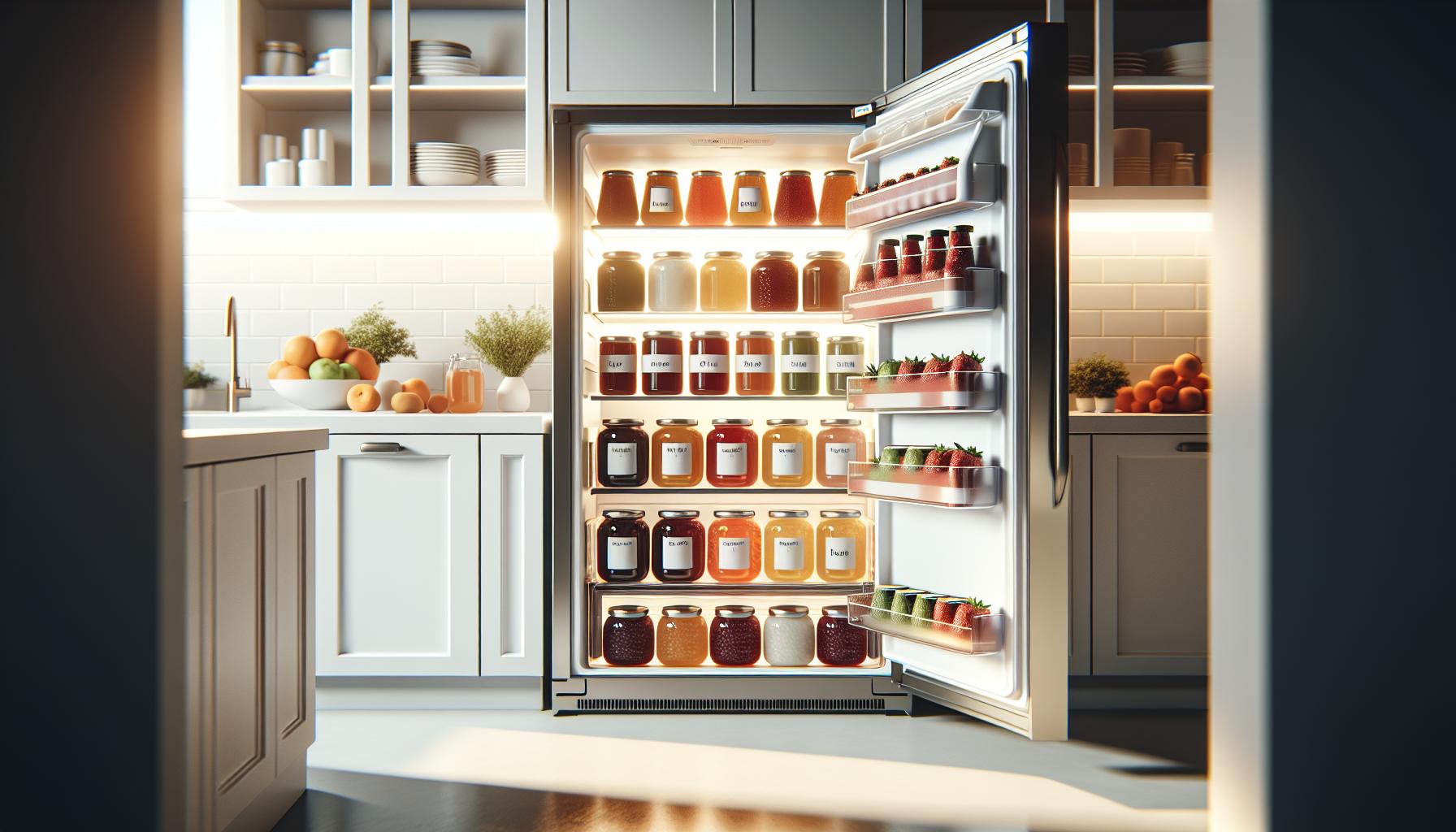
How Long Can You Keep Jelly in the Fridge?
Jelly is a beloved pantry staple, known for its delicious sweetness and versatility in a variety of dishes. Understanding how long you can keep jelly in the fridge is crucial for enjoying its flavor and ensuring food safety. Generally, opened jelly can last about 1 month in the refrigerator, while unopened jars can typically remain fresh for up to 1 year when stored properly. This storage timeframe, however, can vary based on several factors, including the specific ingredients and the preservation method used.
To maximize its shelf life, it’s essential to store jelly in an airtight container and keep it in the refrigerator immediately after opening. Always ensure that the jar lid is securely fastened to minimize exposure to air, which can lead to spoilage. If you’re using jelly that you made at home, it’s worth noting that homemade varieties may not have preservatives, potentially shortening their lifespan.
Additionally, different types of jelly, such as fruit or herb-infused, may endure varying storage lengths due to their varied acidity levels and sugar contents. For example, jellies made with a high sugar concentration or vinegar may last longer than those with less sugar. Monitoring the appearance and texture of the jelly can help; a change in color, separation, or the presence of mold are clear indicators that the jelly has gone bad and should be discarded promptly. Consistently checking your jelly for these signs can help ensure you enjoy it at its best without compromising safety.
Understanding Jelly Storage Lifespan
Jelly, with its sweet, luscious texture and vibrant flavors, can elevate any dish or snack. However, its freshness doesn’t last indefinitely, and understanding its storage lifespan is key to enjoying it safely. When opened, jelly typically remains fresh for about one month in the refrigerator. For unopened jars, the shelf life can extend up to one year if stored correctly, away from heat and moisture. It’s essential to note that these timeframes can fluctuate based on various factors including the type of jelly and its ingredients.
Several elements influence how long jelly maintains its quality. Sugar concentration is particularly crucial; jellies with higher sugar levels often have a longer shelf life due to sugar’s natural preservative properties. Additionally, the use of acids-such as vinegar or citric acid-can further enhance preservation. Homemade jellies might have more variability in lifespan, especially if made without commercial preservatives, making careful monitoring necessary. It’s advisable to label your jars with the date of opening and track how long they’ve been stored.
To maximize jelly longevity, proper storage techniques are vital. Ensure the jar is sealed tightly after each use to minimize exposure to air, which can introduce bacteria and promote spoilage. Temperature management is another key factor; keep your jelly in the coldest part of the fridge to maintain its consistency and flavor profile. For those looking to preserve jelly beyond standard refrigeration, freezing is a safe option. However, remember that freezing may alter the texture slightly upon thawing.
Always be vigilant for signs of spoilage, which can include changes in color, mold development, or an off odor. If any of these occur, it’s best to err on the side of caution and discard the jelly. Understanding these nuances of jelly storage not only enhances your enjoyment but ensures that your sweet treat is safe for consumption.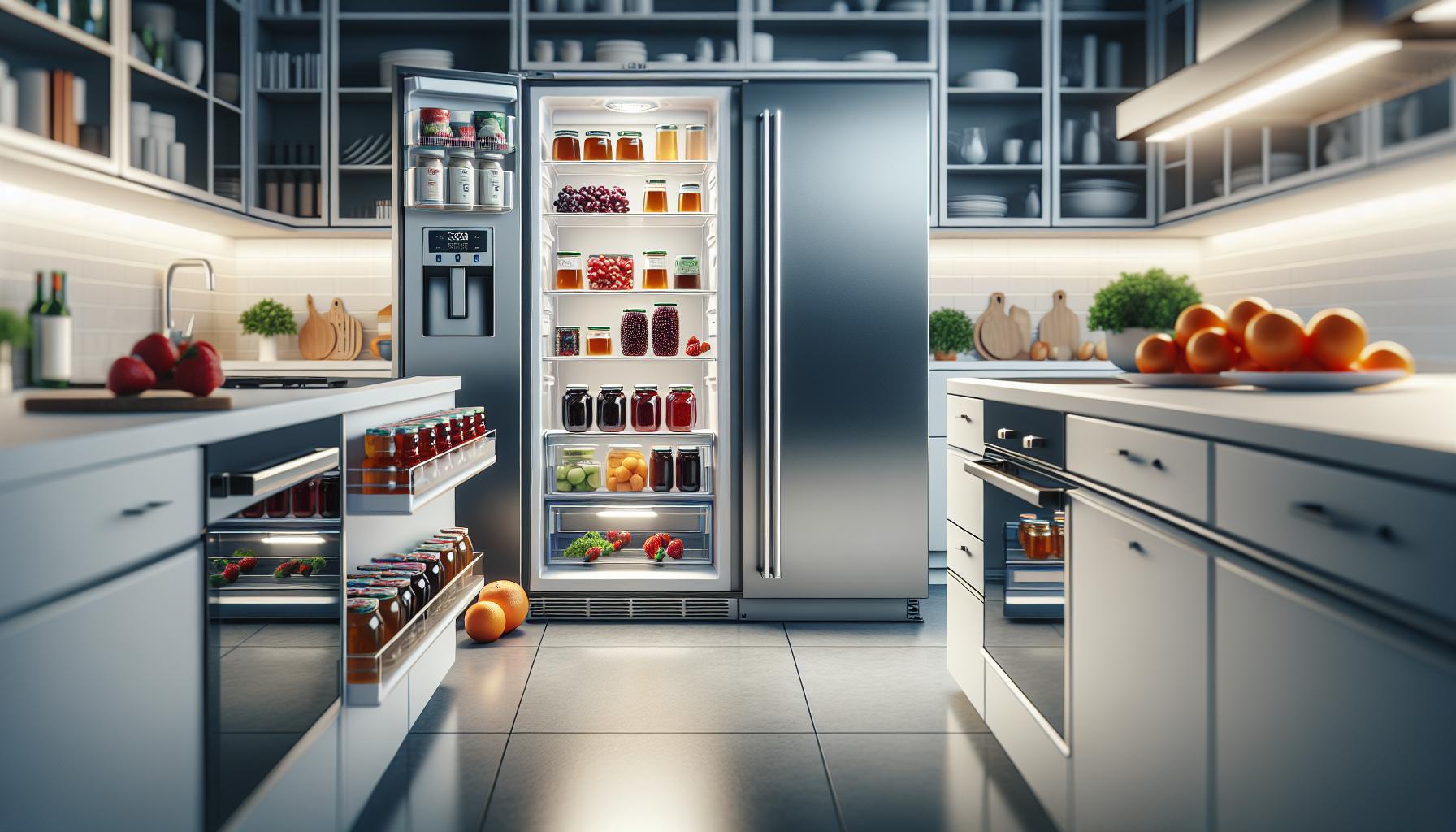
Factors Affecting Jelly Freshness
Jelly’s delightful sweetness can be affected by a variety of factors, impacting its overall freshness and shelf life. Understanding these elements can help you enjoy your jelly longer and with greater safety.
One of the most significant factors is sugar concentration. Jellies high in sugar tend to have a longer shelf life due to sugar’s natural preservative properties, which help inhibit the growth of microorganisms. For example, a traditional fruit jam with over 60% sugar content will generally last longer than a reduced-sugar variant, which may spoil more quickly. Additionally, acidity plays a critical role. Jellies made with ingredients that have higher acid levels, such as citrus fruits, can often retain their freshness for a longer period, as acidity hinders bacterial growth.
The method of preparation is also crucial, particularly with homemade jellies. Those made without commercial preservatives may be more prone to spoilage and require closer monitoring. When making jelly at home, it’s essential to follow safe canning practices and ensure that everything is sanitized to prevent contamination. Always label your jars with the date of preparation or opening to keep track of their freshness.
Moreover, storage conditions heavily influence jelly longevity. Keeping the jelly in a cool, dark place, ideally in the coldest part of the refrigerator, is essential. Frequent opening of the jar introduces air and variations in temperature that can lead to spoilage, meaning a tightly sealed container significantly helps maintain its integrity. Lastly, how quickly the jelly is consumed after opening also affects its freshness; the sooner you use it, the better it will taste and the safer it will be.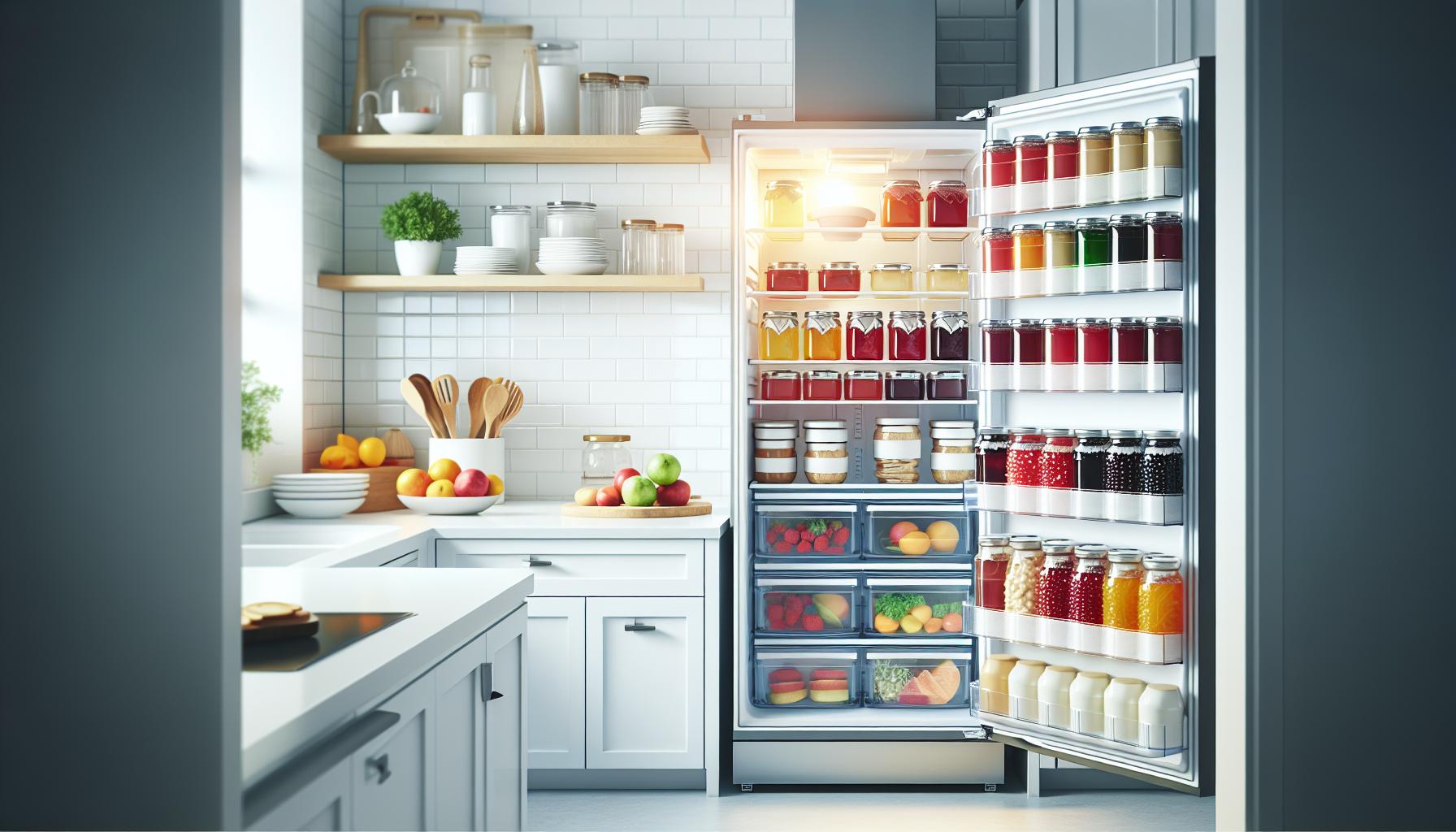
Signs Your Jelly Has Gone Bad
Recognizing when your jelly has gone bad is essential to ensuring both food safety and taste enjoyment. Although jelly is a relatively stable product, it can spoil under certain circumstances, and identifying the signs early can save you from a culinary mishap. Familiarize yourself with the following indicators that can help you determine the freshness of your jelly.
Firstly, visual observations are crucial. If you notice any discoloration or a significant change in the appearance of your jelly, it might be time to toss it out. Mold growth, which can appear as fuzzy spots in various colors, is a clear sign that the jelly has been contaminated. Even if the mold is only on the surface, it’s wise to discard the entire jar, as the spores may have penetrated deeper into the jelly. Additionally, if your jelly begins to look overly watery or separates, it may indicate spoilage.
Another important aspect to check is the smell. Fresh jelly typically has a pleasant and sweet aroma. If you detect any off-putting or sour smells, it is an indication that the jelly has begun to ferment or has been compromised in some way. Trust your senses; an unpleasant odor is a strong signal to avoid consumption.
The texture of the jelly can also provide clues about its condition. If your jelly has developed an unusual consistency-becoming excessively runny, slimy, or grainy-it may have gone bad. Jelly should be smooth and spreadable; any deviation from this could point to spoilage. Also, if there are any noticeable bubbles that weren’t there before, that could signal fermentation or spoilage.
In conclusion, regularly assessing your jelly for signs of spoilage can enhance your food safety practices. Always err on the side of caution; if you are unsure about the jelly’s condition after checking these indicators, it’s safer to discard it. Enjoy the sweet bliss of jelly with peace of mind by ensuring you’re consuming only fresh, safe products.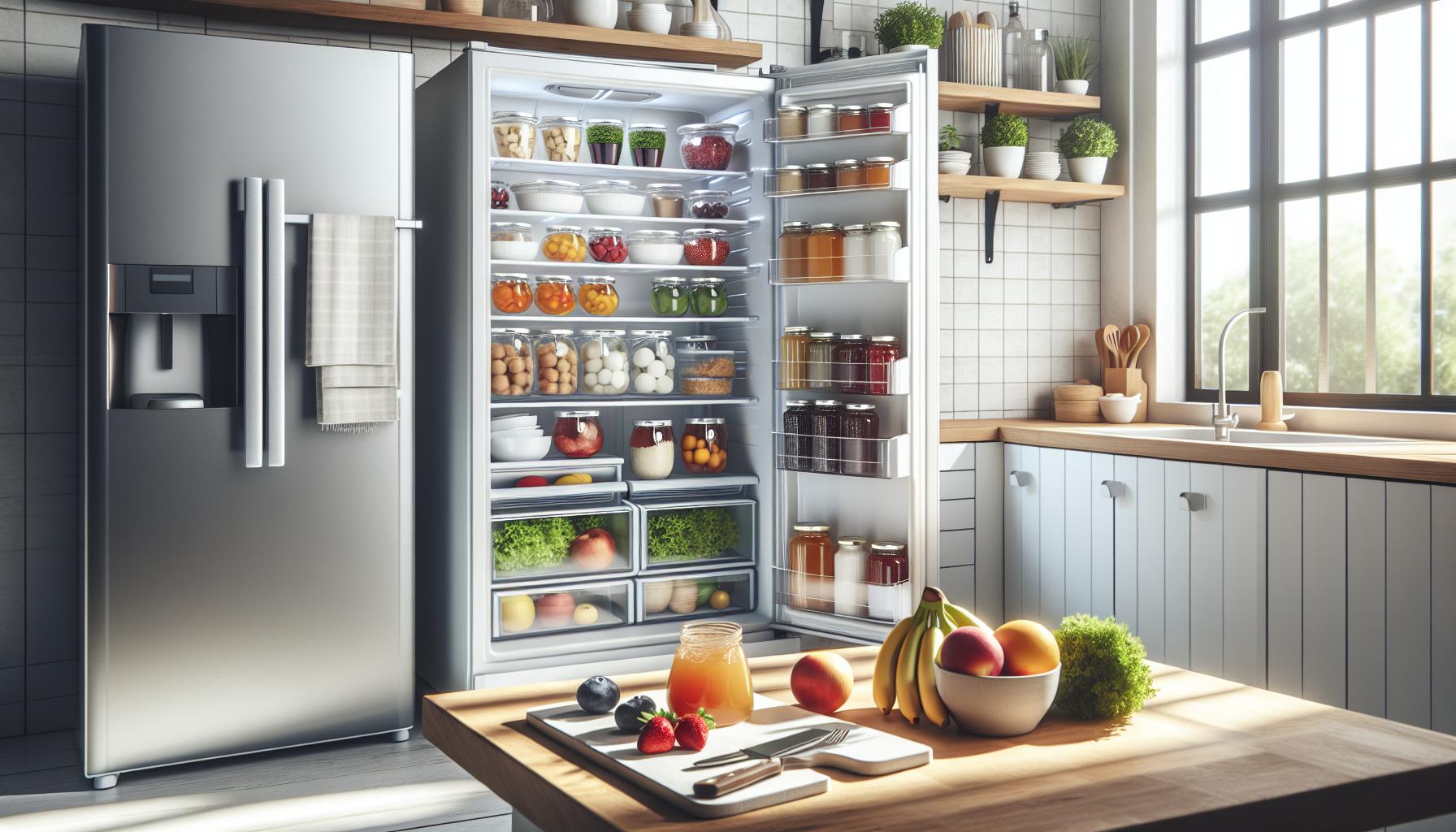
Best Practices for Storing Jelly
Storing jelly correctly can significantly extend its freshness and quality, allowing you to enjoy its delightful flavors for longer. Proper storage practices begin with selecting the right container. If you have opened a jar of store-bought jelly, ensure it’s tightly sealed with its original lid. For homemade jelly, consider transferring it to a clean glass jar with a lid that fits securely. Glass is excellent for maintaining flavor integrity and preventing absorption of unwanted odors.
One of the key best practices is to always store jelly in the refrigerator after opening or making it. Generally, homemade jelly can last about 1 to 3 weeks in the fridge, while store-bought jelly, when opened, can last for up to a month. For optimal freshness, it’s crucial to keep jelly at a consistent temperature. Avoid leaving it out at room temperature for extended periods, especially in warm environments, as heat can accelerate spoiling and microbial growth.
Another important tip is to use a clean utensil each time you scoop out jelly. This minimizes the introduction of bacteria and other contaminants that could lead to spoilage. If you notice any jelly discolored at the edges or the lid showing signs of bulging, it’s best to discard it as those may indicate spoilage.
Lastly, if you find yourself with jelly that you can’t consume within these timeframes, freezing it can be a safe and effective option. When freezing, leave some space at the top of the container, as jelly can expand when frozen. Stored this way, jelly can last up to a year in the freezer, preserving its taste and texture for future treats.
Freezing Jelly: A Safe Option?
Freezing jelly is an excellent way to preserve its freshness and extend its shelf life substantially. Many people may not realize that jelly can be safely frozen for up to a year without losing its delightful flavor or texture. This method is particularly useful for those who make homemade jelly or have opened jars of store-bought varieties that they cannot consume within the standard refrigeration timeframes.
When preparing jelly for freezing, it’s crucial to use appropriate containers to prevent spoilage or freezer burn. Opt for airtight containers or heavy-duty freezer bags designed to withstand low temperatures. Always remember to leave some headspace-about an inch at the top of the jar or bag-to allow for expansion as the jelly freezes. This simple step can help maintain the integrity of the jelly, preventing it from cracking or breaking the container.
Steps for Freezing Jelly Safely
- Choose the Right Container: Use glass jars, plastic containers, or freezer bags that can withstand freezing.
- Leave Headspace: Ensure there is space for expansion-usually about 1 inch is sufficient.
- Label and Date: Mark each container with the type of jelly and the date it was frozen to keep track of freshness.
- Freeze Quickly: Place the filled containers in the coldest part of the freezer to freeze them quickly, which helps preserve texture.
To thaw frozen jelly, simply transfer it to the refrigerator and allow it to defrost slowly. This method helps maintain the jelly’s texture and flavor. It is important to avoid thawing at room temperature, as this could promote bacterial growth. Once defrosted, consume the jelly within a few weeks for best quality, though it remains safe longer if kept refrigerated after thawing.
By understanding the proper steps for freezing your jelly, you can enjoy your favorite flavors all year round without the fear of spoilage. This method not only minimizes waste but also enables you to take full advantage of seasonal fruits, transforming them into delicious jelly that can be savored later.
Unique Jelly Storage Tips and Tricks
To maximize the lifespan of your jelly while maintaining its delicious flavor, consider some unique storage tips and tricks that can make a significant difference. One effective method is to use a vacuum sealer when storing opened jars of jelly; this minimizes air exposure, which can accelerate spoilage. Simply transfer your jelly into vacuum-sealable bags or containers and remove the excess air before sealing. This not only extends freshness but also helps preserve the jelly’s texture and taste.
Another valuable practice is to utilize small, portion-sized containers for jelly. By storing jelly in smaller jars, you can minimize the frequency of opening larger jars, reducing air exposure and contamination. For instance, if you have a large jar of homemade jelly, consider dividing it into smaller 4-ounce jars. Each time you need jelly, simply open a single jar instead of the entire batch. This approach not only keeps jelly fresher but also allows for easy gifting or sharing with friends and family.
Keep an eye on the environment where your jelly is stored. Jelly should always be kept in the fridge at a consistent temperature, ideally around 35°F to 40°F (1.6°C to 4.4°C). Fluctuating temperatures can compromise its quality. Avoid storing jelly in the refrigerator door, where temperatures can vary more significantly. Instead, place jars in the main body of the fridge, preferably towards the back, where it’s typically cooler.
Lastly, be mindful of the ingredients in your jelly. High-sugar or pectin-rich varieties often have a longer shelf life, while those made with fresh fruits might spoil more quickly. It’s essential to check the label for any specific storage instructions. To confirm freshness, always look for signs of spoilage like changes in color, odor, or texture, and when in doubt, it’s safer to discard any questionable jelly to avoid foodborne illness. Utilizing these tips will help you enjoy your jelly at its best for as long as possible.
Optimal Containers for Jelly Storage
Choosing the right containers for jelly storage is crucial for maintaining its freshness and flavor over time. The ideal container should minimize air exposure and offer a tight seal to prevent contamination and spoilage. Here are some optimal options to consider:
Glass Jars
Glass jars, especially those with airtight lids, are among the best containers for jelly. They are non-reactive, meaning they won’t impart any flavors or odors to your jelly. When using glass jars, it’s advisable to select smaller sizes, such as 4-ounce or 8-ounce jars. This way, you can open a smaller quantity at a time, reducing the risk of spoilage from repeated exposure to air.
Plastic Containers
If you prefer plastic, look for high-quality, BPA-free containers with tight-fitting lids. They should be food-safe and suitable for refrigeration. While plastic can be convenient, ensure that the containers are transparent or semi-transparent, allowing you to see the jelly within. Just keep in mind that some plastics may not provide the same level of protection against air and moisture as glass.
Vacuum-Sealed Options
For those who are serious about prolonging the life of their jelly, consider vacuum-sealed bags or containers. Vacuum sealing removes much of the air around the jelly, thus significantly reducing the risk of oxidation and freezer burn. This method is particularly effective if you want to store jelly long-term. Simply transfer the jelly to a vacuum-sealable container or bag, and enjoy extended shelf life.
Storing Opened Jars
When it comes to storing opened jars, always use original lids or compatible airtight lids to maintain a strong seal. Make sure to clean the rim of the jar before sealing it tightly to reduce the risk of bacteria entering the jelly. Label containers with the date of opening, so you can keep track of how long they’ve been stored.
By selecting the right containers for jelly storage, you not only extend its freshness but also enhance your overall experience of enjoying this sweet treat. Always remember that proper storage practices are key to preventing spoilage and enjoying your homemade or store-bought jelly for a longer period.
Homemade vs. Store-Bought Jelly: Storage Secrets
When it comes to jelly, the debate between homemade and store-bought options often involves consideration of how each should be stored for optimal freshness. Homemade jelly, typically made in smaller batches, generally lacks the preservatives found in many commercial varieties. This means its shelf life is shorter, often around 1 to 3 weeks once opened, provided it’s stored in the refrigerator. In contrast, store-bought jelly, sealed and produced in a controlled environment, can last much longer, even up to 6 months in the refrigerator after opening.
To ensure homemade jelly maintains its best quality, it’s essential to use clean utensils every time you scoop out jelly to avoid introducing bacteria. Proper sealing of the jar is critical-ensure the lid is airtight to prevent air exposure, which can lead to spoilage. Always label your jars with the date of preparation and the type of jelly, helping you monitor freshness. Additionally, consider using jars that are specifically made for canning, as they are designed to maintain a vacuum seal.
Store-bought jelly, on the other hand, usually comes with a “best by” date that provides a guide for freshness. Though it can last much longer than homemade jelly, once opened, it should still be consumed within about 6 months for the best flavor and texture. Always keep it refrigerated and securely closed. If you notice any separation, off-smells, or mold growth, discard it immediately, as these are signs it has gone bad.
Here’s a quick comparison table of storage recommendations:
| Type of Jelly | Opened Fridge Life | Best Storage Practices |
|---|---|---|
| Homemade Jelly | 1-3 weeks | Use clean utensils, airtight jars, label with date |
| Store-Bought Jelly | Up to 6 months | Keep tightly sealed, check “best by” date |
Choosing the right jelly storage technique can help you enjoy this delicious treat longer-whether it’s your homemade creation or a store-bought favorite.
Common Myths About Jelly Shelf Life
Many people hold misconceptions about how long jelly can last and the conditions under which it remains safe to eat. One prevalent myth is that once opened, a jar of jelly will last indefinitely if stored in the refrigerator. In reality, jelly can deteriorate over time, even in the coldest settings, with homemade varieties typically recommended for consumption within 1 to 3 weeks after opening, while store-bought jelly can be enjoyed for up to 6 months post-opening. This difference is largely due to the lack of preservatives in homemade jelly compared to commercially produced options.
Another common misunderstanding involves the role of sugar in jelly preservation. While sugar does act as a natural preservative, it cannot eliminate spoilage risks entirely. Even though jelly is high in sugar content, it can still harbor bacteria if exposed to contaminants from utensils or improper sealing. It’s crucial to always use clean tools when scooping jelly and to keep lids tightly closed to limit air exposure.
Some may believe that mold on the surface of jelly only affects the visible portion, leading them to think scraping off the top layer can salvage the rest. However, mold can produce spores that permeate the entire substance, making it unsafe to consume even if no further growth is apparent in the jelly beneath the surface. Discarding any jelly with visible mold or an off smell is the best safety practice.
Finally, it’s a misconception that jelly can be stored at room temperature without risk. While unopened jars of commercial jelly can safely remain out of the refrigerator, once opened, jelly should always be stored in the fridge to slow down spoilage. Adhering to proper storage practices and understanding these myths can help ensure jelly remains both delicious and safe for consumption.
Preserving Jelly: Extend Its Freshness
To ensure your jelly maintains its delightful flavor and texture for as long as possible, consider implementing several effective preservation techniques. While jelly is a treat that brings sweetness to your meals, proper storage is crucial to extend its lifespan and prevent spoilage. Here are some essential practices to keep your jelly fresh.
One of the primary factors influencing jelly freshness is how it is stored after opening. Always keep jelly in the refrigerator once opened; this slows down fermentation and potential mold growth. For best results, store jelly in its original jar if it has a tight-fitting lid. If you’ve transferred it to another container, opt for a clean, airtight option to minimize air exposure. When finished scooping, use a clean utensil every time to prevent introducing bacteria into the jar, which could shorten its shelf life.
Utilizing techniques such as tightly sealing the container and minimizing exposure to fluctuating temperatures can also help extend freshness. To further safeguard your jelly, consider placing a piece of wax paper or plastic wrap directly on the surface of the jelly before sealing the container. This creates an extra barrier against air and moisture, which can hasten spoilage.
If you’re not planning to use your jelly within a reasonable timeframe, freezing is an excellent preservation method. Jelly can be frozen for up to a year, although the texture may change slightly once thawed. To freeze, pour the jelly into freezer-safe containers, leaving some space at the top for expansion. Once frozen, thaw in the refrigerator when you’re ready to enjoy it again.
To sum up, by following these storage tips-refrigerating after opening, using clean utensils, sealing tightly, and considering freezing-your jelly can stay delicious and safe for an extended period. Implementing these practices not only preserves quality but also complements your culinary adventures with the delightful taste of homemade or store-bought jelly.
Refrigeration vs. Room Temperature Storage
Storing jelly appropriately is essential for maintaining its quality and preventing spoilage. When it comes to choosing between refrigeration and room temperature storage, the decision can significantly impact the jelly’s shelf life and safety. Once opened, jelly should always be kept in the refrigerator. The cold environment inhibits bacterial growth and slows down the fermentation process, allowing your jelly to retain its delightful taste and texture for longer.
In contrast, storing jelly at room temperature can lead to several potential issues. While unopened jars of commercial jelly can be safely kept on a pantry shelf for extended periods-often up to a year or more-they must remain sealed to ensure safety. Once the jars are opened, however, the clock starts ticking. Leaving jelly out can accelerate spoilage, leading to mold development and off-flavors. As a general guideline, opened jelly can last up to three months in the refrigerator but should only be kept at room temperature for a few days if unsealed.
To maximize the freshness of your jelly, it’s important to follow best practices while storing. Always keep the container tightly sealed to minimize air exposure, which encourages mold and spoilage. If you’re unsure whether your jelly has been stored correctly, trust your senses. A change in color, texture, or an off smell can indicate that it’s best to discard it.
Implementing these simple yet effective storage techniques will help ensure your jelly remains a sweet addition to your meals for as long as possible.
Q&A
Q: How can you tell if jelly is still good to eat?
A: You can determine if jelly is still good by checking for signs of spoilage, such as mold or an off smell. Additionally, if the texture becomes unusually watery or separates, it’s best to discard it. Always perform a taste test if it looks and smells fine.
Q: Can you store jelly at room temperature?
A: While jelly can be stored at room temperature before opening, once opened, it should be kept in the fridge for optimal safety and freshness. Storing it in the fridge extends its lifespan significantly. Refer to the “Refrigeration vs. Room Temperature Storage” section for more insights.
Q: What’s the best way to freeze jelly?
A: To freeze jelly, transfer it into an airtight container, leaving some space at the top for expansion. Alternatively, use freezer bags and remove excess air before sealing. For detailed freezing methods, check the “Freezing Jelly: A Safe Option?” section.
Q: How long does homemade jelly last in the fridge?
A: Homemade jelly typically lasts about 1 month in the fridge. It’s advisable to label your jars with the date made. Check the “Understanding Jelly Storage Lifespan” section for a deeper understanding of storage timeframes.
Q: Does jelly lose its flavor over time in the fridge?
A: While jelly doesn’t necessarily spoil quickly, it can lose flavor over time, especially past its recommended fridge lifespan of about 6 months after opening. Ensure you check its overall quality. For ways to preserve flavor, refer to “Preserving Jelly: Extend Its Freshness.”
Q: Can I help jelly last longer by changing storage containers?
A: Yes, transferring jelly to a clean, airtight container can help prevent exposure to air and moisture, thus extending its shelf life. Always refer to “Optimal Containers for Jelly Storage” for the best practices on container types.
Q: What is the difference between opened and unopened jelly storage?
A: Unopened jelly can be stored at room temperature under a dark, cool place, while opened jelly must be refrigerated immediately to prevent spoilage. For more on this, see the “Best Practices for Storing Jelly” section.
Q: Is it safe to eat jelly after the expiration date?
A: Eating jelly after its expiration date might be safe if it shows no signs of spoilage, but it’s essential to assess quality before consumption. Always err on the side of caution and check the “Signs Your Jelly Has Gone Bad” section for guidance.
The Conclusion
Now that you know all about how long jelly lasts in the fridge, you can confidently extend the life of your favorite spreads while keeping your family safe. Remember, jelly can typically last up to a year in the fridge if stored properly, but always look for signs of spoilage. If you’re interested in maximizing your food storage knowledge, check out our articles on food preservation tips and the best ways to store other condiments like jams and peanut butter.
Feeling inspired? Dive deeper into our resources and discover expert advice on food safety and kitchen hacks that will elevate your culinary experience. Don’t forget to subscribe to our newsletter for the latest tips and secrets on food storage and delicious recipes right in your inbox! Share your thoughts below or tell us how you store your jelly; we love hearing from you!