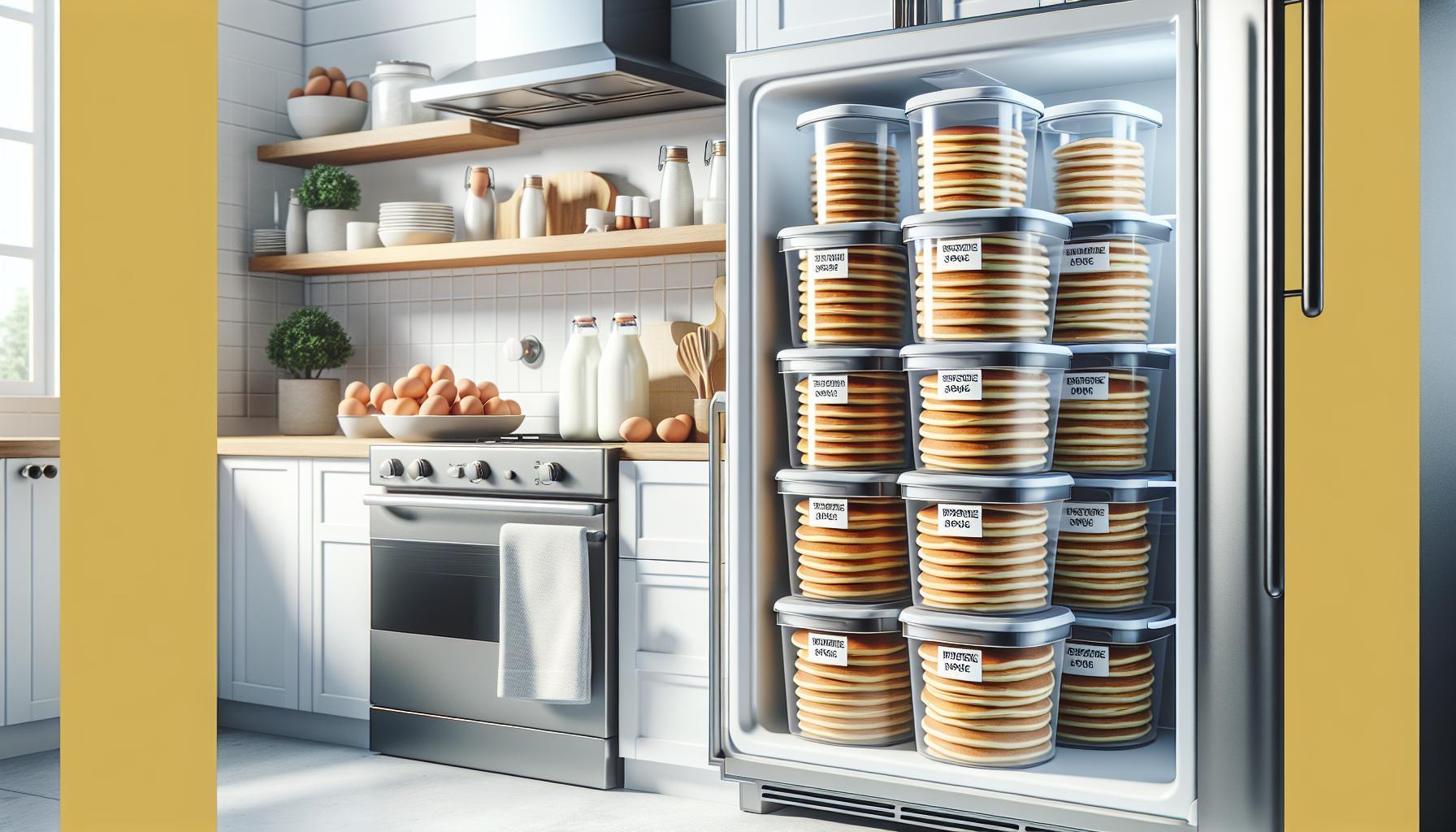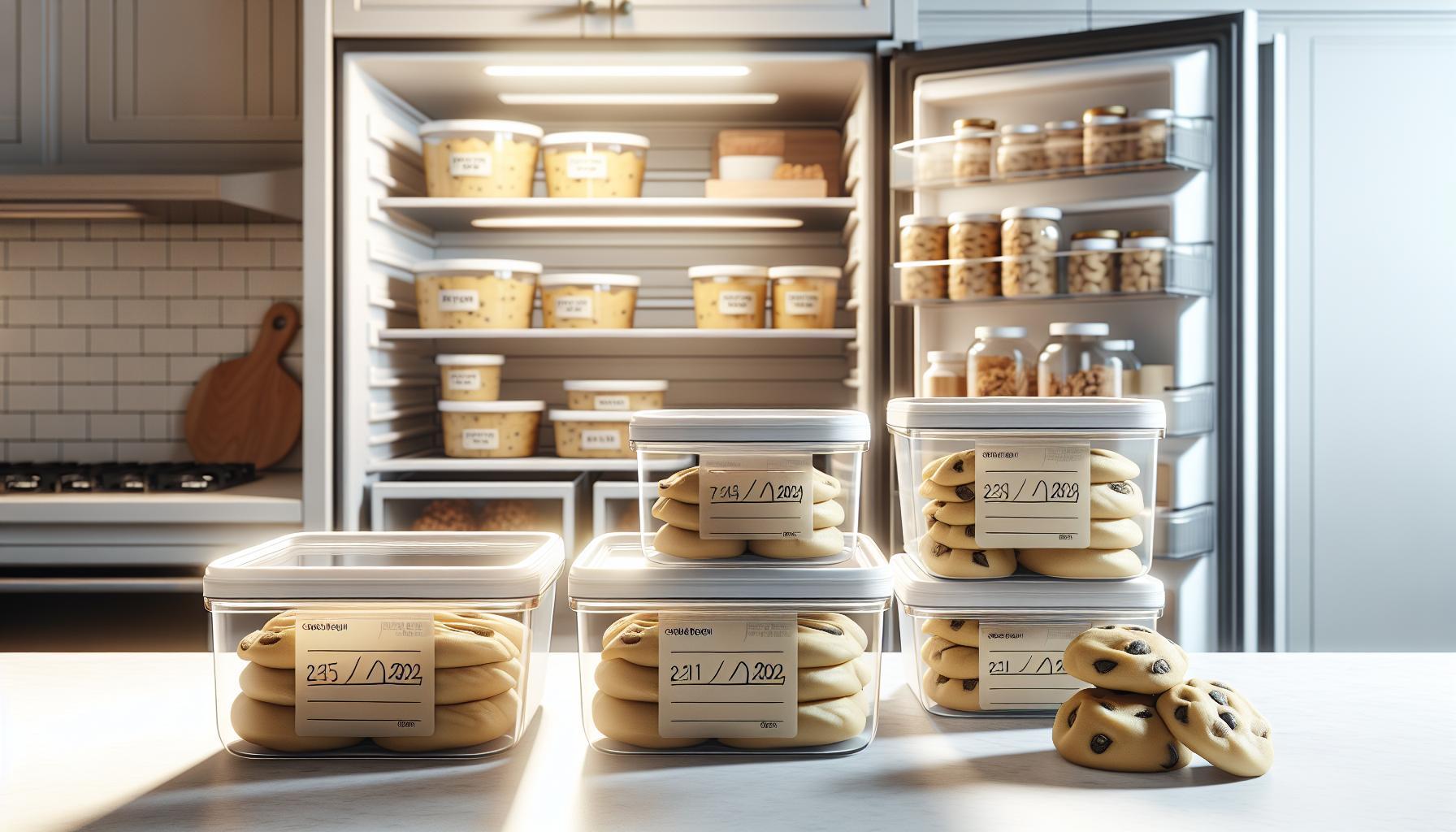

Did you know that cookie dough can be a freezer’s best-kept secret? By understanding how long it lasts in the freezer, you can enjoy freshly baked cookies anytime without the hassle of making dough from scratch each time. This guide will demystify cookie dough storage and equip you with the knowledge to keep your dough safe and delicious.
Many home bakers find themselves with leftover cookie dough, pondering whether they can stash it away for a later date. The good news is that you can freeze cookie dough for months, but knowing the right storage techniques and timeframes is crucial for maintaining flavor and safety. Whether you’re preparing for a last-minute gathering or simply want to satisfy a sweet craving, this article will provide you with practical tips to ensure your cookie dough remains fresh and ready to bake when you are. Keep reading to discover how you can maximize your baking potential!
How Long Can Cookie Dough Last in the Freezer?
Storing cookie dough in the freezer can be a game changer, allowing you to indulge in fresh-baked cookies whenever the craving strikes. Properly stored, most types of cookie dough can last in the freezer for up to three months. While it may be tempting to stretch this time, using the dough within this period is key for optimal flavor and texture.
To ensure the best results, it’s essential to wrap the cookie dough tightly in plastic wrap or aluminum foil and then place it in an airtight container or a resealable freezer bag. This extra layer of protection helps prevent freezer burn and keeps the dough flavorful. When you’re ready to bake, simply remove the desired amount of dough from the freezer, allowing it to thaw in the refrigerator for several hours or overnight before baking.
However, keep in mind that some doughs, particularly those containing high moisture or perishable ingredients like cream cheese, may not freeze as well and might have a shorter shelf life. Always label your containers with the date of freezing to keep track, and you’ll always know when it’s time to bake up a fresh batch of cookies!
The Science of Freezing Cookie Dough
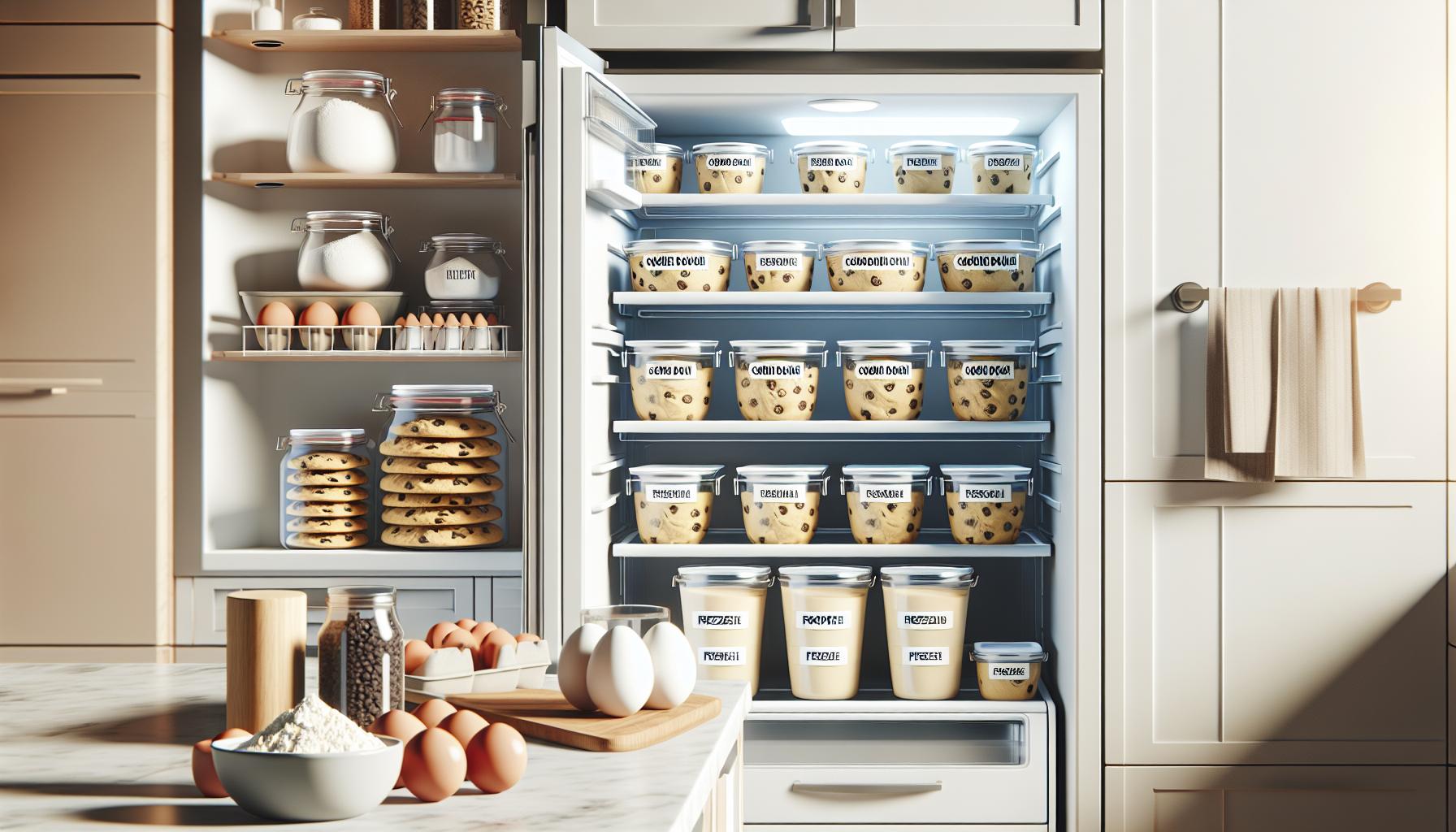
Freezing cookie dough is a culinary technique that not only preserves the dough but also enhances your baking experience by allowing for spontaneous cookie cravings to be satisfied at a moment’s notice. The science behind freezing lies in understanding how temperature affects the ingredients, especially the fat and moisture content in dough. When cookie dough is frozen, the movement of water molecules slows down, effectively halting the activity of enzymes and bacteria that can lead to spoilage. This preservation technique allows most types of cookie dough to maintain their quality for up to three months, assuming they are stored correctly.
For optimal freezing, ensuring that the dough is securely wrapped is crucial. This reduces exposure to air, which can lead to freezer burn-a condition that causes dryness and off-flavors. Wrapping dough tightly in plastic wrap or aluminum foil, followed by placing it in an airtight container or resealable freezer bag, creates an effective barrier against ice crystals and prevents any flavor contamination from other foods in the freezer. Additionally, varying types of cookie dough may behave differently when frozen. For example, doughs rich in butter or eggs, like chocolate chip or peanut butter cookies, typically maintain their texture better than those loaded with moisture-rich ingredients like cream cheese or fruits, which may lose quality if frozen for too long.
When you’re ready to bake, the method of thawing is just as important as the freezing process. Thawing in the refrigerator overnight is the safest and most effective method, allowing for even temperature distribution and maintaining the dough’s texture. It’s also advisable to plan ahead; preparing small portions of dough can make it easier to enjoy fresh cookies without needing to thaw all at once. By embracing freezing as a fundamental part of your baking strategy, you can ensure that delicious, homemade cookies are always just a few steps away.
Best Practices for Cookie Dough Storage
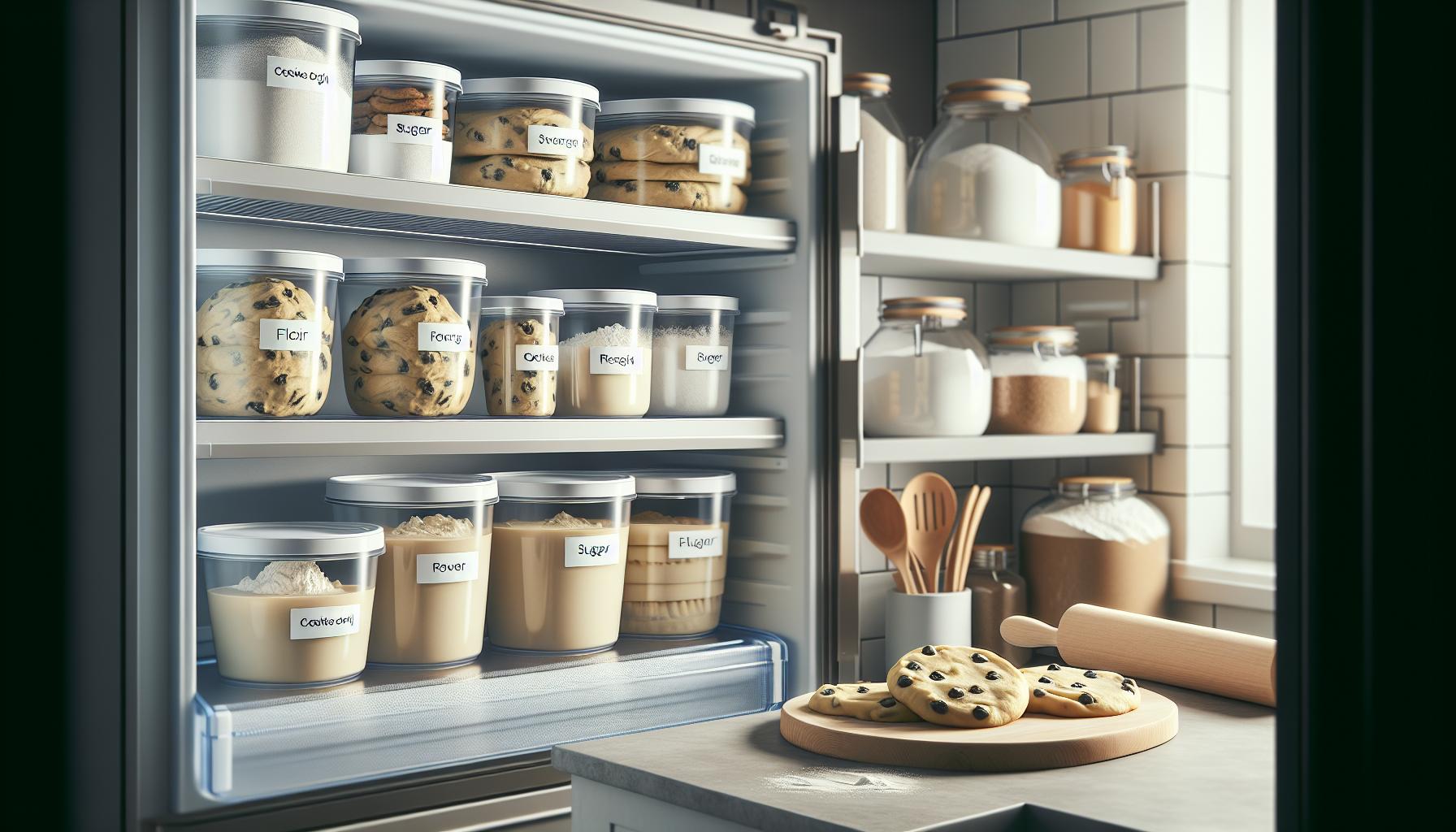
To maximize the longevity and quality of cookie dough in your freezer, proper storage practices are essential. Freezing cookie dough not only preserves it for later use but also allows you to enjoy fresh-baked cookies at a moment’s notice. However, the way you store your cookie dough can significantly impact its texture, flavor, and safety, so consider the following best practices.
First and foremost, ensure that your cookie dough is well-wrapped. Air exposure can lead to freezer burn, which negatively affects the flavor and texture of your dough. Wrap it tightly in plastic wrap or aluminum foil, making sure there are no gaps. After wrapping, store the dough in an airtight container or a resealable freezer bag. This additional layer helps protect the dough from ice crystals forming and prevents the absorption of unwanted odors from other foods in the freezer. It’s advisable to label the containers with the date and type of dough, helping to keep track of storage times and ensure you use the oldest dough first.
When it comes to specific storage durations, most cookie dough can last in the freezer for up to three months without a significant loss in quality. However, some types of dough behave differently when frozen. For instance, buttery or egg-rich doughs, like those used for chocolate chip cookies or classic sugar cookies, tend to freeze well and maintain their properties. On the other hand, doughs with high moisture content, such as those with cream cheese or fruit, might not fare as well after prolonged freezing, often resulting in altered textures or separation during baking.
Lastly, portioning your cookie dough into smaller amounts can provide greater flexibility. This practice allows you to thaw only what you need, minimizing waste and keeping the remainder frozen for future use. As a rule of thumb, aim to freeze dough in individual cookie scoop sizes, which makes it easy to bake fresh cookies in small batches whenever the craving strikes. By adhering to these best practices, you can enjoy delightful, freshly baked cookies without the stress of waste or spoilage.
Types of Cookie Dough: Storage Differences
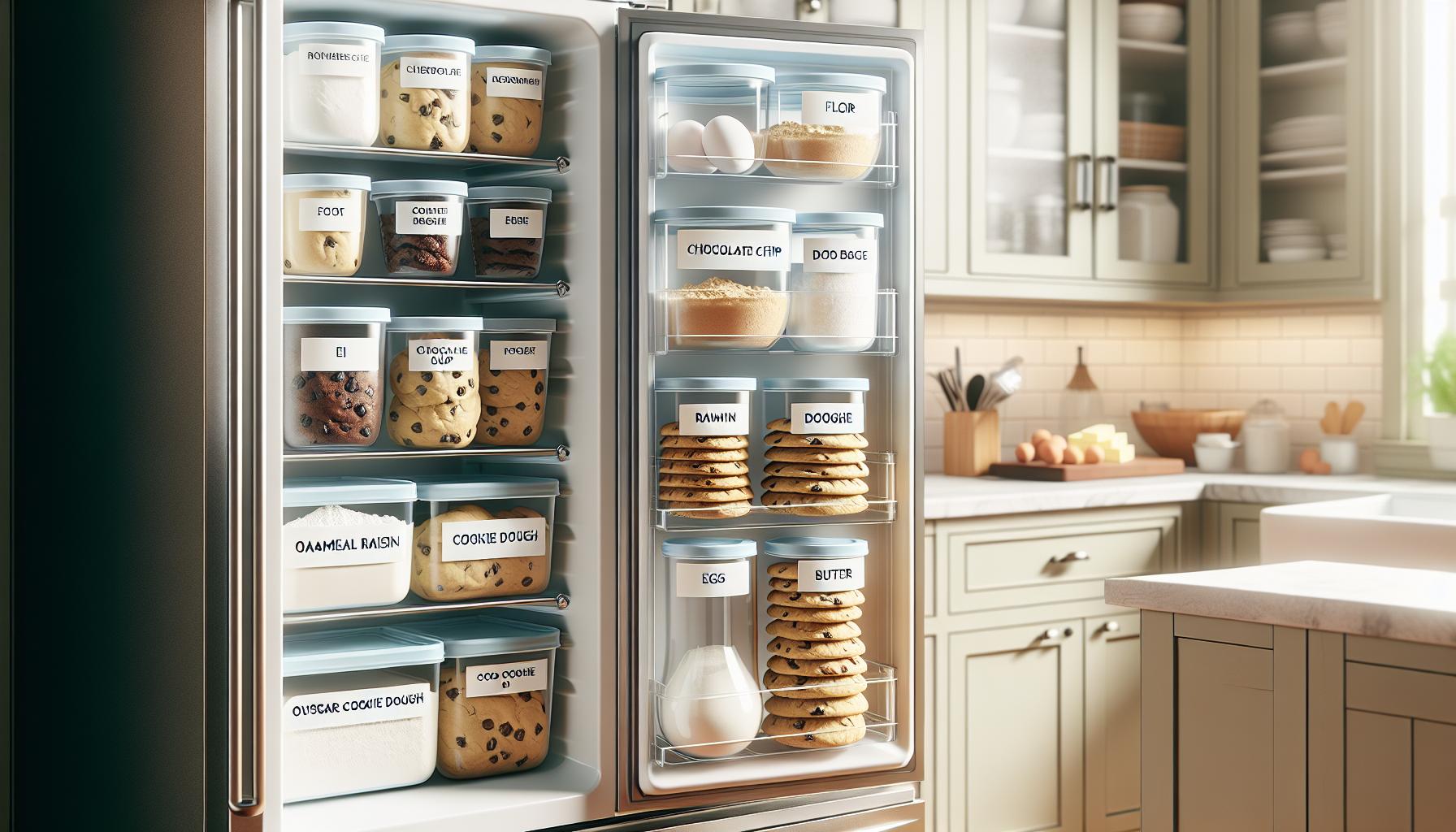
Different types of cookie dough have unique storage requirements that can significantly affect their quality and longevity in the freezer. Understanding these differences allows you to maximize freshness and ensure your baked goods taste as wonderful as intended. For example, traditional cookie doughs like chocolate chip or oatmeal typically freeze well due to their balanced fat-to-moisture ratio. They can maintain their texture and flavor for up to three months, as the butter and sugars help preserve moisture.
On the contrary, cookie doughs with higher moisture content, such as those that include cream cheese or fruit, require more careful handling. These types tend to separate or become watery after freezing, often resulting in inconsistent textures when baked. To mitigate this issue, consider reducing the moisture in the dough before freezing, or bake them off completely before storing for a longer period. In addition, storing them in smaller portions can help maintain quality; if you only want to use half, you won’t need to re-freeze the rest.
When it comes to doughs made with eggs, it’s crucial to pay attention to the yolk-to-white ratio. Egg-rich doughs like sugar or molasses cookies can hold up well in the freezer, but for meringue-based doughs, it’s best to avoid freezing altogether. These delicate mixtures often lose their structure and rise. In general, aim to freeze any type of cookie dough in well-wrapped portions, clearly labeled, to ensure you know what you’re handling and when it should be used.
In summary, being mindful of the specific characteristics of each cookie dough type will ensure you achieve the best results when baking your favorites. Whether you’re making simple butter cookies or complex variations, knowing how to store them properly in the freezer will allow you to enjoy delectable homemade cookies anytime without compromising quality.
Signs Your Cookie Dough Has Gone Bad
When it comes to cookie dough, freshness is key to achieving the perfect batch of cookies. While freezing helps extend the lifespan of your dough, it is essential to know when it has gone bad to avoid any kitchen mishaps. Recognizing the signs of spoilage can save you time and ensure safety in your baking endeavors.
One of the most apparent indicators that cookie dough has deteriorated is a change in smell. Fresh cookie dough should have a pleasant aroma, primarily derived from ingredients like butter, sugar, and any flavorings. If the dough emits a sour or off-putting odor, it’s best to err on the side of caution and dispose of it. Additionally, pay attention to the appearance; any discoloration, such as brown or gray spots, may signal the presence of mold or other spoilage.
Texture is another critical factor to consider. Fresher dough maintains a smooth, cohesive consistency. If you notice the dough has become overly sticky, crumbly, or has developed a dry or hard layer (often referred to as freezer burn), it may no longer be suitable for baking. Freezer burn occurs when the dough is exposed to air, leading to ice crystals forming on the surface, which can compromise taste and texture.
For those who often freeze their cookie dough, adhering to recommended storage times can prevent issues associated with long-term freezing. Typically, most types of cookie dough can last in the freezer for up to three months without significant quality loss. After this time, the risk of spoilage increases, and the dough may not bake up as nicely as it should. Be sure to regularly check your frozen cookie dough, ensuring that it’s well-wrapped and labeled with the date to track its freshness effectively.
In summary, maintaining an awareness of your cookie dough’s smell, appearance, and texture will help guide you in determining its safety for baking. Always trust your senses when it comes to food safety, and when in doubt, it’s safer to discard questionable dough rather than take a risk. Happy baking!
Thawing Cookie Dough: Tips and Techniques
When you’re ready to bake fresh cookies from frozen dough, knowing the best techniques for thawing is crucial. Properly thawing cookie dough not only ensures optimal texture and flavor but also reduces the risk of mixing cold dough with warm ingredients, which can lead to poor results. Here are some effective methods to consider when thawing your cookie dough.
Refrigerator Thawing
The safest and most recommended method for thawing cookie dough is to place it in the refrigerator. Simply transfer your frozen cookie dough from the freezer to the fridge and let it thaw gradually. Depending on the size and thickness of the dough, this process typically takes between 4 to 12 hours. By using this method, you’re maintaining a safe temperature (below 40°F or 4°C), which minimizes the risk of bacterial growth. Plus, refrigerating the dough allows the flavors to meld together beautifully, enhancing the overall taste of your cookies.
Countertop Thawing
For a quicker approach, you can thaw cookie dough on the countertop. Roll the dough into smaller portions or flatten it slightly to expedite the thawing process. Depending on the portion size, expect the dough to soften in about 30 minutes to 1 hour. Keep an eye on it to ensure it doesn’t get too warm; if it becomes too soft, it might not hold its shape when baked. It’s best to only use this method if you intend to bake the dough right away.
Microwave Thawing
If you’re in a rush, using a microwave can be a viable option, but care must be taken. Use the defrost setting on your microwave and heat the dough in short bursts of about 10 seconds, flipping or kneading the dough in between to ensure even thawing. This method requires close monitoring to prevent the dough from cooking. Generally, it’s best to avoid microwave thawing for larger batches, as it can lead to uneven thawing and could compromise the dough’s consistency.
Thawing Tips
- Divide and conquer: If you’ve frozen your dough in large logs or balls, consider cutting the dough into smaller pieces before freezing. This not only saves space but also speeds up the thawing process.
- Back to the fridge: For any thawed dough that you do not use immediately, it’s wise to refreeze it only if it has been kept at a safe temperature during the thawing process (i.e., below 40°F).
- Mind the time: Dough should not be left out at room temperature for more than two hours, as this can increase the risk of bacterial contamination.
By following these thawing techniques, you can preserve the quality and safety of your cookie dough, ensuring that your freshly baked cookies will be both delicious and safe to enjoy.
Baking Frozen Cookie Dough: Step-by-Step Guide
Baking cookies from frozen dough offers the convenience of enjoying freshly baked treats without the prep work each time you crave something sweet. With proper freezing techniques, cookie dough can last in the freezer for up to three months, allowing you to stock up and bake whenever the mood strikes. Here’s how to effectively bake frozen cookie dough right from your freezer.
Start by preparing your oven. Preheat it to the temperature specified in your cookie recipe, typically between 350°F and 375°F (175°C to 190°C). While the oven heats, you can remove the frozen cookie dough from the freezer. If you’ve frozen the dough in logs, slice it into equal portions as indicated in your recipe. For cookie scoops, you can place the frozen dough balls directly onto a parchment-lined baking sheet. Spacing the dough balls about two inches apart will help them bake evenly and develop a nice chewy texture.
Once the dough is arranged on the baking sheet, consider whether to extend the baking time. Frozen cookie dough generally requires around 2-5 additional minutes compared to baking from chilled or room temperature dough. Watch for visual cues: cookies should be golden around the edges and still slightly soft in the center. For a uniform bake, rotate the baking sheet halfway through the baking time. This ensures that cookies on the edges receive the same heat and browning as those in the center.
After baking, allow the cookies to cool on the sheet for a few minutes before transferring them to a wire rack. This will help maintain their structure and prevent them from becoming overly soft or breaking apart. Enjoy the process of creating warm, delicious cookies right from your frozen stash, perfect for unexpected guests or a late-night treat!
- Preheat the oven: Set to the recipe’s required temperature.
- Prepare the dough: Slice frozen logs or place balls directly on the baking sheet.
- Adjust baking time: Increase by 2-5 minutes for frozen dough.
- Let cool: Allow cookies to set on the baking sheet before transferring.
With these steps, you’ll master the art of baking frozen cookie dough, delivering homemade cookies without the hassle. Each batch will remind you that a sweet treat is always within reach.
Creative Uses for Leftover Cookie Dough
Leftover cookie dough doesn’t have to go to waste; it’s a versatile ingredient that can lead to a variety of delicious creations beyond just cookies. If you find yourself with excess dough after a baking session, consider some inventive uses that will satisfy your sweet tooth or elevate your dessert game.
One of the simplest ways to utilize leftover cookie dough is to make cookie dough truffles. Roll small balls of the dough, chill them briefly, then dip them in melted chocolate for a tasty treat that resembles edible cookie dough bites. This method not only creates a unique dessert but also allows you to showcase flavors that complement the original cookie. For instance, adding crushed nuts or sprinkles can take these truffles to the next level.
Another exciting option is transforming the dough into a pie crust or tart shell. Simply press the softened cookie dough into the bottom of a pie dish and pre-bake it. Once it’s golden and set, fill it with your favorite custard, pudding, or cheesecake filling for a delightful twist on traditional desserts. This approach works particularly well with chocolate chip or peanut butter cookie dough, offering a delightful contrast between the crust and the filling.
Using cookie dough as a topping for desserts is also a fantastic idea. Crumble the dough over ice cream, fruit crisps, or brownies before baking. This adds a delicious texture and flavor to your dishes, making them even more indulgent. Simply ensure that the cookie dough is baked briefly to achieve a golden top while keeping its chewy center intact.
Lastly, if you’re feeling adventurous, create cookie dough pancakes. Mix the leftover dough into your pancake batter, and cook as usual. This variation brings a fun, sweet twist to breakfast that kids and adults alike will love. The leftovers can be refrigerated for a quick breakfast option that combines the joy of cookies with the heartiness of pancakes.
By thinking outside the box, leftover cookie dough can transform from a simple baking excess into standout treats that impress family and friends alike. Always ensure that the dough remains safe for consumption, adhering to proper storage practices to prevent spoilage, and enjoy the creative process!
Freeze vs. Refrigerate: What’s Best for Cookie Dough?
Many bakers wonder whether freezing or refrigerating cookie dough is the superior choice for long-term storage and optimal freshness. The truth is, both methods have their merits, but if you’re looking to keep cookie dough for an extended period without sacrificing quality, freezing is the way to go. Refrigerating cookie dough is fine for short-term use-about three to five days-while freezing it allows you to maintain its quality for up to three months or longer, depending on the type of dough.
When you freeze cookie dough, it undergoes a process that halts microbial growth, preserving its freshness. The cold temperature solidifies the fats and prevents the sugar from crystallizing, comparing favorably to refrigeration which may lead to slight changes in texture and flavor over time. For long-term plans, wrap your dough tightly in plastic wrap and then place it in an airtight container or a resealable freezer bag to protect it from freezer burn. Label the packaging with the date and type of cookie for easy tracking.
Best Practices for Freezing Cookie Dough
- Portion It Out: Divide your dough into individual portions before freezing. This makes it easy to bake just the amount you need.
- Pre-bake if Desired: You can also pre-bake cookie dough balls and freeze them. Once frozen, store them in a bag or container for quick access; just add a few extra minutes to the bake time when cooking from frozen.
- Don’t Overpack: Make sure to leave space between each dough ball on the baking sheet when freezing them initially, as they will expand slightly. Once solid, you can transfer them to your storage container.
Ultimately, while refrigeration is suitable for immediate use, freezing offers greater flexibility, allowing you to enjoy fresh-baked cookies anytime. Just take care to follow proper storage protocols to ensure your cookie dough remains fresh and delicious until you’re ready to bake!
Safe Storage Practices: Avoiding Contamination
To maintain the freshness and safety of your cookie dough while it’s stored in the freezer, employing proper handling techniques is crucial. The key to preventing contamination and ensuring your cookie dough remains delicious lies in your storage practices. For starters, always begin with clean hands and sanitized surfaces. Flour and raw eggs can harbor harmful bacteria, so minimizing contact with these ingredients during preparation is essential.
When storing your cookie dough, keep it airtight to prevent not only freezer burn but also the absorption of odors from other foods. Using plastic wrap is a reliable method, but for an extra layer of protection, place the wrapped dough into an airtight container or a resealable freezer bag. Remember to label your storage with the date and type of cookie, allowing for easy identification during future use. If your dough contains ingredients like nuts or chocolate chips, consider dividing it by type because different ingredients may alter the flavor profile if left to mix together.
When it comes to thawing your frozen cookie dough, do so in the refrigerator instead of leaving it at room temperature. This practice reduces the risk of bacteria growth, ensuring that your dough stays safe to consume. Always monitor the dough while it thaws; if you notice any odd smells, discoloration, or unusual textures, it’s best to err on the side of caution and discard it.
Finally, keep in mind that freezing doesn’t make cookie dough immune to contamination. It’s wise to use frozen dough within three months for optimal flavor and quality. If your dough has been in the freezer longer, double-check for any signs of spoilage before baking. By following these practical storage protocols, you can ensure that your cookie dough remains safe and ready for baking delicious treats at a moment’s notice.
Expert Tips for Perfecting Your Cookie Dough Recipe
Perfecting your cookie dough recipe can elevate your baking to new heights, ensuring that every batch is deliciously satisfying. One key factor to keep in mind is the quality of your ingredients. Always use fresh, high-quality butter, sugars, and flour. Consider browning your butter before incorporating it into the dough; this enhances the flavor with nutty notes and gives your cookies a richer taste. Additionally, using different types of sugar can affect texture-brown sugar adds moisture and chewiness, while granulated sugar contributes to a crisper finish.
Another crucial aspect is the chilling of your dough. Allowing the cookie dough to rest in the refrigerator for at least 30 minutes before baking leads to a firmer dough that spreads less in the oven, resulting in thicker, chewier cookies. If you are preparing dough for freezing, consider portioning it into individual cookie-sized balls before freezing. This not only makes it easier to bake just the right amount later but also ensures more uniform cooking and better texture.
When you’re ready to bake, don’t skip the step of preheating your oven fully; this will help your cookies rise and develop a delightful golden exterior. Furthermore, using parchment paper on your baking sheets can prevent sticking and promote even browning. Rotate your baking sheets halfway through the baking time to ensure even heat distribution, especially if your oven has hot spots.
Finally, it’s essential to keep track of ingredient ratios, especially if you experiment with different add-ins like nuts or chocolate. A simple formula for balance is to maintain a ratio of 3:2:1 for flour, fat, and sugar. This principle can guide you when tweaking your recipe for flavor variations while ensuring the dough behaves as expected. By paying attention to these details and techniques, you can create cookie dough that not only freezes well but also bakes into deliciously satisfying cookies every time.
Frequently asked questions
Q: How can I tell if my frozen cookie dough is still good?
A: Check for signs of freezer burn, off-putting odors, or unusual texture. If the cookie dough has changed color or developed ice crystals, it may be best to discard it. For more detailed safety guidelines, refer to the “Signs Your Cookie Dough Has Gone Bad” section.
Q: What types of cookie dough can be frozen?
A: Most cookie dough types can be frozen, including drop cookies, rolled cookies, and cut-out cookies. However, doughs with high moisture content may not freeze as well. Explore more in the “Types of Cookie Dough: Storage Differences” section for specifics.
Q: Can I freeze cookie dough that has been previously thawed?
A: It’s not recommended to refreeze cookie dough once it has been thawed. Doing so can compromise its quality and safety. For best practices, see the “Best Practices for Cookie Dough Storage” section.
Q: What is the best way to thaw cookie dough quickly?
A: The quickest way to thaw cookie dough is by leaving it at room temperature for about 15-30 minutes. Alternatively, you can use the refrigerator for a few hours. Check the “Thawing Cookie Dough: Tips and Techniques” section for more methods.
Q: Can I add ingredients to cookie dough after it has been frozen?
A: It’s best to add ingredients to cookie dough before freezing to ensure even distribution. Adding ingredients later can affect the dough’s consistency. Refer to “Expert Tips for Perfecting Your Cookie Dough Recipe” for more insights.
Q: How should I wrap cookie dough for freezing?
A: Wrap cookie dough tightly in plastic wrap or foil, then place it in an airtight container or zip-top bag. This prevents freezer burn. For detailed storage instructions, visit the “Safe Storage Practices: Avoiding Contamination” section.
Q: How long does cookie dough last in the freezer compared to the fridge?
A: Cookie dough can last up to three months in the freezer, while in the fridge, it’s best consumed within a week. Check the “Freeze vs. Refrigerate: What’s Best for Cookie Dough?” section for more comparisons.
Q: Is it safe to bake cookie dough from frozen?
A: Yes, you can bake cookie dough directly from the freezer. Just add a couple of extra minutes to the baking time. For step-by-step guidance, consult the “Baking Frozen Cookie Dough: Step-by-Step Guide” section.
Final Thoughts
Baking with cookie dough makes every occasion special, and knowing how long it can last in the freezer is crucial. Stored properly, cookie dough can stay fresh for up to three months, allowing you to whip up delicious treats whenever you want. Don’t let that batch go to waste; mark your calendar and label your containers to keep track of when it was frozen. If you’re looking for more tips, check out our guides on “The Best Freezing Methods for Baked Goods” and “Top Cookie Recipes for Every Occasion.”
Ready to bake? Dive into our recipe section, where you’ll find an array of cookie ideas waiting for you. If you have questions or want to share your baking experiences, drop a comment below-we love hearing from fellow cookie lovers! Remember to subscribe to our newsletter for exclusive tips and delicious recipes delivered right to your inbox. Don’t miss the chance to create sweet memories with your frozen cookie dough today!