


Tuna salad is a delightful and versatile lunch option, but how long can it safely last in your fridge? Understanding the shelf life of tuna salad is essential not only for enjoying fresh meals but also for avoiding foodborne illnesses. While the creamy texture and savory taste may tempt you to keep leftovers longer, knowing the proper storage guidelines can help you maintain flavor and safety.
Many people struggle with leftover lunches, often questioning what to keep and what to toss. You want to savor that delicious tuna salad, but you also need peace of mind regarding food safety. In this article, we’ll explore the factors that affect how long tuna salad remains fresh, provide practical tips for storage, and offer recommendations for keeping your meals both tasty and safe. With the right knowledge, you can confidently enjoy your homemade tuna salad without risking spoilage. Let’s dive into the details and ensure your lunch stays as delightful as it was when freshly made!
How Long Does Tuna Salad Last in the Fridge?
Tuna salad is a convenient and versatile dish loved by many, but it’s essential to know how long it can last in the fridge to ensure safety and quality. Typically, tuna salad can be stored safely in the refrigerator for about 3 to 5 days. This time frame applies to tuna salad made with common ingredients like mayonnaise, celery, and onion, which should always be kept at a temperature below 40°F (4°C) to minimize the risk of bacterial growth.
To maximize the freshness of your tuna salad, proper storage techniques are vital. Always place the salad in an airtight container to limit exposure to air and contaminants. Make sure to keep it tightly sealed to prevent any odors from affecting the tuna salad while it’s stored. If you plan on keeping it for the full 5 days, avoid adding ingredients that spoil quickly, such as fresh herbs or finely diced vegetables, until you’re ready to serve.
Additionally, consider the “use by” date of the tuna used, as the shelf life of prepared tuna salad can be influenced by the tuna’s freshness at the time of preparation. If you’re unsure about its longevity, inspect the salad for changes in texture, color, or smell before consuming. Following these guidelines ensures that your tuna salad remains safe and enjoyable to eat throughout its recommended storage period.
Key Factors Affecting Tuna Salad Shelf Life
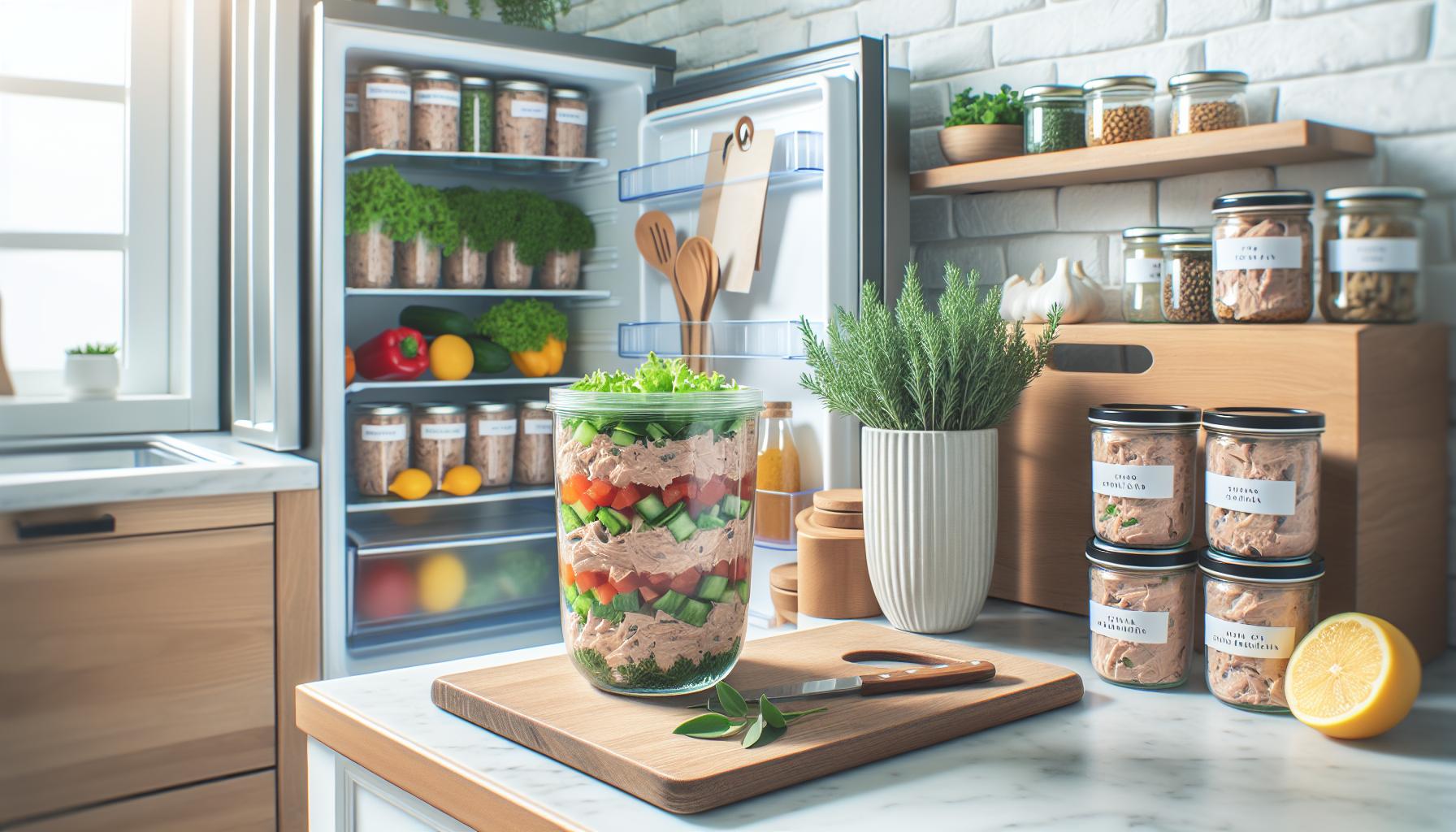
Tuna salad is a beloved dish, but its longevity in the fridge can be influenced by several key factors. Understanding these factors can help ensure that your tuna salad remains fresh and safe to eat throughout its shelf life. One of the primary components affecting its lifespan is the quality of the ingredients used. Fresh tuna, for instance, can significantly enhance the salad’s durability; using tuna that is nearing its expiration may lead to a shorter overall shelf life.
Additionally, the type of dressing or mayonnaise plays a crucial role. Mayonnaise-based dressings can invite bacterial growth if not stored properly, while vinegar or oil-based dressings may offer slightly better preservation. The inclusion of high-water content ingredients, such as tomatoes or cucumbers, can also reduce shelf life as they release moisture that promotes spoilage. Therefore, when preparing your tuna salad, try to use drier ingredients if you plan to store leftovers for longer periods.
Another important consideration is how the salad is stored. To maximize shelf life, always place tuna salad in an airtight container to prevent exposure to air and contaminants. Storing your salad away from fluctuating temperatures-such as in the coldest part of the fridge-can further help maintain freshness. Packing the salad tightly can limit the amount of air that comes into contact with it, reducing the chances of spoilage.
Time is also a major factor; even under ideal conditions, tuna salad is typically best consumed within 3 to 5 days. Keeping a close eye on the salad’s texture, color, and aroma will also help you determine its freshness. By considering these aspects, you can better manage your tuna salad’s shelf life, ensuring it remains both delicious and safe for your meals.
Signs of Spoilage: When to Discard Tuna Salad
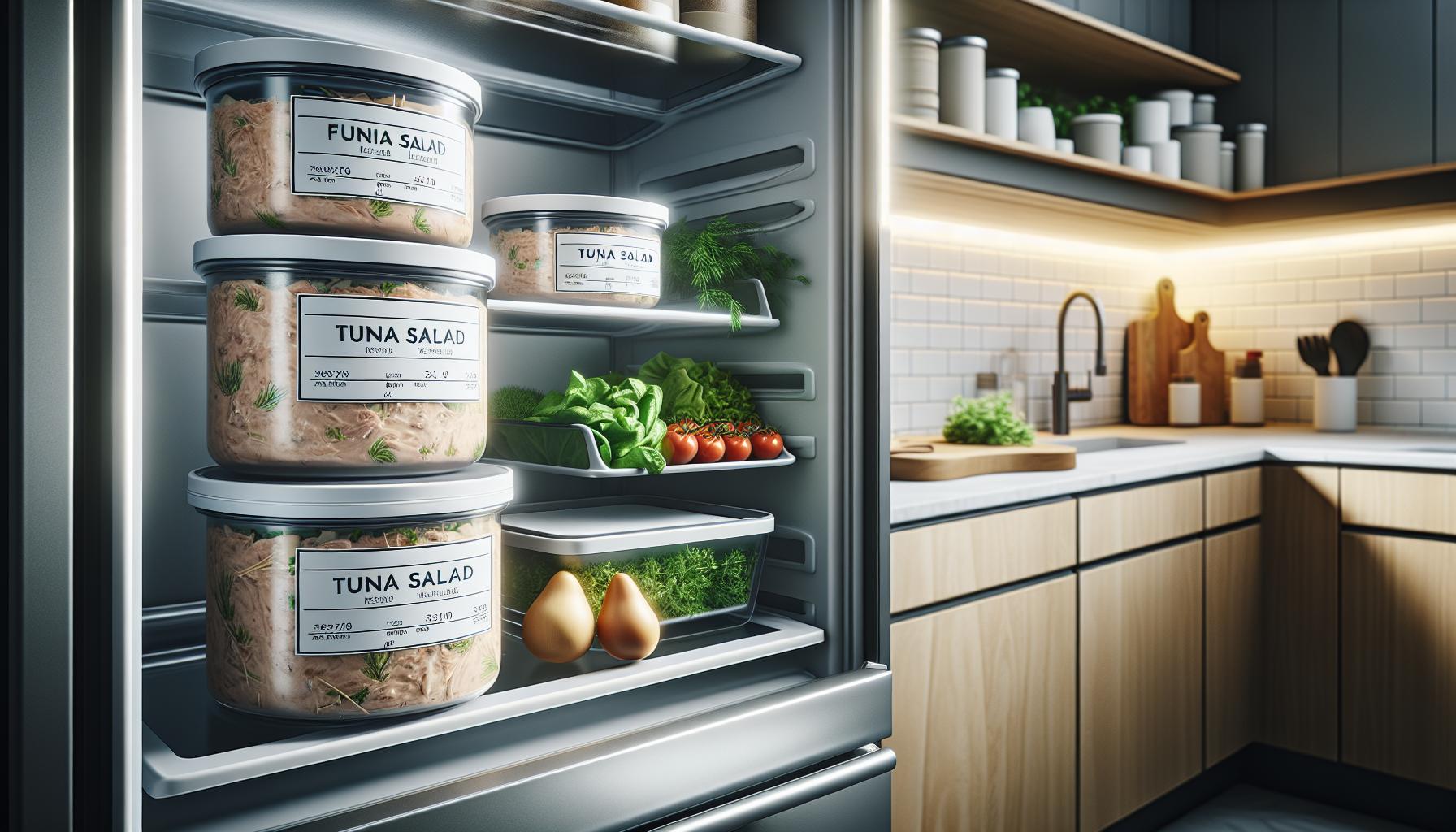
Recognizing when to discard tuna salad is crucial for maintaining food safety and ensuring a pleasant eating experience. Even if stored properly, tuna salad has a limited lifespan, typically ranging from 3 to 5 days in the refrigerator. The moment it starts showing signs of spoilage, it’s important to act decisively to prevent foodborne illness.
One of the most telling indicators of spoilage is a change in smell. If your tuna salad emits an off or sour odor, it’s a clear sign that bacterial growth may have occurred, and it’s best to dispose of it. Similarly, an unusual color change, such as graying or a dull appearance, can suggest that the ingredients are breaking down, indicating it’s past its prime. The texture is also a key factor; a slimy or overly watery consistency often points to spoilage, especially if high-water ingredients like tomatoes or cucumbers were included.
To maintain a safe and enjoyable meal, it’s essential to trust your senses. If you’re uncertain about the freshness of your tuna salad, it’s wiser to err on the side of caution and throw it away. Remember, while it might be tempting to salvage leftovers, consuming spoiled food can lead to unpleasant consequences. Always prioritize food safety to ensure that your meals are both delicious and safe.
Best Practices for Storing Tuna Salad
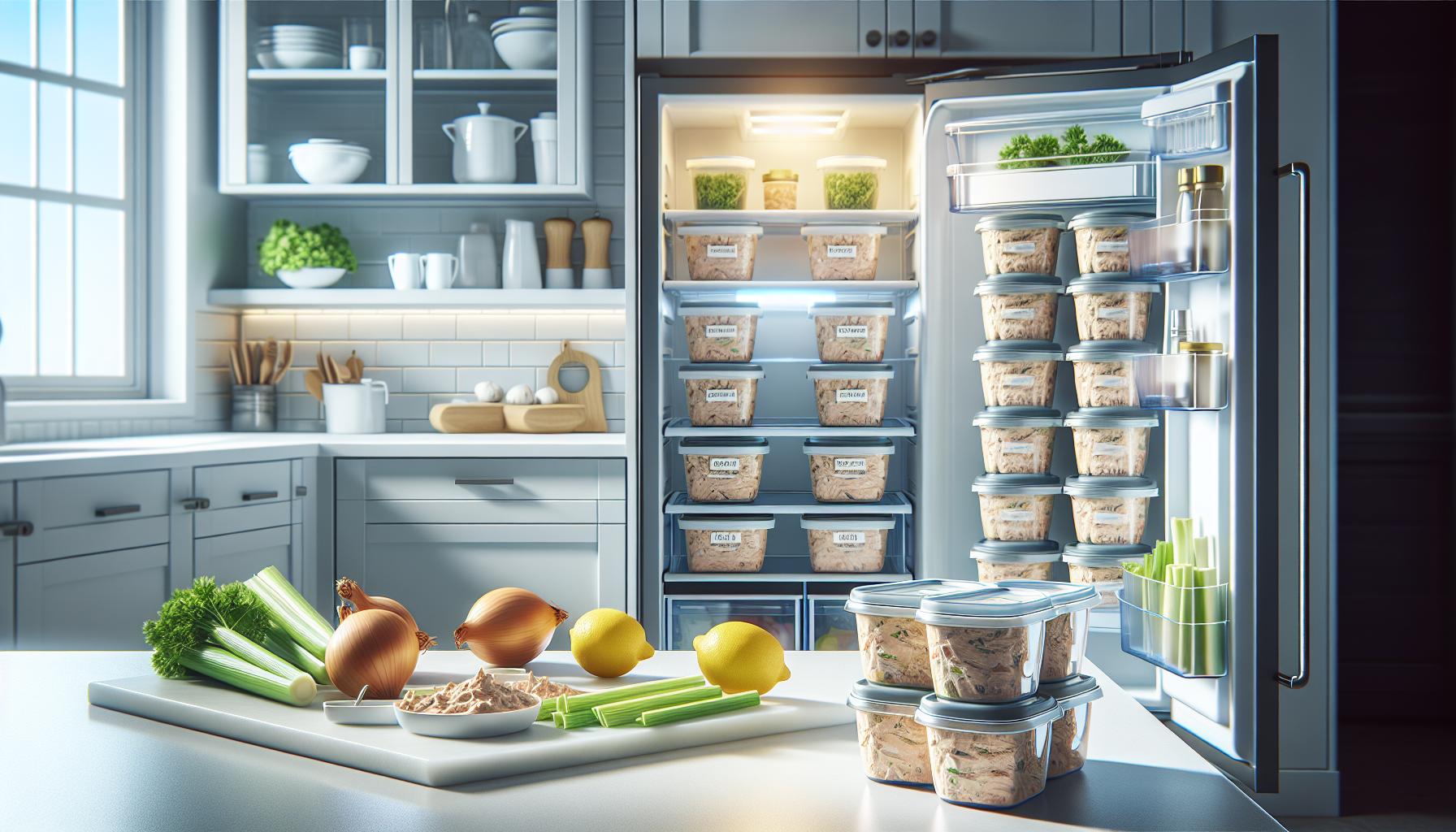
To keep tuna salad fresh and safe for consumption, proper storage practices are essential. Tuna salad can be a delightful addition to lunches, but if not stored correctly, it can become a breeding ground for bacteria, which can lead to foodborne illness. To maximize its shelf life and maintain its quality, consider the following best practices.
First, always store tuna salad in a tightly sealed container to minimize exposure to air, which can accelerate spoilage. Glass or plastic containers with airtight lids are ideal. Additionally, place the tuna salad in the refrigerator as soon as possible after preparation or serving; don’t let it sit at room temperature for more than two hours to reduce the risk of bacterial growth.
Temperature Stability
Maintaining a consistent refrigerator temperature is another critical factor. The USDA recommends keeping your refrigerator at or below 40°F (4°C). Consider using a refrigerator thermometer to ensure the accuracy of your appliance’s settings. If you often open and close the refrigerator door, be mindful of temperature fluctuations which can affect food safety.
Portion Control
For those who prepare larger batches, consider dividing the tuna salad into smaller portions. This approach not only helps with storage but allows you to defrost or take out only what you need, minimizing the number of times the entire batch is exposed to warmer temperatures outside the fridge.
Freezing Options
If you’re unable to consume your tuna salad within the recommended 3 to 5 days, freezing is a viable option. However, keep in mind that the texture may change once thawed. Transfer the salad to a freezer-safe container, leaving some space at the top for expansion, and label it with the date. Aim to consume frozen tuna salad within 1 to 2 months for the best quality.
By adhering to these storage methods, you can make informed decisions about your meals, ensuring your tuna salad stays fresh, delicious, and safe to eat.
How to Extend the Freshness of Tuna Salad
To keep the delightful flavors and textures of tuna salad intact for as long as possible, it is crucial to implement strategies that maximize its freshness. Tuna salad is not just a convenient meal option; it’s a protein-packed dish that deserves careful handling. By following a few simple best practices, you can extend the lifespan of your tuna salad and enjoy it worry-free throughout the week.
One effective way to enhance the salad’s longevity is by incorporating fresh ingredients just before consumption rather than mixing everything in upfront. For example, if your tuna salad recipe calls for vegetables or herbs, consider adding these components later. This minimizes moisture and prevents the salad from becoming soggy prematurely. Additionally, keep acidic ingredients like lemon juice or vinegar on the side until you’re ready to eat, as acidity can sometimes accelerate spoilage.
Another vital tip is the air quality in your storage containers. Using vacuum-sealed bags or containers can significantly reduce the air exposure that contributes to spoilage. Moreover, filling up the container to the brim reduces the air pocket, further protecting the dish from oxygen, which fosters bacterial growth. Aim to consume tuna salad within three to five days but be aware that the freshness can be influenced by the ingredients used. For instance, ingredients high in water content, such as cucumbers or tomatoes, can lead to quicker spoilage, so always factor this into your meal preparation.
Finally, maintaining your refrigerator at a consistent temperature is key. If you suspect your refrigerator fluctuates in temperature, consider investing in a thermometer to monitor conditions closely. Keeping your tuna salad at or below 40°F (4°C) can drastically limit bacterial growth. Following these tips not only preserves the quality of your dish but also ensures that every bite remains safe and enjoyable.
The Importance of Food Safety in Tuna Salad
Proper food safety is crucial when it comes to preparing and storing tuna salad. Given its ingredients-like canned tuna, mayonnaise, and various add-ins-it’s essential to handle and store the salad correctly to prevent foodborne illnesses. The Centers for Disease Control and Prevention (CDC) estimates that one in six Americans gets sick from foodborne diseases each year; therefore, understanding can significantly reduce your risk.
To start, tuna salad should always be refrigerated promptly after preparation. This ensures that it remains at a safe temperature, staving off bacterial growth. Aim to refrigerate your tuna salad within two hours of making it. If the temperature is above 90°F (32°C), this timeframe shortens to just one hour. When storing tuna salad, use airtight containers to minimize air exposure, helping to keep it fresh and safe. The recommended storage duration for tuna salad is three to five days, but always be mindful of the ingredients used, as those with higher moisture content-like tomatoes or cucumbers-can spoil faster.
It’s also important to practice good hygiene while preparing tuna salad. Wash your hands thoroughly before handling food, and ensure that all utensils and surfaces are clean. Cross-contamination can risk food safety, so keep raw foods separate from prepared ingredients. Additionally, if your tuna salad contains any leftover ingredients from previous meals, ensure they were also stored correctly and are still fresh.
In addition to refrigeration and proper hygiene, regularly checking the quality of your food is key. Look for changes in smell, texture, or appearance. Discard any tuna salad that has been stored longer than the recommended timeframe or if you notice any signs of spoilage. Following these food safety practices not only protects your health but also maximizes the enjoyment of your meal by ensuring every bite is safe and delicious.
Common Mistakes When Storing Tuna Salad
When it comes to storing tuna salad, avoiding common mistakes can significantly impact both its freshness and your health. Many people underestimate the importance of temperature control; one of the biggest errors is failing to refrigerate the salad promptly after preparation. Tuna salad should be stored in the refrigerator within two hours, and if the room temperature exceeds 90°F (32°C), that window narrows to just one hour. Leaving it out too long can allow harmful bacteria to thrive, leading to foodborne illnesses.
Another pitfall is the choice of storage containers. Using non-airtight containers is a common mistake that accelerates spoilage. It’s crucial to use airtight containers to limit exposure to air, which can cause the salad to dry out and degrade in quality. While it may be tempting to store the tuna salad in its original can or in a loosely covered dish, doing so can promote bacterial growth. Instead, opt for glass or BPA-free plastic containers that seal properly, ensuring a longer shelf life and maintaining flavor.
Failing to monitor the salad’s ingredients is also a frequent oversight. Ingredients like chopped vegetables, especially tomatoes or cucumbers, retain moisture and can lead to faster spoilage. If you plan to keep tuna salad for more than a couple of days, consider keeping those items separate and adding them just before consumption. This method not only preserves the freshness but also enhances the overall taste and texture of your dish.
Lastly, neglecting to label the storage container can lead to confusion later. Always date your tuna salad so you’re aware of when it was made, helping you keep track of its freshness. This simple step can prevent the risk of consuming outdated products. By steering clear of these common mistakes, you can enjoy your tuna salad safely and deliciously for the recommended storage duration of three to five days.
Creative Ways to Use Leftover Tuna Salad
There’s no need to let leftover tuna salad go to waste! With a little creativity, you can transform this versatile dish into a variety of delicious meals and snacks that will keep your taste buds satisfied while extending its shelf life. Tuna salad can last in the fridge for 3 to 5 days if stored properly, and knowing how to utilize leftovers effectively can help minimize food waste while providing you with quick meal options.
One of the easiest and most enjoyable ways to repurpose tuna salad is by using it as a filling for sandwiches or wraps. Simply spread the salad on your favorite bread or a tortilla, adding extra ingredients like lettuce, sliced tomatoes, or avocado for more flavor and texture. This not only reinvigorates the leftover salad but also creates a hearty and satisfying lunch. For a fun twist, consider using pita bread as a pocket to hold the tuna salad, which makes for an excellent portable snack.
Another creative option is to use leftover tuna salad in salads. Place it atop a bed of mixed greens, along with other veggies such as cucumbers, bell peppers, and olives. Drizzling a tangy vinaigrette will enhance the dish and provide a refreshing contrast to the rich tuna flavor. You can also scoop the salad into avocado halves or bell pepper boats for a healthy, low-carb meal that’s packed with nutrients.
If you’re in the mood for something warm, consider transforming your tuna salad into a comforting tuna casserole. Mix the salad with cooked pasta and a creamy sauce, then bake it in the oven for a warm and satisfying dish that retains the classic flavors. Incorporating breadcrumbs on top before baking adds a delightful crunch that complements the creaminess of the casserole.
Lastly, for those who enjoy snacking, tuna salad makes an excellent dip! Simply blend it with cream cheese or Greek yogurt to create a smooth, spreadable snack. Serve with crackers, vegetables, or even pita chips for an enjoyable appetizer that elevates your leftover tuna salad into a crowd-pleaser.
By using these methods, you can enhance the longevity and culinary potential of your tuna salad, ensuring that it remains a beloved staple in your kitchen-without any guilt about leftovers going to waste.
Comparing Different Tuna Salad Ingredients
When preparing tuna salad, the selection of ingredients can significantly influence the flavor, texture, and shelf life of the dish. Utilizing variations in ingredients not only personalizes your salad but also serves to enhance longevity, considering that some ingredients are more perishable than others.
Starting with the base, canned tuna is generally a long-lasting ingredient. Whether you opt for chunk light or solid white albacore, tuna can last for 3 to 5 days in the fridge once the salad is mixed. To ensure safety and freshness, always check the expiration date of the canned product before preparation.
Mayonnaise is a common binder in tuna salad, but it can also alter shelf life. Traditional mayonnaise made with eggs may spoil faster than commercial mayonnaise due to preservatives. If you’re looking for a healthier option that adds a unique twist, consider substituting half of the mayonnaise with Greek yogurt. This option not only boosts protein but also extends the salad’s freshness, as yogurt tends to have a longer shelf life when unopened and properly stored.
Vegetables like celery, onions, and bell peppers are often added for crunch and flavor. While these additions are refreshing, they can also introduce moisture, which may affect the salad’s longevity. To mitigate this, chop vegetables just before mixing them into the tuna salad. If preparing ahead of time, consider keeping the vegetables separate until you are ready to serve.
Other ingredients, such as herbs, spices, or even pickles, can elevate the flavor while providing some food safety benefits. Ingredients like dill and vinegar from pickles are known for their preservative qualities, which can contribute positively to overall shelf life.
To sum up, when , it’s essential to consider their impact on both flavor and longevity. Stick with fresh, quality produce, take care when adding moisture-rich vegetables, and feel free to experiment with alternative binding agents to enhance both taste and preservation. This approach will help ensure that your tuna salad remains safe to eat and delicious, allowing you to keep your lunches fresh for days.
Safe Reheating Methods for Tuna Salad
Reheating tuna salad can be a tricky endeavor because it contains ingredients that may not retain their quality when reheated. The first rule of thumb is that tuna salad is typically best enjoyed cold. However, if you find yourself with leftover tuna salad that you’d like to warm up, there are some safe methods you can follow to minimize the risk of spoilage and maintain its flavor.
Start by checking the shelf life of your tuna salad. If it has been stored correctly in the refrigerator, it should be safe to eat for three to five days after it was initially prepared. Before you proceed to reheat it, ensure that you see no signs of spoilage such as off smells, discoloration, or separation of ingredients. If all checks out, here are some safe reheating methods:
- Microwave: Place a portion of tuna salad in a microwave-safe dish. Cover it with a microwave-safe lid or plate to retain moisture and prevent splatters. Heat in short intervals of 15-30 seconds, stirring in between, until evenly warmed. Be sure to eat the warmed salad immediately.
- Stovetop: For a lightly warm option, transfer your tuna salad to a small skillet over low heat. Stir gently and continuously to avoid overheating and to ensure even heating. This method may cause some moisture loss, so adding a small splash of broth or water can help retain texture.
While reheating, avoid going overboard; you only want to bring it to a safe temperature without cooking it further. It’s crucial to reheat only the portion you plan to consume, as repeated heating and cooling can compromise the quality and safety of the dish.
In summary, enjoy your tuna salad cold whenever possible, but if reheating is necessary, use gentle methods to preserve flavor and safety. Always prioritize food safety practices by reheating only what you need and wading through signs of spoilage before consuming. Your careful approach will help ensure that your lunch remains delicious and safe, keeping your mealtime worry-free.
Tuna Salad Storage for Meal Prep Lovers
Meal prepping with tuna salad can be a game changer, offering a quick, nutritious option for lunches throughout the week. However, understanding how to store it properly is crucial to ensure it stays fresh and safe to eat. Generally, tuna salad can last in the refrigerator for about three to five days when stored correctly. This time frame hinges largely on the ingredients used and how well the salad is prepared and stored.
To maximize freshness, use airtight containers that can prevent air and moisture from entering. Glass containers or high-quality plastic meal prep containers with tight seals work best. Sectioning out individual portions into smaller containers can also promote convenience and minimize exposure to air each time you access your meal prep. As you pack your tuna salad, avoid adding ingredients that may not hold up well over time-like soft vegetables or mayonnaise-if you plan to store the salad beyond a couple of days. Instead, consider keeping such ingredients separate and adding them just before serving.
For meal prep enthusiasts, being mindful of temperature is equally important. Ensure your refrigerator maintains a temperature at or below 40°F (4°C). When you first make the salad, refrigerate it promptly within two hours. For salads that may contain dairy or other perishable components, consume them earlier in the storage timeline to mitigate any food safety risks.
Labeling your containers with dates can help keep track of freshness, ensuring you eat them within the optimal window. If you find yourself with excess salad nearing the end of its freshness, consider creative uses such as turning it into a tuna melt, incorporating it into a pasta bake, or serving it as a filling for wraps or sandwiches. This not only minimizes waste but also adds variety to your meals. With these practices, meal prepping tuna salad can remain a safe, delicious, and enjoyable way to simplify your lunchtime routine.
Understanding the Impact of Temperature on Tuna Salad
Maintaining the proper temperature is crucial for keeping tuna salad safe and fresh. When it comes to food storage, particularly with perishable items like tuna salad, the rule of thumb is that bacteria thrive in the temperature “danger zone” between 40°F (4°C) and 140°F (60°C). This means that keeping your tuna salad chilled at or below 40°F is essential to prevent any harmful bacterial growth that could lead to foodborne illnesses.
To achieve this, ensure your refrigerator is set to the appropriate temperature. Regularly check with a refrigerator thermometer if necessary, as even slight fluctuations can compromise the safety of stored foods. After preparing your tuna salad, refrigerate it promptly within two hours. If left out at room temperature for longer than this, it’s advisable to discard any leftovers to minimize food safety risks. Additionally, when serving tuna salad, avoid leaving it out for extended periods; placing a smaller portion in a serving bowl and keeping the rest refrigerated until needed can help maintain its freshness.
Proper storage techniques can also enhance the longevity of your tuna salad. Utilizing shallow, airtight containers allows for faster cooling and limits exposure to air, which can degrade quality. Be mindful to avoid stuffing containers to the brim; allowing some space will help the salad cool down evenly and maintain a safe temperature. Following these practices not only ensures safety but also enhances the overall quality of your meals, making your efforts in meal prepping worthwhile.
Q&A
Q: How can you tell if tuna salad is spoiled?
A: Spoiled tuna salad may exhibit an off odor, a change in color, or a slimy texture. If you notice any mold or unusual separation, it’s best to discard it immediately. Always trust your senses and err on the side of caution regarding food safety.
Q: Can I freeze tuna salad for later use?
A: Yes, you can freeze tuna salad, but its texture may change after thawing. For best results, freeze it without any mayonnaise or dressings, adding those fresh when ready to serve. Use an airtight container to prevent freezer burn, and consume within three months for optimal taste.
Q: How long can tuna salad sit out at room temperature?
A: Tuna salad should not sit out at room temperature for more than two hours. If the temperature exceeds 90°F (32°C), this time reduces to just one hour to prevent bacterial growth. Store it promptly in the fridge to maintain freshness.
Q: What ingredients can make tuna salad spoil faster?
A: Ingredients like eggs, mayonnaise, or dairy-based dressings can cause tuna salad to spoil more quickly due to their perishable nature. Opting for acid-based dressings can help extend its shelf life. Check the freshness of all components before preparing tuna salad.
Q: Is it safe to eat tuna salad after 5 days in the fridge?
A: Generally, it is not recommended to eat tuna salad that has been stored for more than 3 to 5 days in the refrigerator. If you’re unsure, it’s best to inspect for signs of spoilage. Always prioritize safety and freshness to avoid foodborne illnesses.
Q: How should you store opened canned tuna for making salad?
A: After opening, canned tuna should be transferred to an airtight container and refrigerated. It can last 3 to 4 days in the fridge, ensuring it remains safe for use in tuna salad. Always label the container with the date it was opened.
Q: What should you do if you have leftover tuna salad?
A: Store leftover tuna salad in an airtight container in the refrigerator. It should be consumed within 3 to 5 days. If the salad contains perishable ingredients, make sure to eat it sooner rather than later for optimal freshness.
Q: Can you mix different types of tuna in a salad?
A: Yes, mixing different types of tuna, such as canned light and albacore, can add varied flavors and textures to your salad. Just be mindful of the shelf life of each type and store the salad properly to maintain freshness.
The Conclusion
To keep your tuna salad fresh and safe, remember it can last in the fridge for about 3 to 5 days. This timeline ensures you enjoy optimal flavor and quality while avoiding potential foodborne illnesses. For best practices, store your salad in an airtight container and always check for any signs of spoilage before consuming.
Feeling inspired to explore more about food safety? Check out our guides on “How to Store Leftovers Safely” and “Understanding Food Expiration Dates” for comprehensive tips. Don’t forget to subscribe to our newsletter for the latest recipes and food storage insights. Your next delicious meal awaits-stay informed and keep your lunches fresh! Share your thoughts or questions in the comments below; we’d love to hear from you!


