Did you know that improperly stored mushrooms can develop a slimy texture and unpleasant odor quickly? If you’re someone who loves incorporating mushrooms into your meals, understanding how long sliced mushrooms last in the fridge is essential for both taste and safety. Knowing the right storage methods can help you avoid unwanted surprises and ensure that you’re always cooking with fresh ingredients.
In this guide, we’ll delve into the lifespan of sliced mushrooms, providing you with practical tips on how to store them properly and maximize their freshness. Resourceful cooking means knowing when to toss out ingredients, and for mushrooms, this knowledge is critical to maintaining both flavor and food safety. Keep reading to discover best practices that will keep your sliced mushrooms delicious and ready for your next culinary adventure!
How Long Do Sliced Mushrooms Last in the Fridge?
Sliced mushrooms can add a delightful earthiness to various dishes, but knowing how long they last in the fridge is essential to avoid waste and ensure food safety. When properly stored, sliced mushrooms typically remain fresh for about 3 to 7 days. To maximize their longevity, it’s crucial to keep them in a paper bag or tightly sealed container, as this helps to absorb moisture and reduce slime formation. Plastic bags, while convenient, can trap moisture and accelerate spoilage.
To further extend their shelf life, store the mushrooms in the coldest part of your fridge, usually the back, rather than the door. Be mindful that the freshness of sliced mushrooms can also be influenced by the type of mushroom-some varieties have shorter shelf lives than others. Regularly inspecting your mushrooms for signs of spoilage is key; if they appear slimy or discolored, it’s best to discard them.
In summary, keeping sliced mushrooms properly stored and regularly checking their condition helps guarantee that you can enjoy the flavors they bring to your meals without the risk of consuming spoiled food.
Signs of Spoilage: Watch for Sliminess

The texture of sliced mushrooms can tell you a lot about their condition. One of the most prominent signs of spoilage is sliminess, which is caused by excess moisture and microbial growth. When mushrooms start to break down, they release enzymes and moisture that create a slippery surface, making them less than appetizing. It’s essential to be vigilant; slimy mushrooms not only indicate a decline in quality but can also pose a health risk if consumed.
To ensure your sliced mushrooms are still safe to eat, check for the following signs of spoilage:
- Texture: Fresh sliced mushrooms should be firm and slightly springy. If they feel overly soft, mushy, or slimy, it’s best to throw them out.
- Color: Look for discoloration, which can manifest as browning or dark spots. Fresh fungi typically have a uniform color without blackened areas.
- Odor: Pay attention to the smell. Fresh mushrooms have a mild, earthy scent, while spoiled ones may emit a sour or off-putting odor.
If you discover that your mushrooms have become slimy, it’s a clear indication they have entered the spoilage stage. It’s safest to dispose of them right away as consuming spoiled mushrooms can lead to foodborne illnesses. Regularly checking your mushrooms during storage is crucial to ensuring that you’re only using quality ingredients in your meals. Keeping them stored properly, as previously discussed, can help maintain their freshness and prevent this unpleasant situation.
The Science of Mushroom Preservation
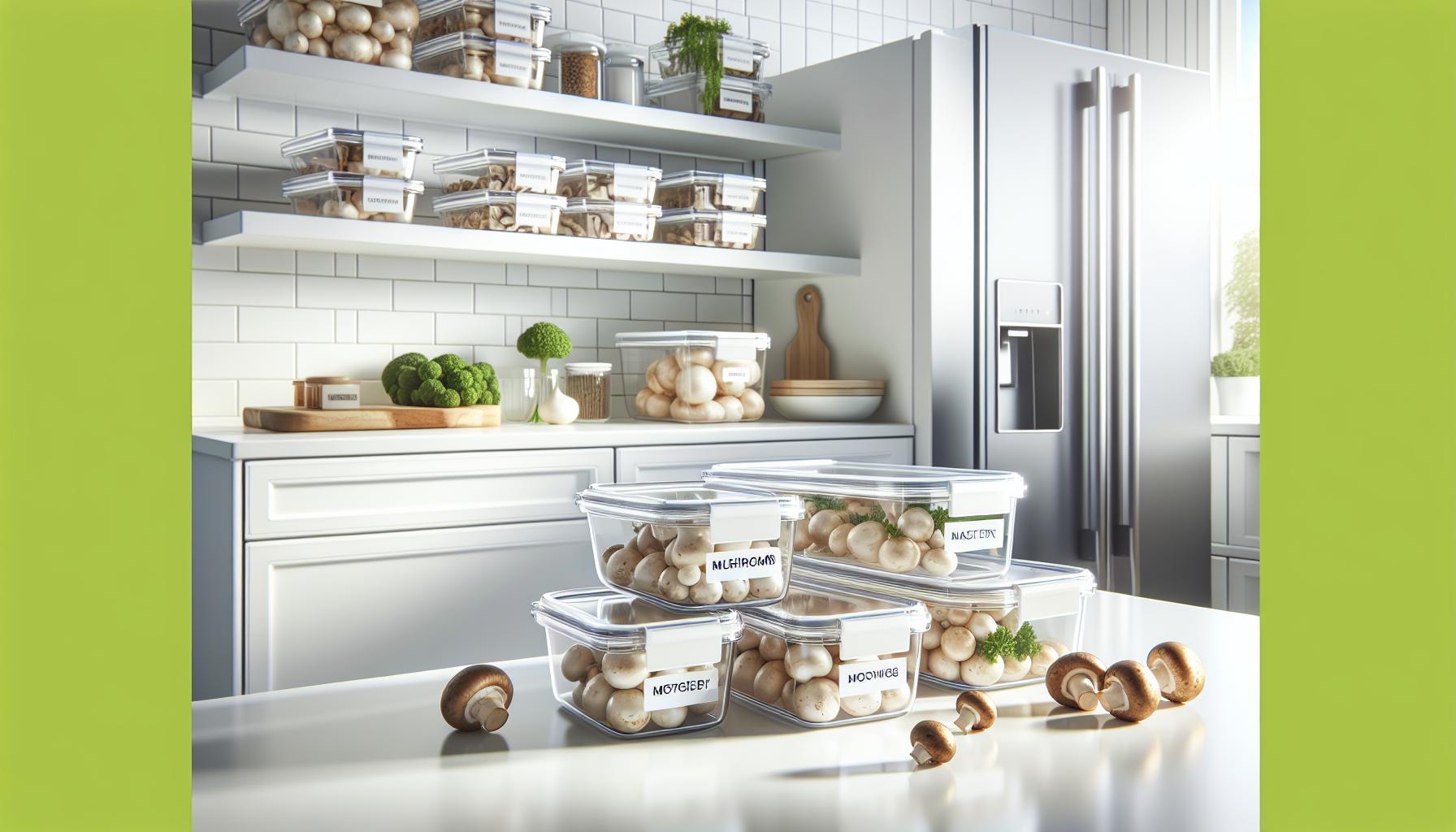
Mushrooms are unique and perishable fungi that require careful handling to retain their freshness and safety for consumption. Understanding helps not only in extending their shelf life but also in ensuring that they remain safe to eat. When mushrooms are sliced, their vulnerable interior is exposed to air, which accelerates oxidation and moisture loss. This process sets in motion various biochemical reactions that can lead to spoilage if not managed properly.
To effectively preserve sliced mushrooms, it’s paramount to control their environment. One significant factor is temperature; keeping them in the refrigerator at temperatures below 40°F (4°C) significantly slows microbial growth and enzyme activity. Under ideal conditions, freshly sliced mushrooms stored in a paper bag can last about 3 to 5 days. The paper absorbs excess moisture, reducing the likelihood of sliminess. In contrast, storing them in plastic can trap moisture, hastening spoilage.
Another important aspect is the quality of the mushrooms at the time of slicing. Fresh mushrooms should be firm with a smooth surface. Any bruising or damage before slicing accelerates spoilage and can lead to slimy textures sooner than expected. For those looking to preserve sliced mushrooms for more extended periods, consider freezing them after briefly blanching. This halts enzyme actions and preserves their quality, allowing the mushrooms to stay in good condition for up to a year.
Offering practical guidelines combined with a science-focused approach empowers consumers to enjoy mushrooms safely. Adhering to proper storage techniques and being vigilant about freshness can transform sliced mushrooms into a versatile ingredient, minimizing waste and maximizing flavor in various culinary applications.
Storage Methods: Maximizing Freshness
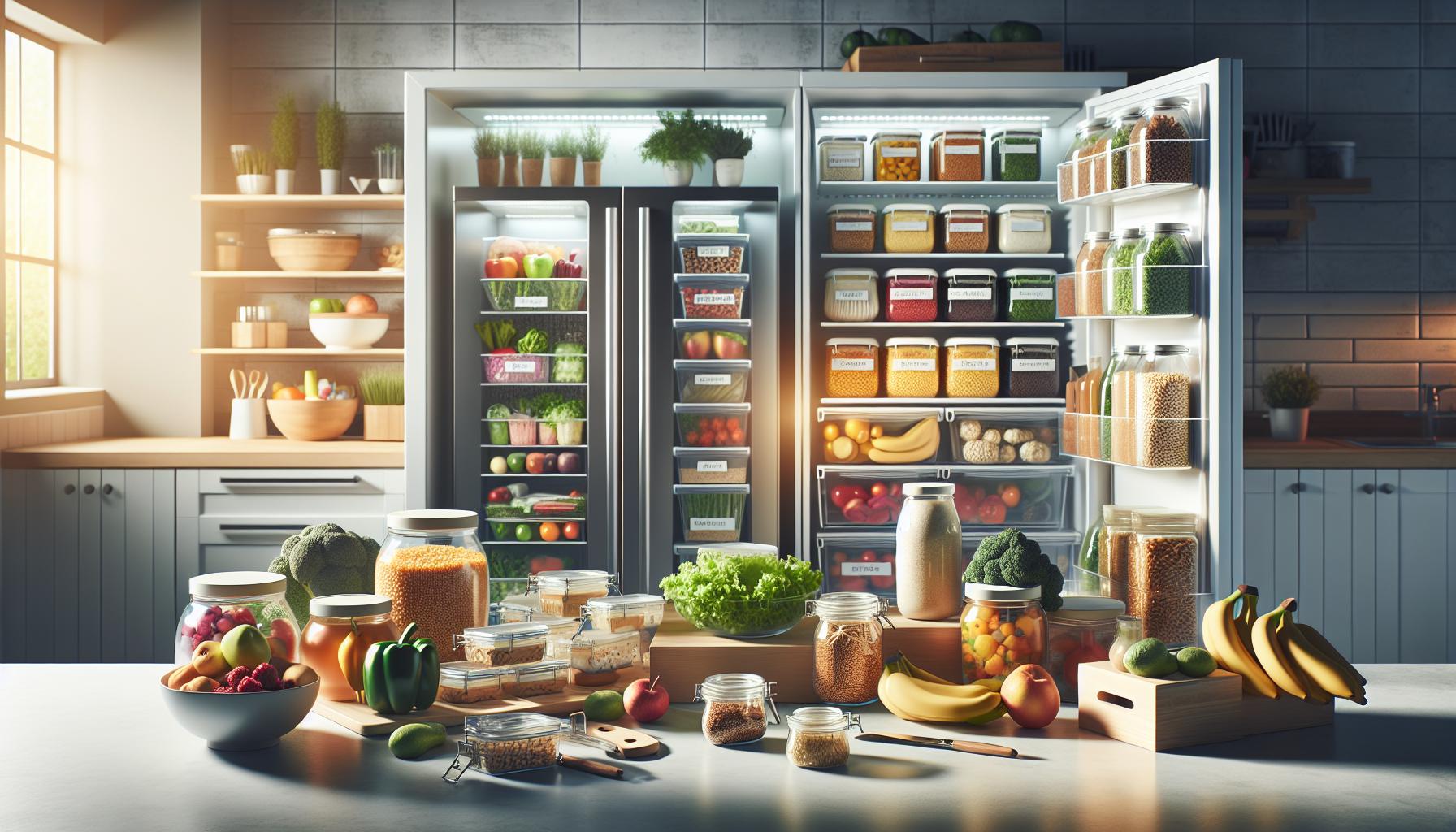
To keep sliced mushrooms at their freshest, understanding the optimal storage methods can make a significant difference in their longevity and quality. Mushrooms are highly perishable, and the way they are stored can either extend their life or contribute to rapid spoilage. For ideal storage, you’ll want to focus on minimizing moisture and maximizing air circulation.
One effective approach is to use paper bags for storing sliced mushrooms. The breathable material allows excess moisture to escape, which helps prevent that undesirable slimy texture that indicates spoilage. Place the sliced mushrooms in a paper bag and store them in the crisper drawer of your refrigerator. This method can extend their shelf life to about 3 to 5 days. In contrast, storing them in plastic containers may trap moisture, resulting in quicker degradation.
For longer storage, consider briefly blanching and then freezing your sliced mushrooms. Blanching involves boiling them for a short time and then plunging them into ice water, effectively stopping enzyme actions that can lead to spoilage. Once cooled and drained, package the mushrooms in airtight freezer bags, removing as much air as possible. This method not only halts spoilage but also preserves the flavor and texture, allowing them to remain delicious for up to a year.
Finally, it’s essential to maintain a consistent refrigerator temperature below 40°F (4°C) to slow microbial growth. Regularly monitor your refrigerator’s temperature and adjust as needed to ensure it remains safe for storing your culinary delights. By implementing these practical storage methods, you can enjoy fresh, vibrant mushrooms in your meals while minimizing waste.
Best Practices for Slicing and Storing
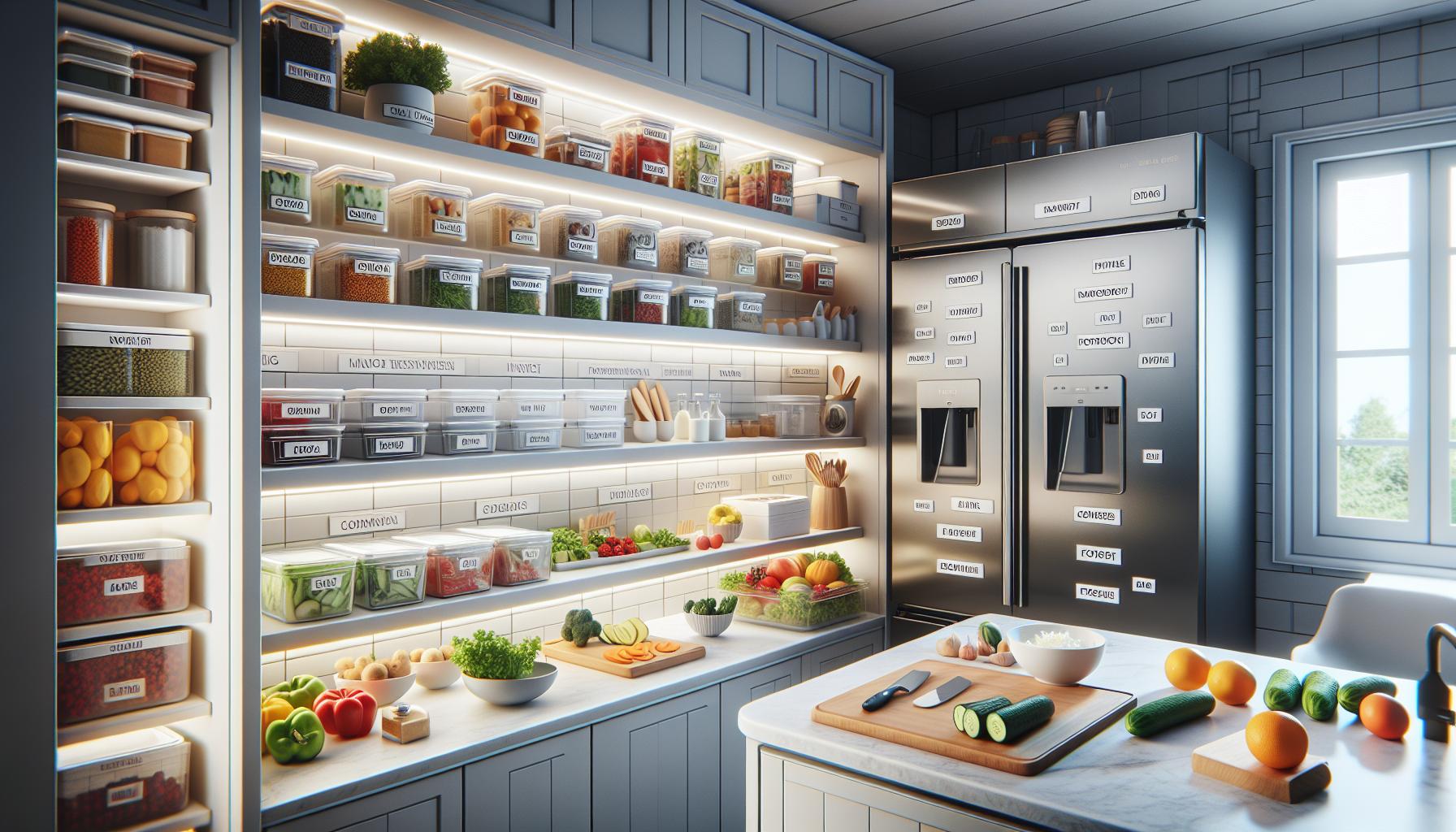
To achieve the best freshness and longevity for sliced mushrooms, it’s crucial to focus on efficient slicing and proper storage techniques. Start by ensuring that your cutting tools are clean to prevent any bacterial contamination. Use a sharp knife to slice the mushrooms evenly; uneven sizes can lead to inconsistent drying and spoilage. For convenience, clean mushrooms gently with a damp cloth instead of soaking them. This prevents excess moisture, which can accelerate spoilage once they are sliced.
When storing, consider portioning your sliced mushrooms into smaller batches. This not only helps in managing the amount of mushrooms you use at a time but also keeps the remaining slices fresh for longer. Opt for breathable containers; paper bags or cloth bags are ideal, as they allow air circulation while absorbing excess moisture. Always store slices in the crisper drawer of your refrigerator to maintain a consistent temperature and humidity.
Additionally, be mindful of their exposure to ethylene gas, emitted by fruits like apples and bananas, which can hasten decay. Keep mushrooms away from ethylene-producing fruits and vegetables to prolong their shelf life. It’s also beneficial to label your packages with the date of slicing to easily track freshness-generally, they will last about 3 to 5 days in the fridge.
For those looking to enjoy mushrooms beyond this timeframe, freezing is an excellent option. Prior to freezing, blanch the sliced mushrooms briefly in boiling water, then cool them immediately in ice water. This process preserves flavor and texture, allowing you to store them in airtight bags for up to a year without compromising quality. By following these practices, you can savor your mushrooms in peak condition while minimizing waste.
Shelf Life Comparisons: Fresh vs. Cooked Mushrooms
Fresh and cooked mushrooms differ significantly in their shelf life, impacting storage practices and meal planning. When it comes to fresh sliced mushrooms stored in the fridge, they generally last about 3 to 5 days. Their delicate texture and high moisture content make them susceptible to spoilage, which is often indicated by signs of sliminess or darkening. In contrast, once mushrooms are cooked, their shelf life extends to 4 to 7 days when stored in an airtight container in the refrigerator. Cooking mushrooms not only alters their texture but also reduces moisture content, thereby slowing down the spoilage process.
When comparing storage strategies, it’s essential to consider the method of preparation. Fresh mushrooms should be handled with care; placing them in breathable containers can minimize moisture buildup, which promotes spoilage. Cooked mushrooms, on the other hand, should always be cooled to room temperature before refrigerating to avoid condensation in airtight containers, which could lead to faster decay.
If you’re looking for practical kitchen tips, utilizing mushrooms in various stages can help manage your inventory effectively. For instance, if you know you won’t be able to use fresh mushrooms within a week, consider cooking them into a dish and storing the leftovers. This way, not only do you prevent waste, but you also create convenient meals for busy days.
Overall, understanding the differences between fresh and cooked mushrooms allows you to maximize freshness and enhance your culinary experiences while keeping food safety in mind. Be vigilant with storage practices, and regularly check your mushrooms for signs of spoilage to ensure you’re always enjoying their best quality.
Are Pre-Packaged Sliced Mushrooms Safe?
Pre-packaged sliced mushrooms offer convenience, but their safety largely depends on proper handling and storage practices. These mushrooms are typically cleaned and sliced before packaging, which can promote a risk of spoilage if not managed correctly. When purchasing, always check the expiration date on the packaging and inspect the mushrooms for any signs of spoilage such as discoloration, excessive moisture, or sliminess. If the packaging is damaged or bulging, it is best to avoid purchasing those mushrooms altogether.
Once you bring pre-packaged sliced mushrooms home, store them in the refrigerator immediately. They should be kept at a temperature below 40°F (4°C) to maintain freshness. It’s recommended to consume them within 3 to 5 days after opening, as exposure to air and moisture can accelerate spoilage. To maximize their shelf life, consider transferring the mushrooms from the original packaging to a breathable container, such as a paper bag or a dish covered with a paper towel. This allows some air circulation, which can help prevent them from becoming slimy due to trapped moisture.
Always be vigilant when it comes to food safety, especially with sliced mushrooms as they have a high moisture content. If you notice any changes in texture or odor, don’t hesitate to discard them. Remember, when in doubt, it’s safer to throw them out. Incorporating pre-packaged sliced mushrooms into your meals can be a great addition when prepared and stored cautiously, ensuring a delightful and safe culinary experience.
Understanding Food Safety: Preventing Illness
One simple fact can significantly impact your kitchen safety: mushrooms are highly perishable and can pose health risks if not stored properly. Their high moisture content and nutrient richness create an ideal environment for bacterial growth, making attention to food safety essential when handling sliced mushrooms. To prevent foodborne illness, it’s crucial to understand how to properly store, handle, and inspect these flavorful fungi, especially when they come pre-packaged and pre-sliced.
Start by always checking the packaging for the expiration date and signs of spoilage, such as sliminess, discoloration, or an off smell. Upon bringing them home, store the mushrooms in the refrigerator at temperatures below 40°F (4°C). Consume them within 3 to 5 days after opening to ensure they remain fresh and safe to eat. When storing, consider transferring them to a breathable container like a paper bag or covering them with a paper towel in a dish. This simple adjustment allows for airflow, reducing moisture accumulation that could lead to spoilage.
Remember, proper hand hygiene is vital before handling any food. Always wash your hands thoroughly, and consider using clean utensils for slicing and serving mushrooms to prevent cross-contamination. If you notice any changes in texture or odor, err on the side of caution-disposing of questionable mushrooms is the wisest choice. Following these practices not only minimizes the risk of foodborne illness but also ensures that your culinary experiences with mushrooms are enjoyable and delicious.
Using Leftover Sliced Mushrooms: Recipe Ideas
Using leftover sliced mushrooms creatively can not only minimize food waste but also enhance the flavor of many dishes. If you’ve got some pre-sliced mushrooms nearing their recommended use-by date, don’t let them go to waste! Incorporating them into recipes is a practical way to enjoy their earthy taste and nutritional benefits while ensuring your kitchen stays safe and efficient.
One quick and versatile method for using up sliced mushrooms is to add them to stir-fries. Just toss the mushrooms in with your favorite vegetables, proteins, and a splash of soy sauce or teriyaki for a delicious, umami-packed meal. They sauté quickly, absorbing flavors while adding a delightful texture to the dish. A simple stir-fry with sliced mushrooms can come together in 15 minutes, making it perfect for busy weeknights Cooking Tip: Always adjust cooking time based on the freshness of your mushrooms, prioritizing quicker consumption of those that appear less vibrant.
Another excellent way to use leftover mushrooms is in omelets or frittatas. Sauté sliced mushrooms with onions or bell peppers until browned, then add beaten eggs for a hearty breakfast. Their moisture enriches the dish, and you can personalize it with cheese, herbs, or other vegetables you have on hand. For a more filling meal, consider making stuffed mushrooms with a mixture of breadcrumbs and cheese, baking them until golden for a mouthwatering appetizer or side.
If you seek a more comforting option, consider including sliced mushrooms in soups or sauces. Their flavor intensifies during cooking, enriching broths or pasta sauces with depth and richness. Simply add the mushrooms to reasonably simmering sauces or soups, allowing them to release their juices and weave their unique flavor throughout the dish. This is especially useful when making creamy soups-mushrooms pair beautifully with ingredients like garlic and herbs.
Lastly, when it comes to storage and safety, always remember that when you detect slight sliminess-which can be a sign of spoilage-your mushrooms may still be usable with a bit of extra preparation. For example, rinse them gently under cold water and dry well before adding them to transitional meals like those mentioned above. Being resourceful not only brings variety to your table but also adheres to food safety practices while keeping waste in check.
Tips for Reviving Slightly Slimy Mushrooms
Reviving slightly slimy mushrooms can be a game changer when it comes to minimizing food waste and maximizing your culinary options. Sliminess in mushrooms often occurs due to moisture accumulation, typically as they near the end of their fridge life. Rather than tossing them out, there are several techniques you can employ to refresh these fungi and bring them back to a usable state.
First, start with a gentle rinse. Place the slightly slimy mushrooms under cold running water for a few seconds. This helps to remove any surface slime and excess moisture that may have built up. Be careful not to soak them, as mushrooms are like sponges and can absorb water, causing them to become mushy. After rinsing, make sure to dry them thoroughly using paper towels or a clean kitchen cloth. A quick air-dry in a colander can also be effective, allowing any remaining moisture to drip off.
Next, consider sautéing the revived mushrooms to enhance their flavor and texture. Heat a skillet over medium heat and add a splash of oil or butter. Once hot, add the mushrooms along with seasonings like garlic, salt, and pepper. Cooking them not only improves their taste but also reduces any residual slime by further expelling moisture. This method is particularly effective in transforming their texture, making them a delightful addition to stir-fries, pasta dishes, or as a topping for pizzas.
Storing Revived Mushrooms
After reviving your mushrooms, take care to store them properly to extend their freshness. If you have any leftover, make sure to cool them first before transferring them into an airtight container. Store these in the fridge and use them within a couple of days to ensure quality. Additionally, remember that the quicker you use your mushrooms post-revival, the better their taste and texture will be.
By following these simple yet effective steps, you can give slightly slimy mushrooms a second chance, turning what could have been a waste into a delicious and nutritious ingredient.
Freezing Sliced Mushrooms: A Guide
Freezing sliced mushrooms is an excellent way to extend their shelf life, providing a convenient option for those who want to prevent waste and enjoy these versatile ingredients in the future. Mushrooms have a high moisture content, making them ideal for freezing, but certain steps must be taken to ensure they retain their flavor and texture. When done correctly, frozen mushrooms can last up to 12 months without significant loss of quality.
To begin, it’s important to prepare your sliced mushrooms properly before freezing. Start by rinsing them gently under cold water to remove any dirt or debris. Pat them dry with a paper towel to eliminate excess moisture, as this will help prevent them from becoming mushy when thawed. For optimal results, it’s recommended to blanch the mushrooms briefly in boiling water for about 2-3 minutes. This process helps to preserve their texture and flavor, making them more palatable after being frozen.
Once blanched and dried, it’s time to package the mushrooms for freezing. Use airtight freezer bags or containers to seal them tightly, removing as much air as possible to prevent freezer burn. Label each package with the date so you can keep track of their freshness. When you need to use the mushrooms, there’s no need to thaw them beforehand; you can simply add them straight to your cooking dishes, such as soups, stir-fries, or casseroles.
Storing sliced mushrooms in the freezer not only saves you money by reducing food waste, but it also ensures you always have this flavorful ingredient on hand. By following these steps, you can confidently freeze your sliced mushrooms and enjoy their benefits at any time.
When to Toss: Safety vs. Quality
With the vast culinary applications of sliced mushrooms, knowing when to toss them can significantly impact both food safety and your meal quality. Fresh sliced mushrooms typically last around 7 to 10 days in the refrigerator. However, as the days progress, they may begin to show signs that they’re past their prime. It’s essential to distinguish between the point where they remain safe to eat and when they should be discarded for your health’s sake.
When examining sliced mushrooms, look for common indicators of spoilage. The most noticeable sign is sliminess; if the mushrooms feel slippery to the touch, it’s a clear indication they’re starting to degrade. Other signs include discoloration, such as dark spots, and an off or sour smell that diverges from their usual earthy aroma. If any of these signs are present, it’s best to err on the side of caution and toss them.
Though some sources may suggest that mushrooms can be used past their expiration date if cooked thoroughly, this isn’t a safe practice. Cooking does kill bacteria, but it does not remove toxins that may have developed during spoilage. Therefore, maintaining a proactive approach to checking the freshness of your mushrooms is crucial for ensuring that you consume safe, top-quality foods. Always remember that food safety is paramount, and when in doubt, it’s safer to discard questionable food items than take unnecessary risks.
Summary of Signs to Toss Sliced Mushrooms
| Indicator | What It Means |
|---|---|
| Slimy texture | Beginning to spoil; toss them. |
| Dark spots | Possible decay; it’s best to toss them. |
| Off or sour smell | Indication of spoilage; do not consume. |
| Expiration date passed | Considered unsafe; discard. |
By regularly checking your sliced mushrooms for these signs, you can maintain a safer kitchen environment and enjoy high-quality dishes, free from slimy surprises.
Frequently Asked Questions
Q: How can I tell if sliced mushrooms are still good to eat?
A: To determine if sliced mushrooms are safe to eat, check for any sliminess, discoloration, or off-putting smells. Fresh mushrooms should feel firm and have a pleasant earthy aroma. If they exhibit any signs of spoilage, it’s best to discard them to ensure food safety.
Q: What is the best way to store sliced mushrooms?
A: The best way to store sliced mushrooms is in a paper bag or a container with ventilation in the fridge. This method helps control moisture and prolongs freshness. Avoid airtight containers as they can trap humidity and hasten spoilage.
Q: Can I eat sliced mushrooms after the expiration date?
A: It’s risky to consume sliced mushrooms after their expiration date. Always check for signs of spoilage like sliminess or a foul smell. If they appear fresh but are past the date, it’s safer to discard them.
Q: How should I prepare mushrooms to maximize their shelf life?
A: To maximize the shelf life of mushrooms, clean them gently and remove any dirt without soaking them in water. Slice them as needed and store in a breathable container in the fridge. This helps maintain their quality and freshness.
Q: Is it safe to re-slice mushrooms after they’ve been stored?
A: Yes, it is safe to re-slice mushrooms as long as they are still fresh and show no signs of spoilage. Always ensure they are clean before handling, and use them quickly to avoid deterioration.
Q: What are some common mistakes to avoid when storing sliced mushrooms?
A: Common mistakes include storing mushrooms in sealed plastic bags, which trap moisture, and washing them before storage, leading to spoilage. Instead, store them dry and in a breathable container to preserve freshness.
Q: How long do cooked sliced mushrooms last in the fridge?
A: Cooked sliced mushrooms can last in the fridge for 3 to 5 days when stored properly in an airtight container. Ensure they are fully cooled before placing them in the fridge to maintain quality.
Q: Can I freeze my sliced mushrooms for later use?
A: Yes, you can freeze sliced mushrooms for later use. To maintain quality, it’s best to blanch them briefly in boiling water and then cool them immediately before freezing in airtight bags. Properly stored, they can last several months in the freezer.
The Conclusion
Now that you know how long sliced mushrooms last in the fridge, you can confidently make better choices and reduce food waste. Always remember to store them in a breathable container and check for any signs of spoilage before use. If you’re interested in more food safety tips, check out our articles on food storage guidelines and the best ways to keep your fridge organized.
Don’t let slimy surprises catch you off guard again! Subscribe to our newsletter for expert tips directly in your inbox and explore our products designed to help you store food safely. Your fridge will thank you, and so will your taste buds! Have questions or experiences to share? We’d love to hear them in the comments below-your insights could help others enhance their cooking adventures!