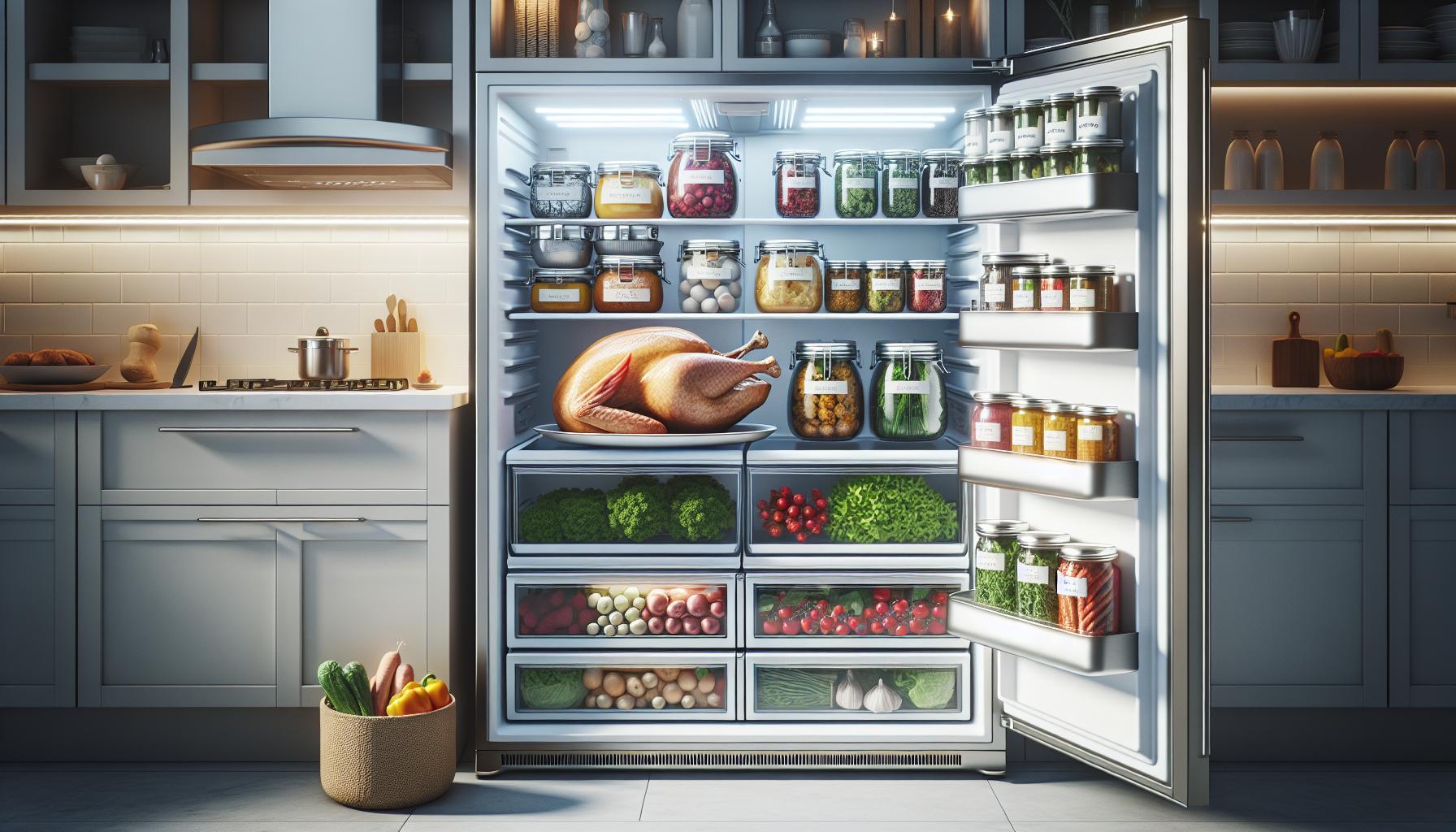

Have you ever wondered how long you can keep a fresh turkey in your fridge before it goes bad? Whether you’re planning a festive feast or simply enjoying a delicious meal, knowing the safe storage duration of turkey is crucial for both taste and health. A properly stored turkey not only ensures juicy, flavorful meat but also helps you avoid foodborne illnesses.
In this guide, we’ll provide you with essential information on how long fresh turkey lasts in the refrigerator, along with practical tips to maximize its freshness. You’ll learn about safe handling practices and discover how to plan your feast effectively, ensuring that everything from preparation to serving is flawless. By staying informed, you’ll confidently navigate your culinary adventures without any worries. Let’s dive into the details and help you prepare the perfect turkey feast!
How Long Can You Store a Fresh Turkey in the Fridge?
Storing a fresh turkey in the fridge must be done with care to ensure both quality and safety. Typically, you can keep a fresh turkey in the refrigerator for 1 to 2 days before cooking. This timeline ensures that the meat remains safe to eat while maintaining optimal freshness. However, it is crucial to store the turkey properly to prevent any cross-contamination with other foods and to keep it at a safe temperature.
To maximize the longevity of your fresh turkey while stored in the fridge, keep it in its original packaging or place it in a leak-proof container. This will help prevent any juices from contaminating other foods. The refrigerator temperature should ideally be set at 40°F (4°C) or lower. If you’re uncertain about when you bought the turkey, it’s best to check the sell-by date if available, which can also guide your timeline for cooking.
Once the fresh turkey is past the 2-day mark, it’s recommended to either cook it immediately or freeze it for later use. When frozen, a turkey can maintain its best quality for up to a year, although it’s safe to eat beyond that time if stored properly. Following these guidelines will help ensure that your turkey is safe, delicious, and ready for your Thanksgiving feast.
Understanding the Fresh Turkey Timeline
Storing a fresh turkey requires careful attention to ensure it remains safe and delicious for your festive feast. Fresh turkeys, often found in grocery stores, have a limited shelf life due to their perishable nature. Once you bring your turkey home, it’s crucial to understand how long it can safely stay in the fridge before cooking. Typically, you should aim to use a fresh turkey within 1 to 2 days from the date of purchase. This timeframe is vital for maintaining the quality and taste of the meat while also adhering to food safety guidelines.
When keeping your turkey in the fridge, proper storage techniques can make a significant difference. Always keep the turkey in its original packaging or transfer it to a leak-proof container to prevent any juices from contaminating other food items. It’s also essential to maintain your refrigerator temperature at or below 40°F (4°C) to inhibit bacterial growth. If you’re unsure of the turkey’s purchase date, looking for the sell-by date on the packaging can provide a useful reference point for planning its preparation.
Once the 2-day mark approaches, it’s ideal to either cook the turkey right away or opt for freezing it for later use. Freezing can significantly extend its longevity, allowing the turkey to maintain its best quality for up to a year or longer if properly stored. When it comes time for the feast, following these storage practices will help ensure that your turkey is not only safe to eat but also flavorful and juicy, making your Thanksgiving celebrations memorable.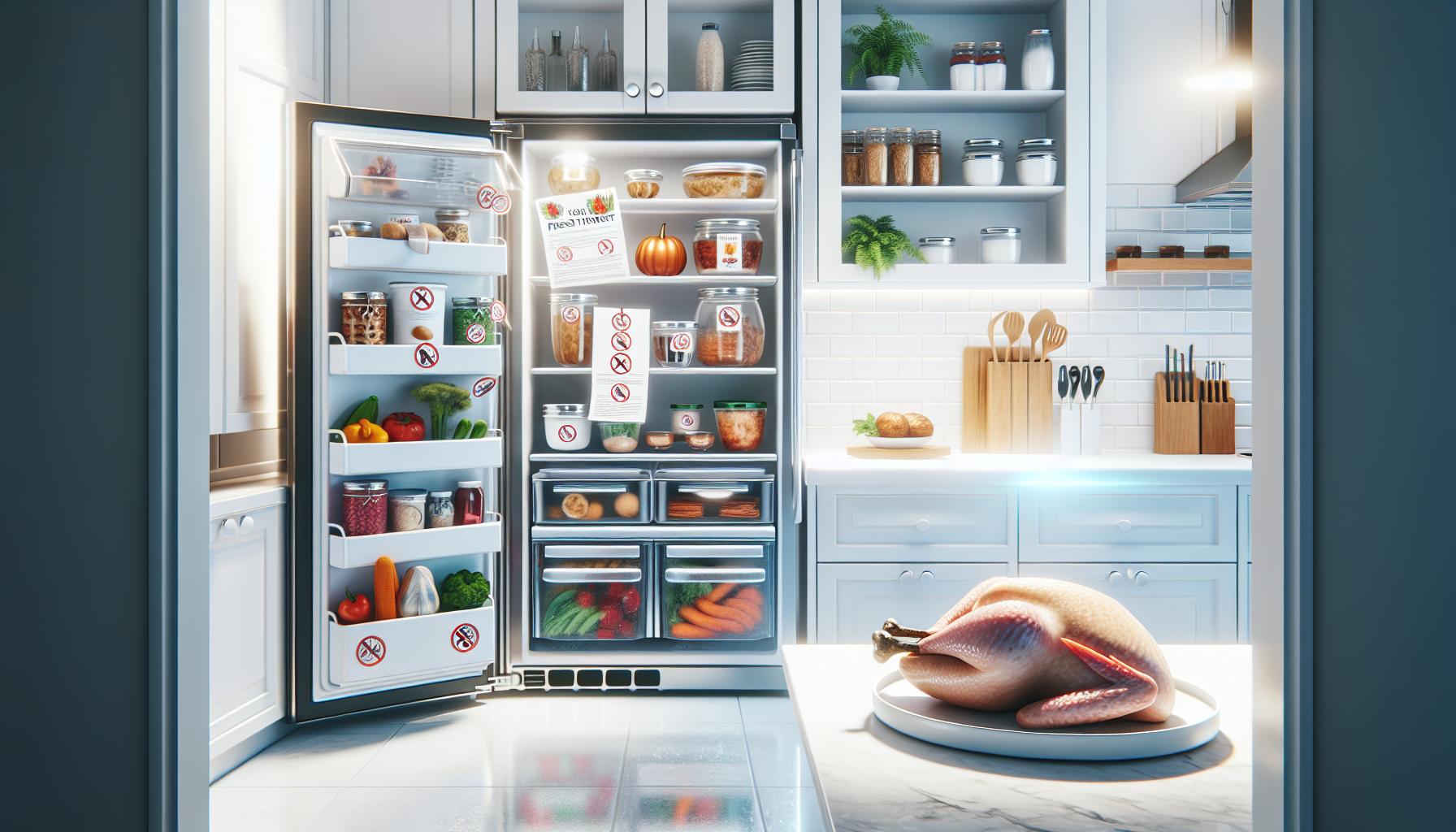
Signs Your Fresh Turkey Has Spoiled
It’s crucial to recognize the signs of a spoiled fresh turkey, as consuming spoiled meat can lead to serious health risks. Fresh turkey should have a mild, pleasant odor; if it develops a sour or off-putting smell, it’s often an indicator that bacteria have started to proliferate. Another telltale sign is the texture. Fresh turkey should feel moist but not slimy or sticky. If the surface of the meat feels excessively slick, that’s a strong warning signal that the turkey has gone bad.
Within the fridge, it’s important to observe the color of the meat as well. Fresh turkey should have a pink hue, while signs of spoilage include a dull, grayish tint or discoloration spots. Additionally, if you notice any unusual liquid pooling in the packaging, this could indicate spoilage, particularly if accompanied by other warning signs.
To ensure the turkey remains safe, always check the sell-by date on the packaging and stay within the recommended storage time frame of 1 to 2 days after purchase. If you’re ever in doubt, it’s best to err on the side of caution: when in question, throw it out. Following these guidelines will help you keep your holiday meal safe and delicious.
Safe Thawing Methods for Frozen Turkey
Thawing a frozen turkey safely is essential to ensure not only perfect cooking but also food safety. It’s a common misconception that thawing can be done at room temperature. In reality, doing so can allow harmful bacteria to multiply, leading to foodborne illnesses. Here are effective methods to thaw your turkey safely and ensure it remains flavorful.
One of the top safe thawing methods is the refrigerator thawing technique. This approach requires planning ahead since it typically takes about 24 hours for every 4-5 pounds of turkey. Simply place the turkey, still in its original packaging, on a tray or in a pan to capture any liquid runoff as it thaws. By maintaining a refrigerator temperature below 40°F (4°C), you can keep the turkey in a safe environment while it defrosts. For instance, a 12-pound turkey will need approximately 3 days to thaw completely.
Another effective method is cold water thawing, suitable for those needing a quicker solution. For this approach, dunk the turkey in its original packaging in cold water, changing the water every 30 minutes to keep it cold. This method allows for about 30 minutes of thawing time per pound, so a 12-pound turkey would take approximately 6 hours to thaw fully. This method is not only fast but also keeps the turkey at a safe temperature throughout the process.
For those in a real-time crunch, you can also cook the turkey from frozen, though it will take about 50% longer than cooking a fully thawed bird. Make sure to use a meat thermometer to confirm that the internal temperature reaches at least 165°F (75°C) in the thickest parts to ensure food safety.
No matter which method you choose, always ensure the turkey stays at safe temperatures to prevent any risk of bacterial growth. Planning your thawing ahead of time each Thanksgiving can make a significant difference in your holiday experience, allowing you to enjoy a safe and delicious feast without worry.
Planning Your Thanksgiving Feast: Timing Tips
The holidays are a time of joy, but they can also be fraught with stress, especially when it comes to meal preparation. One critical element of your Thanksgiving feast is timing, particularly regarding how long you can safely store a fresh turkey in the fridge. Fresh turkeys can typically be kept in the refrigerator for 1 to 2 days, making planning crucial to ensure your bird is both delicious and safe to eat.
To maximize freshness, consider purchasing your turkey just a couple of days before your planned feast. This allows you to keep it within that safe 1- to 2-day fridge window. If your Thanksgiving meal is on Thursday, buying your turkey on Tuesday is ideal. Should you need to store it longer due to shopping constraints, consider freezing it instead, as fresh turkeys can be frozen for up to a year without any loss of quality.
When planning the feast, break down the timing for each step. In addition to purchasing your turkey at the right time, plan when to begin thawing if you choose to buy frozen. As previously mentioned, allow 24 hours of refrigerator thawing for every 4 to 5 pounds of turkey. This means a 16-pound turkey will require around 4 days to thaw completely in the fridge, so it’s wise to start this process early.
Also, don’t forget to factor in time for preparation and cooking. A turkey requires about 13 to 15 minutes of cooking time per pound at 325°F (163°C), meaning a 12-pound bird will take between 2.5 to 3 hours to roast. Utilize a reliable meat thermometer to ensure the internal temperature reaches at least 165°F (75°C) in the thickest part of the breast and thigh. Track your time well, and you’ll create a smooth Thanksgiving experience that everyone will enjoy!
Best Practices for Storing Fresh Turkey
Storing a fresh turkey properly is essential for maintaining its safety and quality, especially as Thanksgiving approaches. The right practices not only ensure a delicious centerpiece for your meal but also help avoid foodborne illnesses. Initially, it’s crucial to note that fresh turkey should be kept in the refrigerator and consumed within 1 to 2 days after purchase. If you can’t cook it right away, freezing is a viable alternative to extend its shelf life without compromising quality.
To begin, always keep the turkey stored in its original packaging and place it on a tray or in a pan. This helps catch any liquid drips that may occur, preventing cross-contamination with other foods. Maintain your refrigerator temperature at 40°F (4°C) or lower to ensure that the turkey remains safe for consumption. If your fridge has a probe or thermometer, use it to verify the proper temperature.
When it comes to thawing, if you’ve opted to freeze your turkey, the safest procedure is to transfer it to the refrigerator a few days before you plan to cook. As a general rule, allow approximately 24 hours of thawing time for every 4 to 5 pounds of turkey. For instance, a 12-pound turkey requires two to three days to thaw completely.
If you have leftover turkey, take extra care in its storage as well. Once cooked, don’t leave it at room temperature for more than 2 hours. Instead, refrigerate it in airtight containers or wrap it tightly in foil or plastic wrap to avoid any moisture loss and ensure food safety. By adhering to these best practices, you can make your Thanksgiving planning seamless and enjoy a safe, delightful feast with family and friends.
Cooking Guidelines for the Perfect Turkey
Cooking a turkey to perfection is both an art and a science, and understanding the nuances of this process can elevate your Thanksgiving feast from ordinary to extraordinary. First and foremost, it’s essential to consider the turkey’s size and weight, as this will dictate cooking time. A general rule of thumb is to roast your turkey for about 13 minutes per pound when cooking at 350°F (175°C). For a clearer understanding, consult the following cooking time table:
| Turkey Weight | Roasting Time (Unstuffed) | Roasting Time (Stuffed) |
|---|---|---|
| 8-12 lbs | 2.75 – 3 hrs | 3 – 3.5 hrs |
| 12-14 lbs | 3 – 3.75 hrs | 3.5 – 4 hrs |
| 14-18 lbs | 3.75 – 4.25 hrs | 4 – 4.25 hrs |
| 18-20 lbs | 4.25 – 4.5 hrs | 4.25 – 4.75 hrs |
| 20-24 lbs | 4.5 – 5 hrs | 4.75 – 5.25 hrs |
To ensure that your turkey remains juicy and flavorful, it’s vital to cook it at the proper temperature. Using a meat thermometer is the most reliable method. Insert it into the thickest part of the thigh, avoiding the bone; the turkey is safely cooked when it reaches an internal temperature of 165°F (74°C). If you are stuffing the turkey, check that the stuffing also reaches this temperature to ensure safety.
Additionally, allow your turkey to rest for about 20 to 30 minutes once it has been removed from the oven. This resting time lets the juices redistribute throughout the meat, preventing them from spilling onto the cutting board when you carve. To add extra flavor, consider basting the turkey periodically with its own juices or a butter-herb mixture, especially during the last hour of cooking.
As you plan your feast, remember that the key to a perfect turkey goes beyond just cooking; it’s about timing and presentation as well. Whichever method you choose-whether roasting, frying, or smoking-proper preparation combined with these guidelines ensures that you will serve a turkey that is not only a centerpiece but also a memorable experience for your guests.
Storage Tips for Leftover Turkey
After a delightful Thanksgiving feast, the important task of storing leftover turkey properly ensures that you can enjoy it well beyond the initial dinner. Did you know that cooked turkey can last up to four days in the refrigerator? This makes it critical to utilize effective storage practices to maintain its flavor and safety.
To begin, ensure the turkey is cooled to room temperature within two hours of cooking. Placing hot turkey directly into the refrigerator can raise the overall temperature inside your fridge, potentially compromising the safety of other food items. Once cooled, carve the turkey into smaller pieces to facilitate quicker cooling and even distribution. Store the turkey in airtight containers or tightly wrapped with aluminum foil or plastic wrap to minimize exposure to air, which can lead to dryness and flavor loss.
Key Storage Tips:
- Airtight Containers: Use shallow containers to store turkey pieces to allow for rapid cooling.
- Labeling: Always label containers with the date of storage to keep track of freshness; aim to consume leftovers within four days.
- Freezing Options: If you want to store it for longer, consider freezing turkey within two to three months. Wrap pieces in freezer-safe packaging to prevent freezer burn.
When it comes to reheating, make sure the turkey reaches an internal temperature of 165°F (74°C) to ensure safety. Using a microwave, oven, or stovetop can all work effectively; just be mindful to add some moisture to prevent the meat from drying out. Ultimately, with the right storage methods, your leftover turkey can still shine bright in the days to come, transforming into new dishes that celebrate your Thanksgiving spirit long after the last bite!
Alternatives to Fresh Turkey: A Comparison
When considering the perfect centerpiece for your holiday feast, fresh turkey may not be your only option. Several alternatives not only provide delightful flavors but also cater to various dietary needs and preferences. Whether you’re looking for something quicker to prepare or a dish that aligns with specific culinary traditions, options like chicken, duck, and plant-based proteins can be appealing substitutes for a fresh turkey.
Chicken is often the go-to alternative for those who want something similar yet faster to cook. A whole chicken generally roasts in about 1.5 hours, significantly less time than a turkey, which typically requires 3 to 4 hours depending on its size. Additionally, chicken offers versatility and can be flavored in numerous ways-think herb-roasted, barbecue, or even spiced with Asian influences. It’s also more accessible and less expensive, making it great for families on a budget.
For those who enjoy richer flavors, consider duck. With its succulent meat and crispy skin, a roast duck brings an array of tastes to the table. Duck is higher in fat than turkey, enhancing its flavor, but it requires careful cooking to render the fat properly and achieve the perfect texture. As a guide, a whole duck will usually take about 2 hours to roast, giving you a bit more time to prepare side dishes or desserts.
If dietary restrictions or preferences come into play, plant-based proteins such as lentil loaf or stuffed squash can beautifully fill the role of turkey without sacrificing taste. These dishes can be packed with flavor through spices, herbs, and additions like nuts or dried fruits, making them hearty and satisfying. They can also be prepared ahead of time, allowing for a stress-free holiday meal.
In summary, while fresh turkey is a traditional staple, exploring these alternatives opens up a world of culinary possibilities that can accommodate various tastes, dietary needs, and time constraints. Choosing the right main dish can elevate your Thanksgiving gathering while ensuring that every guest leaves the table satisfied.
Common Mistakes When Storing Turkey
Storing a fresh turkey might seem straightforward, but even experienced cooks can fall prey to common pitfalls that lead to spoilage or waste. The storage process is critical not only for maintaining quality but also for ensuring food safety. Here are some key mistakes to avoid when it comes to storing your turkey.
One common error is failing to check the expiration date or “sell by” date when purchasing a fresh turkey. It’s essential to choose a turkey that is as fresh as possible, given that fresh turkeys should ideally be cooked within 1-2 days of purchase. Additionally, improperly storing the turkey in the fridge is another mistake many make. A turkey should always be kept in its original packaging to prevent cross-contamination with other foods. It’s advisable to place the bird on a tray or in a shallow pan to catch any juices that may leak, thus avoiding the risk of bacterial spread.
Another crucial oversight is temperature management. The refrigerator should be set at or below 40°F (4°C) to keep the turkey within a safe temperature range. A quick check of your fridge’s temperature settings can prevent spoilage. Furthermore, don’t forget to keep the turkey on the bottom shelf to minimize the risk of drips contaminating other food items.
Lastly, many people underestimate the risk of storing the turkey for too long. If you are uncertain about cooking it right away, consider freezing the turkey instead, as a fresh turkey can be stored in the freezer for several months without losing quality. By being mindful of these common mistakes, you can ensure that your turkey remains safe, flavorful, and ready for your holiday feast.
Utilizing Leftover Turkey: Recipes and Ideas
After a generous Thanksgiving feast, you might find yourself with an abundance of leftover turkey. Instead of letting those leftovers go to waste, think creatively about how to utilize them in your meals. Properly stored, leftover turkey can last safely in your refrigerator for 3 to 4 days. To make the most of this precious resource, consider these delicious and practical ways to transform your turkey into new culinary delights.
One of the simplest ways to use leftover turkey is to create a comforting turkey soup. Start by simmering turkey bones with vegetables like carrots, celery, and onions, adding herbs such as thyme and parsley for flavor. After a few hours, remove the bones, shred any remaining meat, and stir it back into the broth for a hearty meal. If you’re looking for something quick, turkey sandwiches are a classic choice. Layer sliced turkey between your favorite bread with toppings like cranberry sauce, mayo, and crisp lettuce for a cold sandwich, or warm it up with melted cheese for a cozy turkey melt.
For a more adventurous option, you might want to whip up a turkey pot pie. Use a pre-made pie crust and fill it with sautéed vegetables, leftover turkey, and a creamy sauce. Bake until golden for a dish that warms the heart and revitalizes dinner. Alternatively, for a bit of spice, consider turkey tacos. Shred your turkey, heat it with taco seasoning, and serve in tortillas with toppings like avocado, salsa, and cheese for a flavorful twist that will please the palates of all ages.
Remember to store your leftover turkey safely. Keep it in an airtight container and refrigerate it promptly after your feast to minimize the risk of bacteria growth. For longer storage, leftover turkey can be frozen for up to 4 months. Properly managed, your leftovers not only reduce waste but also provide the basis for delightful new meals in the days following your celebration. Enjoy being resourceful in the kitchen while savoring the delicious taste of turkey long after the Thanksgiving table has been cleared!
Frequently asked questions
Q: How can you tell if a fresh turkey is still good to eat?
A: To determine if a fresh turkey is safe, check for signs such as a sour smell, slimy texture, or discoloration. If it has been stored properly in the fridge for no more than 1-2 days, it should be fine. Refer to the “Signs Your Fresh Turkey Has Spoiled” section for more details.
Q: What is the best way to thaw a frozen turkey safely?
A: The safest way to thaw a frozen turkey is in the refrigerator, allowing 24 hours for every 4-5 pounds. For quicker options, you can submerge the turkey in cold water, changing the water every 30 minutes. Visit the “Safe Thawing Methods for Frozen Turkey” section for comprehensive guidance.
Q: How long before cooking should I take the turkey out of the fridge?
A: It’s best to take the turkey out of the fridge about 30 minutes before cooking. This helps to ensure even cooking. For more timing tips, check the “Planning Your Thanksgiving Feast: Timing Tips” section of the article.
Q: Can you store a fresh turkey in a cooler with ice?
A: Yes, you can store a fresh turkey in a cooler with ice, ensuring the temperature stays below 40°F. Make sure to monitor the ice levels and replace them as needed. This is an alternative to refrigeration if space is limited.
Q: How should I store leftover turkey to keep it safe?
A: Store leftover turkey in airtight containers or wrap it tightly in aluminum foil. Refrigerate within 2 hours of cooking, and consume within 3-4 days for optimal safety and quality. Check out the “Storage Tips for Leftover Turkey” section for more information.
Q: What temperature should a turkey be cooked to for safety?
A: A turkey should be cooked to an internal temperature of 165°F to ensure it is safe to eat. Use a meat thermometer in the thickest part of the bird, avoiding bone for an accurate reading. Visit the “Cooking Guidelines for the Perfect Turkey” section for additional tips.
Q: How can I extend the storage life of my fresh turkey?
A: Extend the storage life of a fresh turkey by keeping it in the coldest part of your fridge, ideally at 32°F to 34°F. Also, store it in its original packaging or in a leak-proof bag to prevent contamination. More on this can be found in the “Best Practices for Storing Fresh Turkey” section.
Q: Is it okay to freeze a fresh turkey before cooking?
A: Yes, you can freeze a fresh turkey for up to a year before cooking. Just ensure it’s well-wrapped to prevent freezer burn. For further insights on freezing options, refer to the “Alternatives to Fresh Turkey: A Comparison” section.
In Summary
In summary, a fresh turkey can last in the fridge for 1 to 2 days, so it’s essential to plan your feast accordingly. Don’t wait until the last minute-preparing your bird early can enhance your cooking experience and stress levels come turkey time. For more tips on safely storing and handling turkey, check out our article on cold storage guidelines and learn how to defrost your turkey safely.
We want to ensure your holiday meals are delicious and worry-free, so if you have any questions or need personalized advice, feel free to reach out! Join our newsletter for more expert insights and take your meal planning to the next level. Together, let’s make your feast a memorable one!