Water is essential for our health, yet many overlook the importance of maintaining clean water sources in their homes. One key factor in ensuring the quality of your drinking water is the refrigerator filter. Most refrigerator filters need replacement every six months, but how do you know when it’s really time to change yours?
Understanding the lifespan of your fridge filter is critical not only for enjoying fresh-tasting water but also for protecting your family from contaminants. When a filter becomes clogged or exhausted, it can’t effectively remove impurities, leading to potential health risks. By learning about the signs of a filter in need of replacement and following recommended guidelines, you can enhance your water safety and peace of mind.
Join us as we explore the details of fridge filter longevity, empowering you to make informed decisions that ensure your water stays clean and refreshing. Let’s dive in!
Understanding Fridge Filter Lifespan: Key Factors
Understanding the lifespan of your fridge filter is crucial for ensuring clean and safe drinking water. Several factors influence how long a refrigerator filter will remain effective, ranging from water quality to usage patterns. On average, a refrigerator water filter lasts about six months, but this can vary significantly based on the specific conditions in your home.
The primary determinant of filter lifespan is the quality of the water being filtered. If your source water contains high levels of contaminants, minerals, or sediment, the filter may need to be replaced more frequently. For instance, homes with well water often experience a faster degradation of filters compared to those using municipal water supply, which is usually more treated. Additionally, higher daily water usage means that the filter will have to process greater amounts of water, leading to quicker wear.
Environmental factors also play a role; factors such as the ambient temperature and filter design can affect performance. Areas with hard water or high chlorine levels can lead to faster accumulation of deposits on the filter, prompting more frequent changes. Routine maintenance, like flushing the filter and periodically checking for clogs, can help extend its lifespan. Understanding these key elements not only aids in determining when a replacement is necessary but also promotes better water quality and appliance efficiency.
What Affects the Lifespan of a Fridge Filter?
The effectiveness of a fridge filter is crucial for providing clean and safe drinking water, and several factors can significantly affect how long it lasts. Water quality remains the most significant factor; sources with high levels of pollutants, minerals, or sediment will result in a reduction of the filter’s lifespan. For instance, households that rely on well water, which may contain more impurities than municipal water, often find themselves replacing filters more frequently due to accelerated clogging and depletion of filtering capabilities.
Another key element impacting filter longevity is the frequency of water usage. Homes with larger families or those who consume more water daily will inevitably wear out their filters faster. Excessive demand can necessitate changes as often as every three months, particularly when entertaining guests or during hot weather when hydration needs increase.
Environmental conditions also play a role in filter efficiency. Areas with hard water or high chlorine content can lead to greater scale buildup, hastening the filter’s decline. Techniques such as routinely flushing the filter or choosing models designed for challenging water conditions can mitigate some of these adverse effects, extending the time between necessary replacements. Regular maintenance practices not only enhance the filter’s lifespan but also ensure that your fridge continues to provide optimal safety and quality in your drinking water.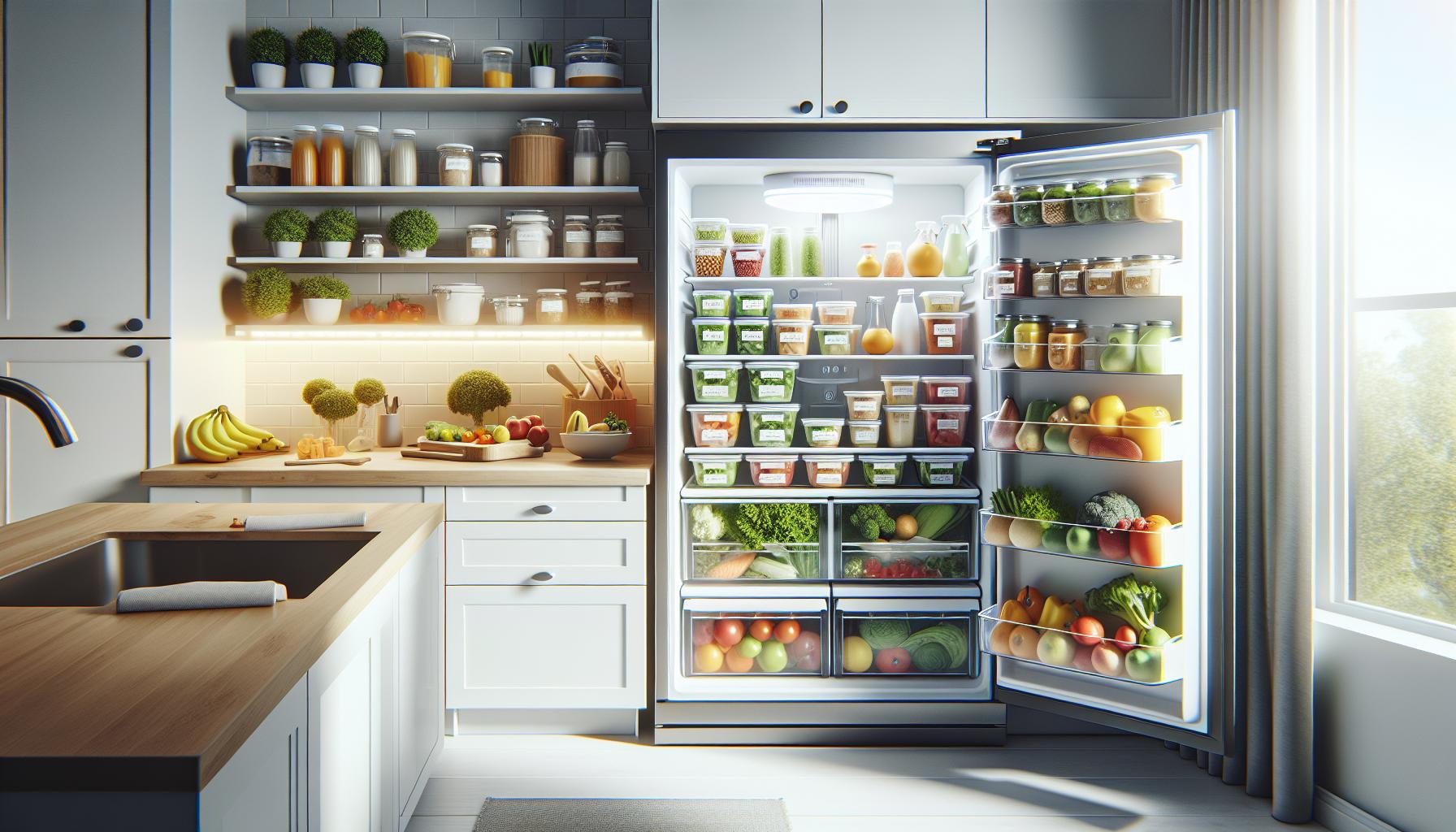
Signs Your Fridge Filter Needs Replacement
Noticing changes in your refrigerator’s water quality can be essential for maintaining a healthy home. One of the most telling signs that your fridge water filter needs replacement involves an alteration in the taste, odor, or clarity of the water. If your previously crisp and refreshing water starts tasting stale or has a strange chemical or musty smell, it’s a strong indication that your filter is losing its effectiveness and should be replaced. Additionally, if you notice floating particles or cloudiness in the water, these could be contaminants that the filter is no longer able to trap effectively, signaling the need for a new filter.
Another significant indicator is a change in water flow rate. If you observe that the water dispensary or ice maker takes longer than usual to produce water or ice, it may be due to a clogged filter that restricts water flow. Filters can become saturated with contaminants over time, causing blockages that slow down the filtration process. Keep an eye on this aspect, particularly if you live in an area with hard water, which tends to lead to higher levels of mineral buildup and faster filter deterioration.
It’s also worth noting the manufacturer’s recommendations regarding replacement intervals. Many manufacturers suggest replacing filters every six months to a year, but this can vary based on usage and water quality. Keeping a calendar reminder can be beneficial. If your filter has a change indicator light and it illuminates, it’s time to take action. Regularly checking for these signs not only helps ensure you have clean, safe drinking water, but it also extends the lifespan of your refrigerator’s water filtration system.
In summary, being attuned to the signs of a faltering fridge filter-like unusual tastes or odors, reduced water flow, and following replacement schedules-can help you maintain high water quality and safeguard your family’s health.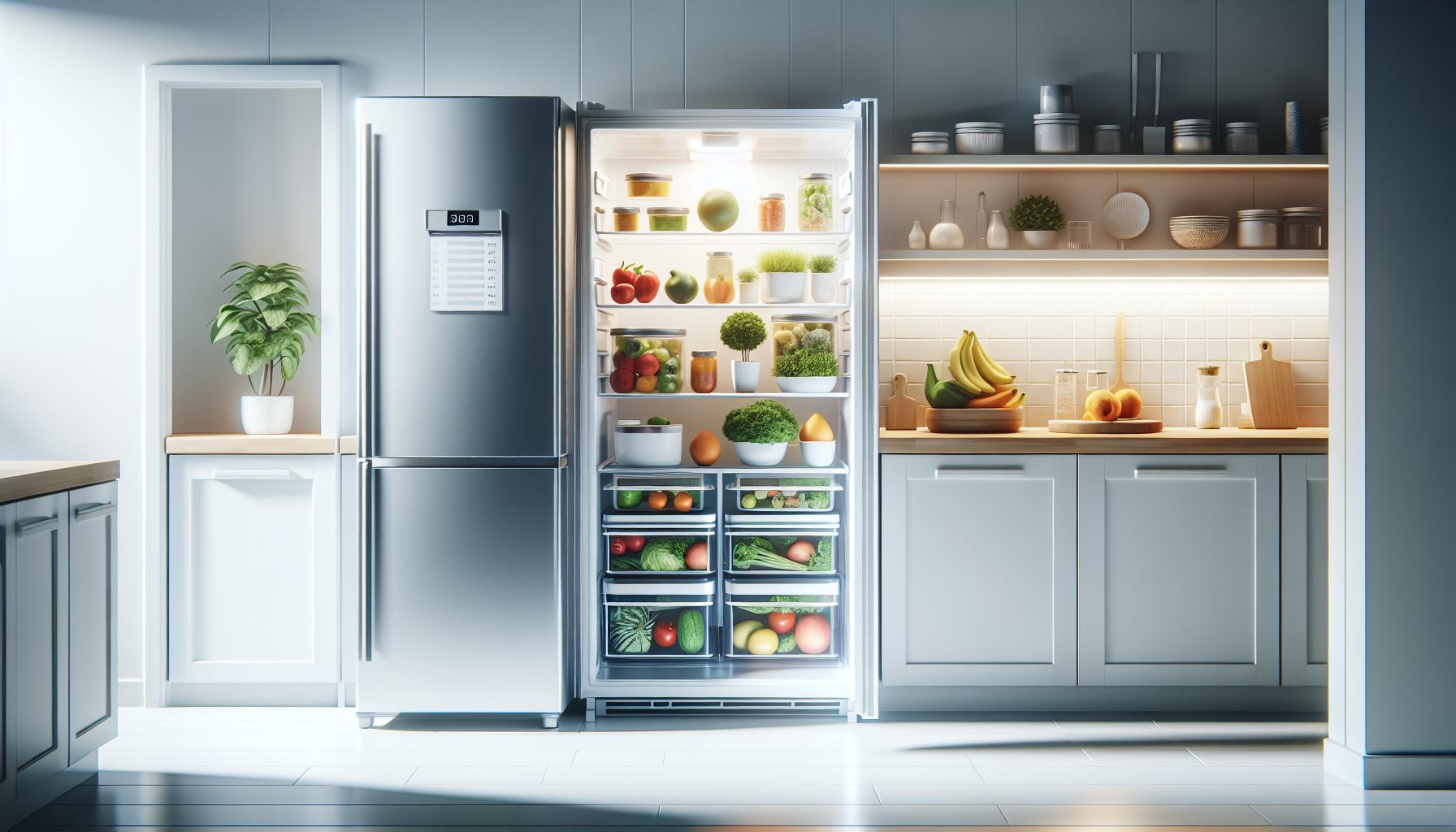
How to Maintain Your Fridge Filter for Longevity
Maintaining your fridge filter is key to ensuring clean drinking water and optimizing the filter’s lifespan. One essential practice is to keep track of the filter replacement schedule. Although most manufacturers recommend changing filters every 6 months to a year, this may vary based on water quality, frequency of use, and specific filter type. To prevent delays in water production and maintain water quality, set a calendar reminder for replacement, or utilize filters with indicator lights that signal when it’s time for a change.
Another important aspect of maintenance is regularly cleaning the area around the filter compartment. Dust, mildew, and mineral deposits can accumulate, potentially affecting filter performance. Ensure the compartment is dry and clean each time you change the filter. Use a soft, damp cloth to wipe away any grime without disturbing the filter installation area. Additionally, it’s wise to flush the new filter with several cups of water before its first use. This step removes any loose carbon particles and ensures your first glass of water is clean and clear.
Be mindful of water quality in your home as well. In areas with hard water, consider using a water softener to reduce mineral buildup on the filter. Hard water can lead to quicker saturation of the filter, thus shortening its usability. It’s also beneficial to install an additional pre-filter if your home’s water contains high levels of sediment or contaminants. This extra layer of protection will not only enhance your refrigerator’s filter lifespan but also improve the overall water quality.
Lastly, even if no immediate signs of reduced water flow or taste changes are noticeable, it’s prudent to regularly assess the filter’s condition. Innovations in fridge technology mean that many modern models feature built-in sensors that alert homeowners when the filter needs replacing. Consult your owner’s manual to understand your fridge’s specific features and maintenance recommendations fully. Regular upkeep, awareness of local water quality, and addressing cleanliness around the filter area will contribute to a longer-lasting fridge filter and consistently safe drinking water.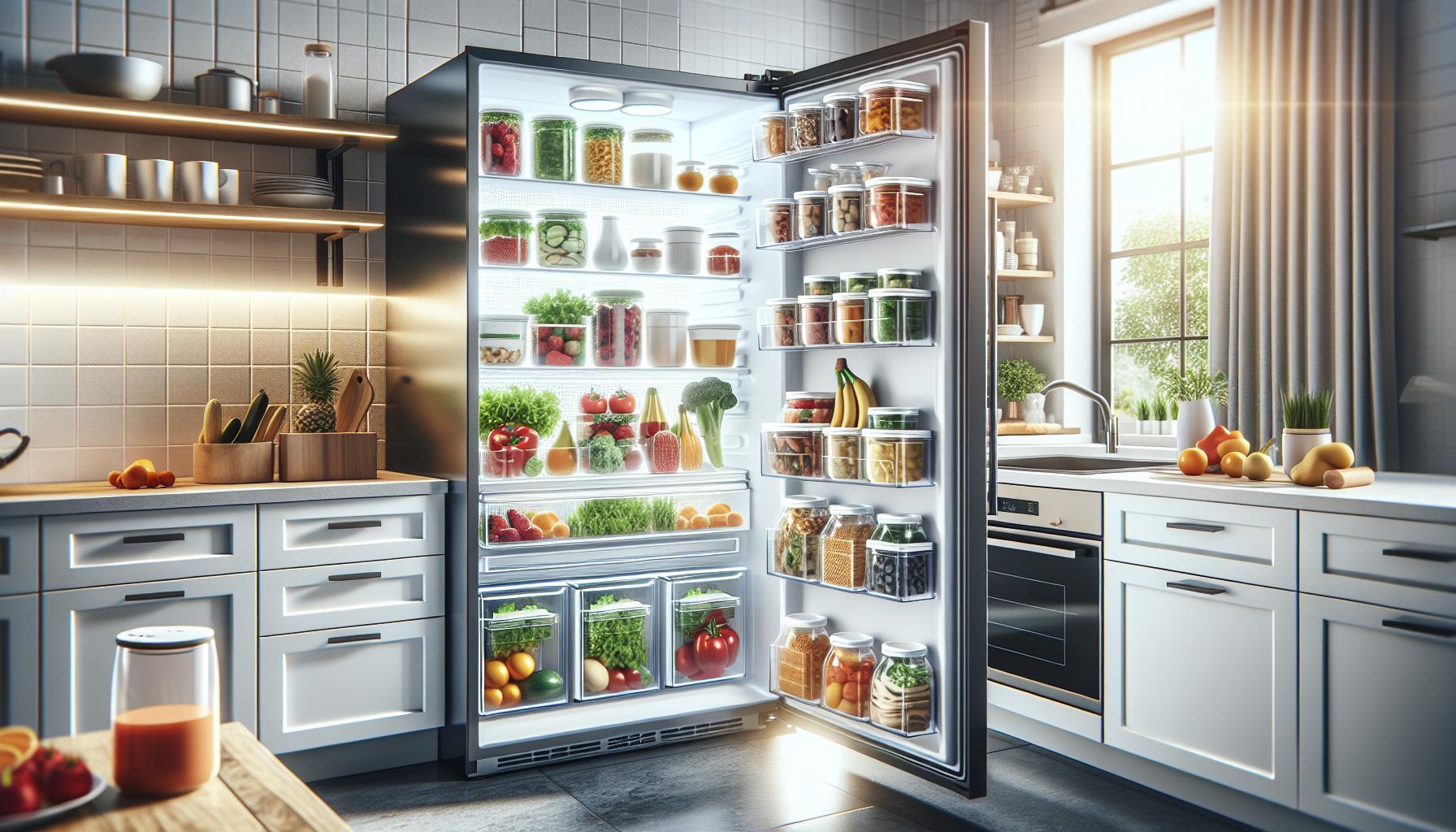
Common Types of Fridge Filters and Their Durability
The effectiveness of your fridge’s water filtration system hinges not only on regular maintenance but also on understanding the various types of filters available and their respective lifespans. Each type of filter serves to reduce different contaminants, and knowing their durability can assist you in making informed choices regarding replacements and management.
One common type of fridge filter is the carbon filter, which excels in removing chlorine taste and odor, along with certain contaminants like lead and sediment. These filters generally last between 6 months to 1 year, depending on water quality and usage. A straightforward indicator of a carbon filter’s degradation is a noticeable change in water taste or quality, signaling it’s time for a replacement.
Another prevalent type is the reverse osmosis (RO) filter, known for its superior ability to eliminate a broader spectrum of impurities, including heavy metals and dissolved solids. While RO filters offer enhanced purification, their lifespan can be shorter-typically around 2 years-due to their complex filtration process that can lead to faster clogging. Regularly monitoring water pressure and flow rate is crucial here; a significant drop may indicate a filter need.
Micron filter systems, used mainly in higher-end fridge models, can filter out smaller particles, usually lasting around 6 months. These filters often work in conjunction with other filters within the system, making their effective lifespan dependent on the overall performance of the entire setup. Homeowners should also keep in mind that environmental factors, such as the frequency of usage and local water conditions, can influence filter longevity across all types.
In summary, understanding the different types of fridge filters and their expected durability is essential for maintaining clean drinking water. Regular checks and a proactive approach to replacements can keep your fridge’s water quality at its best, ensuring safety and taste without unnecessary hassle.
When to Replace Your Fridge Filter: A Guide
It’s essential to stay on top of your fridge filter replacement schedule to ensure that your drinking water remains safe and tasty. Typically, most filters should be replaced every six months to a year, but various factors can dictate the ideal timing for your specific situation. Monitoring these factors closely can help you maintain optimal water quality and avoid any potential health risks associated with outdated filtration systems.
One clear indicator that it’s time to replace your fridge filter is a noticeable change in water or ice quality. If you start to notice a foul taste, odor, or discoloration, these are strong signs that your filter is no longer effectively eliminating contaminants. Additionally, if you experience a change in the flow rate-specifically if the water dispenses more slowly than usual-this could signal that the filter is clogged and should be replaced. Regularly checking these signs will help you stay ahead in maintaining a safe and pleasant drinking experience.
Environmental conditions also play a vital role in determining how often you should change your filter. Areas with hard water or elevated levels of contaminants may require more frequent replacements. Similarly, if your refrigerator is heavily used-like in a household with multiple family members or frequent gatherings-you might find that the filter’s lifespan diminishes. Keeping track of your water usage habits and local water quality can guide your decisions about when to replace your filter.
To maintain a consistent schedule for replacements, consider marking the calendar with the date of the last filter change or set a reminder on your smartphone. Investing in a quality water filter system that provides helpful notifications about replacement time may also be worthwhile. Staying proactive in filter maintenance will not only enhance the quality of your drinking water but also prolong the lifespan of your appliance.
Comparing Fridge Filters: Which Lasts the Longest?
Comparing fridge filters can be overwhelming, given the plethora of options available on the market today. One of the most crucial factors influencing the longevity of fridge filters is the type and technology used in their construction. For instance, activated carbon filters are known for their capacity to remove chlorine and improve taste; however, they typically need replacement every six months to a year, depending on water quality and usage. In contrast, reverse osmosis systems, which often come integrated in some refrigerator models, can last significantly longer-sometimes up to two years-due to their ability to filter out a broader range of contaminants with higher efficiency.
Another factor to consider is the filter’s certification. Filters that meet NSF/ANSI standards can offer specific claims such as contaminant reduction efficiency, which is essential for ensuring clean drinking water. For example, filters that have passed rigorous testing tend to perform better over time and resist clogging, thus extending their usable life. It’s crucial to check whether your filter is certified and whether this certification meets your needs.
Different brands also offer varying levels of durability and maintenance recommendations. Some manufacturers provide longer warranty periods or replacement intervals for their higher-end models, which can be an indication of quality and longevity. Additionally, any statistical-backed claims regarding lifespan should be scrutinized and corroborated with user reviews since real-world usage can greatly affect filter performance and replacement frequency. Exploring user testimonials on filter efficiency and lifespan can provide practical insights that specifications alone might not reveal.
In terms of cost implications, it’s essential to weigh the initial purchase price against replacement frequency. Investing in a higher-quality filter that lasts longer may result in greater savings in the long run, despite a higher upfront cost. Always consider your specific water usage habits, water source quality, and household size when determining which filter will best meet your needs. These considerations will not only help ensure cleaner water but will also contribute significantly to the overall lifespan of your refrigerator’s filtration system.
Cost vs. Quality: What to Consider
To ensure you’re drinking clean, safe water, understanding the relationship between cost and quality when selecting a fridge filter is essential. While a lower price may initially seem attractive, the longevity and effectiveness of the filter can significantly impact your health and your appliance’s performance. A quality filter not only removes contaminants but also ensures that the water tastes fresh, making it an investment in your well-being.
When evaluating options, consider filters that boast higher certification levels, such as those meeting NSF/ANSI standards. These certifications indicate rigorous testing for contaminant removal, ensuring you get value for your money over time. Although filters with such certification might carry a higher price tag, their ability to perform efficiently over an extended period often justifies the initial cost. Investing in premium filters, like those utilizing advanced technologies, may lead to fewer replacements and reduced maintenance efforts. For example, while basic activated carbon filters may require changes every six months, higher-end reverse osmosis filters can last up to two years, cutting down overall costs.
Furthermore, examining user feedback and warranty policies can offer insights into the filter’s durability and performance. Brands that provide longer warranties typically reflect confidence in their product’s lifespan and efficiency. Reviews can highlight real-world experiences regarding filter longevity and effectiveness, guiding you toward a more informed purchase. Always keep in mind your household’s unique water usage and quality requirements; understanding these aspects can help tailor the most cost-effective and health-conscious choice for your fridge filtration system.
In summary, while it may be tempting to opt for the cheapest fridge filter on the market, investing in quality often pays off. Not only does it enhance your drinking water’s safety and taste, but it also contributes to the overall functionality and longevity of your refrigerator. By analyzing the balance between cost and quality, you can make choices that align with your health priorities and budget.
Environmental Impact of Fridge Filters
The is an important consideration that extends beyond the convenience of having clean, filtered water at your fingertips. Each year, millions of fridge filters are discarded, often ending up in landfills, where they contribute to waste and environmental degradation. Understanding the life cycle of these filters can empower you to make more environmentally conscious choices.
To minimize your ecological footprint, consider these strategies:
- Choose Eco-Friendly Filters: Some brands produce filters made from sustainable materials or use recyclable components. Opt for those with environmental certifications.
- Regular Maintenance: Maintaining your fridge filter will not only enhance its lifespan but also reduce the frequency of replacements. A well-cared-for filter can lead to fewer materials being used and discarded over time.
- Recycling Programs: Investigate whether your filter manufacturer offers a recycling program. Many companies now have initiatives to return used filters, which ensures they are disposed of or recycled properly.
- Filter Lifespan Awareness: Being aware of how long your fridge filter lasts can help you replace it only when necessary. Regular checks can avoid premature disposal.
Taking these proactive steps can significantly reduce the waste associated with fridge filters. Moreover, when considering the purchase of a new filter, look for those that offer longer lifespans. While they might require a higher initial investment, they often result in reduced environmental impact in the long run due to less frequent replacements.
Ultimately, being mindful of the environmental ramifications of fridge filters not only leads to better personal choices but can also contribute to broader efforts in reducing plastic waste. Making informed decisions about the products we use daily is a straightforward yet profound way to foster a healthier planet. By understanding and acting on the environmental concerns surrounding fridge filters, consumers can play a role in promoting sustainability and responsible waste management.
How to Properly Replace a Fridge Filter
Replacing your fridge filter at the right time is crucial for ensuring clean, healthy drinking water. While most fridge filters last between six months to a year, proper replacement is key to maintaining the efficacy of your refrigerator water system. Follow these straightforward steps to ensure you replace your fridge filter correctly.
Start by identifying the type of filter your fridge uses. You can usually find this information in the user manual or on the manufacturer’s website. If you do not have access to the manual, check the filter itself for any model numbers or other identifying information. Next, purchase a compatible replacement filter. Choosing a high-quality filter can enhance water purification and extend the interval until your next replacement.
When you’re ready to replace the filter, first ensure your fridge is unplugged or at least turn off the water supply. This step is essential to prevent any accidental leaks or spills during the process. Locate the filter compartment-this is commonly found in the upper-right corner of the fridge interior or in the base grille. With the filter accessible, remove the old filter by twisting it counterclockwise or pulling it straight out, depending on the design.
After removing the old filter, take a moment to clean the compartment using a damp cloth to eliminate any dust or residue that may have built up. Then, unbox your new filter and gently insert it into the compartment, twisting it clockwise until it is securely in place. Some filters may require a push to fit; ensure you hear a click to confirm it is seated correctly.
Finally, restore the power to the refrigerator and turn the water supply back on. To avoid potential air pockets, run the water through the dispenser for a few minutes until the water runs clear. It’s also wise to check for leaks around the filter area as a precaution. Completing these steps diligently will help to prolong the lifespan of your fridge filter and ensure you continue to enjoy clean, fresh water.
The Benefits of Regularly Replacing Your Fridge Filter
Ensuring a consistent supply of clean drinking water from your refrigerator hinges on the regular replacement of the fridge filter. While this might seem like an inconvenient chore, the benefits far outweigh the effort involved. Filters can accumulate contaminants, and failing to replace them as recommended could lead to reduced water quality and potentially harmful substances making their way into your glass.
One of the primary advantages of keeping your fridge filter fresh is the improvement in water taste and safety. Over time, filters can become saturated with impurities such as chlorine, sediment, and other pollutants. A cleaner filter effectively captures these unwanted elements, resulting in purer, better-tasting water. For families concerned about the health risks of contaminated water, regularly swapping out filters can be a simple but vital step in safeguarding their well-being.
Moreover, maintaining a regular replacement schedule can enhance the overall efficiency and longevity of your refrigerator’s water dispensing system. A clogged or old filter may force the fridge to work harder, leading to potential mechanical issues over time. By ensuring that the filter is replaced according to its lifespan-generally every six months to a year-you can help avoid costly repairs down the line. This proactive approach not only contributes to better water quality but also to the longevity of your appliance.
Ultimately, the practice of regularly replacing your fridge filter is not just about convenience; it is a fundamental aspect of responsible home maintenance that has direct implications for health, safety, and appliance performance. A simple reminder to check and change your fridge filter can yield substantial benefits, ensuring that every sip is refreshing and pure.
Expert Tips for Clean Drinking Water from Your Fridge
Ensuring clean drinking water from your refrigerator hinges on more than simply regular filter changes; it also involves understanding the nuances of fridge filters and their maintenance. Knowledge about your specific refrigerator model and its filter system can make a significant difference in water quality. Here are some expert tips to enhance the purity and taste of your refrigerator’s water supply.
- Know Your Filter Type: Familiarize yourself with the specific type of filter your refrigerator requires. Some common types include carbon filters, reverse osmosis systems, and sediment filters. Each has unique replacement schedules and maintenance needs, so understanding these can help you monitor their performance effectively.
- Set a Reminder: Mark your calendar or set reminders on your smartphone for filter replacements, typically every six months. Many refrigerators have filter status indicators, but those can sometimes fail. Regular personal checks ensure you don’t miss a replacement.
- Flush the System: After replacing the filter, it’s important to purge air from the water system. Run the water dispenser for several minutes to flush out any air and residual filter carbon. This step ensures cleaner water with optimal flow rate.
- Regular Maintenance Checks: Periodically inspect your refrigerator and its surroundings. Ensure that the water supply line is not kinked or damaged, and check for any leaks and abnormal sounds from the refrigerator. A well-maintained unit can perform better overall, impacting water quality.
Understanding these factors allows you to take charge of your refrigerator’s water supply, helping to ensure that you and your family always have access to clean, great-tasting drinking water. Regular maintenance practices not only optimize the performance of your fridge but also enhance the healthfulness of the water dispensed. Being proactive can prevent issues that affect taste and safety, ensuring every sip is refreshing and pure.
FAQ
Q: How often should I replace my fridge water filter?
A: You should typically replace your fridge water filter every 6 months or after filtering about 300 gallons of water. However, check your manufacturer’s recommendations for specific guidelines as usage and water quality can vary.
Q: What are the signs that a fridge water filter needs replacement?
A: Signs that your fridge water filter needs replacement include reduced water flow, unusual tastes or odors in the water, and a change in the color of the filtered water. Regular checks can ensure clean and safe drinking water.
Q: How can I extend the lifespan of my fridge filter?
A: To extend your fridge filter’s lifespan, ensure regular maintenance by flushing the filter as recommended and avoiding overuse. Keep your fridge in a clean and stable environment to reduce strain on the filter.
Q: Can I clean my fridge water filter instead of replacing it?
A: Most fridge water filters are designed for one-time use and cannot be cleaned effectively. It’s best to replace the filters as per the manufacturer’s guidelines to ensure optimum performance and safe drinking water.
Q: What factors influence the lifespan of a fridge filter?
A: The lifespan of a fridge filter can be influenced by water quality, frequency of usage, and the type of contaminants present in the water. Areas with high sediment or chlorine levels may require more frequent changes.
Q: Are there different types of fridge water filters?
A: Yes, there are several types of fridge water filters, including activated carbon filters, reverse osmosis systems, and sediment filters. Each type has different lifespans and effectiveness depending on water quality and usage.
Q: Is it safe to drink water from an expired fridge filter?
A: No, it is not safe to drink water from an expired fridge filter as contaminants may not be adequately removed. Using an expired filter can lead to health risks due to exposure to unwanted substances.
Q: What happens if I don’t replace my fridge filter regularly?
A: Failing to replace your fridge filter regularly can lead to poor water quality, including unpleasant tastes and odors. Additionally, it may allow harmful contaminants to bypass the filtration process, posing health risks.
In Retrospect
In conclusion, understanding how long a fridge filter lasts is vital for ensuring that you and your family enjoy clean, safe drinking water. Remember to check your filter every six months, replacing it as needed to maintain optimal taste and purity. Don’t wait until it’s too late-making this simple maintenance step part of your routine can increase your refrigerator’s efficiency and protect your health.
For more tips, explore our guides on maintaining your refrigerator, or check out our article on the benefits of filtered water. Join our community by signing up for our newsletter, where you’ll receive the latest insights and product recommendations straight to your inbox. Your journey to cleaner water starts today-act now and keep your home healthy!