When stored properly, bologna can be a delicious and convenient addition to your meals, but how long can it safely last in the fridge? Understanding bologna’s shelf life and safe storage practices is crucial not just for maintaining its taste but also for ensuring your family’s food safety.
Many people may not realize that improper storage can lead to spoilage or contamination, resulting in wasted food and potential health risks. In this guide, we’ll delve into the longevity of bologna in your refrigerator, providing you with the essential tips and timestamps to maximize freshness. You’ll learn how to identify signs of spoilage and implement best practices for safe storage, empowering you to make informed decisions and reduce food waste in your kitchen.
Understanding Bologna: Types and Characteristics
Bologna is a popular deli meat known for its distinctive flavor and versatility. Derived from finely ground meat and spices, it typically contains a combination of pork, beef, or turkey. Understanding the different types of bologna can enhance your choices at the grocery store and ensure better usage and storage.
There are several varieties of bologna that can be found, each with its own unique characteristics. Traditional bologna is made primarily from beef or pork and is often smoked or cooked. Turkey bologna is a leaner alternative, appealing to those looking for a healthier option. Additionally, specialty types, such as mortadella (an Italian version that contains cubes of pork fat) or garlic bologna, offer distinct flavors and textures for culinary experimentation.
When it comes to selecting bologna, be aware of the ingredient list and any additives, such as preservatives or flavor enhancers. Freshly made or high-quality deli bologna can generally provide better taste and safety than heavily processed varieties. Always opt for products that are vacuum-sealed for longer shelf life and freshness. The key to enjoying bologna lies not only in understanding its variations but also in proper storage methods to maximize freshness and flavor.
For the ideal experience, ensure that the bologna is stored correctly in the refrigerator at a temperature of 40°F (4°C) or below. With the right storage practices, you can enjoy bologna in meals and snacks while maintaining optimal safety and taste.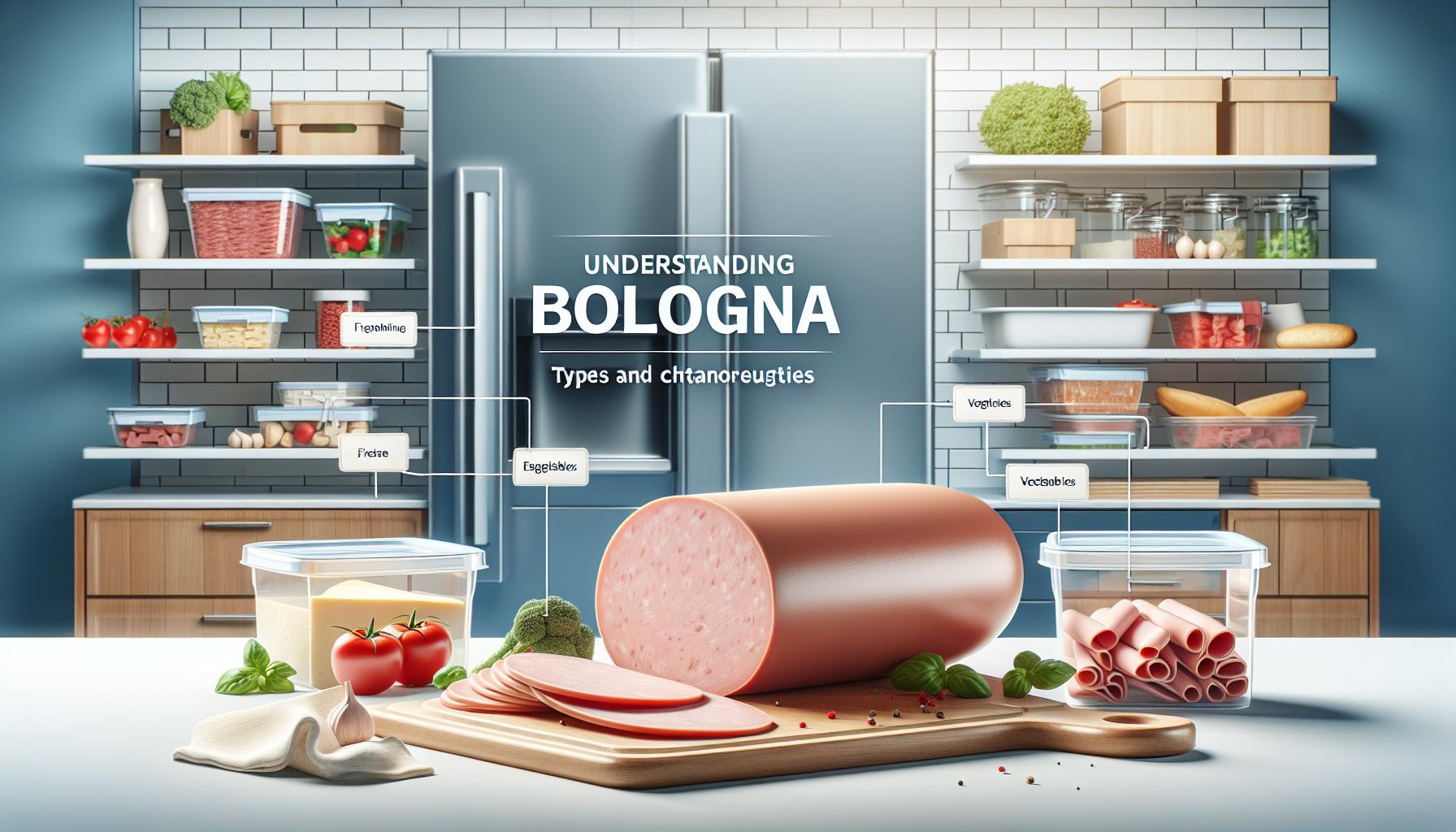
Ideal Refrigerator Temperature for Bologna
Maintaining the ideal refrigerator temperature is crucial for keeping bologna fresh and safe to eat. Bologna, like many deli meats, is perishable and can quickly spoil if not stored properly. The U.S. Food and Drug Administration (FDA) recommends that the refrigerator temperature should be set at or below 40°F (4°C) to ensure optimal food safety. This temperature helps inhibit the growth of harmful bacteria, which can lead to foodborne illnesses.
When storing bologna, it’s important to keep it in its original packaging or transfer it to an airtight container to prevent exposure to air, which can accelerate spoilage. Vacuum-sealed products typically last longer and maintain their freshness better compared to those that are not sealed. If you buy bologna in bulk, consider portioning it into smaller quantities to avoid repeated exposure to air every time you open the package.
For maximum freshness, it’s advisable to consume bologna within one week after opening. If the packaging is still sealed, it can last longer-typically about two weeks, although refrigerated bologna can still be tasty and safe to eat for up to a few weeks past its sell-by date if properly stored. Always check for signs of spoilage, such as an off smell or discoloration, before consuming. Storing bologna correctly not only enhances its flavor but also contributes to food safety, allowing you to enjoy it worry-free.
Storage Duration: How Long Does Bologna Last?
Maintaining the freshness of bologna is crucial for both taste and safety. The shelf life of bologna can greatly depend on how it’s stored. Generally, unopened bologna can last up to two weeks in the refrigerator if kept properly sealed. Once you open the package, however, bologna should ideally be consumed within a week to ensure optimal freshness and quality.
To help you manage the storage of bologna more effectively, consider these key timeframes:
- Unopened Bologna: 1-2 weeks past the sell-by date if stored in the fridge.
- Opened Bologna: 3-5 days in the refrigerator.
- Freezing Bologna: Up to two months for best quality, though it remains safe beyond that time if properly frozen.
Bologna’s characteristics can also be influenced by its packaging. For instance, vacuum-sealed bologna generally maintains its flavor and texture longer than those sold in regular packaging. When you’re ready to use bologna, always inspect it first; if you notice any signs of spoilage like a sour smell, slimy texture, or discoloration, it’s best to err on the side of caution and discard it.
Understanding these storage durations not only helps you enjoy your bologna at its best but also ensures food safety, minimizing the risk of foodborne illnesses. Make informed decisions about your food storage and enjoy your meals with confidence!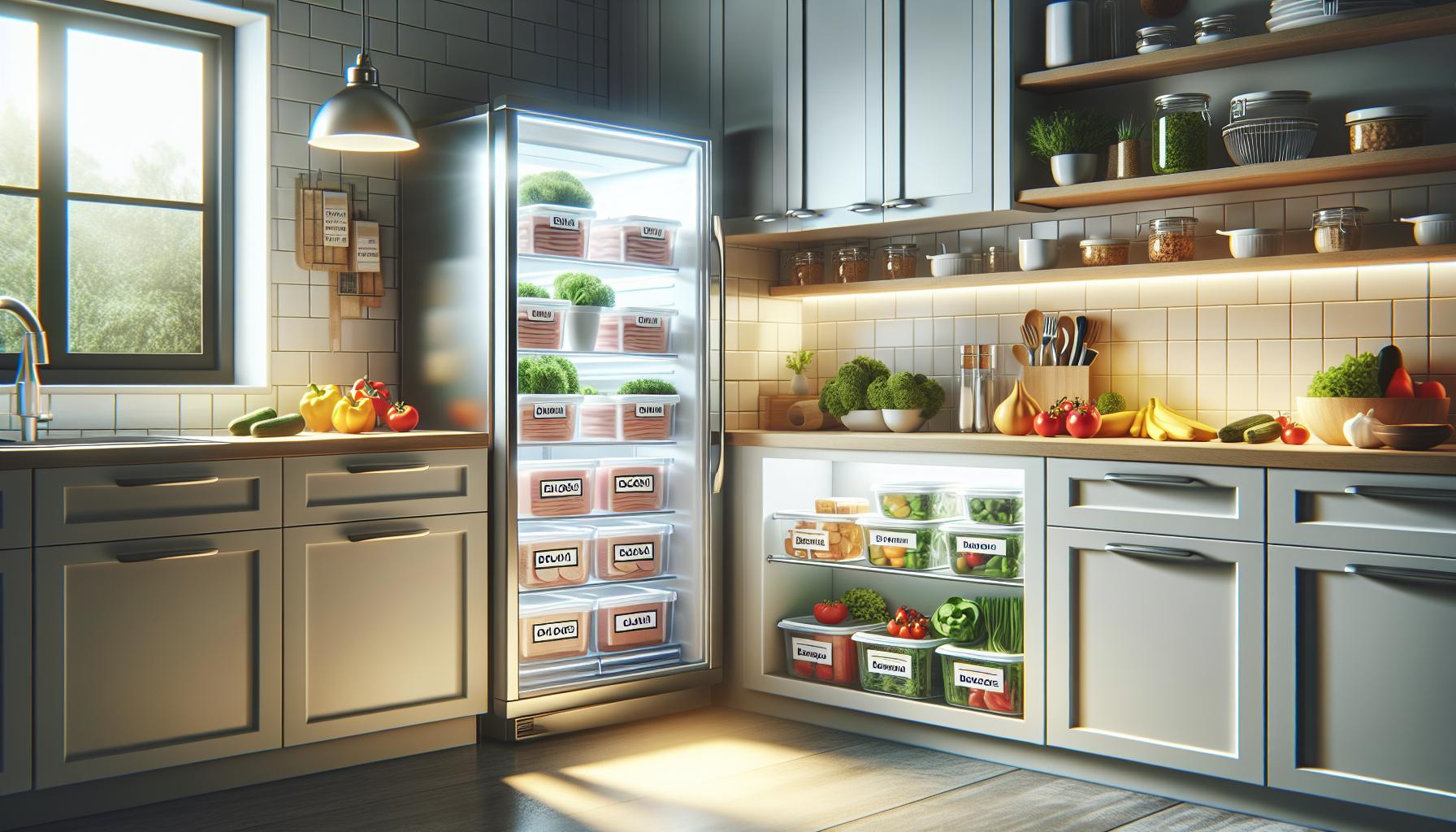
Signs That Your Bologna Has Spoiled
It’s essential to be vigilant when it comes to assessing the freshness of bologna, as consuming spoiled products can lead to foodborne illnesses. Generally, bologna is a perishable item, and several telltale signs indicate it has gone bad. The first major red flag is the presence of an off or sour smell. Fresh bologna should have a mild, meaty aroma; if it smells rancid or unusual, it’s best to discard it.
Another common indicator of spoilage is the texture. If the bologna feels excessively slimy or sticky to the touch, this loss of firmness typically means bacteria have begun to proliferate. Additionally, observe the appearance: look for any significant color changes. Fresh bologna should have a consistent pinkish color; if it starts to appear gray or develops any greenish hues, that’s a strong sign of spoilage.
Lastly, inspect any visible packaging damage or tampering, as this can accelerate the spoilage of the product. If the packaging is puffed up or has developed holes or leaks, these could be signs that air has entered, compromising the freshness. When in doubt, it’s always better to err on the side of caution. Discard any bologna that shows these signs to ensure your meals remain safe and enjoyable.
Best Practices for Storing Bologna Safely
To keep bologna fresh and safe for consumption, it’s essential to follow a few straightforward storage practices. The first step is ensuring that bologna is stored in the refrigerator at a consistent temperature of 40°F (4°C) or below. The cold environment slows down bacterial growth, which is crucial for perishable items like bologna. Ideally, it should be kept in the coldest part of the fridge, often located near the back, rather than in the door where temperatures can fluctuate more dramatically.
When it comes to packaging, airtight containers or heavy-duty plastic wrap are your best bet for preserving freshness. If you buy bologna in bulk, consider portioning it into smaller amounts before wrapping, which allows you to minimize exposure to air and moisture each time you open the package. Moreover, always check the expiration date on the packaging before purchase and during storage, ensuring that you consume it within that timeframe.
For those considering longer storage, freezing bologna can significantly extend its lifespan. Wrap individual slices in plastic wrap or aluminum foil, and place them in a freezer bag, squeezing out as much air as possible before sealing. Frozen bologna can last up to two months without substantial loss of flavor or texture. When ready to use, thaw it in the refrigerator rather than at room temperature to prevent bacterial growth.
Lastly, keep bologna away from foods with strong odors, as it can absorb flavors and aromas easily. Following these best practices ensures that your bologna remains fresh, safe, and delicious, allowing you to enjoy it at its best.
Can You Freeze Bologna? Tips and Guidelines
Freezing bologna is an excellent way to prolong its shelf life and ensure that you always have this versatile deli meat on hand for meals or snacks. When done correctly, freezing can maintain the quality and flavor of bologna for up to two months. However, to achieve the best results, it’s crucial to follow specific guidelines to minimize texture changes and prevent freezer burn.
To begin, portion your bologna into manageable amounts before freezing. This method prevents the need to thaw the entire package, which could compromise the quality of any remaining bologna. Wrap each portion tightly in plastic wrap or aluminum foil, creating a barrier against moisture and air. Next, place the wrapped bologna slices in a sturdy freezer bag or an airtight container. Be sure to squeeze out as much air as possible before sealing to reduce the risk of freezer burn.
Thawing and Usage Tips
When you’re ready to use frozen bologna, always thaw it in the refrigerator. Although it may be tempting to leave it out at room temperature for quicker thawing, doing so increases the risk of bacterial growth. If you need it quickly, you can use the defrost setting on your microwave; just be careful not to cook it during this process.
Keep in mind that while freezing bologna is effective, some changes in texture may occur upon thawing. This is common and should not affect the meat’s safety. For the best taste and texture, incorporate thawed bologna into cooked dishes, sandwiches, or casseroles soon after thawing. Following these steps will ensure that your bologna remains both safe and delicious, allowing you to enjoy its flavor and convenience to the fullest.
Impact of Packaging on Bologna Freshness
Packaging plays a crucial role in maintaining the freshness and safety of bologna. Proper packaging not only protects the meat from external contaminants but also helps to preserve its quality and flavor over time. Commercially packaged bologna is typically vacuum-sealed or tightly wrapped in plastic, which significantly reduces the exposure to oxygen, a key factor in spoilage. When bologna is properly sealed, it can last in the refrigerator for up to one week after opening, but this timeframe can vary depending on the packaging and storage conditions.
One of the best practices for extending the life of bologna is to keep it in its original packaging until ready to use. This original packaging is designed to reduce moisture and maintain a stable environment. For those who purchase bologna in bulk or want to avoid waste, transferring any leftover bologna to an airtight container or resealable plastic bag can be beneficial. Ensure that you remove as much air as possible when sealing these containers to minimize oxidation and moisture buildup, both of which can contribute to spoilage.
To further enhance freshness, consider wrapping bologna slices individually in plastic wrap or parchment paper before placing them in an airtight container. This extra layer of protection can help prevent cross-contamination with other foods stored in the fridge, and it will also make it easier to grab just the amount needed for a quick meal, keeping the rest of the bologna shielded from air and bacteria.
It’s important to monitor the packaging for any signs of damage or tampering. If the vacuum seal is broken or if there are any leaks in the packaging, the bologna may spoil more quickly, so it’s wise to discard it if in doubt about its safety. Always check the expiration date, and when in question, trust your senses-if the bologna has an off smell, slimy texture, or discoloration, it’s best to err on the side of caution and throw it away. Implementing these storage practices ensures that your bologna remains fresh and safe for consumption, maximizing both its shelf life and flavor.
The Role of Expiration Dates and Labels
Understanding on bologna is crucial for maintaining food safety and ensuring quality. These dates provide vital information about how long the product can be expected to maintain its optimal condition, helping consumers avoid potentially harmful spoilage. While many people may view expiration dates as mere suggestions, they are based on scientific testing regarding the product’s safety and freshness.
Typically, you will encounter terms like “sell by,” “best by,” or “use by” on bologna packaging. Each serves a specific purpose:
- Sell by – This date indicates how long a store can display the product. It is not an indication of safety or spoilage but rather a guideline for retailers.
- Best by – This date suggests the period during which the bologna will retain its best flavor and texture. It is recommended to consume before this date for the best eating experience.
- Use by – This indicates the last date that the product should be consumed for safety reasons. It is crucial to adhere to this date to avoid health risks.
To maximize safety, always check these labels before purchasing and consuming bologna. Even if the product is within the labeled dates, it is essential to assess its condition visually and through smell. Signs of spoilage, such as a slimy texture or discoloration, warrant immediate disposal regardless of date stamps. Additionally, once opened, bologna should ideally be consumed within a week to ensure it remains safe and palatable.
Keeping track of these dates and understanding their significance can prevent foodborne illness and help you enjoy bologna at its finest. If you’re ever in doubt, it’s always better to err on the side of caution and discard products that raise any red flags.
Leftover Bologna: Safety and Storage Tips
When it comes to enjoying bologna, understanding how to handle leftovers is key to both safety and flavor. After opening a package, it’s essential to store bologna properly to minimize waste and ensure it remains safe to eat. Ideally, after opening, bologna should be consumed within a week. This timeframe applies whether the bologna is sliced or kept as a whole roll. Always keep it refrigerated at temperatures below 40°F (4°C) to inhibit bacterial growth.
To store leftover bologna effectively, ensure it is tightly wrapped or stored in an airtight container. This will help protect the meat from exposure to air, which can lead to oxidation and spoilage. If you purchased bologna in bulk or have more than you can consume within a week, consider freezing it. Bologna can be stored in the freezer for up to two months without significant loss of quality. Be sure to slice the bologna before freezing to make thawing portions easier.
Signs of Spoilage
It’s crucial to visually inspect bologna before consuming it, especially when it’s been sitting in the fridge. Here are some common signs of spoilage to look out for:
- Slimy texture: If the surface feels slick or slimy, it’s a strong indicator that bacteria have begun to grow.
- Off smell: A sour or rancid odor signifies that the bologna is no longer safe to eat.
- Discoloration: While some color change can be normal, especially at the edges, significant browning or greening may suggest spoilage.
By following these storage tips and keeping an eye on freshness, you can enjoy leftover bologna safely. Remember, when in doubt, it’s always better to err on the side of caution and discard any questionable meat.
Common Misconceptions About Bologna Shelf Life
Bologna, an iconic deli meat, often faces misconceptions regarding its shelf life and proper storage. One common myth is that bologna can last indefinitely in the fridge simply because it looks fine. In reality, while bologna is a processed meat that can endure a bit longer than fresh meat, it still requires proper storage and attention to expiration dates. After opening, bologna is best consumed within a week. This safeguard minimizes the risk of spoilage and ensures safety.
Another misconception is that freezing bologna drastically affects its texture and flavor. While it’s true that processes like freezing can slightly alter texture, bologna freezes remarkably well and can be stored for up to two months without significant loss of quality. To maintain the best quality, it’s advisable to slice bologna before freezing; this makes it easier to defrost only what’s needed and helps maintain its texture after thawing.
Additionally, many believe that as long as bologna remains vacuum-sealed, it remains fresh indefinitely. Although vacuum sealing extends shelf life by reducing exposure to air and preventing oxidation, it does not halt bacterial growth entirely. It is essential to check expiration dates and practice good storage habits, such as keeping bologna in the coldest part of the fridge and not leaving it out at room temperature for extended periods.
In understanding these nuances, consumers can feel confident regarding bologna’s safety and longevity, ensuring it remains a tasty and viable choice for their meals without unnecessary waste.
How to Extend the Freshness of Bologna
To keep bologna fresh and enjoyable for longer, implementing a few simple yet effective storage strategies can make a significant difference. In addition to knowing how long bologna typically lasts in the refrigerator, understanding proper handling and storage practices is crucial to maximizing its shelf life and maintaining quality.
Start by ensuring that bologna is stored in the coldest part of the refrigerator, ideally at or below 40°F (4°C). This temperature not only halts the proliferation of harmful bacteria but also preserves the texture and flavor of the meat. When storing bologna, make sure it’s tightly wrapped in plastic wrap or placed in an airtight container. This minimizes exposure to air, which can lead to oxidation and spoilage. If you purchase a vacuum-sealed package, avoid breaking the seal until you’re ready to use it, as this can significantly extend its freshness.
Another effective method for extending freshness is to slice your bologna only as needed. Whole pieces retain moisture and flavor better than pre-sliced ones, and any leftover slices should be stored in an airtight container or securely wrapped. Additionally, consider reorganizing your fridge to ensure bologna is front and center, allowing it to be used while it’s still fresh. Paying close attention to the expiration dates on packaging is essential, but it’s also important to trust your senses: if bologna smells off or shows any discoloration, it’s best to err on the side of caution and dispose of it.
For longer storage options, freezing bologna is a practical choice. Wrap slices securely in plastic wrap or heavy-duty aluminum foil, then place them in a freezer-safe container or bag. This prevents freezer burn and helps preserve the quality for up to two months. When you’re ready to use it, thaw small portions in the refrigerator or microwave as needed. These straightforward adjustments to your bologna storage routine can ensure a delicious and safe eating experience while minimizing waste.
When to Discard Bologna: A Safety Checklist
It’s crucial to know when to discard bologna to maintain both safety and quality, as improper handling can lead to foodborne illnesses. One of the first indicators that bologna should be tossed is its expiration date. Always check the “use by” or “sell by” date printed on the package. While bologna can often last past this date if stored correctly, using it well before this date is a best practice for food safety.
Pay attention to visual cues as well. Fresh bologna typically has a consistent, bright color. If you notice any significant discoloration, such as a gray or brown hue, it’s a sign that the meat may be beginning to spoil. Additionally, inspect the surface for any shadowy spots or slime; these are indicators of bacterial growth. If your bologna smells sour or off in any way, it’s safer to discard it, as this can often signify spoilage.
For opened packages, it’s a good rule of thumb to consume bologna within three to five days. This timeframe holds true as long as the bologna has been stored correctly. If it’s been at room temperature for more than two hours, it should not be eaten, as temperatures above 40°F (4°C) promote bacterial growth. When in doubt about its freshness, it’s best to follow the motto: “When in doubt, throw it out.”
In summary, maintain vigilance when storing and consuming bologna. By keeping track of expiration dates, observing changes in color and smell, and adhering to proper storage practices, you can enjoy this deli favorite safely and confidently.
Q&A
Q: How can I tell if bologna is still good to eat?
A: You can tell if bologna is still good to eat by checking for a sour smell, slimy texture, or discoloration. If you notice any of these signs, it’s best to discard it to avoid foodborne illness. For more on signs of spoilage, refer to our section on “Signs That Your Bologna Has Spoiled.”
Q: Can I eat bologna past its expiration date?
A: Eating bologna past its expiration date is not recommended. While it may still be safe for a short time if stored properly, it’s best to adhere to the expiration date for optimal safety. Always inspect for spoilage before consuming.
Q: How long can opened bologna last in the fridge?
A: Opened bologna can last about one week in the fridge when stored at the proper temperature. Ensure it is tightly wrapped to minimize exposure to air and moisture. Check our section on “Storage Duration: How Long Does Bologna Last?” for detailed timelines.
Q: Is it safe to freeze bologna?
A: Yes, it is safe to freeze bologna. When stored properly in airtight packaging, frozen bologna can last up to two months. For detailed tips on freezing and thawing, see our section on “Can You Freeze Bologna? Tips and Guidelines.”
Q: What is the ideal refrigerator temperature for storing bologna?
A: The ideal refrigerator temperature for storing bologna is below 40°F (4°C). Keeping your refrigerator at this temperature helps maintain freshness and minimizes the risk of spoilage. For more on temperature recommendations, check the section on “Ideal Refrigerator Temperature for Bologna.”
Q: How should I store leftover bologna to keep it fresh?
A: Store leftover bologna in an airtight container or wrap it tightly in plastic wrap or foil. This helps prevent air exposure and keeps it fresh for a longer period. Refer to “Best Practices for Storing Bologna Safely” for more detailed storage methods.
Q: Can I smell bologna to check if it’s bad?
A: Yes, smelling bologna is a quick way to check for spoilage. If it has an off or sour odor, it’s best to throw it away. Always combine scent checks with visual inspections for more reliable safety assessments.
Q: Why does bologna get slimy?
A: Bologna may develop a slimy texture due to bacterial growth from improper storage or after it has surpassed its shelf life. If you notice sliminess, it’s safest to discard the bologna. For more information, see “Signs That Your Bologna Has Spoiled.”
The Way Forward
Now that you know how long bologna lasts in the fridge and the best storage practices to keep it fresh, remember that quality matters-always check for signs of spoilage before consuming. For those looking to dive deeper, explore our guides on safe food storage and understanding food labels to ensure you’re making informed decisions every time.
Take action now: organize your fridge and make room for properly stored bologna, or consider trying out some delicious bologna recipes we have linked for your culinary adventures. Don’t forget to sign up for our newsletter to get the latest updates and tips on food safety straight to your inbox. Your journey to a safer kitchen is just a click away-let’s keep those food worries at bay together!