Curry is a beloved dish around the world, known for its rich flavors and comforting appeal. However, one question often lingers after enjoying a homemade batch: how long does curry last in the fridge? Understanding the proper storage time for curry not only ensures you maintain its delicious taste but also keeps you and your family safe from foodborne illnesses.
Proper food storage is essential, especially for dishes rich in ingredients like meat and dairy. Many people face the dilemma of wanting to enjoy leftovers but are unsure of how long they remain fresh. By knowing the right storage practices and timeframes, you can savor your curry without worry and make the most of your culinary creations.
In this article, we will explore how long curry can be safely stored in the fridge, provide tips for reheating, and share best practices to ensure that your next bowl is just as tasty as the first. Let’s dive into the details to help you store curry effectively and enjoy it at its best!
How Long Can You Store Curry in the Fridge?
Curry, a beloved dish across various cuisines, can be a delightful meal that is both comforting and convenient. Yet, understanding how long you can store this savory dish in the fridge is essential for both safety and flavor. Generally, homemade curry can be safely stored in the refrigerator for about 3 to 4 days. This timeframe is critical to keep the dish fresh and to avoid the risk of foodborne illnesses.
To maximize the longevity of your curry, ensure it cools to room temperature before refrigerating. It’s best to store it in an airtight container to prevent exposure to air, which can cause spoilage. If you think you won’t consume it within this period, consider freezing it instead, as curry can last for 2 to 3 months in the freezer without significant loss of quality.
While the typical storage duration is useful, some factors can affect how long your curry stays fresh. Ingredients like dairy, seafood, or vegetables with higher moisture content may reduce its shelf life. Therefore, always check for changes in texture, color, or smell before consuming leftover curry. Along with adhering to these guidelines, you can enjoy your curry safely without sacrificing taste.
Factors Affecting Curry’s Shelf Life

Understanding the factors that influence the shelf life of curry is essential for maintaining both flavor and safety. Several key elements determine how long your curry can sit comfortably in the fridge before it needs to be discarded. One major influencer is the ingredients used in the dish. For instance, curries made with dairy products, such as cream or yogurt, tend to spoil faster than those made with coconut milk or broth. Dairy’s perishable nature means that the overall shelf life of the curry may decrease significantly.
Moreover, the moisture content of the ingredients plays a crucial role. Vegetables like bell peppers or tomatoes carry more water than others, which can lead to faster spoilage. Similarly, seafood-based curries require more careful monitoring, as they are particularly prone to bacterial growth. In contrast, meat curries, especially those made with robust cuts (like chicken thighs or beef shank), may last a bit longer due to their fat content that can inhibit spoilage.
Proper storage practices can also impact how long curry remains safe to eat. Air exposure and temperature fluctuations can invite bacteria, leading to a shorter shelf life. For best results, always allow the curry to cool to room temperature before transferring it to an airtight container, ensuring the lid seals tightly. Labeling the container with the date of preparation can help you track its age more easily. By being mindful of these factors, you can enjoy your curry while minimizing food waste and the risk of foodborne illness.
Signs That Your Curry Has Spoiled

To keep enjoying your homemade curry, it’s crucial to recognize the signs of spoilage. Even when stored properly, leftover curry can reach a point where it’s no longer safe to eat. The most recognizable indicator is the presence of off smells. If your curry emits an unpleasant odor that deviates from its usual aromatic blend of spices, it’s time to err on the side of caution and discard it.
Another visual cue is the appearance of mold. If you notice any fuzzy, green, or white spots on the surface, this is a definitive sign that your curry has spoiled and should be thrown away. Additionally, a change in the texture can also signal spoilage; if the curry appears unusually slimy or watery, it’s best to avoid consumption. Moreover, take note of any unusual colors that differ from your curry’s original hue, as these changes can suggest bacterial growth or spoilage.
Lastly, a taste test should only be conducted if the curry appears and smells normal; however, if there’s any doubt, it’s safer to discard it. Remember, when in doubt, it’s better to be safe than sorry. Following these guidelines can help you avoid potential foodborne illnesses while ensuring you can still enjoy the rich flavors of your curry safely.
Best Practices for Storing Curry Safely
Storing curry properly is essential not just for safety but also for preserving its rich flavors. To extend its shelf life in the fridge, ensure that the curry is cooled to room temperature before refrigerating. Placing hot curry directly into the refrigerator can raise the temperature inside, potentially causing other food to spoil. It is advisable to transfer the curry into shallow containers, which will allow it to cool more quickly and unevenly.
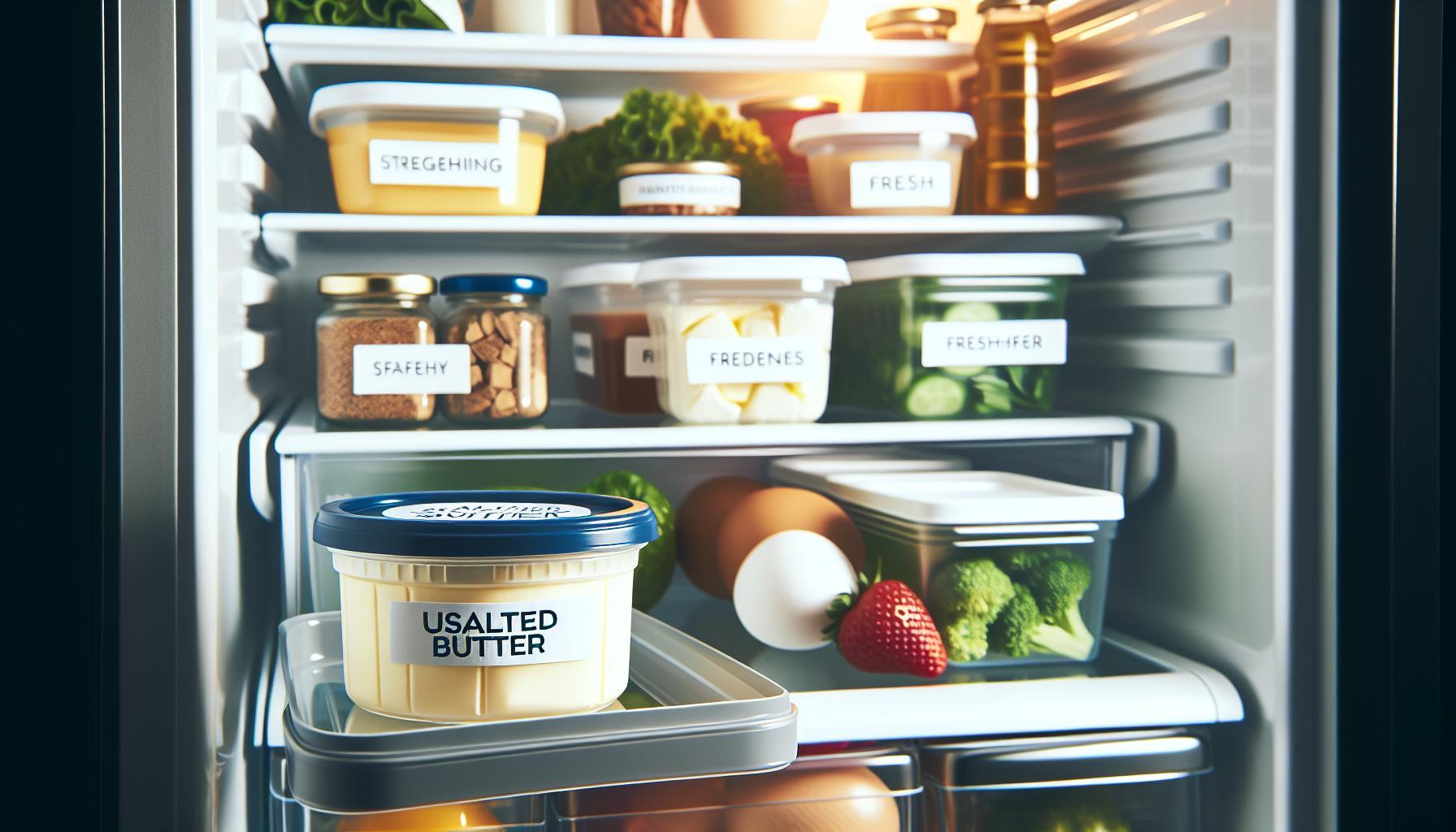
Use airtight containers to store your curry, as this helps block moisture and odors that can compromise flavor. If you have a large batch, consider dividing it into smaller portions. This not only aids in quicker cooling but also allows you to remove only what you need for a meal, keeping the rest fresher for longer. Always label your containers with the date they were stored so you can keep track of how long they have been in the fridge.
Generally, curry can be stored in the refrigerator for up to 3-4 days. If you believe you won’t consume it within this timeframe, freezing is a great alternative. Allow the curry to cool completely and then transfer it to freezer-safe containers or heavy-duty freezer bags, removing as much air as possible to prevent freezer burn. When properly frozen, curry can last up to 2-3 months, ensuring that you can enjoy a taste of your homemade dish even weeks later.
Before consuming leftover curry, always check for signs of spoilage like off smells or visible mold. If the curry looks and smells fine, reheat it thoroughly, reaching a temperature of at least 165°F (74°C) to ensure food safety. By following these best practices, you can enjoy your curry safely without sacrificing its delightful flavors.
Freezing Curry: Tips for Long-Term Storage
Storing curry in the freezer is an excellent way to extend its life while retaining flavor and safety. By freezing your curry properly, you can enjoy a delicious meal months later without compromising quality. To begin, allow your curry to cool completely at room temperature; this step is crucial as placing hot curry directly into the freezer can increase the temperature inside, leading to potential thawing of other frozen items.
Once cooled, transfer the curry to freezer-safe containers or heavy-duty freezer bags. When using bags, remove as much excess air as possible before sealing; this practice helps prevent freezer burn, which can negatively impact texture and flavor. Label each container or bag with the date and contents for easy identification later. For optimal storage, curry can be kept in the freezer for up to 2-3 months.
When you’re ready to enjoy your frozen curry, the best approach is to thaw it in the refrigerator overnight or use the defrost setting on your microwave. After thawing, reheat the curry thoroughly on the stove or microwave until it reaches an internal temperature of at least 165°F (74°C). This precaution ensures it’s safe to eat and restores its flavors. If you find that the flavor has diminished slightly in the freezing process, consider enhancing it with a splash of fresh spices or herbs during the reheating phase.
Remember, not all curries are created equal, and some may freeze better than others, particularly those with cream or yogurt, which can sometimes change in texture. However, many types of curry, especially those heavy on vegetables or beans, hold up well in the freezer, making them convenient options for meal prep and quick dinners. By adhering to these guidelines, you can savor the delightful tastes of your favorite curry dishes long after they’ve been cooked.
Reheating Curry: Safe Methods Explained
To enjoy leftover curry to its fullest, reheating it safely is crucial. Improper reheating can lead not only to a loss of flavor but also to potential food safety risks if it is not heated adequately. When it comes to warm, comforting curry, follow these best practices to ensure you get the most out of your dish while keeping it safe for consumption.
One of the safest and most effective methods for reheating curry is on the stovetop. Start by transferring your curry into a saucepan or skillet, adding a splash of water or broth to help regain its original consistency while preventing it from drying out. Heat it over medium-low heat, stirring frequently to ensure even warming. Monitor the temperature closely; the curry should reach an internal temperature of at least 165°F (74°C) to ensure it is safe to eat. This method not only helps in achieving a delightful creamy texture but also allows for the flavors to meld back together beautifully.
For a quicker option, you can use the microwave. Place the curry in a microwave-safe container, covering it with a microwave-safe lid or plastic wrap to trap moisture, which can help maintain the dish’s richness. Heat the curry in intervals of 1-2 minutes, stirring in between. Once again, make sure that it reaches that key temperature of 165°F (74°C). To enhance the flavor after reheating, consider adding a pinch of fresh spices or herbs, which can brighten the dish and make it feel as vibrant as when it was freshly cooked.
Lastly, always be vigilant about portioning. It’s best to reheat only what you plan to eat in one sitting. Repeatedly reheating the same batch can increase the risk of foodborne illness, as each cycle of cooling and heating can allow bacteria to grow. Remember, with a few simple steps, your leftover curry can taste fresh and delicious while ensuring food safety.
Enhancing Flavor After Refrigeration
To revive the deliciousness of refrigerated curry, there’s no need to accept bland leftovers. The beauty of curry lies in its complex flavors, which can often be elevated even after a stint in the fridge. Here are effective strategies to enhance those flavors and bring your curry back to life.
First, consider adding a splash of acidity. Ingredients like fresh lemon or lime juice brighten up the flavors and can counterbalance the heaviness of the dish. A touch of vinegar, whether balsamic or apple cider, can also amplify the taste profile. Just a teaspoon or two can make a significant difference, so add gradually and taste as you go.
Next, incorporating fresh herbs can invigorate your meal. Chopped cilantro, parsley, or even mint can provide a fresh lift to your curry. Additionally, if you prefer a bit more spice, adding a pinch of cayenne pepper or fresh green chilies right before serving can heat things up and introduce a lively kick.
For those looking to deepen the flavor, a measure of coconut milk or cream can enrich the dish beautifully. Stirring in a small amount not only restores creaminess but also enhances the taste, melding with the existing spices. The richness it brings can make your curry taste freshly made.
Lastly, don’t underestimate the power of fresh spices. Toasting and grinding cumin seeds, coriander, or even adding a dash of garam masala right before serving can revive those base flavors. Consider also a dollop of yogurt or sour cream to add a creamy tang that complements the spices. By following these tips, you can transform yesterday’s curry into a delightful, flavorful meal that feels as good as new.
Common Mistakes When Storing Curry
When it comes to storing curry, many people can inadvertently overlook some important practices that affect its quality and safety. One common mistake is leaving curry at room temperature for too long. Cooked food should not be left out for more than two hours, as this creates an inviting environment for bacteria growth. Instead, promptly refrigerate leftovers in airtight containers to maintain freshness and prevent spoilage.
Another frequent error lies in using large containers for storage. While it might seem convenient, placing too much curry in a single container can result in uneven cooling. This means that the center of the curry may remain warm, allowing bacteria to thrive. To avoid this, divide the curry into smaller portions. This not only cools the food faster but also makes it more manageable for reheating later.
It’s also essential to recognize that not every container is suitable for storing curry. Glass or BPA-free plastic containers with tight-fitting lids are ideal, as they prevent air from getting in and moisture from escaping. Don’t use containers that are prone to staining or absorbing odors, as these can alter the flavor of your curry. Labeling containers with the date of storage can help keep track of freshness, ensuring you consume leftovers within three to four days.
Finally, overlooking the type of ingredients can also influence how long your curry will last. For instance, curries made with dairy products, like cream or yogurt, might spoil faster than those that are dairy-free. Always consider the composition of your curry when estimating safe storage time. Being mindful of these common mistakes not only helps in extending the life of your curry but also ensures that every bite remains delicious and safe to eat.
Curry Variations: How Storage Time Differs
When it comes to curry, the ingredients you choose can significantly impact how long the dish can remain safe and tasty in the fridge. Different types of curry vary not only in flavor but also in their stability during storage, making it essential to understand how to best store each variation.
Curries that contain protein, such as chicken, beef, or seafood, generally have a shorter shelf life than vegetarian or vegan options. For example, meat-based curries are best consumed within three to four days when stored in the refrigerator. In contrast, vegetable-based curries, which often lack the same rapid spoilage risk, can last up to five days. Creamy curries, like those made with yogurt or coconut milk, tend to spoil quicker due to the presence of dairy, and should ideally be eaten within two to three days to avoid any risk of foodborne illness.
Another factor to consider is the presence of spices and ingredients commonly found in curry. Spices like turmeric and cumin don’t deteriorate quickly and can actually preserve the dish by providing antimicrobial properties. Conversely, curries made with fresh herbs or delicate vegetables may have varying shelf lives. For instance, adding fresh cilantro or spinach can mean the dish is best eaten sooner, as these ingredients tend to wilt and degrade faster.
Lastly, it’s essential to note that the method of preparation can also affect storage time. If a curry is simmered for a longer period, it may benefit from enhanced flavor and could handle storage better than one made quickly with raw or lightly cooked ingredients. By keeping these variations in mind, you’ll be better equipped to determine how long your specific curry can stay fresh in the refrigerator, ensuring safe and delicious meals.
Impact of Ingredients on Curry Longevity
The longevity of curry in your fridge is deeply influenced by its ingredients. Understanding this impact is crucial in maximizing safety and flavor. For instance, curries containing proteins like chicken, beef, or seafood have a more limited lifespan-generally, they should be consumed within three to four days. This shorter shelf life is due to the increased risk of bacteria proliferation in protein-rich dishes. In contrast, vegetarian or vegan curries tend to last longer because they lack these same rapid spoilage risks; many vegetable-based curries can be safely stored for up to five days.
Creamy curries, especially those made with dairy products such as yogurt or coconut milk, also demand special attention. The presence of these ingredients often leads to quicker spoilage; therefore, consuming creamy curries within two to three days is advisable. The various fats and proteins in dairy can create an environment that fosters bacterial growth when stored improperly or for extended periods.
Adding fresh herbs or delicate vegetables further complicates storage time. While flavorful additions like cilantro and spinach enhance the dish’s taste, they can also limit its shelf life. These ingredients tend to wilt and degrade faster than more robust veggies, urging the need to consume such curries sooner rather than later. When preparing curries, think about the specific ingredients you’re using and adjust your storage timelines accordingly; this way, you can keep enjoying your meals safely and deliciously.
Meal Prep with Curry: Safety Guidelines
When preparing delicious curry dishes, understanding safe meal prep practices is essential for enjoying your culinary creations while minimizing food safety risks. Properly planning how you store curry can extend its shelf life and maintain its flavor, ensuring you make the most of every batch. Start by dividing your curry into smaller portions immediately after cooking, as this helps cool it down quickly and reduce the time it spends in the temperature danger zone (between 40°F and 140°F), where bacteria thrive.
Utilize airtight containers to store your curry in the refrigerator. This prevents moisture loss and protects the dish from absorbing other odors in the fridge. A general guideline is to consume your curry within three to five days, depending on its ingredients. For example, chicken or beef curries should ideally be eaten within three to four days, while vegetarian varieties can last up to five days. If you have prepared a creamy curry, it’s best to eat it within two to three days due to the dairy content’s vulnerability to spoilage.
For safe reheating, always heat curry to an internal temperature of 165°F (74°C) before consuming. This ensures any potential bacteria are killed. When reheating, avoid using the microwave as your sole method, as it may not warm the curry evenly. Instead, consider reheating it on the stovetop, stirring frequently, until it is steaming hot throughout. If you plan to store the leftover curry for longer than a week, freezing is an excellent option. Portion out your curry into freezer-safe containers and label them with dates to keep track of how long they’ve been stored. Curries can typically be frozen for up to three months without significant loss of quality.
By following these guidelines, you can enjoy your curry creations safely while maximizing their deliciousness and nutritional value. Always trust your senses-if a curry smells off or looks unusual, it’s best to err on the side of caution and discard it.
Best Containers for Storing Curry
Choosing the right container for storing curry can significantly extend its shelf life and preserve its robust flavors. Airtight containers are essential for preventing moisture loss and shielding your dish from absorbing unwanted odors in the refrigerator. When selecting containers, opt for high-quality materials like glass or BPA-free plastic, as these options are durable, safe for food storage, and easy to clean.
Consider the following types of containers:
- Glass Containers: These are excellent for storing curry because they do not retain odors and are microwave-safe. They come in various sizes with tight-fitting lids, making them perfect for portioning.
- BPA-free Plastic Containers: Lightweight and available in a range of sizes, these containers are convenient for storage and freezing. Ensure they are labeled as food-safe to avoid any chemical leaching.
- Silicone Bags: Resilient and flexible, silicone zip-top bags can store curry while using minimal space. They are ideal for freezing and can be easily washed and reused.
When storing curry, always allow it to cool to room temperature before sealing it in a container. This step is crucial as it prevents condensation inside the container, which can lead to spoilage. Additionally, remember to label your containers with the date and type of curry, helping you keep track of freshness.
For longer storage, particularly in the freezer, use freezer-safe containers to prevent the curry from getting freezer burn. Here, you can safely store your curry for up to three months without losing significant quality. By selecting the appropriate containers, you not only enhance the longevity of your curries but also make your meal prep and storage process more efficient.
Frequently Asked Questions
Q: How can I tell if my curry is still good to eat?
A: To determine if your curry is still safe to eat, check for any off-smells, changes in color, or visible mold. If it has an unusual texture or taste, it’s best to discard it. Always prioritize safety when in doubt.
Q: Can I store curry in glass containers?
A: Yes, glass containers are excellent for storing curry as they are non-reactive and help retain flavors. Ensure the container is airtight to prevent moisture absorption. For best practices, refer to the section on “Best Containers for Storing Curry” in the article.
Q: How long can I keep curry that contains dairy in the fridge?
A: Curry containing dairy should be consumed within 3 to 4 days when refrigerated. Dairy products can spoil more quickly, so it’s important to store them properly and watch for signs of spoilage.
Q: What is the best way to reheat leftover curry?
A: The safest way to reheat leftover curry is by using the stove or microwave. Heat it until it reaches 165°F (74°C) to ensure it’s safe to eat. For detailed methods, see the section on “Reheating Curry” in the article.
Q: Can I freeze curry with vegetables?
A: Yes, you can freeze curry with vegetables, but be aware that some veggies may lose texture upon thawing. For optimal results, freeze it in portions, ensuring it’s cooled before freezing, as outlined in the “Freezing Curry” section.
Q: What should I do if my curry has been in the fridge for more than a week?
A: If your curry has been in the fridge for more than a week, it’s best to throw it away. Consuming expired food can pose health risks. Always adhere to recommended storage times for safety.
Q: Does the type of curry affect how long it lasts?
A: Yes, the type of curry can influence its shelf life. Curries with more acidic ingredients or higher fat content often last longer than those with dairy or fresh vegetables. Check the “Impact of Ingredients on Curry Longevity” for more insights.
Q: Is it safe to eat curry that smells sour?
A: No, if the curry smells sour, it’s a strong indicator of spoilage. Sour smells often indicate that harmful bacteria may have developed. Discard it to avoid any foodborne illness.
Wrapping Up
When it comes to storing curry, keeping it safe and tasty is essential. Remember, curry can last in your fridge for about 3 to 4 days, but for the best flavor and safety, consume it within that timeframe. If you’re ever unsure, always check for signs of spoilage before enjoying your leftovers. For more tips on food safety, explore our guides on “Best Practices for Food Storage” and “How to Tell if Food Has Gone Bad.”
Don’t forget to subscribe to our newsletter for easy recipes and practical cooking tips! Have questions or want to share your curry experiences? Leave a comment below! Stay tuned for our upcoming articles that dive deeper into food preservation techniques and exploring the delicious world of spices. Your next culinary adventure awaits!