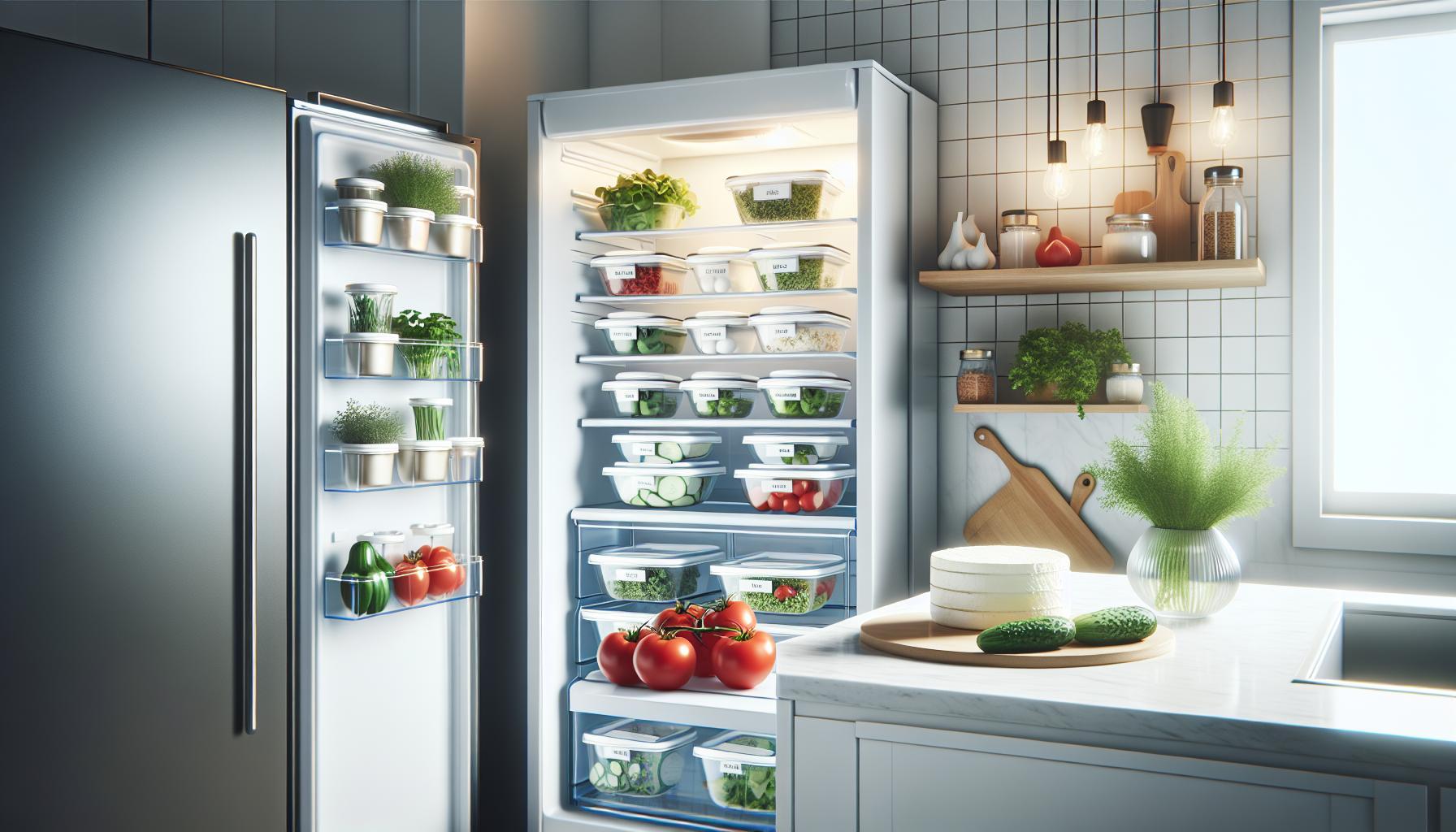
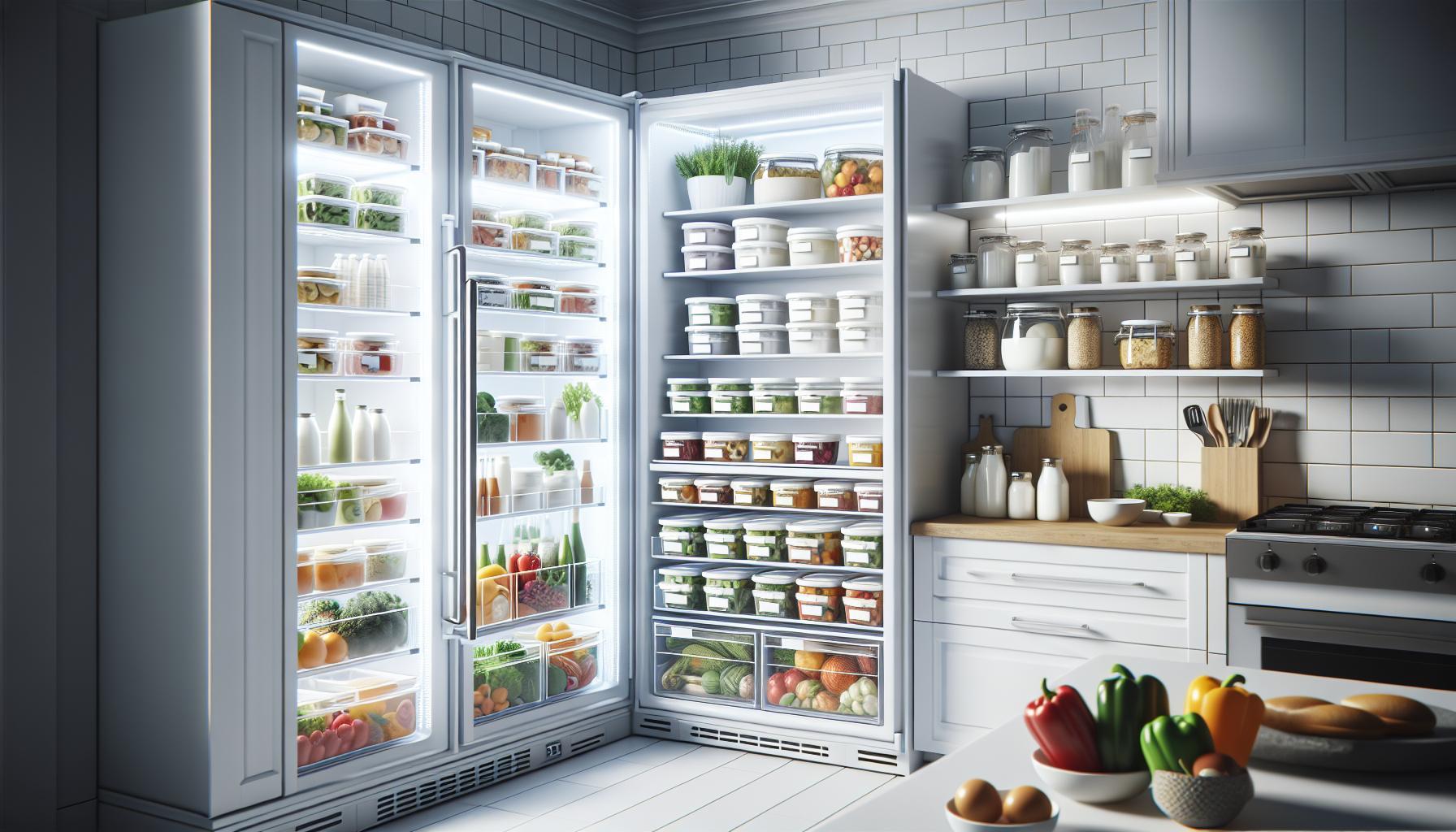
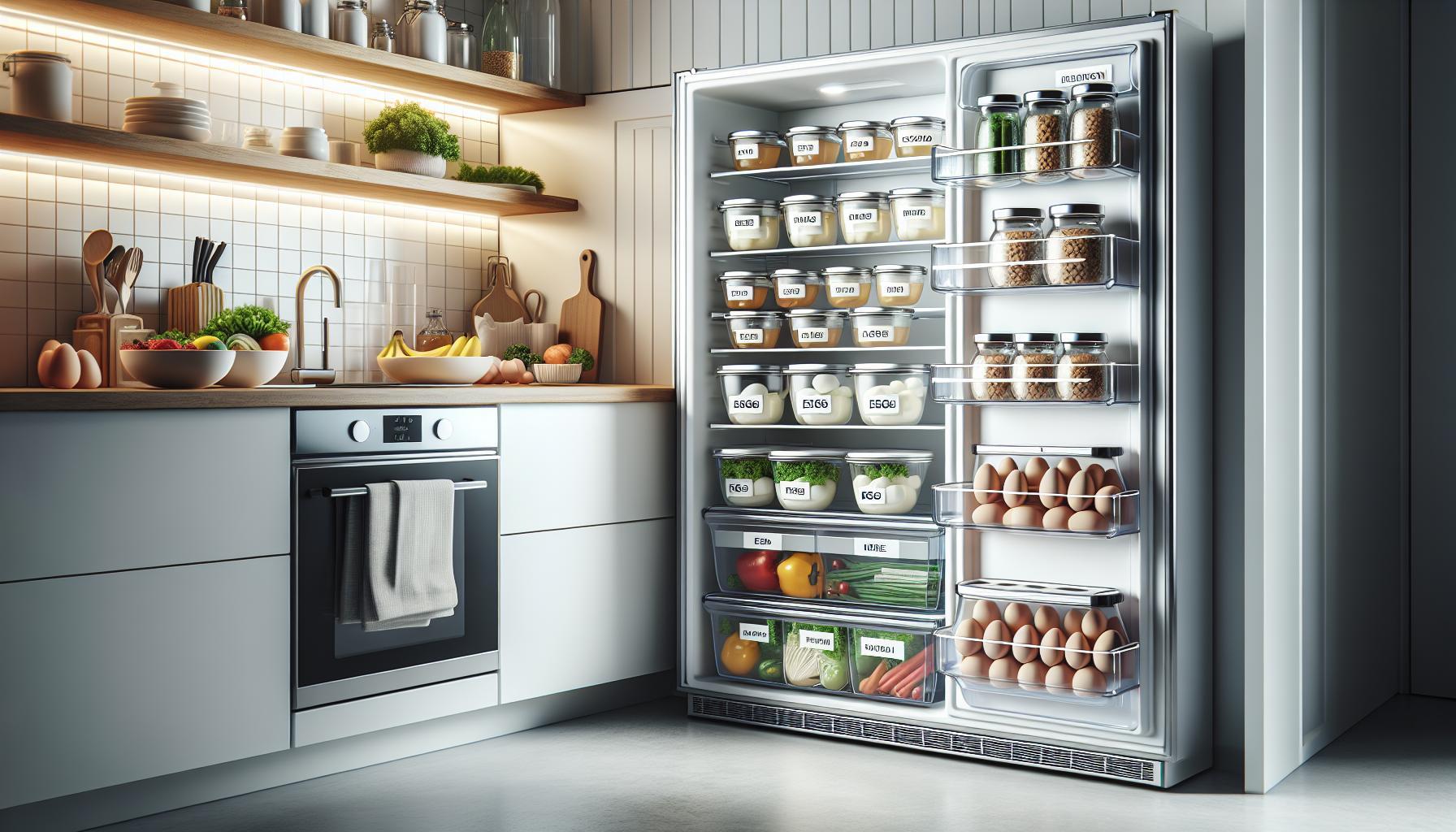
Leftover fried rice may be a convenient and delicious meal option, but how long can you safely keep it in the fridge? Proper storage not only preserves the flavor but also ensures your food is safe to eat. Many people wonder about the best practices for storing leftovers and how to tell when they’re no longer good to enjoy.
In this article, we’ll explore the ideal timeframe for storing fried rice in the refrigerator, along with effective tips to maintain its quality. Understanding the shelf life of your leftovers helps you avoid food waste and make informed decisions about what’s safe to consume, ultimately ensuring a healthier eating experience. Read on to learn how to enjoy your fried rice leftovers safely and effectively!
How Long Can You Keep Fried Rice in the Fridge?
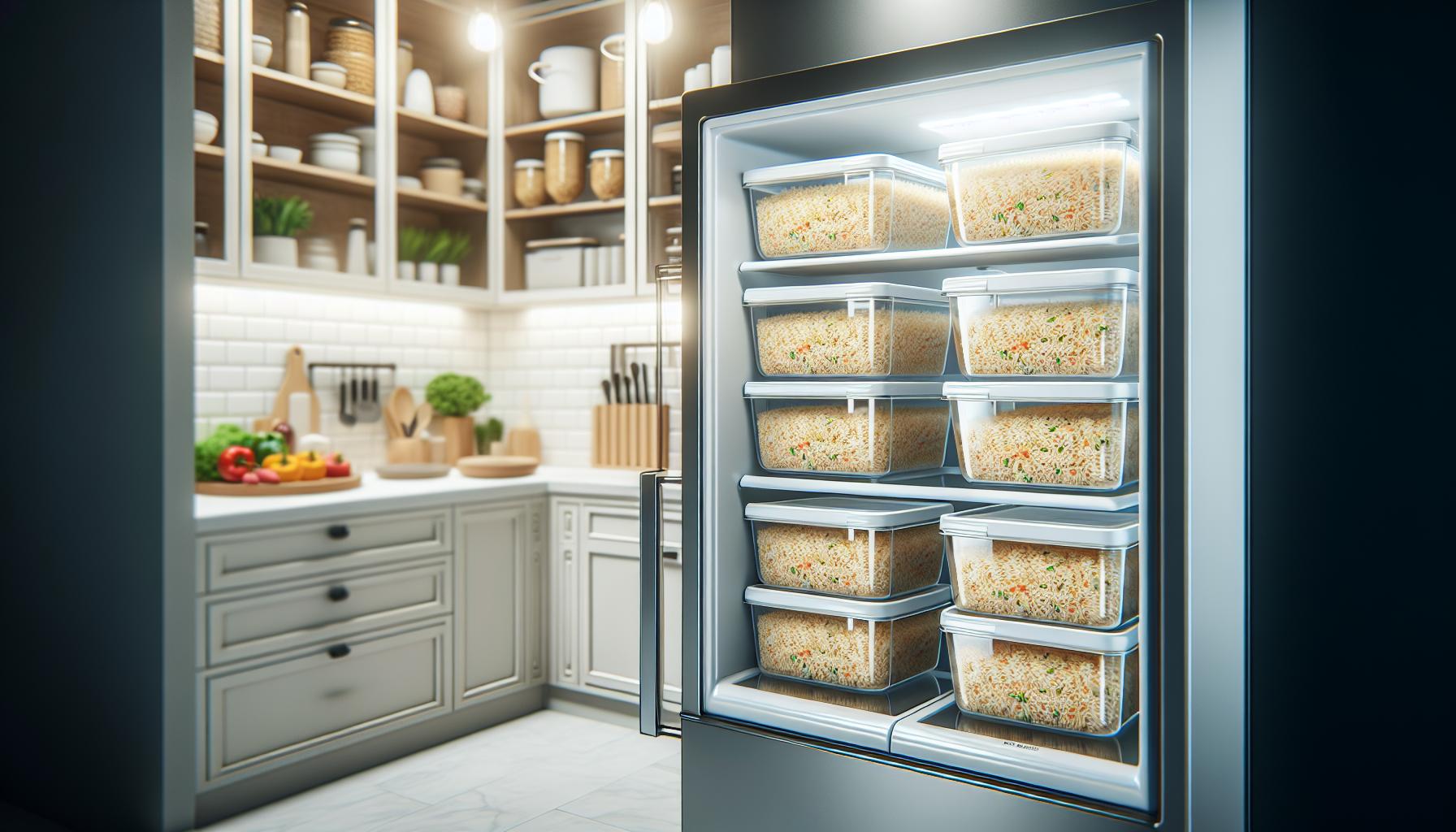
When it comes to storing fried rice, proper refrigeration is crucial for both taste and food safety. Typically, fried rice can last in the fridge for about 3 to 5 days. To maximize its freshness, make sure to cool the rice completely before transferring it to an airtight container. This not only prevents condensation that can lead to sogginess but also keeps your fridge tidy and odor-free.
In addition to the time frame, it’s essential to monitor the fridge’s temperature, which should ideally be at or below 40°F (4°C). Storing fried rice at a consistent cold temperature can significantly reduce the risk of bacterial growth, ensuring that your leftovers remain safe and delicious. Always label your container with the date it was stored, making it easier to keep track of how long it has been in the fridge.
To enjoy your fried rice at its best, consume it within this timeframe. If you’re ever unsure about its safety, trust your senses; if it looks, smells, or tastes off, it’s best to discard it. Proper storage, combined with these safety guidelines, will help you enjoy your fried rice leftovers without worry.
Signs Your Fried Rice Has Gone Bad
Determining whether leftover fried rice is still safe to eat can be straightforward if you know what signs to look for. The freshness of fried rice can diminish not only with time but also due to improper storage. Generally, if it’s been stored in the refrigerator for more than 3 to 5 days, it’s wise to approach it with caution.
One of the most apparent indicators of spoiled fried rice is a shift in smell. If your fried rice gives off a sour or rancid odor, it’s a clear sign that it has gone bad. Fresh fried rice should have a pleasant, savory aroma reminiscent of the ingredients used. Additionally, visual cues like discoloration or the presence of mold can also indicate spoilage. If you notice any green, blue, or white specks on the rice, do not consume it.
Texture is another important factor to consider. Freshly cooked fried rice is typically fluffy, while spoiled rice can become sticky, clumpy, or excessively dry. If the rice has a slimy texture, that’s a strong warning sign that bacteria may have developed, making it unsafe to eat. Lastly, don’t forget to trust your taste-if it tastes off or unusual in any way, it’s best to discard it, as consuming spoiled food can lead to foodborne illnesses.
Remember, practicing good food safety includes frequently checking your leftovers. Even if fried rice appears and smells fine, when in doubt, it’s better to be safe than sorry. Disposing of questionable food not only protects your health but also reinforces good storage practices for future meals.
Best Storage Practices for Fried Rice
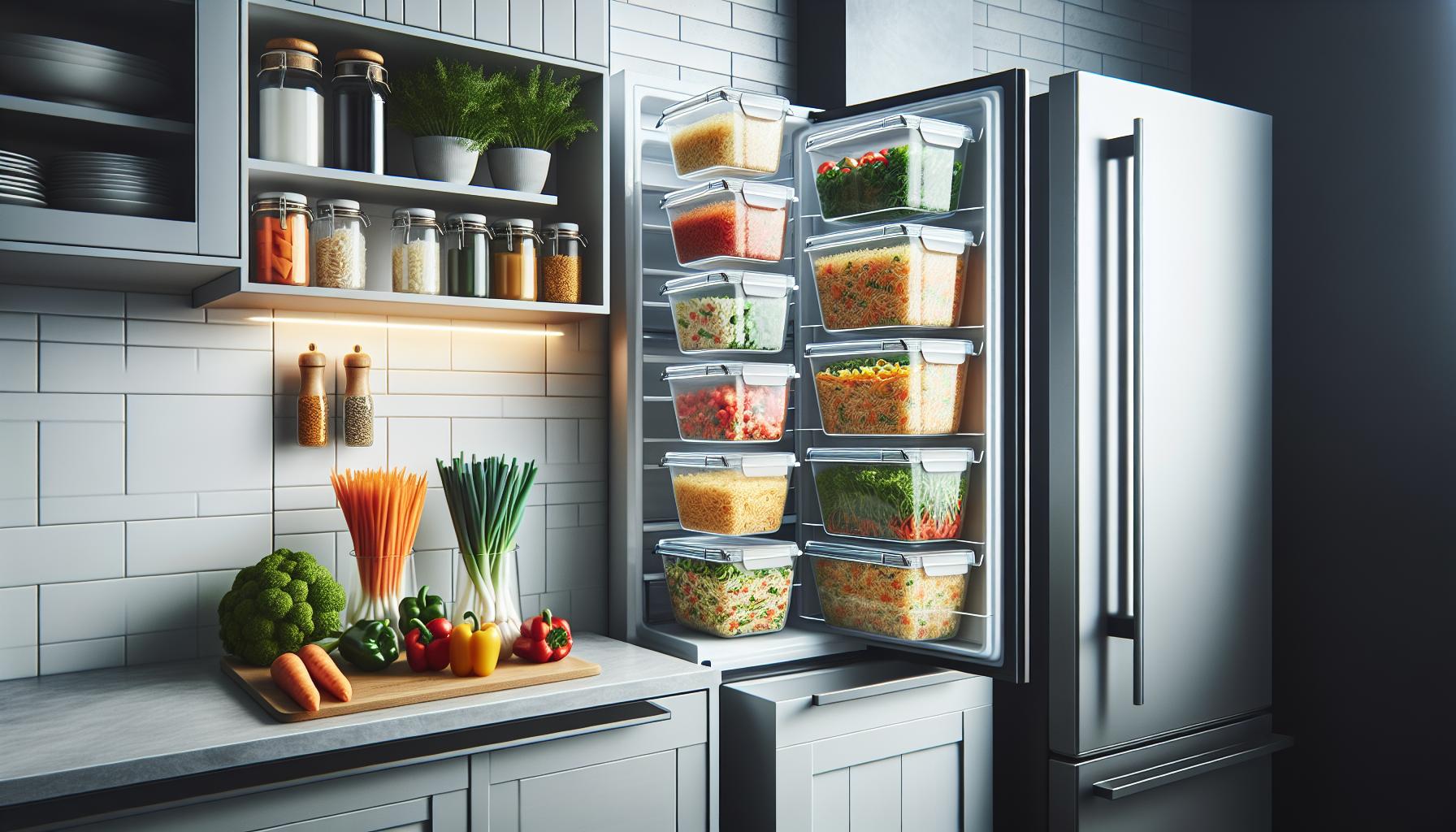
Storing fried rice properly is essential for maintaining its flavor and preventing foodborne illnesses. When handled correctly, fried rice can be a delicious and convenient meal option, whether you’re saving leftovers or meal prepping. The goal is to minimize exposure to bacteria and environmental factors that speed up spoilage.
To start, always allow your fried rice to cool to room temperature before placing it in the refrigerator. Placing hot food directly into the fridge can raise the internal temperature, promoting bacterial growth. Once cooled, transfer the rice into an airtight container to ensure that moisture and air do not compromise its quality. If you have a lot of fried rice, consider dividing it into smaller portions-the less food in a container, the faster it cools, and the easier it is to reheat only what you need.
It’s important to label your containers with the date of storage. Fried rice typically lasts in the refrigerator for about 3 to 5 days. To keep track effectively, use labels or write directly on the container with a food-safe marker. When you’re ready to eat, give it a thorough visual inspection and smell check. If it appears fine, reheat it to at least 165°F (74°C) before consuming.
For longer storage, consider freezing your fried rice. This can extend its life up to 3 months. When freezing, use freezer-safe bags or containers, pushing out as much air as possible to prevent freezer burn. Thaw in the refrigerator overnight before reheating, and enjoy your delicious fried rice while ensuring your safety with these simple practices.
Can You Freeze Fried Rice? Here’s How
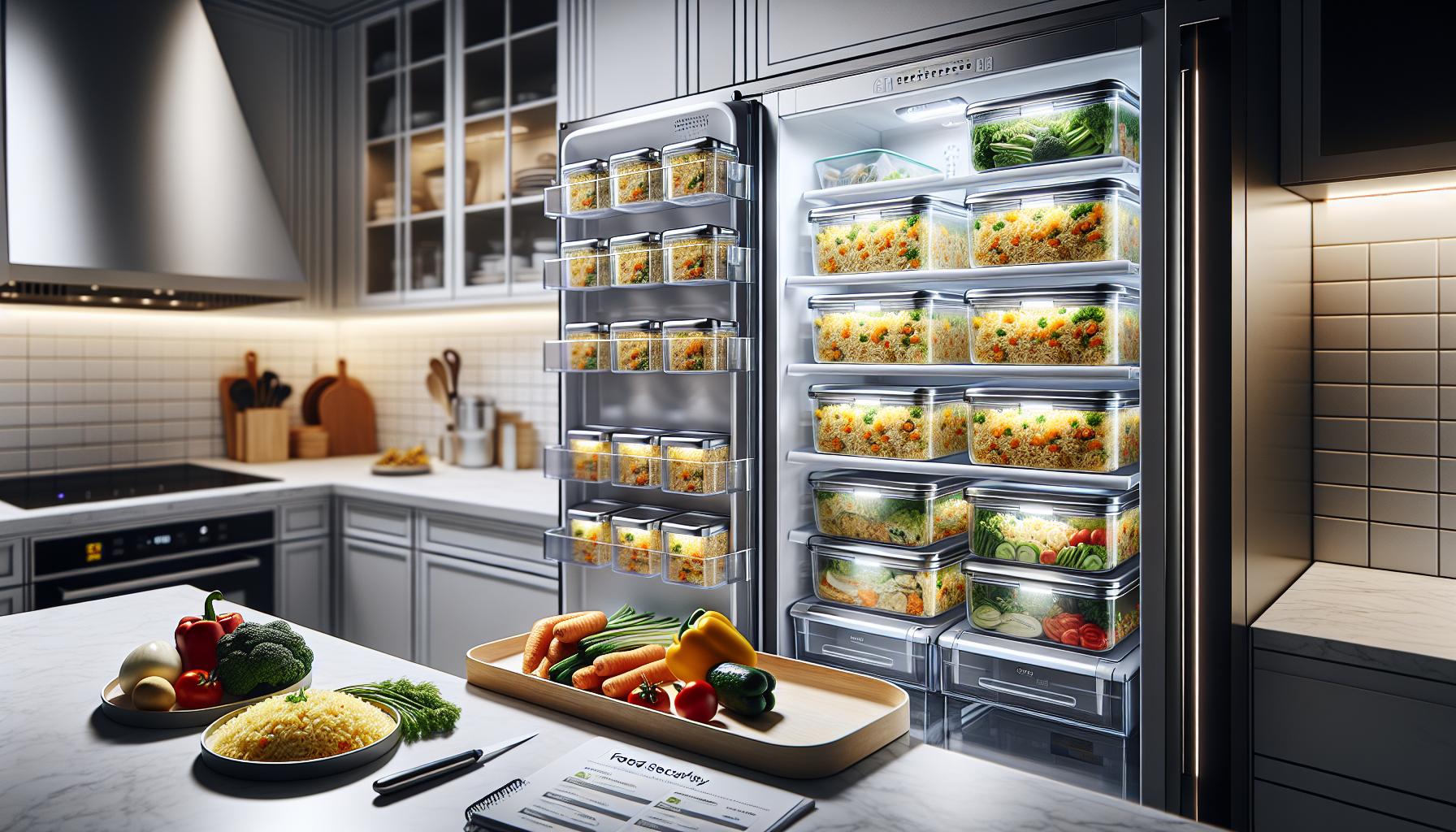
Freezing fried rice is an excellent way to extend its shelf life while retaining its flavor and texture. When properly stored, frozen fried rice can last for up to three months, making it a practical option for meal prepping or dealing with leftovers. To maintain the best quality, it’s crucial to follow some straightforward steps to prevent freezer burn and preserve taste.
Begin by allowing your fried rice to cool completely at room temperature. This step is essential, as placing hot food directly into the freezer can raise the internal temperature of your freezer, potentially affecting other stored foods. Once cooled, portion the rice into smaller servings suitable for single meals. Using resealable freezer bags or airtight containers, pack the portions tightly, pushing out as much air as possible to minimize exposure to air, which can lead to freezer burn. Label each bag or container with the date of freezing to keep track of freshness.
When you’re ready to enjoy your frozen fried rice, it’s best to thaw it in the refrigerator overnight. This gradual thawing helps maintain a more appealing texture when reheated. For reheating, you can use a microwave, stovetop, or even an oven, ensuring that the rice reaches an internal temperature of 165°F (74°C) to ensure food safety. By following these steps, you can enjoy your fried rice long after its initial preparation without sacrificing quality or safety.
Reheating Fried Rice: Tips for Safety
Reheating fried rice properly is essential not only for achieving the desired texture and flavor but also for ensuring food safety. Leftovers should be handled with care, as improper reheating can lead to the growth of harmful bacteria. To begin, always ensure that the fried rice is stored in the refrigerator within two hours of cooking. Leftover fried rice is best consumed within three to four days to maintain freshness and safety.
A reliable method for reheating fried rice is using a microwave, which allows for quick and even heating. Place the fried rice in a microwave-safe container and cover it with a microwave-safe lid or plastic wrap-this helps to trap moisture and prevent the rice from drying out. Heat in short intervals of one to two minutes, stirring in between to promote even heating. Aim for a final internal temperature of at least 165°F (74°C), as this temperature is recommended to kill any potential bacteria.
Alternately, reheating on the stovetop can enhance flavor. Heat a small amount of oil in a pan over medium heat and add the fried rice. Stir frequently to ensure even heating and to revive the original texture by allowing the rice to fry slightly. This method also reintroduces flavor and moisture, making the rice more enjoyable. Just as with the microwave method, use a food thermometer to ensure that the entire dish reaches 165°F (74°C) before serving.
Regardless of the reheating method, always use your senses to evaluate the fried rice. If there’s an off-smell, unusual texture, or any signs of spoilage, it’s best to err on the side of caution and discard it. By following these safety tips, you can ensure that your leftover fried rice is delicious and safe to eat.
Nutritional Considerations for Leftover Fried Rice
Leftover fried rice can be a quick and delicious meal, but it’s essential to consider its nutritional profile as you enjoy it. Fried rice often contains carbohydrates from the rice, protein from any added meat or eggs, and various vitamins and minerals from vegetables. However, the method of preparation and ingredients significantly influence its overall nutritional value.
Fried rice can also be high in calories and fat, depending on the amount of oil used during cooking and the types of protein added. For those monitoring their calorie intake, it’s beneficial to note that a standard serving can range from 200 to 400 calories, primarily coming from the rice and any cooked ingredients. Notably, fried rice often includes soy sauce and other seasonings, which can add sodium levels significantly. A single serving can contain over 600 mg of sodium, potentially more, depending on how it’s prepared.
To make your leftover fried rice more nutritious, consider adding fresh vegetables when reheating. Ingredients like bell peppers, peas, carrots, and green onions not only boost the meal’s fiber content but also increase vitamins A and C. You can also reduce the amount of oil or use healthier fats such as olive oil.
Ultimately, it’s important to consume leftover fried rice within three to four days to ensure you benefit from its nutritional value while minimizing the risk of foodborne illness. Partaking in leftovers within this time frame helps maintain freshness and safety, ensuring your meal remains wholesome and enjoyable.
How to Tell If Fried Rice is Safe to Eat
Determining the safety of fried rice is crucial to prevent foodborne illnesses and ensure an enjoyable meal. To start, always trust your senses. Fresh fried rice should have a pleasant aroma, and the texture should be moist without being overly sticky or dry. If the dish gives off an off-putting smell or shows signs of mold or discoloration, it’s best to err on the side of caution and dispose of it.
Here are some key indicators to assess whether your fried rice is safe to eat:
- Storage Duration: Fried rice can typically be stored safely in the fridge for about three to four days. If it has exceeded this time frame, it’s wise to throw it out.
- Temperature Control: Ensure that the rice has been stored at or below 40°F (4°C). Foods left out at room temperature for more than two hours can fall into the “danger zone” where bacteria thrive.
- Visual Inspection: Look for any signs of spoilage. This includes visible mold, changes in color, or an unusual texture. If the rice appears dry or excessively mushy, it might not be safe to consume.
- Smell: A sour, rancid, or otherwise unpleasant odor is a clear sign that the fried rice has gone bad and should not be eaten.
When reheating fried rice, it’s important to heat it to an internal temperature of 165°F (74°C) to kill any potential bacteria that may have developed during storage. Additionally, if you notice any off-tasting flavors when you take that first bite, it’s safer to stop eating it and discard the dish. Using these guidelines can help ensure that your leftovers are both safe and delicious, allowing you to enjoy them without worry.
Common Mistakes When Storing Fried Rice
Storing fried rice may seem straightforward, but a few common pitfalls can compromise both its flavor and safety. Many people assume that simply placing leftover fried rice in the fridge is sufficient, but several missteps can lead to spoilage and even foodborne illness. Understanding these mistakes can help ensure that your fried rice lasts longer and remains safe to eat.
One prevalent mistake is not allowing fried rice to cool properly before refrigeration. Placing hot rice directly into the fridge can raise the internal temperature of the refrigerator, creating a conducive environment for bacteria. Instead, let the rice cool at room temperature for no more than two hours and then store it in shallow containers. This not only helps it cool down quicker but also encourages even chilling, which is vital for safety.
Another frequent error is neglecting to package fried rice properly. If it’s stored in a container that isn’t airtight, moisture and air can lead to quicker spoilage and freezer burn, significantly impacting taste and texture. Always use airtight containers or heavy-duty freezer bags to reduce the risk of exposure to air and moisture. Be sure to press out as much air as possible before sealing.
Not labeling your fried rice can also lead to confusion about its freshness. Without a date, you might inadvertently keep it longer than the recommended three to four days, increasing the risk of foodborne illnesses. Use a marker or sticky labels to note the date when the rice was stored. This simple practice helps you stay aware of how long the rice has been in the fridge.
Finally, reheating fried rice unevenly can also be a significant oversight. It’s not enough to just warm it up; the rice should reach an internal temperature of 165°F (74°C) throughout. This ensures any harmful bacteria are killed. Stirring the rice while reheating, whether in the microwave or on the stove, helps achieve even heating.
By being mindful of these common mistakes and implementing simple strategies, you can significantly extend the life of your fried rice while ensuring its safety and deliciousness.
Delicious Ways to Use Leftover Fried Rice
Using leftover fried rice can be a delicious and resourceful way to avoid food waste while enjoying a variety of new meals. Fried rice offers a versatile base that can easily adapt to different flavor profiles and cuisines, making it a perfect canvas for creativity. To maximize its potential, consider these tasty ideas that elevate your leftover fried rice into delightful dishes.
One simple and satisfying option is to transform your fried rice into hearty fried rice bowls. Start by sautéing your favorite vegetables-such as bell peppers, broccoli, and snap peas-in a little oil. Then, add the leftover rice to the pan and stir-fry until heated through. You can enhance the flavors by adding soy sauce, sesame oil, or sriracha for a spicy kick. Top each bowl with a fried or poached egg for added protein and richness, sprinkled with sesame seeds and green onions for an appealing finish.
Fried Rice Stuffed Vegetables
For a more creative presentation, consider using your leftover fried rice as a stuffing for bell peppers, tomatoes, or zucchini. Cut the vegetables in half, hollow them out, and lightly roast them beforehand. Then, mix the fried rice with some shredded cheese, herbs, and spices before stuffing it into the vegetable halves. Bake them in the oven until the veggies are tender and the cheese is bubbly. This method not only repurposes leftover rice but also adds a colorful and nutritious element to your meal.
Fried Rice Soup
Another excellent way to utilize fried rice is by turning it into a comforting soup. Simply heat some broth-chicken, vegetable, or miso-in a pot and add your leftover rice along with any additional vegetables and proteins you’d like, such as chopped chicken or tofu. Allowing the soup to simmer for a few minutes helps meld the flavors together. Enjoy it with a sprinkle of fresh herbs or a dash of soy sauce to brighten the taste. This option is especially perfect for chilly days and makes for a quick, nourishing meal.
Incorporating leftover fried rice into these innovative recipes not only reduces food waste but also gives you the chance to enjoy different culinary experiences. By thinking outside the box and approaching your leftovers with creativity, you’ll find that fried rice can be a delightful addition to a variety of dishes.
Extend the Life of Your Fried Rice with These Tips
To ensure your fried rice remains enjoyable and safe to consume over time, adhering to proper storage techniques is essential. First and foremost, always allow your fried rice to cool down to room temperature before refrigerating it. This helps prevent condensation in the storage container, which can promote bacterial growth. Once cooled, transfer the rice into an airtight container, ensuring it is sealed tightly. This step minimizes air exposure, helping to maintain freshness while preventing odors from other foods in the fridge from seeping in.
One of the most significant factors affecting the shelf life of fried rice is the timing of storage. Ideally, leftovers should be refrigerated within two hours of cooking. Under proper refrigeration, fried rice can last up to four to six days. Always label your storage container with the date you cooked it, so you can easily keep track of its freshness. If you’re unsure whether it’s still good, it’s a good idea to inspect the fried rice; any off smells or unusual textures are clear indications it should be discarded.
Additionally, freezing is an excellent option if you want to extend the life of your fried rice even further. When stored in a freezer-safe container or a heavy-duty freezer bag, fried rice can last for up to three months. Ensure to remove as much air as possible before sealing to prevent freezer burn. This method allows you to enjoy your fried rice at a later date without compromising its quality.
Reheating is another critical aspect of enjoying leftover fried rice. When you’re ready to eat, the best method is to heat it on the stovetop over medium heat, adding a splash of water or broth to help create steam. This helps to rehydrate the rice and guarantees even heating. Microwave reheating works, but be sure to cover it to retain moisture and stir halfway through for thorough heating. By following these simple guidelines, you can enhance the shelf life of your fried rice and fully enjoy your delicious leftovers safely.
Understanding Food Safety Dates for Fried Rice
Understanding the safety of your fried rice involves more than just checking its appearance or aroma; it inherently ties back to those crucial food safety dates associated with food storage. When it comes to leftovers, the “best before” date and the “use by” date become pivotal. Fried rice, if stored correctly in the fridge, typically lasts four to six days. This timeframe is your guideline for enjoying the dish while ensuring it remains safe to eat. It’s advisable to label your container with the cooking date to help keep track of how long it has been stored.
It’s important to understand that these dates come with caveats. While the rice may be theoretically safe to eat within the specified timeframe, quality might degrade-leading to potential changes in flavor or texture. Always trust your senses: if the rice smells sour or has a strange texture, it’s best to err on the side of caution and discard it. Additionally, consider that leftovers exposed to fluctuating temperatures can have a reduced shelf life, as precise cooling and consistent refrigeration are key to preventing bacterial growth.
Using proper storage methods can significantly extend the usability of fried rice. Always transfer your leftover rice to an airtight container promptly after it has cooled down to room temperature. This seals out air and moisture, which can harbor harmful bacteria that lead to spoilage. If you’re not planning to consume it soon, freezing your fried rice can extend its lifespan to about three months. Just ensure that your container or freezer bags are airtight to prevent freezer burn, which can affect both taste and texture.
In summary, tracking storage dates, using your senses for assessment, and employing proper storage techniques are essential elements in keeping your fried rice safe and enjoyable. Turning careful attention to these aspects not only enhances your culinary experience but also ensures that no food goes to waste.
Faq
Q: How can I tell if my fried rice is still good to eat?
A: To determine if fried rice is still good, check for off smells, discoloration, or a slimy texture. If it looks or smells bad, it’s safest to discard it. Always trust your senses for food safety indicators.
Q: What is the best way to reheat fried rice?
A: The best way to reheat fried rice is on the stove in a pan over medium heat, adding a splash of water or oil to prevent sticking. Stir frequently until heated through. This method helps maintain texture and flavor.
Q: Can fried rice be eaten cold, directly from the fridge?
A: While you can technically eat cold fried rice straight from the fridge, it’s recommended to reheat it to at least 165°F (74°C) for food safety. This ensures any harmful bacteria are killed before consumption.
Q: How long can fried rice sit out before it goes bad?
A: Fried rice should not be left out at room temperature for more than 2 hours. If left out longer, bacteria can grow rapidly, increasing the risk of foodborne illness.
Q: Can you store fried rice in the freezer?
A: Yes, fried rice can be stored in the freezer for up to 3 months. Ensure it is in an airtight container or freezer bag to prevent freezer burn. Label it with the date for best practice.
Q: Is it safe to reheat fried rice multiple times?
A: It is not recommended to reheat fried rice multiple times as each cooling and reheating cycle increases the risk of bacteria growth. Reheat only what you plan to eat and store the rest properly.
Q: What proteins can be added to leftover fried rice for extra flavor?
A: Adding proteins like chicken, shrimp, or tofu to leftover fried rice can enhance its flavor and nutritional value. Just ensure they are pre-cooked or safely warmed while mixing.
Q: How do I prevent fried rice from clumping together in the fridge?
A: To prevent fried rice from clumping in the fridge, let it cool before storing. Add a little oil to the rice before refrigerating to help keep the grains separate, and store it in an airtight container.
Key Takeaways
Now that you know how long fried rice lasts in the fridge and the best ways to enjoy your leftovers safely, it’s time to put that knowledge into practice! Remember, properly stored fried rice can last up to four days in the refrigerator, so don’t let those delicious leftovers go to waste. For more tips on food storage and safety, check out our articles on “How to Properly Store Leftovers” and “Signs Your Food is No Longer Safe to Eat.”
Feeling inspired? Take a moment to explore our extensive resource on meal prep ideas. And don’t forget to sign up for our newsletter to receive the latest food safety tips and recipe inspiration straight to your inbox! Have any questions or tips of your own? Share them in the comments below; we love hearing from you! By being proactive about your meal planning and storage, you can enjoy your favorite dishes without the worry. Your kitchen doesn’t have to be a source of stress-let’s make it a hub of deliciousness!