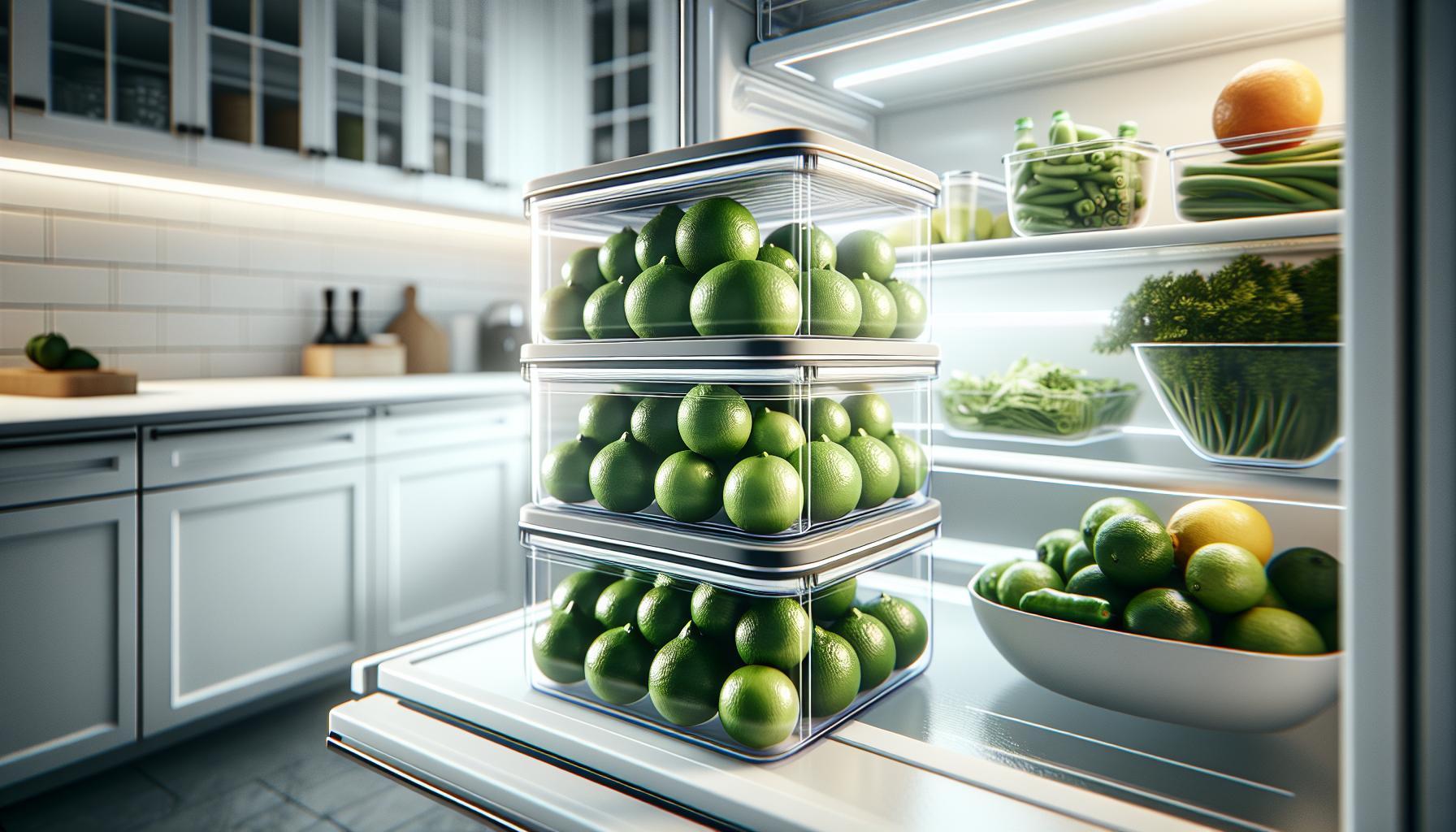
Freezing fruit is a fantastic way to lock in freshness and preserve its nutrients, but how long can you realistically keep it in your freezer? Knowing the lifespan of frozen fruit helps you optimize your storage practices and reduce waste, ensuring that you always have delicious, healthy snacks on hand.
In this guide, we’ll explore how long frozen fruit lasts and share essential tips to maintain its quality. Whether you’re using frozen berries in smoothies or adding frozen mango to your desserts, understanding proper storage techniques can help you enjoy these fruits at their best. With the right information, you can confidently make the most of your frozen fruits and keep your meals vibrant and nutritious.
How Long Can Frozen Fruit Last?

Frozen fruit can be a convenient and healthy option for enhancing meals or snacks, but understanding its shelf life is crucial for making the most of your purchases while ensuring food safety. Generally, frozen fruit retains its best quality for about six to twelve months when stored properly in the freezer. Factors such as the type of fruit, its ripeness at the time of freezing, and how well it’s packaged can significantly impact its longevity.
When freezing fruit, it’s important to ensure it’s in airtight containers or heavy-duty freezer bags to prevent freezer burn and maintain flavor and texture. The temperature of your freezer also plays a role; a consistently cold environment (0°F or -18°C) will help preserve the fruit for a longer period. For example, berries often last closer to the twelve-month mark, while more delicate fruits like peaches might begin to lose quality a bit sooner.
Moreover, it’s always a good idea to periodically check your frozen items. While frozen fruit won’t spoil in the same way that fresh fruit does, it can develop off-flavors or textures over time. If you notice significant ice crystals, discoloration, or a change in texture upon thawing, these may be signs that the fruit has past its prime, even if it’s safe to eat.
Factors Affecting Frozen Fruit Longevity
Freezing fruit is an excellent way to preserve it for later use, allowing you to enjoy seasonal flavors year-round. However, the longevity of frozen fruit can vary depending on several key factors that impact both quality and safety. Understanding these elements can help you make informed decisions when buying and freezing fruits.
One of the primary factors affecting longevity is the type of fruit being frozen. For instance, berries such as strawberries and blueberries tend to retain their quality longer, with a storage life of up to 12 months, while softer fruits like peaches may start to degrade within 6 to 8 months. Ripeness at the time of freezing also matters; fruit that is overly ripe may not last as long as fruit that is just at its peak ripeness when frozen. Additionally, the way fruit is packaged for freezing plays a significant role. Using vacuum-sealed bags or airtight containers minimizes exposure to air, which prevents freezer burn and helps maintain texture and flavor.
The temperature of your freezer is another critical component in determining how long frozen fruit can last. Ideally, your freezer should consistently maintain a temperature of 0°F (-18°C) to keep the fruit in optimal condition. Frequent fluctuations in temperature can lead to partial thawing and refreezing, which negatively impacts quality. Regularly checking the condition of your frozen fruit, observing for any ice crystals, discoloration, or texture changes, can provide early signs of degradation.
Lastly, the duration of storage impacts frozen fruit longevity. While it might be safe to consume frozen fruit beyond the recommended timeframe, its quality may diminish. Keeping a labeling system that indicates the freezing date can help you track how long the fruit has been stored. By being mindful of these factors, you can maximize the freshness of your frozen fruits and enjoy them at their best quality.
Signs of Spoilage in Frozen Fruit

To ensure you enjoy the best flavor and nutritional benefits from your frozen fruit, recognizing the signs of spoilage is essential. Unlike fresh fruit, which can show visible signs of decay, frozen fruit may retain its appearance while still going bad, making vigilance crucial. Freezer burn is one of the most common issues, caused by air exposure that dries out the surface of the fruit. This can manifest as white or grayish-brown spots or patches and can affect the flavor and texture, though it is generally safe to eat.
Another indicator of spoilage is discoloration. While some color change may be normal after prolonged freezing, significant browning or fading can indicate that the fruit is past its prime. In addition, check for ice crystals. A heavy buildup of ice crystals inside the packaging could suggest that the fruit has suffered from temperature fluctuations or that it’s been stored too long. Generally, if you see a substantial amount of ice, it might be best to discard the fruit.
In terms of texture, mushy or overly soft fruit is a clear sign that the quality has deteriorated. When thawed, the texture of properly frozen fruit should remain relatively intact; if it feels watery or soggy, it may not provide the desired culinary results you hope for. Lastly, always trust your sense of smell. A sour or off odor can indicate spoilage, and if you’re uncertain, it’s safer to err on the side of caution and dispose of the fruit.
By keeping an eye on these characteristics, you can safeguard your health and ensure that your culinary creations with frozen fruit remain as delightful as intended. Always aim to consume your frozen fruit within optimal storage times-typically 6 to 12 months-depending on the type-and carefully store leftovers to mitigate spoilage risks.
Best Practices for Freezing Fruit
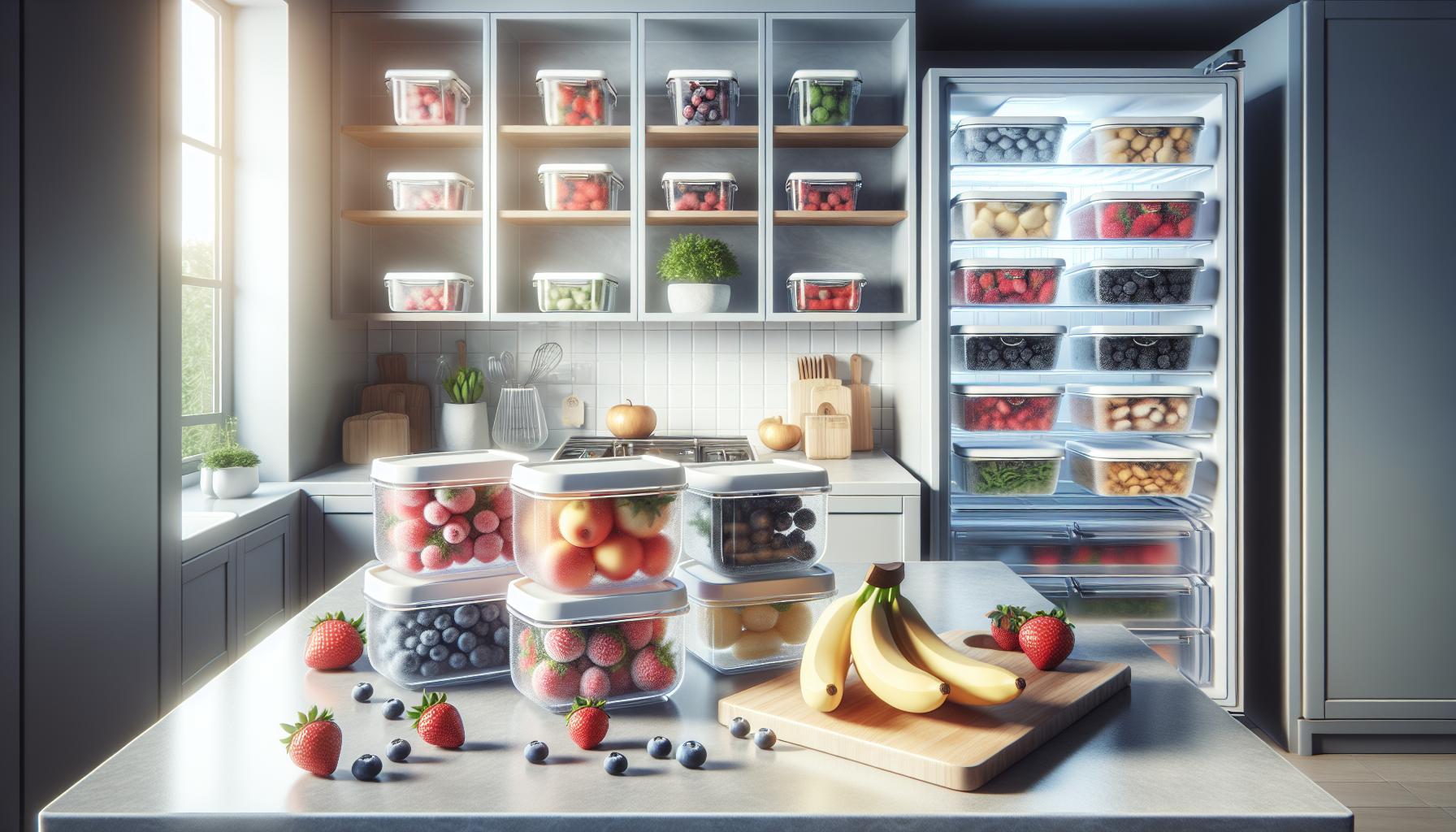
To preserve the vibrant flavors and nutritional benefits of fruits, following best practices for freezing is essential. Proper freezing techniques not only enhance the longevity of your fruit but also maintain its quality when you’re ready to use it. Start by selecting ripe, fresh fruit that is free from blemishes or spots. The better the quality of the fruit before freezing, the better it will taste later. Wash the fruit gently to remove any dirt or contaminants, and dry it thoroughly. Excess moisture can lead to freezer burn during storage.
Pre-Freeze Preparation
Before placing fruit in the freezer, consider the following steps to optimize storage:
- Cut and Portion: Depending on the fruit, cut it into bite-sized pieces. This will make it easier to use later. For berries, you can freeze them whole, while larger fruits like peaches or mangoes should be sliced.
- Blanching: For some fruits like apples or pears, a quick blanching (brief boiling followed by an ice bath) can halt enzyme activity, preserving color and flavor.
- Flash Freezing: Spread the prepared fruit in a single layer on a baking sheet. This prevents the pieces from clumping together, making it easy to portion them later.
After flash freezing, transfer the fruit to airtight freezer bags or containers. Be sure to remove as much air as possible to minimize the risk of freezer burn. For optimal quality, label the containers with the date and type of fruit, keeping in mind that most frozen fruit maintains best quality for 6 to 12 months.
Storage Conditions
The ideal freezing temperature is 0°F (-18°C) or lower. Regularly check your freezer’s temperature settings to ensure consistent cold storage. Avoid overloading the freezer, as this can lead to temperature fluctuations. Proper organization will help you locate your frozen fruits easily, reducing the time the freezer door is open.
By adhering to these best practices, you can ensure that your frozen fruits remain delicious, nutritious, and ready to enhance your meals or snacks whenever needed. Whether you’re blending smoothies, baking, or creating sauces, properly frozen fruit can make all the difference in the taste and enjoyment of your culinary creations.
How to Properly Store Frozen Fruit
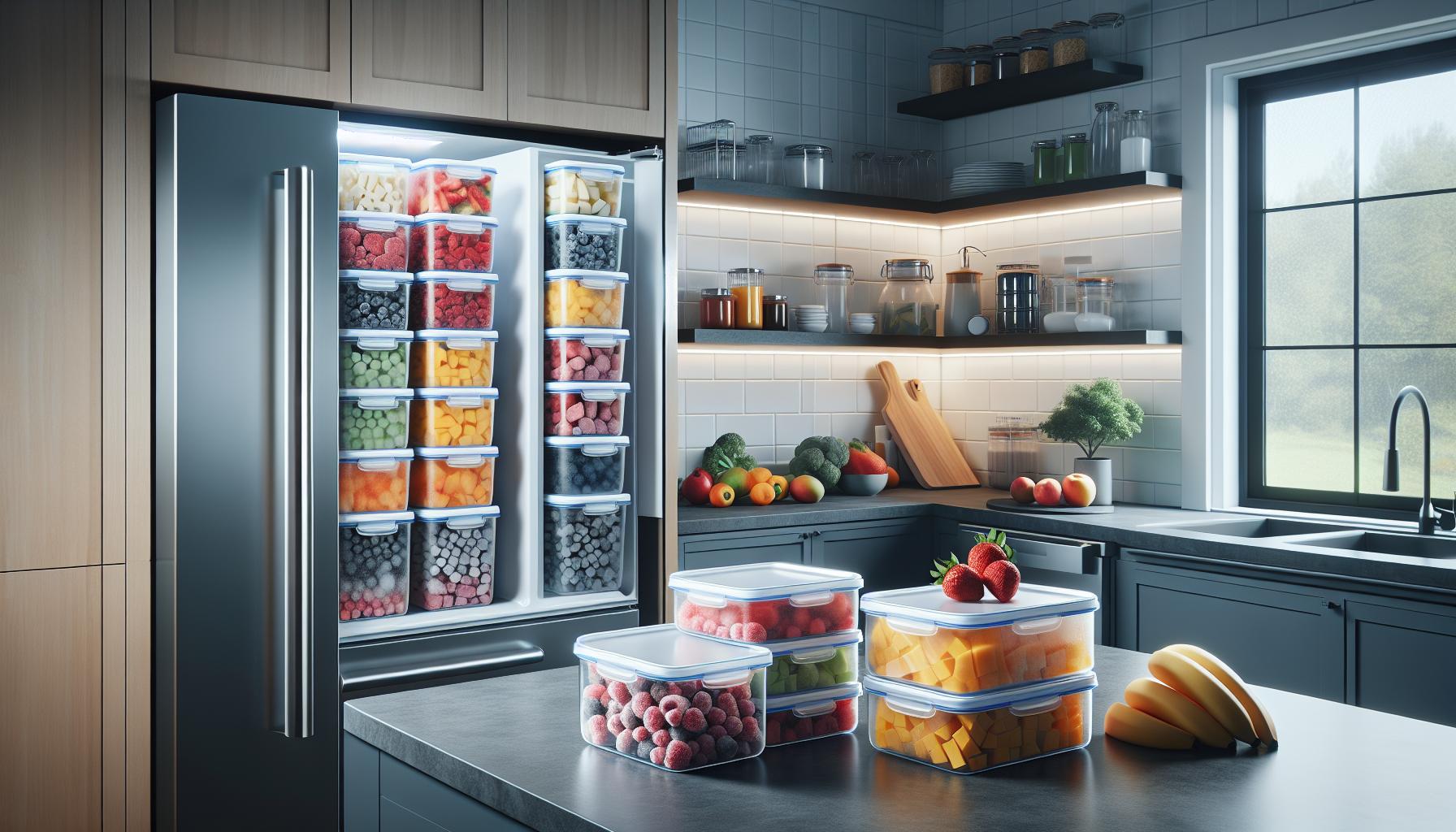
To keep the vibrant flavors and nutritional benefits of your frozen fruit intact, proper storage is crucial. It’s not just about putting fruits in the freezer; it’s about creating the right environment to ensure they stay fresh for as long as possible. The key lies in the type of packaging, storage temperature, and systematic organization. By following these guidelines, you can make the most of your frozen fruit reserves.
One of the most effective methods for storing frozen fruit is using airtight containers or freezer bags. This prevents moisture and air exposure, two significant factors that can lead to freezer burn and degradation of quality. Before sealing, remove as much air as possible from bags to prevent ice crystals from forming. It’s also helpful to label the containers with the type of fruit and the date of freezing to monitor their storage duration accurately. Typically, frozen fruit can be stored at optimal quality for 6 to 12 months, depending on the type of fruit and its preparation method.
Temperature control is another crucial factor-ideally, your freezer should maintain a temperature of 0°F (-18°C) or lower. Regularly checking the freezer’s settings can prevent unexpected fluctuations that might compromise your fruit’s quality. Avoid overloading the freezer; doing so can block air circulation, causing uneven freezing and potential spoilage. Organizing fruits by type and age will allow for quicker access, reducing the frequency and duration of time the freezer door is open, which can lead to temperature increases.
By implementing these storage practices, you can ensure that your frozen fruits retain their taste, texture, and nutritional value, allowing you to enjoy them in a variety of recipes-be it smoothies, desserts, or savory dishes. Proper storage not only enhances your culinary experiences but also minimizes waste, making the most of your fresh fruit purchase.
Impact of Freezing on Nutritional Value
Freezing fruits is one of the best ways to preserve their nutritional value while also prolonging their shelf life. The quick freezing process, often performed shortly after harvest, helps lock in vitamins and minerals that may otherwise degrade over time in fresh fruit. Research demonstrates that most frozen fruits retain a significant portion of their original nutrients, making them a practical alternative to fresh varieties when out of season.
Studies indicate that fruits frozen at their peak ripeness can maintain over 80% of their vitamin C content, along with other important nutrients like dietary fiber and antioxidants. What’s more, the freezing process does not significantly affect the phytonutrients found in fruits, which play a crucial role in promoting overall health. However, it’s important to note that some nutrients, such as certain B vitamins, may be sensitive to temperature and length of storage, and can degrade slightly over time, especially after an extended period in the freezer.
Key Nutritional Benefits of Frozen Fruit
When you’re considering how frozen fruit compares to fresh options, keep in mind these key nutritional benefits:
- Antioxidant Preservation: Many antioxidants remain intact during freezing, helping combat oxidative stress in the body.
- Convenience: Having frozen fruit on hand allows for easy incorporation into smoothies, baking, and cooking, ensuring you have nutritious ingredients available all year round.
- No Ripeness Worries: Frozen fruits are harvested and frozen at their peak, preserving both taste and nutritional value, avoiding the disappointment of buying overripe or underripe fresh fruit.
In summary, while the freezing process does have some impact on nutritional value, it largely serves to maintain and even enhance the availability of many nutrients. Proper storage practices are vital to preserving this nutritional quality, ensuring that your frozen fruits remain a healthy and delicious addition to your meals and snacks.
Thawing Frozen Fruit Safely and Effectively
When it comes to enjoying the vibrant flavors of frozen fruit, how you thaw it can significantly affect both taste and texture. It’s essential to remember that the goal of thawing is to preserve the fruit’s natural quality while ensuring it’s safe to eat. The safest way to thaw frozen fruit is by transferring it to the refrigerator, allowing it to defrost gradually over several hours or overnight. This method not only maintains the fruit’s integrity but also helps prevent any bacterial growth that may occur with more rapid thawing methods.
For those in a hurry, a quick thawing option is to place the fruit in a sealed plastic bag and submerge it in cold water for about 30 minutes. This method is more efficient than using warm water, which can cause the fruit to lose its shape and become mushy. Additionally, avoid using the microwave for thawing frozen fruit, as it can unevenly heat the fruit, leading to hot spots that might cook some parts while leaving others still frozen.
Once thawed, it’s advisable to use the fruit within a few days for the best taste and quality. If you notice any liquid pooling around the thawed fruit, this is just the fruit juices being released, which is a natural occurrence. However, if the fruit displays signs of excessive mushiness, discoloration, or off-odors, it’s best to err on the side of caution and discard it. For recipes such as smoothies or baked goods, there’s no need to thaw for too long; you can use the fruit directly from the freezer in certain preparations.
In summary, appropriate thawing methods not only ensure food safety but also help maintain the flavor and quality of frozen fruits. By planning ahead and using effective thawing techniques, you can enjoy delicious, nutritious fruit year-round while minimizing waste.
Using Frozen Fruit in Recipes
When it comes to incorporating frozen fruit into your recipes, the possibilities are nearly endless. From smoothies to baked goods, frozen fruit can add vibrant flavor and nutritional value while also simplifying meal prep. For instance, when creating smoothies, you can toss in frozen berries or peaches directly from the freezer, which not only keeps the drink cold but also ensures that you get a refreshing texture without the need for ice.
Creative Ways to Use Frozen Fruit
Here are some popular ideas for using frozen fruit:
- Breakfast Boost: Add frozen fruit to your morning oatmeal or yogurt for an instant flavor upgrade. The warmth of the oatmeal or yogurt will gently thaw the fruit, releasing its juices.
- Baking Delight: Incorporate frozen fruit into muffins, pancakes, or quick breads. Just toss the fruit in a bit of flour before adding it to the batter to prevent clumping and ensure even distribution.
- Chilled Treats: Use frozen fruit to create desserts such as sorbets or fruit popsicles. Simply blend the fruit with a splash of juice or sweetener and freeze in molds for a healthy snack.
- Salad Enhancer: Mix frozen fruit into leafy greens for a refreshing salad. Frozen strawberries, blueberries, or mango add a colorful touch and a touch of natural sweetness.
Considerations for Cooking with Frozen Fruit
When , it’s essential to consider both texture and moisture content. Cooking times may need adjustment since frozen fruit can release excess moisture as it thaws. For instance, if you’re making a fruit compote or a filling, cooking it on medium heat will allow you to control the liquid release, thickening the mixture to your desired consistency.
You might encounter various fruits that don’t require thawing-such as bananas or berries-in certain recipes. Frozen fruit can be exceptionally beneficial for those who want fresh flavors throughout the year despite seasonal availability. However, keep in mind that the taste of frozen fruits is typically best within six months of freezing. After this time, while they remain safe to eat, their flavor may decline, and their texture may become less appealing.
Embracing the versatility of frozen fruit allows for creative culinary experimentation while ensuring your meals are not only delicious but also packed with essential vitamins and minerals. This can contribute to a nutritious lifestyle without the worry of waste, as you can always store portions in the freezer.
Comparing Fresh vs. Frozen Fruit: Shelf Life
Fresh fruit is often praised for its vibrant flavors and nutritional benefits, but frozen fruit offers a surprisingly competitive alternative when it comes to shelf life. While fresh fruit typically has a short window of optimal quality-often just a few days to a week depending on the type-frozen fruit can last much longer in your freezer, maintaining its nutritional value and flavor for several months. In fact, properly stored frozen fruit can remain high-quality for up to a year or even longer, particularly if you use airtight packaging that prevents freezer burn.
One key factor contributing to this difference is the timing of harvest and processing. Fresh fruits are picked and often transported long distances, during which time their quality can degrade. Conversely, frozen fruits are usually picked at their peak ripeness and flash-frozen almost immediately, effectively locking in their nutrients and flavors. This rapid processing helps mitigate the loss of vitamins that fresh fruit may experience during transport and storage.
When weighing the benefits of fresh versus frozen fruit, texture and intended use play significant roles. Fresh fruit is perfect for eating raw or in recipes that showcase its crispness, such as salads or fruit bowls. Frozen fruit, on the other hand, excels in smoothies, baking, and cooking, where texture is less critical and the fruit’s flavor holds the spotlight. Understanding your needs and the specific qualities of each type of fruit will help you make smart choices for your meals while reducing waste and ensuring that you enjoy delicious, nutritious produce year-round.
Extended Storage Tips for Freezing Fruit
Properly storing frozen fruit is essential for maintaining its quality and extending its shelf life. Most frozen fruits can last up to a year in the freezer, but implementing a few best practices can enhance their longevity even further and help lock in freshness. One effective strategy is to use airtight packaging, such as vacuum-sealed bags or thick freezer-safe containers. This prevents freezer burn, which can affect both texture and flavor. Always label your storage containers with the content and date of freezing, making it easy to keep track of how long items have been stored.
Another key factor in extending the storage life of frozen fruit is to keep the freezer at a consistent temperature of 0°F (-18°C) or below. Frequent fluctuations in temperature can compromise the quality of the fruit. To minimize temperature changes, avoid leaving the freezer door open for prolonged periods and consider organizing your freezer to allow for airflow, making it easier to access frequently used items without searching through everything.
When you purchase fruit in bulk and plan to freeze it, ensure that it is prepped correctly. Wash and dry fruits thoroughly before freezing. For berries, spread them out on a baking sheet to freeze individually before transferring them to their storage containers, which helps prevent clumping together. For fruits like bananas or peaches, slicing them can make portioning easier when you’re ready to use them in smoothies or desserts.
Lastly, while frozen fruit retains much of its nutritional value, the storage duration does matter. For optimal quality, use frozen fruit within six to twelve months of freezing, as vitamins may degrade over time. Maintaining a good inventory ensures you use older fruit first, reducing waste and ensuring you always have fresh-tasting fruit on hand for your meals and snacks.
Understanding the Science Behind Freezing
Freezing fruit is not merely a method of preservation; it is a science that locks in flavors, colors, and nutrients. When fruit is frozen, the water inside the cells expands, leading to the formation of ice crystals. If done properly, these ice crystals remain small, allowing the fruit to maintain its structure when thawed. However, if the freezing process is slow, larger ice crystals can form, breaking cell walls and resulting in a mushy texture once thawed. Therefore, the speed at which fruit is frozen plays a crucial role in its quality and longevity.
To ensure optimal freezing, it’s ideal to use fruits that are at their peak ripeness. This is when they have the best flavor and nutrient profile. Immediately after harvesting or purchasing, the fruit should be washed and dried to eliminate any bacteria. Following this, quick freezing-such as flash freezing small batches on a baking sheet before transferring them to airtight containers-can significantly reduce the size of ice crystals. This process helps in retaining the fruit’s texture and nutritional value over time.
Maintaining the right temperature is also vital for the preservation of frozen fruit. A consistent freezer temperature of 0°F (-18°C) is crucial; temperatures above this can cause the fruit to thaw and refreeze, leading to freezer burn and spoilage. Moreover, keeping fruits individually packaged can prevent cross-contamination of flavors and ensure that each variety retains its unique characteristics, making it easy to use in various recipes later on.
In summary, fruit enables you to make informed choices that enhance both flavor and nutritional retention. By employing thoughtful freezing techniques, you can enjoy delicious fruit all year round while minimizing waste.
Common Myths About Frozen Fruit Storage
Many people believe that frozen fruit is processed and less nutritious than fresh fruit, but this is far from the truth. In fact, freezing fruit at its peak ripeness preserves nutrients more effectively than some forms of transportation and storage associated with fresh fruit. When fruits are harvested and quickly frozen, they retain most of their vitamins and minerals, ensuring that you can enjoy their health benefits year-round without compromising on quality.
Another common myth is that frozen fruit lasts indefinitely in the freezer. While it is true that frozen fruit can be stored for a long time, it doesn’t mean it’s safe or optimal for consumption forever. Generally, frozen fruit maintains best quality for about 8 to 12 months. After this period, it may not be harmful to eat, but the texture and flavor may diminish significantly due to freezer burn and oxidation. Therefore, it’s advisable to label your frozen fruit with the date of freezing and use it within this timeframe to ensure the best taste and nutrient retention.
Additionally, many assume that thawing fruit at room temperature is a safe method. However, thawing fruit at room temperature can lead to bacterial growth, especially in the warmer months. Instead, it’s recommended to transfer frozen fruit to the refrigerator to thaw slowly or use cold water or microwave methods for quicker thawing while minimizing the risk of spoilage.
Lastly, there’s a misconception that frozen fruit cannot be used in cooking or baking. On the contrary, frozen fruit is incredibly versatile and can be used in smoothies, desserts, sauces, and even salads. Its convenience allows for easy incorporation into various dishes, making it an ideal pantry staple. To ensure a delightful culinary experience, remember to adjust cooking times and methods when using frozen fruit, as it may release more moisture than fresh fruit.
Frequently Asked Questions
Q: How do I know if frozen fruit is still good to eat?
A: To determine if frozen fruit is still good, check for signs of freezer burn, discoloration, or an off smell. If the fruit appears dry or has ice crystals, it’s best to discard it. Properly stored, frozen fruit can last up to a year; consult sections on spoilage for more details.
Q: Can frozen fruit go bad?
A: Yes, frozen fruit can go bad if not stored properly. Factors like temperature fluctuations and extended storage time can lead to spoilage. Always ensure your freezer is at 0°F (-18°C) to maintain optimal quality. Refer to the spoilage section for prevention tips.
Q: What is the best way to thaw frozen fruit?
A: The best way to thaw frozen fruit is in the refrigerator overnight. This method preserves texture and flavor. You can also thaw it in a microwave on low power or place it in cold water for faster results. See the thawing section for more methods.
Q: How long can I keep frozen fruit in the freezer?
A: Frozen fruit can typically last up to 8-12 months in the freezer. However, its quality may diminish over time. For maximum freshness, consume within this timeframe. Explore the longevity section for specifics on various fruit types.
Q: Is frozen fruit healthier than fresh fruit?
A: Nutritionally, frozen fruit is comparable to fresh fruit, as it is usually picked at peak ripeness and immediately frozen. This process locks in vitamins and minerals. Refer to the nutritional impact section for a deeper comparison.
Q: Can I refreeze thawed fruit?
A: Refreezing thawed fruit is not recommended unless it has been thawed in the refrigerator. If left at room temperature for more than two hours, it may pose health risks. Check the food safety guidelines for safe practices in freezing.
Q: Does freezing fruit alter its taste?
A: Freezing can alter the taste and texture of some fruits, making them softer upon thawing. However, the flavor generally remains intact. For better results, consume fruits shortly after thawing. More on taste changes can be found in the storage section.
Q: What fruits freeze best and longest?
A: Berries, bananas, and stone fruits freeze well and maintain quality for longer durations. Apples and pears can also be frozen effectively. Consult the best practices section for tips on freezing particular fruits optimally.
To Wrap It Up
Now that you know how long frozen fruit can last in your freezer and the best practices for locking in freshness, it’s time to put that knowledge into action! Don’t let your delicious fruits go to waste-ensure they’re stored properly and consumed within the recommended timeframes for the best taste and quality. For those looking to dive deeper, check out our guides on “The Best Ways to Freeze Fruits” and “How to Safely Thaw Frozen Fruit” to further enhance your food storage skills.
If you found this information helpful, consider signing up for our newsletter for more tips and tricks on maintaining food freshness. Feel free to leave your thoughts or questions in the comments below! Sharing your experiences not only helps us improve but can also assist others in their food storage journey. Remember, keeping your meals safe and enjoyable starts with understanding how to handle your ingredients properly!