Marinated chicken can elevate your meals, but it’s essential to know how long it can safely last in the fridge. Storing marinated chicken properly not only maximizes flavor but also prevents food waste and reduces the risk of foodborne illnesses. With the right knowledge, you can enjoy the delicious results of your marination efforts without compromising safety.
Many home cooks face the dilemma of whether leftover marinated chicken is still safe to eat a few days later. Understanding shelf life can help you make informed decisions, ensuring your food remains both tasty and safe. In this guide, we’ll explore the duration for storing marinated chicken, key storage tips, and best practices to keep your kitchen efficient and waste-free. Your culinary success starts with proper food safety!
How Long Can Marinated Chicken Last in the Fridge?
When it comes to marinating chicken, understanding storage times is crucial for both flavor and food safety. Generally, marinated chicken can safely be stored in the refrigerator for up to 2 days. While this timeframe allows the marinade to infuse flavor into the meat, keeping it for longer can lead to safety issues due to bacterial growth. It’s essential to remember that the longer the chicken marinates, the softer it may become due to the acid in the marinade, which can eventually break down the protein if left too long, leading to an undesirable texture.
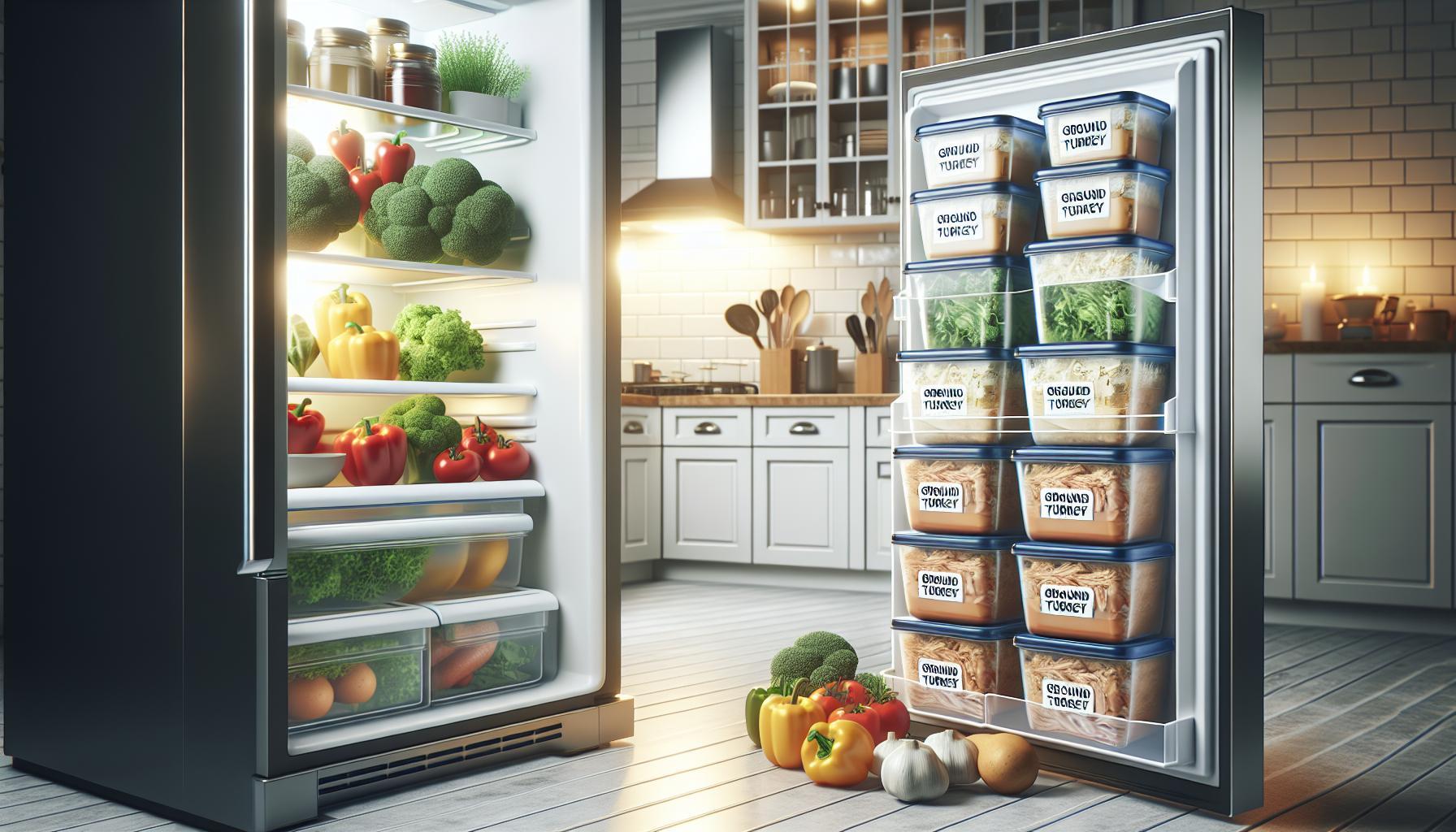
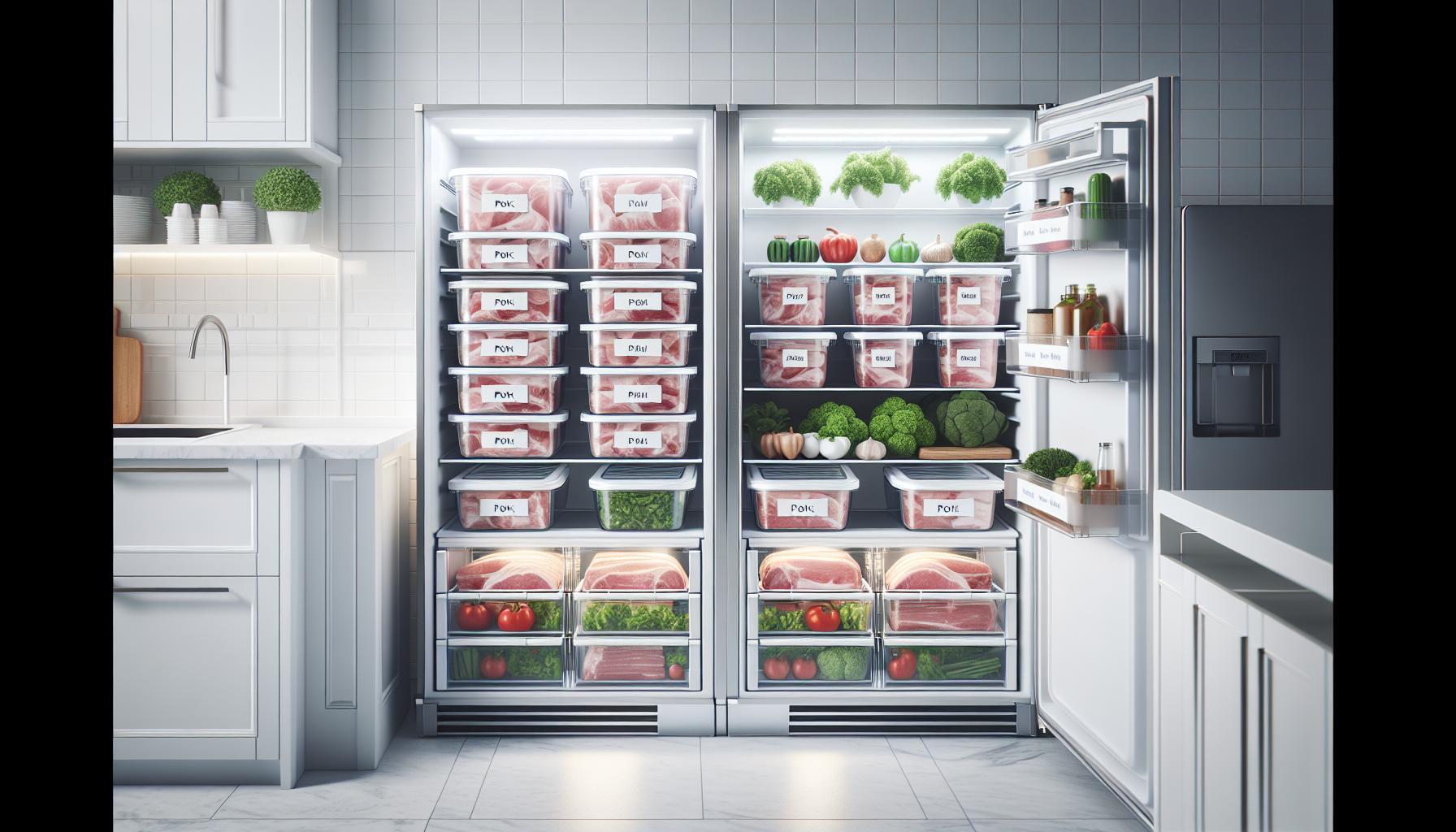
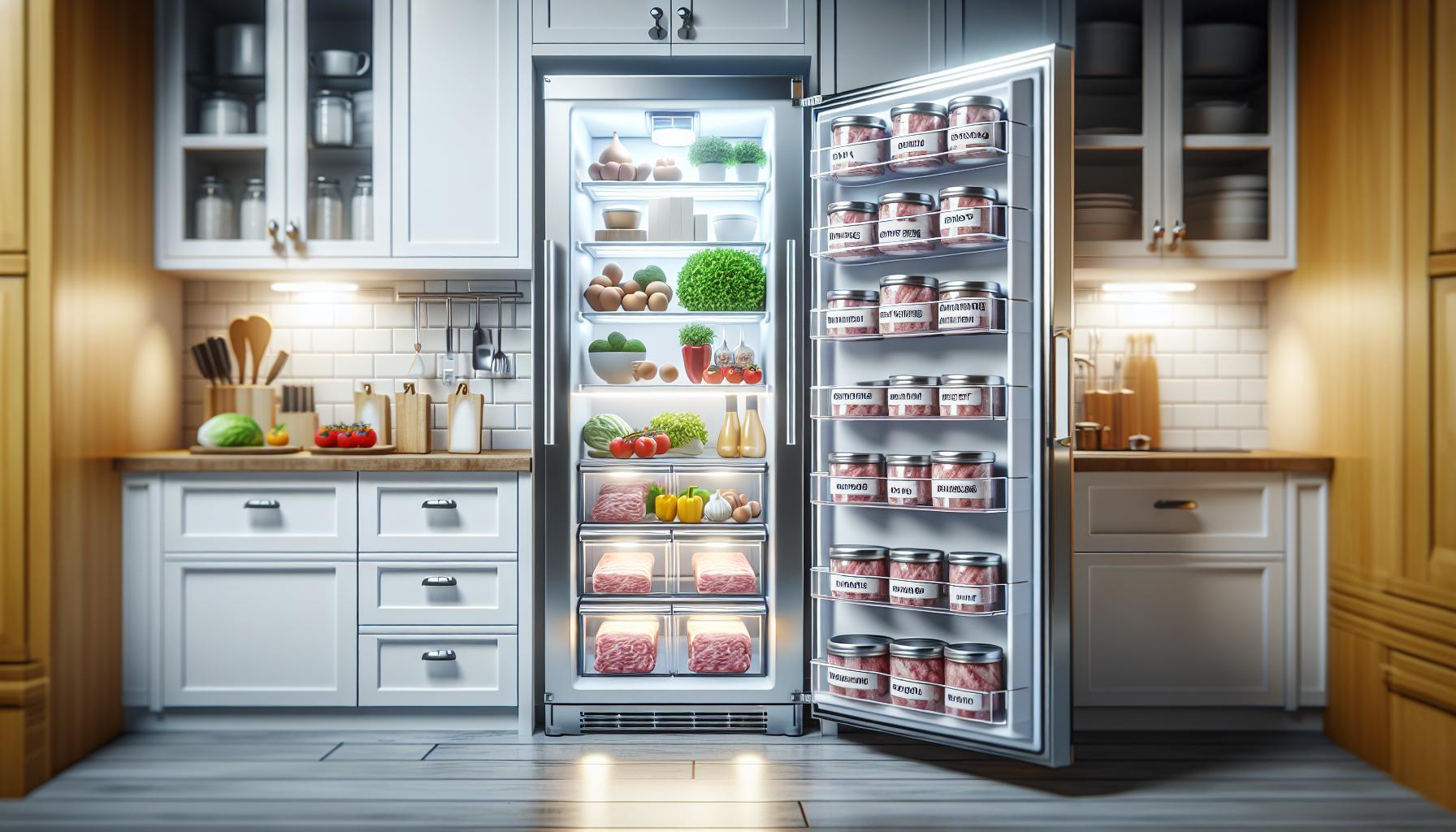
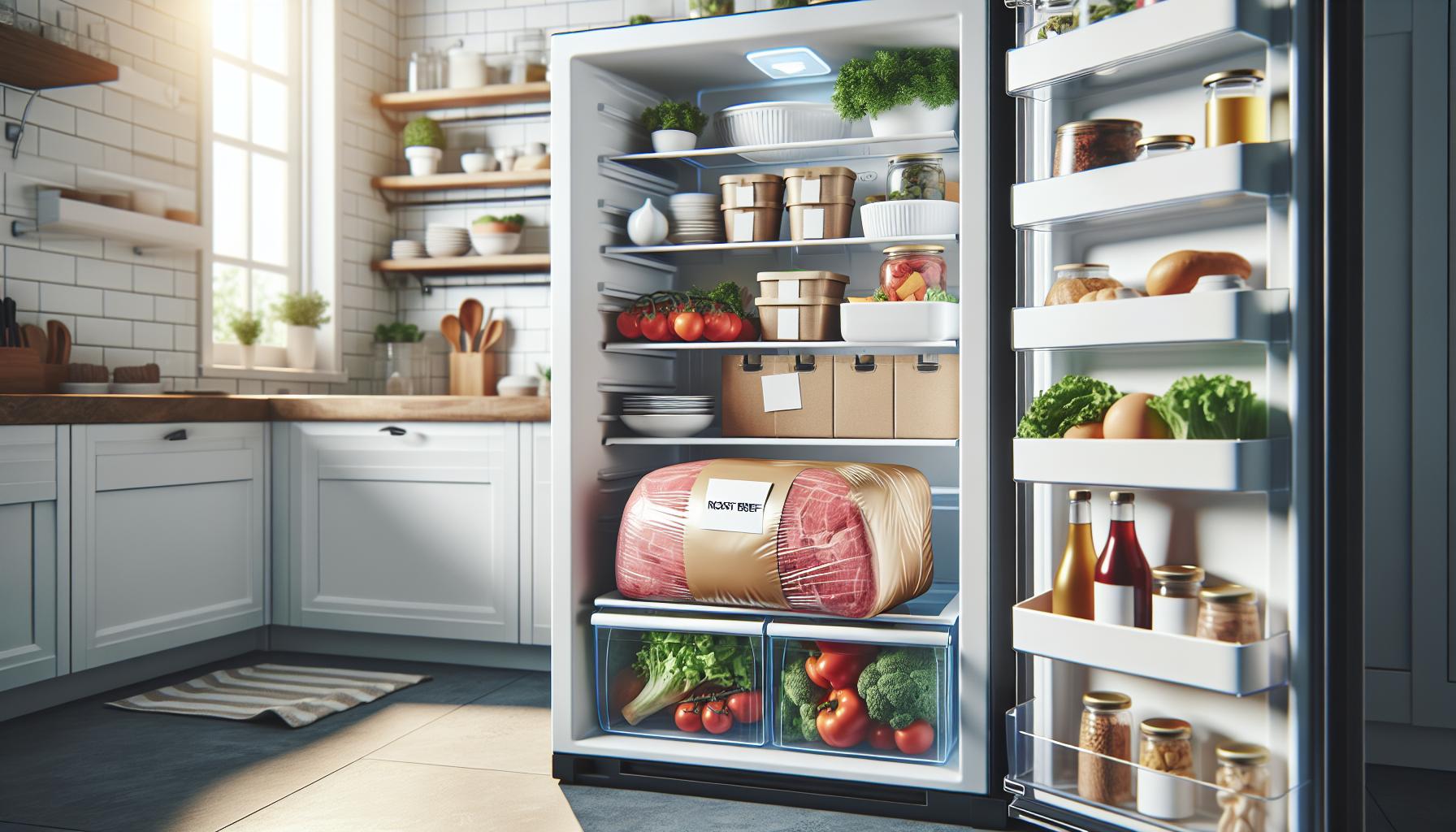
To optimize refrigerator storage, always use airtight containers or resealable bags. This not only helps to keep the chicken fresh but also prevents any absorption of other odors in the fridge. Labeling your containers with the date you started marinating can also help you keep track of freshness, allowing you to use or discard unsafely stored chicken products effectively.
In situations where you anticipate not using the marinated chicken within this safe storage window, freezing is a viable option. Marinated chicken can be frozen for up to three months without impacting its flavor or quality significantly. If you choose to go this route, ensure the chicken is placed in a freezer-safe bag or container to prevent freezer burn. Keep in mind that once thawed, the now-defrosted marinated chicken should be cooked within 24 hours for optimal safety and quality. By adhering to these guidelines, you can enjoy your marinated chicken while minimizing food waste and ensuring a safe dining experience.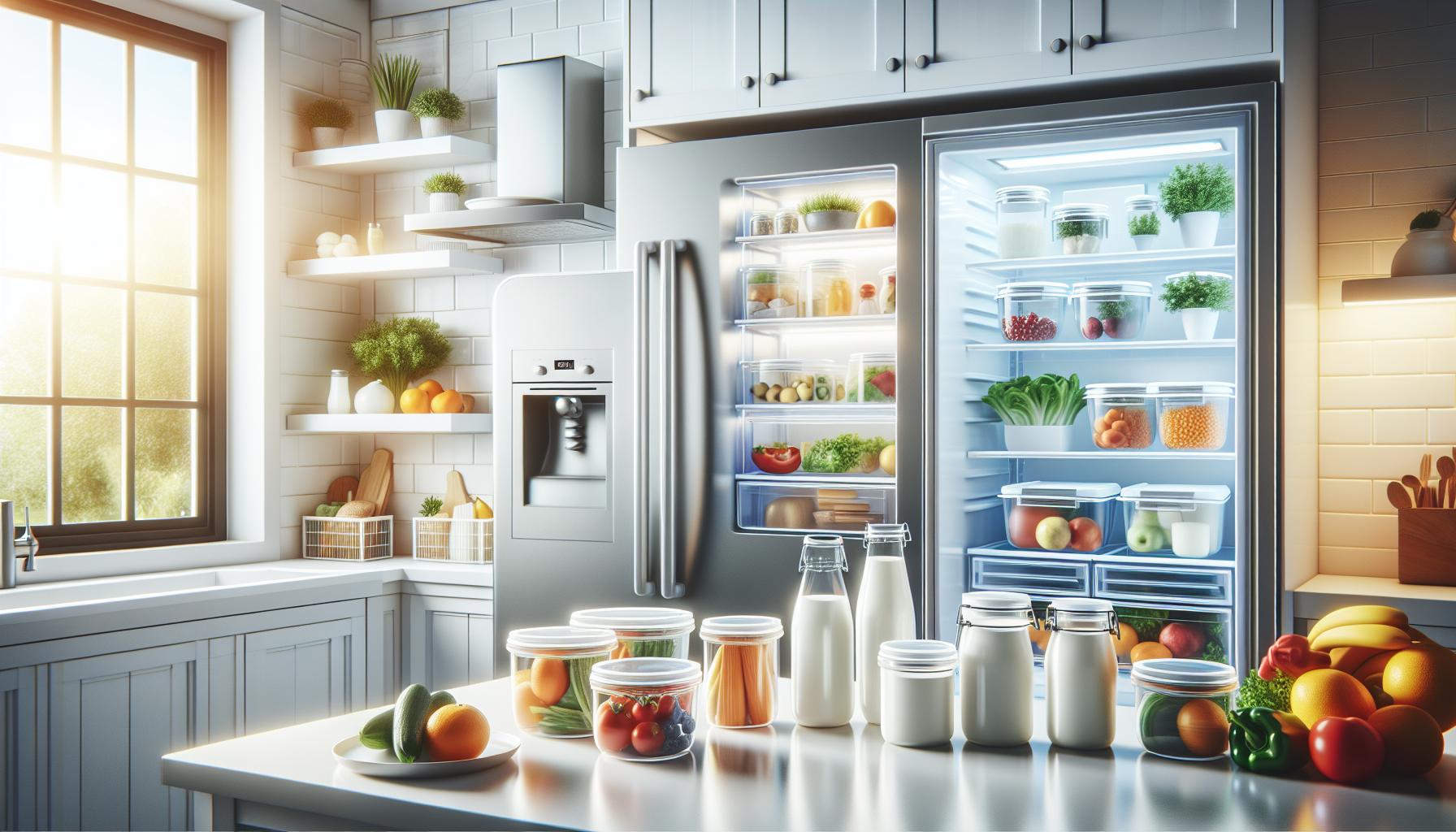
Understanding the Safe Storage Timeline
To preserve the quality and safety of marinated chicken, it’s essential to understand the timeframes involved in safe storage. Typically, marinated chicken can be stored in the refrigerator for up to 2 days. This allows the flavors from the marinade to seep into the meat while minimizing the risk of bacterial growth. Beyond this period, the likelihood of spoilage increases significantly, which can lead to foodborne illnesses.
While marinating, the acid in your marinade works to enhance flavor; however, it can also begin to break down the proteins in the chicken. If the chicken remains in the marinade for too long, it may become overly tender and develop an unpleasant texture. Therefore, timing is crucial not just for safety, but also for achieving that perfect balance of flavor and texture.
To ensure your marinated chicken stays fresh for as long as possible, always store it in airtight containers or resealable bags. This step not only keeps the chicken from absorbing other refrigerator odors but also prevents cross-contamination. For best results, label your containers with the date you began marinating. This practice not only helps you keep track of freshness but also assists in using or discarding chicken that may no longer be safe to eat.
If you find that you won’t be able to use the marinated chicken within the 48-hour window, consider freezing it instead. When properly sealed in a freezer-safe bag or container, marinated chicken can be frozen for up to three months, retaining most of its flavor and quality. Remember that once thawed, it should be cooked within 24 hours for optimal food safety. By adhering to these guidelines, you can effectively manage your marinated chicken while reducing food waste and enhancing your culinary endeavors.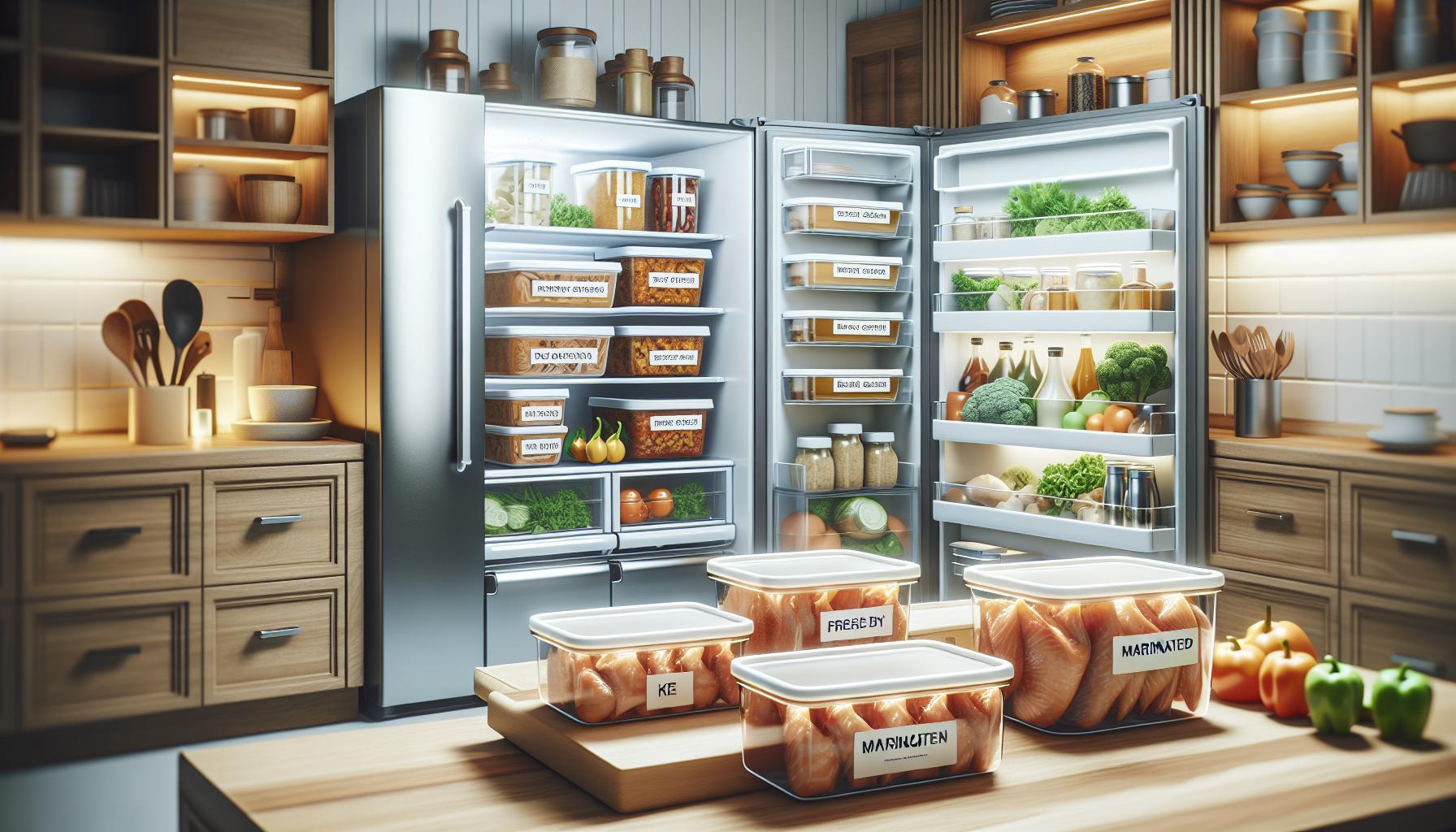
Signs Your Marinated Chicken Has Gone Bad
When it comes to marinated chicken, knowing the signs of spoilage is vital for food safety and to ensure a delicious dish. Spoiled chicken can pose serious health risks, so being vigilant is key. Start by paying attention to its appearance; if you notice any discoloration, such as a dull color or the presence of green or gray spots, it’s a clear indicator that the chicken has gone bad. Fresh marinated chicken should exhibit a bright, consistent color.
Another important factor to consider is the smell. Fresh marinated chicken typically has a pleasant aroma, influenced by the marinade’s ingredients. If you detect any sour, rancid, or off-putting odors, it indicates spoilage. Trust your senses-if it doesn’t smell right, it’s best to err on the side of caution and discard it. Additionally, examine the texture; fresh chicken should feel moist but not slimy. A slimy or sticky texture is another red flag that indicates your chicken may no longer be safe to consume.
As a rule of thumb, always check the date on your marinated chicken. If it has been in the refrigerator for more than the recommended 2 days or if you are unsure about its freshness, it’s safer to throw it away. Using a food thermometer can also help; if the chicken has been stored at unsafe temperatures (above 40°F for extended periods), bacteria may multiply, making it unsafe to eat.
In conclusion, vigilance in checking for changes in color, smell, and texture, along with adhering to recommended storage timelines, can significantly minimize the risk of foodborne illness. Following these guidelines will help ensure that your marinated chicken is not only safe but also delicious.
Best Practices for Marinating Chicken Safely
To ensure the safety and quality of marinated chicken, adhering to best practices is crucial. A well-preserved marinade can enhance flavor while keeping your chicken safe from foodborne illnesses. First and foremost, always marinate chicken in the refrigerator rather than at room temperature. This limits the growth of harmful bacteria, which thrives at temperatures above 40°F. For optimal results, allow your chicken to soak in the marinade for 30 minutes to 24 hours, depending on the marinade’s acidity and flavor intensity desired, but never more than 48 hours to avoid spoilage.
When preparing to marinate, clean your workspace and utensils thoroughly to prevent cross-contamination. Use a non-metallic container such as glass or plastic, as metal can react with acidic marinades, affecting both flavor and safety. Additionally, ensure that the chicken is fully submerged in the marinade. Turning the chicken occasionally or using a vacuum-sealed bag can promote even flavor distribution and ensure consistent marination.
Always remember to discard any leftover marinade that has come into contact with raw chicken. If you want to use it as a sauce later, set aside a portion before adding raw meat. For convenience, consider preparing marinades in larger batches and freezing them in portions. This not only saves time but also reduces food waste and allows for flavored chicken on busy nights. Finally, be mindful of the time spent in the fridge; marinated chicken should be cooked within 1 to 2 days for optimal freshness. Following these guidelines can help guarantee that your marinated chicken is both flavorful and safe to eat.
How to Marinate Chicken for Optimal Freshness
To achieve optimal freshness while marinating chicken, it’s essential to focus on several key factors that can enhance flavor and maintain safety. One of the most crucial aspects is the marinade itself. An ideal marinade balances acidity, oil, and seasonings to tenderize the meat while adding depth of flavor. Common acidic ingredients like lemon juice, vinegar, or yogurt not only impart taste but also help break down proteins, making the chicken more tender and succulent.
When marinating, the duration is just as important as the ingredients. For maximum flavor infusion without compromising safety, allow the chicken to marinate between 30 minutes and 24 hours, depending on the strength of the marinade. For highly acidic marinades, shorter times are usually sufficient, while milder marinades can benefit from longer soaking periods. However, never exceed 48 hours in the fridge, as chicken can begin to break down too much, resulting in a mushy texture.
Proper storage during marination is also key to maintaining freshness. Always use a non-reactive container such as glass or food-safe plastic, as metal containers can react negatively with acidic ingredients. Additionally, ensure the chicken is fully submerged in the marinade; this can be achieved by using a resealable plastic bag that can be squeezed to remove excess air, promoting even flavor distribution. To prevent waste, consider preparing a larger batch of marinade and freezing portions for future use, which allows for quicker meal prep without compromising taste.
Lastly, it’s imperative to discard any leftover marinade that has been in contact with raw chicken unless it has been cooked first. This helps avoid cross-contamination and ensures safety. By following these guidelines, you can maximize the freshness and flavor of your marinated chicken, making every meal a delightful and safe experience.
Tips to Prevent Food Waste with Chicken
To make the most of your marinated chicken and prevent food waste, it’s essential to implement a few straightforward strategies that prioritize freshness and safety. One effective way to reduce waste is by portioning your chicken before marinating. Instead of marinating an entire package at once, divide the chicken into meal-sized portions. This method not only allows you to use exactly what you need for a single meal but also makes it easier to freeze any leftovers. If you have excess marinated chicken that you can’t consume within the safe timeframe, freezing it in individual portions can extend its usability for future meals.
Another smart tip is to utilize the marinating process to your advantage by preparing larger batches of marinade. For instance, you can mix up a double recipe of your favorite marinade and use half for this meal while freezing the rest in ice cube trays or small containers. This way, you always have a flavorful marinade ready to go for a quick meal later on, minimizing food waste and saving time on future cooking days.
When it comes to checking on your marinated chicken stored in the fridge, stay vigilant for any signs of spoilage. If you notice a sour smell, off-color, or a slimy texture on the chicken, these are clear indicators that it should not be consumed. Always prioritize food safety; when in doubt, throw it out.
Lastly, consider how to creatively repurpose leftover marinated chicken that you may not use in the original recipe. If you’ve marinated more than you can eat, think about incorporating it into dishes like stir-fries, tacos, or salads. Marinated chicken can enhance the flavor profile of many meals, transforming potential waste into a delicious solution. By following these simple tips, you’ll not only minimize chicken waste but also maximize your meal options and flavor.
Should You Freeze Marinated Chicken?
Freezing marinated chicken can be a savvy way to extend its shelf life while preserving flavor. If you find yourself with more marinated chicken than you can consume within a few days, freezing it is a practical solution. Properly stored, marinated chicken can maintain its quality for up to six months in the freezer. This not only minimizes food waste but also means you have a ready-made meal option for busy nights.
To freeze marinated chicken effectively, start by portioning it into meal-sized servings. This method allows you to defrost only what you need, reducing waste and ensuring you don’t have to refreeze any leftovers after thawing. Use freezer-safe bags or airtight containers to eliminate air exposure, which can cause freezer burn and compromise the texture of the chicken. Be sure to label the packaging with the date, so you can keep track of how long it has been stored.
When you’re ready to use frozen marinated chicken, the best method is to move it from the freezer to the refrigerator and allow it to thaw overnight. For faster thawing, you can place the sealed chicken in a bowl of cold water for a couple of hours, but refrain from using hot water, as it can raise the chicken’s temperature into unsafe ranges. After thawing, cook the chicken immediately, as refreezing it can negatively affect both flavor and texture. This thoughtful approach not only helps with meal prep but also ensures safe consumption. Enjoy the convenience of having delicious marinated chicken ready to go whenever you need it!
Choosing the Right Containers for Storage
Choosing the right containers for storing marinated chicken can make a substantial difference in both the preservation of flavor and safety during storage. Opting for high-quality, airtight containers is crucial, as they prevent the infiltration of air, which can lead to spoilage. Glass containers with tight-fitting lids are an excellent choice, as they do not absorb odors and maintain the quality of your marinades. Additionally, they are microwave and dishwasher safe, adding convenience for meal prep and cleanup. Alternatively, heavy-duty freezer bags are another effective option; they take up less space and allow you to remove air more easily, which helps reduce freezer burn if you decide to freeze marinated chicken.
When storing marinated chicken in the refrigerator, it’s advisable to keep it on a lower shelf, ideally above raw meat to prevent cross-contamination from drips. Make sure the container is clearly labeled with the marination date and the type of marinade used. Keep in mind that marinated chicken should ideally be consumed within 1 to 2 days when stored in the fridge, as this timeframe ensures both the best flavor and food safety.
If you are marinating chicken for longer periods, consider freezing it. When freezing, ensure that the containers or bags are specifically labeled for the freezer. Using parchment paper to separate pieces can also help them maintain their texture after thawing. This method not only extends the shelf life up to six months but also allows for easy portioning, making meal preparation more efficient.
In summary, the right storage solutions not only enhance your marinated chicken’s flavor and freshness but also keep food safety a top priority. Whether using glass containers or freezer bags, taking the time to choose appropriate storage options can lead to a hassle-free cooking experience and help reduce food waste significantly.
Comparing Store-Bought vs. Homemade Marinades
When it comes to marinating chicken, the debate between store-bought and homemade marinades can significantly impact both the flavor profile and the safety of your food. Store-bought marinades often come in convenient bottles and promise quick flavor enhancements, but they can also contain preservatives, added sugars, and sodium levels that may not align with healthier eating habits. In contrast, homemade marinades allow for complete control over ingredients, enabling you to craft healthier, fresher options without any unwanted additives.
One compelling advantage of homemade marinades is the ability to customize flavors and tailor them to your personal preferences or dietary needs. For example, a simple blend of olive oil, garlic, lemon juice, and herbs creates a fragrant marinade that not only infuses the chicken with flavor but also adheres to clean eating principles. Additionally, homemade marinades can be prepared in batches and stored in the refrigerator for up to a week, ensuring that your cooking is both quick and flexible, while also minimizing food waste.
However, understanding the safety aspect of marinated chicken is crucial, regardless of whether you opt for store-bought or homemade varieties. When marinated chicken is stored improperly or allowed to sit too long in the fridge, it can spoil, leading to potential foodborne illnesses. Store-bought marinades often come with preservatives that can extend shelf life, making them last a bit longer in the fridge compared to homemade ones, which should generally be consumed within 1 to 2 days of marination for optimal safety and flavor.
Ultimately, the choice between store-bought and homemade marinades boils down to personal preference, convenience, and health considerations. If you wish to reduce sodium intake and avoid additives, homemade options present a viable solution. Conversely, if time is of the essence, a good quality store-bought marinade can still produce delicious results while ensuring proper food safety practices are followed. Regardless of your choice, always remember to label and date containers to keep track of when the chicken was marinated, ensuring both flavor retention and food safety.
Simple Ways to Repurpose Leftover Marinated Chicken
Leftover marinated chicken doesn’t have to end up in the trash; it can be a culinary adventure waiting to unfold. Instead of simply grilling or baking it as is, consider these innovative ways to repurpose it while ensuring both safety and flavor.
One effective method is to transform leftover marinated chicken into a delicious stir-fry. Simply cut the chicken into bite-sized pieces and sauté it with your choice of vegetables such as bell peppers, broccoli, and snap peas. This not only enhances the dish’s nutritional profile but also allows the chicken to absorb the flavors of the fresh ingredients and any additional sauce you wish to include. Serve it over rice or noodles for a satisfying meal that comes together quickly.
Another great option is to shred the marinated chicken and use it as a filling for tacos or burritos. Combine the shredded chicken with toppings like avocado, salsa, cheese, and lettuce for a mouthwatering dish. You can also incorporate it into a hearty salad, mixing it with greens, grains, and your favorite dressing, creating a balanced meal that is colorful and nutritious.
For those who enjoy comfort food, consider making a chicken casserole or baking it into a quiche. Mixing marinated chicken with pasta, vegetables, and a creamy sauce can yield a hearty casserole, while whisking it into egg mixtures and baking it in a pie crust makes for a delightful quiche that highlights the chicken’s flavor in every bite.
When repurposing marinated chicken, it’s essential to keep food safety in mind. Leftover marinated chicken should be consumed within 1 to 2 days if stored in the refrigerator or can be frozen for later use-just be sure to use it within 3 months. Always reheat to an internal temperature of 165°F (74°C) to ensure food safety. By creatively using leftover marinated chicken, you not only prevent food waste but also enjoy a variety of satisfying meals.
Common Mistakes to Avoid When Storing Chicken
Storing marinated chicken correctly is crucial not only to prevent food waste but also to ensure food safety. One of the most common missteps is failing to properly label the storage container. Always include the date on which the chicken was marinated and the expected duration it can be stored. A simple label helps to avoid confusion and ensures you use the chicken at an optimal time-typically within 1 to 2 days when kept in the refrigerator.
Another frequent mistake is not using airtight containers. Chicken should be stored in containers that prevent air exposure, which can lead to freezer burn if frozen or unwanted bacterial growth when refrigerated. Ensure your container seals tightly, or opt for vacuum-sealed bags for enhanced protection. If you notice any moisture or air within the packaging, it may be time to re-package the chicken.
Temperature control is also vital; do not leave marinated chicken out at room temperature for extended periods, as this can accelerate bacterial growth. Always place the marinated chicken in the refrigerator within two hours after marinating or after being left out to thaw. It’s important to remember that thawing and marinating should occur in the refrigerator, not on the kitchen counter, to maintain safe temperatures throughout the process.
Finally, avoid reusing marinade that has come into contact with raw chicken unless it has been boiled first. Using the same marinade for basting or serving can introduce harmful bacteria. Instead, prepare a separate batch of marinade for these purposes, ensuring the safety of your meals. By circumventing these common mistakes, you can enjoy delicious, marinated chicken while minimizing waste and prioritizing food safety.
Food Safety Tips for Handling Marinated Chicken
To ensure your marinated chicken is both safe to eat and delicious, adherence to specific food safety guidelines is crucial. The handling of chicken, especially when it’s marinated, requires careful consideration to prevent foodborne illnesses. To start, marinated chicken should always be refrigerated immediately after marinating, ideally within two hours. This helps inhibit bacterial growth that can occur at room temperature. When storing in the fridge, aim to keep it at or below 40°F (4°C) for the best results.
When preparing marinated chicken, it’s vital to use separate utensils for raw chicken and other ingredients. This means refraining from using the same cutting boards or knives for vegetables or other foods that won’t be cooked, as cross-contamination can happen easily. Always wash your hands thoroughly after handling raw meat to eliminate any lingering bacteria.
Another important aspect to consider is the marinade itself. If you want to use some of the marinade for basting, set aside a portion before adding the raw chicken. Never reuse marinade that has been in contact with raw like chicken, unless it’s boiled first, as that can introduce harmful bacteria into your food. For optimal safety, discard any leftover marinade used for raw chicken.
Lastly, when it comes to thawing frozen marinated chicken, always do so in the refrigerator. Thawing at room temperature can cause the outer layer of chicken to enter the “danger zone” (between 40°F and 140°F) where bacteria multiply rapidly. Following these guidelines will significantly decrease the risk of foodborne illness and ensure that your marinated chicken is safe and tasty to enjoy.
FAQ
Q: How can you tell if marinated chicken is still good to eat?
A: Marinated chicken is still good if it smells fresh, has a consistent texture, and shows no signs of discoloration. If it develops a sour odor, slimy texture, or alterations in color, it’s best to discard it for food safety.
Q: Can you marinate chicken for too long in the fridge?
A: Yes, marinating chicken for over 48 hours can lead to a mushy texture due to the acidity of some marinades. It’s ideal to marinate for a shorter duration to retain the chicken’s quality and flavor. For best results, stick to the recommended marinating times.
Q: What happens if you eat spoiled marinated chicken?
A: Eating spoiled marinated chicken may cause foodborne illness, leading to symptoms like nausea, vomiting, diarrhea, and abdominal pain. Always ensure your chicken is stored correctly and is within safe consumption timelines to prevent such risks.
Q: How long can cooked marinated chicken last in the fridge?
A: Cooked marinated chicken can last in the fridge for 3 to 4 days when stored properly in an airtight container. If you’re unsure, check for any off smells or changes in texture before consuming.
Q: Is it safe to reuse marinated chicken marinade?
A: No, it’s not safe to reuse marinade that has come into contact with raw chicken unless it’s boiled first to kill any harmful bacteria. Consider setting aside a portion separately if you wish to use the marinade for basting later.
Q: What is the best way to store marinated chicken to prevent spoilage?
A: Store marinated chicken in an airtight container or tightly sealed plastic bag in the refrigerator. Ensure your fridge maintains a temperature below 40°F (4°C) to keep the chicken fresh and safe for longer.
Q: Can you freeze marinated chicken?
A: Yes, you can freeze marinated chicken. Just ensure it’s in an airtight container or vacuum-sealed bag to prevent freezer burn. It can last in the freezer for up to 6 months without losing quality, making it a great option for meal prep.
Q: What are some safe defrosting methods for marinated chicken?
A: Safe defrosting methods for marinated chicken include the refrigerator method, cold water method, or using a microwave. Avoid defrosting at room temperature to minimize the risk of bacterial growth. For best results, plan ahead and defrost in the fridge overnight.
Final Thoughts
To ensure your marinated chicken stays fresh and safe to eat, remember to consume it within 1 to 2 days when stored in the fridge. This simple practice not only prevents food waste but also guarantees optimal flavor and safety. Don’t miss out on our essential tips for extending the shelf life of your other favorite proteins-check out our guides on “Freezing Chicken Safely” and “Best Practices for Meat Storage” for more insights!
Now is the perfect time to take action-revisit your fridge and inspect your marinated chicken, and if you notice it’s nearing its limit, cook it up for a delicious meal today! If you found this guide helpful, share your thoughts in the comments below, and consider signing up for our newsletter for more expert food tips and recipes straight to your inbox. Your kitchen deserves the best, and we’re here to ensure you get it!