
Did you know that improper storage of pie dough can lead to wasted ingredients and disappointing desserts? Understanding how long pie dough lasts in the fridge is essential for anyone looking to bake perfect pies without the hassle of re-making the dough.
Properly stored, your uncooked pie dough can stay fresh for a significant period, helping you save time and ensure flavor. Whether you’re prepping for a holiday gathering or simply craving a homemade treat, knowing the best practices for refrigeration can enhance your baking experience.
Curious about the optimal timeframes and storage methods to maximize your pie dough’s freshness? Read on to discover practical tips that will keep your dough in peak condition, ensuring that every pie you create is a delicious success.
How Long Can You Store Pie Dough in the Fridge?
Storing pie dough properly is essential for ensuring both quality and safety in your baking endeavors. When kept in the refrigerator, uncooked pie dough can maintain its freshness for up to three days. This time frame allows you to prepare dough in advance, making pie preparation less last-minute and more enjoyable. It’s important, however, to wrap the dough tightly in plastic wrap to prevent it from drying out and absorbing any unwanted odors from the fridge.
To maximize the shelf life of pie dough, ensuring it is stored correctly is crucial. Not only does wrapping the dough tightly help maintain its moisture, but it also minimizes the risk of it interacting with other strong-smelling foods in your refrigerator, such as garlic or fish. For those who wish to store it for extended periods, freezing the pie dough is an excellent alternative. When properly frozen, pie dough can last for several months, allowing spontaneous pie baking at your leisure.
If you’re unsure about the freshness of your refrigerated pie dough, consider your intended use. If the dough appears discolored, feels overly dry, or has developed an unusual odor, these are signs it may be time to discard it. Regularly checking your stored pie dough will help you ensure that what you use is always fresh, enhancing the overall quality of your baked goods while adhering to safe food storage practices.
Signs of Freshness: How to Tell if Pie Dough is Still Good
To ensure your pie dough is still good, it’s important to recognize the key signs of freshness. When you take your dough out of the fridge, examine its appearance and texture closely. Fresh pie dough should have a consistent color-generally a light cream or yellow hue, depending on the ingredients used-and a smooth, pliable feel. A good rule of thumb is that if the dough looks dry, crumbly, or has developed an uneven texture, these could indicate aging that might compromise its baking quality.
Key Indicators of Freshness
- Color: Look for an even, vibrant color. Discoloration, such as dark spots or an overly pale appearance, may suggest spoilage.
- Texture: Fresh dough should be soft and elastic. If you notice that it has become excessively hard or tough, it may be past its prime.
- Smell: Trust your nose. Fresh pie dough typically has a mild, pleasant aroma. A sour or off-putting smell is a strong indicator that the dough is no longer good to use.
Additionally, when handling the dough, it should not be overly sticky or wet. If it is sticking excessively to your hands or the work surface, it may have absorbed moisture from the fridge, altering its properties. Rather than discarding dough because of subtle stickiness, you can lightly dust it with flour while rolling it out.
Being mindful of these indicators will help you confidently determine whether your pie dough is still fresh. Incorporating these checks into your routine will not only enhance the quality of your baked goods but also ensure food safety, making your baking experience more enjoyable.
Best Practices for Storing Pie Dough for Maximum Freshness
To ensure that your pie dough remains fresh and ready for baking, proper storage techniques are essential. The ideal environment for your pie dough involves maintaining an optimal temperature and minimizing exposure to air and moisture. The refrigerator is a great place for short-term storage, allowing your dough to stay fresh for about 3 to 5 days when wrapped correctly.
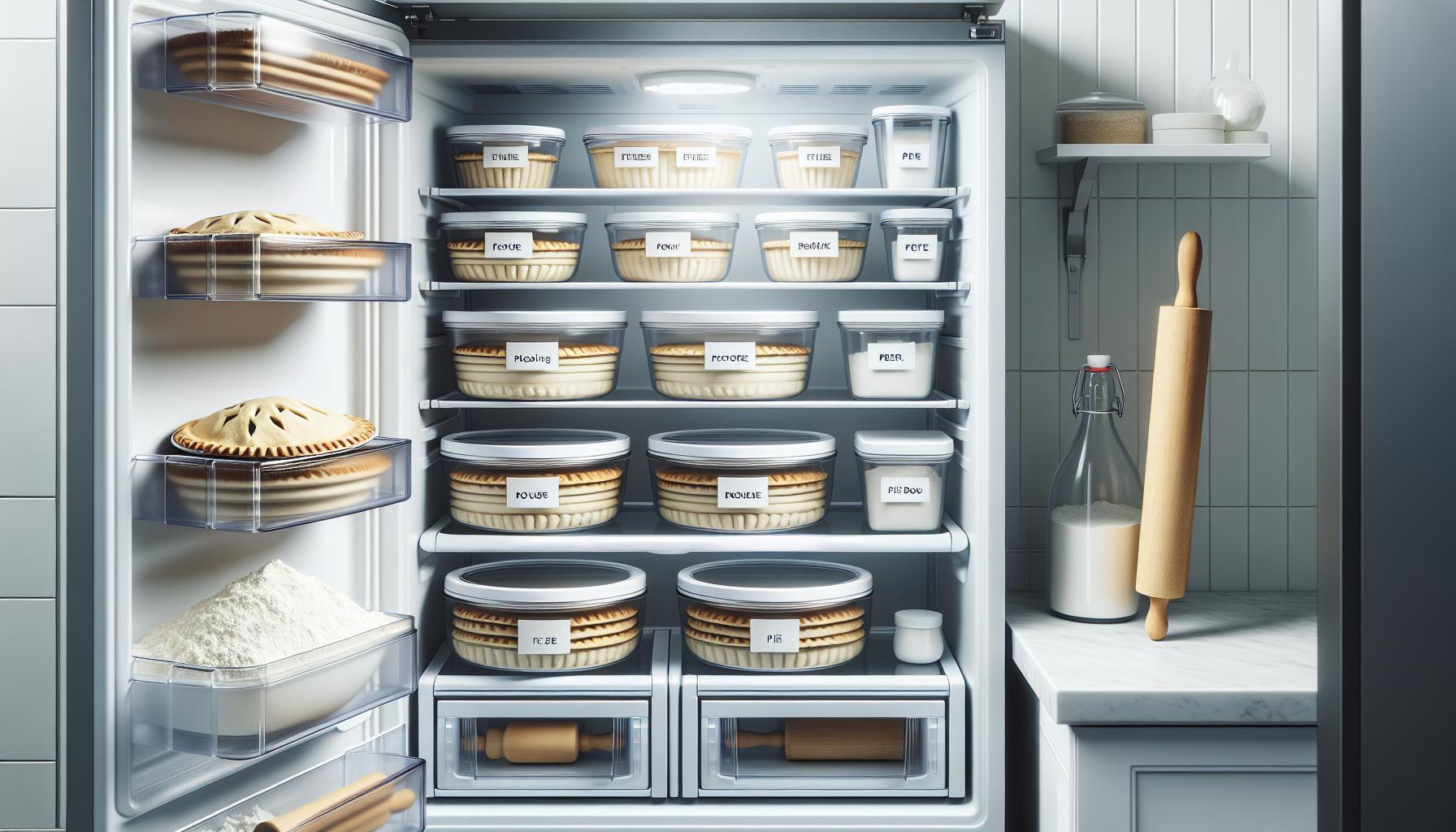
Begin by wrapping your dough tightly in plastic wrap. This method not only prevents the dough from drying out but also protects it from picking up odors from other foods in the fridge. For added precaution, place the wrapped dough in an airtight container, which provides an additional barrier against air circulation and humidity. This combined approach allows for more effective moisture retention and helps maintain the dough’s texture [1].
While storing your dough in the fridge, it’s important to label the container with the date to keep track of its freshness. If you’re preparing dough in advance for a specific recipe, consider staggering production and storage dates. By maintaining a regular rotation and using older dough first, you can help prevent waste and ensure optimal flavor and texture. For longer storage, consider freezing your pie dough, which can extend its shelf life to several months when correctly wrapped; this ensures you always have some ready to go for unexpected baking sessions [2].
When you are ready to use your stored pie dough, give it a little time to come to room temperature for easier handling. This step helps restore any lost pliability and makes rolling out much easier. By following these practices, you can maximize the freshness of your pie dough and ensure delicious results every time you bake.
Freezing Pie Dough: How to Extend Its Shelf Life
Freezing pie dough is an excellent way to extend its shelf life, enabling you to have fresh dough on hand for those spontaneous baking sessions. When stored correctly, pie dough can last in the freezer for up to three months, allowing you to prepare ahead and save time in the kitchen.
To freeze your pie dough, start by making the dough according to your recipe. Once the dough is prepared, divide it into portions suitable for your baking needs-typically one portion per pie. Shape each portion into a disc or ball. This not only makes it easier to thaw only what you need, but it also helps reduce the amount of time the dough spends in the freezer, which can affect its quality. Wrap each piece tightly in plastic wrap, ensuring there are no air pockets to prevent freezer burn. For added protection, place the wrapped dough into a freezer bag or an airtight container. Label each bag or container with the date to keep track of its freshness.
When you’re ready to use the frozen dough, remove it from the freezer and place it in the refrigerator to thaw overnight. If you’re short on time, you can also thaw it at room temperature for about 30 minutes before rolling it out. Avoid using the microwave for thawing, as it can lead to uneven temperatures and compromise the dough’s texture.
By following these guidelines, you can maximize the shelf life of your pie dough and ensure that it’s ready whenever the urge to bake strikes. Whether you prepare a classic fruit pie or a savory quiche, having frozen pie dough on hand means you can create delightful treats with minimal effort.
Reviving Stale Pie Dough: Tips for a Fresh Taste
When pie dough has been sitting in the fridge for a few days, it may start to lose its freshness, making it seem daunting to use. However, there are several effective ways to revive stale pie dough and restore its texture and flavor, ensuring your baked goods still turn out wonderfully.
One of the simplest remedies is to let the dough rest at room temperature for about 15 to 20 minutes before you begin working with it. This short resting period allows the butter in the dough to soften slightly, making it easier to roll out. If the dough feels particularly tough, you can introduce a small amount of water or milk. Add it just a teaspoon at a time, kneading gently until the consistency improves. Be careful not to overwork the dough, as this can develop gluten and make it tougher.
To enhance the flavor and texture, consider incorporating a small amount of fresh ingredients. A sprinkle of fresh herbs, citrus zest, or even spices can invigorate the dough, giving it a new lease on life. If you find that the dough is dry or crumbly, mixing in a little more fat, like softened butter or shortening, can help add moisture and improve pliability.
Here’s a quick checklist for reviving stale pie dough:
- Rest at Room Temperature: Let the dough sit for 15-20 minutes before rolling.
- Add Moisture: Mix in a teaspoon of water or milk if the dough is too dry.
- Incorporate Flavors: Enhance the dough with herbs, zest, or spices.
- Reintroduce Fat: Gently knead in softened butter or shortening if needed.
By following these steps, you can transform stale pie dough into a delightful base for your next baking project, ensuring that nothing goes to waste in your kitchen.
Common Mistakes When Storing Pie Dough
Storing pie dough correctly is essential for maintaining its freshness and ensuring successful baking. Many home bakers unintentionally make simple mistakes that reduce the quality and effectiveness of their dough, leading to less-than-ideal results. One common error is neglecting to wrap the dough securely. Exposing pie dough to air can cause it to dry out, resulting in a crumbly texture that is difficult to work with. Always wrap your dough tightly in plastic wrap or place it in an airtight container to preserve moisture and flavor.
Another frequent mistake is over-storing the dough in the fridge. While pie dough can typically last up to 5 days in the refrigerator, it’s best to use it within 2 to 3 days for optimal freshness. Leaving it for longer may compromise its texture and taste. Make it a habit to label your storage container with the date it was made; this way, you can keep track of its freshness and avoid using stale ingredients.
Furthermore, some bakers might store pie dough in a manner that allows it to become compressed. If the dough is piled into a container without enough space, pressure can alter its shape and integrity. Instead, flatten the dough into a disc shape before wrapping it, which not only saves space but also makes rolling it out easier when you’re ready to use it.
Educating yourself on these common pitfalls can make a significant difference in your baking outcomes. Always ensure proper wrapping, monitor the storage duration, and avoid compression for the best possible pie dough experience. Taking these small steps will lead to beautifully flaky crusts that are a joy to make and eat.
Signs That It’s Time to Discard Your Pie Dough
Recognizing the signs that your pie dough has gone bad is crucial for both food safety and baking success. If you detect any changes in its appearance, texture, or smell, it’s wise to err on the side of caution and discard the dough. A notable indicator of spoilage is the formation of any sour or rancid odors; this often suggests that the fats in the dough have started to break down, resulting in a less than pleasant scent.
When examining the dough, be vigilant for discoloration or any visible mold. If you spot any dark spots or fuzzy growth, it’s a clear sign that the dough should not be consumed. Additionally, if the texture has shifted significantly-becoming either excessively sticky or unusually dry and crumbly-it’s another strong indicator that it has surpassed its prime.
A general rule of thumb is to trust your senses and check the storage duration as well. Pie dough is best used within 2 to 3 days for optimal freshness, and while it can last up to 5 days in the refrigerator, pushing it beyond this limit increases the risk of spoilage. If the dough has sat in the fridge for longer than five days, it’s prudent to dispose of it, regardless of how it seems visually or olfactorily, to ensure safe baking. Keeping these best practices in mind will help you minimize waste and maintain both quality and safety in your baked goods.
Safety Guidelines for Storing and Using Pie Dough
Ensuring the safety of pie dough during storage is crucial to avoid foodborne illnesses and spoilage. One of the first steps in maintaining safety is to store your dough in the refrigerator if you plan to use it within a few days. Make sure your refrigerator is set to a safe temperature, ideally below 40°F (4°C). Additionally, it’s important to separate raw ingredients: keep eggs and meat away from your dough to prevent cross-contamination.
When storing pie dough, always wrap it tightly in plastic wrap or place it in an airtight container to minimize exposure to air, which can lead to drying and oxidation. Properly labeling the storage container with the date will help you keep track of freshness. For best quality, aim to use your refrigerated pie dough within 2 to 5 days [[3]]. If you suspect that the dough has been stored improperly or for too long-especially if it has changes in smell or texture-err on the side of caution and discard it.
Regarding the thawing and usage of frozen pie dough, do not leave it out to thaw at room temperature, as this can encourage bacterial growth. Instead, transfer it to the refrigerator for several hours or overnight. When rolling out thawed dough, consider dusting your work surface with flour to prevent sticky issues, and ensure your hands and tools are clean to maintain hygiene. Always bake your pie at the proper temperature and ensure it reaches an internal temperature of at least 165°F (74°C) to guarantee safety.
Implementing these safety guidelines not only protects your health but also ensures that your baking experience remains enjoyable and successful. Remember that wholesome ingredients and proper storage techniques are the keys to achieving the best results with your homemade pie dough.
Alternatives to Refrigerating Pie Dough: What You Should Know
When considering how to store pie dough, the refrigerator is a common choice, but there are noteworthy alternatives that can extend its freshness and usability. If you know you won’t be using your pie dough within a few days, freezing it is an excellent option. Not only does this allow you to keep your pie dough for several weeks, but it also helps maintain its quality. A well-wrapped dough can last in the freezer for up to three months, providing flexibility for your baking plans.
Room Temperature Storage
For short-term needs, storing pie dough at room temperature can be viable, especially if you’re planning to use it on the same day. If you opt for this method, make sure the room temperature is cool, ideally below 70°F (21°C). Allow the dough to rest for about 30 minutes before rolling it out, which not only helps to relax the gluten but also makes it easier to handle. However, avoid leaving it out for more than a couple of hours to prevent any risk of spoilage.
Storing in Vacuum-Sealed Bags
Another innovative approach is to use vacuum-sealed bags, which can be especially effective for long-term storage. By removing excess air, you significantly reduce the risk of oxidation and freezer burn. Simply portion your dough, seal it in the bag, and store it in the freezer. This method also allows you to easily thaw just what you need without defrosting an entire batch.
Tips for Reviving Thawed Dough
If you’ve opted to freeze your pie dough, reviving it is straightforward. Transfer the required amount of frozen dough to the refrigerator the night before you intend to use it, allowing it to thaw gradually. When ready to roll, give it a gentle knead if it’s too crumbly or if you’ve noticed any stiffness. Dust your surface with flour to prevent sticking, and remember, maintaining cleanliness during handling is essential for food safety.
By understanding these alternatives, you can effectively manage your pie dough storage, making your baking experience more convenient and enjoyable. Whether you choose freezing, room temperature storage, or vacuum sealing, each method has its advantages, allowing you to maximize freshness and flavor in your future pie creations.
How to Properly Wrap Pie Dough for Long-Term Storage
To maintain the freshness and quality of your pie dough during long-term storage, proper wrapping techniques are essential. An inadequately wrapped dough can encounter air exposure, leading to freezer burn, changes in texture, and compromised flavor. By mastering a few straightforward wrapping strategies, you can ensure that your pie dough remains in prime condition for when you’re finally ready to bake.
Start by shaping your pie dough into a flat disk, which facilitates even cooling and makes it easier to roll out later. Wrap the dough tightly in plastic wrap, ensuring there are no exposed areas. This airtight seal is vital for preventing moisture loss and protecting the dough from undesirable odors in the freezer. After wrapping in plastic, place the dough inside a resealable plastic bag or an airtight container for added protection. Label the container or bag with the date and contents so you can easily track how long it has been stored.
For an even more efficient long-term storage solution, consider using vacuum-sealed bags. This method expels excess air and can significantly extend the shelf life of your dough, usually up to three months in the freezer. If you opt for this technique, place the wrapped dough in the vacuum-sealed bag and use a vacuum sealer to remove all air before sealing it. This not only prevents freezer burn but also preserves the dough’s original consistency and taste more effectively.
Lastly, when it comes time to use your frozen pie dough, avoid rushing the thawing process. Transfer the dough to the refrigerator several hours or the night before you need it, allowing it to thaw gradually. This slow thawing helps maintain the dough’s structure, making it easier to work with once you’re ready to roll out your delicious pastry. Following these wrapping and storing guidelines will not only maximize your pie dough’s freshness but also save you time in the kitchen when you’re ready to bake.
The Science Behind Pie Dough Freshness: Understanding Ingredients
Understanding the freshness of pie dough involves delving into the science of its key ingredients and the roles they play in both flavor and texture. At its core, pie dough typically consists of flour, fat, and water, each contributing to the dough’s overall performance during storage and baking. Flour provides structure, while fat, typically butter or shortening, adds flakiness and richness. The way these ingredients interact influences how long the dough can be stored without losing quality.
When making pie dough, the quantity and type of fat used significantly impact its shelf life. For instance, butter contributes a delightful flavor but has a lower melting point than shortening, which can make the dough more prone to spoilage if not stored properly. The moisture content from water also plays a critical role; too much water can lead to a dough that spoils faster due to increased bacterial growth. Therefore, balancing these components is crucial not just for taste, but also for longevity in the fridge.
Storage practices are equally essential in maintaining freshness. The presence of air can lead to oxidation, which compromises flavor and texture. Wrapping your dough tightly in plastic wrap and placing it in an airtight container effectively limits exposure to air, consequently slowing down these negative changes. A well-stored pie dough can remain fresh for up to 5 days in the refrigerator, although using it within 2 to 3 days is often advisable for optimal results.
In terms of composition, adding a small amount of acid, such as vinegar or lemon juice, can not only enhance flavor but also improve the shelf life by inhibiting the growth of bacteria. This is especially useful for dough stored in warmer environments. Understanding these ingredient dynamics not only helps in crafting the perfect pie but also ensures that your dough remains as fresh as possible, ready for baking whenever you are.
Timeframes for Different Types of Pie Dough Storage
Understanding how long different types of pie dough can be safely stored is crucial for home bakers aiming to maintain freshness and flavor. While traditional pie dough made with butter tends to have a slightly shorter shelf life due to its moisture content and fat composition, variations like shortening or lard-based doughs can offer enhanced longevity.
For standard pie dough, the refrigerator life is approximately 2 to 3 days when stored properly. During this period, the dough retains its flavor and texture, making it ideal for use in pie crusts. If you have made dough with shortening or lard, you might extend this timeframe to about 4 to 5 days, as these fats tend to stabilize better under refrigeration. Always wrap your dough tightly in plastic wrap or store it in an airtight container to minimize exposure to air, which can lead to oxidation and spoilage.
For bakers who prefer to prepare pie dough in advance, freezing offers an excellent alternative to extend shelf life significantly. Pie dough can be frozen for up to 3 months without substantial loss of quality. To do this effectively, wrap each portion in plastic wrap and then place it in a freezer bag, ensuring to remove as much air as possible. When you’re ready to use it, allow the dough to thaw in the refrigerator overnight to gradually return it to a workable temperature and consistency.
Here’s a quick reference table for storage timeframes:
| Type of Pie Dough | Refrigerator Storage | Freezer Storage |
|---|---|---|
| Butter-based Pie Dough | 2-3 days | Up to 3 months |
| Shortening or Lard-based Pie Dough | 4-5 days | Up to 3 months |
Maintaining awareness of these timeframes not only helps in preventing waste but also ensures that your pie crusts are deliciously flaky and flavorful when it’s time to bake. Always trust your senses; if a dough appears discolored, has an off odor, or has a strange texture, it’s best to err on the side of caution and discard it, regardless of the timeline.
Frequently Asked Questions
Q: How can I tell if my pie dough has gone bad?
A: To check if your pie dough is still good, look for any discoloration, a sour smell, or a change in texture, such as excessive moisture or dryness. If it feels sticky or tacky, it’s best to discard it. For more tips on recognizing freshness, refer to the “Signs of Freshness” section of the article.
Q: Can I leave pie dough out overnight?
A: No, you should not leave pie dough out overnight. Pie dough should be refrigerated to prevent bacterial growth. If left at room temperature for more than 2 hours, it’s better to discard it. For storage guidelines, see the “Safety Guidelines” section of the article.
Q: How long can pie dough be frozen for?
A: Pie dough can last up to 3 months in the freezer if wrapped properly to prevent freezer burn. Make sure to use an airtight container or wrap it tightly in plastic wrap and aluminum foil. For wrapping tips, check the section on “How to Properly Wrap Pie Dough.”
Q: What happens if I use old pie dough?
A: Using old pie dough can lead to off-flavors, texture issues, and potential food safety risks. If the dough smells sour or shows signs of spoilage, it’s best to discard it. For more details on when to discard your dough, review the “Signs That It’s Time to Discard” section.
Q: Is it safe to eat pie dough that has been in the fridge for a long time?
A: It’s not safe to eat pie dough that has been in the fridge for more than a week, as it can harbor harmful bacteria. Always inspect your dough for signs of spoilage before using it. For safety guidelines, refer to the “Safety Guidelines for Storing and Using Pie Dough” section.
Q: Can I refreeze pie dough after thawing?
A: It is not recommended to refreeze pie dough once it has been thawed, as this can affect the texture and quality. However, you can use it right after thawing. If you want to maximize freshness, consider freezing it before thawing. Check “Freezing Pie Dough” for more insights.
Q: How do I restore flavor to stale pie dough?
A: Reviving stale pie dough can be done by lightly kneading in a small amount of cold water or flour to restore texture. Additionally, adding a pinch of salt can enhance flavor. Explore the “Reviving Stale Pie Dough” section for detailed tips.
Q: What types of pie dough have different storage times?
A: Different pie dough types, like butter-based or shortening-based, can have varying shelf lives. Generally, butter-based dough lasts about 3-5 days in the fridge, while shortening-based may last a bit longer. Refer to “Timeframes for Different Types of Pie Dough Storage” for specific details.
Insights and Conclusions
To keep your pie dough fresh and safe, remember that it lasts up to 3 days in the fridge and can be frozen for up to 3 months. If you’re still unsure about your dough’s freshness, always trust your senses-if it smells off or has an unusual texture, it’s best to discard it. For immediate results, consider preparing your dough ahead of time and freezing it to avoid last-minute hassle.
For more tips on enhancing your baking skills, check out our guide on “How to Freeze Dough for Perfect Pies Every Time” and discover the best ways to store your ingredients in our “Ultimate Kitchen Storage Techniques.” Don’t forget to subscribe to our newsletter for exclusive recipes and tips delivered right to your inbox. Join our community and share your thoughts or experiences in the comments below-your engagement helps us provide even more valuable content. Happy baking!