
Potato soup is a beloved comfort food that warms us up on chilly days, but how long can you safely store it in the fridge? Understanding the shelf life of your homemade or leftover potato soup is crucial to ensure your family’s health and avoid food waste. Most cooked soups can last about three to four days in the refrigerator, but factors like ingredients and storage methods can affect this timeframe.
By knowing the best practices for storing potato soup, you can savor its rich flavors while keeping safety in mind. Whether you’re preparing a large batch for the week or just saving a portion, learning how to properly store and identify signs of spoilage can help you make the most of this comforting dish. So, let’s delve into the specifics of storage times, techniques, and tips to enjoy your potato soup safely and deliciously!
How Long Can You Store Potato Soup?
Potato soup is a beloved comfort food, but knowing how long it lasts in the fridge is key to enjoying it safely and deliciously. When properly stored, homemade potato soup can last in the refrigerator for about 3 to 5 days. This timeframe allows you to savor your soup without risking food safety. Store-bought potato soup can vary, but generally, you should follow the expiration date on the packaging, as it may last longer due to preservatives.
To ensure your potato soup maintains its quality during storage, it should be cooled quickly after cooking and transferred to airtight containers. This helps prevent the growth of harmful bacteria. Additionally, always label your containers with the date you prepared or purchased the soup, so you can keep track of how long it has been stored.
If you’re unsure about the freshness, consider the context-if the soup has been stored longer than the recommended period or shows signs of spoilage, it’s best to err on the side of caution and discard it. Keeping your potato soup safe is essential not only for enjoyment but also for your health.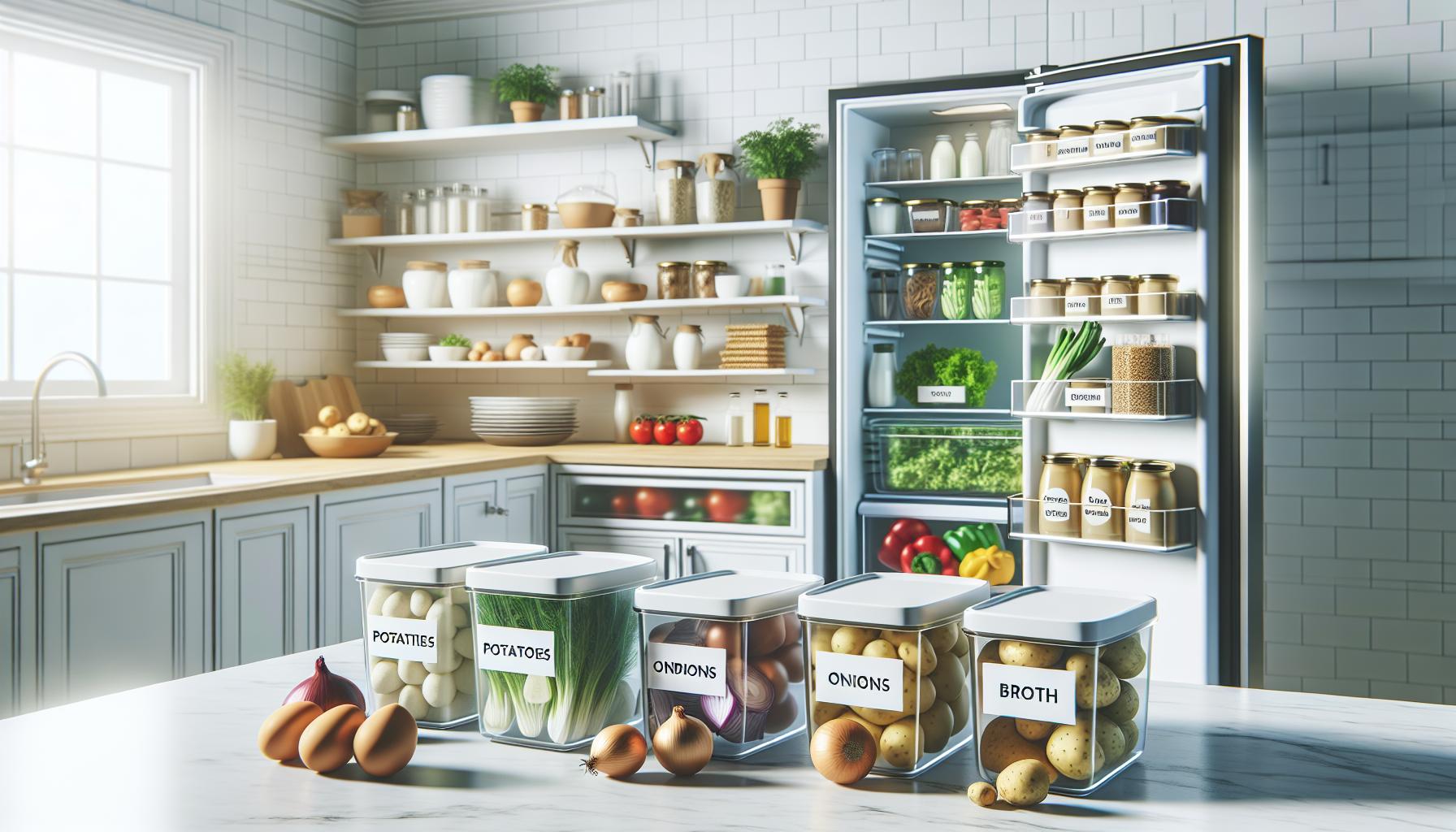
Factors Affecting Potato Soup Shelf Life
When delving into the shelf life of potato soup, several key factors determine how long it can safely be enjoyed after preparation. Understanding these variables can make a significant difference in food safety and quality, ensuring that every spoonful is as comforting and delicious as intended.
One of the primary factors affecting potato soup’s longevity is its ingredients. The inclusion of dairy products, such as milk or cream, can reduce the soup’s shelf life as these ingredients are more susceptible to spoilage. Similarly, if you add meats or seafood, they can hasten spoilage due to their higher risk for bacterial growth. On the other hand, soups with more robust vegetable bases may last slightly longer, but they still require proper storage.
Storage conditions also play a vital role. Proper cooling is essential; soup should be cooled rapidly to prevent bacteria from thriving. Transferring it to shallow containers allows for quicker cooling and can significantly impact how long the soup remains safe to consume. The temperature of your refrigerator is another important factor; it should ideally be maintained at or below 40°F (4°C). A fluctuating or higher temperature may encourage spoilage even within the recommended storage limits.
Finally, the way the soup was stored influences its quality. Airtight containers not only prevent moisture loss but also protect against odor absorption from other foods in the fridge. Be sure to label your containers with the preparation date to help monitor freshness. In conjunction with these factors, the overall cleanliness of your preparation and storage areas forms the foundation of safe and enjoyable leftovers.
Signs Your Potato Soup Has Spoiled
The rich, creamy comfort of potato soup can quickly turn from delightful to dangerous if spoilage sets in. Being able to identify the signs of spoiled potato soup is essential for food safety. Understanding these indicators not only ensures a safe dining experience but also helps minimize food waste.
One of the most noticeable signs that potato soup has spoiled is a change in smell. Fresh potato soup should have a pleasant, savory aroma; however, spoiled soup often gives off a sour or rancid odor, indicating bacterial growth. Additionally, odor can sometimes accompany a change in texture. If the soup has developed a slimy or curdled appearance, it’s a sure sign that it’s no longer safe to consume.
Visual cues are critical as well. Look for any changes in color; if you see dark spots or mold growth on the soup’s surface, discard it immediately. Furthermore, if the soup has separated, meaning the liquid has begun to pool away from the solids, it’s best to err on the side of caution and dispose of it. Remember, even if the soup appears unspoiled, consuming it after its typical refrigerated lifespan-generally 3 to 4 days-can be risky, especially if it contains dairy or other perishable ingredients.
In summary, rely on your senses-sight, smell, and texture-to determine the freshness of your potato soup. If you notice any of these spoilage indicators, it’s safest to throw it away. Keeping an eye out for these signs can help ensure that your comfort food provides the warmth and satisfaction you seek without any unpleasant surprises.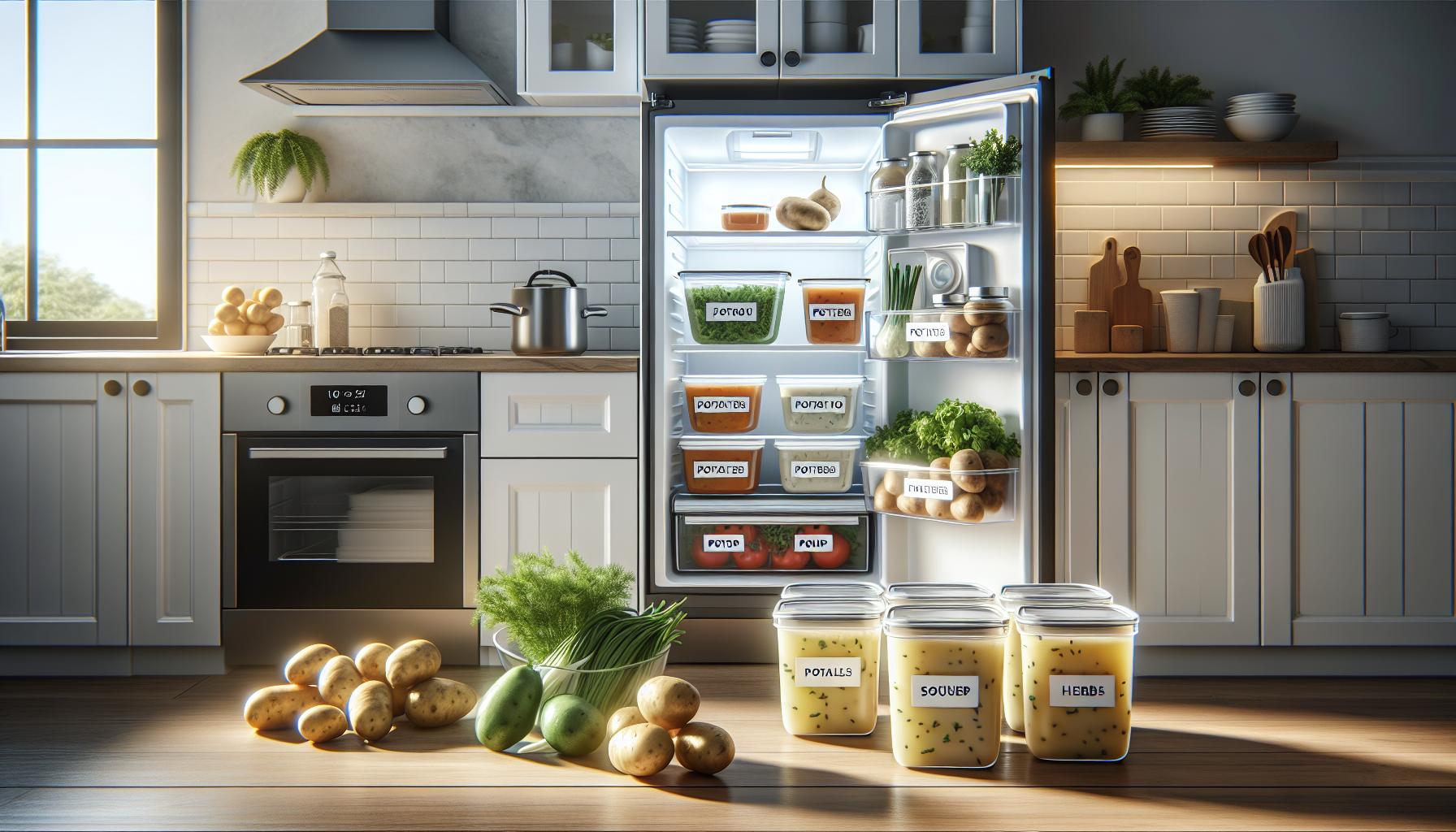
Best Practices for Storing Potato Soup
Proper storage of potato soup is essential to maintain its rich flavor and comforting texture while also ensuring food safety. The goal is to maximize freshness and minimize the risk of spoilage. When you have leftover potato soup, storing it correctly can help you enjoy it later without losing any quality or safety.
One of the best practices is to allow the soup to cool to room temperature before transferring it to storage containers. This step helps to prevent condensation buildup, which can lead to moisture and, subsequently, spoilage. Use airtight containers made of glass or BPA-free plastic, as these minimize air exposure and create an effective seal. Label each container with the date of preparation to keep track of freshness. Ideally, potato soup should be consumed within 3 to 4 days of preparation if it is stored in the refrigerator.
If you plan on keeping the soup longer, freezing is an excellent option. However, be sure to freeze the soup in individual portions, as this allows for easier reheating and avoids repeatedly thawing and refreezing larger quantities. Leave about an inch of headspace in the container to allow for expansion during freezing. When you’re ready to enjoy the soup again, simply thaw it in the refrigerator overnight or use the defrost setting on your microwave for quicker results. By following these storage tips, you can savor your homemade potato soup safely while retaining its delicious flavor.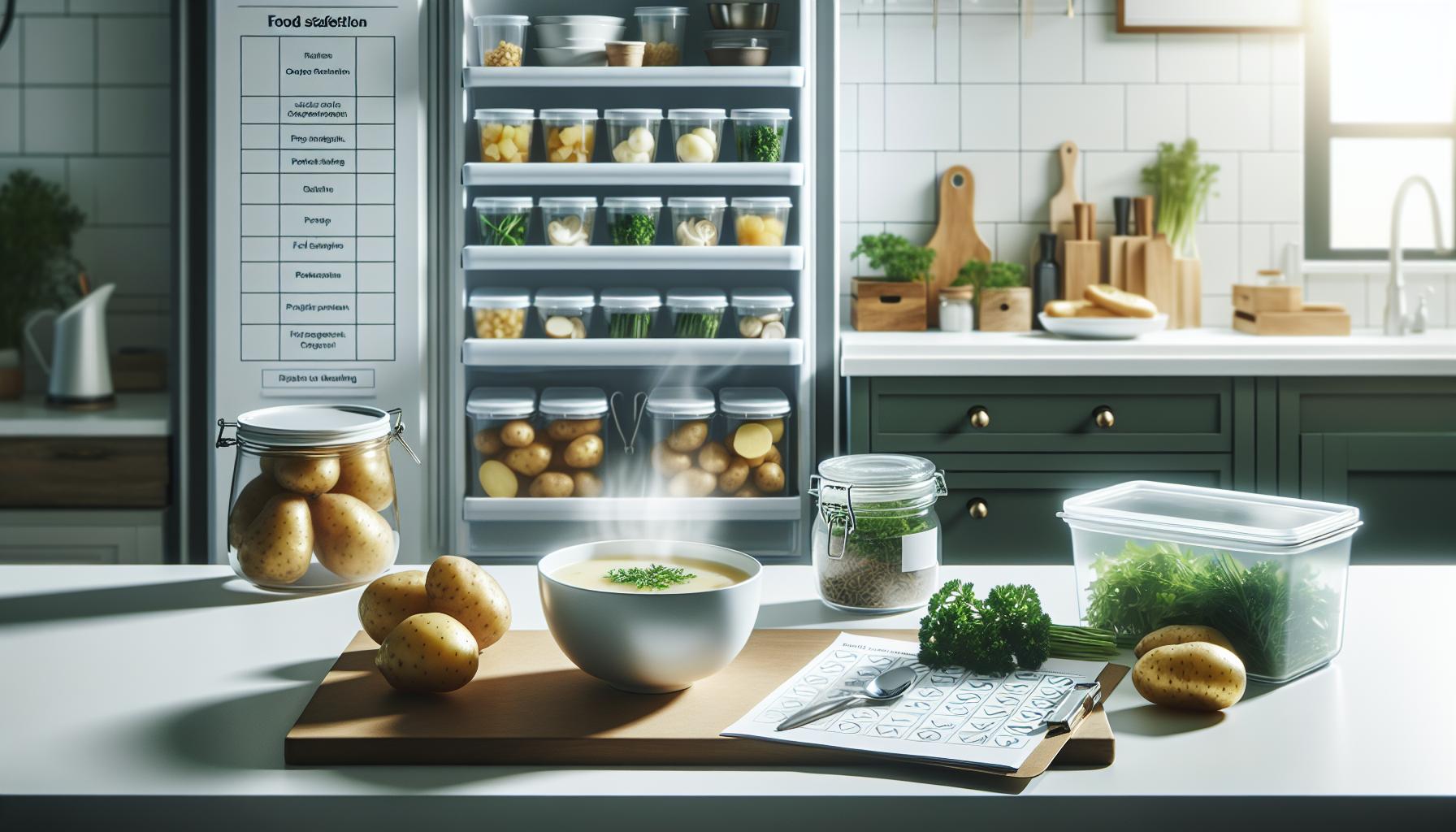
Reheating Potato Soup: Safe Methods
Reheating potato soup safely is essential not only for preserving its flavor and texture but also for ensuring food safety. When you’re ready to enjoy your stored soup, there are several effective methods to heat it up while maintaining its comforting qualities.
Using the stovetop is one of the most reliable methods for reheating potato soup. Pour the desired amount into a saucepan and heat it over medium-low heat. Stir frequently to prevent sticking and ensure even warming. This method allows you to easily adjust the temperature and add extra ingredients, such as cream or herbs, to enhance the flavor as it warms. Be careful not to let the soup boil, as this can alter its creamy texture.
Alternatively, the microwave is a quick and convenient option. Transfer your soup to a microwave-safe bowl and cover it with a microwave-safe lid or plate to trap steam, which helps heat it evenly. Heat on medium power in 1-minute intervals, stirring between each interval to avoid hot spots. This method is particularly useful for single servings or quick lunches.
Regardless of the reheating method, it is crucial to ensure that your potato soup reaches an internal temperature of 165°F (74°C) to eliminate any potential bacteria.
Quick Tips for Reheating:
- Always heat slowly to maintain texture and flavor.
- Use gentle heat to avoid curdling any dairy ingredients.
- Stir frequently to promote even heating and avoid scorching.
For best results, consume reheated potato soup immediately and do not reheat more than once. If you have leftover soup after reheating, it’s best to discard it to avoid any risk of foodborne illness. Following these guidelines ensures that you enjoy your potato soup safely and deliciously, whether it’s a chilly evening or a quick meal on the go.
Freezing Potato Soup: The Do’s and Don’ts
Freezing potato soup can be a wonderfully convenient way to preserve this comforting dish for later enjoyment, but there are crucial do’s and don’ts to follow to ensure both quality and safety. When properly prepared, frozen potato soup can maintain its taste and texture for up to three months. However, the presence of ingredients like cream or dairy can complicate freezing; these components may separate and become grainy once thawed.
To freeze potato soup effectively, start by allowing it to cool completely after cooking. Portion the soup into airtight containers or heavy-duty freezer bags, removing as much air as possible to prevent freezer burn. Label each container with the date and contents, making meal planning straightforward. If the soup contains cream, consider freezing it without the dairy and then adding fresh cream upon reheating to preserve the soup’s smooth texture.
What to Avoid When Freezing Potato Soup
While it’s possible to freeze potato soup, certain practices can lead to undesirable outcomes. For instance, avoid freezing soup with large chunks of potato intact, as these can break down during freezing and result in a mushy texture when reheated. It’s also not recommended to re-freeze soup that has already been thawed, as this can lead to food safety issues and negatively impact the soup’s quality.
In summary, when preparing to freeze your potato soup, focus on safe storage practices and be mindful of the ingredients involved. These steps will allow you to enjoy this comforting dish at a later date without sacrificing its delightful flavor and consistency.
Nutritional Considerations of Stored Potato Soup
Knowing the nutritional content of stored potato soup is crucial to maximizing both flavor and health benefits while ensuring food safety. Potato soup, particularly when homemade, offers a wealth of nutrients, but how these break down or change during storage is an important consideration. Potatoes are rich in potassium, vitamin C, and dietary fiber, which can contribute to a balanced diet. However, certain storage practices can affect these nutrients.
When stored properly in the refrigerator, potato soup can last for about three to five days without significant loss of nutritional value. For optimal health benefits, it’s best to consume the soup within this timeframe. After this period, the flavor and texture may begin to deteriorate, potentially leading to food waste. Furthermore, if the soup contains ingredients like cream or cheese, the nutritional profile can be impacted, as these dairy components may spoil more quickly, leading to potential health risks.
Nutritional Aspects to Consider
- Vitamin Retention: Vitamins such as vitamin C are sensitive to heat and can degrade over time. For best results, ensure that the soup is cooled quickly and stored immediately to preserve its vitamin content.
- Mineral Stability: Potassium and other minerals remain relatively stable during storage, making potato soup a good source of essential nutrients as long as it’s kept under proper refrigeration.
- Caloric Consideration: Remember that added ingredients can increase the caloric content. If you’re trying to manage your weight or caloric intake, be mindful of ingredients like cream or butter.
In summary, while potato soup is a nutritious dish, ensuring its safety and nutritional integrity during storage requires attention. Always label and date your soup containers, and practice good hygiene when storing and reheating to enjoy this comforting meal without compromising your health.
Homemade vs. Store-Bought Potato Soup Storage
When considering potato soup, it’s important to gauge the differences between homemade and store-bought versions in terms of storage capabilities and shelf life. Homemade potato soup typically doesn’t contain preservatives, which means it’s more perishable. Generally, you can expect homemade potato soup to last in the refrigerator for about three to five days, provided it’s stored in airtight containers to minimize exposure to air and potential contaminants.
On the other hand, store-bought potato soup often includes preservatives and stabilizers, which can extend its shelf life. Unopened, store-bought soup can last for weeks or even months, depending on the packaging. Once opened, however, it is best consumed within three to four days, similar to homemade soup. To ensure that both homemade and store-bought varieties maintain their quality, always check for any “use by” or “best before” dates on the packaging, and avoid consuming soup that shows signs of spoilage, such as off odors or unusual textures.
While both types of soup require refrigeration after opening, how you handle each at the point of storage can impact longevity. For homemade soup, cooling it swiftly after cooking and transferring it to the fridge promptly is crucial to avoid bacteria growth. Conversely, store-bought soups should be refrigerated immediately after opening, and if any soup is left in the container, always transfer it to a sealed container for improved freshness. Following these guidelines will help you enjoy your comforting potato soup safely, maximizing its flavor and nutritional benefits.
Creative Ways to Use Leftover Potato Soup
Leftover potato soup can be a versatile ingredient, offering myriad options to create new dishes without wasting food. Instead of simply reheating a bowl on a busy night, consider these inventive ways to use it that not only reinvigorate your meals but also enhance flavors and textures.
One of the simplest ways to repurpose potato soup is by using it as a creamy base for casseroles. Mix your leftover soup with ingredients like cooked vegetables, meats, or grains such as rice or quinoa, and top with cheese or breadcrumbs before baking. This not only adds flavor but also turns leftovers into a fulfilling main course.
Another delightful option is to use the soup as a sauce. Thicken it further and pour it over grilled chicken, steak, or baked fish for a rich, comforting dish. You can also blend in some fresh herbs or spices to elevate the flavor profile, creating a dish that feels entirely new.
Additionally, potato soup can be transformed into a flavorful soup or stew. Add leftover vegetables, beans, or proteins such as bacon or sausage, and let it simmer to mesh the flavors. This is particularly effective if your potato soup is a little thicker, as it blends well with additional broth or stock to create a hearty stew.
Don’t forget about breakfast, too! Incorporate your potato soup into a breakfast scramble by pouring it over beaten eggs before cooking, adding in whatever vegetables you have on hand. This not only reduces waste but also gives your morning a satisfying, creamy texture.
Engaging your creativity with leftover potato soup not only minimizes waste but enhances your meal planning. Always ensure that any repurposed dishes made with leftover soup are consumed within three to four days to maintain freshness and safety.
Food Safety Tips for Comfort Foods
When it comes to comfort foods like potato soup, understanding food safety is paramount. Proper handling and storage can not only prolong the life of your dish but also ensure that you can enjoy it without the worry of foodborne illness. A good rule of thumb is to store potato soup in the refrigerator within two hours of cooking-this minimizes the time it spends at room temperature, where bacteria can thrive.
For optimal safety, use airtight containers or tightly seal your soup to prevent contamination and drying out. Label your containers with the date they were made so you can easily track how long they’ve been stored. Typically, homemade potato soup can last in the refrigerator for about three to four days, while store-bought varieties might have a longer shelf life depending on preservatives and packaging.
Signs of Spoilage
Pay attention to any signs that your potato soup may have spoiled. If the soup develops an unusual odor, changes color, or shows signs of mold, it’s best to discard it to avoid any health risks. Additionally, if the consistency changes significantly-becoming overly thick or grainy-it may indicate that it is no longer safe to consume.
Reheating Guidelines
When you’re ready to enjoy your potato soup again, always reheat it to a minimum internal temperature of 165°F (74°C) to kill any potential bacteria. This can be done on the stovetop or in the microwave, but ensure you stir it well to heat evenly. If you’re reheating frozen potato soup, ensure it’s fully thawed in the refrigerator first, and then heat it as you normally would.
By staying vigilant with these food safety tips, you can enjoy your comforting bowl of potato soup confidently, ensuring both quality and health are at the forefront of your meals.
Faq
Q: How long can you keep potato soup in the fridge?
A: Potato soup can be stored in the fridge for 3 to 5 days. Ensure it’s in an airtight container to maintain its quality. For optimal freshness, consume the soup within this timeframe.
Q: Can you eat potato soup after 5 days in the fridge?
A: It’s not recommended to eat potato soup after 5 days in the fridge. Beyond this period, the risk of spoilage increases. Always check for signs of spoilage before consumption.
Q: How should potato soup be stored to maximize shelf life?
A: Store potato soup in an airtight container at a consistent refrigerator temperature of 40°F (4°C) or lower. Cooling the soup completely before refrigerating can also help minimize bacterial growth.
Q: What are the signs that potato soup has gone bad?
A: Signs of spoiled potato soup include an off smell, mold growth, and a change in color or texture. If you notice any of these signs, it’s best to discard the soup.
Q: Can you freeze potato soup for later use?
A: Yes, you can freeze potato soup for up to 6 months. Use a freezer-safe container and allow the soup to cool before freezing. Be aware that the texture may change upon reheating.
Q: How can you tell if frozen potato soup is still good to eat?
A: Check for freezer burn or an off smell after thawing. If the soup appears discolored or has an unusual texture, it’s safer to discard it rather than risk foodborne illness.
Q: Is it safe to reheat potato soup multiple times?
A: It’s generally safe to reheat potato soup, but it’s best to do so only once to maintain quality and safety. Always heat it to an internal temperature of 165°F (74°C) before consuming.
Q: What are creative ways to use leftover potato soup?
A: Leftover potato soup can be transformed into a baked casserole, used as a base for a vegetable stew, or enriched with additional ingredients such as cheese or meat for a hearty meal.
In Conclusion
To ensure your comfort food lasts and remains safe, remember that potato soup can typically be stored in the fridge for 3-4 days. Enjoy it while it’s fresh, but don’t hesitate to freeze any leftovers for up to 3 months if you want to savor that creamy goodness later. Feeling inspired? Explore more delicious potato recipes like Crispy Potato Halves or Hasselback Potatoes for your next meal.
Share your thoughts and experiences with us in the comments-have you ever tried freezing potato soup? For even more culinary tips and food safety guidelines, consider signing up for our newsletter. Don’t miss out on keeping your kitchen skills sharp! Your journey toward delicious and safe cooking continues here-let’s dive into new recipes and food preservation strategies together!