Did you know that properly stored soup can last several days in your fridge, but improper storage can lead to food waste? Understanding how long soup stays fresh not only helps you enjoy your favorite recipes longer but also ensures your meals are safe to eat. Whether you’ve made a big batch of chicken noodle or a hearty vegetable soup, knowing the storage guidelines is essential.
Many home cooks often find themselves with leftover soup, unsure of how long it will remain safe and tasty. The last thing you want is to throw out delicious, homemade soup due to uncertainty about its freshness. By learning the best practices for storing soup, you’ll minimize waste and savor every last spoonful.
In this article, we’ll explore how long different types of soup last in the refrigerator, along with tips to keep them fresh. Say goodbye to guesswork and hello to a more enjoyable dining experience!
How Long Can You Store Soup in the Fridge?
Storing soup properly is essential to enjoy its flavor and maintain food safety. Generally, when cooled and stored correctly, homemade or store-bought soup can be safely stored in the refrigerator for about 3 to 4 days. This timeframe allows you to savor your leftovers while minimizing the risk of spoilage. It’s important to place the soup in an airtight container to prevent contamination and to ensure it retains its quality.
As a rule of thumb, if you’re unsure about the freshness of your soup, always perform a visual and sensory inspection-looking for any changes in color, texture, or smell. If you notice any off odors or unusual appearances, it’s best to err on the side of caution and discard it. Additionally, when packing soup for storage, divide it into smaller portions. This not only helps it cool down faster but also enables you to reheat only what you need, reducing the risk of recurrent exposure to temperatures that can promote bacteria growth.
Consider dating your containers with the storage date using a marker or label. This simple practice provides a clear visual reminder of how long the soup has been stored and helps ensure you use it within the safe window. If you find yourself often with leftovers beyond the 4-day mark, freezing soup might be a more suitable option for long-term storage, allowing you to enjoy it well beyond the week.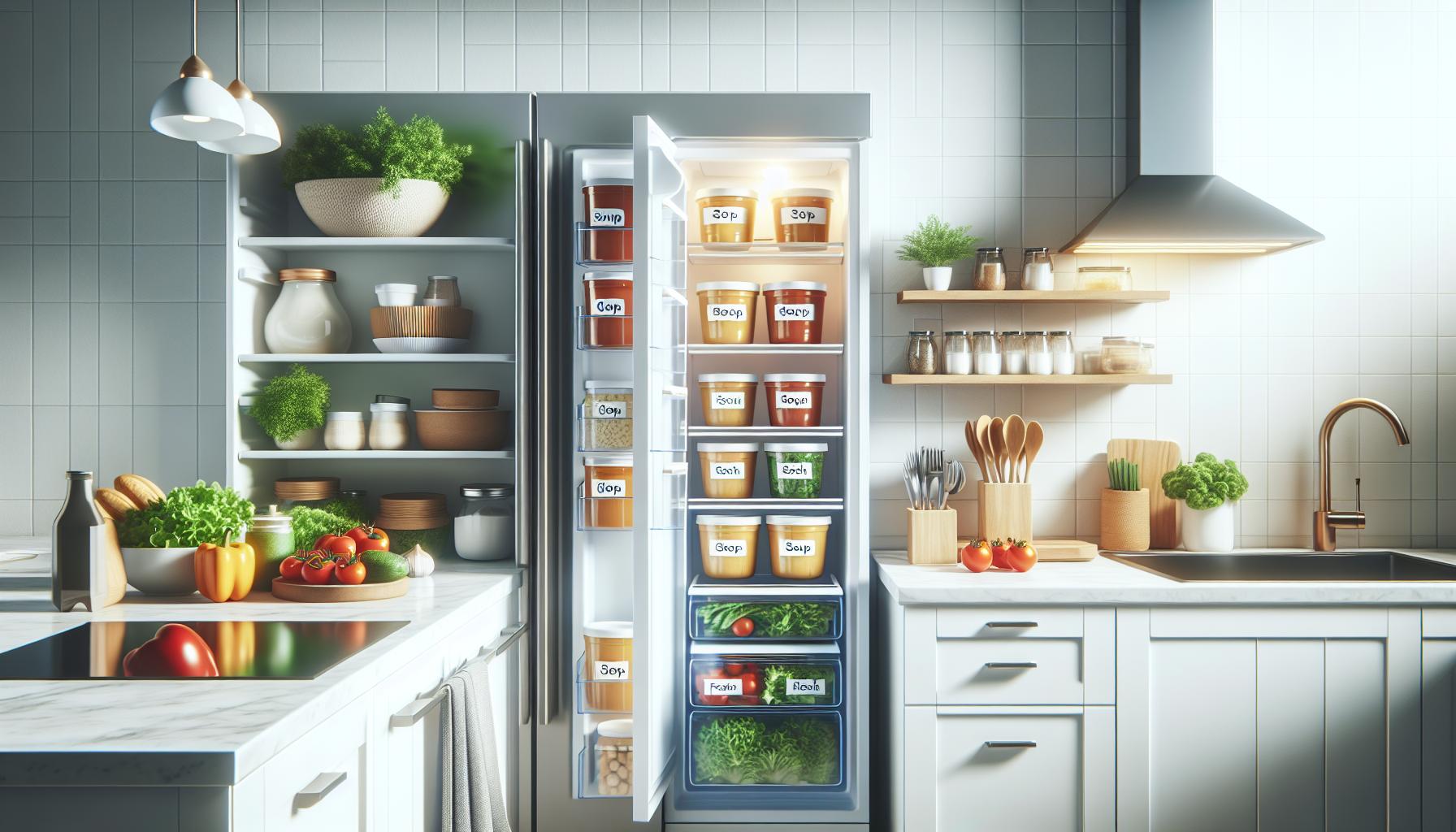
Signs Your Soup Has Gone Bad
Stale leftovers can be a culinary gamble, and it’s crucial to be able to identify when soup has crossed the line from delicious to dangerous. Understanding the signs that indicate your soup is no longer safe to eat can save you from unwelcome foodborne illnesses. Regular checks on your soup can ensure you enjoy every last spoonful while maintaining your health.
One of the most immediate indicators that your soup has spoiled is a noticeable change in smell. If your soup emits an unpleasant or sour odor, it’s a clear signal that bacterial growth may have occurred. Along with scent, look for textural changes; if the soup has developed a slimy or grainy texture, this could indicate spoilage. Additionally, observe its appearance; if you notice any mold or discoloration, it’s time to toss it.
Another practical step in assessing the freshness of your soup is to consider how long it’s been stored. Generally, homemade or store-bought soup should be consumed within 3 to 4 days of refrigeration. If you find yourself with leftovers past this timeframe, it’s safer to err on the side of caution and discard the soup rather than risk your health.
Lastly, trust your instincts. While visual cues and smells are important, if you have any doubts about your soup’s safety, it’s best to throw it out. Implementing these assessment strategies will help you keep your meals safe and enjoyable, ensuring you only indulge in soup that is fresh and delicious.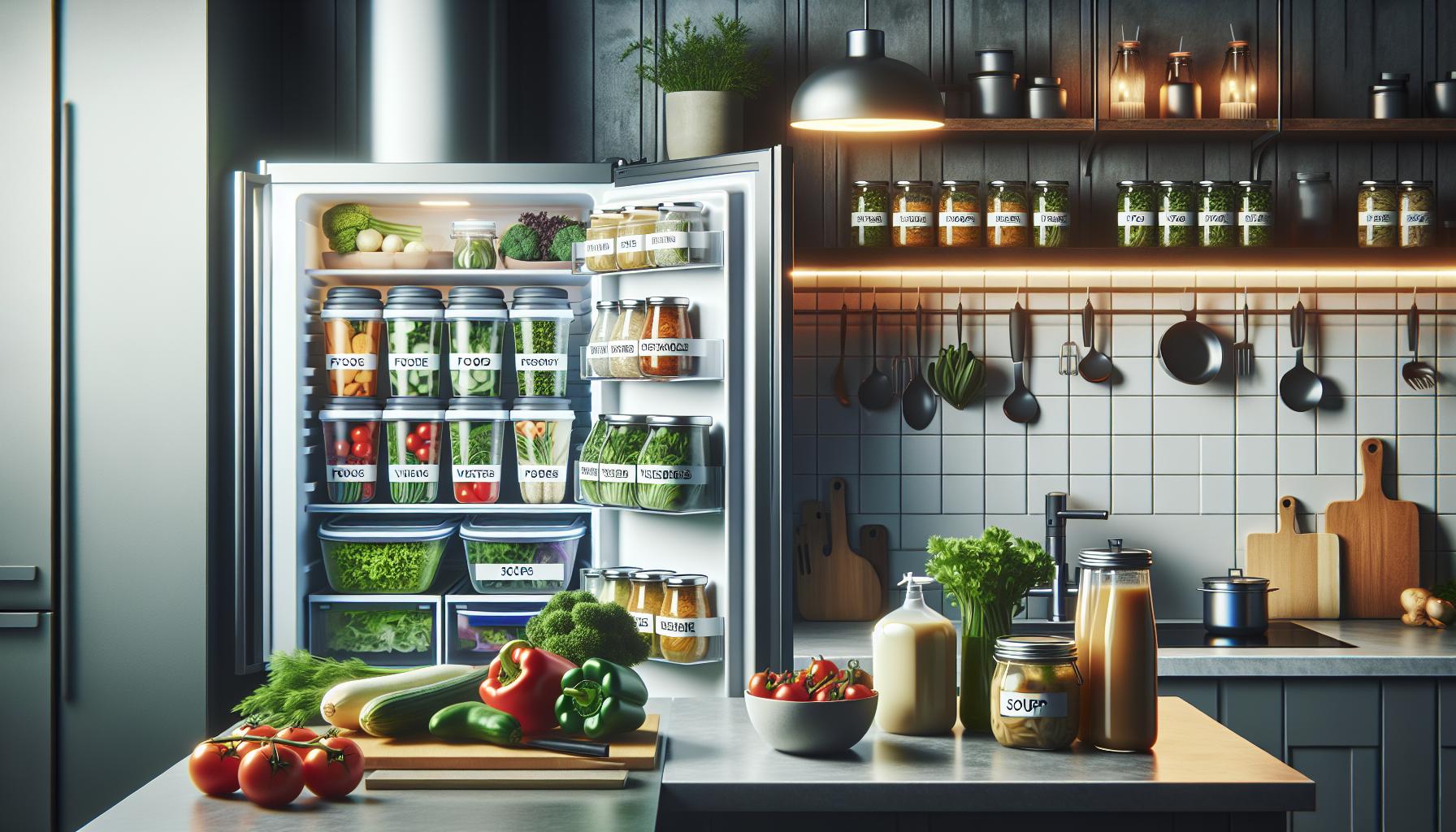
Best Practices for Storing Soup Safely
To ensure your soup stays fresh and safe to eat, implementing best practices in storage is essential. First and foremost, always store soup in airtight containers. This not only prevents the absorption of flavors and odors from the fridge but also reduces the risk of contamination from other foods. Glass or BPA-free plastic containers with tight-fitting lids are excellent options. If you’re using pots, transfer the soup to a container once it has cooled down to prevent bacterial growth.
It’s crucial to cool your soup before refrigerating it; placing hot soup directly into the fridge can raise the overall temperature, potentially compromising other stored foods. Aim to cool the soup to room temperature within two hours after cooking. Pouring it into smaller, shallow containers can expedite the cooling process. Remember to label and date your containers so you can easily track how long the soup has been stored. Most homemade soups should ideally be consumed within 3 to 4 days when kept in the refrigerator.
If you anticipate that you won’t finish your soup within this timeframe, consider freezing it. Freezing soup can extend its shelf life for a couple of months, and it is best to leave some space at the top of containers before sealing them, as soup expands when frozen. For maximum quality, consume frozen soup within three months.
Finally, always check soup for signs of spoilage-such as changes in smell, texture, and appearance-before reheating. Following these storage practices will help you enjoy your soup safely and deliciously every time.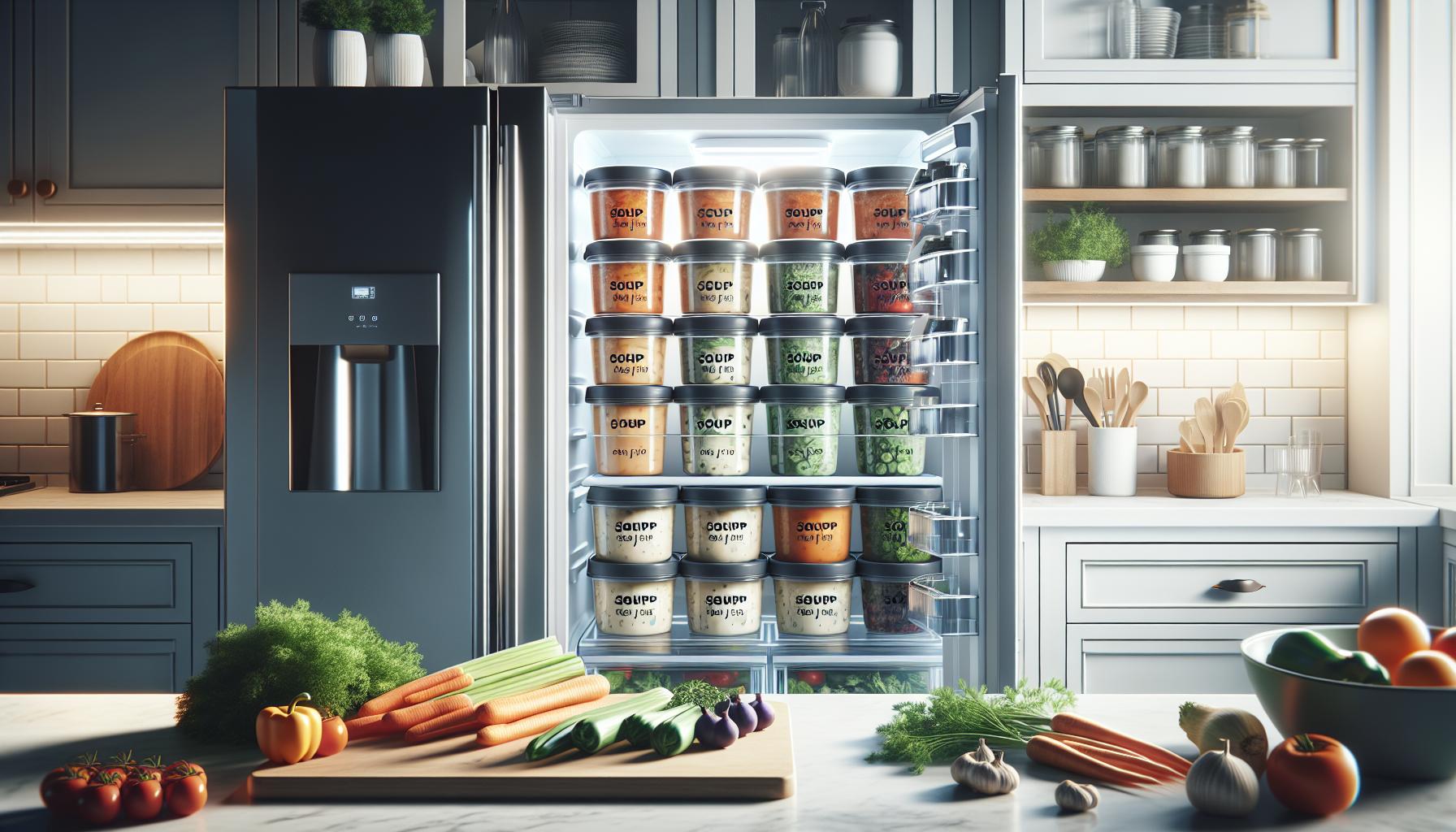
Freezing Soup: A Comprehensive Guide
Freezing soup is an excellent way to preserve its flavor and extend its shelf life, allowing you to enjoy delicious homemade meals at your convenience. This method can keep your soup fresh for several months, but there are crucial steps to follow to ensure optimal quality and safety once it’s thawed. By understanding the nuances of freezing soup, you can prevent freezer burn and maintain its taste and texture.
To begin, choose the right containers for freezing. Airtight containers made of glass or heavy-duty plastic are ideal, as they reduce the risk of moisture and air exposure. Avoid using regular plastic wrap or aluminum foil, as they can lead to freezer burn, which can compromise flavor. Additionally, leave about an inch of space at the top of each container to allow the soup to expand as it freezes. Another great option is to freeze soup in portion-sized bags. Lay them flat in the freezer to save space and make thawing easier.
Before freezing your soup, it’s important to cool it down to room temperature. This prevents large temperature fluctuations in your freezer, which could affect the quality of other stored items. Cooling your soup quickly can be achieved by dividing it into smaller portions in shallow containers or by placing the pot in an ice bath. Once cool, transfer it to your chosen containers, seal tightly, and label each with the contents and date to keep track of freshness.
When it comes time to use your frozen soup, there are a couple of safe thawing methods. The most effective approach is to transfer the container from the freezer to the refrigerator for 24 hours before reheating. This allows for gradual thawing, which helps maintain texture. Alternatively, you can thaw the soup quickly by submerging the bag in cold water or reheating it directly from frozen, although the latter may result in uneven heating. Once thawed, consume the soup within three to four days, and avoid refreezing leftovers to maintain food safety and quality.
By following these steps, you can freeze soup efficiently and ensure that each bowl is just as satisfying and wholesome as the first, making it an ideal strategy for meal prep and budget-friendly cooking.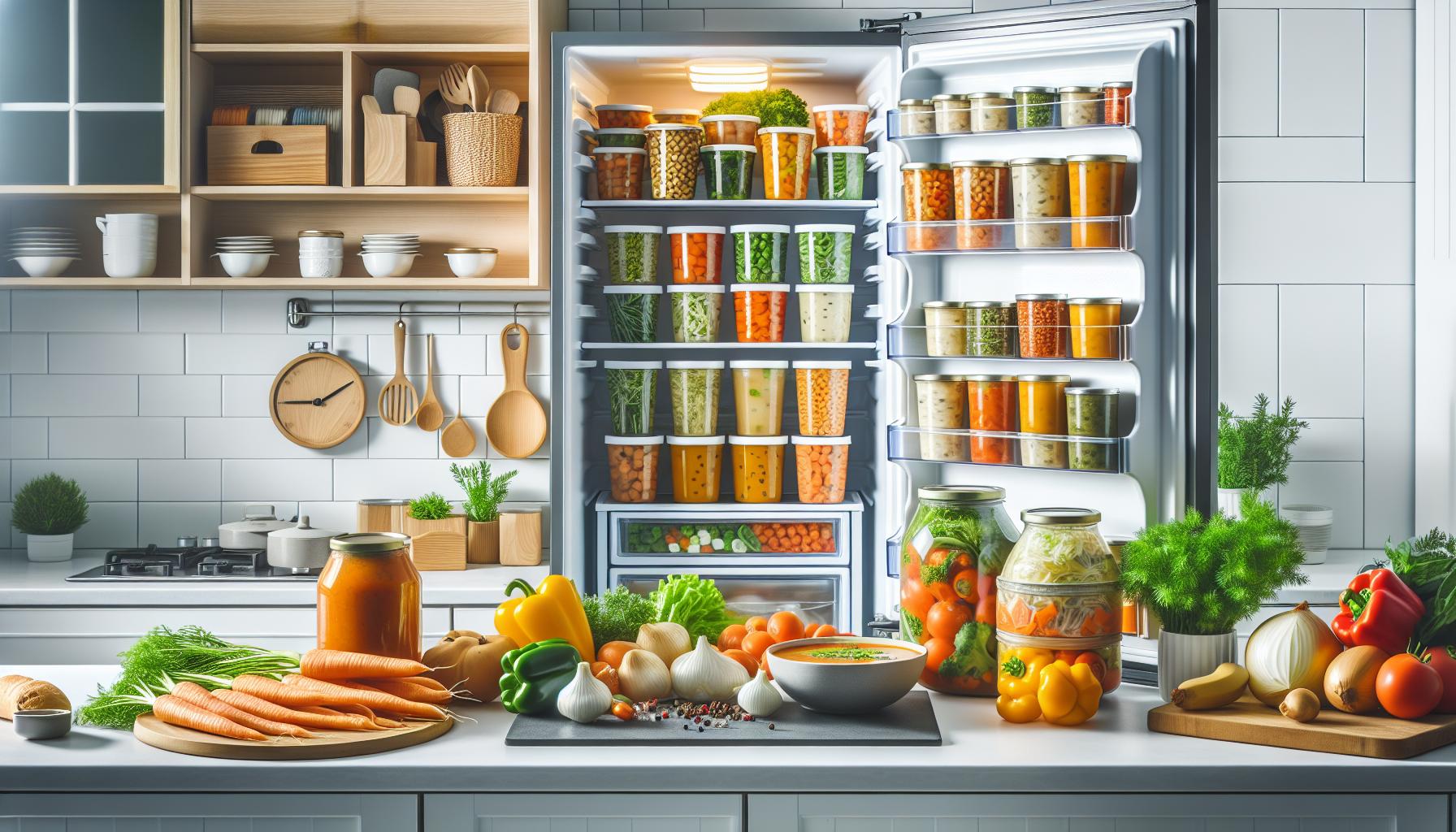
How to Reheat Soup Without Losing Flavor
Reheating soup can be an art, especially if you want to maintain its rich flavors and comforting texture. A poorly reheated bowl can often taste bland or watery, losing the very essence that made it delicious in the first place. To keep your soup as satisfying as when it was first made, consider some simple yet effective methods for reheating without sacrificing taste.
First and foremost, the stovetop is generally the best method for reheating soup. Pour your soup into a pot and heat it gently over medium heat, stirring frequently. This allows for even heating and minimizes the risk of scorching. If your soup appears too thick, add a small amount of broth or water to achieve your desired consistency. Aim for an internal temperature of at least 165°F (74°C) to ensure safety.
Microwaving offers a quick alternative, though it can sometimes lead to uneven heating. To optimize this method:
- Transfer your soup into a microwave-safe container.
- Cover it with a microwave-safe lid or a plate to avoid splatters while allowing steam to escape.
- Reheat in short, one-minute bursts, stirring in between, until heated through.
Another excellent option is the double boiler method. Place your soup in a heat-proof bowl and set it over a pot of simmering water. This gentle heat disperses moisture evenly and prevents scorching, allowing the flavors to meld beautifully.
After reheating, tasting your soup is key. You may find that a sprinkle of fresh herbs, a dash of lemon juice, or a bit of seasoning can reignite the flavors that may have dulled during storage. Preparing your soup with precision will make every spoonful enjoyable right down to the last drop.
Shelf Life of Different Soup Types
The shelf life of soup can vary significantly depending on its ingredients and preparation method, making it crucial for you to understand the nuances to ensure food safety and maximize flavor. In general, most homemade soups can be stored in the refrigerator for three to four days. However, soups containing perishable ingredients like seafood, dairy, or grains typically have a shorter lifespan, often lasting just two to three days due to their susceptibility to spoilage.
Soups made primarily from vegetables, legumes, and broth tend to have a longer shelf life. These types can often last up to five days. Similarly, clear broth-based soups may fare better in terms of longevity compared to creamy or thick soups, as the latter tend to oxidize and break down more rapidly, affecting both taste and texture. Here’s a quick overview of how long different soup types may last in the refrigerator:
| Soup Type | Shelf Life in Fridge |
|---|---|
| Vegetable Broth | 4-5 days |
| Creamy Soups | 2-3 days |
| Chicken or Beef Broth | 4-5 days |
| Seafood Soups | 2-3 days |
| Legume-Based Soups (e.g., split pea, lentil) | 3-5 days |
When storing soups, it’s essential to allow them to cool completely before transferring them to airtight containers. This practice not only prevents condensation from forming inside the container but also reduces the risk of bacterial growth. For those who often prepare large batches, consider freezing any leftover soup that may not be consumed within a few days. Most soups can be frozen for up to three months, although creamy soups may develop a grainy texture upon freezing and defrosting.
Ultimately, being aware of how long your specific soup can last will help ensure that you enjoy every last spoonful without compromising your health.
Should You Store Soup in Containers or Pots?
To maintain the freshness and flavor of your soup, the choice between storing it in containers versus leaving it in pots is crucial. Refrigerating soup in airtight containers is typically the best practice. This not only restricts exposure to air, which can lead to oxidation and spoilage, but also prevents the soup from absorbing unwanted odors from the fridge. When you store (homemade or store-bought) soup, consider using glass or BPA-free plastic containers with tight-sealing lids. These materials are effective in preserving the taste and consistency of the soup.
On the other hand, while it might be tempting to store leftover soup in the pot it was cooked in, this is generally not advisable for a few reasons. First, leaving the soup in a pot can increase the risk of bacterial growth, especially if the pot is not cooled down quickly. Furthermore, prolonged storage in metal pots can lead to reactions with the soup, particularly if it contains acidic ingredients like tomatoes. Using containers allows for easy access, portion control, and a more organized refrigerator.
Practical Steps for Proper Storage
- Cool Down First: Before transferring soup to containers, allow it to cool to room temperature. This step helps prevent condensation that can promote bacteria growth.
- Label and Date: When storing soup, label the containers with the date they were made. This helps you keep track of how long it has been stored and ensures you use it within the recommended timeframe.
- Portion Control: Consider dividing larger batches of soup into smaller containers. This allows for quicker cooling and makes it easier to reheat only what you need.
Overall, while it may be convenient to keep soup in the cooking pot, storing it in appropriate containers is essential for preserving both its safety and flavor, maximizing your enjoyment of each delicious bowl.
Tips for Keeping Leftover Soup Fresh
To truly enjoy every last spoonful of your leftover soup, some thoughtful storage practices are essential. Keeping that comforting broth fresh goes beyond just sealing it up; it involves a combination of time management and proper technique. When stored correctly, most homemade soups can last in the refrigerator for about 3 to 4 days. However, there are several tips that can help extend the freshness and maintain the flavor of your soup while it’s in the fridge.
First, let your soup cool down before refrigerating it. This step is critical because putting hot soup directly into your refrigerator can raise the overall temperature, compromising the safety of your other food items. Allow it to cool at room temperature for no more than two hours before transferring it to airtight containers. Once cooled, portioning the soup into smaller containers not only allows it to cool faster but also helps you serve smaller amounts, reducing the risk of waste.
Always label your containers with the date of preparation. This small but significant step helps you keep track of how long the soup has been stored. Ideally, you should aim to consume it within the timeframe mentioned earlier. In addition, consider leaving your soup unseasoned if you know you’ll be storing it. Adding fresh herbs or dairy products before serving can enhance the flavor after reheating without compromising freshness during storage.
If you’re unsure about the soup’s freshness, look for signs before consuming. An off smell, change in color, or slimy texture are clear indicators it’s time to toss it out. Being attentive to these details will ensure your enjoyment of every bowl, while also keeping food safety at the forefront. By following these practical tips, you can savor your delicious concoction long after it’s made, making every spoonful a delight.
Nutritional Safety: When to Toss Your Soup
When it comes to ensuring the safety and quality of your leftover soup, knowing when to toss it is crucial for your health and enjoyment. While homemade soups can generally last in the fridge for about 3 to 4 days, there are specific signs and guidelines you should follow to determine if your soup has gone bad. Not only can consuming spoiled soup lead to foodborne illnesses, but it can also ruin the culinary experience that a good bowl of soup promises.
First, always trust your senses. If you notice any off smells, a change in color, or a slimy texture, these are strong indicators that the soup is no longer safe to eat. Some bacteria can grow even in the refrigerator, leading to spoilage that is not always visible. When in doubt, it’s best to err on the side of caution and discard the soup. Additionally, if you’ve had the soup stored longer than the recommended few days, it’s wise to throw it out, regardless of its appearance.
Best Practices for Maintaining Safety
- Label and Date: Always label your soup containers with the date you prepared them. This can help you keep track of how long it’s been and makes it easier to decide when to toss it.
- Storage Temperature: Ensure your refrigerator is set at or below 40°F (4°C). Proper refrigeration can slow down bacterial growth significantly.
- Leftover Guidelines: Remember that even if the soup was delicious when you first made it, adding new ingredients like dairy or fresh herbs just before storing could change its shelf life. Generally, it’s best to store basic soups unmixed with perishable additions until you’re ready to serve.
By being vigilant about these factors, you can enjoy your soup to the fullest while keeping food safety at the forefront. If your soup has been sitting in the fridge for more than a few days, or if any concerning signs arise, it’s better to be safe than sorry. After all, the joy of soup is in its warmth and comfort, not in risking your health over a bowl that has overstayed its welcome.
Creative Ways to Use Leftover Soup
Leftover soup can be transformed into culinary delights that inspire creativity and minimize waste. With the right approach, you can elevate yesterday’s meal into something entirely new and exciting. To make the most of your soup, consider using it as a base or an ingredient in a variety of dishes that amplify its flavor while extending its shelf life.
One of the simplest ways to repurpose leftover soup is by using it as a base for sauces or gravies. Simply reduce the soup over medium heat until it thickens, then use it to top roasted vegetables, meats, or pasta. This not only enhances the dish but also adds depth to the flavors. For instance, a hearty tomato soup can be transformed into a savory marinara sauce by cooking it down with garlic and herbs.
You can also incorporate leftover soup into casseroles and baked dishes. Combine the soup with cooked grains, such as quinoa or rice, and fold in some vegetables and protein for a complete meal. Bake the mixture with a sprinkle of cheese on top for a comforting and satisfying dish. For example, a chicken noodle soup can become the base for a creamy chicken and rice casserole, which offers a hearty and convenient meal option.
If you enjoy smoothies or healthy drinks, consider blending your leftover vegetable soup with some fresh greens, such as spinach or kale, to create a nutrient-packed smoothie. Add a bit of yogurt or protein powder for an extra boost, making it not only delicious but also a smart way to sneak extra veggies into your diet.
Finally, leftover soup can serve as an inventive component in other recipes. Use a creamy soup to make a risotto, substituting it for stock to add richness and flavor. For a breakfast twist, mix a spiced vegetable soup with scrambled eggs or tofu for a hearty breakfast scramble that revitalizes your morning routine.
Always remember to keep food safety in mind when using leftover soup. Ensure the soup has been stored properly and consumed within the recommended timeframe-typically 3 to 4 days in the fridge. This way, you can enjoy all the delicious possibilities your leftover soup has to offer, without compromising your health or safety.
Common Myths About Soup Storage
Many people believe that soup can last indefinitely in the refrigerator, which is far from the truth. Understanding the reality behind common misconceptions about soup storage is crucial to ensuring food safety and enjoying every last spoonful. One prevalent myth is that as long as the soup smells fine, it is safe to eat. However, not all harmful bacteria produce a noticeable odor, making it essential to adhere to recommended storage times. Generally, homemade soup should be consumed within 3 to 4 days when stored properly in the refrigerator.
Another widespread myth is that reheating soup can kill any bacteria present, thus making it safe to consume even after it has been in the fridge for a while. While reheating may kill some bacteria, it doesn’t eliminate the toxins produced by certain pathogens that can still pose health risks. Therefore, it’s best to discard any soup that has been stored longer than the recommended time, regardless of how thoroughly it gets reheated.
It’s also a common misconception that all soups can be stored the same way; however, the ingredients do play a significant role. Cream-based soups, for example, may spoil faster than broth-based varieties due to their dairy content. This means that they should be consumed earlier to avoid any risk of spoilage. Finally, many believe that storing soup in a pot on the stove is just as effective as refrigerating it. Keeping soup at room temperature can allow bacteria to thrive, so always store leftovers in airtight containers in the fridge.
- Store soup in the fridge for: 3 to 4 days.
- Reheating does not guarantee safety: Bacteria toxins may still remain.
- Ingredient matter: Cream-based soups spoil faster.
- Always refrigerate: Don’t leave soup at room temperature.
By debunking these myths, you can better appreciate the nuances of soup storage and ensure you are consuming your leftovers safely. Always prioritize food safety to enjoy your favorite soups without any concerns.
Storing Homemade vs. Store-Bought Soup
When it comes to soup storage, there’s a significant distinction between homemade and store-bought varieties that affects both their longevity and safety. Homemade soup, crafted with fresh ingredients, generally has a shorter shelf life due to the absence of preservatives. Thus, it should be consumed within 3 to 4 days when stored properly in the refrigerator. On the other hand, store-bought soups, particularly those that are canned or packaged, usually contain preservatives and are designed to last longer. These can remain safe for consumption for a week or even longer after opening, depending on the specifics outlined by the manufacturer.
For homemade soups, the goal is to promote food safety while keeping the flavors intact. This means after cooking, leftovers should be cooled swiftly and placed in airtight containers before refrigeration. If there’s a large quantity, consider dividing it into smaller portions for quicker cooling and easier reheating. Standard practice is to label the container with the date to monitor freshness. In contrast, store-bought soups typically come with an expiration date and instructions regarding their refrigeration once opened. Following these guidelines ensures you enjoy the soup at its best while minimizing the risk of foodborne illnesses.
Another essential factor to consider is how the soups are reheated. Homemade soups should be heated to a rolling boil to ensure any potential bacteria are eliminated. Store-bought soups can be similarly reheated but often come with instructions that may recommend gentle heating to preserve flavors. Always take note of the specific storage requirements listed on the packaging of store-bought soups to maximize freshness and safety.
In summary, while homemade soups offer a comforting, wholesome option, they require more attentive storage practices compared to their store-bought counterparts. Being mindful of these differences will help ensure that every spoonful of your soup remains delightful and safe to enjoy.
Frequently asked questions
Q: How can I tell if my soup has gone bad?
A: You can tell if your soup has gone bad by checking for off odors, unusual colors, or visible mold. Additionally, if the soup tastes sour or has a different flavor than usual, it’s best to discard it. Always prioritize safety and err on the side of caution.
Q: Can I store soup in plastic containers?
A: Yes, storing soup in plastic containers is safe if they are labeled microwave-safe. Ensure the containers are airtight to prevent contamination and keep the soup fresher for longer. For best results, consider using glass containers, which can also withstand reheating without leaching chemicals.
Q: How should I reheat leftover soup for best flavor?
A: Reheat leftover soup slowly on the stove over medium heat for best flavor. Stir frequently to ensure even heating and prevent sticking. If using a microwave, cover the bowl to maintain moisture and heat in short intervals, stirring between, to avoid hot spots.
Q: What is the safest way to cool soup before refrigerating?
A: The safest way to cool soup before refrigerating is to let it sit at room temperature for no more than two hours. For larger batches, divide the soup into smaller containers to speed up cooling. This practice helps prevent bacterial growth and keeps your soup safe for later consumption.
Q: Is it safe to freeze soup after it has been in the fridge?
A: Yes, it is safe to freeze soup after it has been in the fridge, as long as it hasn’t been stored for more than three to four days. Ensure it cools completely before freezing it in airtight containers. Label with the date to keep track of storage time.
Q: How long can homemade soup last in the fridge compared to store-bought?
A: Homemade soup typically lasts 3 to 4 days in the fridge, while store-bought soup may last longer due to preservatives-generally around 5 to 7 days after opening. Always check for any specific storage instructions on the packaging for best practices.
Q: Can I add fresh ingredients to leftover soup?
A: Yes, you can add fresh ingredients to leftover soup to enhance flavor and nutrition. However, ensure the soup is properly reheated to avoid introducing bacteria. Fresh herbs, vegetables, or proteins can be excellent additions before serving.
Q: What’s the best way to store soup for meal prep?
A: The best way to store soup for meal prep is to portion it into meal-sized containers, ensuring they are airtight. Label each container with the date. This method keeps the soup fresh, allows for easy reheating, and helps manage portions effectively.
For more tips on soup storage and safety, check out our article sections on best practices for storing soup and tips for keeping leftover soup fresh.
To Conclude
As you savor every spoonful of your delicious soup, remember to store it properly for optimal freshness and safety. Soup can typically last up to 3-4 days in the fridge when stored in airtight containers. Ensure you cool it down swiftly before refrigerating, and always check for off smells or mold before enjoying leftovers. For further insights on food safety, explore our guides on “Food Storage Tips” and “Leftover Safety Essentials” linked below. Don’t forget to sign up for our newsletter for more expert food advice, delivered right to your inbox!
Ready to dive deeper into kitchen tips? Check out our articles on “Freezing Soups for Later Use” and “How to Reheat Soup Safely.” Your culinary journey doesn’t have to end here-engage with our community by sharing your favorite soup recipes or ask any lingering questions in the comments section. Your next meal could be just a click away!