Tuna salad is a popular choice for quick lunches and easy meal prep, but how long can you store it safely in the fridge? Understanding the shelf life of tuna salad is crucial for maintaining food safety and ensuring the best flavor. While it’s delicious and convenient, you don’t want to risk foodborne illnesses caused by spoiled fish or ingredients.
In this guide, we’ll explore how long tuna salad lasts in the fridge, important storage tips, and signs of spoilage. By knowing how to properly store and identify freshness, you can enjoy your tuna salad worry-free, maximizing both its flavor and safety. Let’s dive into the best practices to keep your meals fresh and safe!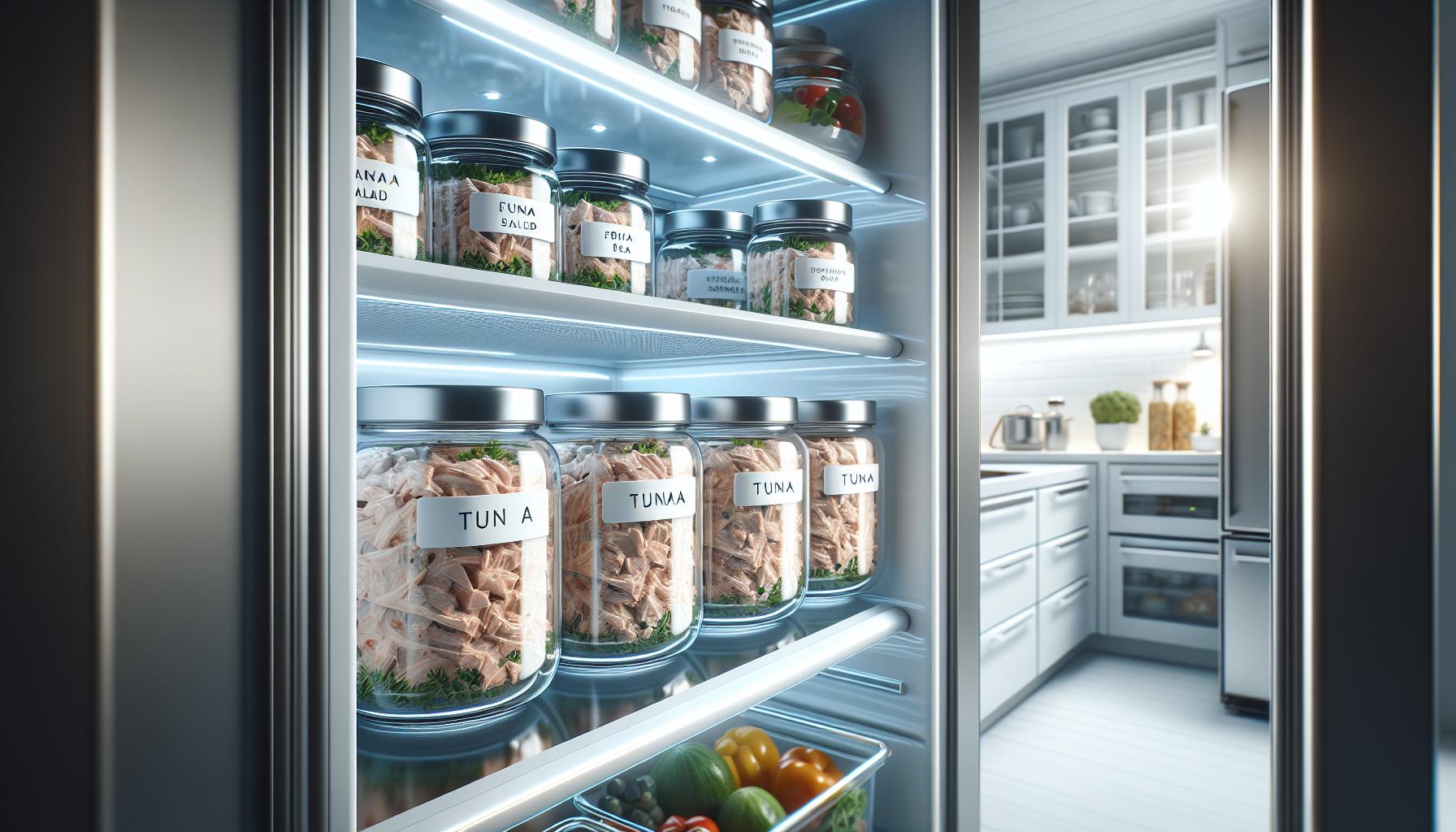
How to Store Tuna Salad for Optimal Freshness
To keep your tuna salad fresh and safe for consumption, proper storage is crucial. Start by ensuring that your tuna salad is placed in an airtight container. This minimizes exposure to air, which can cause spoilage and affect the texture. If you’re preparing a large batch, consider dividing it into smaller servings in separate containers-this not only helps maintain freshness but also makes it convenient for quick meals.
When storing tuna salad in the refrigerator, aim to do so promptly after preparing or serving. It should be cooled and placed in the fridge within two hours to minimize the risk of bacterial growth. The ideal refrigerator temperature is at or below 40°F (4°C). Store tuna salad in the fridge, and it can last for up to three to five days, depending on the ingredients used.
Avoid leaving tuna salad out at room temperature for extended periods-bacteria thrive in the “danger zone” between 40°F and 140°F (4°C and 60°C). If you have a serving left over after a meal, promptly refrigerate it to preserve its quality. Always remember to check for signs of spoilage, such as an off smell or change in color, before consuming stored tuna salad.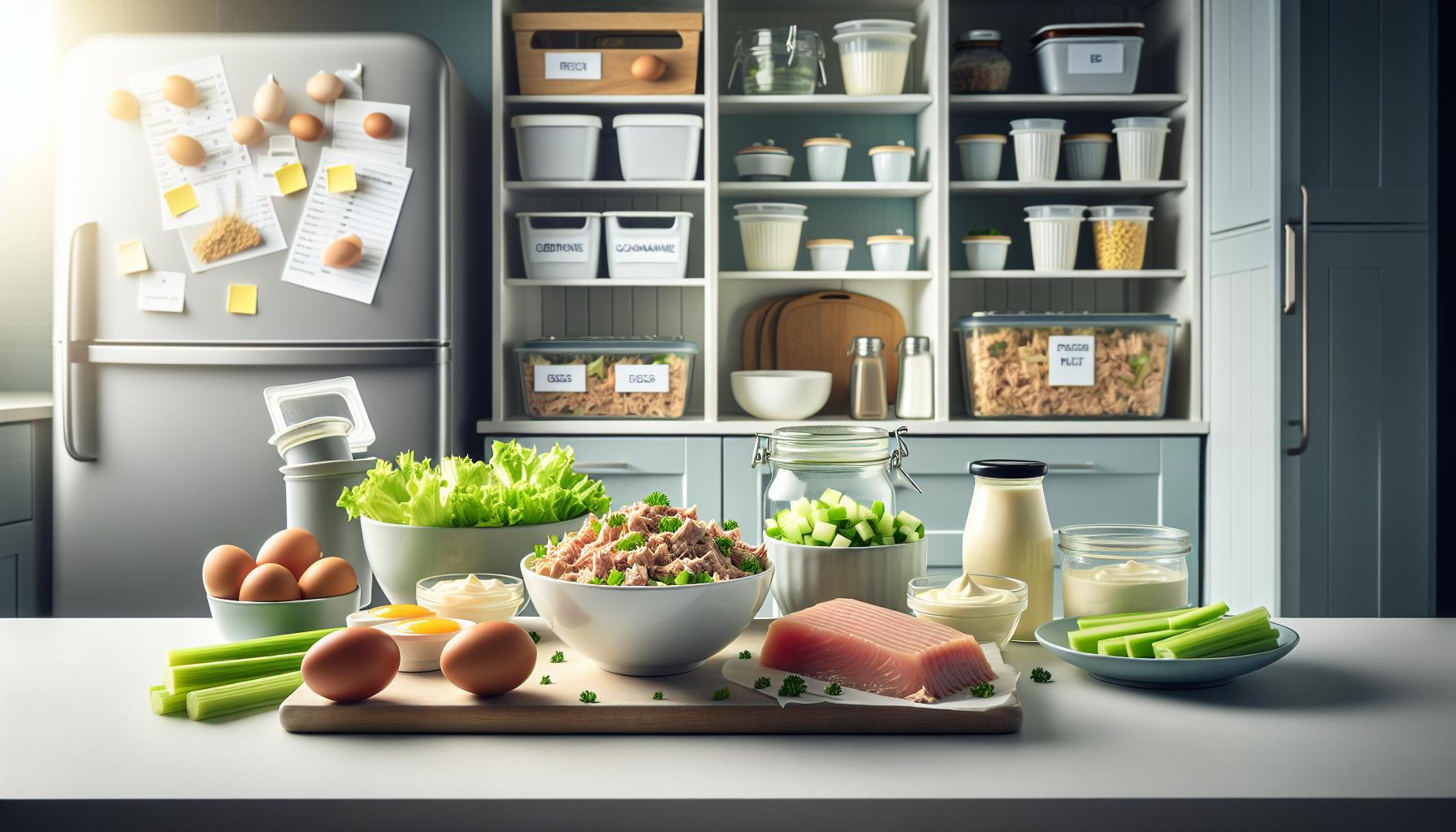
Understanding Tuna Salad Ingredients and Their Shelf Life
Tuna salad is a popular dish often enjoyed for its convenience and flavor, but understanding the ingredients that go into it is essential for maintaining freshness and safety. At its core, tuna salad typically includes canned tuna, mayonnaise, and a variety of vegetables like celery, onions, and peppers. Each of these components comes with its own safety considerations and shelf life, making it crucial to have knowledge of how they interact with each other when stored.
Canned tuna is a primary ingredient and has a long shelf life, often lasting several years if stored properly in a cool, dry place. However, once the can is opened and the tuna is mixed into a salad, its shelf life drastically shortens. Tuna salad typically remains safe to eat for about three to five days when stored in the refrigerator at 40°F (4°C) or lower. The mayonnaise, while providing moisture and flavor, can also contribute to spoilage if not kept sealed and cold, as it may harbor bacteria if left at room temperature for too long.
Vegetables added to tuna salad can also affect freshness. Ingredients like celery and onions can introduce moisture, which can lead to quicker spoilage. If left in contact with other ingredients for extended periods, these vegetables may also become soggy, altering the texture and overall quality of the dish. Hence, it’s best to add fresh vegetables just before serving if you plan to store the salad for more than a few days.
Overall, understanding the shelf life and storage needs of each ingredient helps ensure your tuna salad remains fresh and safe to eat. For optimal freshness, always monitor the salad for any signs of spoilage, including off-smells, discoloration, or a change in texture, especially if the salad has been stored for a few days. Making informed choices about the preparation, storage, and ingredient selection will enhance your tuna salad experience while prioritizing food safety.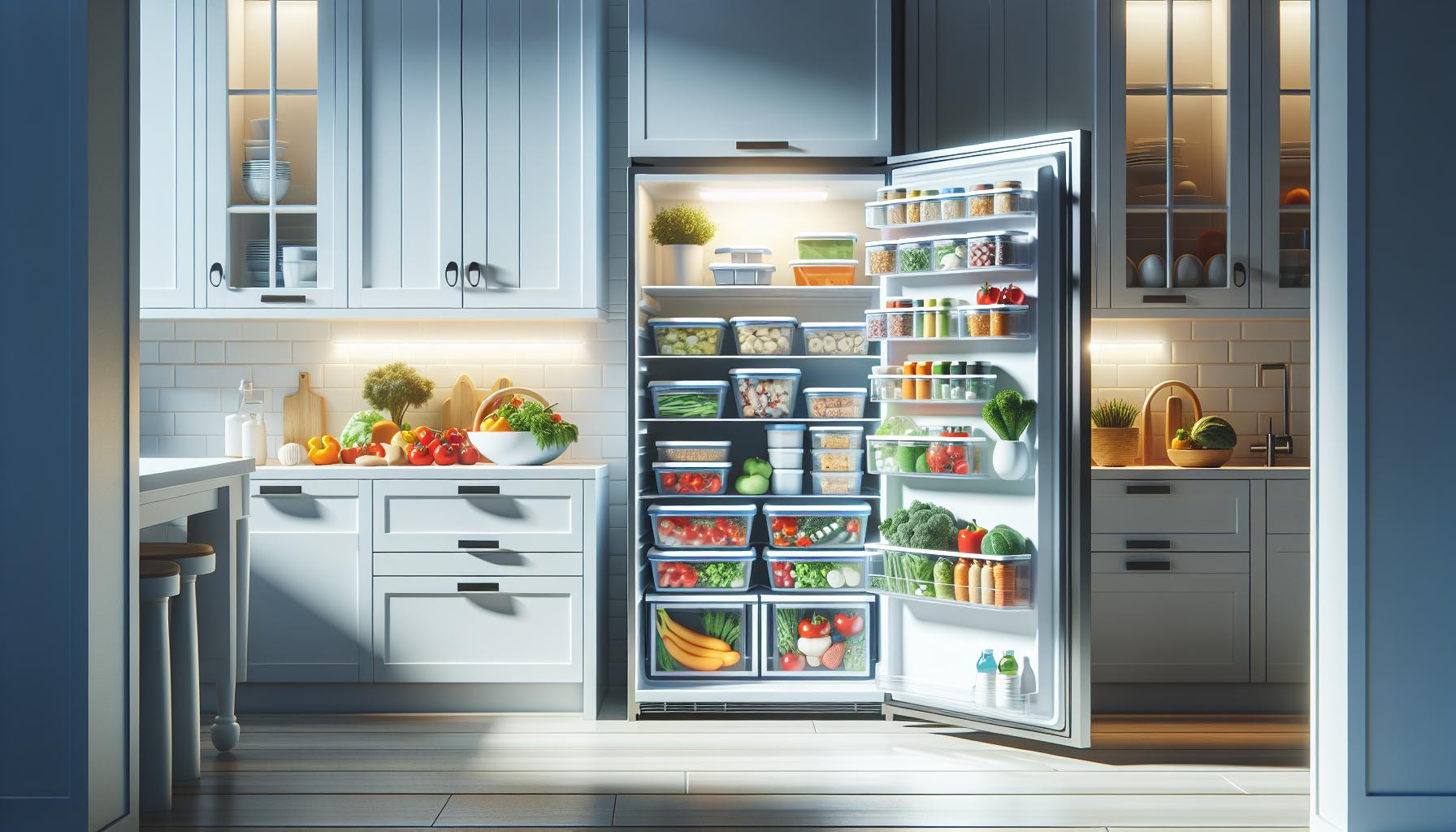
Signs Your Tuna Salad Has Spoiled
Detecting spoilage in your tuna salad is crucial for maintaining both safety and quality. While tuna salad can be a convenient and delicious meal, it can also harbor bacteria and spoil if not stored properly. Understanding the signs of spoilage can help you avoid potential health risks and ensure that every bite is fresh and enjoyable.
One of the most noticeable signs that your tuna salad has spoiled is an off or rancid smell. Fresh tuna salad should have a mild, seafood aroma; if it has developed a pungent or sour odor, it’s time to discard it. Additionally, visual changes can indicate spoilage. Look for discoloration, such as browning tuna or wilted vegetables, which are clear indicators that the salad is no longer fresh. Mold is another red flag-if you see any fuzzy growths on the surface or around the edges of the container, do not hesitate to throw it away.
Texture changes can also signify that your salad has gone bad. Tuna salad should be creamy and consistent. If you encounter a watery separation of ingredients or notice that the vegetables are excessively soggy or mushy, this suggests degradation. Finally, tasting the salad is a last resort; if it tastes off, sour, or unusual in any way, it’s best to err on the side of caution and dispose of it.
When assessing freshness, always remember that tuna salad is best consumed within three to five days of preparation. Keeping your refrigerator at a safe temperature (40°F/4°C) can help slow spoilage, but vigilance is essential. Regularly check for signs of spoilage, especially if you aren’t certain how long the salad has been stored. Making informed decisions about what you consume is key to enjoying your tuna salad safely.
Best Practices for Meal Prepping Tuna Salad
Meal prepping tuna salad can significantly enhance both the convenience and freshness of your meals throughout the week. To ensure your tuna salad stays delicious and safe to consume, it’s essential to follow specific guidelines during the preparation and storing process. One of the most important aspects of meal prepping is to use the freshest ingredients available; opt for high-quality tuna, whether canned or freshly cooked, along with fresh vegetables like celery and onions, which add crunch and flavor.
When preparing tuna salad for the week, consider portioning it out in individual serving containers. This not only makes for easy grab-and-go meals but also minimizes the exposure of the salad to air when accessing it throughout the week. Use airtight containers to keep the salad fresh, as they help prevent air from entering, which can accelerate spoilage. It’s advisable to store the tuna salad in the refrigerator and consume it within three to five days, maintaining an ideal refrigerator temperature of 40°F (4°C).
To further enhance freshness, consider separating certain components until ready to eat. For instance, keep mayonnaise or other dressings on the side and mix them in just before consumption. This practice helps maintain the texture and prevents the salad from becoming soggy, allowing you to enjoy a well-preserved meal. Additionally, label your containers with the date of preparation to keep track of how long the tuna salad has been stored.
While prepping, be mindful of hygiene: wash your hands, utensils, and any surfaces that come into contact with the ingredients to reduce the risk of bacterial contamination. Following these best practices will ensure your tuna salad remains a tasty, safe, and convenient meal option all week long.
Can You Freeze Tuna Salad? A Complete Guide
Freezing tuna salad can be a convenient way to extend its shelf life, especially if you find yourself with leftovers that you can’t consume within the typical storage timeframe. However, it’s important to know that freezing can alter the texture and flavor of certain ingredients, particularly those rich in moisture or creaminess, like mayonnaise. Understanding how to properly freeze tuna salad will help you maintain its quality and safety.
To freeze tuna salad effectively, start by identifying the components of your salad. If your tuna salad includes mayonnaise or yogurt, you may experience some separation once thawed. For the best results, consider freezing the tuna and any sturdier ingredients-like onions or celery-together without the dressing. After thoroughly mixing, portion the salad into airtight containers or freezer bags, removing as much air as possible to prevent freezer burn. Make sure to label each container with the date before freezing.
When it comes to thawing, avoid leaving the tuna salad out at room temperature. Instead, transfer it to the refrigerator overnight for a gradual thaw, which will help preserve flavor and texture. Once thawed, you may need to stir in fresh mayonnaise or a splash of lemon juice to rejuvenate the salad. If the texture isn’t quite up to your expectations, consider using the thawed tuna salad in recipes that require cooking, such as casseroles or tuna pasta dishes, where the consistency won’t be as noticeable.
Freezing Guidelines:
- Duration: Tuna salad can typically be frozen for up to 2-3 months for best taste and quality.
- Storage Tip: Use portion sizes that make sense for your meals to avoid repeated thawing and refreezing, which could compromise safety and quality.
By adhering to these steps, you can enjoy your tuna salad even after it’s been frozen, while minimizing any alteration in taste or texture.
Extended Storage Tips for Tuna Salad
When it comes to enjoying tuna salad, proper storage practices can significantly extend its freshness and safety, allowing you to savor this delightful dish over a longer period. Once prepared, tuna salad can typically be stored in the refrigerator for up to three to five days. To ensure it maintains optimal quality during this time, keep your tuna salad in an airtight container. This not only helps prevent contamination from other foods but also reduces exposure to air, which can lead to quicker spoilage.
For extended storage, think about utilizing your freezer. Tuna salad can be frozen for about two to three months. However, when freezing, be mindful of the ingredients. Mayonnaise and other creamy components may separate upon thawing, potentially affecting the texture. A great storage tip is to freeze the tuna without the dressing and add it back in after thawing. Portioning into smaller containers makes it easier to defrost only what you need, minimizing waste.
It’s important to monitor temperature as well. The fridge should be consistently at or below 40°F (4°C) to keep tuna salad safe. Using a refrigerator thermometer can help ensure your appliance is working properly. Avoid storing tuna salad in the door of the refrigerator, where temperatures fluctuate more. Instead, place it on a middle shelf for more consistent coolness.
If you notice any signs of spoilage, such as an off smell, discoloration, or an unusual texture, it’s better to err on the side of caution and discard the salad. By following these extended storage tips, you can enjoy your tuna salad safely, ensuring freshness and flavor longer than ever.
Safe Temperature Guidelines for Tuna Salad
Maintaining the optimal temperature for storing tuna salad is crucial to ensure both safety and freshness. Bacteria can proliferate rapidly between 40°F (4°C) and 140°F (60°C), which is considered the “danger zone” for food storage. To mitigate risks, it’s vital to keep your tuna salad consistently refrigerated at or below 40°F.
A reliable kitchen thermometer can help monitor the temperature inside your refrigerator. By performing regular checks, you can catch any fluctuations before they affect your food. It’s beneficial to position tuna salad on the middle shelf of your refrigerator rather than on the door. The door experiences temperature variations due to frequent opening and closing, which can lead to undesired warming of your food.
If you’re considering a longer storage timeframe, freezing your tuna salad is an option, but take care to manage temperature properly. When freezing, ensure that your tuna salad is kept at 0°F (-18°C) or lower. This not only prevents spoilage but also retains the quality of ingredients. To avoid separation of ingredients like mayonnaise upon thawing, it’s a good practice to freeze the tuna separately from its dressings and combine them after thawing. This method can help maintain the texture and flavor that make tuna salad so enjoyable.
In summary, by adhering to proper temperature guidelines and keeping track of your food storage environment, you can significantly extend the shelf life of your tuna salad while minimizing the risk of foodborne illness. Always remember, when in doubt, discard any tuna salad that shows signs of spoilage or has been stored beyond its safe timeframe.
Creative Ways to Use Leftover Tuna Salad
Leftover tuna salad doesn’t have to languish in the fridge-there are many inventive ways to transform it into delicious and satisfying meals. One popular option is to use it as a filling for stuffed vegetables. Whether it’s bell peppers, tomatoes, or avocados, hollow out these fresh veggies and fill them with the leftover tuna salad. This not only elevates the dish but also adds a vibrant presentation and a boost of nutrition.
Another creative way to utilize leftover tuna salad is by incorporating it into a pasta dish. Simply cook your favorite pasta, and once drained, mix in the tuna salad for a quick and hearty meal. For added flavor, consider tossing in some sautéed vegetables or a sprinkle of cheese. This combination makes for a delightful, filling dish that maintains the fresh seafood flavors of the original salad while stretching your leftovers into a new culinary creation.
If you’re in the mood for something different, try transforming your tuna salad into a savory dip. Just mix it with some cream cheese or Greek yogurt for creaminess and serve it with crackers, celery sticks, or carrot sticks. This method is perfect for parties or snack times, providing a tasty, protein-packed option that will have everyone coming back for more.
For a more adventurous use, consider spreading the tuna salad onto a tortilla to create a wrap. Add some greens, shredded carrots, or pickles, and roll it up for an easy lunch that’s both filling and flavorful. You can even grill it for a warm, crispy option that’s perfect for those who enjoy a hearty meal on the go.
Utilizing leftover tuna salad in these creative ways can help prevent waste while keeping your meals exciting and diverse. Remember, as long as your tuna salad has been stored properly and shows no signs of spoilage, you can safely enjoy it in a variety of delicious forms, making your meal prep not only efficient but also tasty.
The Impact of Added Ingredients on Shelf Life
The freshness of tuna salad is heavily influenced by its ingredients. Each component, from the type of tuna to the added vegetables and dressing, contributes to the overall shelf life. When preparing tuna salad, consider how long each ingredient lasts individually. For instance, canned tuna can last for years when unopened, but once it’s mixed with mayonnaise or other perishable items, the clock starts ticking for freshness.
Mayonnaise, a common binder in tuna salad, has a shelf life that can vary based on whether it’s homemade or store-bought. Homemade mayonnaise contains raw eggs and is best consumed within a week when kept in the refrigerator. On the other hand, commercially prepared mayo, if stored correctly, can last up to two months after opening. Incorporating fresh vegetables like celery, onions, or bell peppers can boost flavor but can also decrease the salad’s longevity, as moisture from these ingredients can promote spoilage. The moisture content from ingredients like tomatoes or cucumbers can introduce excess water, leading to a soggier texture and a potential for bacterial growth.
To maximize shelf life, be mindful of the ratios and combinations in your recipe. For example, if you add acidic components like vinegar or lemon juice, they can help extend the shelf life due to their preservative properties. Balancing these ingredients while avoiding excess moisture can help maintain freshness. It’s also important to store tuna salad in an airtight container at the back of the fridge, where temperatures are more stable, rather than in the door.
In summary, by carefully selecting and balancing the ingredients in tuna salad, you can optimize its freshness. Keep in mind that while the tuna itself may last long, the added ingredients will dictate how long the final product can be safely stored.
How Long Does Homemade Tuna Salad Last?
When it comes to homemade tuna salad, freshness is key to ensuring both safety and flavor. Generally, homemade tuna salad will stay fresh in the refrigerator for about 3 to 5 days. It’s crucial to store it properly to maximize its shelf life, as the quality of the ingredients used, particularly perishable items like mayonnaise and fresh vegetables, heavily influences how long it lasts.
To keep your tuna salad fresh for as long as possible, it’s important to store it in an airtight container. This helps to minimize exposure to air and moisture, both of which can lead to spoilage. Place the container towards the back of the refrigerator where temperatures are most stable, avoiding door shelves that are subject to temperature fluctuations. If you notice any off smells or changes in color or texture, it’s best to err on the side of caution and discard the salad.
Factors Affecting Freshness
The overall freshness of your tuna salad can be affected by several key factors:
- Ingredient Quality: Fresh ingredients contribute to a longer shelf life. Always use the freshest tuna and vegetables available.
- Mayonnaise Type: Homemade mayonnaise should be consumed within a week, while store-bought mayo can extend the salad’s shelf life.
- Moisture Level: Excess moisture from ingredients like tomatoes can lead to spoilage. Consider draining vegetables well before mixing them in.
Tips for Ensuring Freshness
To make the most of your homemade tuna salad, consider the following tips:
- Keep It Cold: As soon as you prepare your tuna salad, refrigerate it and avoid leaving it out at room temperature for extended periods.
- Use a Timer: If you’re meal prepping, mark your container with a date to keep track of freshness.
- Refrigerate Promptly: Store leftovers immediately and do not let them sit out; this reduces the risk of bacterial growth.
By following these guidelines, you can enjoy the delicious flavors of your homemade tuna salad while maintaining its safety and quality for up to five days.
Comparing Store-Bought vs. Homemade Tuna Salad Freshness
When weighing the freshness of store-bought versus homemade tuna salad, several factors come into play, most notably the ingredients, preparation methods, and handling practices. Understanding these differences can help you make informed choices about which option suits your needs best.
Homemade tuna salad typically has a shorter shelf life, generally lasting about 3 to 5 days in the refrigerator. This is largely due to the use of fresh ingredients such as vegetables and mayonnaise, which can quickly succumb to spoilage. Making the salad from scratch allows you to control ingredient quality, ensuring only the freshest components are used. For instance, homemade mayonnaise, while tasty, has a limited life span and should ideally be consumed within a week. On the other hand, if you use shelf-stable mayonnaise, this can slightly extend the freshness of your salad.
Store-bought tuna salad, conversely, often contains preservatives that can prolong its shelf life, sometimes up to 5 to 7 days or longer when properly refrigerated. However, it’s worth noting that the utilization of preservatives can result in differences in taste and texture compared to fresh, homemade versions. Many commercial salads contain added ingredients aimed at stabilizing them for prolonged storage, which may not sit well with every palate.
Another crucial aspect is the handling and storage condition. Homemade salads require prompt refrigeration and airtight storage to minimize bacterial growth and oxidation. In contrast, store-bought versions typically come in vacuum-sealed containers that provide a degree of protection against contamination until opened. Once opened, both homemade and store-bought salads should be consumed within a similar time frame for safety.
In conclusion, while store-bought tuna salad benefits from longer shelf stability due to preservatives, it can lack the freshness and personalized flavor profile of homemade options. Evaluating your consumption plans, ingredient preferences, and storage capabilities will help you decide which type of tuna salad best fits your lifestyle while ensuring safe eating practices.
The Importance of Proper Packing for Tuna Salad
Proper packing is essential for maintaining the freshness and safety of tuna salad, whether it’s homemade or store-bought. A key factor in preventing spoilage is minimizing the exposure of the salad to air, which can lead to oxidation and the growth of harmful bacteria. To achieve this, use airtight containers made from materials like glass or BPA-free plastic, ensuring they have secure lids that create a tight seal. This setup not only keeps your tuna salad fresh for longer but also helps preserve its flavor and texture.
When you store your tuna salad, it’s recommended to divide larger batches into smaller portions. By doing so, you reduce the number of times the entire batch is opened and exposed to room temperature. Each time the container is opened, the risk of contamination increases, so refrigerating individual servings allows you to enjoy your meal without risking the integrity of the remaining salad. Additionally, always cool the salad to room temperature before sealing and refrigerating it. This practice prevents condensation from forming inside the container, which can lead to sogginess and spoilage.
For those who meal prep, consider using vacuum sealer bags for extended storage. Vacuum-sealed bags remove air and significantly prolong the freshness of the tuna salad, allowing it to last up to two weeks in the refrigerator, depending on the ingredients used. If freezing is an option, use freezer-safe containers or bags to store portions of tuna salad for up to three months. Keep in mind, however, that freezing may alter the texture of some ingredients, especially those with a high water content. Thus, avoid adding delicate vegetables like tomatoes or avocado until after thawing to maintain optimal quality.
In summary, the way you pack tuna salad plays a crucial role in determining its shelf life and safety. Using airtight containers, portioning your meals, and utilizing vacuum sealing are effective strategies for keeping your tuna salad both fresh and delicious. By adhering to these practices, you can enjoy your favorite tuna salad without compromising on flavor or safety.
Faq
Q: How can I tell if my tuna salad is still good to eat?
A: You can tell if your tuna salad is still good by checking for any off odors, discoloration, or changes in texture. If it smells sour or has visible mold, it’s best to discard it. For detailed signs of spoilage, refer to the section on signs your tuna salad has spoiled.
Q: What ingredients can spoil tuna salad the fastest?
A: Ingredients like mayonnaise, eggs, and fresh vegetables can spoil tuna salad quickly due to their high moisture content. When preparing tuna salad, consider using hardier vegetables or add-ins that have a longer shelf life. For more on ingredients’ impact, see the section on the impact of added ingredients on shelf life.
Q: Can I store tuna salad in a glass container?
A: Yes, storing tuna salad in a glass container is excellent for maintaining freshness. Glass is non-porous and doesn’t absorb odors, making it a safe choice for refrigeration. Ensure it is tightly sealed to prevent exposure to air and contaminants.
Q: How long is tuna salad safe to eat after the expiration date?
A: Tuna salad is generally safe to eat 1-2 days past its expiration date if it has been stored properly and shows no signs of spoilage. However, always conduct a smell and sight check before consuming.
Q: Are there specific types of tuna that last longer in salads?
A: Canned tuna in oil generally lasts longer than tuna packed in water due to the oil’s preservative properties. Additionally, consider using lower moisture ingredients to extend freshness. For information on storage times, see the section on comparing store-bought vs. homemade tuna salad freshness.
Q: What’s the best way to reheat tuna salad if I want to eat it warm?
A: To reheat tuna salad, place it in a microwave-safe dish and heat in short intervals of 30 seconds, stirring in between, until warmed through. Avoid overheating to maintain texture and flavor.
Q: How should I pack tuna salad for a picnic to keep it fresh?
A: To pack tuna salad for a picnic, use an insulated cooler and separate it from other food items. Consider using ice packs to keep the tuna salad at a safe temperature. Refer to the best practices for meal prepping tuna salad for more tips.
Q: Can adding lemon juice extend the shelf life of tuna salad?
A: Yes, adding lemon juice can help extend the shelf life of tuna salad due to its acidity, which inhibits bacterial growth. It’s a great way to add flavor while enhancing safety.
To Conclude
To ensure your tuna salad stays fresh and safe to eat, remember it typically lasts up to three to five days in the fridge. To maximize its shelf life, store it in an airtight container and always check for any off smells or changes in texture before serving. Don’t forget, using fresh ingredients at the outset also contributes to longer-lasting meals-so consider exploring our guide on “Essential Tips for Storing Fresh Produce” for better bites! If you’re uncertain about meal prep safety, our article on “Food Storage Myths Debunked” might address some of your lingering concerns.
Ready to dive deeper into delicious meal ideas? Check out our recipe section for creative uses for tuna, like Salad Niçoise or Tuscan-style grilled steaks. Bookmark this page for your food safety reference and share your thoughts in the comments below. Your feedback helps others, too. Let’s keep the conversation going around meal prep and storage tips that ensure safety and freshness in every dish!