Did you know that properly stored quinoa can last much longer than its shelf life? Vacuum sealing quinoa before freezing it is an excellent way to maintain its freshness, quality, and nutritional value. However, understanding how long vacuum-sealed quinoa lasts in the freezer can save you money and prevent food waste.
In this guide, we’ll explore the ideal storage duration for vacuum-sealed quinoa, ensuring you enjoy your favorite superfood at its best. Additionally, we’ll provide essential tips for effective storage, helping you maximize the longevity of this versatile grain. By the end, you’ll have the knowledge to keep your quinoa fresh and delicious, ready for a quick and nutritious meal anytime you need it.
How Vacuum Sealing Affects Quinoa Freshness
Vacuum sealing is an excellent method for preserving the freshness of quinoa, extending its shelf life significantly compared to traditional storage methods. By removing air from the packaging, vacuum sealing helps to prevent the growth of mold and bacteria, which thrive in humid environments. Additionally, this process minimizes exposure to oxygen, which can lead to rancidity, particularly for the healthy fats found in quinoa. In fact, vacuum-sealed quinoa can last up to 2 to 3 years in the freezer without compromising its taste or nutritional value, making it a practical option for meal prep and bulk storage.
To maximize freshness, it’s essential to ensure that the quinoa is completely dry before vacuum sealing. Any moisture trapped inside the seal can lead to spoilage and affect the quality of the grains. It’s advisable to store cooked quinoa separately and avoid vacuum sealing it if possible, as cooked grains contain more moisture and are prone to freezer burn. When vacuum sealing uncooked quinoa, use a reliable vacuum sealer and ensure that the seal is tight and secure. This method not only maintains the quinoa’s texture and flavor but also makes it convenient to portion store for future use.
Regularly inspect the vacuum-sealed quinoa for any signs of spoilage prior to use. While vacuum sealing does a fantastic job at preserving freshness, it’s still essential to be mindful of storage conditions-freezing at consistent, low temperatures is crucial. Always label your packages with the date they were sealed to keep track of their storage duration and to ensure you’re consuming them within the optimal time frame.
Optimal Freezer Storage Duration for Quinoa
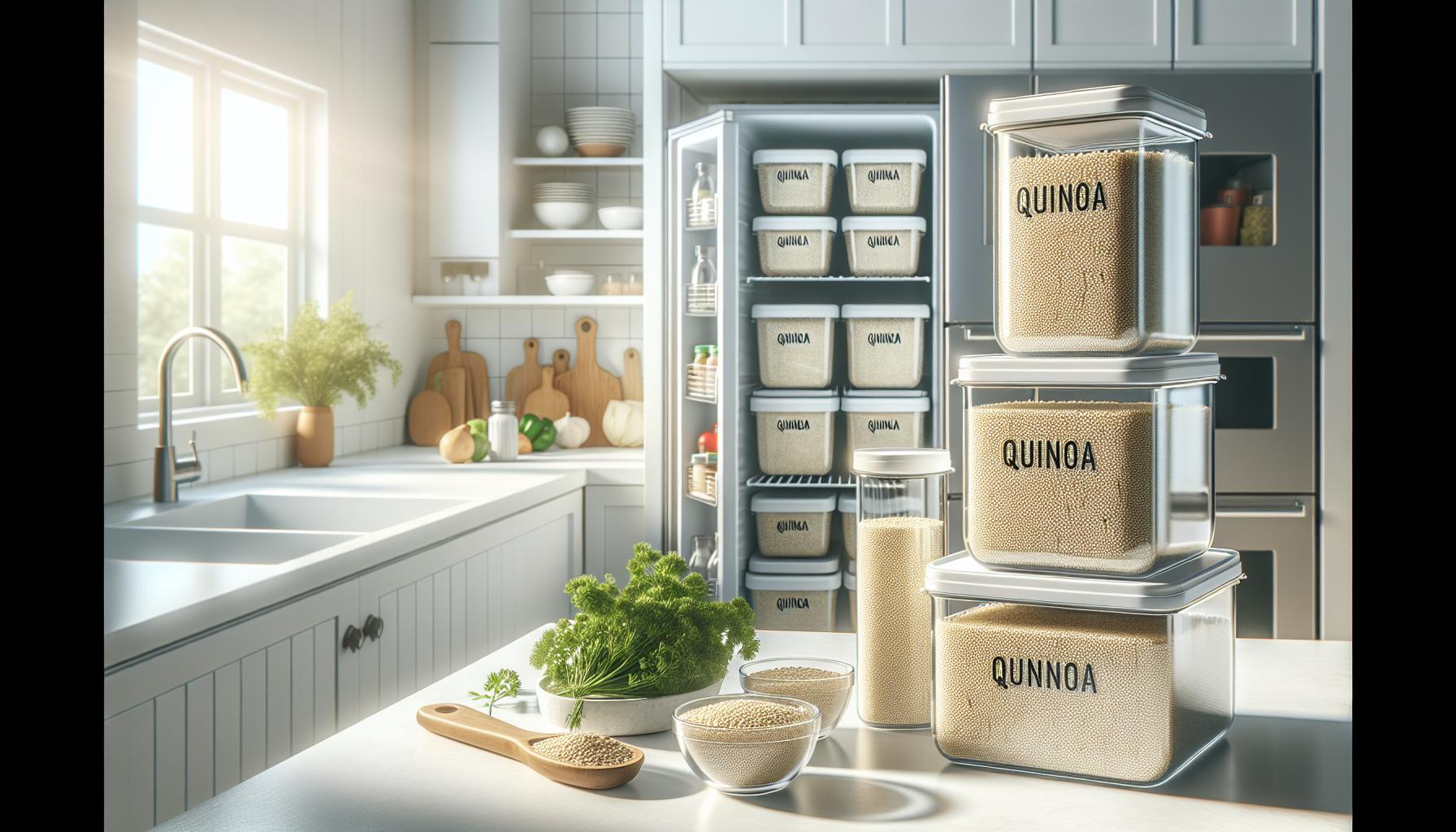
Storing quinoa in the freezer can dramatically extend its freshness, making vacuum sealing an indispensable technique for any health-conscious cook or busy meal prepper. When properly vacuum sealed and frozen, uncooked quinoa can remain at its optimal quality for two to three years. This longevity ensures the grains retain their flavor, texture, and nutritional profile, allowing you to have wholesome ingredients on hand for a variety of dishes.
To achieve the best results with frozen quinoa, consider the following key points:
- Storage Duration: For optimal freshness, aim to consume vacuum-sealed quinoa within two to three years. While it may still be safe to eat beyond this time frame, the quality may decline, with potential changes in flavor and texture.
- Labeling: Always label the vacuum-sealed bags with the date of sealing. This practice allows you to keep track of their age and helps you use older packages first, minimizing the risk of losing quality over time.
- Freezing Environment: Ensure your freezer maintains a consistent and low temperature, ideally below 0°F (-18°C). Fluctuations in temperature can lead to frost buildup, affecting the quinoa’s quality.
By adhering to these guidelines, you can maximize the shelf life of your vacuum-sealed quinoa and enjoy its benefits for a longer period. Whether you’re making salads, grain bowls, or savory side dishes, knowing how long your grains will last can steer you toward efficient meal planning and reduce food waste.
Signs of Spoilage: When to Toss Quinoa
Identifying spoilage in quinoa is crucial for ensuring safety and maintaining the quality of your meals. When quinoa deteriorates, it can exhibit various signs that signal it’s time to toss it out. One of the primary indicators of spoilage is an off or rancid smell. Fresh quinoa has a mild, nutty aroma, but if you detect a sour, musty, or otherwise unpleasant odor, it’s best to discard the grain.
Another telltale sign is the appearance of discoloration or visible mold. While vacuum sealing and proper freezing can prolong quinoa’s shelf life, any changes in color-such as dark spots or an unexpected dullness-suggest that your quinoa has gone bad. Additionally, if you notice any moisture inside the packaging upon thawing, this can lead to mold growth and further spoilage.
Texture is also an important factor; quinoa that has become excessively hard, shriveled, or has an unusual gritty feel should raise a red flag regarding its edibility. Frozen quinoa may have a slightly different texture when defrosted, but if it feels mushy or has developed unusual clumps, it’s likely past its prime.
Ultimately, food safety is paramount. If you have any doubts about the quality of your quinoa after thawing, it is prudent to err on the side of caution and dispose of it. Maintaining strict attention to these spoilage signs ensures that you can enjoy quinoa safely and retain its nutritional benefits as part of your meals. Always prioritize your health by following the guidelines for proper storage and observation of quality indicators.
Safe Thawing Methods for Vacuum-Sealed Quinoa
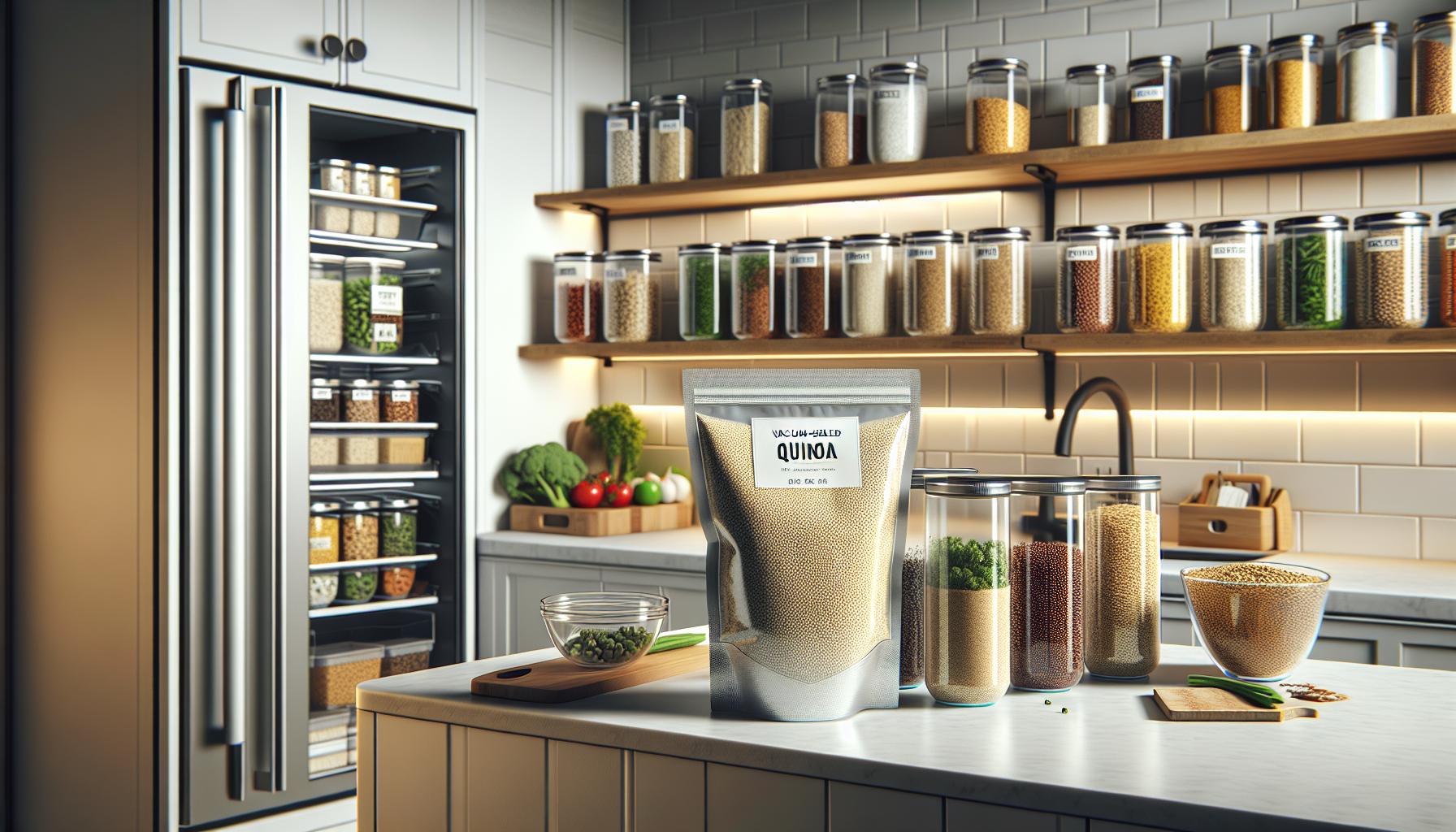
Thawing vacuum-sealed quinoa properly is essential to ensuring its flavor, texture, and nutritional value are preserved. While convenience is a key benefit of vacuum-sealing, the method of thawing can significantly affect the quality of the quinoa upon preparation. For optimal results, avoid thawing quinoa at room temperature, which can promote bacteria growth. Instead, consider the following safe thawing methods:
Refrigerator Thawing
The most recommended method is to place the vacuum-sealed pouch of quinoa in the refrigerator. This gradual thawing process can take several hours or overnight, but it effectively maintains the integrity of the quinoa. Keep the quinoa sealed until ready to use; this minimizes exposure to air and moisture during the thawing process, reducing the risk of spoilage.
Cold Water Thawing
If you’re pressed for time, a cold water bath is a safe and quick alternative. Submerge the vacuum-sealed packet in a bowl or sink filled with cold water. Ensure that the quinoa stays submerged without taking on any water. Change the water every 30 minutes or so to maintain a cool temperature. This method usually takes about one to two hours.
Microwave Thawing
For those in a real hurry, microwave thawing can be utilized but with caution. Ensure that the quinoa is removed from the vacuum bag, as plastic may not be microwave-safe. Place the quinoa in a microwave-safe container, cover it with a damp paper towel to retain moisture, and use the defrost setting in short intervals, checking frequently until thawed. This method can lead to uneven heating, so it’s essential to rotate or stir the quinoa to achieve uniform thawing.
After Thawing
Regardless of the thawing method used, inspect the quinoa for any signs of spoilage, such as off smells or unusual textures, before cooking. It’s advisable to consume thawed quinoa within 3 to 5 days if kept refrigerated, ensuring it remains safe to eat while retaining its delightful taste and texture.
By adhering to these thawing practices, vacuum-sealed quinoa can retain its high nutritional value and delightful taste, making meal prep healthier and more efficient.
Tips for Maximizing Quinoa Longevity
To ensure that your vacuum-sealed quinoa stays fresh and maintains its best taste and nutritional profile, there are several practical tips you can implement. Proper storage not only extends its shelf life but also protects it from moisture, air, and light, which can deteriorate its quality.
One of the most important factors in maximizing quinoa longevity is maintaining a consistent temperature in your freezer. Ideally, keep your freezer at 0°F (-18°C) or lower. This not only halts the growth of bacteria but also helps preserve the grain’s texture and flavor. Properly vacuum-sealed quinoa can last up to 2 to 3 years in the freezer, but optimal quality is best enjoyed within the first year. To keep track of storage times, consider labeling your packages with the date of sealing to avoid any confusion.
Use of Desiccants
Including food-safe desiccants within your vacuum-sealed bags can help absorb moisture and further extend the quinoa’s shelf life. These small packets can be easily found online or in specialty kitchen stores. Just make sure the desiccant does not come into direct contact with the quinoa to prevent any contamination.
Portion Control
Another strategy is to divide your quinoa into smaller portions before vacuum sealing. This allows you to thaw only what you need at a time, reducing the number of freeze-thaw cycles that can degrade the quality of the grain. Consider using one-cup or half-cup portions, which are often more manageable for meal preps and cooking.
Storage Condition Monitoring
Lastly, periodically check the condition of your quinoa in storage. Ensure that the vacuum seal remains intact and that there are no signs of freezer burn or off odors upon opening. If you notice any unusual smells or changes in texture, it’s best to err on the side of caution and discard the quinoa.
By following these tips, you can enjoy vacuum-sealed quinoa that’s both safe to eat and packed with flavor and nutrients whenever you need it.
How to Properly Vacuum Seal Quinoa
To ensure that your quinoa remains fresh and flavorful for an extended period, mastering the art of vacuum sealing is essential. Vacuum sealing not only removes air, which can lead to spoilage, but it also protects quinoa from moisture, light, and contamination, making it an ideal storage method. A crucial first step is selecting the right vacuum sealer; both handheld and countertop models are effective, but countertop options often provide a more airtight seal, especially for larger quantities.
Start by thoroughly rinsing your quinoa under cold water to remove any saponins that might impart a bitter taste. After rinsing, cook your quinoa as desired, and let it cool completely to avoid condensation inside the bags. Once cooled, place the quinoa into vacuum seal bags, ensuring you leave sufficient space at the top for a proper seal. For added protection against moisture, consider using food-safe desiccant packets available at most kitchen supply stores, but ensure they do not come into direct contact with the grain.
When sealing, follow the manufacturer’s instructions for your vacuum sealer. Typically, you will insert the open end of the bag into the machine, and it will automatically pull air out and seal the bag. Make sure to inspect the seal to confirm it is airtight; any air remaining in the bag can significantly reduce the quinoa’s shelf life. Properly vacuum-sealed quinoa can last up to 2 to 3 years in the freezer, although the best quality is generally achieved when consumed within the first year.
After sealing, it’s wise to label each bag with the date of sealing and contents. This practice will help you keep track of how long it’s been stored. Store the vacuum-sealed quinoa flat in the freezer to maximize space and to make it easier to stack. By employing these vacuum sealing techniques, you ensure that your quinoa stays fresh and delicious, ready for you whenever you need it.
Best Practices for Freezing Cooked Quinoa
To maintain the delightful texture and flavor of cooked quinoa during freezing, proper preparation and storage techniques are essential. Freezing cooked quinoa not only extends its shelf life but also allows you to enjoy this nutritious grain without the need for daily cooking. With some simple steps, you can ensure that your cooked quinoa remains palatable and fresh for future meals.
The first step in freezing cooked quinoa is to allow it to cool completely before packaging. This helps prevent the formation of ice crystals, which can negatively affect the texture once thawed. Spread the cooked quinoa in an even layer on a baking sheet and let it cool at room temperature for about 30 minutes. Once cooled, transfer it to a vacuum-seal bag or an airtight container. When using vacuum seal bags, portion the quinoa into desired serving sizes, making it easier to thaw only what you need later. Fill the bags without overpacking to allow for even freezing.
It’s crucial to remove as much air as possible to prevent freezer burn, which can compromise both taste and quality. If you’re using a vacuum sealer, follow the manufacturer’s instructions for optimal sealing. In cases where a vacuum sealer isn’t available, use heavy-duty freezer bags and try to squeeze out as much air as possible before sealing. Label each package with the date of freezing; cooked quinoa can be stored in the freezer for up to 3 months for best quality.
When it’s time to enjoy your frozen quinoa, thaw it safely in the refrigerator overnight or use the microwave for quicker results. To reheat, simply add a splash of water or broth and steam or microwave until heated through. This will help restore the quinoa’s original texture and flavor. With these best practices, your cooked quinoa can remain a versatile, ready-to-use ingredient in your meals for an extended time, reducing waste and saving valuable time in the kitchen.
Comparing Freezing vs. Refrigerating Quinoa
Freezing and refrigerating quinoa are two common methods of food preservation, each with its unique benefits and limitations. When it comes to maintaining the freshness, texture, and nutritional value of quinoa, understanding the differences between these methods is essential for making informed choices. Freezing cooked quinoa not only significantly extends its shelf life but also allows it to retain much of its original flavor and texture, making it a convenient option for meal prep.
Vacuum sealing quinoa before freezing is an excellent way to maintain quality. When vacuum-sealed and stored correctly, cooked quinoa can last in the freezer for up to three months without suffering from freezer burn or nutrient loss. In contrast, refrigerating quinoa-whether cooked or uncooked-limits its freshness to just about 5 to 7 days. While refrigeration is a good short-term solution, it’s not ideal for long-term storage, especially if you want to keep your quinoa viable for extended periods.
Benefits of Freezing
- Extended Shelf Life: As mentioned, frozen quinoa can last up to three months, compared to merely a week in the fridge.
- Quality Retention: Properly frozen quinoa maintains its texture, flavor, and nutritional properties better than refrigerated quinoa.
- Convenience: Batch cooking and freezing quinoa can save you time during the week, allowing you to enjoy your meals without extra cooking.
When to Refrigerate
There are instances where refrigerating quinoa is more practical. If you’ve prepared a small batch of quinoa and plan to consume it within a week, storing it in the refrigerator might be the best option. Just remember to store it in an airtight container to minimize moisture and protect it from absorbing odors from other foods in your fridge.
In summary, while refrigerating quinoa is suitable for short-term storage, freezing is superior for long-term freshness and versatility. By vacuum sealing cooked quinoa before freezing, you not only extend its shelf life but also preserve its delightful qualities, ensuring that your meals remain nutritious and delicious even weeks later. Opt for freezing when you want to maximize the longevity of this nutritious grain, and embrace refrigerating for quick, short-term access to a tasty side dish.
Storing Quinoa: Tips for Different Types
Quinoa is a versatile grain that has gained popularity for its nutritional benefits and culinary flexibility. However, the way you store quinoa significantly impacts its freshness, taste, and quality. The storage method varies depending on whether you have uncooked or cooked quinoa, as well as the quantity you plan to use.
For uncooked quinoa, it’s best to keep it in a cool, dry place, ideally in an airtight container to prevent moisture and pests. A pantry or a dark cupboard works well, and it can last for up to 2-3 years when stored properly. If you want to extend its shelf life even more, consider vacuum-sealing it before placing it in the freezer. This method can further inhibit any potential spoilage, allowing uncooked quinoa to maintain its quality for potentially several years.
When it comes to cooked quinoa, storage becomes more nuanced. Once you’ve prepared quinoa, allow it to cool completely before storing it in an airtight container in the refrigerator. Cooked quinoa can typically last for about 5 to 7 days in the fridge. For longer preservation, vacuum sealing and freezing is the ideal solution. When vacuum-sealed and frozen, cooked quinoa can remain fresh for up to three months, making meal prep efficient and safe. Always label your vacuum-sealed bags with the date so you can keep track of how long they’ve been stored.
No matter the type of quinoa you’re storing, it’s essential to keep an eye out for signs of spoilage. For uncooked quinoa, look for any off smells, discoloration, or the presence of insects. Cooked quinoa should be discarded if you notice any mold or an unusual odor. By following these storage tips, you can enjoy the deliciousness and nutrition of quinoa while maximizing its longevity and minimizing waste.
Understanding Quinoa Shelf Life After Freezing
Freezing quinoa extends its shelf life significantly, making it a practical choice for those looking to prepare meals in advance. When vacuum-sealed and stored properly in the freezer, uncooked quinoa can remain safe and high in quality for up to five years. Cooked quinoa, on the other hand, will retain its best quality for about three months. After this point, while it may still be safe to eat, the texture and flavor can deteriorate, potentially affecting your dishes.
Once frozen, quinoa remains stable but may undergo some changes in texture. When you thaw vacuum-sealed quinoa, whether uncooked or cooked, it’s essential to note that while the freezing process preserves the nutritional value, the texture of cooked quinoa might be slightly softer. To maximize quality, ensure that it is vacuum-sealed appropriately before freezing; this prevents freezer burn and helps maintain flavor.
To help you understand better, here’s a quick summary of the shelf life of quinoa post-freezing:
| Type of Quinoa | Storage Duration in Freezer |
|---|---|
| Uncooked Quinoa | Up to 5 years |
| Cooked Quinoa | Up to 3 months |
Overall, freezing quinoa is not only a space-saving method but also an efficient way to ensure that you have nutritious options readily available. Just remember to label your containers or bags with the freezing date to keep track of storage times and enjoy your well-preserved quinoa in various delicious meals!
Meal Prep Ideas: Using Frozen Quinoa
When it comes to meal prep, incorporating frozen quinoa can be a game-changer for those seeking quick, nutritious meal options. Not only does frozen quinoa retain its essential nutrients, but it also offers versatility that can simplify your meal preparation process. By having vacuum-sealed quinoa on hand, you empower yourself to whip up a variety of healthy dishes without the need for extensive planning or time in the kitchen.
Consider tossing thawed quinoa into salads, where its nutty flavor and fluffy texture enhance freshness. Pair it with roasted vegetables, nuts, and a light vinaigrette for a wholesome lunch or side dish. Alternatively, you can mix thawed quinoa into stews or soups, adding body and a hearty element without compromising nutrition. The protein-rich grain can also serve as a base for grain bowls-layer it with protein sources like grilled chicken, chickpeas, or tofu, and top with colorful vegetables and a delicious dressing.
For breakfast, don’t overlook quinoa’s potential as a warm, nutritious option. After thawing, reheat it with a splash of almond milk, and add spices like cinnamon and nutmeg to create a comforting quinoa porridge. Incorporating fruits and a drizzle of honey can transform it into a delightful morning meal that provides sustained energy throughout the day.
To ensure the best results from your frozen quinoa, effective thawing methods are key. The simplest approach is to allow it to thaw overnight in the refrigerator or, if you’re in a hurry, briefly microwave it at a low setting. Whichever method you choose, you’ll find that the convenience of frozen quinoa not only saves time but also enhances your meals with its flexibility and robust nutrition. Embracing these meal prep ideas will make healthy eating an effortless part of your daily routine.
The Science of Freezing Grains and Nutrition
The process of freezing grains like quinoa not only preserves their flavor and texture but also maintains their nutritional integrity. The scientific principles behind freezing involve halting enzymatic processes that can lead to spoilage, thus locking in essential nutrients. When quinoa is vacuum-sealed and placed in the freezer, its moisture is contained within the sealed environment, which further minimizes the risk of freezer burn and nutrient loss. This preservation method is crucial for retaining proteins, vitamins, and minerals that make quinoa a powerhouse food.
When quinoa is frozen correctly, it has a shelf life of approximately 8 to 12 months. This time frame allows you to stock up and utilize quinoa at your convenience without fear of losing its nutritional benefits or taste. During the freezing process, temperatures drop rapidly, resulting in the formation of small ice crystals that do less damage to the cellular structure of the grain, preserving its texture and flavor upon thawing. It’s essential, however, to ensure that quinoa is fully cooked or at least properly rinsed before freezing to maintain its desirable qualities when used in meals.
Before freezing quinoa, consider portioning it into meal-sized servings. This way, you’re not only simplifying meal prep but also reducing the frequency of thawing and refreezing, which can compromise quality. Quinoa’s unique ability to absorb flavors makes it versatile, and when frozen, it can easily integrate into various dishes, from salads to soups. Utilizing vacuum sealing as a storage method ensures minimal air exposure, preventing oxidation and spoilage, thereby maximizing the longevity and nutrient retention of your grain.
Lastly, when you’re ready to use your vacuum-sealed quinoa, always choose safe defrosting methods. Gradually thawing quinoa in the refrigerator overnight or using a microwave on a low setting retains the most nutrients and helps maintain the texture. Understanding these aspects of grain storage allows you to effectively manage your pantry and incorporate nutritious quinoa into a well-rounded diet, ensuring that every meal is not only delicious but also rich in health benefits.
Q&A
Q: How long can vacuum sealed quinoa be stored in the freezer?
A: Vacuum sealed quinoa can typically be stored in the freezer for up to 2-3 years without a significant loss in quality. Ensure it’s properly sealed to maintain freshness and prevent freezer burn.
Q: What is the best way to thaw vacuum sealed quinoa?
A: The best way to thaw vacuum sealed quinoa is to transfer it to the refrigerator for several hours or overnight. For quicker results, submerge the sealed package in cold water for about 30 minutes.
Q: Can you freeze cooked quinoa?
A: Yes, you can freeze cooked quinoa. Allow it to cool first, then portion it into vacuum seal bags or airtight containers. Frozen cooked quinoa can last up to 6 months while maintaining its quality.
Q: Does vacuum sealing affect the nutrition of quinoa?
A: Vacuum sealing helps preserve the nutritional content of quinoa by minimizing exposure to air and moisture, which can degrade vitamins and minerals. Nutrients are best retained when stored properly in the freezer.
Q: What are the signs that vacuum sealed quinoa has spoiled?
A: Signs of spoilage include an off smell, discoloration, or visible mold. If the sealed package has air or moisture inside, it should also be discarded. Always check for any unusual odors before cooking.
Q: How can I maximize the shelf life of vacuum sealed quinoa?
A: Maximize the shelf life of vacuum sealed quinoa by ensuring it’s completely dry before sealing and keeping it in the back of the freezer where temperatures are most consistent. Avoid frequent thawing and refreezing.
Q: Is it safe to eat quinoa that has been frozen?
A: Yes, it is safe to eat quinoa that has been frozen, as long as it has been properly vacuum sealed and stored. Just ensure to check for signs of spoilage before consumption.
Q: Can I vacuum seal quinoa with other ingredients?
A: While you can vacuum seal quinoa with other dry ingredients, be cautious with moist items as they can lead to spoilage. It’s best to vacuum seal quinoa separately or ensure all components are dry before sealing.
Final Thoughts
Now that you know how long vacuum-sealed quinoa lasts in the freezer, you can confidently plan your meals without the worry of spoilage. Remember, properly stored quinoa can last up to one year, ensuring you always have a nutritious option on hand. If you found these storage tips helpful, explore our guides on other grains and meal prep strategies to enhance your cooking experience!
Don’t hesitate to check out our articles on vacuum sealing techniques and the benefits of freezing other foods. Your journey to maximizing food freshness doesn’t have to end here. We invite you to share your own tips or ask any questions in the comments below, and consider signing up for our newsletter for more expert advice! Your next culinary adventure awaits-let’s dive in!