Chicken soup is a comforting staple in many households, but how long can you keep it safely stored in the fridge? Knowing proper storage guidelines is essential not only for maintaining the soup’s delicious taste but also for ensuring your family’s health. With the right practices, you can relish your homemade or store-bought chicken soup without the worry of foodborne illness.
Imagine reaching for that delicious bowl of soup later in the week, only to find you’re not sure if it’s still safe to eat. Understanding the life expectancy of chicken soup in the fridge helps avoid waste while keeping your meals safe and enjoyable. In this guide, we’ll explore how to store chicken soup properly, the ideal timeframe for freshness, and tips for recognizing signs of spoilage. Let’s dive in and ensure your favorite comfort food stays nourishing and safe!
How Long Does Chicken Soup Last in the Fridge?
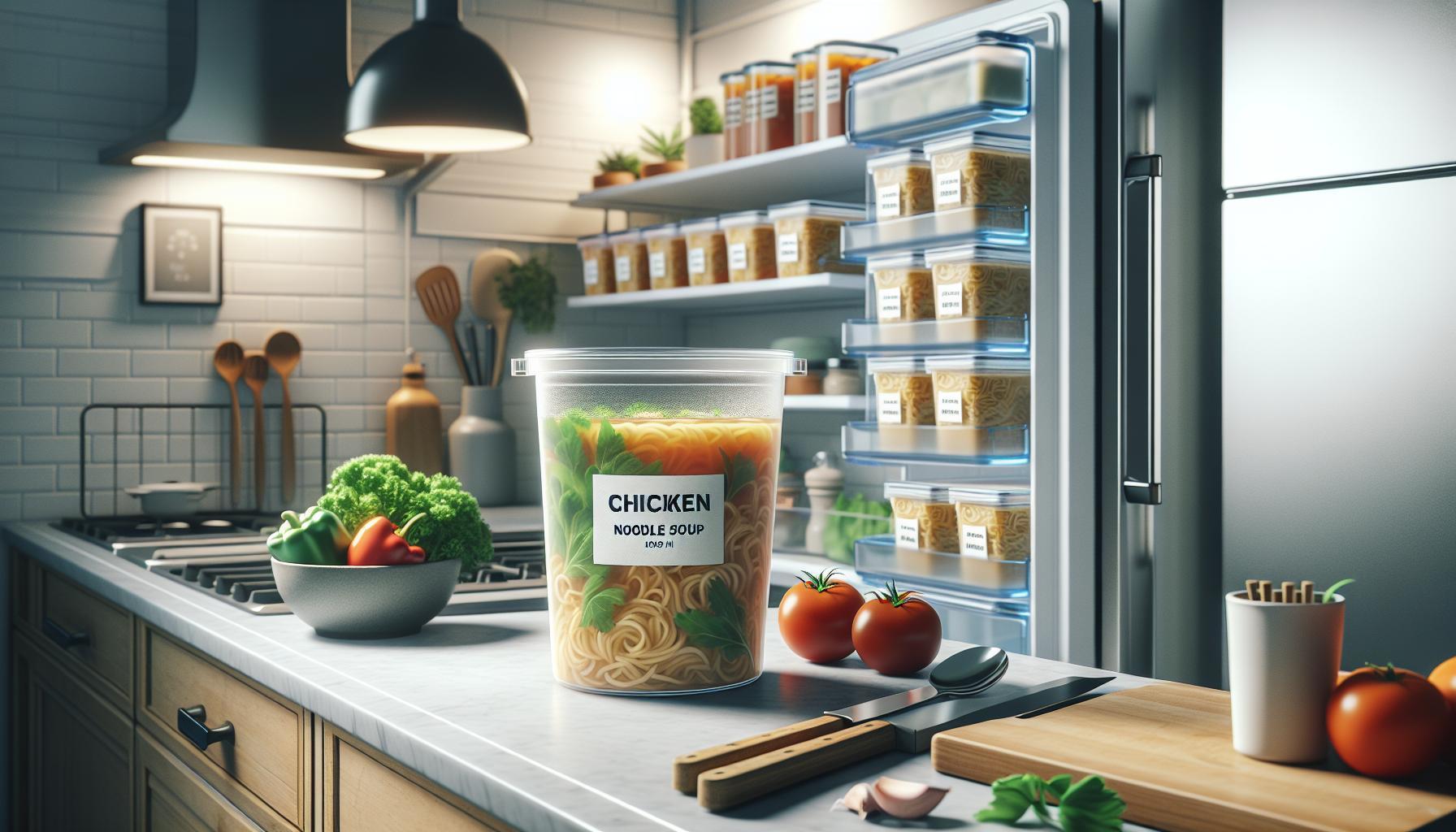
Properly storing chicken soup is crucial not only for maintaining its flavor but also for ensuring your food safety. When stored correctly in the refrigerator, chicken soup can last about 3 to 4 days. It’s essential to place the soup in a covered container immediately after it cools down to room temperature, as this helps to minimize bacterial growth. If your soup contains lots of vegetables, it’s wise to consume it within this timeframe, as some ingredients can spoil more quickly than others.
For optimal temperature control, your refrigerator should be set below 40°F (4°C). If you’re unsure if the soup has been stored at a safe temperature, consider using a thermometer to check. It’s also advisable to label the container with the date it was made to keep track of freshness. Remember, while the soup may be safe to eat within the 3 to 4 days timeframe, the taste and texture may decline over time.
If you find yourself with leftover soup that you won’t consume within this period, freezing it is an excellent option. Chicken soup can be frozen for up to 2 to 3 months without significant loss of quality. Just make sure to use airtight containers or heavy-duty freezer bags, leaving some space for expansion as the liquid freezes. By following these guidelines, you can enjoy your delicious chicken soup while prioritizing your health and safety.
Understanding Chicken Soup Storage Guidelines
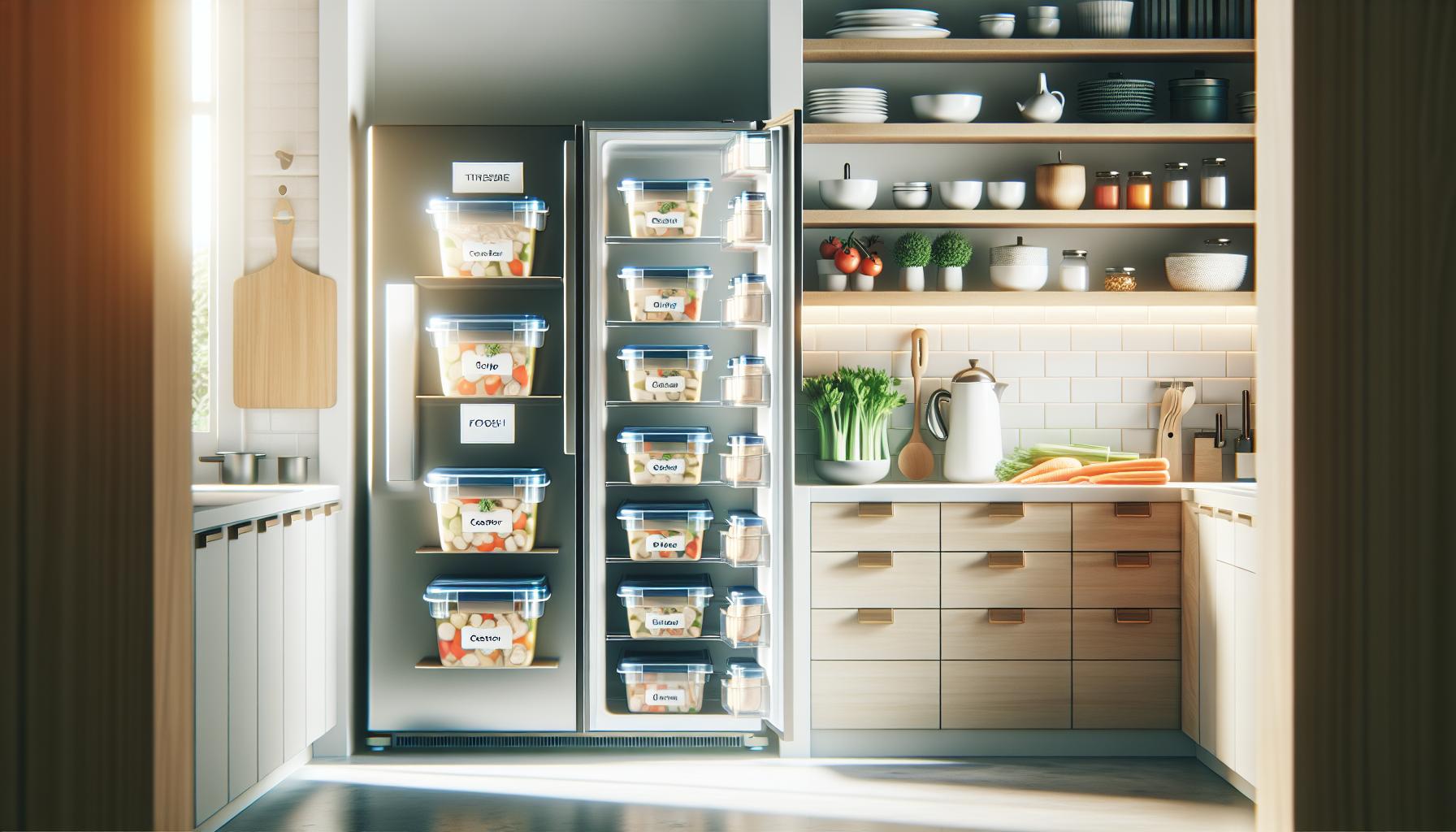
To maintain the rich flavors and safety of chicken soup, understanding proper storage guidelines is vital. After enjoying a warm bowl, it’s important to allow your soup to cool to room temperature before refrigerating. This practice not only enhances safety by preventing the growth of harmful bacteria, but it also preserves the taste and texture of the soup for a longer period. Ideally, you should transfer the soup into a covered container immediately after cooling, ensuring a tight seal to keep out contaminants.
Keep your refrigerator at a temperature below 40°F (4°C). This is crucial for food safety, as temperatures above this can promote bacterial growth. If you’re unsure about the temperature, a refrigerator thermometer is a sound investment. Label each container with the date it was made to help keep track of how long it has been stored. While chicken soup can generally be kept for 3 to 4 days in the fridge, it’s essential to consider the ingredients: soups with leafy greens or other quick-to-spoil vegetables may need to be consumed sooner.
If you have more soup than you can eat within a week, freezing it is an excellent option. Chicken soup can retain its quality in the freezer for 2 to 3 months. When freezing, use airtight containers or heavy-duty freezer bags, and leave some space at the top to allow for expansion as the liquid freezes. This way, you can enjoy your delicious soup long after it was first made, without sacrificing safety or taste. Always check for signs of spoilage before consuming, and remember, it’s better to err on the side of caution when it comes to food safety.
The Science Behind Food Safety and Spoilage
The safety of chicken soup hinges on understanding food spoilage and the factors that influence it. When chicken soup is made, it contains both moisture and nutrients that can be a playground for bacteria if not stored properly. Bacteria thrive in conditions where the temperature is between 40°F (4°C) and 140°F (60°C)-often referred to as the “danger zone.” This temperature range can quickly lead to foodborne illnesses if soup is left unrefrigerated for extended periods. Therefore, rapidly cooling soup after cooking and refrigerating it promptly are crucial steps in minimizing risks.
There are several types of spoilage that can affect chicken soup. The most common type is bacterial spoilage, which can create off-flavors, odors, and changes in texture. Cultures of bacteria such as Salmonella and E. coli are dangerous and can multiply rapidly if soup is not stored at safe temperatures. Additionally, spoilage can also be caused by molds and yeasts, which may develop if soup is left exposed to air. To counter these risks, important safety practices include using airtight containers for storage and ensuring that the soup is cooled to room temperature before being placed in the refrigerator.
For optimal safety, always check the “use by” dates of any ingredients used in the soup, as spoiled components can hasten the overall spoilage rate. Homemade soups should ideally be consumed within 3 to 4 days, while the range can change depending on specific ingredients involved-like meats or vegetables known to spoil more quickly. When in doubt about the integrity of your soup, it’s best to follow a “when in doubt, throw it out” philosophy to avoid any health risks.
Finally, recognizing signs of spoilage is critical to food safety. Common indicators include an off smell, visible mold, or changes in color. By being vigilant and practicing good food storage habits, you can ensure that your chicken soup remains not only delicious but safe to consume.
Key Signs Your Chicken Soup Has Gone Bad
In the world of culinary delights, few comfort foods rival the warmth and satisfaction of chicken soup. However, knowing when your beloved batch is no longer safe to eat is crucial for your health. Signs of spoilage can be subtle yet significant, and being vigilant will help you avoid potential foodborne illnesses.
One of the most telltale indicators that your chicken soup has gone bad is an off smell. Fresh chicken soup has a rich, savory aroma; if it starts to emit sour, rancid, or unusual odors, it’s best to err on the side of caution. Additionally, take a moment to observe the appearance of the soup. If you spot any visible mold or significant change in color, these are clear signs that spoilage has occurred. The presence of a film or weird texture on the surface may also suggest that bacteria have taken over.
Another important aspect to consider is the consistency of the soup. If your previously smooth broth has developed a grainy or curdled texture, it might be a sign that it’s no longer safe for consumption. Furthermore, when in doubt, use the taste test as an additional measure-if the flavor is off or distinctly different from when you first made it, don’t risk it. Always remember, following the “when in doubt, throw it out” principle can save you from health risks.
Lastly, keep in mind that homemade chicken soup should ideally be consumed within 3 to 4 days when stored properly in the fridge. If you’ve exceeded this timeframe or suspect that any signs of spoilage are present, it’s wise to discard the soup to ensure your safety. Being informed and attentive to these signs will help you enjoy your chicken soup safely for many cozy meals to come.
Best Practices for Storing Chicken Soup
To ensure your chicken soup remains flavorful and safe to eat, storing it correctly from the moment it’s cooked is essential. The first step is to cool the soup down to room temperature before placing it in the refrigerator, as putting hot soup directly inside can raise the fridge’s temperature, creating an unsafe environment for all stored foods. You can speed up the cooling process by transferring the soup into shallow containers, allowing it to cool evenly and quickly.
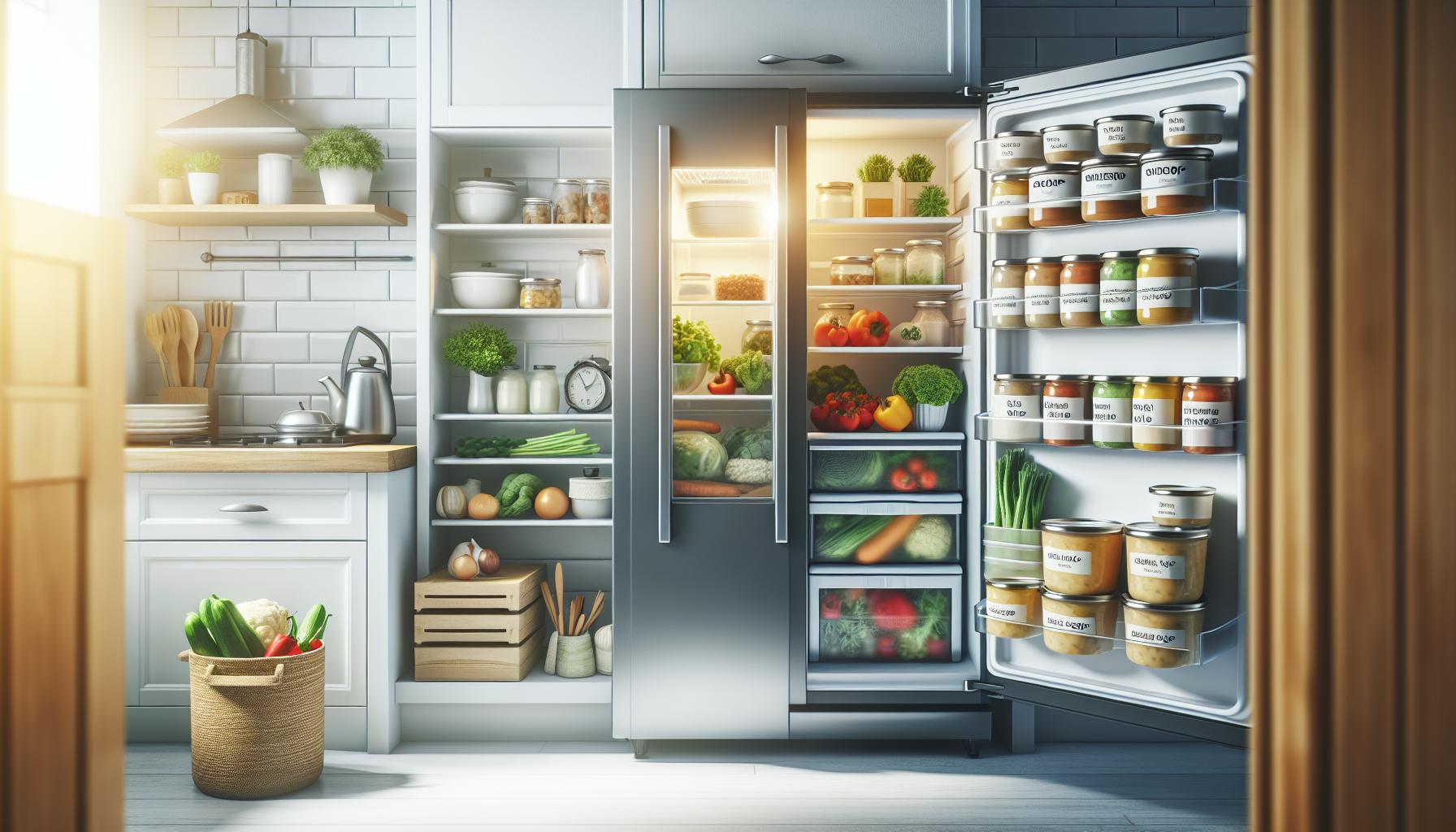
Using airtight containers is crucial for maintaining the quality of your soup. Choose glass or BPA-free plastic containers with tight-sealing lids to keep out moisture and odors. While storing, it’s helpful to leave some space at the top of the container, as liquids can expand when frozen or heated. Always label the containers with the date to keep track of how long the soup has been stored, helping you adhere to the recommended consumption time of 3 to 4 days for refrigerator storage.
For longer storage, consider freezing your chicken soup. Divide it into single-serving portions that make reheating easy and efficient. Use freezer-safe bags or containers, removing as much air as possible to prevent freezer burn. It’s advisable to consume frozen chicken soup within 2 to 3 months for optimal taste and texture. Thaw frozen soup in the refrigerator overnight before reheating.
Remember, reheating should be done thoroughly to an internal temperature of 165°F (74°C) to ensure safety. Stir the soup well during reheating to avoid any hot spots and ensure even temperature throughout. Following these best practices will help you enjoy your comforting chicken soup safely, maintaining its delicious flavor for future meals.
How to Reheat Chicken Soup Safely
When it comes to warming up chicken soup, safety should always be a top priority to maintain both flavor and health. The reheating process is crucial not only for enjoying a delicious meal but also for ensuring food safety, preventing foodborne illnesses that can arise from improper heating. Start by ensuring that the soup is heated to an internal temperature of at least 165°F (74°C). This temperature is essential to kill any potential bacteria that may have developed during storage.
For reheating, there are a couple of methods you can employ. One effective way is to use the stovetop method, which allows for even heating. Pour the soup into a pot and heat it over medium heat, stirring frequently. This helps distribute the heat evenly and prevents any hot spots where the soup might overcook or burn. If you’re short on time, you can also use the microwave. Transfer the soup to a microwave-safe bowl, cover it loosely to allow steam to escape, and heat in intervals-usually between 1 to 2 minutes-stirring in between to ensure even warming.
It’s important to remember that reheating soup more than once can degrade its quality and safety. Therefore, only reheat what you plan to consume in one sitting. Should there be any leftovers after reheating, it’s best to discard them rather than store them again. This avoids the risk of bacteria proliferating due to temperature fluctuations.
To enhance your reheating experience, consider adding fresh herbs, a splash of lemon juice, or a drizzle of olive oil after reheating for an extra kick of flavor. By following these guidelines, you can enjoy your chicken soup safely while ensuring it remains delectable and nutritious.
Freezing Chicken Soup: What You Need to Know
Freezing chicken soup is an excellent way to extend its shelf life and ensure you always have a comforting meal ready at a moment’s notice. When properly frozen, chicken soup can last up to 6 months without significantly losing its quality. Not only does freezing help preserve flavor and nutrition, it also minimizes waste, allowing you to enjoy your delicious soup long after it’s been made.
To freeze chicken soup effectively, start by letting it cool to room temperature. This step is crucial to prevent condensation, which can lead to ice crystals forming inside your storage containers. Once cooled, use airtight containers or heavy-duty freezer bags. If using bags, lay them flat in the freezer for efficient storage and faster thawing later on. It’s advisable to leave a little space at the top of each container, as liquids expand when frozen.
Thawing and Reheating Frozen Soup
When you’re ready to enjoy your frozen chicken soup, it’s essential to thaw it safely. The best method is to transfer it from the freezer to the refrigerator, allowing it to thaw overnight. If you’re short on time, you can thaw it in a microwave using the defrost setting, but be careful to avoid cooking the soup during this process. After thawing, reheat the soup on the stovetop or in the microwave, ensuring the internal temperature reaches at least 165°F (74°C) for food safety.
By following these guidelines, not only do you make the most out of your chicken soup, but you also savor its rich flavors and nutritional benefits at a later date. Embracing the freezing process means that every bowl of soup you serve is as delightful as the first.
Creative Ways to Use Leftover Chicken Soup
By thinking creatively, leftovers can transform into new and exciting meals that provide both nourishment and variety. Leftover chicken soup is a versatile base that can serve as a foundation for many dishes. Here are some innovative uses that go beyond simply reheating a bowl.
Start by using chicken soup as a base for risotto. The soup’s rich flavor can replace the usual stock, giving the dish a hearty twist. Simply add arborio rice to a pan, gradually stir in the heated leftover chicken soup, and let it absorb. This method not only enhances the flavor of the risotto but also ensures it’s creamy and comforting.
Another delicious option is to turn your chicken soup into a flavorful sauce or gravy. By reducing the soup over medium heat, it thickens and intensifies, making it perfect for drizzling over roasted vegetables or grilled meats. For a quick meal, add cooked pasta to the thickened sauce for a comforting pasta dish that brings a taste of chicken soup in every bite.
For a lighter meal, consider using your leftover soup as a base for a delicious stir-fry. Simply heat some oil in a skillet, add your favorite vegetables, and pour in the chicken soup, allowing it to simmer. This will infuse the vegetables with the soup’s flavor, creating a tasty and nutritious dish that can be served over rice or quinoa.
If you have a craving for a comforting casserole, transform your soup into a chicken and rice or noodle bake. Mix the soup with cooked rice or noodles, add some cheese and vegetables, then bake until bubbly. This dish not only uses up leftovers efficiently but also makes for an easy meal prep option for the week.
In each of these creative applications, ensure your leftover chicken soup is stored correctly, either in the fridge for up to 3-4 days if untouched or frozen for longer-lasting use. By repurposing chicken soup, you not only minimize waste but also keep your meals exciting and flavorful.
Storing Homemade vs. Store-Bought Chicken Soup
When it comes to food safety, understanding the differences in storage practices between homemade and store-bought chicken soup is crucial. Homemade chicken soup, made from fresh ingredients, typically has a shorter shelf life when refrigerated due to the absence of preservatives. Generally, you can store it in the fridge for about 3 to 4 days, provided it is kept in an airtight container. On the other hand, store-bought chicken soup often contains preservatives and other additives, allowing it to last longer, sometimes up to 7 days when unopened. However, once opened, it should be consumed within the same 3 to 4-day timeframe as homemade soups.
Storage Techniques That Matter
Correct storage practices significantly impact the longevity of both homemade and store-bought soups. Homemade soup should be cooled rapidly by placing the pot in an ice-water bath before transferring it to the fridge. This method helps bring down the temperature quickly, minimizing the risk of bacterial growth. For store-bought soups, always check the expiration date and ensure that the container is sealed before purchase. If you do open a can or carton, be sure to transfer leftovers to a clean container and store it in the fridge promptly.
- Homemade Chicken Soup: Store in airtight containers for 3-4 days.
- Store-Bought Chicken Soup: Unopened can or carton lasts longer; consume within 3-4 days after opening.
Remember to label your containers with the date of preparation to keep track of freshness. Utilizing a starter method for homemade soups, such as freezing portions for longer preservation, is an excellent way to reduce waste and extend the enjoyment of your meal prep. When in doubt about whether your soup is still safe to eat, it’s always better to err on the side of caution-if it looks or smells off, it’s best to discard it.
How Temperature Affects Chicken Soup Preservation
When it comes to preserving the quality and safety of chicken soup, temperature plays a critical role. If soup is left at room temperature for too long, it becomes a breeding ground for bacteria, which can lead to foodborne illnesses. The USDA advises that any perishable food, including chicken soup, should not be left out for more than two hours. This duration decreases to just one hour if the temperature is above 90°F (32°C). Keeping your soup at a controlled, cold temperature is essential for maintaining its freshness and safety.
To maximize safety, homemade chicken soup should be cooled efficiently. One effective method is the ice-water bath technique: transfer the pot of soup to a sink filled with ice and water, stirring occasionally. This rapid cooling technique brings the temperature down quickly, effectively reducing the risk of bacteria multiplying. Once the soup reaches room temperature, it should be transferred to airtight containers and placed in the refrigerator. This practice helps ensure the soup stays fresh for the recommended duration of 3 to 4 days.
In addition to monitoring cooling practices, proper storage temperature is vital once the soup is in the refrigerator. The ideal refrigerator temperature should be maintained at or below 40°F (4°C). Investing in an appliance thermometer can help you accurately gauge this. If your soup has been in the fridge for the maximum recommended time, always check for signs of spoilage, such as off-smells or changes in texture, before consuming. By adhering to these temperature guidelines, you can enjoy your chicken soup worry-free, knowing you’ve taken the right steps to keep it safe and delicious.
Chicken Soup Shelf Life: A Comprehensive Guide
When it comes to enjoying the comforting flavors of chicken soup, understanding its shelf life is essential for both safety and quality. Properly stored, homemade chicken soup can generally last in the refrigerator for about 3 to 4 days. This timeframe allows you to savor your creation while minimizing the risk of spoilage. On the other hand, commercially prepared chicken soup may have a longer shelf life thanks to preservatives; therefore, always check the expiration date on the packaging for accurate information.
It is crucial to store chicken soup in airtight containers to maintain its freshness. Glass or BPA-free plastic containers work best, as they prevent air exposure which can lead to oxidation and degradation of flavors. When preparing soup, ensure it cools down quickly using methods such as an ice-water bath, as this prevents the growth of harmful bacteria. Once cooled, transferring the soup to the refrigerator promptly is key to keeping it safe and delightful to eat.
Signs of Spoilage
While the recommended shelf life offers a helpful guideline, familiarity with spoilage signs is critical. Always inspect your chicken soup for:
- Unpleasant odors: sour or off-smells are an immediate red flag.
- Changes in texture: any unusual separation or sliminess can indicate spoilage.
- Color changes: vibrant colors may fade, or discoloration may occur as it ages.
Should you notice any of these symptoms, it’s best to err on the side of caution and discard the soup. Remember, if you feel uncertain about its safety, it’s always wise to prioritize your health. By adhering to these guidelines and being aware of spoilage signs, you can confidently enjoy your chicken soup while maintaining good food safety practices.
Frequently Overlooked Food Safety Tips for Soup
In the realm of food safety, there are often nuances that can make a significant difference in how we preserve our culinary creations. For soup lovers, especially chicken soup enthusiasts, understanding certain overlooked food safety tips can enhance both the enjoyment and safety of this comforting dish. A crucial point often missed is the importance of quickly chilling soup after cooking. Bacteria thrive in the “danger zone” between 40°F and 140°F, so it’s essential to bring the temperature down swiftly. Consider using an ice-water bath to cool large pots of soup before transferring them to the fridge. This practice not only protects against foodborne illness but also maintains the quality of the soup.
Another common oversight is how long leftover soup can safely be stored. While a guideline of 3 to 4 days in the refrigerator is standard for homemade chicken soup, it’s wise to label containers with the date made. This simple step ensures that you’re always aware of how long the soup has been stored, minimizing the risk of consuming spoiled food. If you’re not planning to finish the soup within that timeframe, freezing is an excellent alternative. Just be sure to leave some space at the top of your container, as liquids expand when frozen, which prevents spills and container breakage.
Cleanliness in handling and serving chicken soup is equally important. Always use clean utensils for scooping out servings instead of dipping directly into the container, as this can introduce bacteria into the soup. When reheating, make sure the soup reaches a rolling boil, ensuring that it’s heated thoroughly to kill any potential bacteria that may have formed during storage. It’s a small step, but one that significantly enhances safety.
Lastly, while it might seem straightforward, regularly checking your refrigerator’s temperature can prevent premature spoilage. The ideal temperature for refrigeration is 40°F or lower. Using a thermometer can help ensure that your perishables, including chicken soup, are stored in optimal conditions, significantly extending their freshness. By incorporating these frequently overlooked food safety practices into your routine, you can enjoy your chicken soup with greater peace of mind and savor the flavors for a longer time.
Q&A
Q: How long can you keep chicken soup in the fridge?
A: Chicken soup can typically be safely stored in the fridge for 3 to 4 days. To ensure safety, store the soup in airtight containers and keep your refrigerator at 40°F (4°C) or lower. For longer storage, consider freezing the soup instead.
Q: Can chicken soup go bad? How can you tell?
A: Yes, chicken soup can go bad. Signs include an off smell, changes in color or texture, and the presence of mold. If you notice any of these signs, it’s best to discard the soup to avoid foodborne illness.
Q: Is it safe to reheat chicken soup more than once?
A: While it is generally safe to reheat chicken soup, it’s best to limit reheating to once to maintain quality and safety. Repeated heating can promote bacterial growth. Ensure soups reach a temperature of 165°F (74°C) before consumption.
Q: How can I properly freeze chicken soup?
A: To freeze chicken soup, allow it to cool completely, then pour it into airtight containers or freezer bags. Leave some space for expansion. Properly stored, it can last up to 3 months in the freezer without losing flavor or safety.
Q: What are common mistakes when storing chicken soup?
A: Common mistakes include not cooling the soup before refrigerating, using non-airtight containers, and storing it near the front of the fridge where temperatures can fluctuate. Always cool soup to room temperature before storage and use airtight containers.
Q: How can I extend the shelf life of chicken soup?
A: Extend chicken soup’s shelf life by refrigerating it promptly, using airtight storage, and freezing if keeping it longer than a few days. Avoid leaving the soup at room temperature for more than 2 hours, as this increases spoilage risk.
Q: Can I store homemade chicken soup and store-bought soup the same way?
A: Yes, both homemade and store-bought chicken soups can be stored similarly. Refrigerate opened store-bought soup and homemade soup in airtight containers. However, ensure homemade soup is cooled properly before storage for optimal safety.
Q: What happens if I eat old chicken soup?
A: Eating old chicken soup can lead to foodborne illnesses if the soup has spoiled. Symptoms of food poisoning include nausea, vomiting, diarrhea, and stomach cramps. Always check for signs of spoilage before consuming leftover soup.
Final Thoughts
By understanding how long chicken soup lasts in the fridge, you can ensure your meals remain safe and delicious. Remember, proper storage techniques can keep your soup fresh for up to 3-4 days, safeguarding your health and maximizing your kitchen’s potential. If you have any lingering questions about food safety or soup storage, feel free to explore our articles on food preservation tips and safe cooking practices.
Don’t miss out on more insightful content-sign up for our newsletter for the latest updates and exclusive offers! For those looking to elevate their culinary skills further, check out our guides on meal prepping and stock-making. Explore these resources now, and take control of your kitchen with confidence! Your well-being is our top priority, and we’re here to support you in every delicious step of the way.