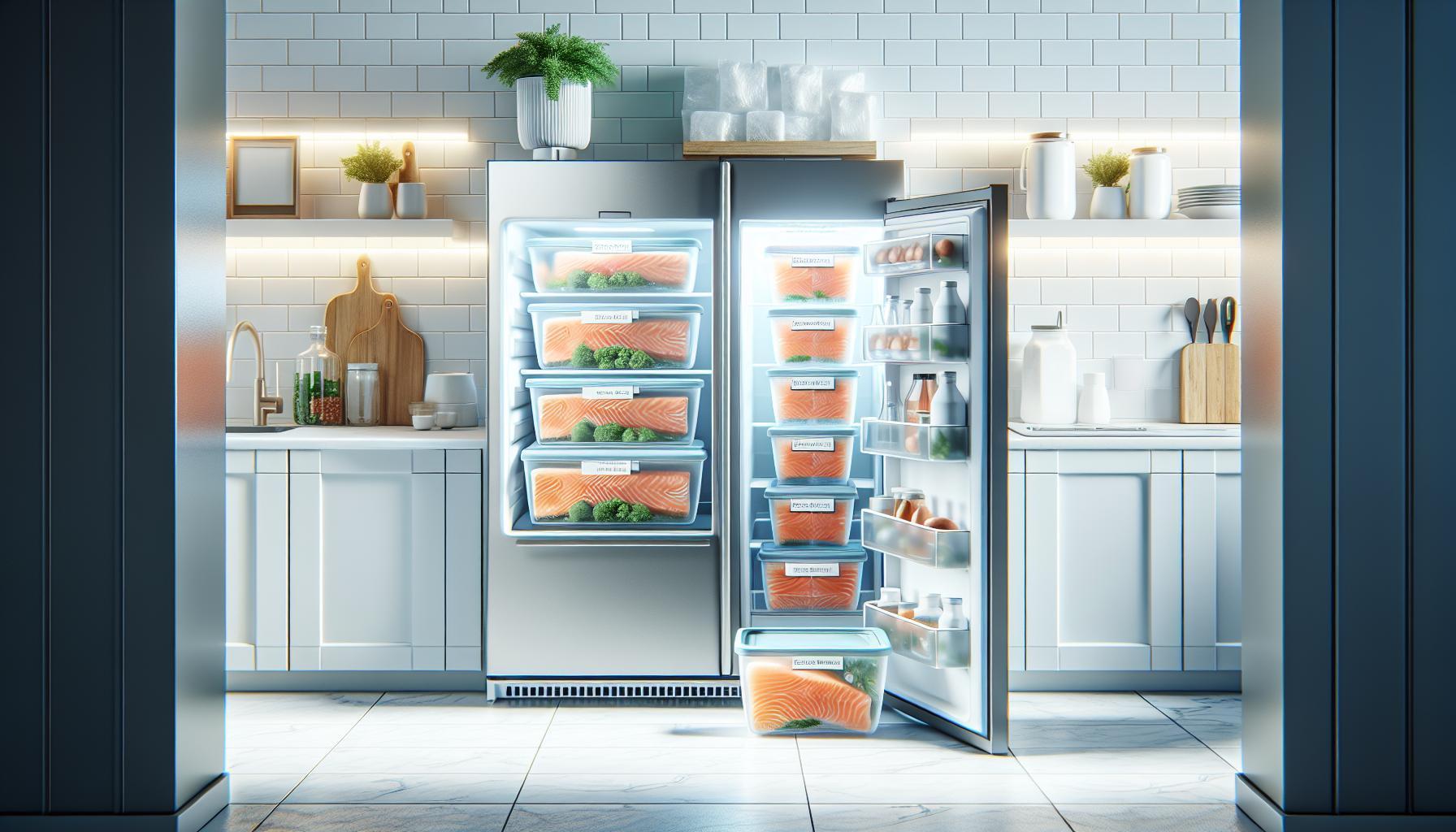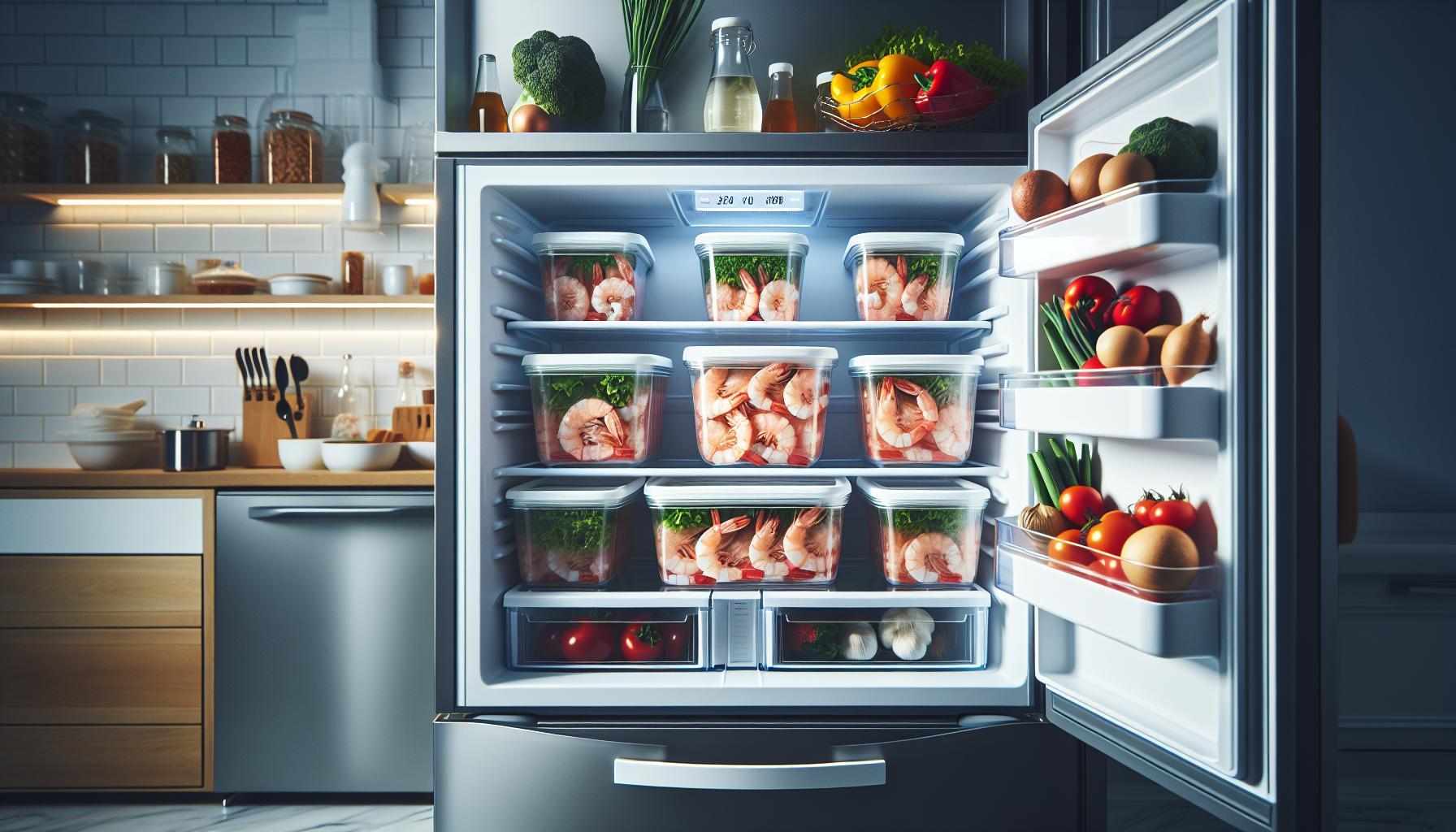

When it comes to seafood, freshness is key not only for flavor but also for safety. Did you know that improperly stored fish can spoil quickly, leading to foodborne illnesses? Understanding how long fish can last in the fridge is essential for anyone looking to enjoy the health benefits of this nutritious protein without compromising safety.
Whether you’ve just returned from a fishing trip or picked up your favorite salmon fillets from the store, knowing the right storage practices can help you avoid waste and ensure every bite is safe and delicious. In this article, we’ll explore the specific time frames for storing various types of fish, along with practical tips for keeping your catch at its freshest.
Join us as we dive into the essential guidelines for fish storage, empowering you to make informed decisions that keep both your meals enjoyable and your family safe. Your journey to mastering seafood freshness starts here!
How Long Do Different Types of Fish Last in the Fridge?
Certain types of fish offer a range of freshness and shelf-life when stored in the refrigerator, which is crucial knowledge for both safety and culinary enjoyment. Most fresh fish will remain at their best quality for only a short period; in fact, they typically last between 1 to 3 days in the fridge under ideal conditions. Here’s a closer look at how long some common types of fish can be safely stored:
| Type of Fish | Refrigeration Shelf Life |
|---|---|
| Fatty Fish (e.g., salmon, mackerel) | 1-2 days |
| Lean Fish (e.g., cod, haddock) | 2-3 days |
| Shellfish (e.g., shrimp, scallops) | 1-2 days |
| Smoked Fish (e.g., lox) | 7 days (if vacuum-sealed) |
To ensure optimal freshness, always store fish in the coldest part of your refrigerator-preferably at temperatures below 32°F (0°C). Additionally, wrapping the fish tightly in plastic wrap or storing it in an airtight container can significantly help maintain its quality. Keep raw fish away from cooked foods to prevent cross-contamination, and always check the sell-by dates if purchased at a retail outlet.
Understanding these guidelines can help you make informed decisions about when to use or discard fish, ultimately enhancing your culinary experiences while prioritizing food safety.
Understanding Fish Freshness: Key Indicators
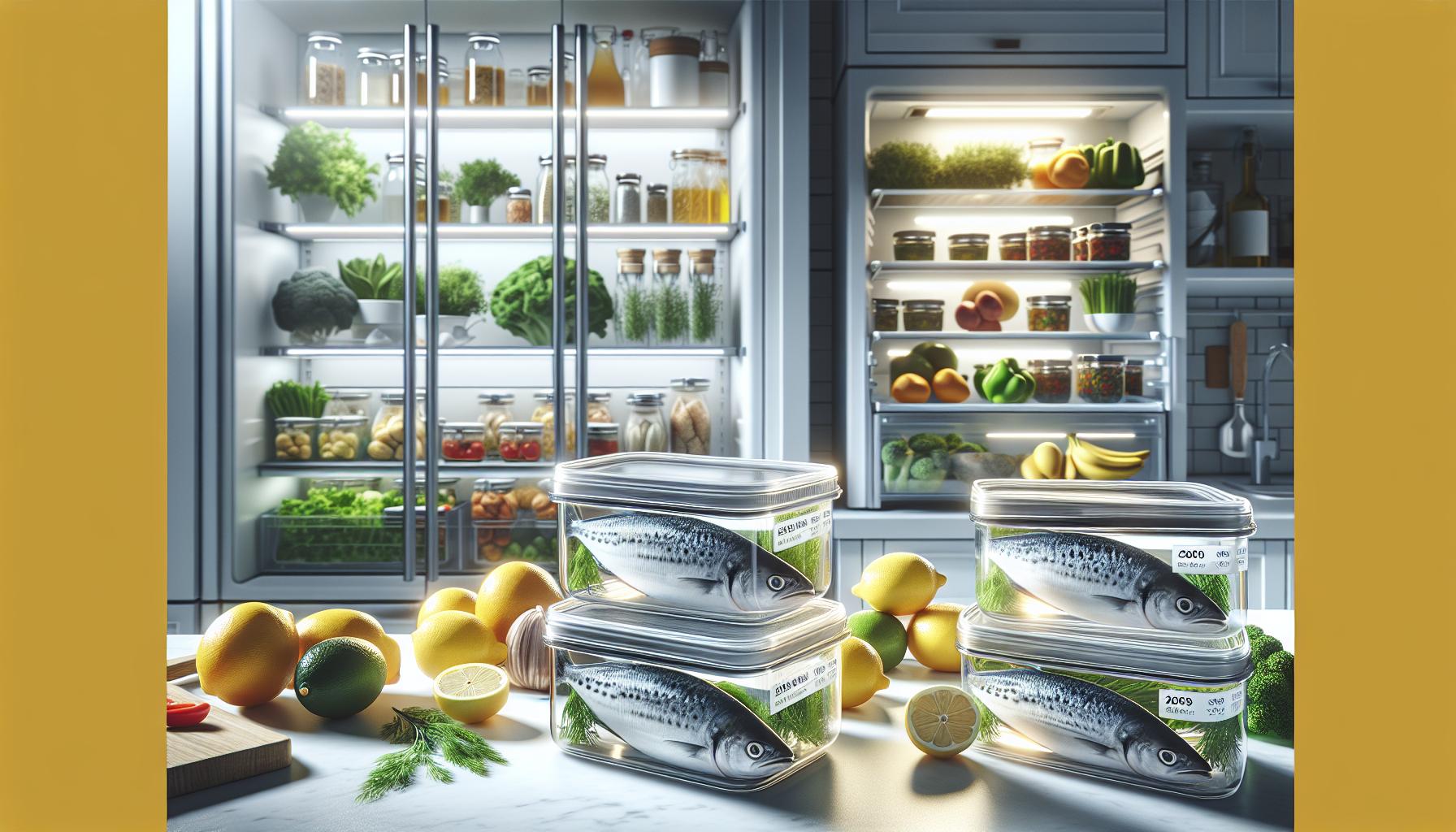
Understanding fish freshness involves recognizing key indicators that determine whether fish is safe to eat and at its best quality. Fresh fish should have a clean, mild smell reminiscent of the ocean; any overly fishy or sour odors are major red flags. The flesh should be firm and elastic, bouncing back when pressed. If it leaves an indent, the fish is likely past its prime. Color is another crucial aspect; for example, the flesh of salmon should be vibrant, while white fish like cod should be translucent and pearly. Discoloration or dullness signals spoilage.
The eyes of whole fish provide insights into freshness as well. They should be clear and bulging, not cloudy or sunken. Additionally, the gills should appear bright red or pink, indicating blood-rich freshness, whereas brown or gray gills suggest age.
When storing fish, it is essential to monitor these characteristics regularly. During storage, keep fish tightly wrapped in plastic or in an airtight container to maintain moisture and prevent contamination. Always check for these signs before cooking; if any indicators of spoilage are present, it’s safer to discard the fish to avoid the risk of foodborne illness. Being vigilant about these factors ensures the enjoyment of quality seafood while prioritizing your health and safety.
Best Practices for Storing Fish in the Fridge
Storing fish correctly in the refrigerator is critical for preserving freshness and preventing foodborne illness. One of the essential principles is to ensure that fish is kept at a temperature below 40°F (4°C). A fridge thermometer can be an invaluable tool to ascertain this; refrigeration units may sometimes fluctuate. To maximize freshness, consume fish within 1-2 days of purchase, especially if it is a delicate variety like flounder or sole. For firmer fish, like salmon or tuna, you may extend this to 3-4 days.
When preparing for storage, proper wrapping is vital. Fresh fish should be tightly wrapped in moisture-proof packaging such as plastic wrap, aluminum foil, or placed in an airtight container. This not only prevents moisture loss but also limits the exposure to air, which can lead to oxidation and a decline in quality. If the fish is not going to be used promptly, consider placing it on a bed of ice in a shallow pan and covering it with a damp cloth, helping to keep the fish cool and maintain its texture.
It’s also important to avoid cross-contamination. Store fish on the bottom shelf of the refrigerator in a designated area, ideally separate from other raw meats or ready-to-eat foods. This reduces the risk of juices drip contaminating other foods. Regularly checking for any signs of spoilage, such as an off smell or discoloration, is crucial to ensure that you only consume fish that is still fresh and safe to eat.
Lastly, remember that proper labeling can save you time and prevent waste. If you buy fish in bulk or have leftovers, mark the date of purchase on your packaging. This simple practice helps you track freshness and allows you to use fish while it’s still at its best. Keeping these best practices in mind can greatly enhance your seafood experience, providing you with safe and delicious meals.
How to Extend the Shelf Life of Fish
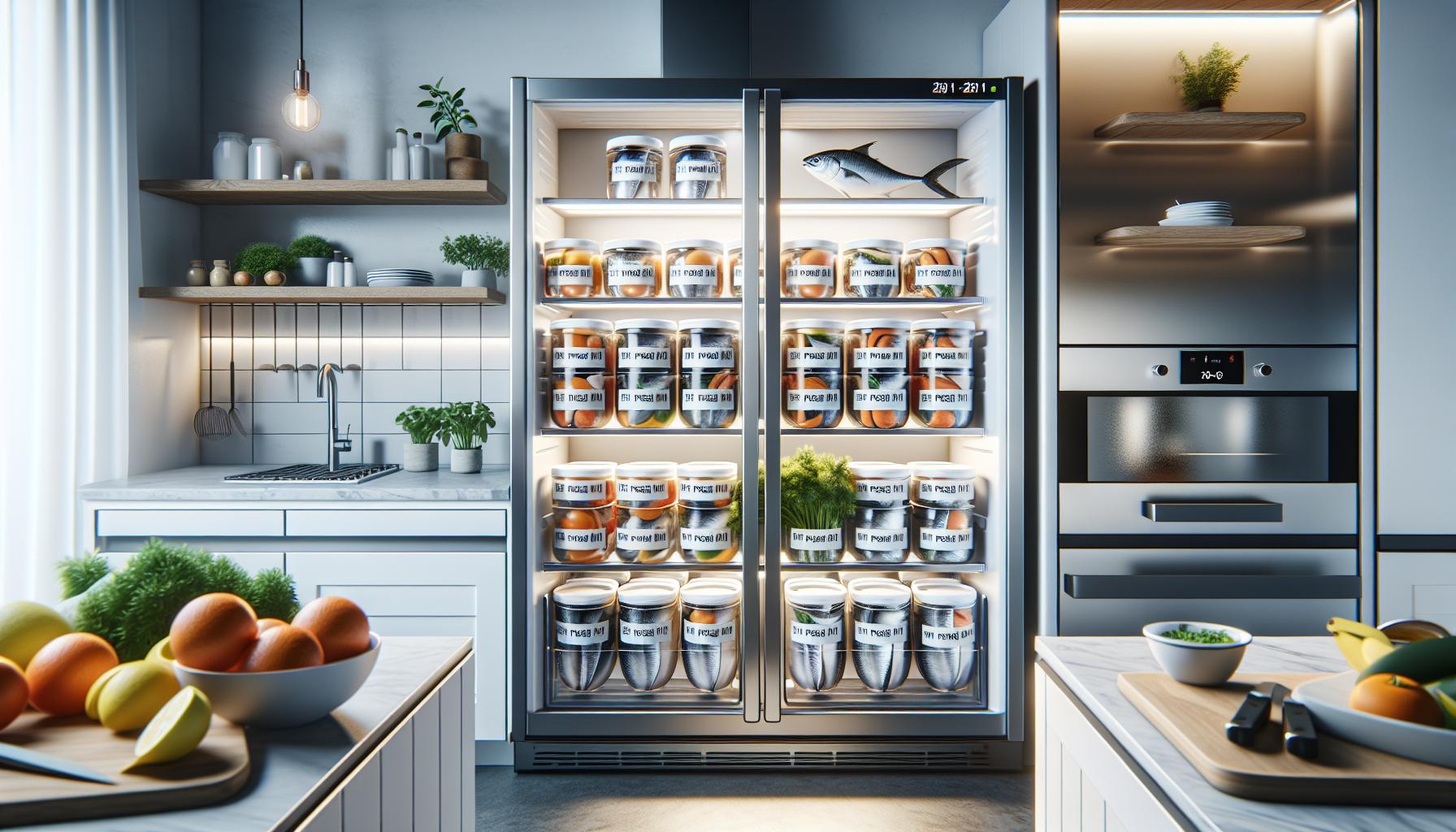
To ensure your fish remains fresh for as long as possible, there are several strategies you can implement in your storage practices. Fresh fish is highly perishable, but with the right techniques, you can effectively extend its shelf life while maintaining optimal quality.
First and foremost, temperature control is critical. Always store fish at a temperature below 40°F (4°C) to slow down bacterial growth. Using a refrigerator thermometer can help you monitor this closely. If you find that your fridge tends to warm up (such as during power outages or frequent door openings), consider placing the fish on a bed of ice in a shallow pan. This not only keeps the fish cold but also helps maintain its texture and moisture content.
Another key factor is packaging. Tightly wrapping fish in moisture-proof materials like plastic wrap or placing it in an airtight container significantly reduces air exposure, which can lead to oxidation and spoilage. If you’re purchasing whole fish, try to keep it intact until you’re ready to use it; this can help retain moisture. For fillets or portions, using vacuum-sealed bags is an excellent option, but be sure to remove as much air as possible to prevent freezer burn if you plan to freeze it.
Time management is essential as well. While firm fish like salmon can last up to 3-4 days in the fridge, delicate types such as flounder or sole should ideally be consumed within 1-2 days. When planning meals, think ahead-if you don’t plan to use the fish within this timeframe, freezing is a preferable option. Properly frozen fish can last for several months, preserving its quality and flavor.
Lastly, regularly inspect stored fish for freshness. Look for signs of spoilage such as off smells, discoloration, or a slimy texture. If you’re ever in doubt, it’s safer to err on the side of caution and discard any questionable fish. Implementing these best practices will not only help extend the shelf life of your fish but also ensure the meals you prepare are safe and enjoyable.
Signs Fish Has Spoiled: What to Look For
Fish is a beloved protein source, but its freshness is crucial to ensuring both flavor and safety. To safeguard your health and culinary enjoyment, being able to recognize spoilage is essential. Spoiled fish can pose serious health risks, so always trust your senses and err on the side of caution.
One of the most immediate signs that fish has spoiled is its odor. Fresh fish should have a clean, mild scent reminiscent of the ocean. If you detect a strong, sour, or “fishy” smell, it’s a clear indicator that the fish is no longer fresh and should be discarded. Additionally, examine the texture of the fish. Fresh fish should feel firm and springy to the touch. If it feels mushy or has a slimy coating, it has likely gone bad. This sliminess is often due to the breakdown of proteins and the proliferation of bacteria, and consuming such fish can lead to foodborne illnesses.
Color is another key indicator of freshness. Fresh fish should have bright color and clear, bulging eyes if whole. Any dullness or discoloration-such as grey or brown spots-indicates spoilage. Keep an eye on the scales as well; they should be shiny and intact. If you notice scales beginning to shed or looking dull, the quality of the fish may be in decline.
Lastly, make sure to check the packaging. If you’ve purchased packaged fish, any signs of leakage, excess liquid, or a compromised seal could suggest the fish inside has been exposed to air and bacteria, leading to spoilage. Following these guidelines will help you avoid the risks associated with spoiled fish and ensure that every meal you prepare is safe and enjoyable. Always prioritize freshness and practice safe handling techniques to guarantee a delightful dining experience.
Impact of Temperature on Fish Freshness

Maintaining the proper temperature is crucial for preserving the freshness of fish and minimizing the risk of spoilage. Fish is highly perishable, and temperature plays a significant role in its quality over time. The USDA recommends keeping fish at a temperature of 32°F to 39°F (0°C to 4°C) in your refrigerator. At temperatures above this range, the rate of bacterial growth increases, leading to diminished freshness and potential food safety hazards.
When storing fish, make sure to place it on ice or in the coldest part of the fridge, typically at the back of the bottom shelf. For even better preservation, use an airtight container or wrap the fish tightly in plastic wrap to reduce its exposure to air, which can accelerate spoilage. Fish stored at the correct temperature can generally last for 1 to 2 days, but any fluctuations in temperature can shorten this timeframe dramatically. Additionally, if your refrigerator has been fluctuating due to frequent opening or a malfunction, be vigilant during your storage practices.
To illustrate the impact of temperature, consider the recommended storage life of various types of fish. Fatty fish like salmon or mackerel, which are more prone to spoilage, can last up to two days under optimal refrigerated conditions. In contrast, leaner fish such as cod or haddock may retain freshness a bit longer, but are still affected by improper temperature management. Making a habit of monitoring your refrigerator’s temperature can be a straightforward yet effective way to ensure that your fish remains fresh for as long as possible.
If you are ever in doubt about whether fish is safe to eat, look for visible signs of spoilage and use your senses to evaluate freshness. By understanding and respecting the critical relationship between temperature and fish freshness, you can make informed decisions that ensure a better quality product on your plate.
How to Properly Thaw Fish for Safety
Thawing fish safely is paramount for maintaining its freshness and minimizing foodborne illness risks. One of the most effective methods involves planning ahead, as slow thawing in the refrigerator is the safest approach. When you’re ready to use frozen fish, simply transfer it from the freezer to the fridge and allow it to thaw gradually over time. Depending on the size and thickness of the fish, this could take anywhere from several hours to overnight. This method not only preserves the fish’s texture and flavor but also keeps it at a safe temperature throughout the process.
For faster thawing, you can also utilize the cold water method, which is effective and efficient. Place the fish in a leak-proof plastic bag and submerge it in cold water, ensuring that the water is continuously replaced to maintain a cold environment. Typically, this method will take anywhere from 30 minutes to an hour, depending on the size of the fish fillet or portion. It’s crucial that the water remains cold to prevent any potential bacterial growth; never use warm or hot water, as this can lead to uneven thawing and increase food safety risks.
If you’re short on time, the microwave can be utilized for quick thawing, but it should be approached with caution. Use the defrost setting and monitor the process closely to prevent cooking the fish in some areas while leaving it frozen in others. Once you’ve thawed fish using the microwave, it should be cooked immediately and not re-frozen, as there is a higher likelihood of bacterial growth during this process.
In summary, whether you choose to thaw fish in the fridge, through cold water, or with the microwave, emphasizing food safety is essential. Avoid thawing at room temperature, as this can encourage the growth of harmful bacteria. Always cook thawed fish promptly and properly to ensure a delicious and safe meal.
Can You Freeze Fish for Longer Storage?
Freezing fish is one of the most effective methods for extending its shelf life significantly beyond what refrigeration alone can offer. Properly frozen fish can last for six months to a year in the freezer, depending on the type and its fat content. For instance, lean fish like cod and sole tend to maintain their quality for a longer duration compared to oily fish such as salmon or mackerel, which are best consumed within three months for optimal flavor and texture.
To successfully freeze fish, it’s crucial to start with the freshest product available. Before freezing, ensure the fish is clean, properly scaled, and filleted if needed. Wrap the fish tightly in moisture-proof packaging, such as freezer paper, heavy-duty aluminum foil, or sealed vacuum bags. This helps prevent freezer burn, which can negatively impact the texture and taste. For added security, you can place the wrapped fish inside a freezer-safe container. Remember to label each package with the date and type of fish to keep track of how long it has been stored.
When you’re ready to thaw frozen fish, doing so safely is fundamental to ensuring its quality and minimizing food safety risks. The ideal method is to transfer the fish from the freezer to the refrigerator and let it thaw gradually. This method protects the fish from temperature abuse and keeps it within safe limits. If time is a constraint, the cold water method can be used, where the fish is sealed in a leak-proof bag and submerged in cold water. Always avoid thawing fish at room temperature, as this practice promotes bacterial growth.
Freezing offers not only a solution for extending the freshness of your fish but also flexibility in meal planning. With pre-frozen portions, you can easily incorporate fish into your diet without the pressure of immediate consumption, knowing that you have high-quality seafood ready to be prepared when needed. So, whether you’re stocking up from a recent catch or a sale at your local grocery store, freezing fish can be a wise choice for both convenience and sustainability in your culinary practices.
Common Mistakes in Fish Storage to Avoid
Improper storage can significantly reduce the freshness and safety of fish, leading to waste and potential health risks. One of the most common mistakes is keeping fish at inconsistent or inappropriate temperatures. Fish should always be stored in the coldest part of the refrigerator, ideally at temperatures below 32°F (0°C) for optimal freshness. When storing fish, it’s crucial to avoid leaving it out at room temperature, as this can accelerate spoilage. Instead, place the fish in a shallow dish, cover it with ice, and keep it in the fridge if you plan to use it within a day or two.
Another pitfall is inadequate packaging. Fish should be tightly wrapped in moisture-proof materials, such as plastic wrap or aluminum foil, to minimize exposure to air and prevent freezer burn. Storing fish in its original store packaging often leads to spoilage due to poor sealing. Additionally, when transferring to a storage container, always label it with the date and type of fish to keep track of how long it has been stored. This enables you to use the fish while it is at its best.
Overlooking cross-contamination is yet another serious error. It’s essential to store fish on the bottom shelf of the refrigerator, ideally in a separate bin, to prevent juices from dripping onto other foods, which can cause foodborne illness. Keeping fish away from already-cooked dishes also helps ensure safety. Proper cleaning of all cutting boards and utensils used with raw fish is vital to eliminate harmful bacteria.
Lastly, many people underestimate the importance of freshness at the point of purchase. Buying fish that has already started to show signs of aging can lead to an unavoidable spoilage timeline, even with proper storage techniques. Always choose fish that smells fresh, has clear eyes (if whole), and firm flesh that bounces back when pressed. By avoiding these common mistakes, you can significantly enhance the shelf life and safety of your fish, ensuring that it remains a healthy and delicious choice for meals.
The Role of Packaging in Fish Freshness
To preserve the integrity and freshness of fish, proper packaging plays a critical role. Fresh fish is highly perishable, and the way it is wrapped or stored can significantly affect its shelf life and quality. Inadequate packaging exposes fish to air, moisture, and temperature fluctuations, which can lead to spoilage, loss of flavor, and texture deterioration. Effective packaging not only safeguards it from physical harm but also helps maintain its nutritional value and safe consumption timeframe.
When storing fish in the refrigerator, it is essential to use moisture-proof materials. Options such as plastic wrap, vacuum-sealed bags, or aluminum foil are ideal for minimizing air exposure. These materials help prevent dehydration and freezer burn, both of which can compromise taste. If you opt for vacuum sealing, it reduces the oxygen levels around the fish, delaying spoilage caused by aerobic bacteria. Always ensure that the fish is tightly wrapped to eliminate gaps where air can infiltrate.
Another effective strategy is to transfer fish from its original packaging to a more suitable storage container if necessary. Original store packaging often fails to provide an optimal seal, allowing air to enter. Instead, consider using an airtight container or a resealable bag, ensuring to squeeze out as much air as possible before sealing. Label the packaging with the date and type of fish to keep track of its freshness. Fish stored under these conditions will generally remain safe to eat for one to two days in the fridge, with the exact duration depending on the fish type.
Finally, remember that effective packaging extends beyond just wrapping; it also involves maintaining a clean environment. Always store fish on the bottom shelf of the refrigerator to prevent its juices from contaminating other foods. Using a dedicated bin can further minimize cross-contamination risks. By honing in on these packaging practices, you can enhance the freshness of your fish, ensuring it remains a delicious and nutritious staple in your meals.
Nutritional Considerations for Refrigerated Fish
Fresh fish is not only a culinary delight but also a powerhouse of nutrients essential for a balanced diet. Packed with high-quality protein, omega-3 fatty acids, vitamins, and minerals, fish offers unique health benefits that can significantly enhance your wellbeing. However, maintaining its nutritional integrity during refrigeration requires careful handling and storage practices to ensure you get the most from your catch.
When it comes to storing fish in the fridge, timing is crucial. Most types of fresh fish should ideally be consumed within one to two days of storage to retain their best nutritional quality. Fatty fish like salmon and mackerel are particularly rich in omega-3 fatty acids, which are beneficial for heart health and cognitive function. On the other hand, lean fish such as cod and tilapia provide excellent protein without excess calories. If fish is not consumed within this timeframe, its freshness diminishes, potentially compromising both its flavor and nutritional benefits.
Proper storage techniques can further enhance the nutritional longevity of refrigerated fish. Keeping fish at a constant temperature of 32°F to 39°F (0°C to 4°C) is essential, as even small fluctuations can encourage bacterial growth and spoilage. To optimize freshness, store fish on a plate over ice in the fridge, or employ moisture-proof packaging techniques to prevent dehydration and oxidation. Discard any fish that exhibits off-odors or a slimy texture, as these are indicators of spoilage that also affect nutrient quality.
Exploring the versatility of fish in meals offers additional nutritional benefits. Consider incorporating various types of fish in your diet to achieve a well-rounded intake of nutrients. For instance, prepare a citrus-marinated salmon salad for a refreshing meal rich in omega-3s and vitamin C, or try a light cod stew packed with vegetables for a nutrient-dense option. By being mindful of storage practices and selecting a range of fish, you can enjoy the health benefits while ensuring the food safety of your meals.
Best Recipes for Using Fish Before It Spoils
Using fresh fish before it spoils not only maximizes its flavor but also ensures you get the best nutritional value. Whether you’ve caught your fish or purchased it from a market, knowing how to creatively incorporate it into meals can prevent waste. Here are a few recipes that highlight the freshness of your fish and make the most out of your refrigeration timeline.
One delightful option is to prepare a Fish Tacos dish. Start by marinating chunks of your choice of fish-like tilapia or cod-in lime juice, garlic, and a blend of chili powder and cumin for about 30 minutes. Then, grill or pan-sear the fish until cooked through. Serve in warm corn tortillas topped with fresh slaw made from cabbage, cilantro, and a splash of lime for a refreshing bite. This dish not only showcases the fish’s flavors but allows for quick preparation, making it perfect for utilizing fish that is nearing its freshness window.
Another fantastic way to use up fish is by crafting a Hearty Fish Chowder. Sauté diced onions, celery, and carrots in a pot until softened. Add chopped potatoes and cover with seafood stock, simmering until the potatoes are tender. Incorporate your fish, along with corn and seasonings like thyme and bay leaf, letting it cook gently until flaky. This comforting dish is perfect for making in larger batches and can be frozen for later-a great safety net if you have extra fish that you can’t cook right away.
For those craving lighter fare, consider a Fish Salad. Flake any leftover cooked fish and toss it with mixed greens, chopped veggies, and a zesty vinaigrette. Add elements like avocado or nuts for texture and flavor. This not only utilizes your fish efficiently but encourages a healthy, balanced meal.
Utilizing these simple recipes, you can enjoy your fish at its best and prevent spoilage, ensuring each meal is both delicious and nutritious. Remember, always check your fish for signs of freshness before cooking, and enjoy experimenting with flavors to create meals that highlight the catch of the day!
Faq
Q: How can I tell if fish has gone bad even if it’s still within the fridge timeframe?
A: To determine if fish has spoiled, check for a sour smell, slimy texture, or discoloration. Fresh fish should have a clean, ocean-like scent and firm flesh. If any of these signs are present, discard the fish to prevent foodborne illness.
Q: What should I do if I accidentally left fish out of the fridge for a few hours?
A: If fish has been left out at room temperature for more than two hours, it may not be safe to eat. Bacteria can grow rapidly, so it’s best to discard the fish to avoid the risk of food poisoning.
Q: Can I store cooked fish in the fridge, and how long will it last?
A: Yes, cooked fish can be stored in the fridge for three to four days. Ensure it’s sealed properly in an airtight container to maintain freshness and prevent cross-contamination with other foods.
Q: Is it safe to eat leftover fish that has a strong smell?
A: A strong smell can be a sign of spoilage. If leftover fish smells overly fishy or sour, it’s best not to consume it. When in doubt, err on the side of caution and throw it out.
Q: How does the type of fish affect its shelf life in the fridge?
A: Different types of fish have varying shelf lives. For example, fatty fish like salmon may last up to three days, while leaner varieties like cod can last four to five days. Always check specific guidelines for each type to ensure safety.
Q: Should I wash fish before storing it in the fridge?
A: It is not recommended to wash fish before storing, as this can promote bacterial growth. Instead, keep fish in its packaging, and wrap it tightly to avoid exposure to air and moisture.
Q: How can I safely reheat refrigerated fish?
A: To safely reheat refrigerated fish, use an oven, microwave, or stovetop until it reaches an internal temperature of 165°F (74°C). This ensures any bacteria are killed and maintains the fish’s safety for consumption.
Q: What is the best way to store fish to maintain its freshness for a longer period?
A: Store fish in the coldest part of the fridge, ideally on ice in a covered container. Keeping it sealed from air and moisture helps preserve its quality. If not consuming within a couple of days, consider freezing the fish for longer storage.
The Way Forward
Ensuring your fish remains fresh in the fridge is essential for both safety and flavor. Remember, proper storage can extend its life to 2-3 days when refrigerated, so always check for signs of spoilage before cooking. If you want to learn more about storing different types of seafood or preserving your favorite dishes, explore our articles on Safe Seafood Storage Tips and How to Freeze Fish for Maximum Freshness.
Don’t let your valuable kitchen knowledge stop here! Sign up for our newsletter for exclusive tips and recipes right in your inbox. Share your thoughts or ask your questions in the comments-your feedback helps us create content that matters to you. Keep your culinary adventures thriving, and always prioritize food safety in your kitchen!