


When it comes to savoring cooked salmon, knowing how long it stays fresh in the fridge is crucial for your food safety and dining experience. Did you know that properly stored cooked salmon can remain safe to eat for several days? However, improper storage can lead to spoilage and foodborne illness.
Whether you’re a meal prep enthusiast or simply enjoying leftovers, understanding the ideal fridge life of your salmon is key to reducing waste and maximizing flavor. Dive into this guide to discover essential storage tips that ensure your cooked salmon not only retains its delicious taste but also keeps you and your loved ones safe. Don’t miss out on these valuable insights that can take your meal planning to the next level!
How Long Can You Store Cooked Salmon?
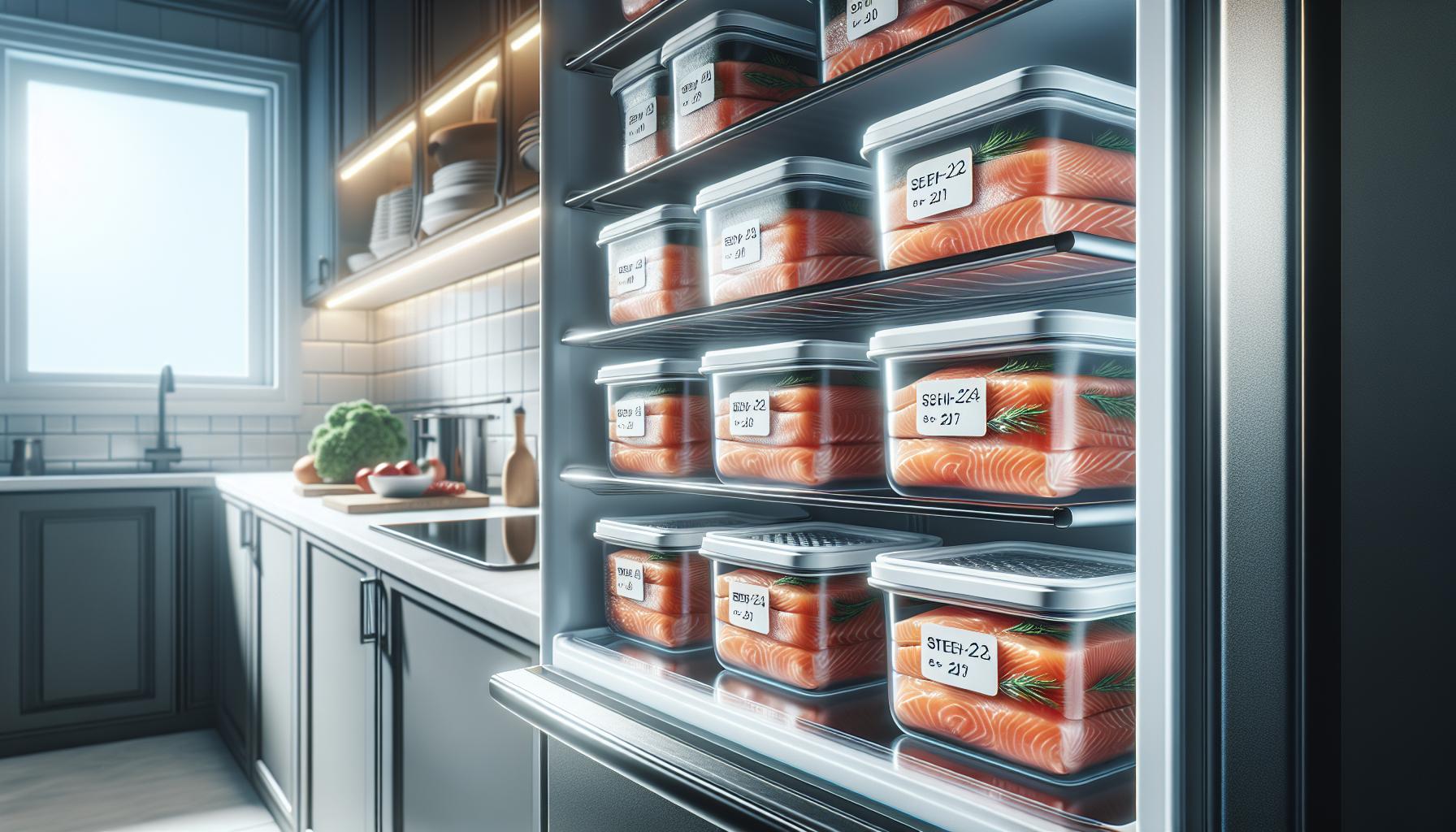
Cooked salmon is a delicious and nutritious option that can grace your dinner table, but proper storage is essential to enjoy it safely. Generally, when stored correctly in the refrigerator, cooked salmon will remain at its best for up to three to four days. This timeframe allows for both the preservation of taste and texture, as well as minimizing the risk of foodborne illness. It’s crucial to ensure that your fridge is set to a safe temperature, ideally at or below 40°F (4°C), to keep your salmon fresh for as long as possible.
To maximize the shelf life of your cooked salmon, consider a few important factors. First, the initial cooking process should be thorough, ensuring any harmful bacteria present are destroyed. After cooking, promptly refrigerate the salmon within two hours to prevent bacterial growth. Keeping the salmon in an airtight container or tightly wrapped in plastic wrap or aluminum foil can also minimize exposure to air and moisture that can accelerate spoilage. If you notice that you might not finish the salmon within this period, freezing is an excellent alternative, extending its storage life to six months or longer while preserving quality.
Lastly, always trust your senses when it comes to assessing the freshness of your stored salmon. If it has developed an unusual odor, changed in color, or exhibits a slimy texture, it’s best to err on the side of caution and discard it. Understanding these guidelines will help you safely enjoy your leftovers and make the most of your delightful seafood dishes.
Factors Influencing Salmon Shelf Life
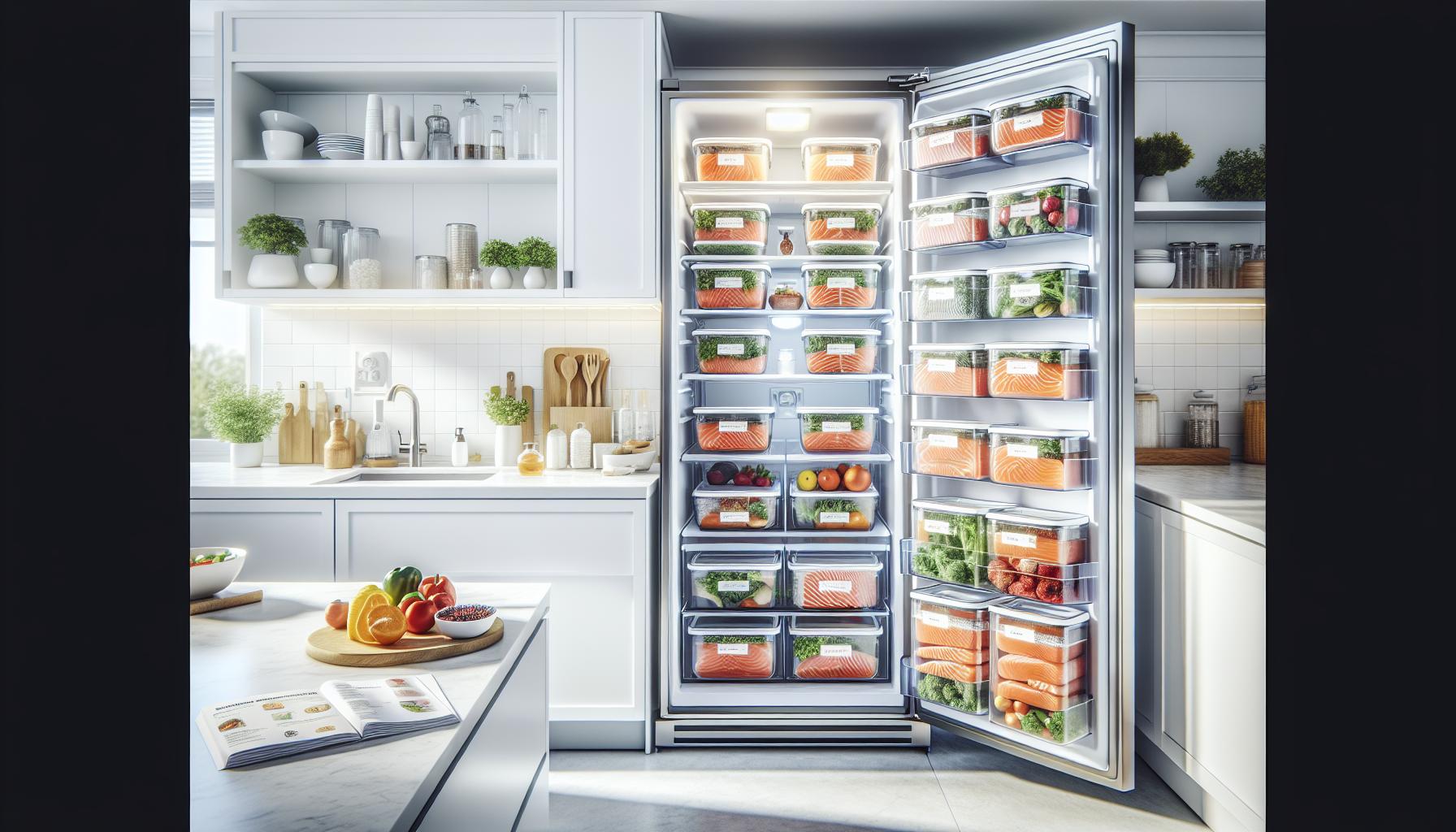
To ensure that your cooked salmon stays fresh and safe to eat, several factors come into play that directly influence its shelf life. One of the most crucial elements is the initial cooking method and temperature. Cooked salmon should reach an internal temperature of 145°F (63°C) to effectively kill harmful bacteria. Cooking it thoroughly not only enhances its flavor and texture but also minimizes the risk of foodborne illnesses.
Another critical factor is how quickly you refrigerate the salmon after cooking. Food safety guidelines recommend transferring cooked salmon to the refrigerator within two hours of cooking. If the ambient temperature is above 90°F (32°C), this window decreases to just one hour. Delaying refrigeration can foster bacterial growth, dramatically decreasing the salmon’s freshness and safety.
Storage conditions also play a significant role in the longevity of your salmon. Keeping it in an airtight container or wrapping it tightly in plastic or aluminum foil will protect it from exposure to air and moisture. This is essential, as air can lead to oxidation, which not only affects the flavor but can also speed up spoilage. The temperature of your refrigerator must remain at or below 40°F (4°C) to maintain the quality of the salmon over its shelf life.
Lastly, the overall quality of the salmon at the time of cooking matters. Salmon that was already nearing its expiration date or improperly handled prior to cooking may spoil more rapidly, regardless of how well it was cooked or stored. Paying attention to these factors will help you enjoy your salmon safely and extend its shelf life effectively.
Best Practices for Refrigerating Cooked Salmon
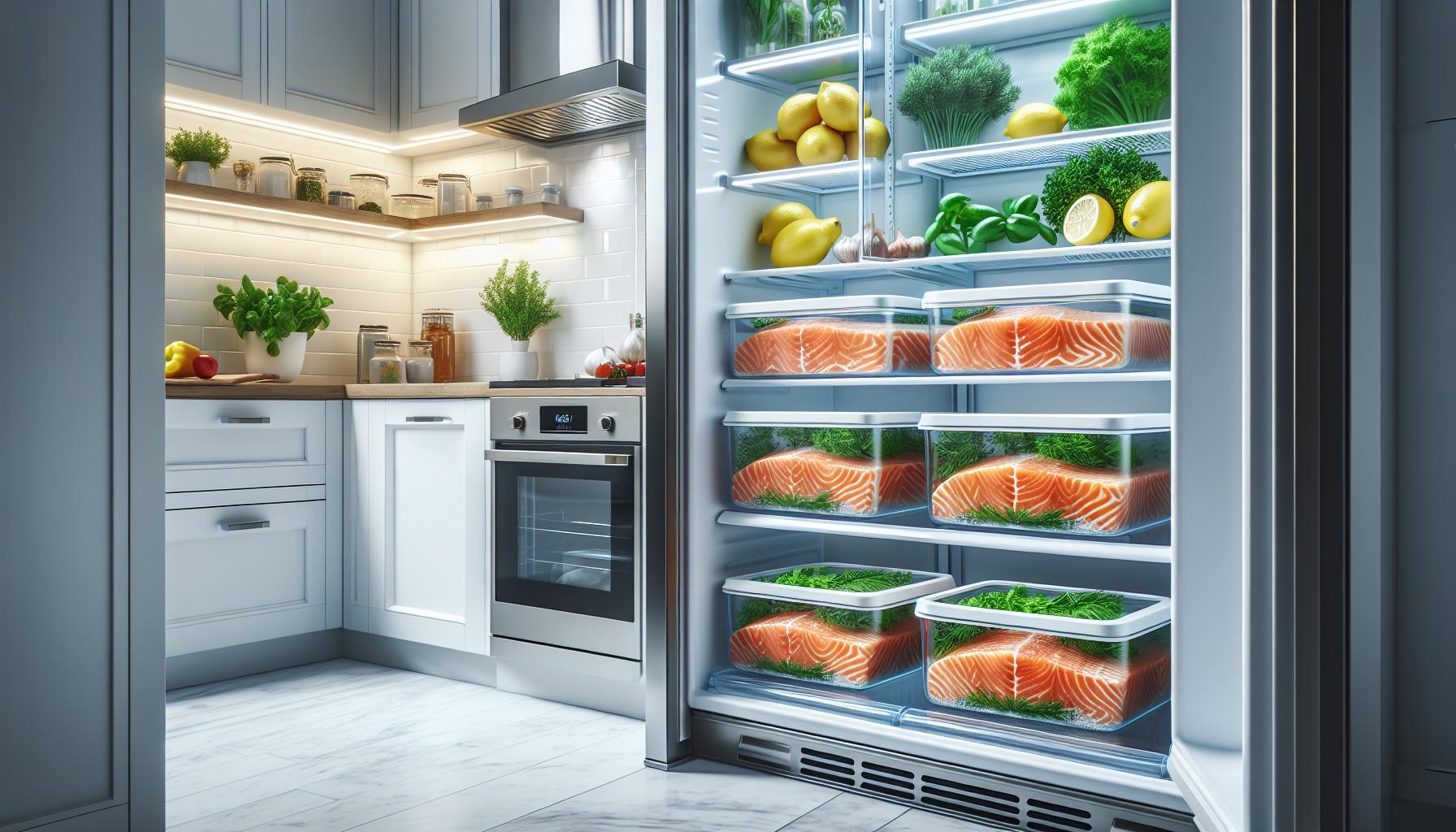
To ensure your cooked salmon remains safe and delicious, proper refrigeration is crucial. The key is to act quickly. After cooking, refrigerate the salmon within two hours-or within one hour if the temperature is above 90°F (32°C), to inhibit bacterial growth. This rapid cooling minimizes the risk of foodborne illnesses and keeps the fish fresher for longer.
When it comes to storing cooked salmon, always use airtight containers or tightly wrap it in plastic or aluminum foil. This practice not only keeps out contaminants but also prevents exposure to air, which can lead to oxidation and spoilage. Maintaining your refrigerator’s temperature at or below 40°F (4°C) is essential; any higher can compromise food safety and quality. To maximize freshness, consider placing a thermometer in your fridge to monitor the temperature consistently.
It’s helpful to label your containers with the date of cooking to keep track of freshness. Generally, cooked salmon can be safely stored in the refrigerator for up to three to four days. If you’re not planning to eat it within this timeframe, freezing is a viable option. Always make sure to cool the salmon to room temperature before placing it in the freezer, and store it in freezer-safe containers or bags. This careful approach will help you enjoy your meals safely and prevent waste.
How to Tell If Cooked Salmon Has Spoiled
Knowing how to determine if cooked salmon has spoiled is essential for maintaining food safety and ensuring you enjoy your meal without concern. Cooked salmon, like any perishable food, can develop undesirable qualities as time passes, and recognizing these signs can prevent foodborne illnesses.
First, examine the appearance of the salmon. Freshly cooked salmon should have a bright, pinkish hue and a moist, flaky texture. If the salmon begins to appear dull or has any discoloration, such as gray or brown spots, it’s a strong indicator of spoilage. Additionally, if you notice any slimy or sticky surfaces, this is a clear sign that the fish should not be consumed.
Next, rely on your sense of smell. Fresh salmon has a mild, pleasant scent, while spoiled salmon will emit a strong, sour, or rotten odor. Trust your instincts; if it smells off, it’s better to err on the side of caution and discard it. Lastly, consider the storage duration. Cooked salmon should ideally be consumed within three to four days when stored in the refrigerator. Keeping track of how long it has been stored helps minimize the risk of spoilage. If the salmon has been in the fridge longer than this timeframe, it’s safest to throw it out, regardless of its appearance or smell.
By staying vigilant about appearance, odor, and storage time, you can confidently enjoy your cooked salmon while maintaining food safety. Always remember to prioritize your health by ensuring your food is safe to eat.
Safe Reheating Tips for Leftover Salmon
Reheating leftover salmon can seem daunting, especially when you’re mindful of preserving its flavor and texture while ensuring it’s safe to eat. When done correctly, reheating not only refreshes your meal but can also bring back the delectable taste of the dish you initially enjoyed. Here are some essential tips to ensure your leftover salmon remains delicious and safe.
Start by allowing your salmon to come to room temperature for about 15-20 minutes before reheating. This helps the fish heat uniformly and prevents it from drying out. When it comes to reheating methods, the oven is one of the best options. Preheat your oven to around 275°F (135°C) and place the salmon in a baking dish. Cover it loosely with foil to retain moisture, and heat for about 15-20 minutes, or until the internal temperature reaches 145°F (63°C). This gentle reheating ensures that the flesh remains moist and flaky.
Microwaving is another viable option, although it can sometimes lead to uneven heating. To microwave salmon safely, place it on a microwave-safe plate and cover it with a damp paper towel. Start with short intervals, around 30 seconds, checking to see if the salmon is heated through. Avoid overheating as this can easily dry out the fish.
Lastly, for those looking to enjoy their salmon with a bit more flair, consider using a skillet on low heat. Add a splash of broth or olive oil to keep it moist, and heat the salmon gently on each side for a couple of minutes. Regardless of the method, always check the internal temperature using a food thermometer to ensure it has reached a safe temperature before consuming.
By following these reheating tips, you can ensure your leftover salmon remains safe to eat while still delivering the tasty experience you remember.
Freezing Cooked Salmon: What You Need to Know
Freezing cooked salmon is an excellent way to extend its shelf life while maintaining flavor and nutritional value. When stored properly, cooked salmon can last in the freezer for up to four to six months. This makes it a versatile option for meal prep, allowing you to preserve leftovers and enjoy them later without worrying about spoilage.
To freeze cooked salmon, begin by allowing it to cool to room temperature. This step is crucial as it helps prevent the formation of ice crystals, which can lead to a mushy texture upon thawing. Once cooled, wrap the salmon tightly in plastic wrap or aluminum foil. For extra protection against freezer burn, consider placing the wrapped salmon in a resealable freezer bag. Be sure to remove as much air as possible from the bag before sealing it. Label the bag with the date of freezing to keep track of its storage time.
When you’re ready to use the frozen salmon, the best method is to thaw it in the refrigerator overnight. This not only ensures an even thaw but also keeps the salmon at a safe temperature to avoid bacterial growth. If you need to thaw it quickly, placing the sealed bag under cold running water is a safe alternative. Once thawed, use the salmon within one to two days for optimal freshness.
For those considering longer storage for future meals, cooked salmon can also be incorporated into various dishes before freezing. For example, adding it to a salmon pasta or a stir-fry can make for quick meal options after a busy day. Just remember to allow those dishes to cool before freezing them in individual portions, making it easy to heat up single servings whenever needed. Following these guidelines will ensure that your cooked salmon remains safe, delicious, and convenient for your future meals.
Ideal Temperatures for Salmon Storage
The safe storage of cooked salmon begins with a clear understanding of the ideal temperature ranges for refrigeration and freezing. To keep your cooked salmon fresh and safe to eat, it’s crucial to keep it at the right temperatures. Cooked salmon should be stored in the refrigerator at or below 40°F (4°C). At this temperature, harmful bacteria are slower to grow, allowing your salmon to remain safe for consumption for several days.
When it comes to freezing cooked salmon, the ideal freezer temperature is 0°F (-18°C). At this temperature, the growth of microorganisms is halted, ensuring your salmon retains its quality for an extended period. Properly wrapped, cooked salmon can last in the freezer for up to four to six months without significant loss of flavor or texture. For best practices, always ensure your freezer’s temperature is consistently stable, and avoid frequently opening the door, which can introduce warmer air and lead to temperature fluctuations.
It’s also beneficial to use a food thermometer to check the temperature of both your refrigerator and freezer regularly. Make it a practice to store cooked salmon in the coldest parts of your fridge and to limit exposure to air during storage to prevent freezer burn. Following these temperature guidelines will help maintain the safety and quality of your cooked salmon, ensuring that it’s delicious and safe to enjoy when you’re ready to eat it.
Common Mistakes in Salmon Food Storage
Storing cooked salmon may seem straightforward, yet various missteps can easily compromise its safety and flavor. One prevalent mistake is leaving cooked salmon uncovered in the fridge. This not only exposes the fish to odors from other foods but also increases the risk of drying out. Instead, always cover your salmon with plastic wrap or transfer it to an airtight container to keep it fresh.
Another common oversight is not paying attention to storage time. Cooked salmon typically lasts for 3 to 4 days in the refrigerator, but many people forget to label their leftovers with the date of cooking. By labeling, you allow yourself to monitor how long it has been stored, thus maintaining better food safety. If you’re unsure about the freshness of your salmon, it’s wise to err on the side of caution and discard it if it has been in the fridge for more than a week.
Temperature mismanagement is also a frequent error. Some might assert that simply placing salmon in any part of the fridge is sufficient, but the reality is that the temperature can vary significantly. Store your cooked salmon in the back of the fridge rather than in the door, which is subject to temperature changes each time it opens. Ensuring the refrigerator consistently maintains a temperature below 40°F (4°C) is crucial for minimizing bacterial growth and maximizing the shelf life of your salmon.
Finally, consider how you reheat leftovers. Many individuals make the mistake of reheating salmon multiple times. This practice not only affects the quality and texture but also increases the risk of foodborne illness. Ideally, only reheat what you plan to consume at one time, and always reheat thoroughly to 165°F (74°C) to ensure safety. Following these guidelines can help you enjoy your cooked salmon while minimizing waste and maximizing safety.
Recommended Containers for Storing Cooked Salmon
Choosing the right containers for storing cooked salmon is crucial for maintaining its flavor and freshness while minimizing the risk of foodborne illness. Not all food storage options are created equal, and using the appropriate containers can significantly extend the shelf life of your leftovers. Airtight containers are deemed the safest and most effective choice for preserving cooked salmon in the refrigerator. They prevent air from entering, which helps to lock in moisture and flavor while guarding against cross-contamination from other foods. Look for containers made from durable glass or high-quality plastic that are both dishwasher and microwave safe for added convenience.
When selecting a container, consider its size. You want it to fit snugly, minimizing the air space inside. If you’re dealing with smaller portions or have leftover salmon fillets, opt for smaller containers instead of forcing all the salmon into one oversized option. This practice not only saves space but also helps maintain better quality through quicker consumption. For an added layer of protection, you can wrap the salmon in plastic wrap or aluminum foil before placing it in the airtight container. This additional barrier can help preserve flavor and texture even more effectively.
While airtight containers work well in the refrigerator, if you plan to freeze your cooked salmon, choose freezer-safe containers or bags specifically designed for the freezer. These options are typically sturdier and can withstand lower temperatures without cracking. For optimal preservation, ensure to remove as much air as possible if using freezer bags, as trapped air can lead to freezer burn, compromising quality. Label each container with the date to keep track of its storage duration, as cooked salmon can be safely stored in the freezer for up to three months.
Remember that visual appeal also plays a role; using clear containers allows you to see the contents without opening them, which is helpful to quickly assess what leftovers need to be consumed first. Choosing the right containers not only boosts the longevity of your leftovers but also contributes to a more organized and efficient kitchen environment, making meal prep a breeze.
Meal Prep with Cooked Salmon: Safe Tips
Incorporating cooked salmon into your meal prep routine can be a game changer for your weekly nutrition. Not only is salmon a rich source of omega-3 fatty acids and high-quality protein, but it can also save you time and money when planned effectively. To ensure that your meal prep is both delicious and safe, there are several key practices you should follow.
Start by cooking salmon in larger batches. This not only ensures you have enough for multiple meals but also allows you the flexibility to create varied dishes throughout the week. After cooking, let the salmon cool at room temperature for no more than two hours before refrigerating it. Store it in airtight containers to maintain its flavor and prevent any absorption of other food odors. Remember, cooked salmon is best consumed within 3 to 4 days when refrigerated. If you won’t eat it within this timeframe, consider freezing it instead, where it can last up to three months.
When reheating, ensure the salmon reaches an internal temperature of at least 145°F (63°C) to eliminate any potential bacteria. This can be achieved by microwaving, baking, or pan-searing. To keep the salmon moist, consider adding a splash of water or broth in the reheating process. In terms of meal variety, repurpose cooked salmon into salads, grain bowls, or even as a delicious filling for wraps and sandwiches.
Lastly, label your containers with the date of preparation to help manage your leftovers effectively. This simple step can prevent food waste and ensure optimal freshness. By following these guidelines, you can enjoy the benefits of cooked salmon in your meal prep with confidence in both safety and taste.
Understanding the Importance of Food Safety
Maintaining the safety of cooked salmon is crucial, not only for your health but also for preserving its delightful flavors. With seafood, particularly fish like salmon, the risk of foodborne illnesses can soar if proper storage techniques aren’t followed. Salmon is rich in nutrients, but its moisture content makes it a prime environment for bacteria to flourish if left out too long or improperly stored. Understanding and implementing food safety practices can help you minimize risks while maximizing taste.
One fundamental guideline is to refrigerate cooked salmon promptly-ideally within two hours after cooking. The refrigerator should be kept at a safe temperature of 40°F (4°C) or below, as this range inhibits bacterial growth. For longer storage, freezing is an excellent option that can extend the shelf life of cooked salmon up to three months. When using frozen salmon, just ensure to store it in airtight containers to prevent freezer burn, which can compromise both the texture and flavor.
Recognizing Spoilage
It’s essential to be able to recognize when cooked salmon has spoiled. Most salmon will exhibit noticeable signs of spoilage through changes in color, texture, or smell. If your salmon appears dull and has an off or sour odor, it’s time to discard it. Additionally, using a food thermometer to ensure the salmon reaches a safe internal temperature of 145°F (63°C) during reheating can prevent the growth of any remaining pathogens.
To wrap up, prioritizing food safety while enjoying cooked salmon ensures not only your well-being but also the delightful experience that this nutritious fish can bring to your meals. By adhering to proper cooling, storage, and reheating practices, you can make the most out of your culinary adventures while keeping health risks at bay.
Faq
Q: How can I tell if cooked salmon is spoiled?
A: You can tell if cooked salmon is spoiled by checking for a sour smell, slimy texture, or discoloration. If the salmon has developed an off-odor or feels unusually tacky, it is best to discard it. Always trust your senses in combination with storage duration to assess freshness.
Q: What is the best way to store leftover cooked salmon?
A: The best way to store leftover cooked salmon is to place it in an airtight container and refrigerate it within two hours of cooking. This helps maintain quality and prevents bacterial growth. For extended storage, consider freezing the salmon instead.
Q: Can I eat cooked salmon after a week in the fridge?
A: Generally, cooked salmon is safe to eat for up to 3-4 days in the fridge. Consuming it after a week poses a risk of foodborne illness. Always check for signs of spoilage to ensure safety.
Q: What should I do if I have leftover cooked salmon?
A: If you have leftover cooked salmon, refrigerate it within two hours in an airtight container. You can use it in salads, sandwiches, or pasta dishes. For longer preservation, freeze it, ensuring it is well-wrapped to prevent freezer burn.
Q: Is it safe to reheat cooked salmon multiple times?
A: It is generally safe to reheat cooked salmon, but you should only do so once. Repeated reheating can compromise the quality and increase the risk of foodborne illness. Always heat to an internal temperature of 165°F (74°C) for safety.
Q: How long can cooked salmon be left out at room temperature?
A: Cooked salmon should not be left out at room temperature for more than 2 hours. Beyond this period, it enters the danger zone for bacteria growth, and it’s best to discard it to avoid health risks.
Q: What type of container is best for storing cooked salmon?
A: The best containers for storing cooked salmon are airtight glass or plastic containers. These prevent moisture loss and keep the fish fresher for longer. Avoid using aluminum foil for storage, as it can react with food.
Q: How do I safely thaw frozen cooked salmon?
A: To safely thaw frozen cooked salmon, transfer it to the fridge and allow it to thaw overnight. Alternatively, you can use the microwave’s defrost setting, but ensure it is heated through immediately after. Avoid thawing at room temperature to prevent bacterial growth.
Key Takeaways
Now that you know how long cooked salmon can safely last in the fridge, it’s important to take immediate action to ensure your meals stay fresh and tasty. Always store your leftover salmon in an airtight container and consume it within 3 to 4 days for optimal safety and flavor. If you’re looking for more food storage tips, check out our articles on “Best Practices for Storing Fish” and “How to Tell if Salmon is Spoiled.”
Don’t forget to subscribe to our newsletter for more expert advice on safe food handling and preparation, or explore our recipe section for delicious ways to use your salmon. Your health and safety are our top priorities, so feel confident that you’re making informed choices for your meals. Share your thoughts or questions in the comments, and stay connected for more insights that will enhance your culinary journey!


