Crab is a beloved delicacy, but how long does it really last in the fridge? Knowing the safe storage times not only helps you enjoy fresh, delicious meals but also prevents foodborne illnesses. Proper storage guidelines are crucial for maximizing freshness and flavor while ensuring that you and your family stay safe.
Imagine planning a seafood feast, only to discover that the crab you purchased is past its prime. Understanding the shelf life of crab meat, whether fresh or cooked, allows you to make informed decisions that protect your health and enhance your dining experience. This guide delves into essential tips on how to store crab meat safely, providing you with the necessary knowledge to prolong its freshness and flavor. Continue reading to discover the best practices for enjoying crab at its finest while keeping food safety in mind.
How Long Can Cooked Crab Be Stored Safely?
Cooked crab is a delicious seafood option that many enjoy, but it’s essential to know how to store it safely to ensure maximum freshness and safety. After cooking, crab should be refrigerated within two hours to prevent the growth of harmful bacteria. When stored correctly in an airtight container or tightly wrapped in aluminum foil or plastic wrap, cooked crab can remain safe and tasty for up to three to five days in the refrigerator. Beyond this timeframe, the risk of spoilage increases significantly, making it crucial to adhere to these guidelines.
If you can’t finish your delicious crab within that period, consider freezing it. While the refrigerator allows for short-term storage of cooked crab, freezing is the best option for long-term preservation. When frozen, cooked crab can maintain its quality for about six months. However, for the best texture and flavor, consuming it within three months is recommended. To freeze cooked crab safely, ensure it is cooled completely before transferring to freezer-safe containers or vacuum-sealing it to prevent freezer burn.
Always remember to check for signs of spoilage before consuming leftover crab. Changes in color, texture, or an off smell could indicate that the crab is no longer safe to eat, and it’s better to discard it than to risk foodborne illness. Practicing proper storage techniques not only extends the shelf life of cooked crab but also allows you to fully enjoy this culinary delight without compromise.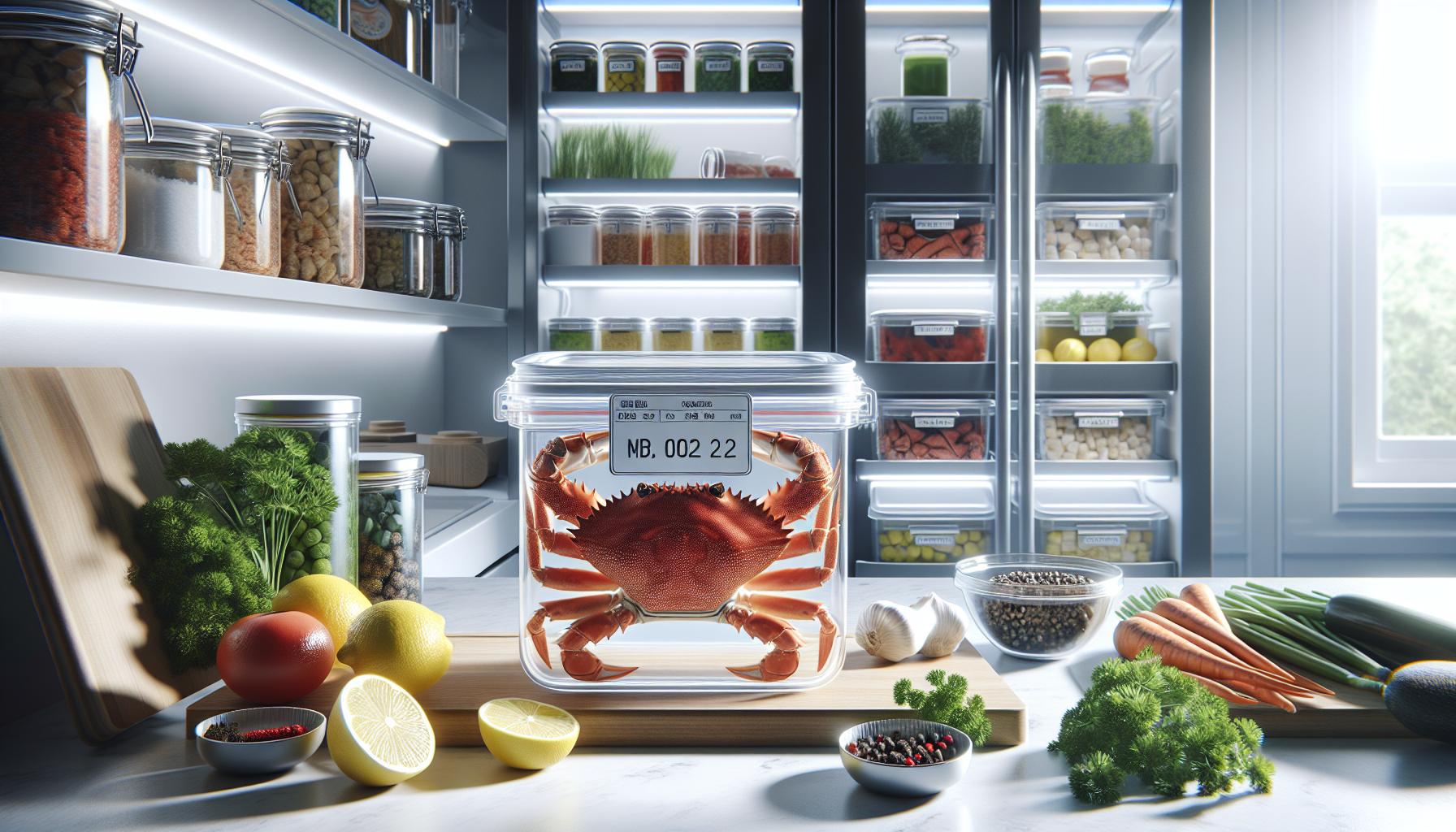
Understanding Storage Recommendations for Raw Crab
When it comes to raw crab, proper storage is crucial to preserve its freshness and safety. Raw crab is highly perishable, and handling it correctly can significantly extend its shelf life while ensuring it remains enjoyable to eat. Generally, raw crab should be refrigerated and consumed within 1 to 2 days to prevent spoilage. This timeline may vary slightly depending on the type of crab and its initial freshness when purchased.
To create an optimal storage environment, place the raw crab in the coldest part of the refrigerator, ideally at a consistent temperature of 32°F to 38°F (0°C to 3°C). Using airtight containers or heavy-duty plastic wrap helps to lock in moisture and minimize exposure to air, which can lead to oxidation and deterioration of texture. If the crab comes with ice, it’s beneficial to keep it on ice in a bowl, draining the melted water regularly to maintain its chill.
For longer-term storage, freezing raw crab is a viable option. However, ensure that it’s cleaned and cooked first, as freezing raw crab can lead to a decrease in texture quality. When freezing, wrap the crab tightly in plastic wrap or aluminum foil and then place it in a freezer-safe bag, expelling as much air as possible to prevent freezer burn. Properly stored, raw crab can be kept in the freezer for about 3 to 6 months without a significant loss in flavor and texture.
Following these storage guidelines will not only help maintain the delicious quality of your crab but also safeguard against foodborne illnesses. Always remember to check for changes in color, texture, or odor before preparation to ensure your crab is still fresh.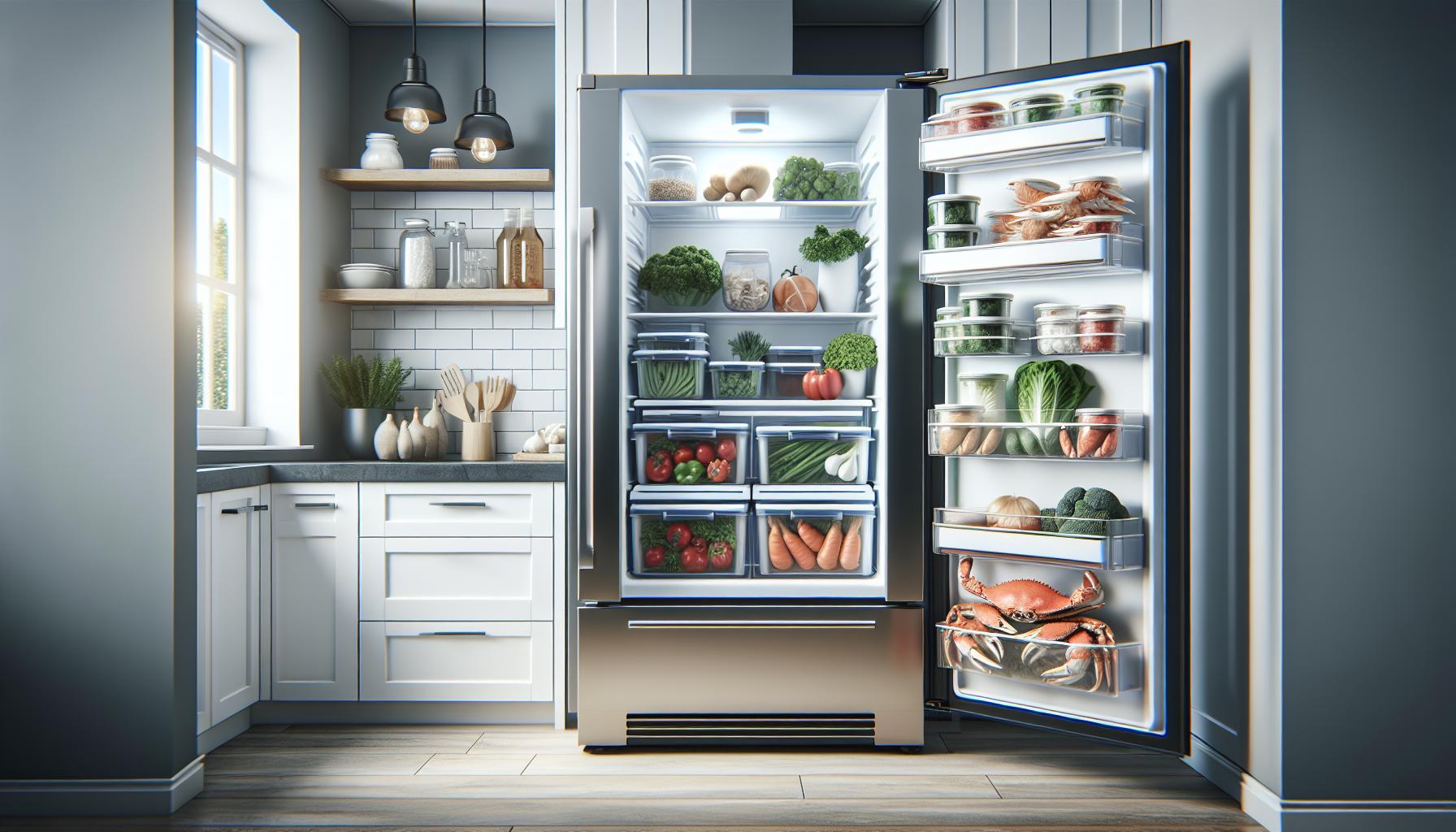
Best Practices for Freezing Crab for Later Use
To preserve the delicate flavors and textures of crab for future meals, freezing is one of the best options available. When handled correctly, frozen crab can retain its quality and taste for several months, making it a convenient addition to your culinary repertoire. Following a few critical best practices for freezing crab will ensure that you can enjoy its succulent taste long after the fresh catch has come and gone.
Firstly, it’s essential to prepare the crab correctly before freezing. If you are using whole crabs, start by cleaning them thoroughly and cooking them. This step not only locks in flavors but also prevents spoilage during the freezing process. For the best results, allow the cooked crab to cool completely before packaging. Remove the meat from the shell and claws using a crab cracker, and rinse the crab meat under cold water to remove any residual shell fragments or juices. This prepping process not only enhances the flavor but also makes it easier to thaw and use in recipes later.
When it comes to packaging, the key is to avoid exposure to air, which can lead to freezer burn. Use freezer-safe bags or airtight containers to store the crab meat. If using bags, carefully press out any excess air before sealing. For added protection, consider double-wrapping the crab meat in plastic wrap or aluminum foil before placing it in the freezer bag. This double layer serves as an additional barrier against moisture loss and air, ensuring that your crab stays delicious and fresh. Properly stored cooked crab can last in the freezer for about 3 to 6 months without significant loss of quality.
After freezing, it’s important to thaw crab safely to maintain its texture and flavor. The best method is to transfer the frozen crab to the refrigerator for a slow thaw overnight. If you’re short on time, a quicker method involves placing the crab in a sealed bag and submerging it in cold water for about 30 minutes to an hour, changing the water every 15 minutes. Avoid defrosting crab in warm water or at room temperature, as this can promote bacterial growth, posing risks to your food safety. By adhering to these practices, you’ll ensure that your frozen crab is not only safe to eat but also retains its delightful taste and texture for your next meal.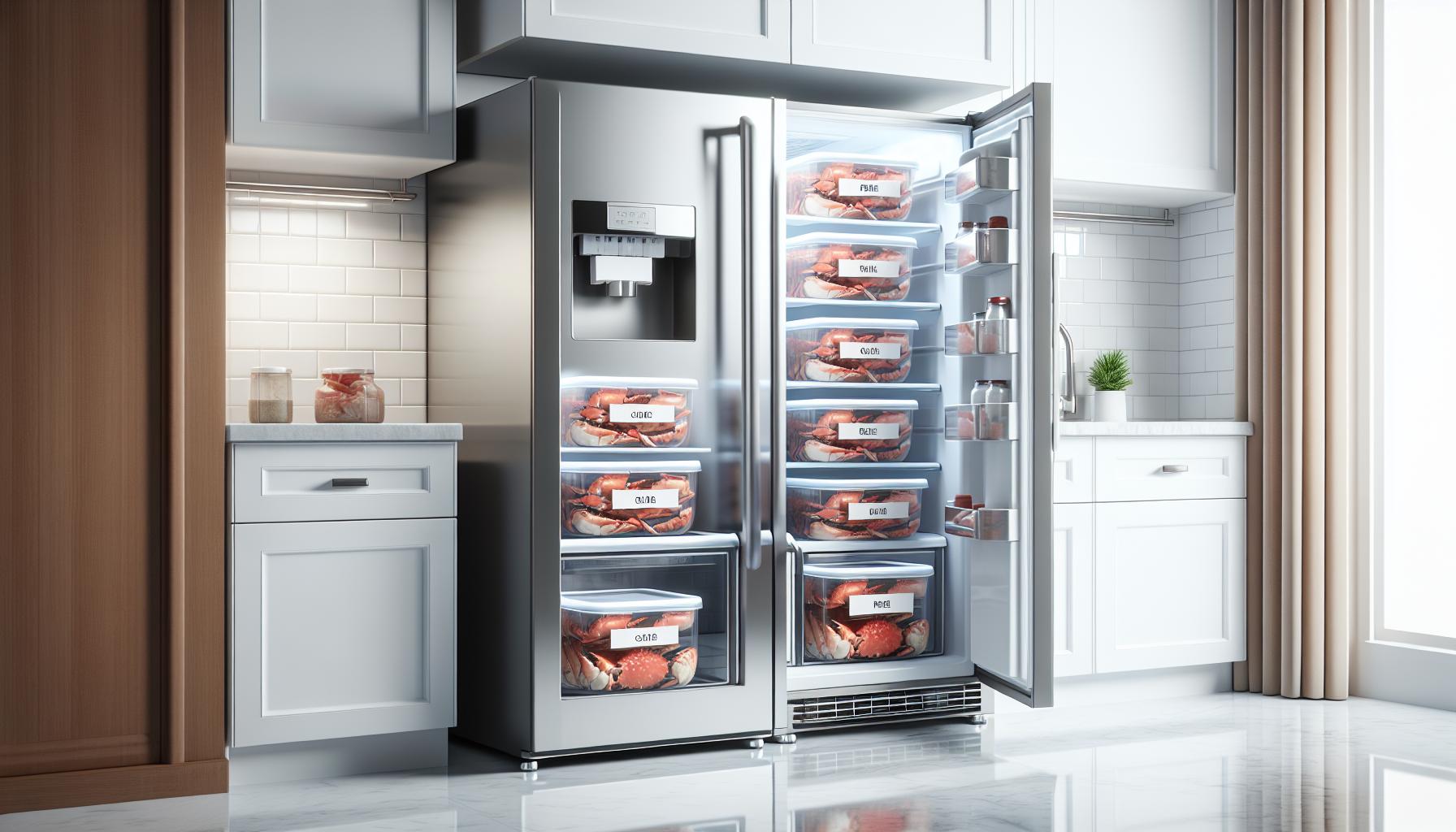
Signs That Crab Has Spoiled: When to Discard
Crab is a delicacy that can elevate any meal, but it’s crucial to recognize when it has gone bad to ensure food safety and quality. Understanding the signs of spoilage can help you avoid unpleasant experiences or health risks. Fresh crab, whether cooked or raw, should have a clean, briny scent similar to the ocean. If you detect any odors that are sour or ammonia-like, it’s a clear indicator that the crab is no longer safe to eat.
Appearance also plays a critical role in assessing freshness. For cooked crab, the meat should remain moist and firm. If you notice the meat has turned a dull color, or if it exhibits a slimy texture, these are significant red flags. Additionally, any discolorations or dark spots on the meat are often signs of deterioration. Mold growth or an unusual film on the surface are further indications that the crab has spoiled and should be discarded immediately.
Another practical approach to ensure the crab is safe for consumption is to consider how long it has been stored. Cooked crab should ideally be consumed within 3 to 5 days if kept in the refrigerator. If it has been more than a few days, even in the absence of any unpleasant odors or appearance changes, it’s wise to err on the side of caution. Freezing can extend the shelf life significantly, but once thawed, the crab should be eaten or discarded within two days.
Being informed about these signs not only protects your health but also ensures that your meals remain enjoyable and safe. Remember, when in doubt, it’s better to discard the crab than to take unnecessary risks with your health.
The Impact of Preparation Methods on Crab Shelf Life
The way you prepare crab can significantly influence how long it stays fresh and safe to eat. Different cooking methods alter the moisture content and structure of the meat, which can affect its shelf life. For instance, steaming or boiling crab tends to preserve its moisture, leading to a more succulent texture that can help it last longer in the refrigerator compared to baking or grilling, which might reduce moisture content and make the meat drier.
After cooking, proper handling is crucial. It’s essential to cool down the crab quickly to prevent bacteria growth. Once cooled, it should be cleaned properly-removing the shell and any inedible parts-before refrigeration. Always store cooked crab in an airtight container to limit exposure to air, which can accelerate spoilage. When stored correctly in the refrigerator, cooked crab can typically last 3 to 5 days; however, remember that the quicker you consume it after preparation, the better its quality and flavor will be.
If you’re planning to freeze crab, the preparation method can also play a role. Crab that has been cooked in its shell can often be frozen effectively; however, once it’s cooked and removed from the shell, the texture may suffer slightly upon thawing. For best results, tightly wrap cooked crab meat in freezer-safe packaging and consume it within 3 months for optimal flavor. It’s advisable to label the package with the date to keep track of its storage duration. When ready to use, thaw the crab in the refrigerator and consume it within two days for the best results.
Making informed choices about preparation can enhance both the safety and enjoyment of your crab dishes, ensuring delicious meals every time.
Storing Crab: Tips for Maintaining Flavor and Texture
To preserve the delightful taste and texture of crab meat, it’s essential to implement proper storage techniques that maintain its freshness and flavor. The delicate nuances of crab meat can easily diminish if not handled correctly, but with a few straightforward strategies, you can enjoy your crab dishes at their best well after cooking.
Start by ensuring that cooked crab is cooled down promptly after preparation. The key is to avoid any extended period at room temperature, which can foster bacteria growth. Once cooled, promptly transfer the crab into an airtight container; this is critical to minimizing exposure to air that can lead to spoilage. A good practice is to use a container that is just the right size, as excess space can introduce moisture and air, compromising the meat’s quality. When stored in the refrigerator, cooked crab can maintain its flavor and safety for 3 to 5 days.
For longer storage, freezing is a viable option, but it’s important to note how freezing can affect texture. Freezing cooked crab in its shell can help retain moisture and flavor, whereas crabs that have been shelled may lose some of their succulent qualities. Wrap the crab tightly in freezer-safe packaging-like heavy-duty aluminum foil or freezer bags-removing as much air as possible before sealing. It’s wise to label the package with the date, and frozen crab is best used within 3 months to enjoy optimal flavor. When you’re ready to use it, the safest method is to thaw the crab slowly in the refrigerator and consume it within two days post-thawing.
By adhering to these storage tips, you can ensure that your crab maintains its delightful taste and inviting texture, allowing for enjoyable meals long after cooking. Each step taken to store crab thoughtfully serves not only to promote food safety but also enhances your culinary experience.
How to Reheat Leftover Crab Safely and Deliciously
To maintain the luscious flavor and tenderness of leftover crab, reheating requires careful attention. The goal is not just to warm the meat but to do so without compromising its moistness and rich taste. Whether enjoyed plain or incorporated into a new dish, reheating can be done effectively using a few methods that ensure safety and enhance the dish.
Start with the oven method, which is an excellent way to retain moisture. Preheat your oven to 350°F (175°C). Place the leftover crab in an oven-safe dish, adding a splash of water or broth to keep it moist. Cover the dish with aluminum foil to trap steam, which prevents the meat from drying out. Heat for about 10 to 15 minutes or until the crab is warmed through, checking frequently to avoid overcooking.
Another effective method is reheating on the stovetop. A sauté pan can be used to gently warm the crab while adding flavor. Heat a small amount of butter or oil over low to medium heat, then add the crab. Stir occasionally, allowing it to warm evenly, which typically takes around 5 to 8 minutes. For extra flavor, consider adding garlic or herbs during the reheating process.
For those seeking speed, the microwave is a convenient option but requires caution. Place the crab in a microwave-safe dish, cover it with a microwave-safe lid or plastic wrap (leaving a small vent for steam), and set the microwave to medium-low power. Heat in short bursts of about 30 seconds, checking and stirring between intervals to ensure even warming. This method can be quick, but it’s essential to monitor the crab closely to avoid rubbery texture.
Here’s a quick guide on reheating crab:
| Method | Time | Temperature/Setting |
|---|---|---|
| Oven | 10-15 minutes | 350°F (175°C) |
| Stovetop | 5-8 minutes | Low to medium heat |
| Microwave | 1-2 minutes | Medium-low power |
By following these techniques, you can relish your remaining crab dishes safely and deliciously, while preserving the flavors that make crab a culinary delight. Remember, the goal is to reheat without overcooking, ensuring your leftovers are as enjoyable as the first serving.
Crab Storage Myths: What You Need to Know
Crab storage is rife with misconceptions that can lead to food safety issues and wasted food. Many believe that crab can remain good indefinitely in the refrigerator or that freezing it immediately after cooking maximizes its shelf life. In reality, both cooked and raw crab have specific timeframes for safe storage that, if not followed, can lead to spoilage and potential health risks.
One common myth is that crab can last a week or more in the fridge. In truth, cooked crab should ideally be consumed within 3 to 5 days when stored properly in an airtight container at temperatures below 40°F (4°C). Similarly, raw crab is best consumed within 1 to 2 days, as keeping it longer can lead to deterioration in quality and an increased risk of foodborne illness. It’s crucial to keep crabs in their shell and to avoid washing them until you’re ready to prepare them, as excess moisture can lead to spoilage.
Another misconception involves the improper handling of leftover crab. Some may think reheating crab multiple times is safe, but this practice can introduce bacteria and compromise the quality of the meat. Each time crab is cooled and reheated, there’s a risk of foodborne pathogens proliferating. Therefore, it’s advisable to only reheat what you plan to consume in one sitting.
Lastly, there is a belief that freezing crab immediately after cooking preserves its quality indefinitely. While freezing is effective, it doesn’t prevent spoilage in the long term. Cooked crab can typically be frozen for up to three months without significant loss of flavor or texture. After this period, the quality diminishes, and it may develop freezer burn or an off taste. To maintain optimal quality, store crab in airtight packaging and label it with the date before placing it in the freezer.
By debunking these myths and adhering to proper storage guidelines, you can enjoy crab dishes safely while maximizing their delicious taste and nutritional value.
Nutritional Value of Crab: Safe Storage Benefits
Crab is not only a delicacy but also a powerhouse of nutrition, rich in protein, vitamins, and minerals. When stored properly, it retains its nutritional benefits, making it a healthy addition to your meals. It’s crucial to understand that safe storage practices directly affect the nutritional value of crab. Proper refrigeration and timely consumption ensure that the meat remains both safe to eat and nutritionally viable.
High Nutritional Benefits: Crab is celebrated for its lean protein content, providing an excellent source of essential amino acids necessary for muscle growth and repair. Additionally, it is rich in omega-3 fatty acids, which are beneficial for heart health, and provides key vitamins, including B12, which supports neurological function and red blood cell formation.
Storage Guidelines to Preserve Nutrition
To maximize the nutritional value of crab, adhere to these guidelines:
- Cooked Crab Storage: Keep cooked crab in the refrigerator at a temperature of 40°F (4°C) or below, and consume it within 3 to 5 days to prevent degradation of nutrients.
- Raw Crab Storage: For raw crab, aim to eat it within 1 to 2 days of purchase, as the quality and safety diminish quickly.
- Freezing: If you wish to extend shelf life, freezing allows you to store cooked crab for up to three months. Ensure it is tightly wrapped in airtight packaging to minimize freezer burn and preserve its flavor and nutrients.
No Compromise on Safety and Quality
Using proper storage methods not only keeps the crab safe but also enhances your meals’ overall taste and nutritional quality. Spoiled crab can harbor bacteria that pose health risks, overshadowing its benefits. Therefore, practicing safe storage techniques is essential to enjoy the flavor and health benefits of this highly nutritious seafood while ensuring it is safe to eat. Prioritizing these practices will allow you to savor crab dishes with confidence, knowing they are both delicious and beneficial for your health.
Preventing Cross-Contamination in Crab Storage
To ensure the safety and quality of crab, preventing cross-contamination during storage is essential. When crab is handled improperly, the risk of harmful bacteria spreading to other foods increases significantly. This is particularly important in a home kitchen where raw seafood is involved, as it can harbor pathogens that lead to foodborne illnesses.
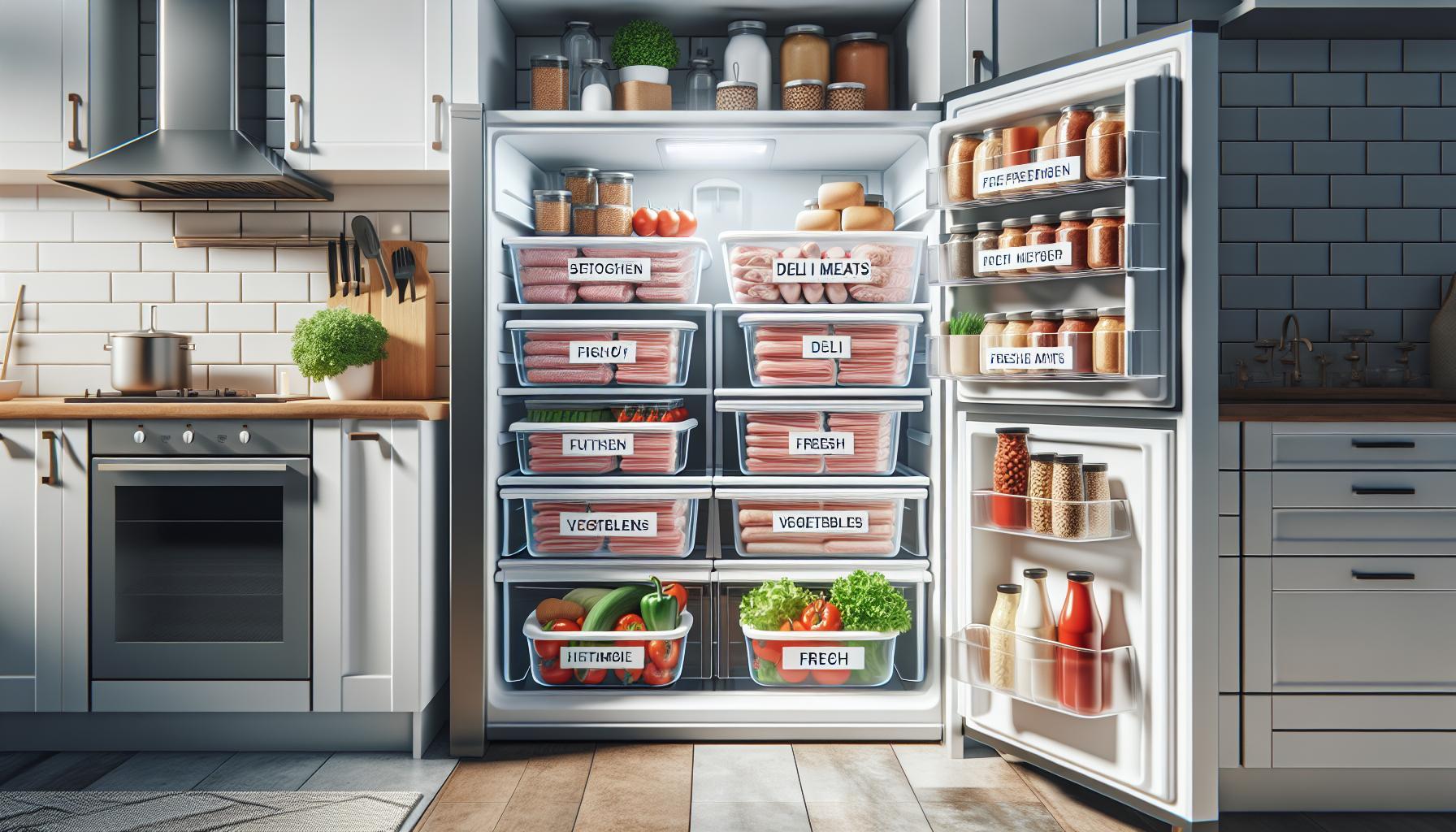
To minimize risk, always store crab in separate containers away from other foods, particularly those that are ready to be eaten, like salads or cooked dishes. Utilizing airtight containers not only prevents leakage but also keeps the distinct flavors of crab from contaminating other foods. It’s vital to label containers with the storage date and contents to ensure you use them timely and correctly. Always store crab on the bottom shelf of your refrigerator, as this prevents any drips or leaks from contaminating items below.
Using separate utensils and cutting boards for handling raw crab can dramatically reduce the likelihood of cross-contamination. After preparing crab, be vigilant in cleaning surfaces and tools to eliminate any traces of raw seafood and associated bacteria. A simple yet effective measure is to wash cutting boards and utensils with hot, soapy water immediately after use, or ideally, sanitize them.
Lastly, practice the “first in, first out” (FIFO) method; this means consuming the crab that was purchased or cooked first, avoiding the storage of older items that may spoil. By following these guidelines, you can enjoy your crab safely without compromising the integrity of your other foods.
Safe Crab Handling: Ensuring Food Safety at Home
To ensure the safety of crab in your kitchen, it’s crucial to follow specific handling practices that reduce the risk of foodborne illness. Raw crab can harbor harmful bacteria, so taking precautions right from the start makes all the difference. Always begin with food safety by selecting high-quality crab and keeping it chilled until you’re ready to cook or prepare it. As seafood is particularly susceptible to spoilage, it’s essential to maintain the crab at a safe temperature of 40°F (4°C) or below during storage.
When it comes to preparation, use separate cutting boards and utensils for raw crab to prevent cross-contamination with other foods, especially those that are ready to eat. After you have handled raw crab, thoroughly clean all surfaces and utensils with hot, soapy water. Consider sanitizing these tools as an extra measure to eliminate lingering bacteria. Store leftover cooked crab in airtight containers, clearly labeled with the date of preparation to ensure you consume them within the safe time frame-typically 3 to 5 days for cooked crab when refrigerated.
If you’re unsure about the freshness of your crab, always err on the side of caution. Look for signs of spoilage such as off smells, discoloration, or a slimy texture-these are clear indicators that it’s time to discard your crab. Remember, safety doesn’t just end with cooking; proper storage is equally important. Following these solid guidelines helps you enjoy delicious, safe crab dishes without compromising your health or the integrity of your food.
Frequently Asked Questions
Q: How long does cooked crab last in the fridge?
A: Cooked crab can safely be stored in the refrigerator for up to 3-5 days. Ensure it is kept in an airtight container to maintain freshness and minimize contamination. For more long-term storage, consider freezing the cooked crab.
Q: What is the maximum storage time for raw crab in the refrigerator?
A: Raw crab should be used within 1-2 days of purchase when stored in the refrigerator. It’s important to keep it at a temperature of 32°F to 39°F to ensure safety and maintain quality. For longer storage, freezing is recommended.
Q: Can you eat crab that has been in the fridge for a week?
A: No, crab that has been in the fridge for more than 5 days should not be consumed, as it may harbor harmful bacteria. Always check for signs of spoilage such as an off smell or unusual texture before eating.
Q: How do you tell if crab has gone bad?
A: Signs that crab has spoiled include a sour or ammonia-like smell, slimy texture, or discoloration. If you notice any of these symptoms, it’s best to discard the crab for safety.
Q: What temperature should crab be stored at in the fridge?
A: Crab should be stored at a temperature between 32°F and 39°F in the fridge. Keeping it in this range helps prevent bacterial growth and maintains quality.
Q: Can I leave crab out at room temperature?
A: Crab should not be left out at room temperature for more than 2 hours. After this time, it enters the “danger zone” (between 40°F and 140°F), where bacteria can grow rapidly. Always refrigerate or freeze leftover crab promptly.
Q: Is it safe to reheat leftover crab?
A: Yes, it is safe to reheat leftover crab. Ensure that it reaches an internal temperature of 165°F before consuming. Using the microwave, stove, or oven are all effective methods for reheating crab.
Q: Should crab be covered when stored in the fridge?
A: Yes, crab should always be stored covered in the fridge. Use a tight-sealing container to prevent contamination and to help retain moisture and flavor.
The Way Forward
To ensure you enjoy safe and delicious crab meals, remember to store fresh crab properly in your fridge, ideally consuming it within a few days. Don’t hesitate to explore our related articles on crab storage techniques and the best cooking methods to fully savor your seafood. Remember, freshness is key; if you’re unsure about your crab’s longevity, it’s always safer to err on the side of caution! For added tips on seafood safety, check out our guide on “How to Store Crab Meat for Maximum Freshness.”
Stay informed by signing up for our newsletter for the latest in food safety practices and delicious recipes. Share your thoughts and questions in the comments below; we love hearing from fellow seafood enthusiasts! With the right storage practices, you can confidently keep your crab fresh, ensuring every meal is a memorable one.