Did you know that lobsters are not just a delicacy but also require careful handling and storage to ensure food safety? If you’ve ever found yourself wondering how long cooked lobster can last in your fridge, you’re not alone. Many seafood lovers face this dilemma, wanting to enjoy their delicious catch while ensuring it remains safe to eat.
Proper storage of cooked lobster is crucial not only for maintaining flavor but also for preventing foodborne illnesses. Understanding the shelf life and safe handling practices helps you make informed decisions about your meals. In this guide, we will provide you with practical tips and clear timelines for storing cooked lobster, ensuring that every bite is as fresh and enjoyable as the first. Let’s dive into the essential storage strategies that will keep your lobster safe and delicious!
How Long Can Cooked Lobster Stay Fresh?
Cooked lobster is a delicacy that many enjoy, but understanding how long it stays fresh can significantly enhance your dining experience and food safety. Generally, when properly stored in the refrigerator, cooked lobster can remain safe to eat for about three to four days. This timeframe is essential to adhere to, as consuming seafood beyond this period increases the risk of foodborne illness.
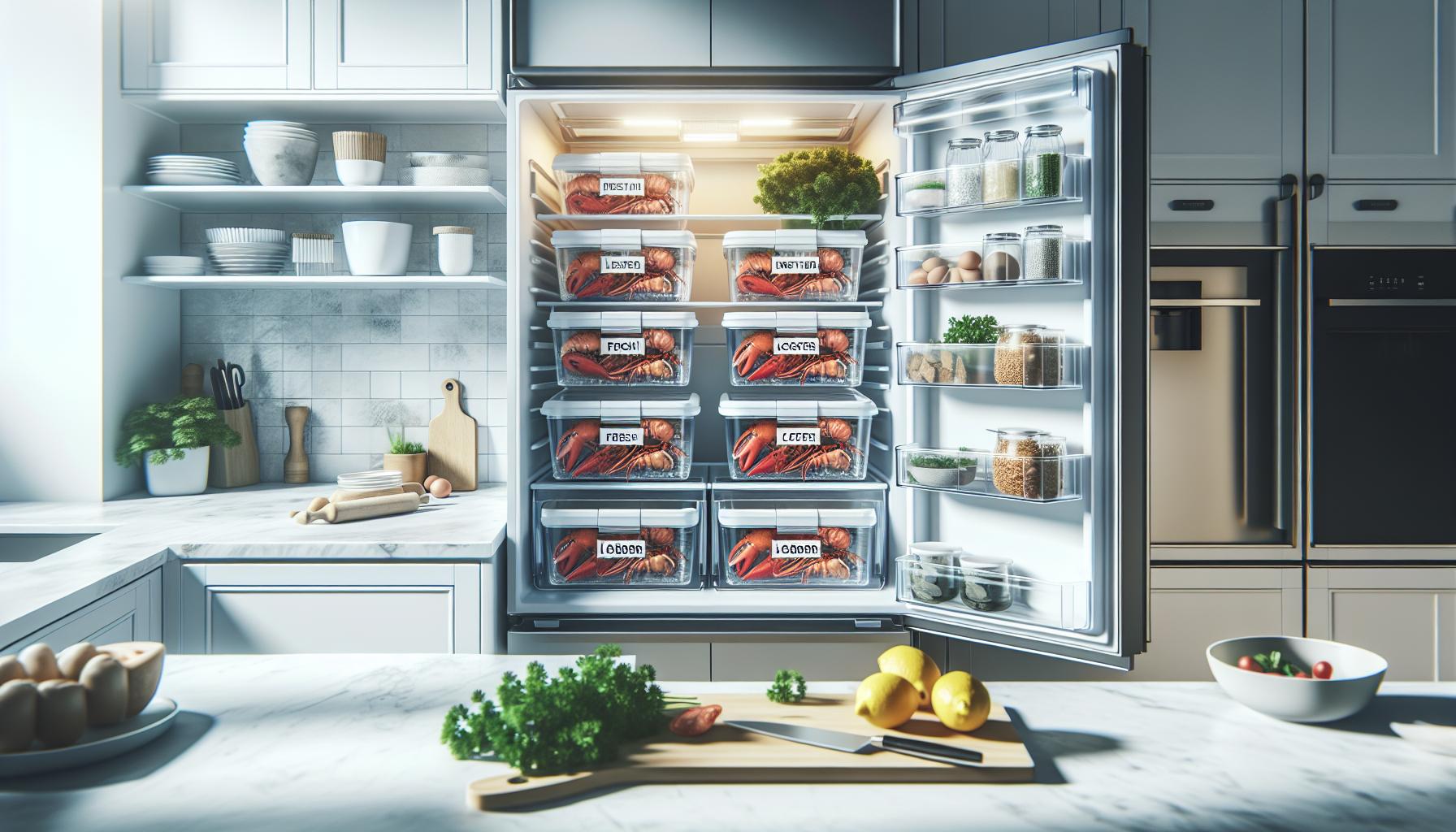
To ensure that your cooked lobster stays fresh for as long as possible, it should be stored in an airtight container or tightly wrapped in plastic wrap or aluminum foil. This prevents exposure to air, which can lead to spoilage, and limits the lobster’s contact with other foods that might introduce unwanted flavors or odors. Additionally, it’s advisable to keep the refrigerator temperature at or below 40°F (4°C), as colder temperatures help maintain food quality and safety.
When considering how to enjoy leftover lobster, remember that it’s not just about flavor but also safety. Regularly check for changes in texture or smell, as these can signify spoilage, even within the safe time frame. By following these guidelines, you can savor your remaining lobster safely and deliciously.
Signs of Spoilage in Cooked Lobster
It’s crucial to be vigilant about the signs of spoilage when it comes to cooked lobster, as consuming spoiled seafood can lead to serious health risks. Freshly cooked lobster should have a firm texture, a protruding tail, and a slight ocean-like smell. If you notice any changes in these characteristics, it’s essential to assess further.
As time goes on, the most common indications of spoilage include changes in color and texture. Cooked lobster should maintain a bright, coral hue. If you see discoloration, such as graying or dullness, this can be a sign that the lobster is starting to spoil. Additionally, if the meat feels slimy or excessively soft, it has likely gone bad. A strong, unpleasant odor, often associated with sourness or ammonia, can also indicate spoilage-fresh lobster should have a mild, oceanic scent.
It’s also important to monitor how long the lobster has been stored. Even in the refrigerator, cooked lobster should ideally be consumed within three to four days for optimal safety. If you have stored it beyond this timeframe, or if you’ve observed any of the signs mentioned, it’s best to err on the side of caution and discard it. Being proactive about these signs not only helps prolong your enjoyment of this seafood delicacy but also ensures that you prioritize food safety in your culinary practices.
Optimal Fridge Storage Tips for Cooked Lobster
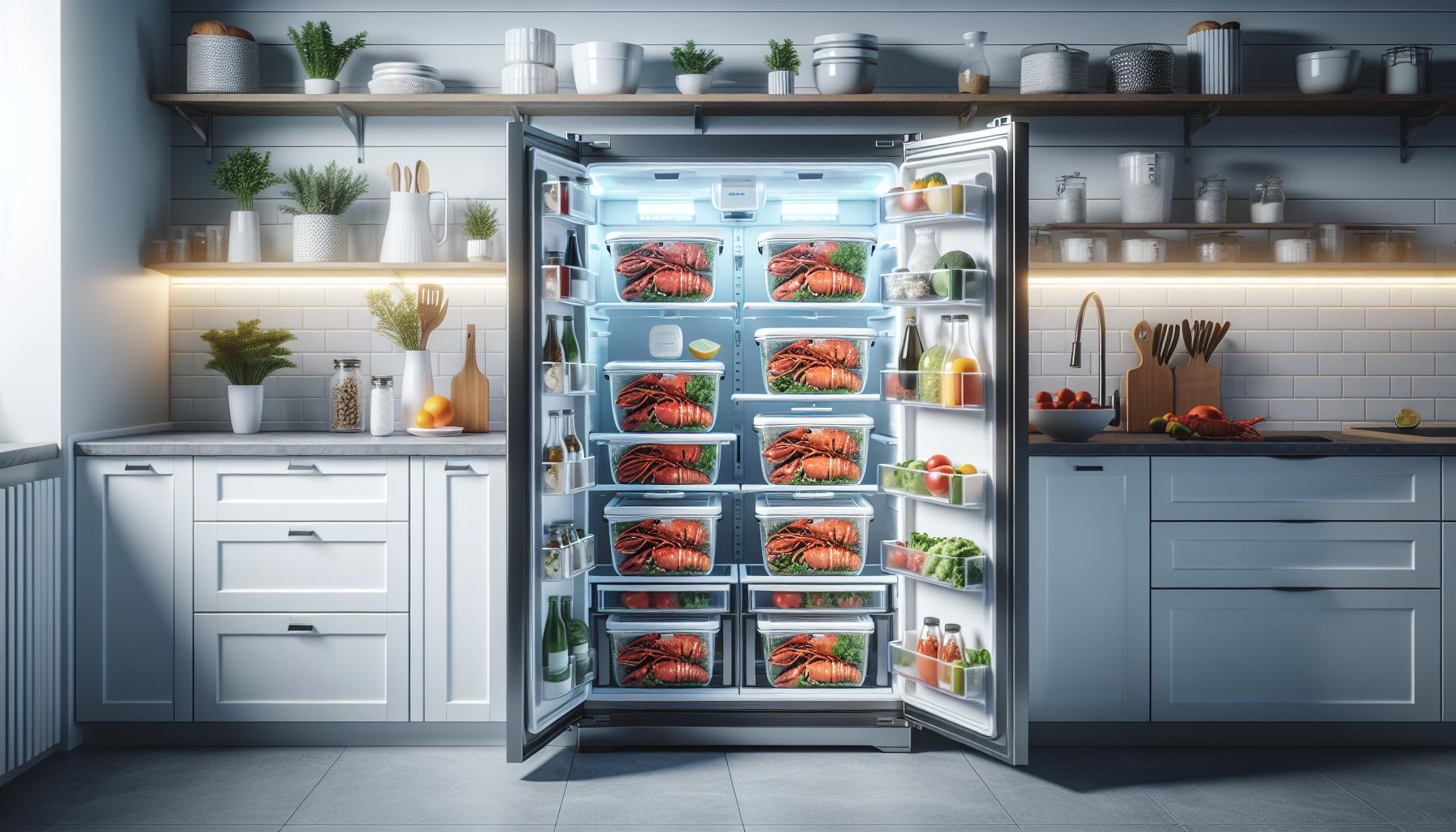
Storing cooked lobster correctly is essential to maintain its delicious flavor and prevent spoilage. To ensure your lobster remains fresh in the fridge, you’ll want to start by placing it in a shallow, airtight container. This limits exposure to air, which can accelerate spoilage. If you don’t have a suitable container, wrapping the lobster tightly in plastic wrap or aluminum foil can also work, just make sure that it is sealed securely.
Set your refrigerator’s temperature to keep food at or below 40°F (4°C), as this is the optimal temperature for preserving seafood. Make sure the cooked lobster is cooled properly before storage-allowing it to sit out for no longer than two hours after cooking will help prevent bacterial growth. It’s advisable to portion out your lobster, as removing portions for serving later minimizes the time that the remaining lobster is exposed to air.
Storage Duration and Guidelines
- Consumption Timeline: Aim to enjoy your cooked lobster within three to four days. Be sure to label the container with the date of cooking to keep track.
- Dividing Portions: If you anticipate using some lobster while leaving others stored, consider dividing it into smaller portions. This way, you can easily take out what you need without letting the entire quantity warm up and risk spoilage.
Additional Tips for Enhanced Freshness
If you have some leftover lobster shells or other parts, these can also be stored separately in a sealed container. While they don’t have the same shelf life, they can be used later for making seafood stocks or soups.
By following these simple yet effective guidelines, you can maximize the shelf life of your cooked lobster, ensuring it remains a safe and delectable choice for your meals. Remember, when in doubt, trust your senses-if it looks, smells, or feels off, it’s better to discard it for safety’s sake.
How to Safely Reheat Cooked Lobster
To fully enjoy the delectable taste of cooked lobster after it has been stored, knowing how to reheat it properly is crucial. Reheating can be tricky, as seafood can easily become tough or rubbery if not done correctly. The primary goal is to raise the lobster’s temperature just enough to warm it without further cooking it.
A great method for reheating cooked lobster is using the stovetop. Begin by filling a pot with about an inch of water and bringing it to a simmer. Place a steaming basket or colander above the simmering water and add the lobster, ensuring it does not touch the water. Cover the pot with a lid and steam the lobster for approximately 5-7 minutes. This method helps retain moisture and prevents the meat from drying out.
Alternatively, if you prefer the oven, preheat it to 350°F (175°C). Wrap the lobster in aluminum foil, adding a tablespoon of butter or a splash of water to keep it moist. Place the wrapped lobster directly on the oven rack and heat for around 10-15 minutes, checking to ensure it doesn’t overcook.
For those who have smaller portions or lobster claw meat, microwaving is an option, although it requires caution to prevent drying out. Place the lobster in a microwave-safe dish, cover with a damp paper towel, and heat in short intervals of 30 seconds, checking regularly until warm. It’s essential to avoid overheating to keep the texture enjoyable.
To ensure the best food safety practices, be sure to reheat lobster to an internal temperature of at least 145°F (63°C). This temperature not only enhances the dish’s taste but also ensures that any potential bacteria are eliminated. Enjoy your reheated lobster with confidence, knowing you’ve used safe methods to maintain its delicious flavor!
Freezing Cooked Lobster: Guidelines and Tips
When it comes to preserving the delightful taste of cooked lobster, freezing is an excellent option that can extend its shelf life significantly. Properly stored, cooked lobster can be frozen for up to three months without a significant loss of quality. To ensure the best results, you must prepare the lobster correctly before freezing. Consider these essential guidelines to maintain flavor and texture:
Freezing Process
- Cool Down Quickly: Always let your cooked lobster cool down to room temperature before freezing. This step helps prevent condensation, which can create ice crystals during freezing that lead to freezer burn.
- Prepare for Freezing: If the lobster is still in the shell, you may choose to freeze it whole or remove the meat and place it in freezer-safe containers. It’s often recommended to remove the meat from the shell to maximize freezer space and ease of future use.
- Use Appropriate Containers: Choose airtight containers or heavy-duty freezer bags to minimize air exposure. You can also wrap lobster meat tightly in plastic wrap before placing it in a container. Consider packaging in smaller portions for convenience.
- Label and Date: Clearly label containers with the date of freezing. This practice helps you keep track of how long the lobster has been stored and ensures that you use it within the recommended timeframe.
Thawing and Reusing Frozen Lobster
When you’re ready to enjoy your frozen lobster, the best method for thawing is to move it to the refrigerator for a slow, safe thaw overnight. Rapid thawing methods, like microwaving or using hot water, can negatively impact the texture and taste of the lobster. After thawing, consume the lobster within 1-2 days for the best quality.
By following these simple but effective guidelines, you can enjoy the fresh taste of cooked lobster well beyond its initial refrigeration period, thereby making the most of your culinary endeavors. Don’t hesitate to indulge in a seafood feast even on a busy weeknight; simply have your frozen lobster ready to go!
Storing Lobster Shells: What You Need to Know
Knowing how to properly store lobster shells can significantly enhance your culinary experience, as well as help reduce waste. While many may consider lobster shells mere refuse, they actually hold a wealth of flavor that can be harnessed for future culinary creations, such as broths and stocks. Here are some essential tips on storing lobster shells to maximize their use and maintain food safety.
First and foremost, it’s essential to cool lobster shells promptly after use. Letting them sit out can lead to bacterial growth, which poses health risks. Once cooled, you should clean the shells thoroughly to remove any leftover meat, as this will help prevent spoilage. Rinse the shells under cold water and allow them to dry completely. After drying, there are a couple of storage options depending on when you plan to use them.
For short-term storage, keep cleaned lobster shells in an airtight container in the refrigerator. They can last for up to three days under these conditions. If you are looking to save them for a more extended period, freezing is a wise choice. Place the cleaned shells in a heavy-duty freezer bag, removing as much air as possible before sealing. Clearly label the bag with the date to track its storage duration; frozen lobster shells maintain their quality for up to three months.
When you’re ready to use the stored shells, let them thaw in the refrigerator overnight rather than at room temperature, which helps prevent any chances of foodborne pathogens. Remember, the idea is to harness the rich flavor of lobster shells for your next culinary masterpiece-whether it’s a luxurious seafood chowder or a delectable lobster broth-without compromising food safety. By following these simple storage techniques, you can ensure that your lobster shells contribute delicious depth to your dishes while remaining safe to consume.
The Best Containers for Lobster Storage
When it comes to preserving the deliciousness of cooked lobster, choosing the right storage containers is crucial. A properly sealed environment can significantly extend the shelf life of your leftover lobster and maintain its flavor and texture. Ideally, cooked lobster should be stored in airtight containers that minimize exposure to air, moisture, and bacteria, thus keeping it fresh for up to three to four days in the refrigerator.
For short-term storage, clear, rigid plastic or glass containers with tight-sealing lids are among the best options. These materials are non-porous and prevent the lobster from drying out, while also safeguarding it against contaminants. Here are some details to consider when selecting containers for your cooked lobster:
- Glass Containers: They are an excellent choice because they do not absorb odors and are microwave-safe, making reheating straightforward.
- Plastic Food Storage Containers: Opt for BPA-free options that seal tightly. Look for ones labeled as freezer-safe if you plan on freezing your lobster.
- Vacuum-Sealed Bags: For longer storage, consider using vacuum sealers. This method removes air, which is a primary cause of spoilage, keeping lobster safe to eat for up to two months in the freezer.
When using any container, it’s essential to allow the cooked lobster to cool to room temperature before sealing it; placing hot food in a container can cause steam to build up, which may lead to bacteria growth. Once cooled, portioning your lobster into smaller containers can also help. This not only maximizes preservation by reducing exposure to air each time you open a container, but it also makes reheating more convenient.
By using the right containers and following proper cooling techniques, you can ensure that your cooked lobster stays fresh, tasty, and safe for enjoyment over several days or even months in the freezer.
Common Mistakes When Storing Cooked Lobster
Storing cooked lobster requires careful consideration to maintain its freshness and flavor, yet several common mistakes can lead to spoilage and waste. One prevalent error is failing to cool the lobster adequately before sealing it in a container. Placing hot seafood directly into airtight storage can create steam, which fosters a moist environment that promotes bacterial growth. Always let the lobster cool to room temperature for no more than two hours before packing it away.
Another frequent pitfall is overpacking the storage container. While it might seem efficient to cram all leftovers into one large container, this can actually compromise the lobster’s quality. Proper airflow is vital, as too much pressure can cause the meat to become soggy. Instead, consider dividing cooked lobster into several smaller containers, allowing each to have sufficient space and air circulation.
Additionally, some individuals neglect to check the refrigerator temperature, which should maintain a cool 32°F to 40°F (0°C to 4°C). If the temperature fluctuates or is too warm, the lobster could spoil faster than anticipated. It’s wise to invest in an appliance thermometer to monitor your refrigerator’s conditions consistently.
Lastly, many overlook the benefits of labeling their storage containers. Without proper dating, you may lose track of how long the lobster has been stored. Always label containers with the date of storage, ensuring you consume your leftovers within the optimum timeframe of three to four days. Staying vigilant about these simple yet crucial practices will help you enjoy your delicious cooked lobster at its best.
How Long Does Lobster Last in Different Storage Methods?
Cooked lobster can provide a delightful seafood experience, but knowing how to store it properly can significantly extend its shelf life. Understanding different storage methods is key to preventing spoilage and ensuring safety. Initially, when stored in the refrigerator, cooked lobster should ideally be consumed within three to four days. This timeframe is optimal when the lobster is stored in a shallow, airtight container at a temperature consistently between 32°F to 40°F (0°C to 4°C).
For longer-term preservation, freezing is an excellent option. When stored in a freezer, cooked lobster retains its quality for about two to three months. To freeze lobster effectively, ensure it is properly cooled and then place it in freezer-safe bags or containers, removing as much air as possible. This minimizes the risk of freezer burn, which can alter the texture and flavor of the meat.
When considering the vacuum-sealing method, cooked lobster can stay fresh for an even more extended period-up to six months in the freezer. Vacuum sealing not only prevents freezer burn but also preserves the lobster’s delicate flavors by eliminating air, which can lead to oxidation.
When it comes to storing leftover lobster shells, they should also be placed in an airtight container, and while the shells don’t spoil as quickly as the meat, if they’re stored in the refrigerator, aim to use them within two to three days. Keeping track of these different methods and their respective timelines can ensure that your lobster remains both delicious and safe to eat.
Health Risks of Eating Spoiled Lobster
Eating spoiled lobster can pose serious health risks, as improper storage and consumption can lead to foodborne illnesses. Lobster, when cooked, should remain safe to eat for a short period due to its susceptibility to bacterial growth. If you notice any signs that the lobster has gone bad-such as a sour smell, slimy texture, or discoloration-it’s crucial to discard it immediately. Consuming spoiled seafood can result in food poisoning, with symptoms ranging from stomach cramps and nausea to severe gastrointestinal distress.
To minimize risks, it’s essential to adhere to safe storage practices. Cooked lobster should be refrigerated and consumed within three to four days. Beyond this timeframe, the likelihood of harmful bacteria like Vibrio or Listeria proliferating increases substantially. If you’re unsure about the lobster’s safety, trust your senses. When in doubt, throwing it out is the wisest precaution.
Additionally, reheating spoiled lobster won’t eliminate the toxins that may have developed during storage. This means even if it seems okay after being heated, the harmful bacteria may still cause illness. As a guideline, it’s always better to err on the side of caution and avoid consuming any shellfish that has been stored improperly or for too long.
In summary, understanding the risks associated with spoiled lobster emphasizes the importance of proper storage and awareness of expiration timelines. Following the recommended practices not only preserves the quality of the lobster but also ensures your health and safety are safeguarded. Prioritizing these food safety measures will help you enjoy lobster safely and deliciously.
Cooking Tips to Maximize Lobster Shelf Life
When it comes to lobster, preserving its delicious flavor and ensuring food safety is crucial. Cooking lobster properly is the first step, but how it is stored afterward significantly impacts its shelf life. Here are some essential tips to maximize the freshness of your cooked lobster, allowing you to enjoy it longer while minimizing any health risks associated with improper storage.
To begin with, always cool your cooked lobster quickly before storage. Leaving it at room temperature for an extended period can lead to bacterial growth. The safest practice is to refrigerate the lobster within two hours of cooking. Place it in shallow containers to ensure it cools evenly and quickly. This method not only helps in reaching food-safe temperatures faster but also maintains the quality of the meat.
Optimal Storage Techniques
When storing cooked lobster, it’s important to do so in an airtight container. Vacuum-sealing is an excellent option if you plan to store it for an extended period. If vacuum sealing isn’t possible, use heavy-duty aluminum foil or plastic wrap to minimize air exposure, which helps deter freezer burn and maintains the lobster’s moisture.
For those who might not consume the lobster within a few days, consider freezing it. However, proper freezing techniques are vital to prevent the texture from becoming mushy. Ensure that the lobster is properly sealed to avoid freezer burn. Label the container with the date so you can keep track of how long it’s been in the freezer. Cooked lobster can typically last up to three months in the freezer, but for the best quality, try to use it within the first month.
In sum, paying careful attention to cooling and storing can significantly enhance the shelf life of your cooked lobster. By taking these simple yet effective steps, you can savor your seafood without compromising safety or flavor.
When to Discard Cooked Lobster: A Safety Guide
Cooked lobster is a gourmet delicacy that can be enjoyed for several days after preparation, but it does have a limited time frame for safe consumption. In general, cooked lobster should be consumed within three to four days when stored properly in the refrigerator. However, it is crucial to be vigilant about its freshness to prevent foodborne illness. If the lobster has been sitting in the fridge longer than this period or if any signs of spoilage are evident, it’s best to err on the side of caution and discard it.
When evaluating cooked lobster for freshness, pay close attention to both smell and appearance. A noticeable sour or overly fishy odor is typically a red flag that indicates spoilage. Additionally, if you notice any discoloration, such as a greyish tinge to the meat or an unusual slimy texture on the surface, these are also strong indicators that the lobster is no longer safe to eat. In such cases, even if it’s been within the storage time frame, these sensory clues can signal that bacteria may have developed, and consuming it could pose health risks.
To ensure safe storage practices, it’s advisable to always keep cooked lobster in an airtight container and refrigerate it as soon as it has cooled down post-cooking. Remember, if you have any doubts or suspicions about the lobster’s freshness – it’s always better to waste a little food rather than risk foodborne illness. Being proactive about these food safety measures will help you enjoy your lobster without worry, keeping both your taste buds and health in check.
Faq
Q: How can I tell if cooked lobster is still good to eat?
A: To check if cooked lobster is safe to eat, look for signs of spoilage such as a sour smell, slimy texture, or discoloration. It should smell fresh like the ocean and be firm to the touch. If in doubt, it’s best to discard it to avoid health risks.
Q: Can I eat cooked lobster after 5 days in the fridge?
A: It’s not recommended to eat cooked lobster after 3 to 4 days in the fridge. Consuming it after this time increases the risk of foodborne illness. Always prioritize safety and discard any leftovers older than 4 days.
Q: What is the best way to store cooked lobster in the fridge?
A: The best way to store cooked lobster is to place it in an airtight container or tightly wrap it in plastic wrap or aluminum foil. Proper storage helps maintain its freshness and prevents it from absorbing odors from other foods.
Q: How long can I keep frozen cooked lobster?
A: Frozen cooked lobster can last up to 6 months in the freezer if properly stored. Use airtight containers or heavy-duty freezer bags to prevent freezer burn and preserve quality until you’re ready to enjoy it.
Q: Is it safe to reheat cooked lobster more than once?
A: Reheating cooked lobster is safe, but it should only be done once. Repeated heating can degrade the lobster’s texture and taste, and increase the risk of bacterial growth if leftovers are not stored properly.
Q: What temperature should cooked lobster be reheated to?
A: When reheating cooked lobster, ensure it reaches an internal temperature of 165°F (74°C) to eliminate any harmful bacteria. Use a food thermometer for accuracy to keep the lobster safe to eat.
Q: How should I safely thaw frozen cooked lobster?
A: To safely thaw frozen cooked lobster, place it in the refrigerator overnight. Alternatively, you can submerge it in cold water in a sealed bag for quicker thawing. Never thaw at room temperature to avoid bacterial growth.
Q: How can I maximize the shelf life of cooked lobster in storage?
A: To maximize the shelf life of cooked lobster, store it promptly in the refrigerator within two hours of cooking. Using airtight containers, proper refrigeration, and consuming within 3 to 4 days can help maintain its quality and safety.
Final Thoughts
In summary, cooked lobster can safely be stored in your fridge for up to 3-4 days if properly sealed, ensuring you enjoy its delightful taste without compromising food safety. If you’re curious about the best methods for reheating or want to explore different lobster recipes, check out our articles on “Creative Lobster Recipes” and “How to Reheat Lobster Safely.”
Don’t let your lobster go to waste-take action now by confirming your fridge’s temperature and following these storage tips to make the most of your seafood experience. For more insights on seafood storage and cooking techniques, consider signing up for our newsletter. We’d love to hear your thoughts or questions, so feel free to leave a comment below! Your culinary journey doesn’t stop here-explore our related guides for the ultimate lobster experience!