
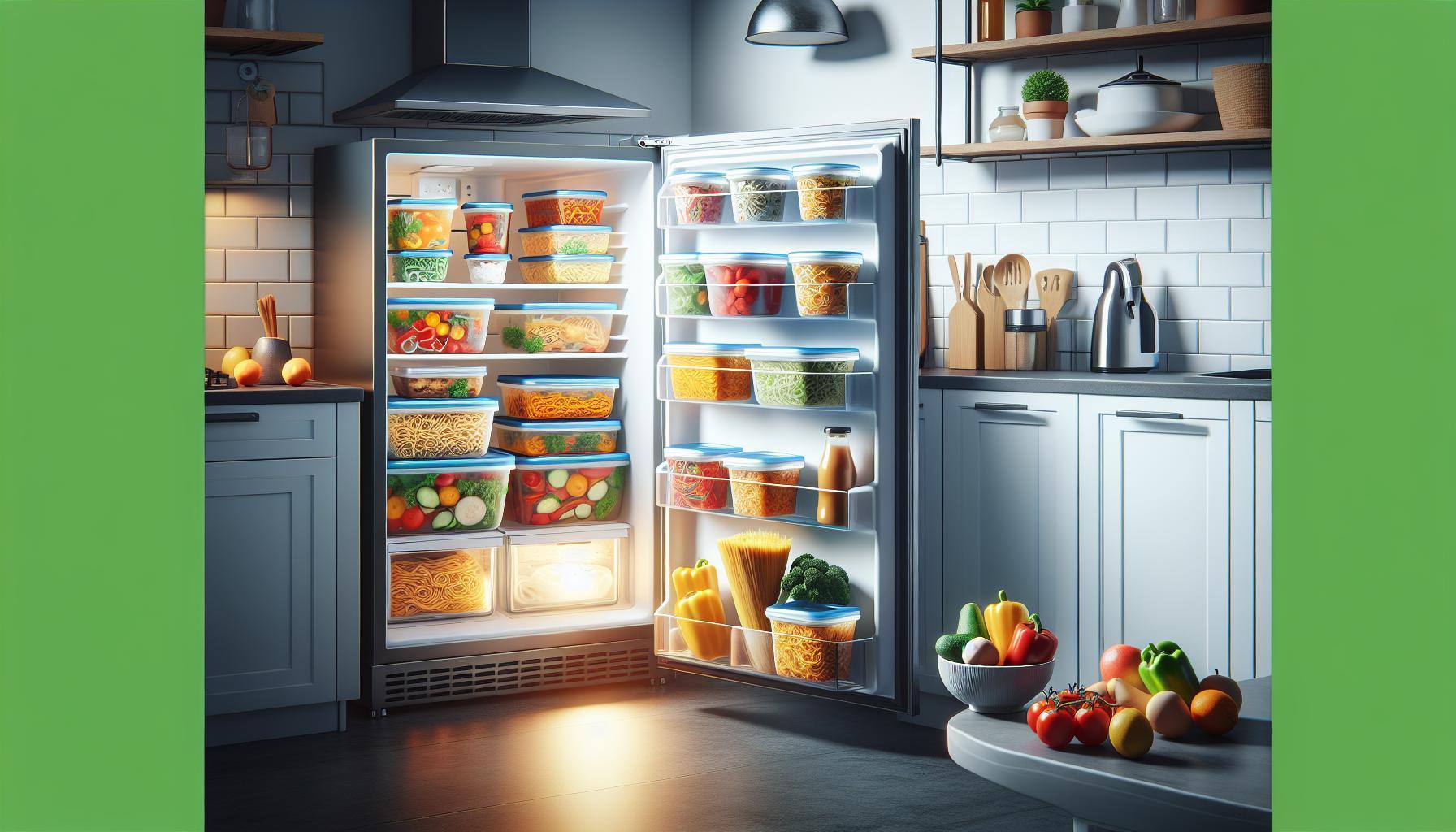

Did you know that nearly 40% of food in the United States goes to waste, often due to improper storage? For lovers of delicious Chinese cuisine, knowing how long your takeout lasts in the fridge can make a significant difference, not only in terms of flavor but also food safety. Leftover Chinese food can be a delightful treasure if stored correctly, but neglecting proper guidelines can lead to health risks.
In this guide, we’ll dive into how long different types of Chinese food last in your fridge, ensuring you make the most of your leftovers while keeping your family safe. Whether it’s that last bit of fried rice or some mouthwatering dumplings, understanding storage times and best practices will help you enjoy your favorite dishes without worry. Read on to discover essential insights that will keep your meals both delicious and safe.
How to Store Leftover Chinese Food Safely
When it comes to enjoying leftover Chinese food, proper storage is crucial to ensure both safety and quality. Many people dread the idea of food spoilage, but with the right techniques, you can extend the life of your takeout without sacrificing taste. Start by allowing your leftover food to cool to room temperature-this typically takes about 30 minutes. Never leave food out for more than two hours to prevent bacterial growth. Once cooled, transfer the leftovers to airtight containers, which not only preserves flavor but also prevents odors from spreading in your fridge.
For ideal storage conditions, keep your fridge temperature at or below 40°F (4°C). This helps maintain a safe environment for your food. It’s also wise to label containers with the date of storage, giving you a clear timeline for consumption. Most leftover Chinese dishes can last about 3 to 5 days in the fridge, depending on ingredients; seafood items may spoil quicker than fried rice or noodles.
To maintain optimal quality, separate different components of your meal if possible. For instance, store fried items, sauces, and vegetables in separate containers. This prevents sogginess and helps retain the texture of each dish. Additionally, avoid refreezing items that you have already thawed, as this increases the risk of foodborne illnesses. Following these steps ensures your leftover Chinese food remains a delightful option for your next meal, keeping it tasty, safe, and waste-free.
Ideal Storage Conditions for Chinese Takeout
To ensure your leftover Chinese takeout stays fresh and safe to eat, it is essential to understand the ideal storage conditions. A critical factor in food preservation is maintaining the right temperature. Your refrigerator should be set at or below 40°F (4°C), which slows bacterial growth and keeps food safe for consumption. Using a refrigerator thermometer can help you monitor this effectively.
When storing your leftovers, transfer the food into airtight containers as soon as it has cooled to room temperature. This prevents moisture loss and odors from permeating your fridge. To avoid spoilage, label each container with the date of storage. To maximize freshness, especially with mixed dishes like stir-fries or fried rice, consider separating different components-such as proteins, sauces, and vegetables-into individual containers. This simple step helps maintain texture and flavor.
Another vital aspect of storage is placing the containers in the correct spot in your fridge. The back of the fridge tends to be colder than the front, making it a preferable location for your leftovers. Typically, most leftover Chinese food can last 3 to 5 days in the fridge, depending on the ingredients. Seafood dishes may spoil quicker than options like fried rice or egg rolls, so be mindful of the ingredients when estimating how long to keep your leftovers. Following these guidelines will help ensure the food you save remains delicious and safe for your next meal.
How Long Can You Keep Chinese Food in the Fridge?
While the allure of leftover Chinese food can make it tempting to keep it for days on end, understanding how long you can safely store these delectable dishes in your fridge is essential for both taste and food safety. Typically, most leftover Chinese food can be stored in the refrigerator for about 3 to 5 days. However, several factors can influence this time frame, such as the specific ingredients used and how the food was prepared and stored.
To ensure maximum freshness and safety, it’s crucial to be mindful of what you’re keeping. Dishes that contain seafood or poultry often have shorter shelf lives and should ideally be consumed within 3 days. In contrast, sturdier items like fried rice or egg rolls can last up to 5 days without significant quality degradation. Always check that your refrigerator is functioning correctly, maintaining a temperature of 40°F (4°C) or below, as this environment slows down bacterial growth significantly.
For best practices, enlist the help of your own senses. If the food exhibits a sour smell, unusual texture, or strange color, it’s time to discard it, even if it’s within the typical storage period. Keeping a label on your containers with the date of storage can help keep track of how long your leftovers have been sitting in the fridge, allowing you to enjoy your meal while ensuring food safety.
Signs Your Leftovers Have Spoiled
Leftover Chinese food can be delicious, but knowing when it has spoiled is crucial to avoid foodborne illnesses. Spoilage can happen more quickly than you might think, especially if the food hasn’t been stored properly. Therefore, it’s important to be vigilant and use your senses to determine whether that takeout is still safe to enjoy.
One of the first signs that your leftovers have gone bad is a change in smell. If you detect a sour or otherwise off odor that is markedly different from the dish’s original scent, it’s advisable to err on the side of caution and discard the food. Additionally, look for changes in texture. For instance, if fried items lose their crispiness and begin to feel slimy or mushy, it’s a clear indicator that they are no longer fresh.
Color changes can also reveal spoilage. If you notice any unusual discoloration, such as gray or green spots on meat dishes, or a dulling in the vibrance of vegetables, it’s best to throw that food away. Even if it still seems edible, lingering bacteria could pose a health risk. Temperature plays a critical role as well; if the food has been left out at room temperature for over two hours, discard it regardless of appearance, as bacteria can multiply rapidly in that time frame.
To make smart decisions about leftover consumption, regularly check your refrigerator’s temperature and try to consume leftovers within the recommended timeframe of 3 to 5 days. Keeping a label with storage dates can simplify this process, aiding in food safety while allowing you to savor the flavors you enjoyed the first time around.
Proper Reheating Techniques for Leftover Chinese Food
Reheating leftover Chinese food can be an art, as you want to maintain the flavors and textures while ensuring it is safe to eat. Using the right techniques not only revives your meal but also helps minimize the risk of foodborne illnesses. To begin, always aim to reheat your food to an internal temperature of 165°F (74°C) to effectively kill off any bacteria that may have developed during storage.
When it comes to reheating, the method you choose can greatly impact the final product. Microwaving is the quickest option, but be careful to heat evenly. To do this, place your leftovers in a microwave-safe dish, cover it with a microwave-safe lid or damp paper towel, and heat in short intervals, stirring in between to distribute the heat evenly. This prevents hot and cold spots, ensuring your meal is heated through consistently. If you’re reheating fried dishes, like spring rolls, consider using an oven or an air fryer instead, which will help retain that delicious crunch by reheating them at 350°F (175°C) for about 10-15 minutes.
On the other hand, using a stovetop is a fantastic approach for dishes with sauces, such as stir-fries or noodles. In a skillet, add a small amount of oil or water to prevent sticking, and reheat over medium heat, stirring frequently until the food reaches the recommended temperature. This method allows for better flavor recovery and prevents drying out, which can occur with microwave reheating.
While reheating, it’s vital to be mindful of not reheating more than once, as each cycle can reduce food quality and safety. So, only take out the portions you plan to eat, and store the rest for later! Remember that proper reheating not only revives your meal but also enhances your overall dining experience.
Storage Tips for Different Types of Chinese Dishes
Storing leftover Chinese food properly is essential not only for maximizing its shelf life but also for ensuring food safety. Different types of Chinese dishes may have varying storage requirements due to their ingredients and preparation methods. Understanding how to store your favorites can help you enjoy them safely and deliciously later.
For dishes that include rice, such as fried rice or steamed rice, it’s crucial to cool them down promptly after serving, ideally within two hours. Store them in an airtight container in the refrigerator where they can last for about 3-4 days. Rice can harbor bacteria if left at room temperature, so proper cooling is vital. If you have leftover rice that you think you won’t eat within this timeframe, consider freezing it. It can remain safe in the freezer for about 1-2 months. When you’re ready to use it, simply thaw it in the refrigerator before reheating.
Vegetable stir-fries and dishes that contain sauces should also be stored in airtight containers. These can typically be kept in the refrigerator for around 3-5 days. Be mindful of the vegetables’ texture; some may become soggy after reheating, but a quick stir-fry can regain some of their firmness. For dishes that are fried, such as spring rolls or battered items, airtight containers can help maintain their crispness, but note that they may only stay fresh for about 2-3 days. To revive that delightful crunch, consider reheating them in an oven or air fryer.
When it comes to soups or broths, they should be cooled quickly and placed in a container with some headspace to allow for expansion when frozen. Broths can last for about 3-4 days in the fridge but can be stored in the freezer for up to 4-6 months. Whatever the type of dish, labeling containers with the date can help you keep track of their freshness and ensure you consume them while they are still safe. Store your leftovers wisely to enjoy the flavors of your favorite Chinese dishes whenever the craving strikes!
Freezing Chinese Food: Best Practices
Freezing leftover Chinese food is an excellent way to extend its freshness and minimize waste, allowing you to savor your favorite dishes at a later date without sacrificing quality. Whether you’re dealing with fried rice, sweet and sour chicken, or a savory wonton soup, understanding the best practices for freezing can make all the difference in maintaining flavor and texture.
To start, ensure that your leftovers are cooled down to room temperature within two hours of cooking. This crucial step helps prevent the growth of harmful bacteria. Store the food in airtight containers or freezer bags, removing as much air as possible before sealing to prevent freezer burn. For soups and sauces, you may want to use containers that allow for some headspace; liquids expand when frozen and need space to do so safely. It’s a good practice to label each container with the date and contents, so you can easily keep track of what you have and when it should be consumed.
Different types of Chinese dishes require specific attention to freezing. For instance, rice can be frozen and will last for up to 1-2 months in the freezer. Keep in mind that rehydration during reheating is essential to restore some of the rice’s original texture. Dishes with vegetables, like stir-fries, can maintain quality, but they may change in texture upon thawing; consider pre-cooking the vegetables for just a short time before freezing to keep some firmness. Fried items, like spring rolls or dumplings, might not retain their crispiness after freezing, but reheating them in an oven or air fryer can help reclaim some crunchiness.
For best results, plan your reheating methods carefully. Always thaw your frozen Chinese food in the refrigerator overnight rather than at room temperature, which can promote bacterial growth. Reheat thoroughly until the internal temperature reaches at least 165°F (74°C) to ensure food safety. Following these guidelines will allow you to enjoy your leftover Chinese cuisine with confidence, full of flavor and safety, long after your meal has finished.
How to Tell If Chinese Food is Safe to Eat
To ensure your leftover Chinese food is safe to eat, rely on your senses and some key guidelines. First, always remember that food safety starts from the moment your meal ends. After enjoying your delicious Chinese takeout, you should promptly refrigerate any leftovers to inhibit harmful bacteria growth. Generally, leftovers should be consumed within 3 to 4 days if stored correctly in the fridge.
When checking if your Chinese food is still good, look for visible signs of spoilage. If there’s any mold, unusual discoloration, or an unpleasant odor, it’s time to toss it out. Even dishes that seem fine visually may still harbor bacteria if they’ve been stored for longer than recommended. The texture can also provide clues; for instance, if a dish that should be saucy appears dry or grainy, that’s a potential red flag.
Temperature is another critical factor. Chinese food should be kept at a temperature below 40°F (4°C) in the refrigerator. If it has been left out at room temperature for more than two hours, it should not be consumed. When you reheat leftovers, ensure they’re brought to an internal temperature of at least 165°F (74°C) to kill any harmful bacteria that may have developed during storage. Always use a food thermometer to confirm that your dish has reached a safe temperature throughout.
By staying vigilant and using these safety cues, you can enjoy your leftover Chinese food with confidence, ensuring that your dining experience remains both delightful and safe.
Common Myths About Leftover Chinese Food
Misconceptions about how to handle leftover Chinese food abound, leading many to inadvertently jeopardize their health. One prevalent myth is that leftovers remain safe indefinitely if stored in the refrigerator. In reality, while refrigeration slows bacterial growth, it doesn’t stop it entirely. Leftover Chinese food should be consumed within 3 to 4 days for optimal safety; beyond this timeframe, the risk of foodborne illness increases significantly.
Another common belief is that reheating food to steaming hot will eliminate any harmful bacteria present. While heating can kill some pathogens, toxins produced by certain bacteria, like Staphylococcus aureus, may withstand high temperatures. Thus, relying solely on reheating is not a foolproof method to ensure food safety. Instead, it’s vital to prioritize proper storing practices right after your meal to maintain quality and safety.
Some might think that certain types of Chinese dishes are less prone to spoilage than others. For instance, fried rice, often perceived as a sturdy dish, can be just as susceptible to bacteria growth as any saucy stir-fry. It’s crucial to evaluate all food types equally when deciding whether to keep or discard leftovers. Other misconceptions include the belief that food can be safe if it smells fine or looks normal. In reality, dangerous bacteria can proliferate without causing visible signs of spoilage, underscoring the importance of sticking to recommended storage times and methods.
By being aware of these myths and understanding the realities of food storage, consumers can make informed decisions, ensuring that their delicious Chinese takeout is enjoyed safely and healthily. Always remember to refrigerate leftovers promptly and adhere to storage time guidelines to maintain both flavor and safety.
What to Do With Leftover Chinese Food: Creative Recipes
Transforming leftover Chinese food into creative dishes can not only reduce waste but also invigorate your meals with new flavors. Here are several inventive ways to use your takeout, keeping in mind that leftovers are best enjoyed within 3 to 4 days for safety.
Fried Rice Remix
One of the classic ways to repurpose leftover rice and various proteins is by making fried rice. Start by heating a tablespoon of oil in a skillet, add chopped vegetables like bell peppers, carrots, and peas, and sauté until tender. Toss in your leftover rice and any proteins, such as chicken, shrimp, or tofu. Scramble an egg directly into the mixture for added richness and finish off with soy sauce and sesame oil for flavor. This quick dish not only reuses leftover ingredients but also creates a wholesome meal.
Stir-Fry Surprise
Turn leftover stir-fry into a fresh new dish with minimal effort. Heat some oil in a wok or large frying pan, add in any leftover stir-fried meats and vegetables, and incorporate fresh ingredients such as broccoli, snap peas, and garlic. To elevate the flavor, consider adding a splash of oyster sauce or a sprinkle of chili flakes for heat. Serve it over a bed of fresh noodles or add it to a salad for a crunchy texture.
Soup It Up
Another excellent option is to create a savory soup. Combine any leftover proteins, vegetables, and a base of broth in a pot. Add spices like ginger and garlic for extra warmth, then let it simmer to meld the flavors. For a heartier option, drop in some dumplings or wontons for a delightful twist. This warming dish is perfect for repurposing leftovers and is great for utilizing what you have on hand.
Creative Spring Rolls
Use leftover meats, veggies, and even rice to make fresh spring rolls. Soften rice paper in warm water, and then fill each wrapper with your desired ingredients-think shredded chicken, lettuce, carrots, and herbs. Roll them up and serve with a simple dipping sauce made from soy sauce, peanut butter, or sweet chili sauce. They make for a light meal or a fantastic appetizer with a fun crunch.
Incorporating leftover Chinese food into new recipes is not only a creative cooking solution but also an effective way to enjoy diverse flavors while minimizing food waste. Always ensure your leftovers are stored properly and consumed within safe timeframes for the best taste and safety.
FAQ
Q: How can I tell if Chinese food is still good to eat?
A: To determine if Chinese food is safe, check for off smells, changes in color, or a slimy texture. If any of these signs are present, it’s best to discard it. You can also refer to the storage section in your leftovers guide for more detailed information.
Q: Can I eat Chinese food that has been left out overnight?
A: It is not safe to eat Chinese food left out at room temperature for more than two hours. Bacteria can grow quickly in such conditions. Always refrigerate leftovers promptly to ensure safety.
Q: What is the best way to reheat leftover Chinese food?
A: The best way to reheat leftover Chinese food is in a microwave or on the stovetop until it reaches an internal temperature of 165°F. Using a steam method can help retain moisture. For more reheating techniques, view the related section in your guide.
Q: How long can I freeze leftover Chinese food for safe storage?
A: Leftover Chinese food can be safely frozen for up to three months. Make sure to store it in airtight containers to prevent freezer burn. Check the freezing section of your guide for tips on optimal storage.
Q: Is it safe to reheat Chinese food multiple times?
A: While it’s generally safe to reheat Chinese food multiple times, it’s best to only reheat what you plan to eat to maintain quality and safety. Frequent temperature changes can lead to bacterial growth, so refer to your reheating guide for safe practices.
Q: Are there specific Chinese dishes that don’t store well?
A: Yes, dishes with a high moisture content, like soups or fried rice, may not store well and can become mushy. Sauces can also separate. Refer to the storage tips section for detailed advice on specific dishes.
Q: How long do leftovers from Chinese restaurants usually last?
A: Leftovers from Chinese restaurants typically last 3-4 days in the fridge if stored properly. Always check for freshness before consumption and discard if any signs of spoilage are present.
Q: Can I eat Chinese food after the expiration date on the takeout container?
A: It’s not recommended to eat food after the expiration date on the takeout container, as this may not guarantee safety. Always prioritize safety by evaluating how long the food has been stored, referencing guidelines in your leftovers guide for more information.
Key Takeaways
When it comes to enjoying your leftover Chinese food safely, remember that optimal storage is key. Most leftovers can be kept in the fridge for about three to four days, but if you have any doubts, it’s always best to err on the side of caution. For more tips on maximizing your food’s longevity, check out our guides on “Safe Food Storage Tips” and “Understanding Expiration Dates.” If you’re interested in learning how to whip up fresh Chinese meals at home, don’t miss our “Easy Chinese Recipes” section.
Don’t forget to subscribe to our newsletter for expert cooking tips and food safety advice straight to your inbox! Have questions or want to share your own tips? Drop a comment below, and let’s keep the conversation going. By staying informed and proactive, you can ensure your meals are not only delicious but also safe. Explore more, stay savvy, and keep those leftover worries at bay!


