


Did you know that cooked rice can become a breeding ground for harmful bacteria if left unrefrigerated? Understanding how long cooked rice lasts without refrigeration is crucial for food safety and preventing foodborne illnesses. Many people prepare rice in advance, but if it’s not stored properly, you could face serious health risks.
In this guide, we’ll explore the essential timeframes and storage methods to ensure your rice remains safe to eat. Whether you’re meal prepping or just curious about proper food storage, knowing how to handle cooked rice can save you from food poisoning. Keep reading to learn practical tips that will help you make informed and safe choices in the kitchen.
How Long Can Cooked Rice Be Left Out?

Cooked rice, a staple in many diets worldwide, offers convenience but also poses significant food safety concerns when left out at room temperature. In general, perishable foods, including cooked rice, should not be left unrefrigerated for more than two hours. This timeframe is crucial because bacteria thrive at room temperature, leading to potential foodborne illnesses. If the ambient temperature exceeds 90°F (32°C), this window reduces to one hour.
When rice is cooked, it creates a moist environment that is ideal for bacteria, particularly Bacillus cereus, which can survive the cooking process but proliferates rapidly in unrefrigerated conditions. To avoid any health risks, it’s essential to understand this simple rule and utilize proper storage methods. For optimal safety, if cooked rice needs to be left out, it’s advisable to keep it on a heating pad or in a warm environment (not exceeding 140°F/60°C) until it can be consumed.
If you find yourself in a situation where cooked rice has been left out beyond these time limits, it’s safer to discard it. Trusting your senses can sometimes lead to a false sense of security, as bad bacteria may not always be visible or have a noticeable smell. Prioritizing food safety by adhering to these guidelines can keep you and your loved ones safe from foodborne illnesses.
The Science Behind Spoilage: Understanding Bacteria
When cooked rice is left out at room temperature, it becomes a perfect breeding ground for harmful bacteria, especially Bacillus cereus. This bacterium is notorious for causing foodborne illnesses and can proliferate quickly when rice is stored improperly. Bacillus cereus spores can survive the cooking process, meaning the rice can appear perfectly fine yet still be a source of contamination if not handled properly.
During warmer conditions, particularly above 40°F (4°C), bacteria can multiply rapidly. In just a couple of hours, that previously safe portion of rice can harbor enough bacteria to pose serious health risks. Therefore, it’s critical to adhere to the recommended timeframes for leaving cooked rice out: no more than two hours at room temperature, or just one hour if the ambient temperature is above 90°F (32°C). Ignoring these guidelines significantly increases the chances of food poisoning.
To understand spoilage better, it’s essential to recognize the signs of bacterial growth. Unlike typical spoilage indicators like off odors or changes in texture, Bacillus cereus can thrive without obvious signs. This underscores the importance of maintaining proper storage practices immediately after cooking. Refrigerating the rice within that two-hour window, or keeping it heated appropriately if it will be served later, is the best way to mitigate these risks.
In summary, understanding the behavior of bacteria in stored food is key to preventing spoilage and potential foodborne illness. Maintaining awareness of proper food storage practices can safeguard health and ensure that meals are not only delicious but safe for consumption.
Signs Cooked Rice Has Gone Bad

Cooked rice, while a staple in many diets, can quickly become unsafe to eat if not properly stored. Understanding the signs that indicate your cooked rice has gone bad is crucial for preventing foodborne illnesses. One notable aspect of rice spoilage is that the notorious bacteria Bacillus cereus can thrive without any obvious symptoms, making it essential to be vigilant.
One of the first signs that cooked rice is no longer safe to consume is a change in texture. Fresh, properly stored rice should have a fluffy consistency, while spoiled rice can become overly hard or gummy. It may become clumpy, and the individual grains may stick together more than usual. Along with texture changes, be alert for any off smells. While rice generally has a neutral aroma, a sour or rancid smell can indicate the growth of harmful bacteria.
Another symptom to consider is the presence of visible discoloration or mold. If you notice any unusual spots or a fuzzy layer on the surface, it’s best to err on the side of caution and discard the rice. Additionally, if your rice has been left out for longer than the recommended time frames-two hours at room temperature, or just one hour in temperatures above 90°F (32°C)-this is a crucial indicator that bacterial growth could have occurred, even if the rice looks and smells okay.
In summary, vigilance regarding storage time and being aware of changes in texture, smell, and appearance are key to ensuring that the rice you eat is safe. Always prioritize food safety by refrigerating leftovers promptly and inspecting your meals before consuming them. By following these guidelines, you can reduce the risk of enjoying spoiled rice and safeguard your health.
Safe Storage Practices for Cooked Rice
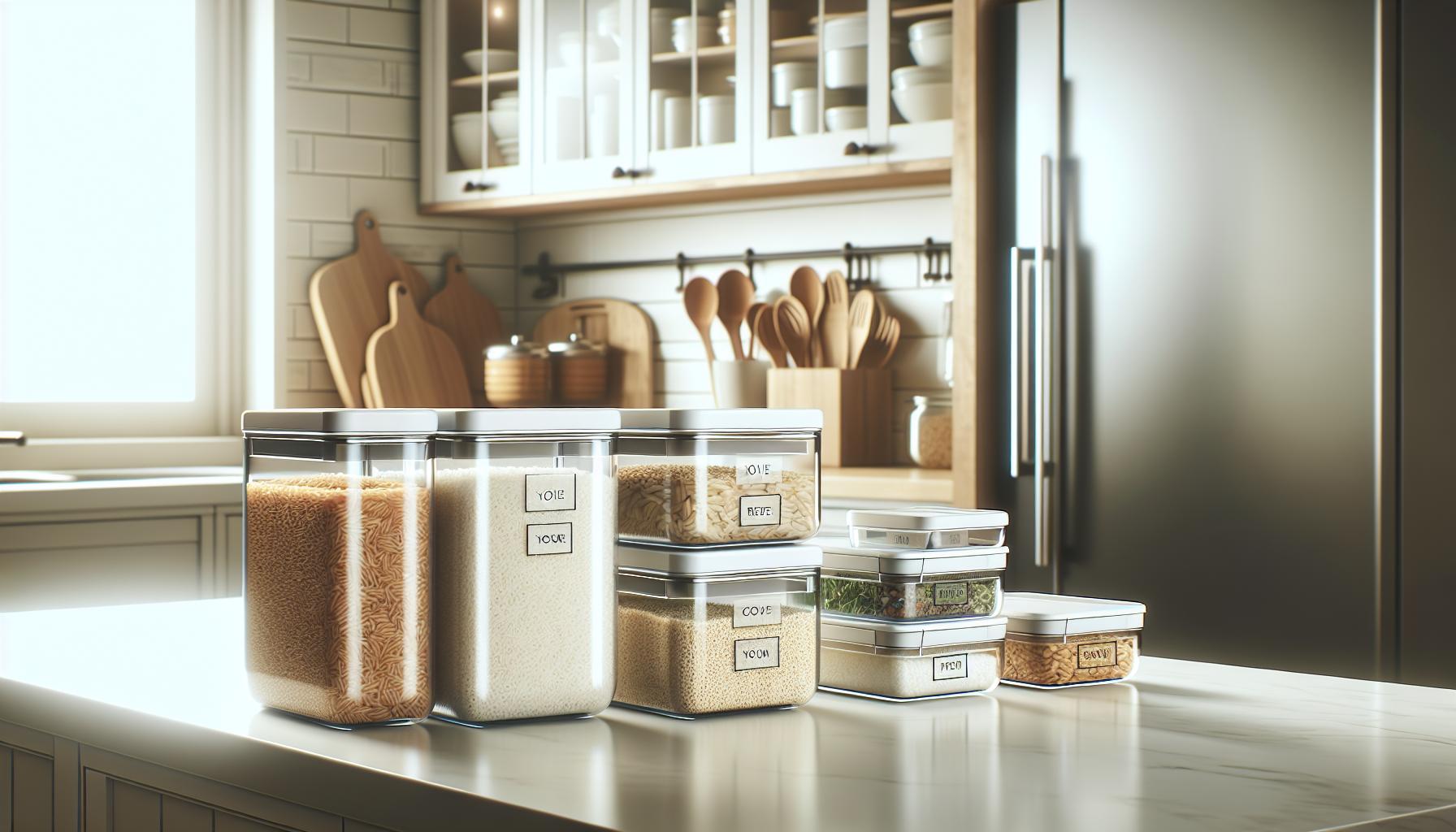
Cooked rice is a versatile food item found in numerous cuisines worldwide, but it requires careful handling to ensure safety and quality. The key to preventing food poisoning lies in how long you leave cooked rice out and how you store it afterward. To minimize the risk of bacterial growth, particularly from Bacillus cereus, it’s crucial to follow a few essential storage practices.
As a general rule, cooked rice should not be left out at room temperature for more than two hours. If the temperature is above 90°F (32°C), the safe timeframe reduces to just one hour. After this period, even if the rice appears and smells fine, harmful bacteria can proliferate rapidly. To ensure optimal safety, it is best to refrigerate cooked rice promptly. When doing so, use shallow containers to help the rice cool quickly and evenly. Aim to spread the rice out in a single layer, as this will also aid in cooling and decrease the risks associated with prolonged warmth.
Another important consideration is the way you package cooked rice for storage. Make sure to use airtight containers or tightly seal plastic wrap to prevent moisture loss and protect against contaminants. Labeling containers with the date of cooking can help you keep track of how long the rice has been stored. Ideally, consumed leftovers should be reheated and eaten within three to four days of refrigeration. For longer storage, consider freezing cooked rice in individual servings, which allows for easy defrosting and reheating later while maintaining safety.
By implementing these safe storage practices, you can enjoy your cooked rice without the worry of foodborne illnesses. Remember to stay vigilant with proper cooling and storage techniques, and you’ll be well on your way to enjoying this staple food safely and deliciously.
Tips to Extend Freshness of Cooked Rice
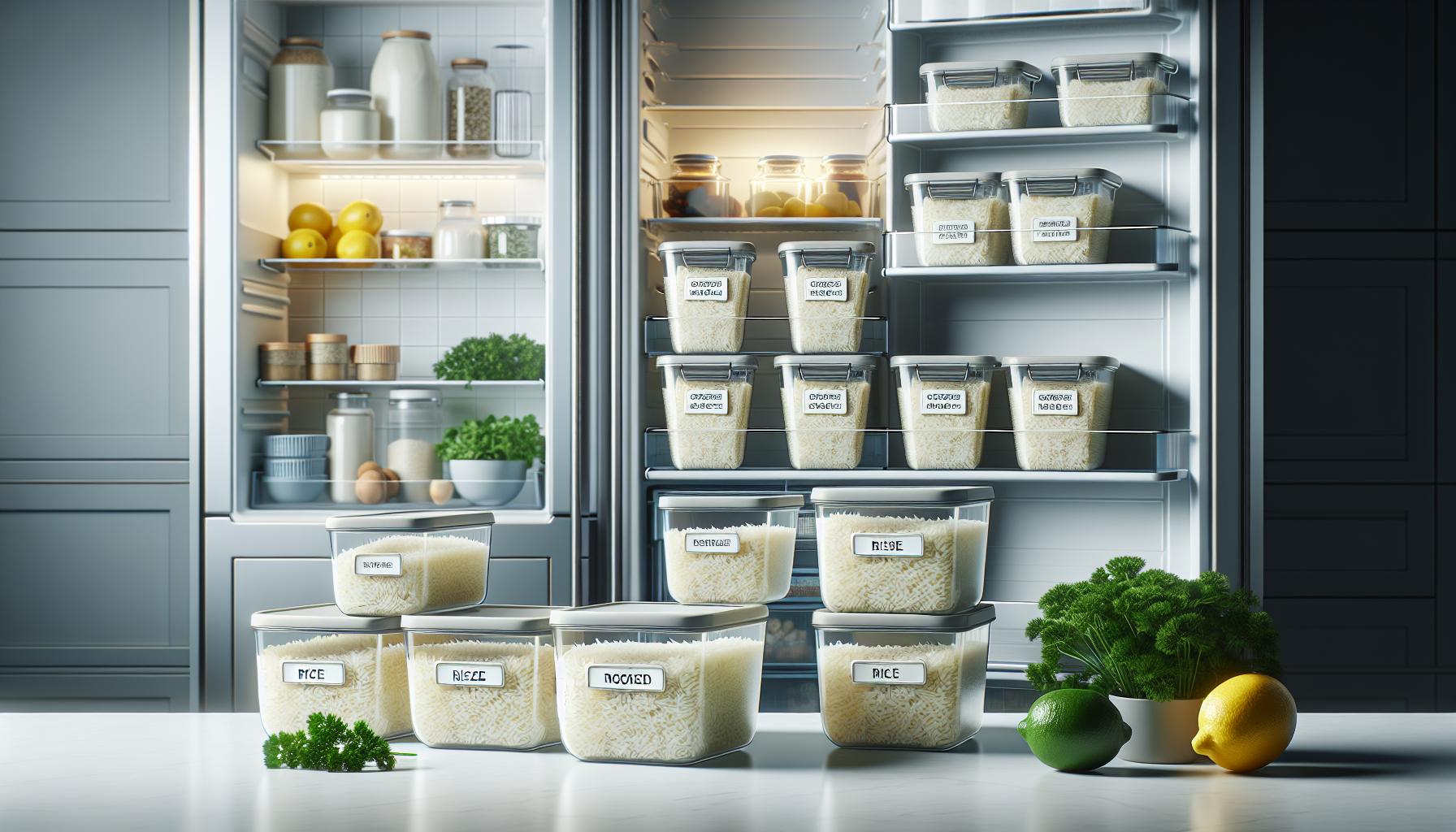
To keep cooked rice fresh and safe for consumption, it’s essential to adopt smart storage practices right from the moment it cools. Cooked rice should ideally be refrigerated within two hours of cooking to inhibit the growth of harmful bacteria like Bacillus cereus. However, there are additional steps you can take to extend its freshness and enjoy this versatile staple safely.
One of the best methods to maintain the quality of cooked rice is to use shallow containers for storage. This increased surface area allows the rice to cool more quickly, reducing the time it spends in the temperature danger zone where bacteria thrive. Once cooled, ensure that the containers are airtight. This helps to prevent moisture loss, which can lead to hard, unpalatable rice, and also protects against any potential contaminants in your refrigerator. If you are storing larger quantities, consider dividing the rice into smaller portions; this not only speeds up the cooling process but also makes it easier to reheat only what you need later.
Additional Storage Tips
- Label and Date: Always label your storage containers with the date the rice was cooked. This practice helps you keep track of freshness and ensures you consume it within recommended timeframes, ideally within three to four days.
- Freezing for Longevity: For long-term storage, freezing cooked rice is a fantastic option. Portion it out into individual servings before freezing, and use freezer-safe bags or containers. When you want to eat it, just defrost the desired amount in the refrigerator or microwave.
- Reheating Safely: When you reheat rice, make sure it reaches an internal temperature of 165°F (74°C). This is crucial for killing any bacteria that may have developed during storage.
By implementing these practices, you can significantly extend the freshness of your cooked rice, reducing waste and the risk of foodborne illness while enjoying your meals worry-free.
What to Do If You Suspect Food Poisoning
If you’ve consumed cooked rice that has been left out for an extended period and start feeling unwell, it’s important to understand the steps you should take. Food poisoning can occur when bacteria, such as Bacillus cereus, multiply in rice that has not been stored properly. Symptoms often include nausea, vomiting, diarrhea, and abdominal cramps, which can appear within hours after consuming contaminated food.
First, try to assess your symptoms. If you are experiencing mild symptoms, ensure that you stay hydrated by drinking plenty of fluids. Clear broth, water, or electrolyte solutions can help replenish lost fluids and prevent dehydration. Avoid solid foods until your stomach settles. If symptoms persist for more than 24 hours or become severe, such as high fever, blood in vomit or stools, or signs of dehydration (such as dizziness, dry mouth, or decreased urination), it is critical to seek medical attention immediately.
Furthermore, report your symptoms and any possible food sources to your healthcare provider, especially if you suspect the food poisoning originated from a communal setting. This information can assist health officials in preventing broader outbreaks.
Being proactive is key. Always practice proper food storage habits and pay attention to the signs of spoilage in food items. For cooked rice, remember to refrigerate within two hours after cooking and use it within three to four days to minimize risks. Awareness and prompt action can significantly reduce the chances of severe food-related illnesses.
How to Properly Reheat Leftover Rice
Reheating leftover rice properly is essential to ensure not only the best flavor but also to minimize the risk of foodborne illness. Cooked rice is particularly susceptible to bacterial growth, especially if it has been left out too long. Consequently, it’s crucial to follow the right procedures when reheating to ensure a safe meal.
To reheat rice effectively, start by adding a splash of water or broth to the rice before heating. This additional moisture will help prevent the rice from drying out, promoting a fluffy texture. You can use various methods for reheating, such as the microwave, stovetop, or oven.
Microwave Method
- Place the rice in a microwave-safe container and sprinkle a little water over it.
- Cover the container with a damp paper towel or a lid that isn’t airtight to allow steam to escape.
- Heat on medium power for about 2 to 3 minutes, stirring halfway through to ensure even heating.
- Check if the rice is hot all the way through (165°F or 74°C is the safe final temperature) before serving.
Stovetop Method
- In a saucepan, add the leftover rice along with a small amount of water or broth.
- Cover the pan with a lid and heat on low, stirring occasionally to prevent sticking.
- Heat for about 5 to 10 minutes, ensuring the center of the rice reaches the appropriate temperature.
Oven Method
- Preheat your oven to 350°F (175°C).
- Spread the rice in a baking dish and add a few tablespoons of water.
- Cover the dish tightly with aluminum foil and bake for about 15 to 20 minutes, or until heated through.
Regardless of the method used, it’s always best to reheat only the portion you intend to consume. If there are leftovers after reheating, they should not be refrigerated again; this can lead to a higher risk of bacterial growth. Following these methods will help you enjoy leftover rice safely and deliciously.
Myths Surrounding Rice and Refrigeration
Many people believe that cooked rice can be safely left out for long periods, but this misconception can lead to serious health risks. One common myth is that if rice looks or smells fine, it’s safe to eat even after being left out of refrigeration for several hours. This is dangerously misleading. Bacteria can multiply rapidly in cooked rice that’s been left at room temperature-specifically, Bacillus cereus, which can produce toxins that cause food poisoning.
Understanding the time limits for leaving cooked rice out is critical. According to food safety guidelines, cooked rice should not be left unrefrigerated for more than two hours. In warmer conditions, such as during a summer picnic or a heated kitchen, this time decreases to just one hour. This is because warmer temperatures can accelerate bacterial growth, making it easier for harmful pathogens to proliferate unnoticed.
Another myth is that reheating leftover rice will kill any lurking bacteria and make it safe to consume. Unfortunately, reheating may not eliminate all toxins that have been produced, particularly if the rice was left out for too long. It is essential to cool cooked rice promptly and store it in the refrigerator within the recommended time frame.
To avoid risks altogether, it’s best to adhere to safe food storage practices. Store leftover rice in an airtight container in the refrigerator as soon as possible, and consume it within three to four days. If there is ever doubt about the safety of cooked rice, it’s safer to discard it. Always prioritize safety over unnecessary risk when it comes to food storage, as the consequences of foodborne illness can be severe.
Best Practices for Storing Cooked Rice
Cooked rice is a staple in many households, but improper storage can lead to foodborne illnesses. To keep your leftover rice safe and extend its shelf life, following best practices for storage is essential. First and foremost, you should cool cooked rice quickly if you don’t plan to eat it right away. Ideally, spread the rice out on a baking sheet to allow it to cool to room temperature within one hour. This practice prevents bacteria from multiplying during the critical cooling phase.
Once cooled, immediately transfer the rice to an airtight container. This helps to keep moisture in while preventing contamination and odors from mixing with other foods in your refrigerator. Label the container with the date of storage to keep track of its freshness. It is best to consume refrigerated cooked rice within three to four days. In cases where you suspect you won’t use it within that timeframe, consider freezing it. Rice can safely be frozen for up to six months without significant loss of quality.
Reheating and Serving
Whether you plan to reheat cooked rice or add it to dishes, remember the importance of reheating it properly. When reheating leftover rice, ensure it reaches an internal temperature of 165°F (74°C) to kill any potential bacteria. Adding a splash of water while reheating not only helps steam the rice but also prevents it from drying out.
By adhering to these , you can enjoy this versatile dish safely and minimize the risk of foodborne illnesses.
Understanding Food Safety Guidelines
The safety of cooked rice largely hinges on how quickly it is stored after cooking. Leaving cooked rice out at room temperature allows bacteria, particularly Bacillus cereus, to multiply rapidly. This bacterium can produce toxins even if the rice is later reheated, leading to food poisoning. In general, cooked rice should not be left out for more than two hours. If the ambient temperature exceeds 90°F (32°C), this timeframe shrinks to just one hour. It’s crucial to adhere to these timeframes to safeguard your health.
To ensure that cooked rice is safe to consume, always cool it promptly. The safer cooling technique involves spreading the rice in a thin layer on a baking sheet to allow it to cool evenly and more rapidly. Once cooled, transfer it into an airtight container and refrigerate it. Consuming refrigerated rice within three to four days minimizes the risk of spoilage. If you foresee a timeline longer than that, freeze the rice instead. When properly frozen, cooked rice can last up to six months without compromising its quality.
When reheating, it’s essential to bring the rice to an internal temperature of at least 165°F (74°C). This temperature is effective at killing any residual bacteria that may have developed during storage. Consider adding a small amount of water while reheating to help steam the rice, preventing it from drying out. By following these food safety guidelines, you can enjoy your rice dishes with confidence and significantly reduce the risk of foodborne illnesses.
Consequences of Improper Rice Storage
Leaving cooked rice out at room temperature not only raises concerns about its edibility but can have serious health implications. Bacillus cereus, a bacterium commonly associated with improperly stored rice, thrives in such conditions, multiplying rapidly when rice is left unrefrigerated. This particular bacterium is notorious for producing toxins that, even with reheating, can remain potent and lead to food poisoning. Symptoms may include nausea, vomiting, diarrhea, and abdominal cramps, appearing within hours of consuming contaminated rice, underscoring the importance of freshness and proper storage.
The ramifications of improper rice storage extend beyond immediate health issues. For instance, if cooked rice is left out too long, it can become a breeding ground for other harmful bacteria, compounding the risk of gastrointestinal distress and foodborne illness. Consuming contaminated rice not only affects individuals but can disrupt household meals, leading to wasted food and unnecessary expenses as well. Furthermore, the discomfort associated with food poisoning can result in lost time from work or social engagements, creating a ripple effect on daily life.
To avoid these consequences, adhere strictly to food safety guidelines regarding prepared rice. It is critical to promptly refrigerate cooked rice within two hours of cooking; this timeframe reduces the likelihood of bacterial growth significantly. In warm conditions exceeding 90°F (32°C), the window shrinks to just one hour. By following these simple practices, you can protect your health and ensure that your meals remain safe and delicious. Always remember, when in doubt about the safety of your food, it is better to err on the side of caution and discard any rice that has been left out too long.
Cooking Rice Safely: Best Practices
Cooking rice can seem straightforward, but ensuring it is done safely is critical for avoiding foodborne illnesses. Proper techniques not only produce delicious results but also keep your family safe from harmful bacteria, like Bacillus cereus, which can thrive in improperly stored rice.
To start, always rinse your rice before cooking it. This process removes excess starch that can lead to clumping and makes the rice less sticky. Next, follow the recommended water-to-rice ratio for the specific type of rice you’re preparing. For most white rice, this is typically 1:2 (one part rice to two parts water), while brown rice requires a bit more water. Bring the water to a rolling boil, add the rice, and then reduce the heat to a simmer, covering the pot with a lid. Avoid lifting the lid during cooking, as steam is crucial for evenly cooking the rice.
Once cooked, it’s essential to cool rice properly if you’re not consuming it immediately. For optimal safety, spread the rice out in a shallow dish to allow it to cool quickly, ideally within one hour. The quicker you can get it below 40°F (4°C), the better, as this environment is less favorable for bacterial growth. If you’re in a warmer environment where temperatures exceed 90°F (32°C), aim to chill the rice within 30 minutes.
When storing, place the cooled rice in an airtight container and refrigerate it. Cooked rice is best consumed within 3 to 4 days, but if you’re unsure about the timing, labeling containers with dates can help track freshness. Reheating rice should be done thoroughly, ensuring it reaches at least 165°F (74°C) to kill any bacteria that may have proliferated during storage.
By implementing these best practices, you can enjoy your rice safely and minimize the risk of foodborne illness. Prioritizing food safety in the kitchen not only enhances your dining experience but also safeguards your health and well-being.
Frequently asked questions
Q: How can I tell if cooked rice has gone bad?
A: Cooked rice may have gone bad if it has an off smell, a change in texture, or unusual discoloration. If it feels slimy or hard, it’s best to discard it. Always check for any mold growth as well.
Q: What temperature should cooked rice be stored at?
A: Cooked rice should be stored at temperatures below 40°F (4°C) for safety. If not refrigerated, it should be consumed within two hours to prevent bacterial growth.
Q: Can reheating cooked rice kill bacteria?
A: While reheating cooked rice to a temperature of at least 165°F (74°C) can kill some bacteria, it won’t eliminate toxins produced by bacteria that may have already formed if the rice was stored improperly. Always refrigerate rice promptly.
Q: Is it safe to eat cooked rice that’s been left out overnight?
A: No, it’s not safe to eat cooked rice left out overnight. Bacteria can multiply quickly at room temperature, making it unsafe to consume after more than two hours.
Q: How long can cooked rice stay in a warm dish before it spoils?
A: Cooked rice can only stay in a warm dish (above 140°F or 60°C) for up to two hours before it poses a risk for bacterial growth if not properly stored afterward.
Q: What should I do with leftover rice after a meal?
A: After a meal, promptly cool leftover rice and transfer it to an airtight container. Store it in the refrigerator within two hours to ensure it remains safe for later consumption.
Q: How long does fried rice last without refrigeration?
A: Fried rice, like other types of cooked rice, should not be left out for more than two hours. If left unrefrigerated beyond this period, it should be discarded to avoid food poisoning.
Q: What are the risks of eating rice that has been improperly stored?
A: Eating improperly stored rice can lead to food poisoning due to bacteria like Bacillus cereus, which can cause nausea, vomiting, and diarrhea. It’s crucial to store rice safely and consume it within recommended timeframes.
To Conclude
In conclusion, understanding how long cooked rice lasts without refrigeration is crucial for ensuring your meals are both delicious and safe. Remember, cooked rice can typically be left out at room temperature for only about two hours before the risk of food poisoning increases significantly. To safeguard your health, always adhere to safe food handling guidelines. For more insights on food safety, check out our articles on the best storage practices and the importance of keeping your kitchen clean.
Don’t let food safety concerns overwhelm you-take proactive steps today by exploring our resources on proper food storage and preparation. As you venture into your culinary journey, consider signing up for our newsletter to stay updated with the latest tips and tricks to avoid any potential risks. Share your experiences or questions in the comments below, and let’s continue the conversation on keeping our meals safe!


