


Did you know that homemade applesauce can be a delightful and healthy addition to your diet, but it also comes with important storage considerations? Understanding how long your delicious creation can last in the fridge is essential for maximizing both its flavor and safety. By ensuring your applesauce is stored properly, you can enjoy its sweet, fresh taste long after it’s made while avoiding the risk of spoilage.
Many people worry about food safety, and rightly so. You want your family to enjoy your homemade applesauce without the fear of risking their health. This guide will provide you with clear answers about proper storage techniques, including how long you can expect your applesauce to remain fresh in the refrigerator. Knowing the right timelines and best practices will help you keep your kitchen safe and your culinary creations delicious. Read on to discover everything you need to know to keep your homemade applesauce sweet and safe!
How Long Can Homemade Applesauce Last?
Homemade applesauce is not only delicious but also a fantastic way to enjoy the bounty of fresh apples. When stored properly, this delightful condiment can last for about 7 to 10 days in the refrigerator. This timeframe allows you to enjoy its fresh flavor without compromising food safety. For best results, it should be kept in an airtight container to prevent oxidation and absorb unwanted odors from other foods in the fridge.
To ensure your applesauce maintains its quality, always refrigerate it promptly after it has cooled down to room temperature. If you find yourself with an excess of applesauce that you won’t be able to consume within that week or so, freezing is a fantastic option. Frozen applesauce can last up to 6 months in the freezer while retaining its taste and texture. Just ensure you leave some space in the container or freezer bag to allow for expansion during the freezing process.
It’s also important to be mindful of homemade applesauce’s ingredients. If you add sugar or other preservatives, they may slightly affect its shelf life, but the general timeline will remain within that 7 to 10 day range in the fridge. Always use your senses when checking for freshness; if the applesauce has an off smell, discoloration, or an unusual texture, it’s best to err on the side of caution and discard it.
The Ideal Fridge Temperature for Applesauce
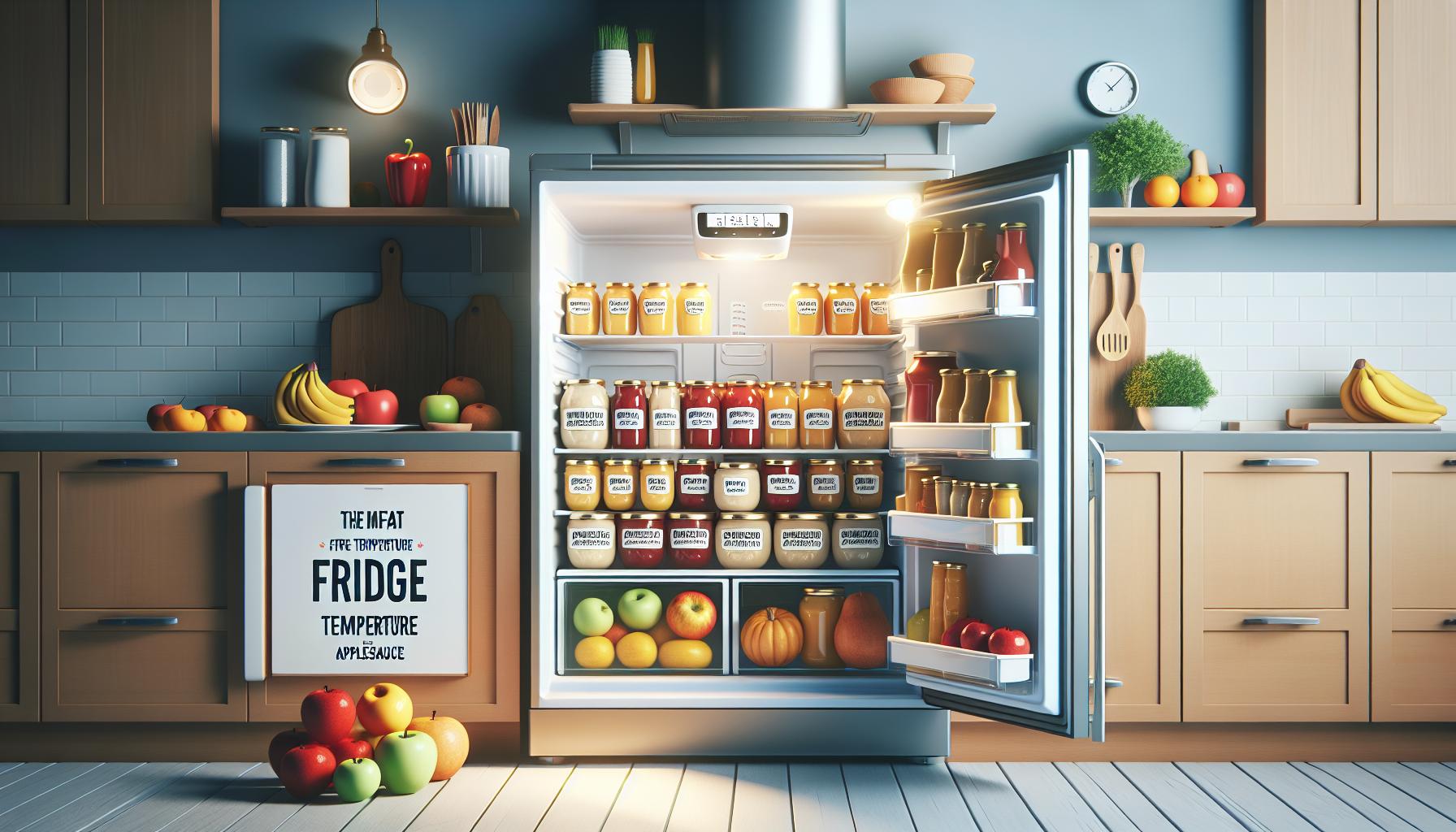
When it comes to preserving the delightful sweetness of homemade applesauce, the temperature at which you store it is crucial. The ideal refrigerator temperature for applesauce-and most food items, really-should be at or below 40°F (4°C). Keeping your fridge at this temperature ensures that the applesauce stays safe from bacterial growth, which can occur if the storage temperature rises above this threshold.
Storing your applesauce in a well-regulated refrigerator not only protects against foodborne illness but also helps maintain its taste and texture for the full 7 to 10 days that it can be kept fresh. Using a thermometer to check your fridge’s temperature can save you from potential spoilage. It’s particularly important to place the applesauce in the middle shelf, where temperature is often most stable, rather than in the door, where temperature fluctuations happen more frequently.
Additionally, be mindful of how you store your applesauce. As previously mentioned, always use an airtight container to minimize exposure to air, which can affect both quality and shelf life. This container should be tightly sealed to block moisture absorption and any unwanted odors in the refrigerator. By adhering to these temperature and storage guidelines, you can enjoy your homemade applesauce at its very best!
Signs Your Applesauce Has Gone Bad
Determining whether your homemade applesauce is still good to eat can save you from unpleasant surprises. Fortunately, there are several straightforward signs to watch for that can indicate spoilage. Recognizing these signs early ensures you enjoy your applesauce while it’s at its best and safe for consumption.
One of the most immediate indicators of spoilage is a change in smell. Fresh applesauce should have a sweet, fruity aroma. If you notice any sour or off-putting odors, it’s time to discard it. Additionally, a change in texture can also signal that your applesauce has gone bad. Look for any separation or excessive liquid on the surface, which can suggest fermentation. If you discover that the applesauce has turned watery or has developed a thick, sticky consistency, it’s best to err on the side of caution and not consume it.
Visual cues are also critical in assessing the freshness of your applesauce. Examine the color closely; fresh applesauce typically has a bright, inviting hue. If you see any dark spots, mold, or discoloration, that’s a clear warning sign that it’s no longer safe to eat. Mold can occur even on the surface, so it’s essential to inspect the entire container carefully.
In summary, stay vigilant about the smell, texture, and appearance of your homemade applesauce. If anything seems off, it’s always safer to discard it than to risk foodborne illness. Following these simple guidelines allows you to enjoy your applesauce while minimizing the chance of spoilage, ensuring your homemade efforts continue to delight your taste buds safely.
How to Store Homemade Applesauce Properly
Storing homemade applesauce properly is essential to retain its delicious flavor and ensure it remains safe for consumption. Did you know that when stored correctly, homemade applesauce can last about one week in the fridge? However, the way you store it can significantly influence its freshness and taste. To maximize the shelf life and maintain quality, follow these practical steps.
First, choose the right container. Use airtight, food-safe glass or plastic containers with tight-fitting lids to prevent exposure to air and contaminants. Glass jars are particularly effective as they do not absorb odors and can also allow you to see the contents clearly. If you plan to keep a larger batch, divide it into smaller portions so you can open only what you need, minimizing the air exposure to the remaining applesauce.
Refrigeration Tips
The refrigerator is your best friend when it comes to storing homemade applesauce. Ensure your refrigerator is set to a consistent temperature of 40°F (4°C) or lower. This temperature slows down the growth of bacteria and helps preserve the applesauce’s flavor and texture. Remember to place the applesauce in the back of the fridge, where the temperature is the most stable, rather than in the door which can experience temperature fluctuations.
Freezing for Longevity
If you want your homemade applesauce to last even longer, consider freezing it. Properly frozen applesauce can last up to 6-12 months without losing quality. To freeze, use freezer-safe containers or heavy-duty freezer bags, leaving some headspace for expansion as the applesauce freezes. You can also portion it out into ice cube trays for easy use in recipes later. Once frozen, transfer the cubes to a freezer bag for efficient storage.
Using these storage techniques ensures that your homemade applesauce stays sweet and safe, allowing you to enjoy a homemade treat whenever you like.
Tips for Keeping Your Applesauce Fresh Longer
To keep your homemade applesauce fresh longer, understanding proper storage techniques is essential. Not only does effective storage preserve flavors and textures, but it also ensures safety against spoilage. One of the best practices is to minimize air exposure; this can be achieved by using airtight containers. Opt for glass jars with tight-fitting lids, as they don’t absorb odors and allow easy visibility of the contents. If your batch is large, divide it into smaller portions-this way, you only open what you need, preserving the quality of the untouched applesauce.
Another critical factor is temperature. Homemade applesauce lasts about one week in the fridge, but maintaining a consistent temperature is vital for its longevity. The optimal refrigerator temperature is 40°F (4°C) or lower. It’s best to store your applesauce in the back of the fridge, where it remains coldest, rather than in the door where fluctuations are common. Keeping the applesauce away from foods with strong odors will also help maintain its flavor integrity.
For those who want to extend the life of their applesauce even further, freezing is a great option. Properly stored in freezer-safe containers or bags, homemade applesauce can last for 6 to 12 months without significant quality loss. When freezing, make sure to leave some headspace in containers to accommodate expansion. As an extra tip, consider portioning out your applesauce into ice cube trays for convenient single servings; once frozen, these can be transferred to a freezer bag for easy storage. By following these tips, you ensure that your homemade applesauce remains sweet, safe, and delicious for whenever you are ready to enjoy it.
Freezing Applesauce: A Comprehensive Guide
Freezing homemade applesauce is one of the most effective ways to prolong its shelf life while retaining its delicious flavor and nutritional benefits. When stored properly in the freezer, applesauce can last anywhere from 6 to 12 months without significant loss in quality. This makes it an ideal option for enjoying the fruits of your labor year-round, especially if you find yourself with an abundance of apples at harvest time.
To freeze applesauce, begin by allowing it to cool to room temperature. Once cooled, select suitable freezer-safe containers-preferably rigid plastic containers or glass jars designed for freezing. Avoid using regular glass jars as they can shatter under low temperatures. It’s important to leave at least an inch of headspace in the container, as liquids expand when frozen. For added convenience, consider pouring the applesauce into ice cube trays. Once frozen, you can transfer the cubes into a freezer bag for easy portioning, making it simple to defrost only what you need.
Thawing and Using Frozen Applesauce
When you’re ready to enjoy your frozen applesauce, it’s crucial to thaw it safely. The best method is to move the container from the freezer to the refrigerator and let it thaw overnight. If you’re in a hurry, you can also place the container in a bowl of cold water for faster thawing-just be sure to keep the container sealed to prevent water from mixing with the sauce.
Frozen applesauce can be used in a variety of ways beyond just a standalone snack. Incorporate it into baked goods like muffins and breads, or use it as a substitute for oil or butter in recipes for added moisture and natural sweetness. The versatility of frozen applesauce ensures that you can make the most of your homemade creation, minimizing waste while maximizing enjoyment.
By following these freezing techniques and utilizing your applesauce creatively, you can enjoy your homemade applesauce long after apple season has ended.
Nutritional Considerations for Homemade Applesauce
When making homemade applesauce, it’s essential to consider the nutritional aspects to make the most of this versatile dish. Applesauce can be a nutritious addition to your diet, providing not only flavor but also several health benefits. Here’s what you should know about its nutritional profile and storage.
Homemade applesauce retains many of the nutritional benefits found in whole apples, including dietary fiber, vitamins, and antioxidants. One of the significant health benefits of applesauce is its rich content of soluble fiber, which can aid digestion and promote a feeling of fullness. This makes it a suitable food choice for those looking to manage their weight. Additionally, apples are a good source of vitamin C, which supports immune function, skin health, and collagen production. When preparing applesauce, consider leaving the skin on the apples to maximize fiber content and nutritional value.
In terms of caloric content, applesauce is relatively low in calories, making it a healthy option for snacking or as a sweetening agent in recipes. A typical serving of unsweetened homemade applesauce contains about 50 calories, but this can vary based on the types of apples used and any added sugars. It’s wise to check the ratio of sugar in your recipe-opting for natural sweeteners or no additional sugars can enhance its health benefits.
Nutritional Tips for Homemade Applesauce
To further boost the nutritional profile of your applesauce, consider incorporating the following strategies:
- Choose the Right Apples: Select a mix of sweet and tart varieties for a balanced flavor and added nutrients.
- Add Spices: Cinnamon or nutmeg not only enhance flavor but also have health benefits, such as anti-inflammatory properties.
- Portion Control: Store small portions to avoid overeating, and use applesauce as a substitute in baking as a healthier alternative for oils or sugars.
- Use Fresh Ingredients: Fresh apples not only taste better but also ensure you retain the maximum amount of nutrients.
While homemade applesauce can last in the refrigerator for up to one week, understanding its nutritional longevity is important. To enjoy the benefits over time, store it properly in airtight containers in a cool area of the fridge. Always label your jars with the date to track freshness, ensuring that you consume it before it loses its nutrients or flavor. Making informed decisions about storage can help maintain its nutritional integrity, letting you savor its wholesome goodness longer.
Common Ingredients and Their Shelf Lives
Understanding the shelf lives of common ingredients in homemade applesauce can significantly help in maintaining its freshness and safety. Applesauce typically includes base ingredients like fresh apples, sugar, and spices, each with its unique storage timelines. By knowing how long these components last, you can ensure that your applesauce remains delicious and safe to consume.
Fresh apples usually last about one to two weeks in the refrigerator, depending on their variety and ripeness at purchase. For best results, store them in a produce drawer, where they can retain optimal moisture levels. If you notice any bruised or damaged apples, remove them promptly, as they can accelerate spoilage in nearby fruits.
Sugar is a common addition to applesauce, and it has an indefinite shelf life when stored properly in a cool, dry environment. It does not spoil, but it can harden if exposed to moisture. Spices like cinnamon and nutmeg can enhance the flavor of your applesauce while providing additional health benefits. They generally retain their potency for about three to four years, but it’s best to check for freshness if they’ve been stored for a while. Storing spices in airtight containers away from light and heat sources can extend their shelf life.
To keep your homemade applesauce fresh longer, always use fresh ingredients and ensure proper storage in airtight containers. Remember to label your jars with the date of preparation, as this will help you track freshness. Following these guidelines will not only enhance the quality of your applesauce but also reassure you about its safety for your family’s enjoyment.
Applesauce Safety Tips to Remember
When it comes to homemade applesauce, food safety is paramount. This delightful treat can be preserved and enjoyed well beyond its initial preparation, but knowing how to keep it safe is essential. A few simple practices can help ensure that your applesauce remains not only flavorful but also free from spoilage.
First and foremost, always store your homemade applesauce in airtight containers. Glass jars are ideal since they can be easily sealed and are less likely to absorb odors. If using plastic containers, choose ones that are BPA-free to avoid any harmful chemicals. Label your containers with the date of preparation to keep track of freshness easily. Homemade applesauce can last in the refrigerator for about one week when stored correctly, so consuming it within this timeframe is wise.
Another critical aspect of safety is temperature control. Always keep your applesauce refrigerated at or below 40°F (4°C). This temperature slows the growth of bacteria, ensuring your applesauce stays safe to eat. If you notice any signs of spoilage-such as an off smell, discoloration, or a moldy surface-it’s best to err on the side of caution and discard the product.
Lastly, if you want to extend the shelf life of your applesauce significantly, consider freezing it. Properly stored in freezer-safe containers, homemade applesauce can last up to a year in the freezer. Just remember to leave some space at the top of the container, as liquids expand when frozen. Thaw your applesauce in the refrigerator or use it directly from the freezer in recipes to reduce waste and maintain quality. By following these safety tips, you can enjoy your homemade applesauce with peace of mind, knowing you’re keeping it sweet and safe!
Health Benefits of Homemade Applesauce
Homemade applesauce not only serves as a delicious snack but also offers numerous health benefits that can enhance your overall well-being. Packed with essential nutrients and natural goodness, this simple treat can be an excellent addition to a balanced diet. With apples as the primary ingredient, homemade applesauce retains many of the fruit’s health-promoting properties, making it a nutritious option for all ages.
Rich in Nutrients: Apples are a great source of dietary fiber, vitamin C, and various antioxidants. The soluble fiber found in apples can help lower cholesterol levels, promote healthy digestion, and control blood sugar levels, making homemade applesauce a perfect option for individuals managing diabetes or heart health. A serving of applesauce can contribute to your daily intake of vitamins and minerals, supporting immune function and skin health.
Aiding Hydration and Weight Management: Applesauce has a high water content, which can contribute to hydration. This can be particularly beneficial for those looking to increase their fluid intake without consuming caloric beverages. Additionally, since homemade applesauce is naturally lower in calories compared to processed snacks and desserts, it can serve as a satisfying and guilt-free treat for weight management. Incorporating it into meals as a side or a topping can help curb cravings without compromising taste.
Moreover, homemade applesauce is free from the added sugars and preservatives often found in store-bought varieties. By making it at home, you can control the ingredients, ensuring you nourish your body with pure and wholesome food. Whether enjoyed alone, used as a sweetener in baked goods, or blended into smoothies, homemade applesauce offers a versatile way to enhance both flavor and nutrition.
Ultimately, understanding the can inspire you to include it more regularly in your diet. Not only is it delicious and easy to make, but it also provides a wealth of benefits that support your long-term health. By ensuring proper storage and consuming it within a week in the fridge, you can relish this tasty treat while maximizing its nutritional advantages.
Creative Ways to Use Leftover Applesauce
Using leftover applesauce creatively not only helps prevent waste but also adds delicious flavor and moisture to various dishes. This versatile ingredient can easily find its way into your daily meals, elevating both taste and nutrition. Here are some engaging ideas to make the most of that extra applesauce cooling in your fridge.
One simple way to incorporate applesauce is by substituting it in baking recipes. For instance, it can replace oil or butter in muffins, cakes, and quick breads, adding moisture while reducing calories and fat content. This works exceptionally well in recipes like spiced applesauce muffins or applesauce bread, where the flavor complements the warm spices typical in fall baking. Furthermore, consider using applesauce as a base for healthy pancakes or waffles. Mixing it into the batter not only sweetens the dish naturally but also enhances its nutritional profile.
Applesauce can also shine in savory applications. Stirring it into barbecue sauces or marinades adds a subtle sweetness while balancing out smoky flavors. Additionally, blending it into your favorite salad dressings or incorporating it in gravies can provide a unique twist. For a refreshing touch, toss some applesauce with shredded carrots and raisins, creating a quick and nutritious coleslaw that’s perfect for summer picnics.
Don’t forget about incorporating applesauce into breakfast options. Swirling it into yogurt or oatmeal provides a delightful sweetness and a boost of fiber. Alternatively, use it as a topping for toast alongside nut butter for a satisfying snack. For something different, consider making applesauce chia pudding, combining applesauce with chia seeds, almond milk, and a hint of vanilla, letting it sit overnight for a nutritious breakfast or snack.
When using leftover applesauce, keep in mind that it typically lasts about one week in the fridge after opening or preparation. To ensure freshness, always store it in an airtight container. If you find yourself with too much leftover, consider freezing portions in ice cube trays for easy future use in smoothies or quick recipes. By utilizing leftover applesauce in these creative ways, you’ll not only enjoy a variety of flavors but also make sure that none of your homemade goodness goes to waste.
Frequently Asked Questions About Applesauce Storage
Homemade applesauce is a delicious, versatile treat, but its shelf life can raise important questions about storage and safety. Understanding how to properly store your applesauce can ensure that you enjoy its freshness and quality for as long as possible. Typically, homemade applesauce can last about one week in the refrigerator once opened or prepared. For optimal freshness, it should be kept in an airtight container, which helps to keep out moisture and contaminants.
Is There a Best Temperature for Applesauce Storage?
Maintaining the right temperature is crucial for preserving your homemade applesauce. The ideal refrigerator temperature is at or below 40°F (4°C). Keeping your fridge at this temperature not only slows down the growth of bacteria but also helps maintain the texture and flavor of your applesauce. Always check your refrigerator settings occasionally to ensure they are stable.
What Are the Signs That Applesauce Has Gone Bad?
Recognizing spoilage in applesauce can prevent unpleasant surprises. Look for:
- Off smell: If your applesauce has a sour or unusual odor, it’s best to discard it.
- Color changes: A significant darkening or discoloration may indicate spoilage.
- Texture changes: If you notice bubbles or a watery layer on top, it’s a sign that fermentation can occur.
- Mold: Any visible mold growth means you should throw it away immediately.
To further extend the life of your applesauce, consider freezing it. When stored properly in airtight containers or freezer bags, applesauce can last up to 6-12 months in the freezer, allowing you to enjoy its homemade flavor long after you made it. Simply thaw the amount you need in the refrigerator before use. Following these guidelines will help ensure that your homemade applesauce remains tasty and safe to consume.
FAQ
Q: How can I tell if homemade applesauce has spoiled?
A: Homemade applesauce has spoiled if it develops an off odor, unusual color, or mold growth. If the texture becomes excessively watery or separated, it’s best to discard it. Always check for these signs before consumption for safety.
Q: Can I store applesauce in glass containers?
A: Yes, storing applesauce in glass containers is safe and recommended. Glass is non-reactive and can help preserve flavor and freshness. Ensure containers have tight-fitting lids to prevent air exposure which can lead to spoilage.
Q: What is the best way to thaw frozen applesauce?
A: To thaw frozen applesauce, transfer it from the freezer to the refrigerator and allow it to defrost gradually overnight. This method preserves taste and texture-avoid thawing at room temperature to prevent bacterial growth.
Q: How long can I keep unopened store-bought applesauce?
A: Unopened store-bought applesauce can last for 1-2 years in the pantry. Always check the “best by” date for optimal quality. Once opened, store it in the fridge and use it within 7-10 days.
Q: Should I add preservatives to homemade applesauce for longer shelf life?
A: It’s generally unnecessary to add preservatives to homemade applesauce, as proper refrigeration or freezing is sufficient for extending its shelf life. Focus on storing in airtight containers to maintain freshness instead.
Q: Can I mix store-bought and homemade applesauce?
A: Yes, you can mix store-bought and homemade applesauce. Just ensure that both types are fresh and stored properly to avoid introducing spoilage from one into the other. This can also enhance flavor and texture.
Q: What can I do with leftover applesauce?
A: Leftover applesauce can be used in various recipes like muffins, pancakes, or as a substitute for oil or butter in baked goods. You can also incorporate it into smoothies or serve it as a flavorful topping for oatmeal or yogurt.
Q: Is it safe to eat applesauce past its expiration date?
A: Eating applesauce past its expiration date can be safe if it has been stored correctly and shows no signs of spoilage. Always inspect for odor, color, and texture changes before consumption, and when in doubt, throw it out.
The Conclusion
Now that you know how long homemade applesauce can last in the fridge, you can enjoy its sweet taste without any safety worries. Remember, to keep your applesauce fresh for up to one week, store it in an airtight container. Want to elevate your cooking? Explore our delicious recipes for Homemade Applesauce or check out our guide on Best Homemade Apple Sauce for more flavor variations. If you’re interested in optimizing your food storage practices, consider subscribing to our newsletter for tips and tricks in the kitchen.
Don’t hesitate to share your favorite ways to use applesauce in the comments below! Your culinary creativity not only helps others but also builds a community around our shared love for cooking. Keep exploring, and remember, the key to delicious meals is understanding food preservation-visit our related articles for more insights!


