


Did you know that milk can spoil faster than you might expect once it’s opened? Understanding how long open milk lasts in the fridge is crucial for maintaining both your health and the quality of your meals. Sour milk not only ruins recipes but can also cause digestive issues and spoil your day.
Most people face the dilemma of whether to risk using that half-full carton, so knowing the signs of spoilage and the proper storage guidelines can save you from unpleasant surprises. In this article, we’ll provide clear answers on how long opened milk remains safe to consume, along with practical tips to help you store it correctly. Don’t leave your health to chance; read on to ensure your milk stays fresh and your meals remain delightful.
What Does “Open Milk” Mean and Why It Matters
Milk is a staple in many households, and understanding what “open milk” refers to is crucial for maintaining its quality and safety. Open milk is any milk packaging that has been unsealed, whether from a carton, bottle, or jug. This exposure to air introduces bacteria and other microorganisms that can affect freshness and longevity. The importance of recognizing open milk lies in the implications for food safety and waste reduction. Using milk past its prime can lead to spoilage, resulting in sour milk that’s unfit for consumption and a waste of resources.
To keep your open milk fresh, it’s essential to consider a few key factors. First, proper storage is vital. Open milk should always be refrigerated promptly after use, ideally at or below 40°F (4°C). The temperature of your fridge can significantly affect how long your milk lasts. Additionally, minimizing the time the container is open can help prevent contamination. When pouring, ensure the cap is replaced quickly and securely.
Moreover, understanding the type of milk-whether whole, skim, or non-dairy varieties-can influence its shelf life. For instance, whole milk typically lasts about 5 to 7 days after opening, while skim milk may last slightly longer. Familiarizing yourself with these details can guide you in making informed decisions about when to consume or discard milk and help you avoid the unpleasant surprise of sour milk. Overall, recognizing what open milk means empowers consumers to enhance their food safety practices, reduce waste, and enjoy fresh dairy products for as long as possible.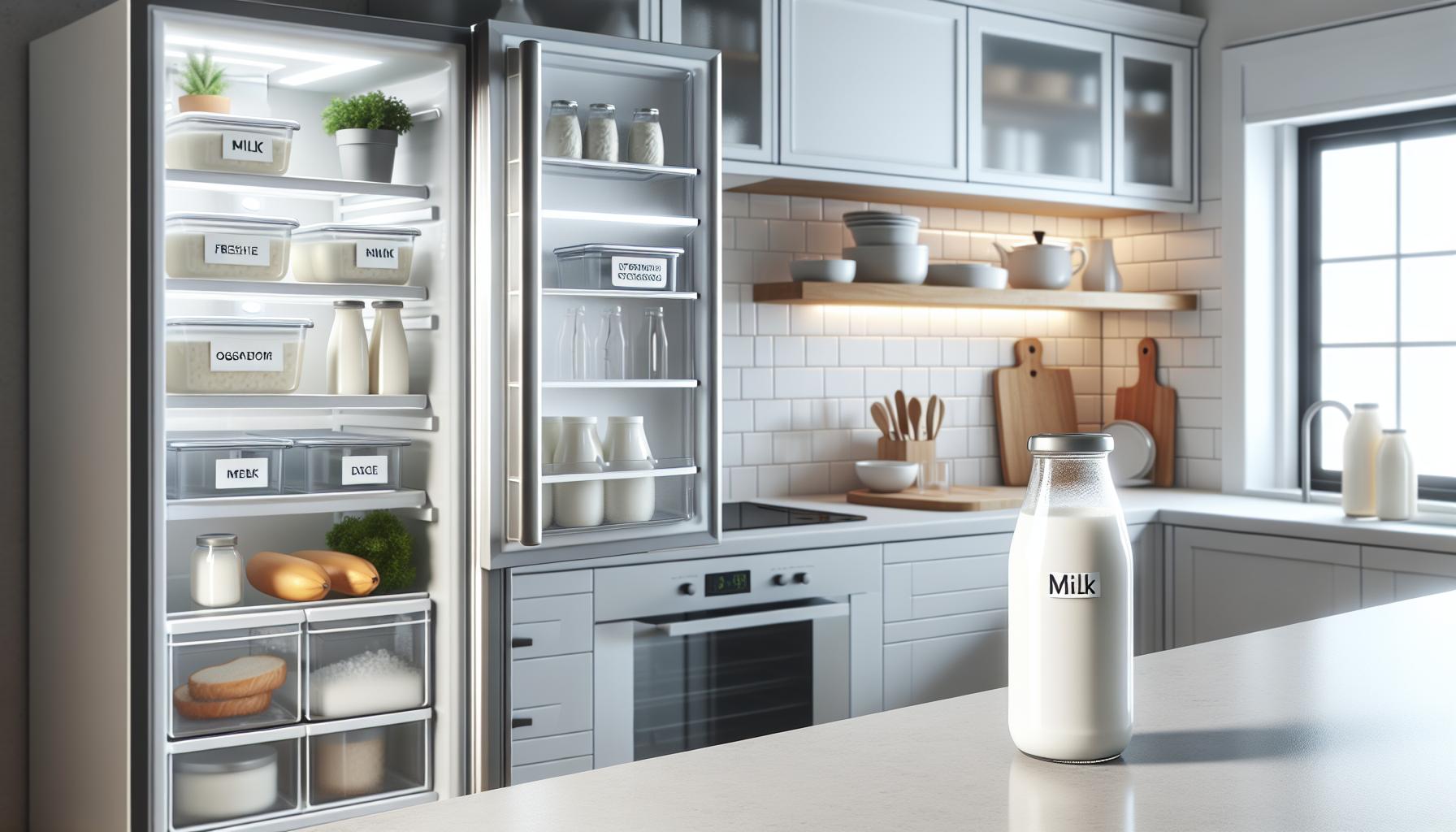
How Long Can You Store Open Milk? A Practical Timeline
Milk is a perishable product that can quickly spoil once opened, affecting not only its taste but also your health. Storing open milk properly is essential to extend its shelf life and maintain its quality. Typically, the longevity of open milk in the refrigerator varies based on the type of milk, packaging, and temperature of your fridge. Knowing how long you can use your milk after opening helps prevent waste and ensures the safety of your food consumption.
Here’s a practical timeline for how long you can expect the various types of milk to last once opened:
| Type of Milk | Shelf Life After Opening |
|---|---|
| Whole Milk | 5 to 7 days |
| Reduced-Fat Milk (2% or 1%) | 7 to 10 days |
| Skim Milk | 7 to 10 days |
| Ultra-Pasteurized Milk | 7 to 10 days |
| Non-Dairy Milk (Almond, Soy, etc.) | 7 to 10 days (varies by brand) |
To maximize the freshness of your open milk, it’s crucial to store it correctly. Make sure to keep the milk in the coldest part of your refrigerator, away from the door where the temperature fluctuates more frequently. Always seal the container tightly after each use to minimize exposure to air, which can introduce bacteria. If your milk smells sour or you notice any off-textures such as curdling, it’s best to err on the side of caution and discard it, regardless of the suggested timeline.
Finally, remember that these timelines are general guidelines; actual shelf life can vary based on factors such as the initial freshness of the milk at the time of purchase and the consistency of your refrigerator’s temperature. Regularly checking your milk before consumption helps ensure you enjoy it while it’s safe and fresh.
Factors Affecting Milk Freshness: Temperature and Storage
Proper storage is crucial for maintaining the freshness of open milk. Did you know that temperature variations can significantly impact milk’s shelf life? Milk is most vulnerable to spoilage when it is left at temperatures above 40°F (4°C), which is why keeping it consistently cold in your refrigerator is essential. Ideally, milk should be stored in the back of the fridge, where the temperature remains more stable and coldest, rather than in the door where exposure to warmer air is more frequent every time the door opens.
Other factors that affect milk freshness include light exposure and the cleanliness of your storage container. Milk containers should ideally be opaque or dark in color to limit exposure to light, which can lead to the breakdown of vitamins and the development of off-flavors. Additionally, always ensure your hands and any utensils used to pour milk are clean. Bacterial contamination from outside sources can quickly sour the milk, regardless of its initial freshness.
To maximize the longevity of your milk, consider these practical tips:
- Keep the fridge temperature set at 40°F (4°C) or lower.
- Store milk in its original container, as it is designed to protect its contents.
- Avoid returning used milk to the container after pouring to prevent contamination.
- Be mindful of how long milk has been opened; use the timeline as a general guideline.
By adhering to these best practices, you can enjoy your milk while minimizing the risk of spoilage, ensuring it stays fresh for as long as possible. Always trust your senses; if the milk smells or looks off, it’s better to err on the side of caution and discard it.
Signs of Spoiled Milk: Don’t Risk Your Health
Understanding whether milk has spoiled is essential for food safety and health. When milk begins to go bad, it often does so visibly and olfactorily, presenting several signs. The first indicator is typically an unpleasant smell; fresh milk has a mild, sweet aroma, while spoiled milk will have a sour or rancid odor. This distinct change is primarily due to the growth of bacteria that thrive on nutrients in the milk.
Additionally, examine the texture and appearance of the milk. Fresh milk should be uniform and smooth; however, upon spoiling, it may develop lumps or curdled textures, which are clear signs of bacterial growth. Another telltale sign is discoloration; fresh milk is typically white, but if it appears off-white or yellowish, it’s best to discard it.
To further ensure safety, pay attention to the expiration date printed on the carton. While this date may provide a general guideline, always trust your senses. If you notice any of the aforementioned signs, it’s better to err on the side of caution. Drinking spoiled milk can lead to foodborne illnesses, causing symptoms like nausea, vomiting, and diarrhea. In summary, observing these signs can help you avoid the risks associated with spoiled milk, keeping you and your family safe and healthy.
Maximizing Open Milk Longevity: Best Storage Practices
To extend the longevity of opened milk, adopting proper storage methods is crucial. Fresh milk contains natural preservatives, but once opened, it becomes susceptible to bacterial contamination and spoilage. By following a few straightforward practices, you can keep your milk fresh longer, minimizing waste and ensuring safety.
First, it’s essential to keep your milk at an appropriate temperature. Store milk in the coldest part of the refrigerator, typically towards the back, rather than in the door where temperatures can fluctuate. Maintaining a consistent temperature below 40°F (4°C) slows bacterial growth significantly, allowing you to enjoy your milk for its full shelf life, which is typically about one week after opening.
Additionally, consider the way you seal your milk. Always close the cap tightly after each use to limit exposure to air, which can introduce contaminants. If your milk is in a carton, try to minimize the amount of time it remains open while pouring. For extra protection, transferring milk to a smaller container that can be filled as needed can reduce air exposure even further.
Lastly, ensure to keep milk away from strong-smelling foods, as it can absorb those odors, impacting its flavor and quality. By following these best practices for storing open milk, you can maximize its shelf life and quality, providing a safe and enjoyable product for you and your family.
Types of Milk and Their Shelf Life in the Fridge
Understanding the variety of milk options available can significantly affect how long each type lasts once opened. Each variant possesses unique properties that influence shelf life. The general rule is that opened milk tends to last about one week refrigerated, but this can vary between different types.
Common Types of Milk and Their Shelf Life
Here’s a quick overview of typical milk varieties and how long you can expect them to stay fresh after opening:
- Whole Milk: This type should ideally be consumed within 5-7 days after opening. Its higher fat content can lead to more rapid spoilage if not stored properly.
- 2% Reduced Fat Milk: Similar to whole milk, it generally lasts 5-7 days once opened. It may occasionally provide a slightly longer shelf life due to reduced fat content.
- Skim Milk: This milk can last about 5-7 days, but keep an eye on it; the lack of fat makes it more susceptible to spoilage if not kept cool.
- UHT Milk (Ultra-High Temperature): This product is unique, as it can last up to 10 weeks unopened. Once opened, however, it should be consumed within 7-10 days if kept refrigerated.
- Plant-Based Milks: Varieties such as almond, soy, and oat milk generally last about 5-7 days after being opened. Always check specific brand recommendations, as they can vary.
Storage Tips for Different Milk Types
To maximize the freshness of opened milk, consider these storage tips:
- Keep opened milk at the back of the fridge where temperatures are consistently lower.
- Close the container tightly to limit air exposure, which accelerates spoilage.
- Use smaller containers for daily use if you buy larger ones to minimize the time any one container is open.
Awareness of each type’s specific characteristics can aid in proper storage practices, ensuring you enjoy your milk safely and deliciously for as long as possible. Always remember that freshness can vary based on how the milk was handled prior to purchase, so observing best practices at home is essential for safety and taste.
Can You Freeze Open Milk? Tips and Tricks
Freezing opened milk can be a practical solution for extending its shelf life when you find yourself unable to consume it in the recommended timeframe. This method works well with many types of milk, but comes with caveats regarding texture and taste upon thawing. When milk freezes, the fat particles can separate and the texture may become grainy or slightly altered, especially in whole and reduced-fat milks. However, this change does not impact the safety of the milk, allowing you to use it in cooking or baking after thawing.
To effectively freeze opened milk, start by pouring it into a freezer-safe container, leaving some space at the top to allow for expansion during freezing. Ensure the original carton is not used for freezing, as it may burst or leak. Instead, consider using gallon-sized freezer bags or rigid plastic containers. Once filled, seal the containers tightly to prevent air exposure, which could lead to freezer burn. Label each container with the date of freezing to track its storage time; milk can be safely frozen for up to three months.
When it’s time to thaw the milk, move it to the refrigerator and allow it to defrost gradually overnight. Avoid thawing milk in the microwave, as this can create hotspots that might alter the taste and texture. After thawing, give it a good shake or stir to recombine any separated components. While frozen and thawed milk is best used for cooking or baking-such as in pancakes, soups, or smoothies-it can still be consumed directly if the taste and texture meet your standards.
By mastering the freezing process, you can minimize wastage and ensure that you always have milk on hand for your necessities. Just remember that while frozen milk is still safe to consume, it may not deliver the same creamy experience as freshly opened milk, making it ideal for general cooking rather than enjoying in a glass.
What to Do with Sour Milk: Creative Uses and Safety
Sour milk, while it may not be pleasant to drink on its own, can actually serve a variety of useful purposes in your kitchen. When milk begins to sour due to fermentation, it produces lactic acid, which can enhance flavors and textures in several culinary applications. Instead of tossing out that milk, consider transforming it into something delightful-while also ensuring safety remains a priority.
One excellent use for sour milk is in baking. Its acidity can react beautifully with baking soda or baking powder to create light, fluffy baked goods. Incorporate it into recipes for pancakes, waffles, or muffins to achieve a tender crumb. Simply replace buttermilk or yogurt with sour milk in your favorite recipes. You might also use it to make delicious homemade cheese, such as ricotta or paneer, by heating it gently and curdling with an acid like lemon juice or vinegar. This not only minimizes waste but also creates fresh, flavorful cheese.
Safety Considerations
Before using sour milk, it’s important to ensure it is still safe for consumption. Check for any unusual odors, colors, or flavors that may indicate spoilage beyond just sourness. If the milk has developed an off smell that goes beyond a natural tang or if it has chunky texture or mold, it’s best to err on the side of caution and discard it.
Creative Kitchen Uses
- Baking: Use sour milk in pancakes, bread, or cakes for added moisture and flavor.
- Dressings and Marinades: Incorporate it into salads or marinades to enhance creaminess and tanginess.
- Soups and Sauces: Blend it into soups or sauces where a bit of acidity can add depth.
- Homemade Cheese: Make cheese by curdling sour milk with an acid.
By creatively repurposing sour milk, you can reduce food waste and add unique flavors to your dishes. Always remember to assess the milk’s condition before use, ensuring that it remains safe to enjoy your culinary exploits. This proactive approach not only makes the best out of what might otherwise go to waste but also supports a more sustainable kitchen practice.
Common Myths About Milk Storage Debunked
When it comes to milk storage, misconceptions abound, leading many consumers to unknowingly waste this staple ingredient. One common myth is that milk can stay fresh for weeks if it’s stored correctly after opening. In reality, once opened, milk typically lasts about 5 to 7 days in the refrigerator. This timeframe can vary based on factors like the initial freshness of the milk, the temperature of your refrigerator, and how often the container is opened.
Another prevalent belief is that all milk types have the same shelf life. While it’s true that pasteurized milk and ultra-pasteurized milk have different longevity, dairy alternatives also differ significantly. For example, almond or soy milk, once opened, may last about 7 to 10 days, whereas coconut milk often lasts around 4 to 7 days after opening. Always check the packaging for specific guidance, as variations in processing methods can affect overall freshness.
Many people erroneously think that simply checking the smell or appearance of milk is enough to determine its safety. While these are important indicators, they shouldn’t be the sole tests. Bacteria can multiply without producing off-putting odors or visible signs. Therefore, if the milk has been opened beyond its recommended storage period, it’s best to err on the side of caution and discard it rather than risk potential foodborne illness.
Lastly, some assume that keeping milk on the door of the refrigerator is the optimum spot for freshness. However, the temperature in the door fluctuates more than in the main compartment due to frequent opening and closing. Store milk in the coldest part of the fridge, ideally at a consistent temperature below 40°F, to maximize its shelf life and safety. Following these guidelines can help ensure that your milk stays fresh longer, reducing waste and supporting better food safety practices.
Refrigerator Hacks for Keeping Milk Fresh Longer
To keep your milk fresh as long as possible, implementing effective refrigerator hacks can make a significant difference. One surprising fact is that the coldest part of your refrigerator is typically not in the door, but in the back or on the middle shelves. Keeping milk here can help maintain a consistent temperature, preventing it from warming up each time the door is opened. Ideally, your refrigerator should be set below 40°F (4°C) to slow bacterial growth and keep your milk fresh for longer.
Another useful tip is to store milk in its original container or a glass bottle with a tight seal. A good seal reduces exposure to air, which can cause spoilage. If you’re transferring milk to another container, ensure it’s clean and airtight. Additionally, try to minimize the frequency and duration of door openings; each time your refrigerator door opens, warmer air is introduced, raising the temperature.
To further enhance longevity, consider storing milk further back on the shelves instead of the front. The back of the fridge is less affected by warm air than the front, especially when the door is opened. You can also keep track of the opening dates by marking the container with the date you first opened it. This visual reminder will help you monitor freshness and be proactive about using it up or disposing of it before it spoils.
Lastly, if you’re concerned about consuming milk that you might not use quickly, consider freezing it. Milk can be frozen for up to three months, although it’s best to pour out some liquid before freezing, as milk expands when frozen. Thaw it in the refrigerator rather than at room temperature to maintain quality. With these strategies, you can enjoy your milk longer while minimizing the risk of sourness.
When to Toss Milk: Understanding Expiration Dates
As consumers, we often rely on expiration dates to guide our decisions about food safety, especially with perishable items like milk. Understanding what these dates mean can help you make informed choices and prevent you from consuming spoiled products that could be harmful to your health. Most milk containers are marked with “sell by,” “use by,” or “best by” dates, but these terms can be confusing.
The “sell by” date is primarily intended for retailers and indicates the shelf life of the milk under optimal storage conditions. It suggests the latest date for supermarkets to display the product. However, this doesn’t mean the milk is unsafe after that date; it often remains good for a few days past the sell by date if properly stored. The “use by” or “best by” dates indicate the time frame during which the milk is expected to maintain its best quality. Ideally, milk should be consumed before this date for optimal freshness.
To minimize food waste and reduce the risk of consuming spoiled milk, implementing a simple monitoring system can be beneficial. Mark the date you opened the milk on the container with a marker. Generally, once opened, milk can remain fresh for about 5-7 days beyond the sell by date when kept at or below 40°F (4°C) in the refrigerator. If it’s approaching these timelines and you have not consumed it, it may be time to toss it.
Moreover, observe the milk closely. If it has developed an off smell, an unusual texture, or any color changes, these are signs that it’s time to discard the product. Safe practices have no place for guesswork, and when it comes to milk, erring on the side of caution is always the correct approach. Keep your health and well-being as a priority by ensuring your dairy products are fresh and safe to consume.
The Importance of Proper Sealing Techniques for Milk
Maintaining the integrity of open milk is crucial for both safety and freshness, and one of the most significant factors influencing milk longevity is how well it is sealed after opening. Milk is a perfect breeding ground for bacteria if not stored properly, and exposure to air increases the chances of spoilage. Proper sealing techniques can greatly extend the lifespan of milk and ensure it remains safe for consumption.
To begin with, always make sure to securely close the milk container after pouring. For cartons, press the top flap down to create an airtight seal. For bottles, tightly screw the lid back on. This simple action restricts airflow and helps to prevent unwanted bacteria from contaminating your milk. It also minimizes the absorption of odors from other foods in the refrigerator, which can alter the taste and smell of your milk.
When handling milk, be mindful of hygiene as well. Use a clean pouring vessel or directly from the bottle, avoiding contact with any surfaces that could introduce bacteria. It’s important to always store milk in the main compartment of the refrigerator, where temperatures are consistently cold, rather than the door, which can experience fluctuations in temperature. Positioning milk in the coldest part of the fridge helps maintain its freshness.
In addition to sealing and proper storage, consider using transparent containers with clear date labels. If you transfer your milk to a different container, ensure it is airtight and is made of food-grade materials. Marking the date when you opened the milk on the container can help you keep track of its freshness. Consuming open milk within the general timeframe of 5-7 days can ensure you enjoy it while still at its best quality and safety.
By implementing these careful sealing techniques, you can significantly reduce the risk of sour milk and make informed decisions regarding consumption. Not only does this promote food safety, but it ultimately enhances the quality of your milk-based meals and beverages.
Faq
Q: How can I tell if open milk has gone bad?
A: Open milk may spoil if it has an off smell, unusual color, or visible clumps. Always check the expiration date and conduct a taste test. If it tastes sour, it’s best to discard it to avoid health risks.
Q: What is the best way to store open milk in the fridge?
A: Store open milk in the coldest part of the fridge, ideally at a temperature below 40°F (4°C). Keep the container tightly sealed to prevent exposure to air and contaminants, ensuring it remains fresher for longer.
Q: Can different types of milk last longer once opened?
A: Yes, the shelf life varies between types of milk. For instance, whole milk usually lasts about 5-7 days after opening, while almond milk can last up to 10 days. Always check specific storage guidelines for each type.
Q: Is it safe to consume open milk after the expiration date?
A: Consuming open milk after the expiration date is generally not advised. While some milk may still be safe shortly past the date, it’s crucial to check for signs of spoilage, such as off smells or curdling.
Q: How long can I keep raw milk in the fridge once opened?
A: Raw milk typically lasts about 7 days after being opened if stored properly in the refrigerator. Due to its unpasteurized nature, it can spoil faster than pasteurized milk, so always monitor freshness closely.
Q: What should I do with opened milk if I can’t finish it before it spoils?
A: Consider freezing opened milk for later use. Pour it into an airtight container, leaving some space for expansion, and then store it in the freezer. Thaw in the fridge when needed and shake well before use.
Q: How can I extend the life of opened milk?
A: To extend milk’s freshness, store it at the back of the fridge, avoid frequent opening, and keep it tightly sealed. Consider using milk within a week of opening and avoid leaving it out at room temperature.
Q: Can I use opened milk in cooking after it’s past its expiration date?
A: It’s best to avoid using open milk in cooking after its expiration date unless it shows no signs of spoilage. If unsure, err on the side of caution and discard it to prevent foodborne illness.
Insights and Conclusions
Ensuring your open milk stays fresh is crucial for both safety and taste. Remember, it typically lasts about 7 to 10 days in the fridge after opening, so always check for off odors or changes in texture before using. If you’re ever unsure, don’t hesitate to dispose of it to avoid any health risks. For more tips on food safety and storage, check out our articles on “The Best Ways to Store Dairy Products” and “Understanding Expiration Dates on Food.”
Take control of your kitchen safety today! Subscribe to our newsletter for more insights on food handling and storage, and join our community of savvy home cooks. Your health and enjoyment in the kitchen is our priority! Don’t let sour milk ruin your meal-stay informed and make the most of your groceries. Explore our site further for more essential food safety tips that will keep you coming back for more!


