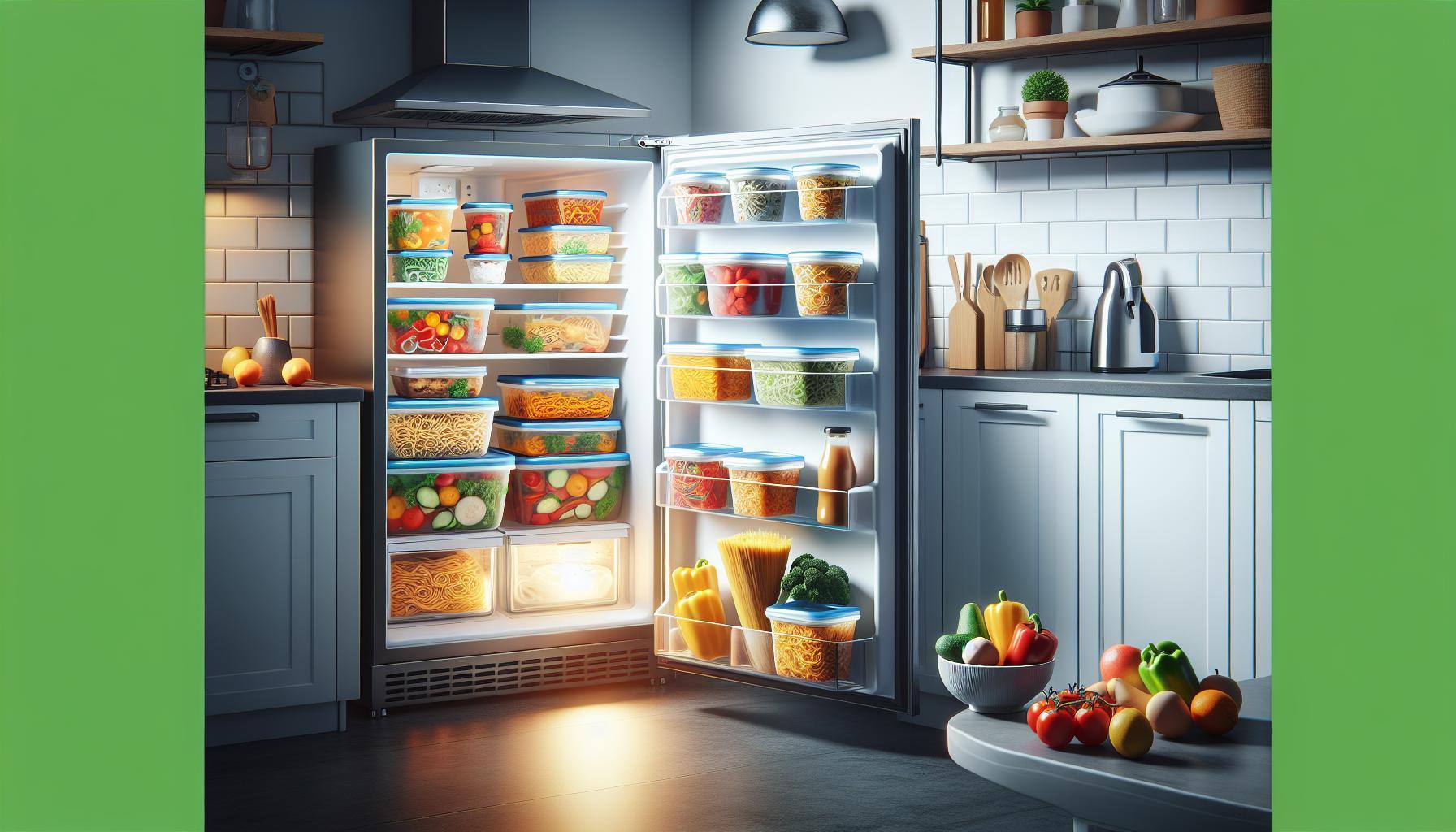
Lasagna is a beloved dish that often graces our dinner tables, leading to delightful leftovers. However, it’s essential to know how long that cheesy, comforting meal can last in the fridge to ensure both taste and safety. Proper storage not only preserves the flavors but also protects you from foodborne illnesses.
Imagine this: you’re looking forward to savoring that last piece of lasagna, but uncertainty creeps in-is it still safe to eat? Understanding lasagna’s refrigerator lifespan can alleviate those worries and help you make the most of your culinary creations. In this guide, we’ll delve into safe storage practices and specific timeframes, ensuring you enjoy your leftovers with confidence. Keep reading to discover the ins and outs of keeping your lasagna fresh and delicious!
How Long Can Lasagna Last in the Fridge?
Lasagna, a beloved comfort food, can be a delightful dish to prepare in advance or enjoy as leftovers. When stored correctly in the refrigerator, homemade or store-bought lasagna can last 3 to 5 days. This timeframe is essential for maintaining its flavor and safety. Keep in mind that the quality may diminish over time; therefore, it’s wise to consume it sooner rather than later for the best taste.
To maximize freshness, ensure your lasagna is properly covered. Use an airtight container or wrap it tightly with plastic wrap or aluminum foil. This prevents contamination and reduces the risk of exposure to air, which can lead to a dry texture. If you’re unsure whether your lasagna is still good to eat, always remember the mantra: “When in doubt, throw it out.”
Be aware that the type of ingredients used can also affect storage duration. For instance, if your lasagna contains meat or dairy products, these can spoil faster than vegetarian versions. Always check for any off smells, discoloration, or mold, which are indicators that it should not be consumed. By following these guidelines, you can enjoy your lasagna leftovers safely and deliciously!
Signs Your Lasagna Has Spoiled
When you’re enjoying the comfort of lasagna, the last thing you want is to bite into a spoiled piece. To ensure a delightful eating experience, it’s crucial to know the signs that your lasagna has gone bad. Spoiled lasagna can harbor harmful bacteria that could lead to foodborne illness, making it vital to recognize any red flags before taking a bite.
One of the most significant indicators that your lasagna has spoiled is off smells. If your dish has developed a sour or rancid odor, it’s wise to err on the side of caution and discard it. Another telltale sign is discoloration. Fresh lasagna usually has a rich, appetizing appearance. If you notice any unusual hues-such as grayish or greenish patches-this can indicate spoilage or mold growth, which can be harmful if ingested.
Furthermore, it’s essential to check the texture of the lasagna. Fresh leftovers should maintain a somewhat firm yet pliable consistency. If your lasagna feels slimy or has an excessively dry surface, these are signs that it has begun to break down and may not be safe to eat. Additionally, keep an eye out for any mold or unusual growth. Even a small amount of visible mold, particularly in a creamy or cheesy layer, is a clear indicator that the entire dish should be thrown away.
To summarize, always trust your senses when assessing lasagna. If it smells off, looks discolored, or feels unusual, it’s best to discard it. Remember, food safety is paramount; when in doubt, it’s safer to throw it out. Be vigilant with your leftovers and enjoy your lasagna without the worry of spoilage!
Tips for Storing Lasagna Properly
Storing lasagna correctly is crucial for maintaining its delicious flavor and preventing spoilage. When you make a big batch of this comforting dish, knowing how to handle the leftovers can enhance your dining experience throughout the week. Proper storage not only helps preserve quality but also protects against foodborne illnesses.
To begin with, allow your lasagna to cool down completely at room temperature for no more than two hours before refrigerating. Placing hot food directly into the fridge can raise the overall temperature inside, potentially causing other foods to spoil. Once cooled, portion the lasagna into airtight containers or cover it tightly with plastic wrap or aluminum foil. This will help keep moisture in and prevent the lasagna from absorbing odors from other foods in the refrigerator.
Refrigeration Guidelines
Generally, leftover lasagna can last in the fridge for about 3 to 5 days. To ensure it’s safe to eat, label your containers with the date you stored them. If you think you won’t consume your lasagna within that time frame, consider freezing it instead. When properly frozen, lasagna can maintain its quality for about 2 to 3 months.
Containers and Portioning
Using single-serving containers can be a practical approach to storing lasagna, allowing for easy reheating and minimizing waste. Glass or microwave-safe plastic containers are ideal as they can be used directly in the oven or microwave. Consider wrapping individual portions in plastic before placing them in the container for an extra layer of protection against freezer burn.
By following these guidelines, you can enjoy your lasagna safely and deliciously throughout the week, minimizing any concerns about spoilage while maximizing convenience and flavor.
Best Techniques for Reheating Leftover Lasagna
Reheating lasagna can be an art to preserve both flavor and texture, ensuring that your comforting leftovers taste nearly as good as when they were first baked. The best method often depends on how much time you have and the equipment available, but there are key techniques that can elevate your reheating game and deliver a delicious meal.
For even reheating and to prevent drying out, consider using an oven. Preheat your oven to 375°F (190°C) and place your lasagna in a baking dish. Cover it with aluminum foil to trap steam and keep the moisture inside. Heat for about 25 to 30 minutes if you’re reheating a full tray; individual portions may require only 15 to 20 minutes. To ensure it’s heated thoroughly, the internal temperature should reach 165°F (74°C). Once heated, you can remove the foil in the last 5 to 10 minutes if you desire a slightly crispy top.
Microwaving is a quick and convenient alternative, especially for single servings. Place your lasagna on a microwave-safe plate and cover it with a damp paper towel. This helps retain moisture during reheating. Heat it on medium power for 1 to 1.5 minutes, checking for doneness. If it isn’t fully heated, continue to heat in 30-second increments until it reaches the desired temperature.
If you prefer an even faster technique, try using a stovetop. Slice the lasagna into portions and place them in a skillet on low heat. Add a splash of water to the pan and cover it with a lid. This method allows the steam to warm the pasta while maintaining its moisture content. Heat for about 5 to 8 minutes, checking frequently to avoid burning.
Using any of these techniques ensures that your leftover lasagna stays flavorful and enjoyable long after its first bake. By following proper heating practices, you can transform what could be a mundane meal into a delightful experience every time you reach for a piece.
Freezing Lasagna: Safe Storage Practices
Freezing lasagna is an excellent way to extend its shelf life, enabling you to enjoy this beloved dish even weeks after it’s made. However, proper storage practices are crucial to ensure safety and preserve quality. When done right, frozen lasagna can remain safe to eat for up to three months, maintaining its flavors and textures comparable to freshly baked.
To freeze lasagna effectively, begin by allowing it to cool completely at room temperature. This step is vital to prevent condensation and ice crystals from forming within the container, which can lead to freezer burn. Once cooled, wrap the lasagna tightly in plastic wrap or aluminum foil, ensuring every exposed surface is covered. For added protection against freezer burn, place the wrapped lasagna in an airtight container or heavy-duty freezer bag. Label each package with the date of freezing so you can keep track of its longevity.
When you’re ready to enjoy your frozen lasagna, the best defrosting method involves moving it to the refrigerator for 24 hours prior to baking. This gradual thawing helps maintain texture and flavor. If time is tight, you can also bake it straight from frozen, but be aware that it will take approximately 1.5 times longer to heat through compared to a thawed lasagna. Always check that it has reached an internal temperature of at least 165°F (74°C) for safe consumption.
Remember that while freezing can extend the life of your lasagna, it’s critical to avoid refreezing leftovers that have already been thawed and reheated. Doing so can compromise food safety and quality. By adhering to these straightforward guidelines, you can enjoy your lasagna at its best, even weeks down the road.
The Science Behind Food Decay and Safety
The process of food decay is a natural consequence of time, temperature, and exposure to air, all of which affect the safety and quality of your lasagna. Understanding this science can empower you to make informed decisions about how long to keep your meals in the fridge and when to toss them. In general, homemade lasagna can last about 3 to 5 days when stored in the refrigerator under ideal conditions. However, even within this timeframe, several factors can influence whether your lasagna remains safe to eat.
Microorganisms like bacteria and molds thrive in warm, moist environments. When lasagna is cooked, it’s often left at room temperature for too long, allowing these harmful microorganisms to multiply. To slow down their growth, it is crucial to refrigerate leftovers promptly-ideally within two hours after cooking. If left unrefrigerated for too long, lasagna can become a breeding ground for pathogens that can lead to foodborne illness.
To maximize the shelf life of your lasagna, consider the following guidelines:
- Store in an airtight container: This minimizes air exposure, reducing the risk of spoilage.
- Cool before refrigerating: Let it reach room temperature first to prevent condensation that can promote bacterial growth.
- Label with date: Always add the date to your containers to keep track of how long they’ve been stored.
Being cradled in the right conditions in your fridge-set at a temperature of 40°F (4°C) or below-can greatly extend the life of your lasagna while preserving its taste and texture. Remember, food safety is not just about freshness; it’s about the last bite being as safe as the first. Following these guidelines will help ensure that your lasagna remains delicious and safe to eat for the duration of its storage life.
Understanding Expiration Dates for Leftovers
Understanding expiration dates on leftovers is crucial for ensuring food safety, particularly for dishes like lasagna that contain multiple perishable ingredients. Typically, homemade lasagna can last 3 to 5 days in the fridge, but knowing when to discard it goes beyond just adhering to a timeline. It’s essential to consider visual and sensory cues, as well as safe storage practices.
When it comes to lasagna, the “best by” or “use by” dates printed on commercial products refer mostly to quality rather than safety. It’s important to recognize that these dates don’t apply once you cook and store your dish. Always rely on the fridge’s temperature, typically kept at or below 40°F (4°C), to gauge whether food remains safe to consume. Over time, even properly stored food may degrade in quality, gaining off-odors, flavors, or colors that signal it’s no longer suitable for eating.
For leftovers like lasagna, it’s also vital to be proactive about labeling and tracking how long items have been in the fridge. This process can be as simple as writing the date on a piece of tape and sticking it on the storage container. Here are a few practices to enhance safety:
- Monitor smell and appearance: If your lasagna has a sour or otherwise off-putting smell, or if you see mold, it’s best to err on the side of caution and discard it.
- Inspect before reheating: Always do a quick check of your leftovers before deciding to reheat and eat; this applies to any food, not just lasagna.
- Trust your instincts: If you have any doubts about the lasagna’s freshness or safety, it’s better to throw it away than risk foodborne illness.
By staying attentive to these guidelines and understanding the nuances of food storage and expiration dates, you can minimize waste while ensuring that your meals are both safe and enjoyable.
Creative Ways to Use Leftover Lasagna
Leftover lasagna can be a treasure trove of culinary creativity, turning what might be seen as a mundane meal into an exciting new dish. Instead of simply reheating last night’s dinner, consider a variety of innovative options that can breathe new life into your leftover lasagna while keeping food safety in mind. Here are some enticing ways to repurpose your leftovers.
One delicious option is to create lasagna roll-ups. Instead of serving the lasagna in layers, take individual pieces and roll them up with some extra marinara sauce and cheese. Place them in a bake-safe dish, and cover them with more sauce and cheese before baking at 350°F (175°C) until bubbly. This not only provides a fresh twist on the original dish but also allows for easy serving and portion control.
Another ingenious way to use leftover lasagna is by making a lasagna soup. Chop the remaining lasagna into small chunks and combine it in a pot with vegetable or chicken broth, diced tomatoes, and your choice of vegetables. Let it simmer until everything is heated through. Add a sprinkle of mozzarella cheese on top before serving for a hearty, comforting soup that showcases the familiar flavors of lasagna but in a new form.
Lasagna sandwiches are another creative use of leftovers. Simply slice leftover lasagna into manageable pieces and place them between two slices of toasted bread. Add some fresh spinach or arugula, and maybe even a spread like pesto or a light garlic aioli for an upgraded sandwich that retains the essence of lasagna but is perfect for lunch on the go.
These ideas not only make excellent use of your leftover lasagna, but they also ensure you’re getting the most out of your meal while adhering to food safety guidelines. Remember to refrigerate or freeze leftovers promptly to maintain their quality, adhering to the general rule that leftovers are best enjoyed within 3 to 5 days. Always check for signs of spoilage before repurposing, such as off smells or unusual textures. With these tips, you’ll not only enjoy great flavors but also minimize waste in your kitchen!
Leftover Lasagna Safety: Dos and Don’ts
When it comes to enjoying leftover lasagna, adhering to safety guidelines is paramount to ensuring your health and satisfaction. With the right practices, you can savor that delicious dish without worrying about spoilage or foodborne illnesses.
Dos include regularly checking the temperature of your refrigerator to ensure it remains below 40°F (4°C). This is critical, as a fridge that is too warm can accelerate the growth of bacteria, spoiling your food faster. Always store leftover lasagna in airtight containers to prevent moisture loss and contamination from other odors in the fridge. Aim to consume your leftovers within 3 to 5 days for optimal freshness. If you plan to keep lasagna for longer, freezing portions in freezer-safe containers is a wise option; frozen lasagna can retain its quality for up to three months.
On the flip side, there are several don’ts that you should carefully avoid. Firstly, never leave lasagna out at room temperature for more than two hours, as this creates an environment conducive to harmful bacteria growth. It’s equally important not to place hot lasagna directly in the fridge; allow it to cool down slightly at room temperature for no more than 30 minutes. Additionally, avoid eating leftover lasagna if you detect any signs of spoilage, such as a sour smell, discoloration, or unusual texture. Trust your senses-when in doubt, throw it out to ensure your safety.
By following these dos and don’ts, you can enjoy your leftover lasagna safely while minimizing waste and maintaining delicious flavors.
FAQ
Q: How can I tell if lasagna has gone bad?
A: Signs that lasagna has spoiled include changes in color, an off smell, or mold growth. If you notice a sour odor or a texture that seems slimy, it’s best to discard it to avoid foodborne illness.
Q: What is the best way to store leftover lasagna?
A: To store leftover lasagna, place it in an airtight container or tightly wrap it with aluminum foil or plastic wrap. This helps keep it fresh and prevent contamination. Check the section on ‘Tips for Storing Lasagna Properly’ for more details.
Q: Can I reheat lasagna multiple times?
A: It’s advisable to reheat lasagna only once. Each time it cools and warms up, the risk of bacterial growth increases. If you plan to reheat lasagna, divide it into smaller portions to limit repeated heating.
Q: How long can I keep frozen lasagna?
A: Frozen lasagna can last up to 3 months for the best quality. To safely enjoy it later, ensure it’s wrapped tightly and stored in an airtight container. Refer to the ‘Freezing Lasagna: Safe Storage Practices’ section for guidance.
Q: Is it safe to eat lasagna that’s been in the fridge for a week?
A: Lasagna typically lasts 3 to 5 days in the fridge. If it’s been in the fridge for a week, it’s best to check for spoilage and err on the side of caution-discard it if in doubt.
Q: How should I reheat lasagna to maintain its texture?
A: To maintain texture, reheat lasagna in the oven at 375°F (190°C) for about 25 minutes. Cover with foil to prevent the top from drying out. This ensures it heats evenly without becoming soggy.
Q: What temperature should lasagna reach when reheated?
A: Reheated lasagna should reach an internal temperature of 165°F (74°C) to ensure it is safe to eat. Use a food thermometer to check the temperature before serving.
Q: Can I use leftover lasagna in new recipes?
A: Yes! Leftover lasagna can be used creatively in recipes like lasagna soup or casseroles. Check the ‘Creative Ways to Use Leftover Lasagna’ for fun ideas to repurpose your leftovers.
To Conclude
With proper storage, your delicious lasagna can last in the fridge for about 3 to 5 days. Always ensure it’s stored in an airtight container to maintain freshness and flavor. If you’re unsure about consumption timelines, don’t hesitate to check our detailed guide on food safety practices. If you’re looking for more inventive ways to enjoy your lasagna leftovers, consider trying out our Spinach Artichoke Sausage Sheet Pan Lasagna recipe for a fun twist on a classic favorite!
Don’t miss out on exploring additional scrumptious lasagna recipes or food storage tips available on our site. By keeping informed and prepared, you can enjoy your meals safely while minimizing waste. If you found this information helpful, share your thoughts in the comments below or connect with us for more culinary insights and ongoing tips for delicious meal prep!