
Did you know that mozzarella cheese can remain fresh for quite a while if stored correctly? Whether you love using it on pizzas, salads, or pasta dishes, understanding how long mozzarella lasts in the fridge is essential for maximizing its taste and safety. Proper storage not only preserves flavor and texture but also prevents potential foodborne illnesses.
As you enjoy its creamy goodness, you may wonder, “How long can I keep my mozzarella before it goes bad?” By following simple guidelines, you can ensure that every bite is as delightful as the first, avoiding waste and enhancing your culinary creations. Stick around to discover the tips and tricks for keeping your mozzarella perfect and safe to eat!
How Long Can Mozzarella Stay Fresh in the Fridge?
Mozzarella is a beloved cheese known for its creamy texture and mild flavor, but its freshness can be a concern for many cheese lovers. When stored properly in the refrigerator, mozzarella can maintain its best quality for a period that varies depending on its type and packaging. Generally, fresh mozzarella will stay fresh for about one week past its sell-by date, while shredded mozzarella can keep for about five to eight days after opening. For mozzarella in brine, the shelf life can extend up to two weeks, but once opened, it’s best to consume it within 7 to 10 days for optimal flavor and texture.
To ensure mozzarella stays fresh as long as possible, it’s essential to keep it properly sealed and refrigerated. Storing mozzarella at a consistent temperature below 40°F (4°C) is crucial, as fluctuations can lead to spoilage. If you plan to keep mozzarella around for a more extended period, consider freezing it, although this may alter its texture, making it best suited for cooked dishes. Always check the cheese for any signs of spoilage, such as off smells, discoloration, or mold, as these can indicate that it’s time to discard it, even if it hasn’t yet reached the expiration date.
By following the right storage techniques, you can enjoy the delightful taste of mozzarella without the worry of spoilage!
Signs That Mozzarella Has Spoiled

Fresh mozzarella is prized for its delicate taste and texture, making it a staple in various dishes. However, keeping it fresh requires vigilance, as signs of spoilage can be subtle yet significant. Recognizing these signs early helps you enjoy mozzarella safely and avoid waste.
One of the primary indicators that mozzarella has spoiled is its odor. Fresh mozzarella should have a mild, milky aroma. If you detect a sour or off-putting smell, it’s a clear warning sign that the cheese is no longer good to eat. Another telltale sign is texture. Fresh mozzarella should be soft and moist but not excessively watery or slimy. If it feels overly mushy or develops a film on the surface, these are indications of spoilage.
Visual cues are also critical. Look for discoloration; while fresh mozzarella is typically white, any yellowing or browning suggests degradation. Mold growth is another sign that your mozzarella has gone bad, regardless of whether it’s surface-level or appears within the cheese itself. If you see mold, it’s safest to discard the mozzarella entirely, as some molds can produce harmful toxins.
Lastly, the taste of mozzarella can serve as a spoilage indicator. If the cheese has an unusual, bitter, or sour flavor, it’s best to trust your palate and avoid consuming it. Ensuring proper storage conditions, such as keeping mozzarella in a sealed container in the refrigerator at or below 40°F (4°C), can help prolong its freshness and minimize spoilage risk. By being attentive to these signs, you can enjoy mozzarella’s delightful qualities while keeping food safety as a priority.
Optimal Storage Techniques for Mozzarella

Fresh mozzarella is delightfully versatile, but it requires proper storage to maintain its creamy texture and flavor. When handled correctly, mozzarella can last up to a week in the refrigerator after being opened. Here are some effective techniques to ensure your mozzarella stays fresh for as long as possible.
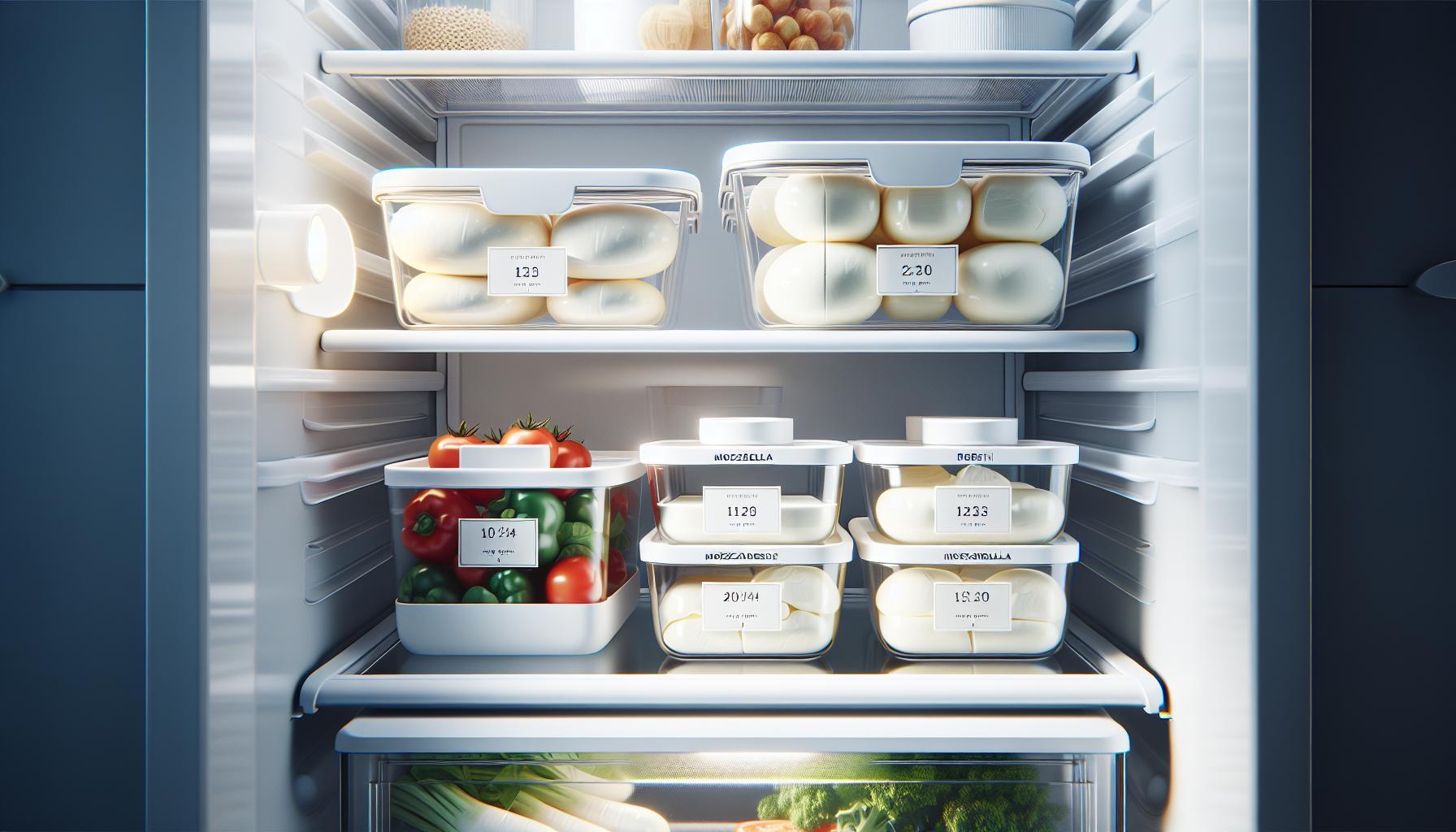
To start, keep mozzarella in its original packaging if it’s unopened. Once opened, transfer it to an airtight container and submerge the cheese in its brine or water if possible. This keeps it hydrated and helps prevent drying out. If you don’t have brine, a mixture of water and a pinch of salt can serve as a suitable substitute. Ensure that the water covers the cheese completely to maintain its moisture.
Storing mozzarella at the right temperature is also essential. The refrigerator should be set at or below 40°F (4°C). Placing mozzarella in the crisper drawer can help maintain an even temperature, as this area tends to be cooler and more consistent than other parts of the fridge. Additionally, avoid placing mozzarella near the refrigerator door, where temperatures can fluctuate more.
For short-term storage, consider why you might have leftover mozzarella. It can be helpful to plan ahead on whether you’ll use the remaining cheese in easy-to-make dishes like Caprese salads or pasta. If you’ve reached a point where you won’t use it in a week, freezing is a viable option, although it may change the texture slightly once thawed.
Using these strategies can help prolong the life of your mozzarella and ensure it remains a delightful addition to your culinary repertoire. Remember, the fresher the mozzarella, the more enjoyable its taste and texture, enhancing your dishes beautifully.
Best Container Options for Freshness

To truly maximize the freshness of mozzarella, the right storage container plays a significant role. Moisture retention is crucial for maintaining the cheese’s delicate texture and taste, and using appropriate containers can help achieve this goal effectively.
One of the best options is an airtight container. This helps to keep out air and bacteria while retaining moisture, which is essential for preserving the creamy consistency of mozzarella. When using an airtight container, make sure to place the mozzarella in its original liquid (brine or water) or a homemade solution of water and a pinch of salt to prevent the cheese from drying out. Ensure the container is large enough to allow the cheese to be fully submerged.
In cases where an airtight container isn’t available, resealable plastic bags can be a good alternative. When using this method, carefully press out any excess air before sealing the bag. This simple action can significantly enhance the longevity of the cheese. Just be sure that the cheese is also kept in its brine or an alternative liquid.
For shorter storage periods, covering mozzarella in wax paper or parchment paper before placing it in a container can also be beneficial. This method helps the cheese breathe while still protecting it from air exposure, although it’s less effective than more airtight options.
Additionally, always label your containers with the date of opening to keep track of freshness. Mozzarella stored properly can last up to a week in the fridge when adequately contained, and noting the date will help prevent using it beyond its prime. These practical strategies ensure that your mozzarella remains fresh and delicious, ready to enhance your dishes whenever you need it.
Freezing Mozzarella: Guidelines and Tips
Mozzarella cheese can be a delicious addition to countless dishes, but sometimes you may find yourself with more cheese than you can consume before it starts to spoil. Freezing mozzarella is an excellent solution to extend its shelf life without compromising its flavor too much. However, there are key guidelines to follow to ensure the cheese retains as much quality as possible during the freezing process.
First, consider the type of mozzarella you have. Fresh mozzarella, often found packed in water, is best enjoyed fresh but can be frozen if necessary. Before freezing, drain the cheese thoroughly and pat it dry with paper towels to remove excess moisture. This helps prevent the formation of ice crystals, which can alter its texture. For block or shredded mozzarella, simply portion it into usable sizes, as this will make it easier to thaw only what you need later.
When packaging your mozzarella for the freezer, use airtight containers or heavy-duty freezer bags. Ensure to remove as much air as possible from the bags before sealing-this is crucial for preventing freezer burn. If you’re using containers, leave a little bit of space at the top as cheese may expand slightly when frozen.
Thawing Frozen Mozzarella
To thaw frozen mozzarella, transfer it to the refrigerator and let it defrost slowly overnight. This method preserves the texture better than thawing at room temperature or using a microwave. Once thawed, the mozzarella may have a slightly different texture, making it more suitable for cooked dishes rather than fresh salads or sandwiches. It’s generally best to use frozen mozzarella within 3-6 months for optimal quality, but it’s safe to eat beyond this time if properly stored.
By following these simple tips, you can enjoy your mozzarella cheese without the constant worry of it spoiling in your fridge. Freezing not only helps in managing your cheese inventory but also allows you to make delicious cheesy meals any time you desire.
Understanding Expiration Dates on Cheese
is vital for maximizing freshness and ensuring safety. Unlike perishable products with straightforward “use by” labels, cheese has varying indicators of quality based on type, aging, and storage conditions. The expiration date generally reflects the period during which the cheese maintains peak quality, rather than a definitive deadline for safe consumption.
When it comes to mozzarella, the type significantly impacts expiration timelines. Fresh mozzarella, often found in brine or vacuum sealed, typically lasts about 5 to 7 days past the printed date when stored correctly in the refrigerator. Conversely, block or shredded mozzarella can last around two to four weeks past their expiration if kept sealed and chilled. It’s essential to inspect the packaging for any signs of swelling or spoilage, which can indicate that the cheese has spoiled well before its date.
To further extend mozzarella’s shelf life, be mindful of how it’s stored. Always keep it in its original packaging until use or transfer it to an airtight container. This helps protect it from moisture exposure and ambient air, which can accelerate spoilage. Using the “first in, first out” method-consuming older products first-can also assist in managing your cheese inventory effectively.
Always practice caution by conducting a visual and olfactory check before consumption. If the cheese has developed an off odor, mold (other than specified types for certain aged cheeses), or an unusual texture, it’s best to err on the side of safety and discard it. By being proactive with these considerations, you can enjoy mozzarella cheese while minimizing waste and ensuring your culinary creations are always delicious and safe.
Prolonging the Life of Mozzarella Cheese
To ensure mozzarella maintains its delicious flavor and texture for as long as possible, it’s essential to implement proper storage methods. One effective strategy is to keep mozzarella submerged in its brine solution if it’s fresh mozzarella. This helps to maintain moisture and prevent the cheese from drying out. If you’ve purchased mozzarella that comes packaged in water or brine, keep it in that liquid until you’re ready to use it. If it’s already been opened, transferring it to an airtight container and covering it with some of the brine can provide additional protection.
Storage Temperature Matters
Storing mozzarella at the right temperature is critical for freshness. Ideally, refrigeration should be set at or below 40°F (4°C). Keeping mozzarella in the coldest part of the fridge minimizes temperature fluctuations that can lead to spoilage. Additionally, avoid placing it in the refrigerator door, where temperatures can be less stable due to frequent opening.
Utilizing Airtight Containers
Using the right container not only helps to prolong the shelf life of mozzarella but also prevents it from absorbing odors from other foods. Opt for high-quality, airtight containers designed to seal out air and moisture. You can also line the bottom with a paper towel to absorb excess moisture, which is especially helpful for fresh mozzarella. Be sure to label the containers with the date of purchase or opening to keep track of freshness.
Freezing for Longevity
For those looking to extend the shelf life of mozzarella further, freezing is an option, although it may alter the cheese’s texture. To freeze mozzarella, cut it into smaller portions and wrap each piece tightly in plastic wrap, followed by a layer of aluminum foil, or place it in a freezer-safe bag. Ensure you remove as much air as possible to prevent freezer burn. Frozen mozzarella can last up to six months; when ready to use, thaw it in the refrigerator for the best results.
By implementing these practical storage techniques and keeping an eye on freshness, you can significantly prolong the life of your mozzarella cheese while ensuring every bite remains delectable.
Mozzarella Varieties: Shelf Life Differences
Different varieties of mozzarella cheese come with varying shelf lives, which can influence how you store them and how long you can expect them to stay fresh in your fridge. Fresh mozzarella, typically found in water or brine, has a shorter lifespan due to its high moisture content. Once opened, it should be consumed within around 3 to 5 days for optimal flavor and texture, though it may last a bit longer if stored properly in its brine. Be sure to keep it submerged in water or brine and sealed in an airtight container to prolong its freshness.
In contrast, low-moisture mozzarella, commonly used in shredded or sliced form for pizza and pasta dishes, offers a longer shelf life. When unopened, it can last up to 6 months in the refrigerator. Once opened, consuming it within 1 to 2 weeks is recommended for best taste, though it may still be safe to eat beyond that timeframe if it shows no signs of spoilage.
For those opting for buffalo mozzarella, known for its rich flavor but delicate nature, similar rules to fresh mozzarella apply. It should ideally be eaten shortly after opening, generally within 3 to 5 days. Understanding these distinctions will help you make the most of each type of mozzarella and enjoy their unique flavors without compromising food safety.
When planning your meals, consider the type of mozzarella you have on hand and adjust your storage methods accordingly. Properly labeling containers with the purchase date can also assist in managing your cheese inventory effectively.
How to Tell Real Mozzarella from Imitation
To fully appreciate mozzarella’s rich flavor and texture, it’s essential to ensure you’re buying the authentic product rather than an imitation. Real mozzarella, particularly the traditional varieties like mozzarella di bufala (made from buffalo milk), is characterized by its distinct creamy taste and soft, elastic texture. Imitation mozzarella is often mass-produced and may use lower-quality ingredients, resulting in a less desirable flavor and consistency.
When selecting mozzarella, look for these key indicators to differentiate real from imitation:
Texture and Appearance
Real mozzarella should have a glossy, slightly moist surface. It’s known for its delicate, springy texture, not overly hard or rubbery. If the cheese feels overly dense or dry, it may be an imitation or of inferior quality. Also, authentic mozzarella can be found in balls or logs, often submerged in water or brine to maintain moisture.
Packaging and Ingredients
Pay attention to the label. Authentic mozzarella will typically list simple ingredients: milk, salt, and enzymes. Be wary of products with extensive ingredient lists filled with preservatives or artificial flavors. If the mozzarella is labeled as “low-moisture” and doesn’t specify its source, it’s likely an imitation designed for melting rather than rich flavor.
Taste Test
When in doubt, a taste test can be revealing. Real mozzarella has a fresh, milky flavor with a subtle tang, while imitation varieties may taste bland or flat. Genuine mozzarella should melt beautifully, forming a deliciously stretchy consistency in dishes.
By being vigilant about these signs, you can ensure that you’re enjoying the true essence of mozzarella, experiencing its full culinary potential in your meals.
Creative Ways to Use Leftover Mozzarella
Leftover mozzarella can be a culinary treasure, ready to elevate a variety of dishes and minimize food waste. Instead of letting that delicious cheese sit unnoticed in your fridge, there are numerous creative ways to integrate it into meals, ensuring that you enjoy every last bite.
One easy approach is to make a mozzarella salad. Simply cube or tear the leftover cheese and combine it with fresh tomatoes, basil, and a drizzle of olive oil and balsamic vinegar. This refreshing dish not only makes excellent use of leftover mozzarella but also captures the essence of summer flavors. Alternatively, mozzarella can be included in stuffed peppers or casseroles. By layering it with other ingredients, such as rice, beans, or ground meat, it adds a creamy richness that binds flavors together beautifully.
If you’re feeling adventurous, consider incorporating mozzarella into homemade pizza or flatbreads. Stretch it across a dough base with your choice of toppings – think grilled veggies, meats, or even fruits like figs or pears for a gourmet twist. For a quick snack or appetizer, slice the mozzarella and wrap it around prosciutto or salami; it’s a delightful pairing that combines textures and flavors.
For those with a sweet tooth, don’t shy away from utilizing mozzarella in dessert recipes. Try layering slices of mozzarella between fresh fruits, drizzling with honey and a sprinkle of sea salt for a unique spin on a fruit salad. This unexpected combination highlights the cheese’s versatility and can surprise your guests.
Utilizing leftover mozzarella not only enhances your dishes but also champions sustainability by reducing food waste. By reinventing your meals, you can consistently enjoy the creamy, savory tastes of mozzarella while being mindful of your fridge’s inventory.
Safety Tips for Storing Cheese Properly
Properly storing mozzarella cheese is crucial for maintaining its freshness and preventing spoilage. Mozzarella can last up to a week in the fridge if stored correctly, but without proper measures, its shelf life may decrease significantly. The key to keeping mozzarella in great condition is understanding how to protect it from moisture and air, both of which can lead to bacterial growth and an unpleasant taste.
To maximize freshness, always keep mozzarella in its original packaging until you are ready to use it. If the packaging has been opened, transfer the cheese to an airtight container or wrap it tightly in plastic wrap, ensuring no air is trapped inside. This helps to create a barrier against moisture and bacteria. Additionally, submerged in its own brine or water can help maintain moisture content; if stored this way, ensure that the container is kept sealed in the refrigerator. Change the water every few days to keep it fresh.
Always store mozzarella in the coldest part of the refrigerator, typically towards the back, rather than in the door where temperature fluctuations can occur. For optimal storage duration, consume mozzarella within five to seven days after opening. If you’re unsure about its freshness, the best practice is to trust your senses: Look for any discoloration or mold on the surface, and give it a sniff; off smells can signal that it’s time to say goodbye to your mozzarella.
For longer-term storage, freezing mozzarella can be an option, but it’s worth noting that the texture may change upon thawing. If you decide to freeze some mozzarella, shred it first or cut it into smaller portions, place it in a freezer-safe container, and consume it within three months for the best quality. Always label your containers with the date to help track freshness. By following these safety tips, you can enjoy your mozzarella cheese at its best while reducing waste and ensuring food safety.
Frequently asked questions
Q: How can I tell if mozzarella is still good to eat?
A: To determine if mozzarella is safe to eat, check for signs of spoilage such as an off smell, discoloration, or a slimy texture. If the cheese feels sticky or develops mold, it’s best to discard it. Always rely on visual and olfactory cues to ensure freshness.
Q: What’s the best way to store mozzarella cheese for maximum freshness?
A: For optimal freshness, store mozzarella in its original packaging or a sealed container in the fridge. Keep it in a moist environment, such as submerged in its brine or a bit of water, to maintain its texture and prevent drying out. Learn more in “Optimal Storage Techniques for Mozzarella.”
Q: Can I eat expired mozzarella cheese?
A: Consuming expired mozzarella is risky. If it shows no signs of spoilage and has been stored properly, it might still be safe, but always use caution. Check for changes in smell, texture, or color before consuming. Refer to “Understanding Expiration Dates on Cheese” for more guidance.
Q: How long does opened mozzarella last in the refrigerator?
A: Once opened, mozzarella cheese typically lasts for about 3 to 5 days when stored correctly in the fridge. For the best quality and safety, ensure it’s well-wrapped and kept in an airtight container. For more detailed storage tips, see “Prolonging the Life of Mozzarella Cheese.”
Q: Is it safe to freeze mozzarella cheese?
A: Yes, mozzarella cheese can be frozen, but its texture may change once thawed. Wrap it tightly in plastic wrap and place it in a freezer bag for best results. Use within 2 to 3 months for optimal taste. For detailed freezer guidelines, check “Freezing Mozzarella: Guidelines and Tips.”
Q: What are the different types of mozzarella and their shelf lives?
A: The shelf life of mozzarella varies by type. Fresh mozzarella lasts about 1 week in the fridge, while low-moisture mozzarella can last up to 2 months unopened. Refer to “Mozzarella Varieties: Shelf Life Differences” for more detailed comparisons and storage suggestions.
Q: Does mozzarella contain any allergens I should be aware of?
A: Mozzarella cheese is primarily made from milk and may contain allergens such as lactose or casein. Individuals with dairy allergies or lactose intolerance should avoid it. Always check labels for specific ingredient information.
Q: What can I do with leftover mozzarella to prevent waste?
A: Leftover mozzarella can be used in various recipes like salads, pizzas, or pastas. You can also melt it for a delicious topping or incorporate it into casseroles. Check out “Creative Ways to Use Leftover Mozzarella” for more ideas on utilizing your cheese efficiently.
Key Takeaways
To keep your mozzarella cheese fresh and delicious, remember that it typically lasts about 1 week in the fridge once opened. By storing it properly – in its original packaging or a tightly sealed container – you can help maintain its quality. If you’re unsure about your cheese, always check for signs of spoilage before using it. Don’t let your mozzarella waste away; try incorporating it into mouth-watering dishes like a rich Mozzarella Mac and Cheese or grilled mozzarella recipes that bring out its best flavors!
For more tips on food storage, check out our detailed guide on how to store cheese to maximize its lifespan. And if you’re ready to explore more delicious mozzarella recipes, visit our collection of mouth-watering dishes to inspire your next meal. Stay informed and elevate your cooking – subscribe to our newsletter for the latest tips and tricks! Remember, maintaining proper cheese storage not only enhances your meals but also saves you money. Don’t miss out on the joy of perfectly preserved mozzarella!