
Did you know that broccoli can maintain its quality for months when properly frozen? However, knowing how long it lasts and the best storage methods is crucial for both flavor and safety. Understanding these storage secrets will help you make the most of your broccoli, minimize food waste, and enjoy nutritious meals throughout the year.
In this guide, we’ll dive into the specifics of freezing broccoli, providing you with essential timelines and tips to ensure that your vegetables stay as fresh as possible. Whether you’re a meal prepper looking to save time or simply trying to keep your fridge organized, mastering these storage techniques will empower you to enjoy this superfood without compromise. Keep reading to discover how you can effectively freeze broccoli and maintain its vibrant taste and texture.
How Freezing Affects Broccoli Shelf Life
Freezing broccoli is an effective way to extend its shelf life while preserving its nutritional value, flavor, and texture. When properly frozen, broccoli can last for 8 to 12 months in the freezer, making it an ideal option for meal planning and reducing food waste. Understanding how freezing impacts shelf life helps you make the most of this nutritious vegetable.
The freezing process halts the enzymatic activity that can lead to spoilage. By blanching broccoli before freezing, you further enhance its longevity by neutralizing enzymes and preserving color, flavor, and texture. This brief cooking method is essential for maintaining the quality of frozen broccoli. Once blanched, the broccoli should be cooled quickly in ice water before being drained and frozen. This method not only helps in preserving the freshness but also prepares the broccoli for a variety of dishes after thawing.
Despite the benefits of freezing, it’s crucial to be aware of proper storage techniques to avoid freezer burn and maintain quality. Wrapping the broccoli tightly in airtight containers or freezer bags will limit air exposure, which is key in preventing the formation of ice crystals that can damage the texture. Additionally, labeling your frozen broccoli with the date of freezing helps you keep track of its age, ensuring you consume it within the recommended timeframe. Remember, while frozen broccoli remains safe to eat beyond the recommended storage time, its quality and flavor may decline.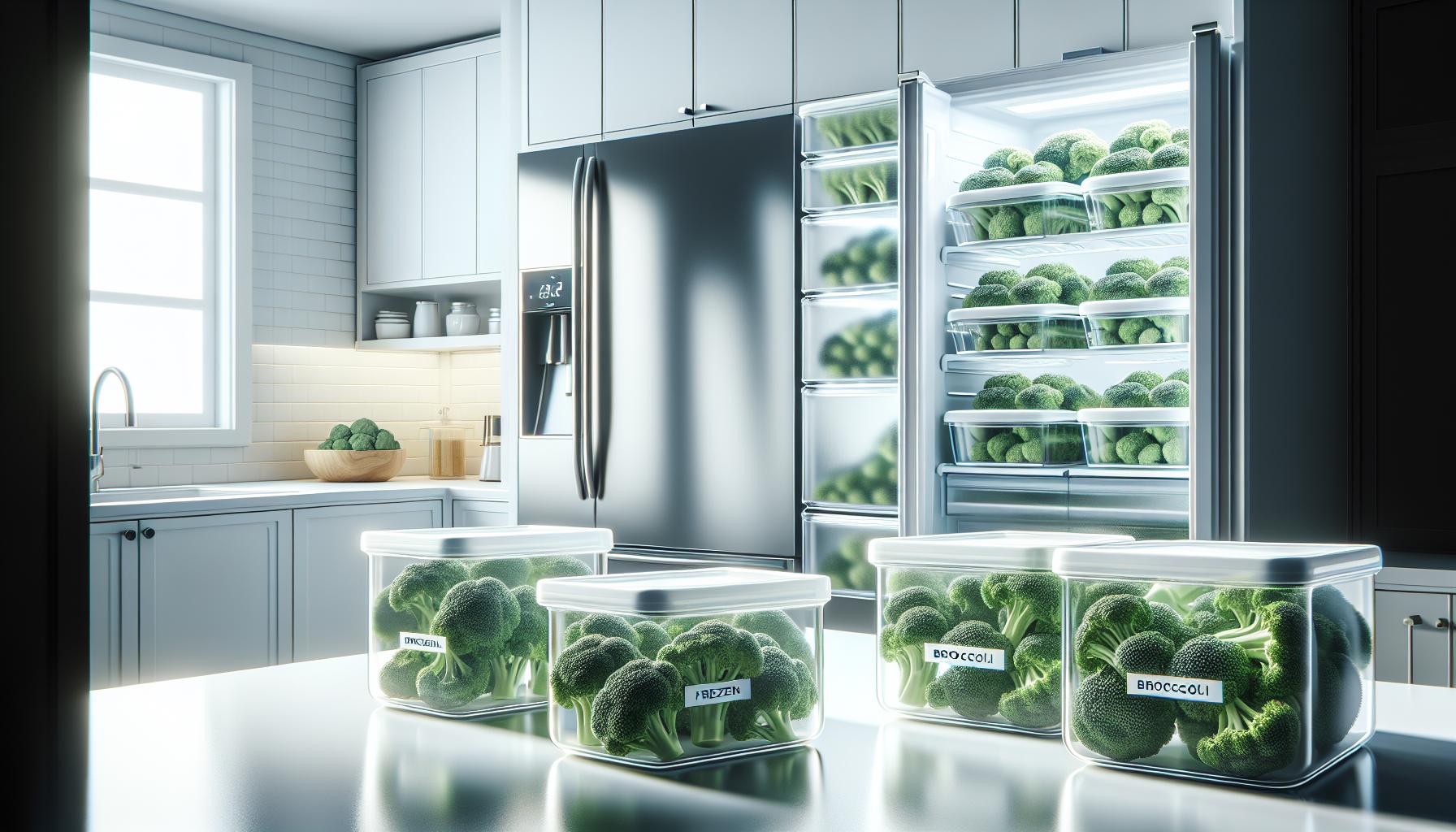
Ideal Conditions for Freezing Broccoli
Freezing broccoli effectively requires ideal conditions to ensure it retains its flavor, nutritional value, and texture. The process of freezing begins long before the broccoli ever enters the freezer. Preparing the vegetable correctly can make all the difference in the quality of your frozen product. Selecting the freshest broccoli is crucial; look for tightly packed florets with vibrant green color and no signs of wilting or yellowing. Freshness is key, as older broccoli may have diminished flavor and nutritional content, making it less desirable for freezing.
Once you’ve chosen your broccoli, the next step is to utilize blanching, which is a vital process that helps maintain the vegetable’s quality. Blanching should be done in rapidly boiling water for about 2-3 minutes, depending on the size of the florets. This brief cooking halts enzymatic activity that leads to spoilage, preserves color, and helps retain nutrients during freezing. After blanching, it’s essential to cool the broccoli quickly in ice water; this step prevents overcooking and preserves crispness.
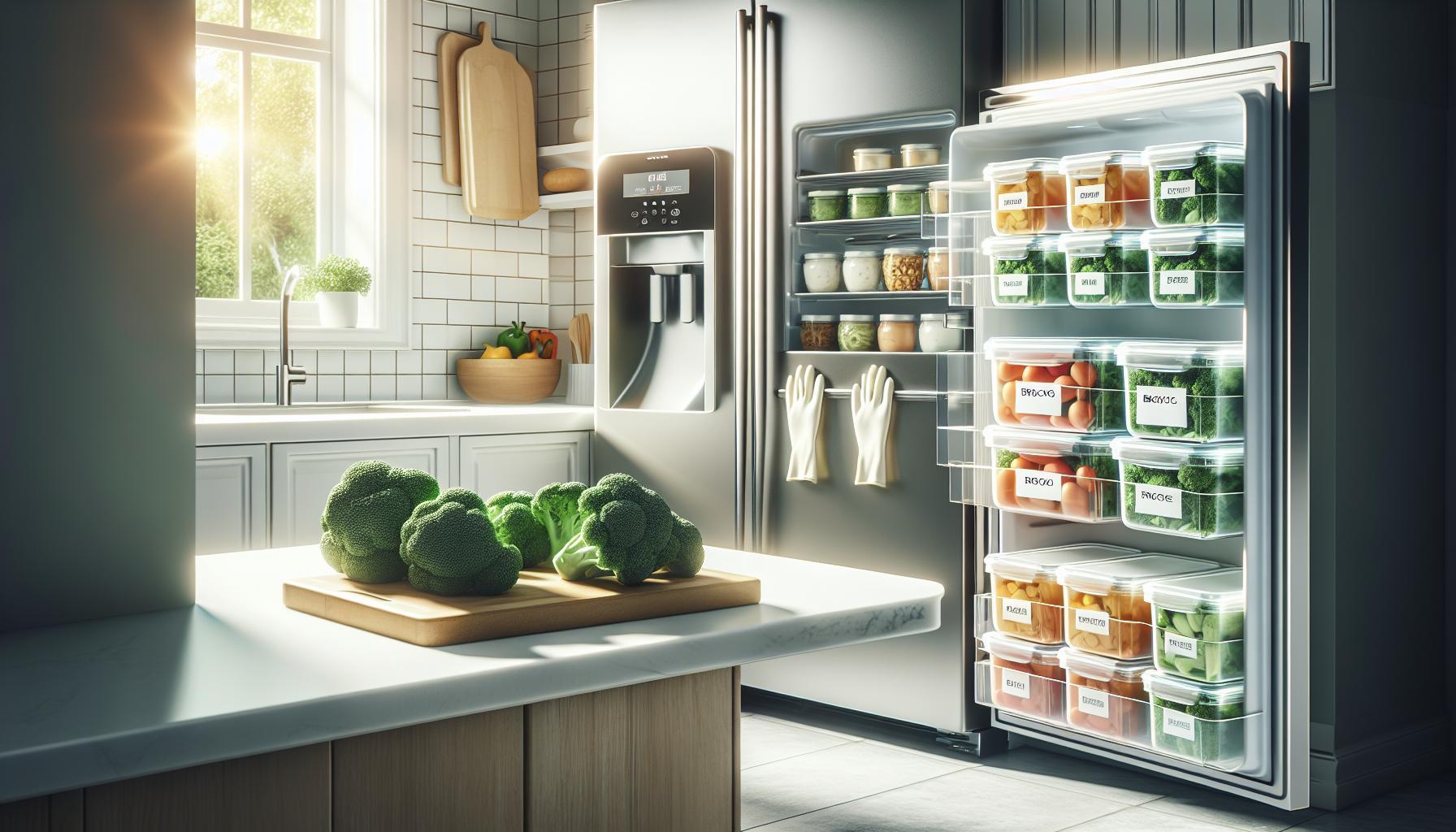
After cooling, thoroughly drain the broccoli and ensure it’s as dry as possible before freezing. Excess moisture can lead to freezer burn, compromising texture and flavor. Place the broccoli in airtight containers or freezer bags, ensuring to remove as much air as possible to prevent ice crystal formation. Remember to label your containers with the date of freezing to easily track their storage duration.
The ideal freezing temperature for broccoli is 0°F (-18°C) or lower. At this temperature, the growth of bacteria, yeasts, and molds is stopped, ensuring food safety and quality. If you strictly follow these steps, you can maximize your broccoli’s shelf life, allowing it to maintain its quality for approximately 8 to 12 months in the freezer. Consistent attention to these ideal conditions will ensure your frozen broccoli serves as a nutritious and tasty ingredient for your meals long after the harvest season has ended.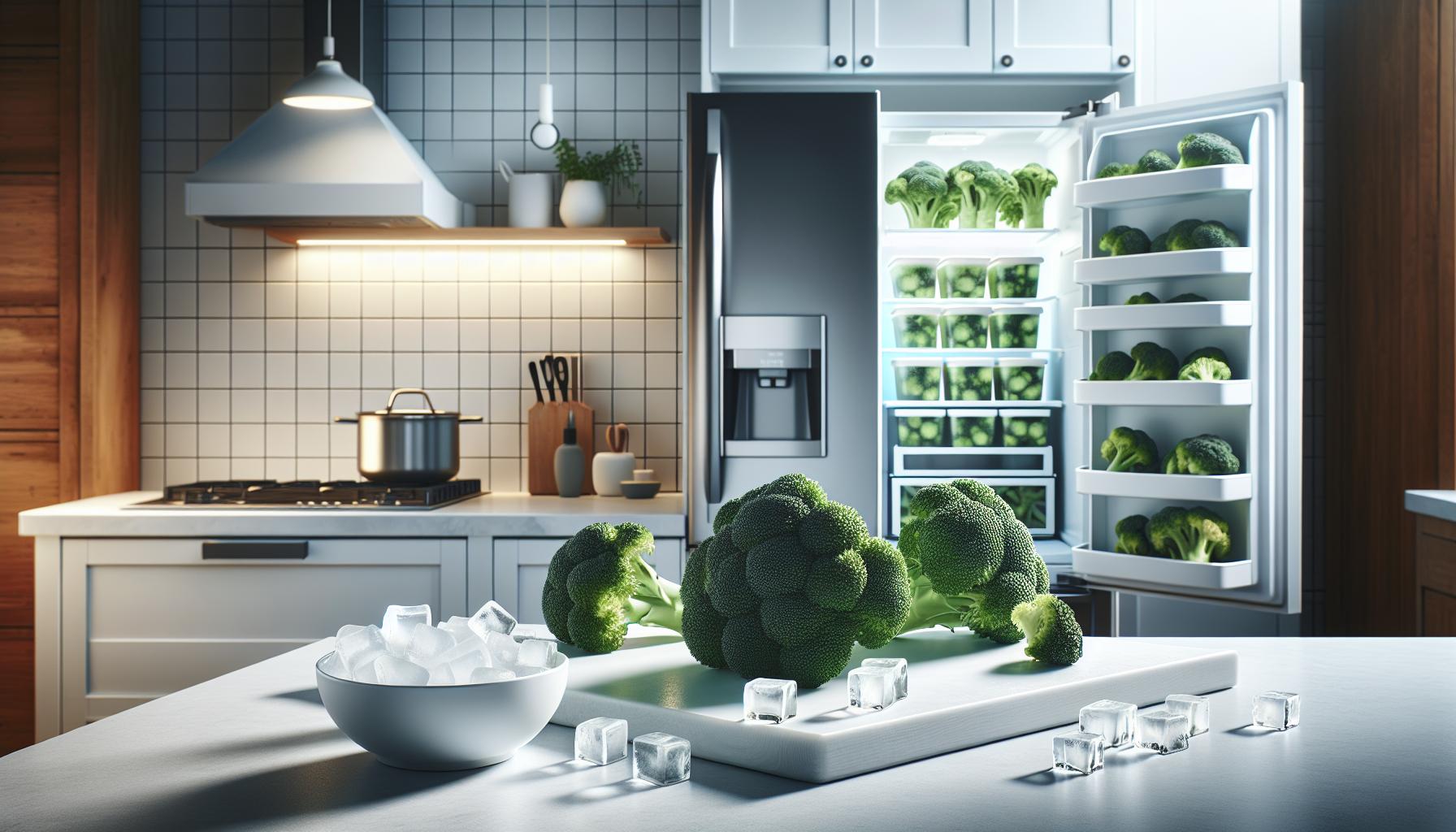
Step-by-Step Freezing Process for Broccoli
To maintain the vibrant green color, flavor, and nutritional content of broccoli during freezing, following a systematic process is essential. Each step can significantly impact the vegetable’s quality when you decide to use it later. Here’s how to ensure your broccoli is frozen effectively for long-term use.
The first step is to select fresh broccoli. Look for tightly packed florets without any signs of wilting or yellowing. Freshness contributes to the overall quality after freezing. Once you have chosen your broccoli, prepare for blanching. Bring a large pot of water to a rolling boil and immerse the broccoli florets for approximately 2-3 minutes. This technique halts enzymatic processes that can degrade the vegetable’s texture and flavor. It is crucial to not over-blanch, as this can lead to loss of essential nutrients.
After blanching, immediately transfer the broccoli to a bowl of ice water. This technique, known as shocking, helps stop the cooking process and preserves its crunchiness. Once cooled, drain the broccoli thoroughly; excess moisture can lead to freezer burn, adversely affecting quality. For optimal freezing conditions, spread the broccoli florets on a kitchen towel to remove any lingering water.
Next, place the dry florets into airtight freezer bags or containers. Remove as much air as possible to prevent ice crystal formation, which can damage the texture. Label your containers with the freezing date to keep track of how long the broccoli has been stored. Storing at 0°F (-18°C) or lower is vital to maintaining safety and quality, allowing frozen broccoli to last between 8 to 12 months. If you adhere to these steps, you’ll ensure your broccoli remains flavorful and nutritious, ready for your favorite recipes whenever you need it.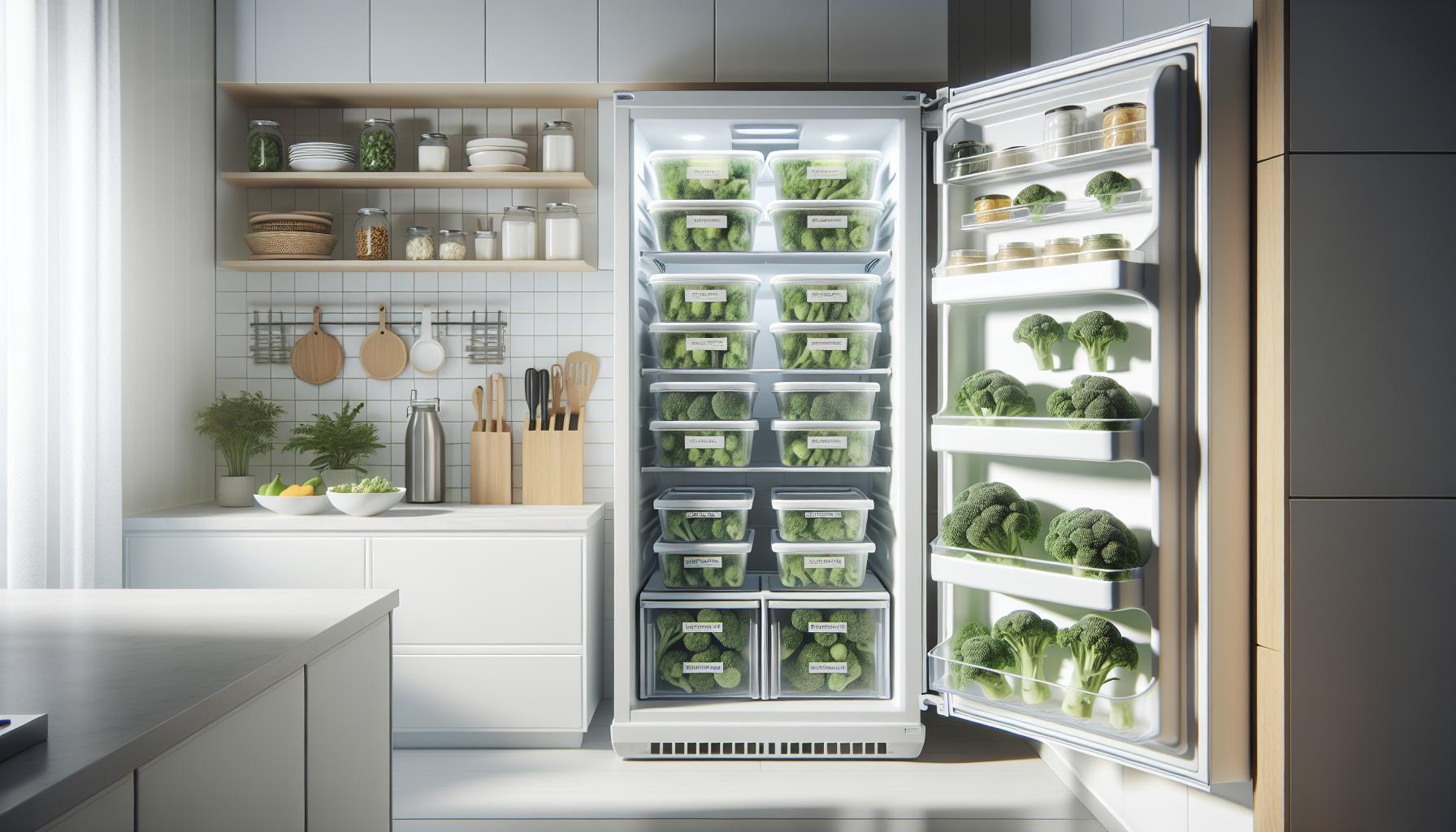
How Long Can Frozen Broccoli Last?
Frozen broccoli can be a versatile ingredient in your kitchen, but understanding how long it lasts is key to maximizing its quality and ensuring food safety. Properly frozen, broccoli retains its best flavor and texture for about 8 to 12 months when stored at 0°F (-18°C) or lower. While it may still be safe to eat beyond this window, the quality, flavor, and nutritional content may begin to decline. Therefore, it’s advisable to use your frozen broccoli within this timeframe for optimal results.
To make the most out of your frozen broccoli, keep it in airtight containers or vacuum-sealed bags, as this minimizes exposure to air and prevents freezer burn. It’s beneficial to label these containers with the freezing date, which not only helps you track freshness but also serves as a handy reminder to use the veggies in recipes before they start losing their quality. Remember, while frozen broccoli isn’t necessarily spoiled after 12 months, you might notice changes in texture or a duller flavor, which can impact your dishes significantly.
In addition, always conduct a quick visual and tactile check before using frozen broccoli. If the florets are discolored, have an off smell, or feel excessively mushy, it’s best to err on the side of caution and discard them. Keeping these guidelines in mind will help ensure that your frozen broccoli remains a delightful addition to your meals throughout its shelf life.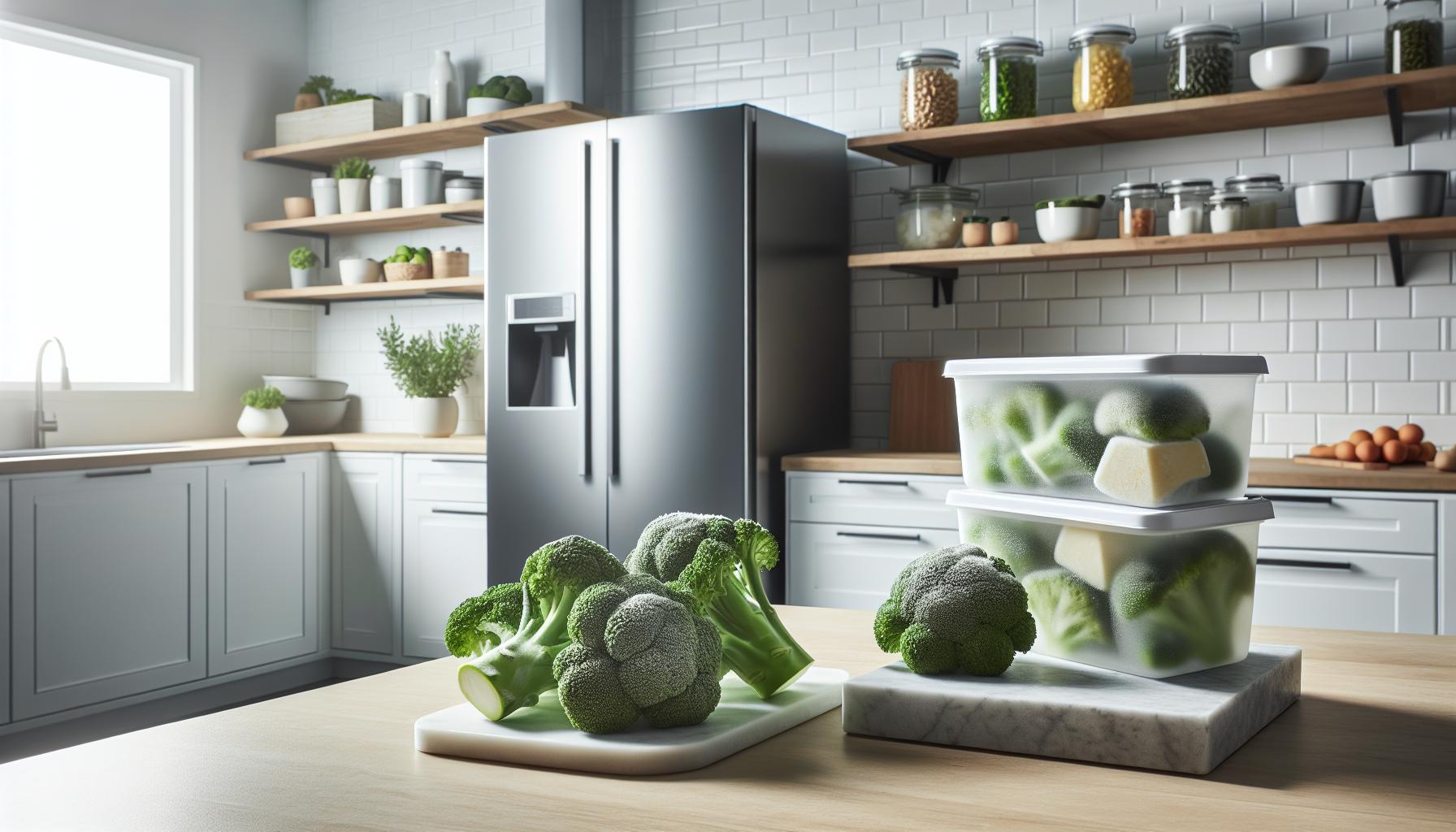
Signs of Spoiled Frozen Broccoli
When it comes to maintaining the freshness and safety of frozen broccoli, recognizing the signs of spoilage is essential. Although freezing can significantly extend the shelf life of broccoli, improper storage or prolonged freezing can lead to deterioration. It’s important to conduct a thorough inspection prior to cooking or consuming frozen broccoli.
One of the first indicators of spoilage is discoloration. Fresh broccoli should maintain a vibrant green color, but if you notice yellow or brown patches, this may suggest it has begun to spoil. Additionally, freezer burn, characterized by white or grayish spots, can occur when broccoli is exposed to air. This doesn’t necessarily make the broccoli unsafe to eat, but it can impact its texture and flavor. If freezer burn is extensive, it’s best to discard the affected portions.
Another crucial factor to consider is smell. When frozen broccoli has gone bad, it may develop an off-putting odor. Fresh broccoli typically has a mild, earthy scent; any sour or rancid smell indicates spoilage. Furthermore, the texture of the florets is a telling sign-if they feel excessively mushy or watery when thawed, it’s advisable to be cautious. The texture should remain firm, even after freezing. Always trust your senses; if there’s any doubt about the quality of your frozen broccoli, it’s safer to discard it.
While identifying spoiled frozen broccoli is important for food safety, keeping in mind the ideal storage conditions can help prevent spoilage in the first place. Ensure that you store broccoli at or below 0°F (-18°C) and in airtight containers to minimize air exposure. By remaining vigilant and attentive to these signs, you can enjoy your frozen broccoli safely and deliciously.
Best Practices for Storing Frozen Broccoli
Maintaining the flavor and nutritional benefits of frozen broccoli involves careful attention to storage practices. When done correctly, freezing can extend the shelf life of this nutrient-rich vegetable, allowing you to enjoy it long after its peak season. To optimize your frozen broccoli’s longevity and quality, follow these essential best practices.
First and foremost, it is crucial to use airtight containers or vacuum-sealed bags for storing broccoli. Exposure to air can lead to freezer burn, which damages the texture and flavor of the vegetable. Make sure to remove as much air as possible from the containers or bags before sealing. If using bags, pressing out excess air will help ensure that your broccoli remains in top condition while frozen.
Next, label your frozen broccoli with both the date of freezing and the quantity. This simple step will help you track how long it has been in the freezer, ensuring that you use it within the recommended time frame of 10 to 12 months for optimal quality. By rotating your frozen vegetables-placing older packages at the front-you minimize the risk of letting any go to waste.
Lastly, maintain a consistent freezer temperature at or below 0°F (-18°C). Fluctuations in temperature can lead to ice crystals forming, which may compromise the broccoli’s texture when thawed. Additionally, consider designating a specific area in your freezer for frozen vegetables to streamline access and storage. Placing broccoli away from the freezer door will help protect it from temperature changes caused by frequent opening and closing.
By following these best practices, you can enjoy your frozen broccoli’s delightful taste and nutrition for months to come, making meals more convenient and healthy.
Reheating Frozen Broccoli: Tips and Techniques
Reheating frozen broccoli can be a simple yet delightful component of meal preparation when done correctly. If you’ve ever found yourself staring at a bag of frozen broccoli and wondering how to bring it back to life, you’re not alone. The goal is to retain as much flavor, texture, and nutritional value as possible, and the method you choose can make a significant difference.
One effective method for reheating broccoli is the microwave. Simply place the desired amount of frozen broccoli in a microwave-safe bowl, add a tablespoon of water, and cover it with a microwave-safe lid or plate. Heat on high for 2-4 minutes, checking regularly to prevent overcooking. This technique helps steam the broccoli and retains its vibrant green color and crisp texture. For an even more flavorful result, consider adding a drizzle of olive oil or a sprinkle of your favorite seasoning after microwaving.
Another approach is using the stovetop, which is especially beneficial when you want to create a stir-fry or slightly sauté the broccoli. In a skillet, add a bit of oil and heat it over medium heat. Add the frozen broccoli directly to the pan; no need to thaw. Stir occasionally as it heats up, and cook for about 5-7 minutes. This method helps preserve the vegetable’s texture and adds a nice, slightly caramelized flavor.
For those who enjoy roasted flavors, using the oven is a fantastic option. Preheat your oven to 400°F (200°C). Spread the frozen broccoli on a baking sheet, drizzle with a little oil, and season as desired. Bake for approximately 15-20 minutes, tossing halfway through to ensure even cooking. This method not only reheats the broccoli but also produces crispy edges that enhance its natural flavor.
Keep in mind that regardless of the reheating method you choose, ensuring the internal temperature reaches 165°F (74°C) is vital for food safety. Proper reheating demonstrates respect for both food quality and safety, allowing you to enjoy your frozen broccoli in an appealing way.
Nutritional Value of Broccoli After Freezing
Broccoli is renowned for its impressive nutritional profile, packed with vitamins, minerals, and antioxidants. When rightly frozen, it retains most of its nutritional value, allowing you to enjoy its health benefits long after the harvest season. Freezing broccoli can actually lock in nutrients, as the process occurs shortly after the vegetable is picked, preserving its content more effectively than if it were stored fresh for an extended period.
The freezing process helps maintain key nutrients such as vitamin C, fiber, and several B vitamins. While blanching broccoli before freezing can minimize nutrient loss, even unblanched broccoli holds onto a high percentage of its original vitamins. For example, frozen broccoli can retain up to 90% of its vitamin C levels, contributing to immunity, skin health, and overall vitality. This makes frozen broccoli a superb option for families and individuals looking to include more vegetables in their diets conveniently.
To maximize the nutritional benefits of your frozen broccoli, proper freezing and storage practices are essential. Here are some key tips to ensure your broccoli remains as nutritious as possible:
- Use fresh broccoli: Select young, tender stalks that are vibrant green and free from blemishes.
- Blanch if possible: Briefly boiling and then rapidly cooling the broccoli before freezing can enhance its nutrient retention.
- Use airtight containers or vacuum-sealed bags: This prevents freezer burn, ensuring you consume broccoli that is as flavorful and nutritious as possible when thawed.
- Consume within 10-12 months: For the best taste and nutrient quality, use your frozen broccoli within this time frame.
Overall, incorporating frozen broccoli into your meals is not only a practical choice but also a smart nutritional strategy, allowing you to enjoy the green goodness year-round. By understanding how freezing affects its nutritional value and implementing proper storage techniques, you can ensure that each serving of frozen broccoli contributes positively to your health.
Using Frozen Broccoli in Recipes
Frozen broccoli can be a versatile and convenient ingredient, enabling home cooks to whip up nutritious meals quickly. Its bright green color and slightly firmer texture make it ideal for various dishes, from stir-fries to casseroles and beyond. When using frozen broccoli, it’s essential to note that while the freezing process may alter its texture slightly, this does not diminish its flavor or nutritional value-making it just as enjoyable as fresh broccoli.
Incorporating frozen broccoli into your recipes is simple and offers numerous possibilities. For a quick meal, consider adding it directly to stir-fried dishes. There’s no need to thaw; simply throw the frozen florets into your hot skillet with your favorite protein and sauce. This approach allows the broccoli to retain its bright color while absorbing the flavors of the dish. Alternatively, frozen broccoli can be seamlessly blended into smoothies for an added nutrition boost or incorporated into pasta dishes, where it can thaw and soften during cooking.
Cooking Techniques
To maximize the flavor and texture of frozen broccoli, opt for cooking methods like steaming or sautéing. Steaming helps preserve the vegetable’s nutrients and vibrant color, while sautéing enhances its taste through caramelization. Here are a few tips to keep in mind:
- If you prefer to steam, cook the frozen broccoli in a covered pot over simmering water for about 5-7 minutes, until tender.
- For sautéing, warm some olive oil in a skillet, add the frozen broccoli, and cook for about 7-10 minutes, stirring occasionally, until heated through and slightly crispy.
- Consider seasoning it with garlic, lemon juice, or a sprinkle of parmesan cheese to elevate the flavor profile.
Recipe Ideas
Frozen broccoli is not only easy to integrate but also enhances the nutritional value of your meals. Here are some delectable recipe ideas to inspire you:
- Broccoli and Cheese Casserole: Combine cooked frozen broccoli with a creamy cheese sauce and breadcrumbs, then bake until bubbly and golden.
- Vegetable Quiche: Mix thawed broccoli with eggs, cheese, and your choice of seasonings for a hearty breakfast dish.
- Broccoli Soup: Puree cooked frozen broccoli with broth, cream, and seasonings for a comforting and nutritious soup.
Frozen broccoli is an excellent pantry staple, offering flexibility in meal planning and the opportunity to enjoy its health benefits throughout the year. By understanding how to use it effectively in your meals, you can ensure a delightful dining experience rich in flavor and nutrition.
Comparing Freezing with Other Preservation Methods
Freezing broccoli is one of the best methods for preserving its nutrients and extending shelf life, but it’s essential to compare it with other preservation techniques to understand the full scope of options available. Among the most popular alternatives are canning and dehydration. While freezing typically retains more flavor and texture, understanding how each method affects broccoli can help you make informed decisions based on your needs and preferences.
Canning involves placing broccoli in jars and heating them to kill bacteria and enzymes that spoil food. This method can lead to a loss of nutrients, particularly water-soluble vitamins like vitamin C and B vitamins, which are sensitive to heat. Additionally, the texture of canned broccoli often differs significantly from fresh or frozen; it tends to become mushy due to the high heat involved. Canned broccoli can last a year or longer when stored properly, but the trade-off in quality is something for consumers to consider.
Dehydration, another preservation method, involves removing moisture from broccoli, which inhibits the growth of microbes. Dehydrated broccoli has a longer shelf life than fresh, lasting up to a year or more when kept in a cool, dark place. However, the rehydration process often does not restore its original texture. When cooking with dehydrated broccoli, it typically requires soaking in water, which can be an additional step that some home cooks may find inconvenient. Nutritionally, while dehydration retains many minerals, some heat-sensitive vitamins can be lost.
In contrast, freezing broccoli allows it to retain a more appealing texture and a higher level of nutrients compared to these methods. In fact, when properly prepared (such as through blanching), frozen broccoli preserves both its bright color and its crunchiness, allowing for greater culinary versatility. For optimal storage, frozen broccoli can be kept in a freezer for up to 10 to 12 months without a significant loss in quality, making it an efficient option for those looking to stock up on this nutritious vegetable.
When deciding how to preserve your fresh broccoli, it’s important to weigh the benefits and drawbacks of each method based on your culinary preferences, how quickly you plan to use your produce, and the importance of retaining specific nutrients.
Long-Term Storage Tips for Broccoli
To maximize the shelf life and maintain the quality of frozen broccoli, careful storage practices are essential. The secret to successful long-term storage lies mainly in how the broccoli is prepared and packaged before freezing. Starting with quality produce is crucial; select fresh, vibrant broccoli with no signs of wilting or discoloration. After washing the florets thoroughly, it’s important to blanch them briefly in boiling water-this process destroys enzymes that can lead to spoilage and nutrient loss. Once blanched, plunge the broccoli into ice water to stop the cooking process, then drain and pat dry before freezing.
Packaging is equally important for preserving the flavor and texture of broccoli. Use airtight freezer bags or containers, ensuring you remove as much air as possible before sealing. Consider portioning the broccoli into meal-sized quantities, which makes it easier to thaw only what you need without repeatedly opening a large container. Label the bags with the date of freezing to keep track of how long they’ve been stored; properly frozen broccoli can last 10 to 12 months while still retaining its nutritional value.
When it comes time to use your frozen broccoli, check for the signs of spoilage. If you notice ice crystals forming or a fuzzy texture on the florets, it may indicate that freezer burn has occurred. Although these signs don’t necessarily mean the broccoli is unsafe to eat, they can affect the taste and texture. Cooking can often restore some of its quality, but using frozen broccoli within the recommended time frame will yield the best results.
In summary, adhering to these long-term storage strategies can help ensure that your frozen broccoli remains a delicious and nutritious option for your meals. By choosing quality vegetables, employing proper blanching techniques, and utilizing effective packaging methods, you can enjoy the benefits of frozen broccoli throughout the year while minimizing waste.
Frequently Asked Questions
Q: How long can broccoli be frozen before it loses flavor?
A: Broccoli can be frozen for 8 to 12 months while maintaining optimal flavor and quality. After this period, it may still be safe to eat, but the taste and texture can decline. For best results, use vacuum sealing to preserve freshness.
Q: Is it safe to refreeze broccoli after it’s been thawed?
A: Yes, it is safe to refreeze broccoli that has been fully thawed, provided it was not left out at room temperature for more than two hours. Refreezing may affect texture and quality, so it’s best to consume it within a few days after thawing.
Q: What is the best way to thaw frozen broccoli?
A: The best way to thaw frozen broccoli is to transfer it to the refrigerator for several hours or overnight. This method maintains the vegetable’s texture and prevents the growth of bacteria, ensuring food safety.
Q: Can frozen broccoli be used directly in recipes without thawing?
A: Yes, frozen broccoli can be used directly in many recipes. Just add it to soups, stir-fries, or casseroles without thawing. Cooking it from frozen helps retain its nutrients and texture.
Q: How can I tell if frozen broccoli has gone bad?
A: Signs that frozen broccoli has gone bad include a discolored appearance, excess ice crystals, and a mushy texture when cooked. If you notice any off smells or dark spots, it’s best to discard it.
Q: What are the ideal storage conditions for frozen broccoli?
A: Frozen broccoli should be stored in a freezer at 0°F (-18°C) or lower in a tightly sealed bag or container to prevent freezer burn. Keeping the freezer full can help maintain a consistent temperature.
Q: Can I freeze broccoli after it has been cooked?
A: Yes, you can freeze cooked broccoli. Ensure it has cooled completely before placing it in airtight containers. Cooked broccoli usually maintains its quality for 3 to 6 months in the freezer.
Q: How does freezing affect the nutritional value of broccoli?
A: Freezing broccoli preserves most of its nutritional value, retaining vitamins like C and K. While some nutrient loss can occur, it is minimal, especially when broccoli is blanched before freezing, which helps preserve its color and nutrients.
To Wrap It Up
Now that you know how long frozen broccoli lasts and the best storage practices to maintain its quality, it’s time to put that knowledge into action! Remember, properly frozen broccoli can retain its optimal flavor and nutritional value for up to 12 months, giving you plenty of time to enjoy it in your meals. For more delicious ways to incorporate broccoli into your cooking, check out our comprehensive guide on how to cook broccoli or explore our 25 best broccoli recipes for fresh inspiration.
If you found this information helpful, consider signing up for our newsletter to stay updated with the latest food storage tips and recipes! Have more questions about food freezing or storage? Drop a comment below or explore our resources on food safety practices to ensure you’re making the best choices for your kitchen and health. Don’t let your broccoli go to waste-act now and enhance your meal prep today!