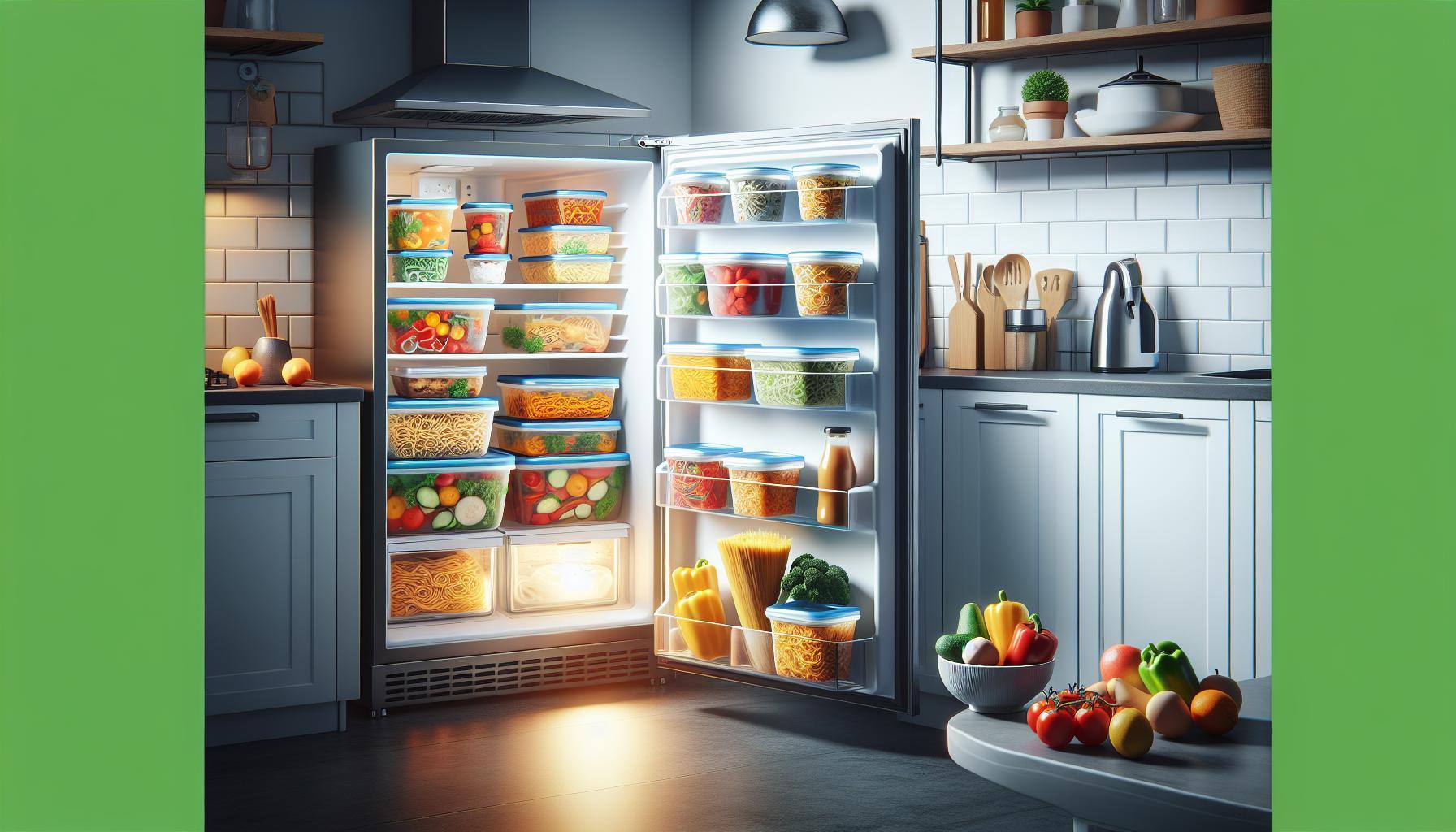
Broth is both a culinary staple and a comfort food essential, adding depth and richness to soups, stews, and sauces. However, once you’ve made or opened a batch, you may wonder: how long can you safely store it in the fridge? Understanding broth’s shelf life is crucial for both flavor retention and food safety.
Improperly stored broth can lead to waste and even foodborne illness, making it essential to know the guidelines for safe storage. With the right practices, you can ensure that your broth stays fresh longer while still enhancing your dishes. In this article, we’ll dive into how long broth lasts in the fridge and share tips on proper storage techniques, helping you make the most of your homemade or store-bought broth. Let’s explore the best ways to keep your broth flavorful and safe!
How Long Can Broth Be Stored in the Fridge?
Making delicious broth at home is a fulfilling endeavor, but understanding how long it can be safely stored in the fridge is crucial for maintaining its flavor and safety. Generally, homemade broth can be stored in the refrigerator for up to 4 to 5 days. This timeframe allows you to enjoy the full flavor and nutritional benefits of your broth, provided that it has been stored in proper conditions. To maximize its shelf life, make sure to cool the broth quickly before refrigerating it. You can do this by placing the pot in a sink full of ice water or using shallow containers to facilitate faster cooling.
When storing broth, it’s imperative to use airtight containers. This practice not only prevents cross-contamination with other foods but also helps maintain the broth’s rich aroma and taste. Break down larger batches into smaller portions to encourage speedy cooling and make reheating more convenient. If you find that you cannot finish the broth within the 5-day window, consider freezing it for long-term storage. Frozen broth can last for 4 to 6 months without losing its flavor or nutritional value.
Always trust your senses when assessing broth freshness. Even if broth is within the safe storage time frame, any unusual odor, discoloration, or curdling indicates it has likely gone bad. If you’re unsure, it’s wise to err on the side of caution and dispose of any questionable broth to ensure your safety.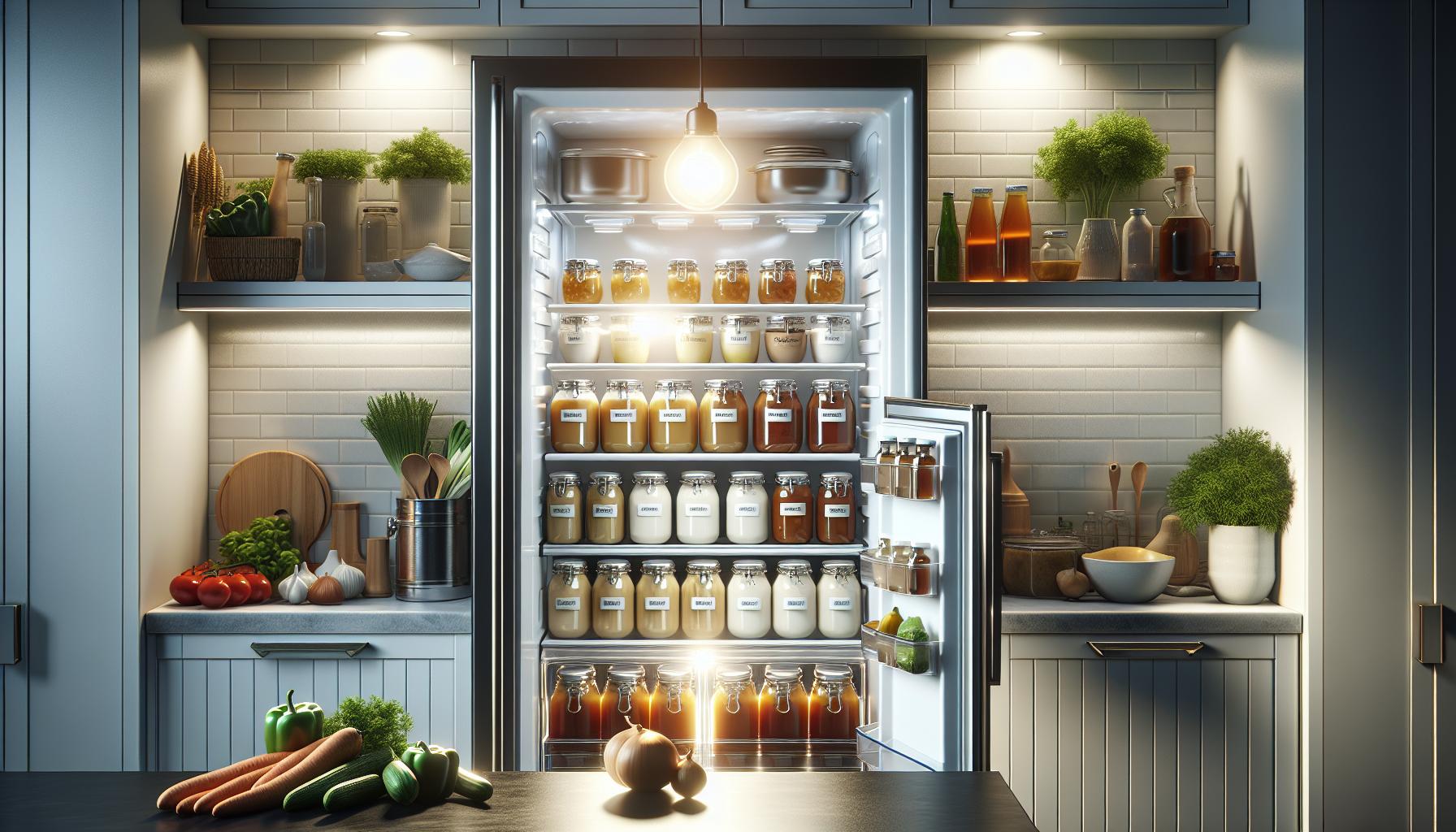
Signs Your Broth Has Gone Bad
When enjoying homemade broth, it’s essential to be vigilant about its freshness and safety. Several visual and sensory cues can indicate whether your broth has gone bad. Color and clarity are two of the most telling signs. Fresh broth typically has a rich, clear appearance-if you notice any cloudiness, sediment, or separation, it’s best to proceed with caution. Additionally, an off-putting or sour odor can signal spoilage; a fresh broth will smell savory and appetizing. If you can detect a strong, unpleasant scent, discard it immediately.
Texture changes can also reveal that your broth has spoiled. If you see any signs of curdling or a slimy residue forming on the surface, it is a strong indication that microbial growth has begun. It’s vital to trust your judgment here-if something feels off or looks unappealing, it’s safer to err on the side of caution.
Lastly, always keep in mind the storage time. Homemade broth should ideally be consumed within 4 to 5 days when stored in the refrigerator. If you’re nearing the end of this timeframe and notice any of the previously mentioned signs, it’s a clear signal that it’s time to throw it out. Following these guidelines will help ensure that your broth remains both delicious and safe to consume.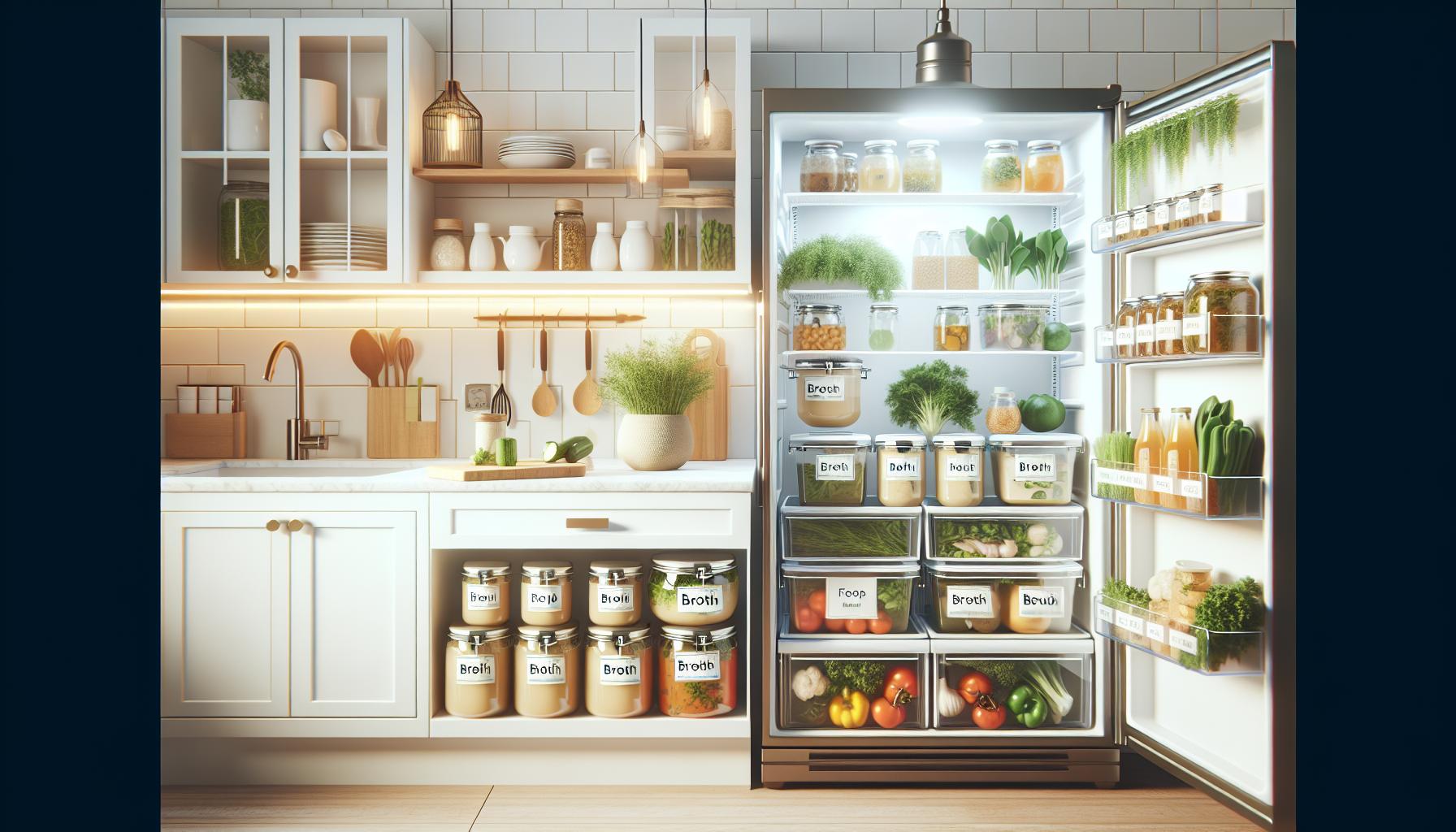
Tips for Safe Broth Storage Practices
To maintain the rich flavors and safety of your homemade broth, implementing proper storage practices is crucial. Storing broth may seem straightforward, but the way you handle it can significantly affect its quality and longevity. First and foremost, it’s essential to cool your broth quickly after cooking. Doing so minimizes the time it spends in the temperature danger zone (40°F to 140°F), where bacteria can thrive. To speed up cooling, consider transferring the broth to shallow containers or using an ice bath to cool it down rapidly before refrigeration.
Once your broth is at a safe temperature, transfer it into airtight containers. This step is vital for preventing contamination and maintaining freshness. Avoid overfilling containers; leave some space at the top to allow for expansion when the broth freezes. For longer storage, consider dividing the broth into smaller portions. This method not only allows for quicker thawing but also helps reduce waste, as you can defrost only what you need.
Always label your containers with the date of preparation. This practice ensures you can easily track freshness and avoid using broth that has exceeded its recommended storage time, ideally within 4 to 5 days in the refrigerator. Moreover, be mindful of where you store the broth in the fridge. Keeping it near the back, where temperatures are more consistent and colder, will help it remain fresh for longer.
To further enhance safety, avoid repeatedly reheating and cooling your broth, as this can increase the risk of bacterial growth. Instead, reheat only the portion you plan to consume, and ensure it reaches a rolling boil for at least one minute to kill off any potential bacteria. By following these practical storage tips, you can enjoy delicious, homemade broth without compromising on safety or flavor.
Enhancing Broth Flavor During Storage
To keep your broth bursting with flavor during storage, there are several strategies you can employ. One of the simplest yet most effective methods is to enrich your broth with aromatics before refrigerating. Ingredients such as fresh herbs (like thyme, rosemary, or parsley), garlic, and a splash of acid (such as vinegar or lemon juice) can enhance the flavor profile and help preserve its taste. These components not only add depth but also contribute to the broth’s overall aroma, making it more enjoyable when reheated.
Another key aspect is to consider how you handle your broth after cooking. Allowing your broth to cool slightly before refrigerating is essential, but be cautious not to leave it at room temperature for too long – ideally, less than two hours. Additionally, when storing your broth, you might want to include a piece of cheesecloth filled with a handful of fresh herbs. This technique infuses flavor gradually, keeping the broth vibrant over its shelf life. Remember to remove the cheesecloth before reheating.
Proper sealing is equally important. Make sure to use airtight containers, and if possible, vacuum seal the broth, which helps prevent oxidation and freezer burn when storing in larger quantities. If you plan to use the broth over time, consider portioning it out before sealing, making it easier to use without repeatedly thawing the entire batch, which can degrade flavor.
Lastly, be mindful of how you reheat your broth. Gradually warming it on low heat and incorporating a fresh sprig of herb or a cracked peppercorn just before serving can revitalize flavors that may have dulled during storage. This small step turns your reheated broth into a dish that feels freshly prepared, ensuring you make the most out of your homemade savory stock.
Best Containers for Storing Broth
Choosing the right container for storing broth can significantly impact its flavor and longevity. Ideally, broth should be stored in airtight and non-porous containers that prevent exposure to air, which can degrade the taste and lead to spoilage. Here are some excellent options to consider:
Glass Containers
Glass containers, especially those designed for food storage, are a top choice due to their non-reactive nature. They don’t absorb odors or flavors, which means your broth will taste as fresh as the day it was made. Look for containers with airtight lids to create a proper seal. It’s advisable to allow the broth to cool before sealing and placing it in the fridge to prevent glass breakage.
Plastic Containers
Food-grade plastic containers are another practical option. Ensure they are BPA-free and have secure lids to keep the broth sealed tightly. There are various shapes and sizes available, which makes portioning easy. However, be aware that some plastics can absorb food odors and flavors over time, potentially affecting future batches of broth stored in the same container.
Vacuum-Sealed Bags
For those looking to save space or store large quantities of broth, vacuum-sealed bags are ideal. They minimize air exposure and are excellent for freezing as they prevent freezer burn. When using vacuum-sealed bags, lay them flat in the freezer for easier storage. Be sure to label them with the date so you can track freshness.
Ice Cube Trays
A creative way to store broth for later use is in ice cube trays. This allows for portion control; you can thaw just the right amount needed for sauces or soups. Once frozen, transfer the cubes to a zip-top freezer bag. This method works well particularly for small quantities without taking up much space in the freezer.
By selecting the right container and following proper cooling and sealing practices, you can extend the shelf life of your broth in the fridge to about 3-4 days for homemade varieties and even longer in the freezer, where it can last for months. Always remember to label your containers with dates for quick reference, ensuring you enjoy your flavorful creations at their best.
Freezing Broth: Step-by-Step Guide
Freezing broth is an excellent way to extend its shelf life well beyond the typical 3-4 days it can stay fresh in the fridge. By following a few simple steps, you can maintain the rich flavors and nutritional benefits of your broth, allowing you to enjoy homemade soups, sauces, and stews whenever you desire. Here’s how to effectively freeze your broth to ensure maximum quality and safety.
Start by allowing your broth to cool completely after cooking. This is crucial not only for taste but also for safety, as placing hot liquid directly in the freezer can raise the temperature inside the freezer and potentially spoil other items. Once cooled, you can choose your preferred storage method. Popular options include glass jars, BPA-free plastic containers, vacuum-sealed bags, or even ice cube trays for smaller portions. If using glass containers, ensure there’s some space at the top, as liquids expand when frozen.
When ready to store, pour the cooled broth into your chosen containers, leaving adequate headspace to accommodate the expansion. If using ice cube trays, fill them and then transfer the frozen cubes to a zip-top freezer bag after they have solidified. Label all containers with the date and contents for easy identification later. Broth can generally be stored in the freezer for 4 to 6 months without significant loss of flavor, but for the best taste, use it within 3 months.
Thawing your broth is just as important as freezing it. The safest method is to transfer the frozen broth to the refrigerator for 24 hours or to use the defrost setting on your microwave. If you need it in a hurry, placing the sealed container in cold water can also work, though be sure not to leave it out at room temperature to avoid bacterial growth. Once reheated, it’s best to consume your thawed broth within a week to ensure optimal taste and safety.
How Long Does Homemade Broth Last?
Homemade broth is a culinary treasure, offering rich flavors and nutritional benefits that enhance many dishes. While its deliciousness can make it tempting to keep around indefinitely, proper storage is essential for maintaining both flavor and safety. Generally, homemade broth can be stored in the refrigerator for about 3 to 4 days. This timeframe helps to ensure that any potential harmful bacteria do not have a chance to multiply.
To maximize the longevity of your broth, it’s important to cool it fully before refrigeration. Placing hot broth directly into a fridge can raise the overall temperature, increasing the risk of bacterial growth. Once cooled to room temperature, pour the broth into airtight containers. This will help to minimize exposure to air, which can lead to oxidation and spoilage. Always label the containers with the date of preparation to keep track of how long the broth has been stored.
For those who wish to enjoy their broth beyond a few days, freezing is an excellent option. Broth can be frozen for 4 to 6 months while still retaining its flavor and safety. When thawing, the safest method is to transfer it to the refrigerator for 24 hours, but a microwave defrost setting or a bath in cold water can work effectively as well. If properly prepared and stored, homemade broth can be a convenient and nutritious ingredient that adds depth to your meals for weeks or even months.
How to Reheat Broth Safely and Effectively
To ensure your homemade broth retains its rich flavors and remains safe to consume, reheating it properly is essential. A common practice is to heat broth on the stovetop, which allows for an even warming and the opportunity to stir, enhancing its depth of flavor. Use a saucepan and gradually bring the broth to a simmer over medium heat. This method not only effectively kills off any potential bacteria that may have developed during storage but also allows you to monitor its flavor as it warms.
For a quicker option, a microwave can be used, but be cautious. Pour the broth into a microwave-safe container, leaving space for steam to escape, and heat in short intervals-typically 1 to 2 minutes-stirring in between. This helps prevent hot spots that could lead to uneven heating. Always make sure the broth reaches at least 165°F (73.9°C) to ensure it’s safe to consume.
Never reheat broth more than once, as doing so can compromise its flavor and safety. If you have leftovers after reheating, it’s best to discard them rather than refrigerate again. By using these safe and effective reheating methods, you can enjoy your broth at its best, maintaining both its comforting warmth and hearty flavor.
Common Mistakes When Storing Broth
When it comes to storing broth, many people mistakenly overlook some key principles that can affect its safety and flavor. One of the most common errors is not allowing broth to cool completely before refrigerating it. Placing warm broth directly into the fridge can raise the overall temperature inside, creating an environment conducive to bacterial growth. To prevent this, let your broth cool at room temperature for no more than two hours before transferring it to the refrigerator. Consider using an ice bath, where you place the pot in a sink filled with ice water, to speed up the cooling process safely.
Another frequent mistake is not using appropriate containers. While it might be tempting to reuse old jars or containers, not all are suitable for freezer or refrigerator storage. Broth should ideally be stored in airtight containers, such as glass jars or freezer-safe bags, to minimize air exposure. Be sure to leave some space at the top of containers, as liquids expand when they freeze. Inadequate sealing can lead to freezer burn, which compromises both the taste and texture of your broth.
A lack of proper labeling is another pitfall that can lead to broths lingering too long in the fridge or freezer. Always use labels with the date and type of broth, ensuring that you keep track of how long it’s been stored. Homemade broth typically lasts about 3-4 days in the refrigerator, while frozen broth can remain safe and flavorful for up to six months. Keeping this information visible makes it easier to use broth at its best quality.
Lastly, reheating broth multiple times is a common misstep. Each time broth is cooled and reheated, the risk of bacteria growth increases. It’s best to portion out the broth into smaller servings to reduce the need for reheating multiple times. This way, you can enjoy warm, flavorful broth without compromising safety. By avoiding these typical pitfalls, you can ensure your broth remains delicious and safe to consume every time.
Comparing Store-Bought vs. Homemade Broth Shelf Life
When it comes to the shelf life of broth, distinguishing between store-bought and homemade options can greatly affect your culinary and safety decisions. Understanding how these two types of broth differ not only helps in terms of flavor but also impacts how long you can safely store them in your refrigerator or freezer.
Store-bought broth generally contains preservatives and is often pasteurized, enabling it to have a longer shelf life even once opened. Typically, an opened carton or can of store-bought broth can be safely stored in the refrigerator for about 4-5 days. In contrast, homemade broth, while fresher and lacking artificial additives, has a shorter shelf life. It usually lasts only 3-4 days in the fridge, owing to the absence of preservatives and the natural ingredients used. This difference emphasizes the importance of proper storage practices for both types; for instance, keep homemade broth in airtight containers to minimize exposure to air and potential contaminants.
When it comes to freezing, both options can last considerably longer. Homemade broth can be frozen for up to six months, maintaining its flavor and nutritional value, while store-bought varieties can similarly be frozen, often lasting anywhere from 4 to 6 months. However, it’s essential to label your containers with the date to ensure you’re using them within a safe timeframe. Moreover, consider portioning your broth into smaller containers before freezing to allow for quicker thawing and avoid repeated heating, which can decrease quality over time.
Ultimately, while both store-bought and homemade broths have their advantages and disadvantages, being aware of their respective shelf lives empowers you to make informed decisions. Whether you’re looking for convenience with store-bought broth or the rich, customized flavor of homemade, practicing diligent storage methods will help ensure your broth remains safe and delicious for all your culinary adventures.
Nutritional Value: Does Storage Affect Broth?
The nutritional value of broth can be influenced by both its ingredients and how it is stored. Broth often contains essential minerals, vitamins, and proteins that are extracted from bones, meat, and vegetables during the cooking process. However, the storage conditions you choose can impact the retention of these nutrients. For instance, exposure to air and light can lead to nutrient degradation over time.
When broth is stored improperly, such as in non-airtight containers or exposed to prolonged temperature fluctuations, its flavor profile and health benefits may diminish. Preservatives in store-bought broth can help maintain nutritional quality for longer, even after opening, typically lasting 4-5 days in the refrigerator. In contrast, homemade broth lacks these additives but may not have an extensive shelf life, usually lasting about 3-4 days when refrigerated. It’s essential to refrigerate broth as soon as it cools to prevent bacterial growth, which can compromise both safety and nutritional content.
To maximize the nutritional value of broth, consider these key practices:
- Cool Quickly: After cooking, allow broth to cool quickly before refrigerating to minimize the time it spends in the temperature danger zone (40°F – 140°F).
- Use Airtight Containers: Store broth in airtight containers to limit exposure to air, helping to retain flavor and nutrients.
- Freeze for Longevity: If you plan to store broth beyond a week, freezing is an excellent option. Homemade broth can last in the freezer for up to six months, helping to preserve its nutritional value.
By adhering to these guidelines, you can enjoy the rich flavors and health benefits of broth while ensuring it remains safe and nutritious for your culinary uses.
Creative Ways to Use Leftover Broth
Leftover broth is not just a byproduct of cooking; it’s a treasure trove of flavor and nutrition waiting to enhance a variety of dishes. Instead of letting it sit in the fridge, consider incorporating it into your meals creatively. Broth is incredibly versatile and can be used as a base for soups, sauces, and even grains. For instance, try cooking rice or quinoa in broth instead of water. This simple swap infuses the grains with a depth of flavor that plain water simply cannot match.
In addition to enhancing grains, broth can serve as a flavorful component in stews and curries. Use it to deglaze pans after sautéing meat or vegetables, capturing all those delicious browned bits and adding richness to your dish. For a quick and satisfying meal, mix leftover broth with vegetables and proteins for a nourishing soup. Add herbs and spices to elevate the taste further and create a unique concoction each time.
Broth can also be a fantastic base for sauces. Reduce it to concentrate the flavors, and then use it as a sauce for pasta, meats, or grains. If you enjoy more substantial flavors, consider making a homemade gravy by thickening broth with a roux or cornstarch.
When storing broth, safety is paramount. If you have extra broth, keep it in airtight containers in the fridge, where it can last about 3-4 days. Alternatively, freeze it in portion-sized containers or ice cube trays for easy access whenever you need a flavor boost. When stored correctly, not only can you enjoy all the culinary possibilities, but you can also prevent food waste, making the most out of every batch you make.
Q&A
Q: How long does store-bought broth last in the fridge after opening?
A: Store-bought broth can last about 3 to 5 days in the fridge after opening. Always check the expiration date and store it properly in an airtight container to maintain its flavor and safety. For longer storage, consider freezing it [[2]].
Q: Can I store broth in glass containers?
A: Yes, storing broth in glass containers is safe and effective. Glass containers do not retain odors or stains like some plastic ones and can help preserve the broth’s flavor. Ensure they are airtight to prevent any contamination [[2]].
Q: What is the best way to reheat broth without losing flavor?
A: The best way to reheat broth is gently heating it on the stovetop over low to medium heat until warmed through. Avoid boiling to maximize flavor retention. You can also use a microwave in short intervals, stirring in between [[2]].
Q: Is it safe to consume broth that has been left out overnight?
A: No, it is not safe to consume broth that has been left out at room temperature for more than 2 hours. Bacteria can multiply rapidly at room temperature, posing a risk of foodborne illness. Always refrigerate broth promptly [[2]].
Q: How can I tell if my broth has gone bad?
A: Signs that broth has gone bad include an off smell, mold growth, or an unusual change in color or texture. If you notice any of these issues, discard the broth to ensure safety [[2]].
Q: Can herbs and spices stored with broth affect its shelf life?
A: Yes, certain herbs and spices can affect the shelf life of broth. Some may introduce moisture or bacteria, shortening its usability. It’s best to keep spices separate and add them during cooking instead [[2]].
Q: How can I enhance the flavor of broth while storing it?
A: To enhance broth flavor during storage, consider adding fresh herbs or spices just before it cools. Avoid adding acidic ingredients until you are ready to use, as these can alter the broth’s taste over time [[1]].
Q: Should I cover broth while cooling to preserve its quality?
A: Yes, covering broth while it cools helps prevent contamination and reduces the risk of absorbing odors from the fridge. Once cooled, transfer it to airtight containers for optimal storage [[2]].
The Conclusion
Now that you know how long broth lasts in the fridge, you can confidently enjoy its rich flavor while ensuring safe storage practices. Remember, proper storage can extend the life of your broth and keep it delicious for up to a week! If you’re looking for ways to incorporate broth into your meals, check out our easy broth recipes or dive into the differences between broth and stock for more culinary insights. Don’t miss out-subscribe to our newsletter for the latest tips and recipes straight to your inbox, and feel free to share your own broth-making experiences in the comments below! Keep exploring our site for more practical food storage tips and cooking inspiration that will elevate your culinary skills.