
Ginger root is not only a popular culinary ingredient but also a powerhouse of health benefits, offering relief from nausea, inflammation, and even pain. However, to maximize its freshness and potency, proper storage is essential. Many people wonder how long ginger root lasts in the fridge and what steps they can take to keep it at its best.
Understanding the shelf life of ginger is crucial for anyone looking to enhance their cooking or natural remedies without wasting this valuable root. Whether you use it for flavoring dishes, brewing tea, or utilizing its medicinal properties, knowing how to store ginger properly can help you avoid spoilage and ensure you always have this nutritious ingredient on hand.
Dive into our guide to discover practical tips on extending the life of your ginger root, so you can enjoy its unique taste and health benefits for as long as possible.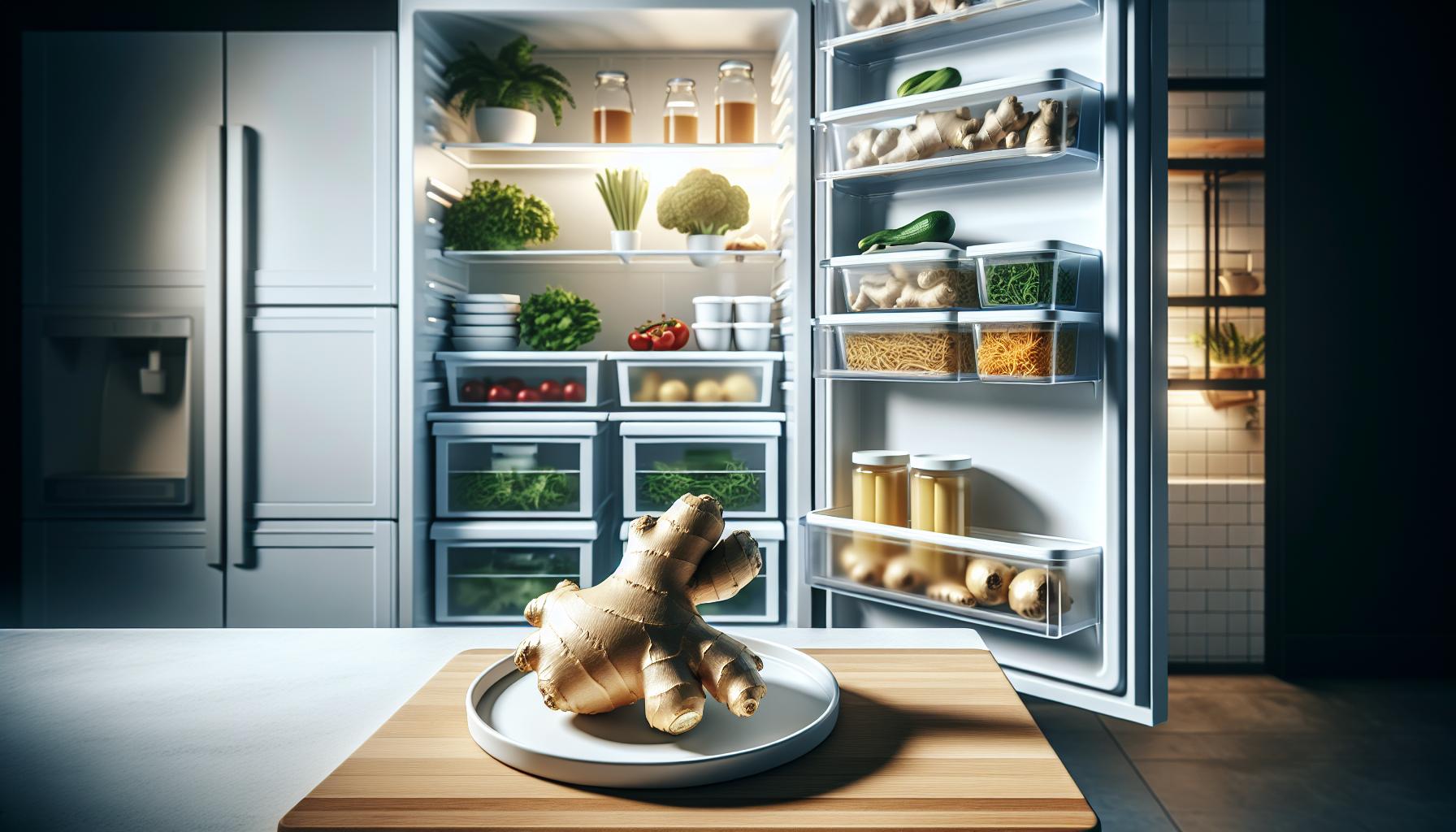
How Fresh Is Ginger Root in the Fridge?
Ginger root is a popular ingredient cherished for its unique flavor and numerous health benefits. If you’ve ever wondered how long ginger can stay fresh in your fridge, the answer generally falls between two to three weeks under ideal storage conditions. However, factors such as the initial freshness at purchase, exposure to air, and moisture levels can significantly affect its longevity.
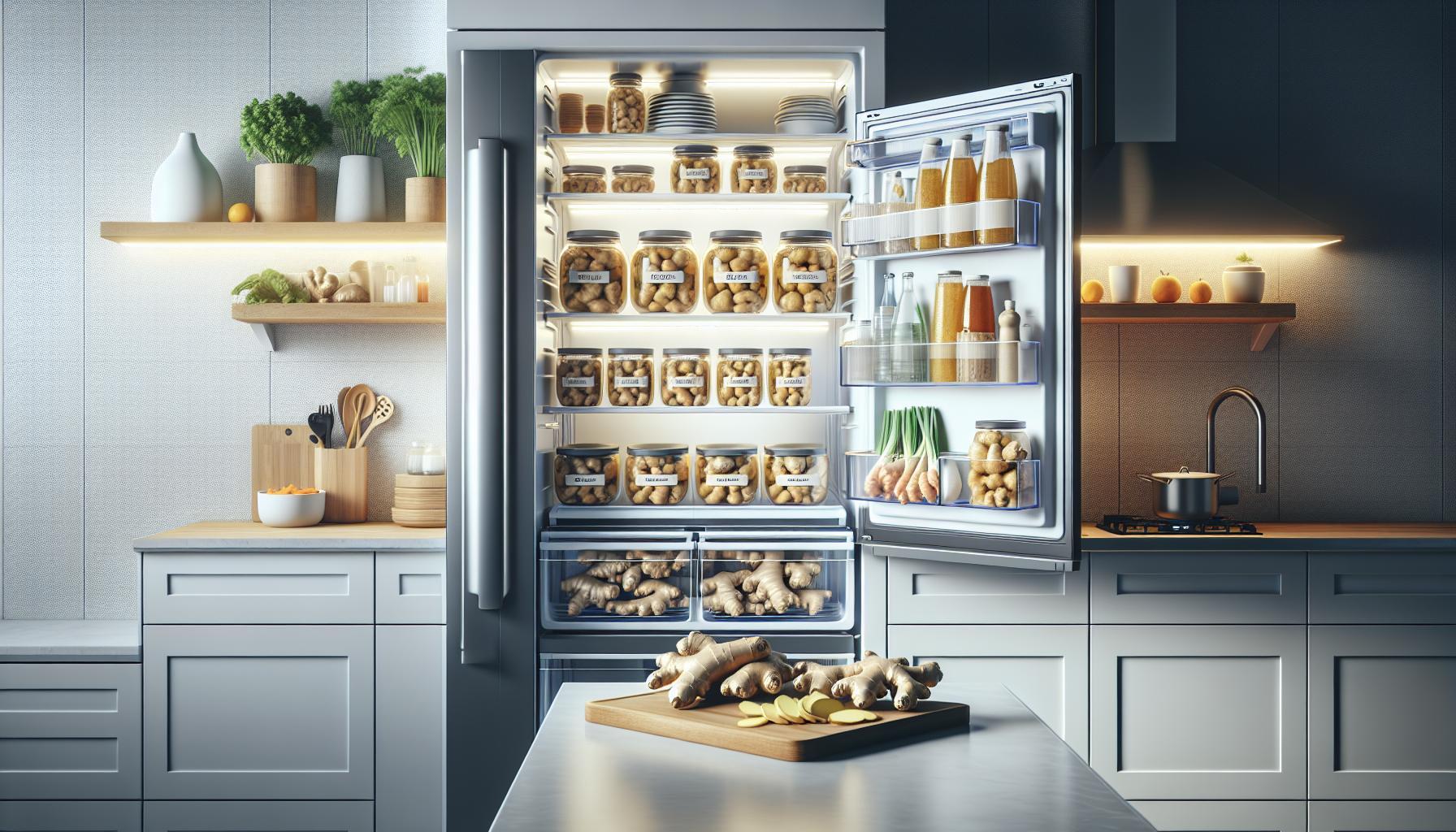
To maximize the freshness of ginger root, it’s essential to store it properly right from the start. Keeping ginger in a cool, dark spot in the refrigerator’s crisper drawer is ideal. Wrapping the root in a paper towel and sealing it in a breathable bag can help absorb excess moisture, which otherwise can lead to spoilage.
It’s also worth noting that quality ginger should have a firm texture and a smooth skin. If you notice any signs of shrinkage or soft spots, it’s probably best to use it soon or assess for spoilage. Overall, understanding how fresh ginger remains in the fridge empowers you to enjoy its fullness of flavor and health benefits over an extended period.
Best Storage Practices for Ginger Root
To keep ginger root fresh and flavorful for as long as possible, adopting the right storage practices is essential. Fresh ginger is sensitive to its environment, and by using specific methods, you can significantly extend its shelf life and retain its zest. Here are some effective strategies for optimal ginger storage.
- Choose the Right Location: Store ginger in the crisper drawer of your refrigerator, where conditions are cool and dark. This area maintains a stable temperature and reduces exposure to light, both of which can hasten spoilage.
- Use Appropriate Wrapping: Wrap the ginger root in a paper towel to absorb excess moisture, which can lead to mold and decay. Then, place the wrapped ginger in a breathable bag (like a mesh or perforated plastic bag). Avoid airtight containers, as they can trap moisture and accelerate spoilage.
- Keep It Dry: Moisture is the enemy of fresh ginger. Always ensure the root is dry before storing it. If you wash the ginger, be sure to dry it thoroughly with a towel before placing it in the fridge.
- Avoid Cutting until Necessary: For longer storage, keep the ginger root whole. Once cut, it is more susceptible to drying out and spoiling quickly. If you need to use a portion, take what you need and reseal the remaining root appropriately.
Additionally, for those looking to store ginger for extended periods, freezing is a viable option. You can peel and slice the ginger and then store it in an airtight container or freezer bag, where it can last for several months. This not only preserves the root but also makes it easy to use in future recipes, as frozen ginger can be grated directly from the freezer.
Implementing these simple yet effective storage methods ensures that your ginger root remains fresh, maximizes its flavor, and allows you to reap its numerous health benefits for a longer time.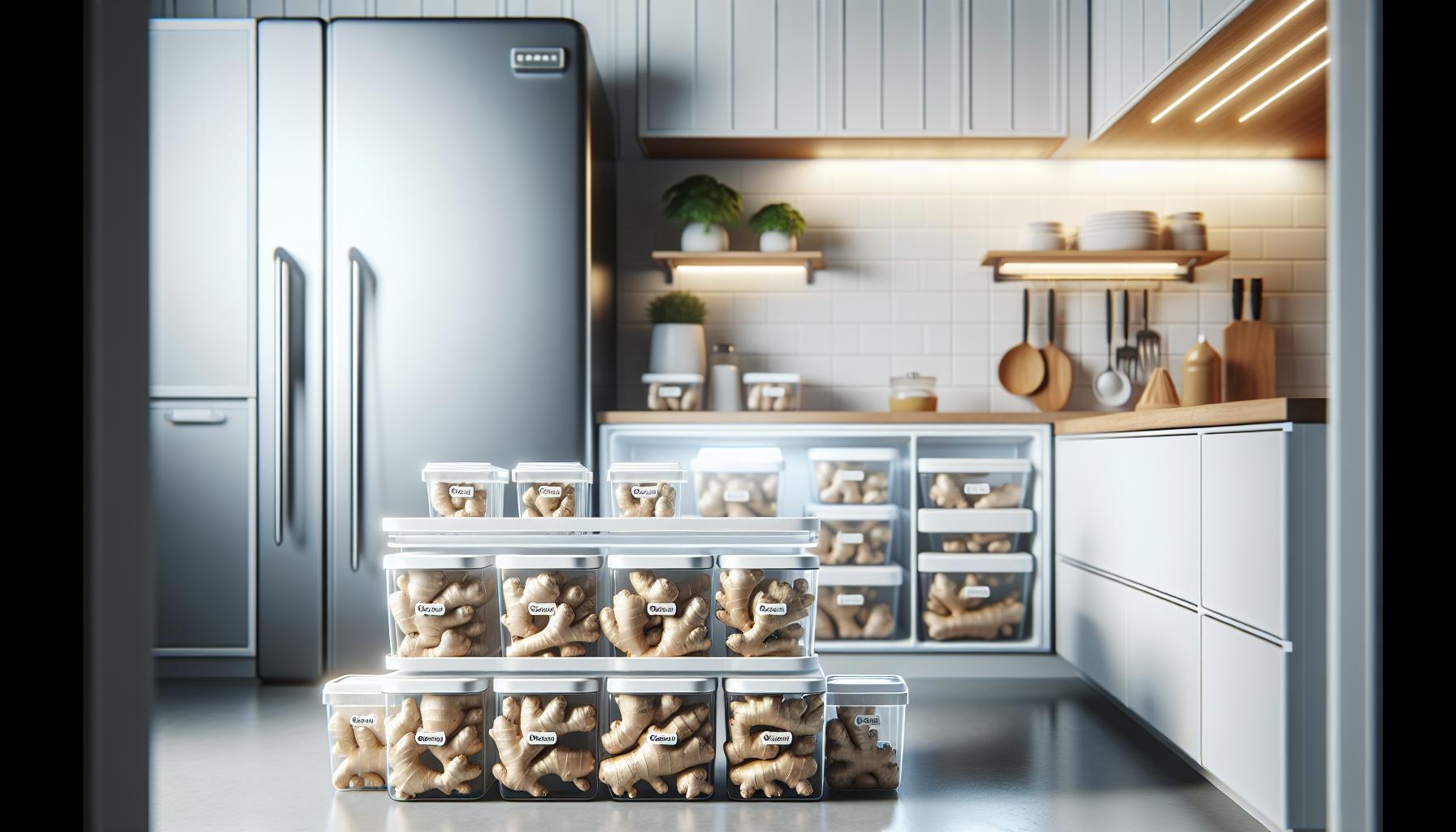
Signs Ginger Root Has Spoiled
When assessing the freshness of ginger root, it’s crucial to be aware of specific signs that indicate spoilage. Fresh ginger should be firm, with smooth skin and a strong, spicy aroma. However, it can quickly degrade if not stored correctly or if it has been in the fridge for an extended period.
One of the most noticeable signs of spoilage is softness. If the ginger root feels mushy or has developed a wrinkled appearance, it is likely past its prime. Additionally, look out for any dark, shriveled spots or signs of mold, which can appear as fuzzy patches on the surface. These visual cues are clear indicators that the ginger has gone bad.
Another important aspect to consider is the smell. Fresh ginger has a distinctive and invigorating scent. If you detect an off or sour odor, this is a strong indication that the ginger has spoiled. In some cases, the flavor of spoiled ginger may also become bitter or less aromatic when used in cooking, making it unappealing.
To ensure you’re using ginger root at its best, regularly inspect it and consume within a few weeks after purchase. When it comes to food safety, relying on your senses can help prevent using spoiled ingredients in your meals. If in doubt, it’s always wise to err on the side of caution and discard any ginger that exhibits these signs of spoilage.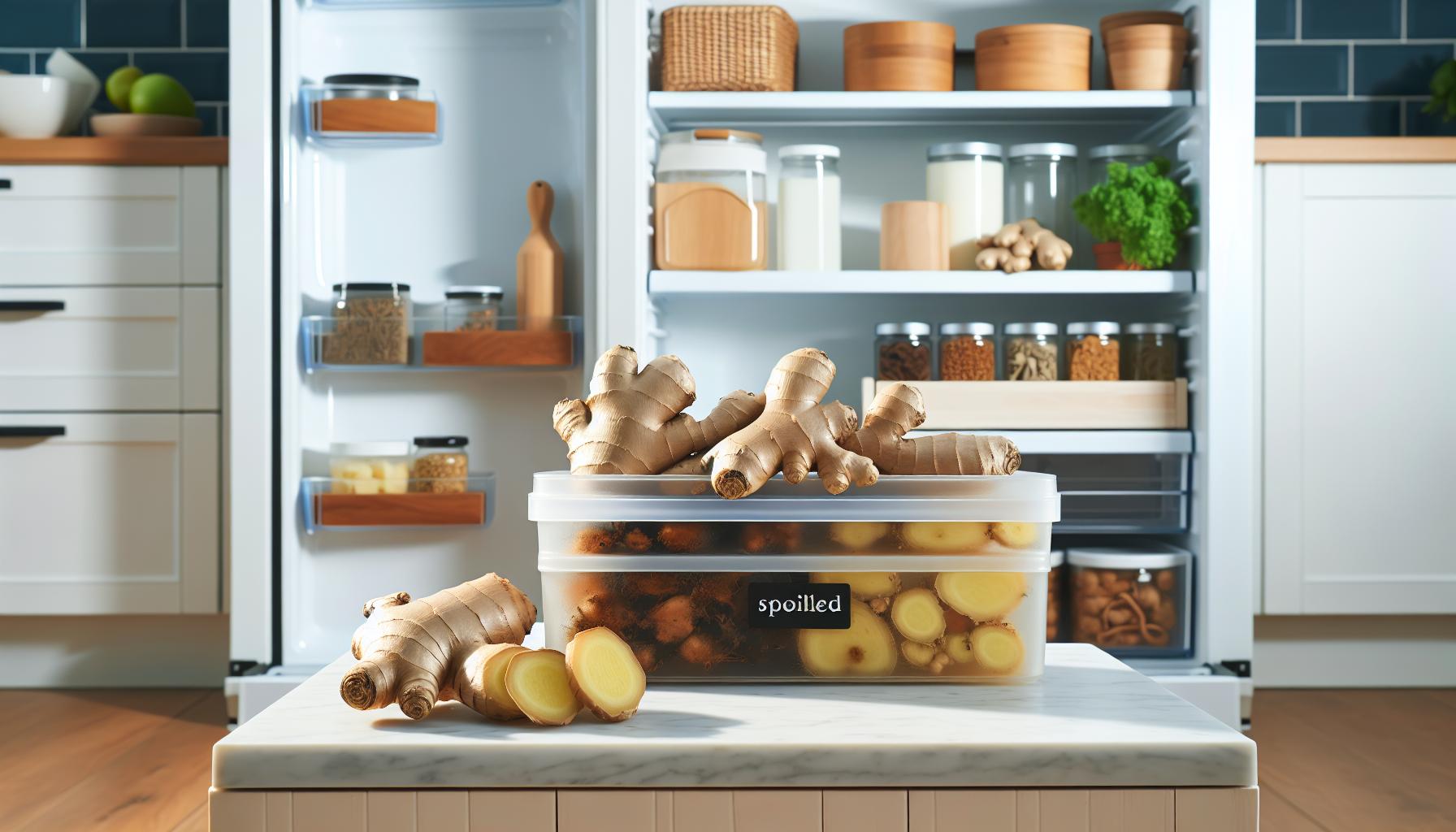
Maximizing Freshness: Tips and Tricks
Ginger root is a vibrant culinary staple that can add a burst of flavor and health benefits to your dishes. However, to enjoy its maximum freshness, it’s essential to adopt best practices for storage. Keeping ginger root in optimal condition can ensure it stays firm, flavorful, and ready to enhance your meals for weeks at a time.
One effective method for prolonging the life of ginger is to store it in a cool, dry place, wrapped in a paper towel to absorb moisture, which can cause spoilage. For refrigeration, keep it in an airtight container or a resealable plastic bag, placing it in the vegetable drawer. This method allows for air circulation while minimizing moisture buildup that can accelerate decay. Ginger can last up to three weeks in the fridge when stored this way.
Another great tip is to avoid peeling ginger until you’re ready to use it. The skin acts as a protective barrier that helps maintain its moisture and flavor. If you’ve already peeled it, consider wrapping the remaining pieces in plastic wrap before placing them in the fridge to further protect them from air exposure.
If you’re unable to use your ginger within a few weeks, think about freezing it. Simply wash, dry, and chop the ginger into smaller pieces, then place them in an airtight container or freezer bag. Frozen ginger can retain its quality for up to six months, ready to be grated directly from the freezer into your culinary creations without thawing.
By implementing these storage tips, you can maximize the freshness of ginger root, ensuring its spicy tang and health benefits are always at your fingertips when you need them.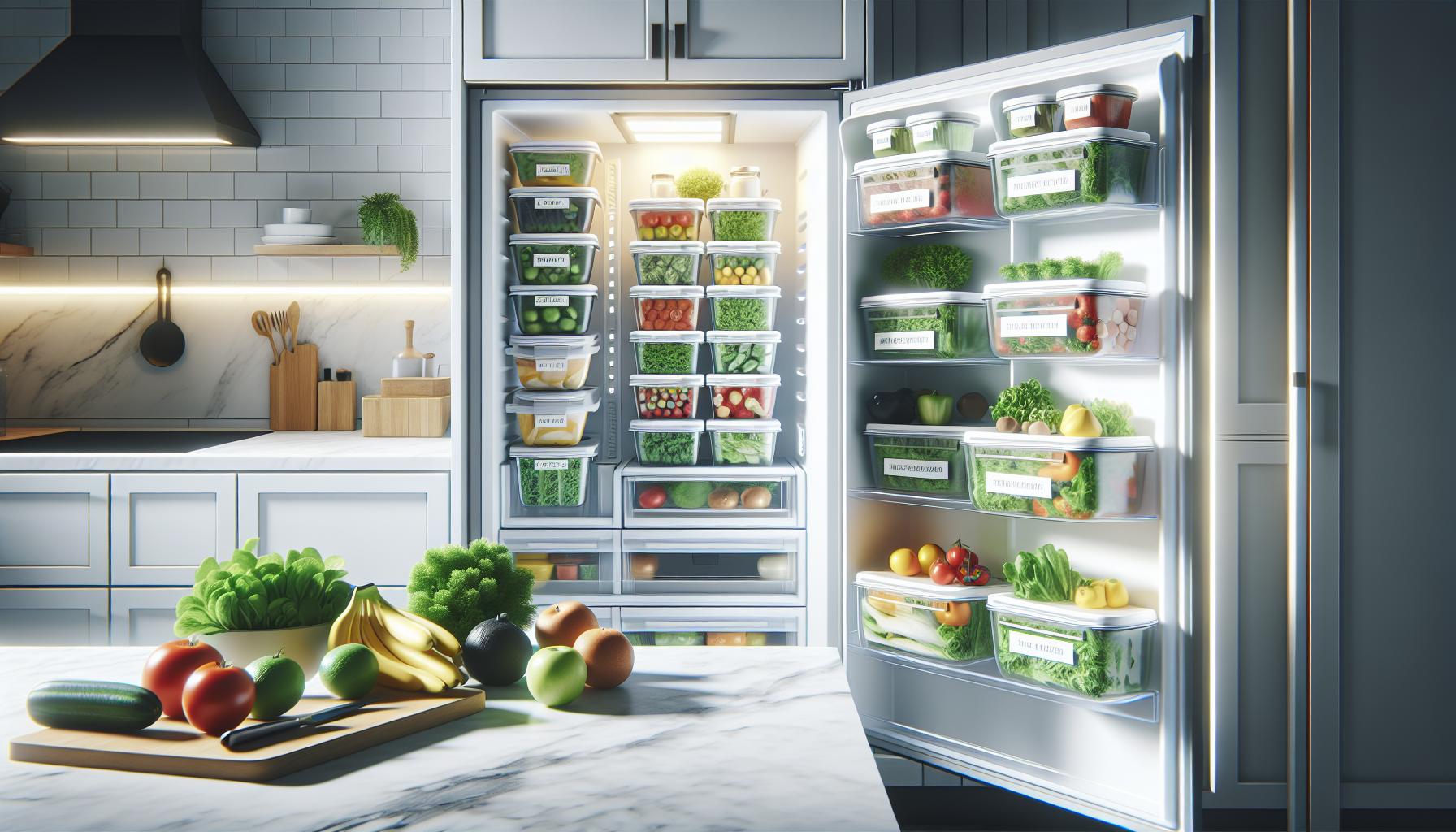
Freezing Ginger Root for Long-Term Use
Freezing ginger root is an excellent solution for extending its shelf life beyond what refrigeration offers. In fact, properly frozen ginger can maintain its flavor and potency for up to six months. This is particularly beneficial for those who purchase ginger in bulk or want to avoid waste. To achieve the best results, follow these simple guidelines.
Begin by selecting fresh ginger rhizomes that are firm and free of blemishes. Before freezing, wash the ginger thoroughly to remove any dirt. There’s no need to peel it; the skin not only protects the root but also retains flavor. Once cleaned, you can slice, chop, or grate the ginger according to what you plan to use it for in the future. Portioning it into usable sizes makes it convenient to grab just what you need directly from the freezer.
Freezing Methods
There are a couple of effective methods for freezing ginger:
- Freezing Whole Roots: Wrap the whole root or cut pieces in plastic wrap tightly, ensuring there are no air pockets, before placing them in a freezer bag. This method allows you to grab small sections as needed.
- Chopped or Grated Ginger: Place the chopped or grated ginger in ice cube trays, cover with water, and freeze. Once solid, transfer the cubes to a freezer bag for easy use in recipes.
When you’re ready to use your frozen ginger, there’s no need to thaw it. You can grate or slice it straight from the freezer, adding it directly to dishes like stir-fries, soups, or smoothies. This not only preserves the flavor but also saves time in preparation.
Using the freezing method correctly ensures that your ginger retains its health benefits, including its anti-inflammatory properties and ability to soothe nausea. By taking the time to freeze ginger properly, you not only maximize its freshness but also ensure that this powerful root is always on hand for your culinary adventures.
Using Ginger Root: Creative Recipe Ideas
Ginger root is a versatile ingredient that can elevate a variety of dishes, making it a staple in kitchens worldwide. Its unique flavor and numerous health benefits make it perfect for both sweet and savory recipes. Whether you have fresh ginger you’ve just brought home or aren’t quite sure how to use up that last bit of refrigerated root, there are countless ways to incorporate ginger into your meals.
One creative way to use ginger is by adding it to smoothies. A piece of fresh ginger can add a zesty kick to your morning beverage. Simply peel and slice a small knob and blend it with your favorite fruits, yogurt, and a splash of juice or milk. Ginger also shines in stir-fries; its spiciness pairs well with meats and vegetables alike. Start by sautéing minced ginger in a bit of oil to release its flavor before adding proteins like chicken or tofu, along with seasonal vegetables.
For those with a sweet tooth, ginger root can be a delightful addition to baked goods. Grate fresh ginger into cookie dough or muffin mix for a fragrant treat. Gingerbread cookies or cakes take full advantage of this root, enhancing their warmth and depth of flavor. Don’t overlook the power of ginger in beverages, either; a simple ginger tea can be made by steeping slices in hot water, perfect for a calming drink before bed or to help soothe an upset stomach.
Another inventive use for ginger root is in homemade salad dressings. Combine grated ginger with ingredients like soy sauce, sesame oil, and vinegar for a deliciously tangy dressing. This dressing can brighten up a simple green salad or be drizzled over roasted vegetables. Finally, don’t discard those ginger scraps! You can infuse them into simple syrups or use them for flavoring broths and stocks- maximizing the utility of every part of the root.
Using ginger root creatively in your cooking not only boosts flavor but also allows you to enjoy its health benefits while minimizing waste in your kitchen.
What to Do with Ginger Root Scraps
When preparing fresh ginger, it’s common to end up with scraps like peels or leftover chunks. Instead of tossing these remnants, consider utilizing them in creative and practical ways that enhance your culinary adventures while minimizing waste. Ginger scraps are not merely refuse; they carry valuable flavors and health benefits that can be harnessed with a little ingenuity.
One of the most effective uses for ginger scraps is to infuse flavors into various liquids. Simply place the scraps in a pot of boiling water to create a soothing ginger tea. This method not only yields a flavorful beverage but also highlights the ginger’s natural antioxidants. Alternatively, you can simmer scraps in vinegar to create a ginger-infused dressing or marinade. This tangy concoction can brighten salads or add a zesty layer to steamed vegetables.
Another smart approach is to incorporate ginger scraps into homemade broths or stocks. Adding these bits to your soup base enriches the overall flavor profile, giving depth without the need for additional seasoning. Just remember to strain the broth prior to serving, ensuring a smooth texture while retaining that aromatic essence.
For those interested in preserving their scraps, consider making a ginger-infused syrup by cooking the scraps with sugar and water. This syrup can then be used in cocktails, drizzled over pancakes, or dripped into tea for additional zest. Not only does this method reduce waste, but it also provides a unique ingredient that adds complexity to your culinary creations.
Lastly, don’t overlook the potential of ginger scraps as a natural flavor enhancer in baking. They can be dried and finely ground to create a unique spice blend or added to cookie batter for an unexpected twist. By employing these strategies, you can ensure that every part of the ginger root is put to good use, maximizing both freshness and flavor while being environmentally conscious in your kitchen.
Health Benefits of Properly Stored Ginger
Properly stored ginger root not only retains its freshness but also its numerous health benefits. Ensuring that ginger is kept in optimal conditions can mean the difference between a vibrant, flavorful ingredient and a bland, ineffective piece of produce. When preserved correctly, ginger can provide powerful anti-inflammatory properties, alleviate nausea, and contribute to better digestive health.
Storing ginger root in the fridge typically allows it to last for about 2 to 3 weeks. If you want to maximize its freshness, wrap the unpeeled ginger in a paper towel, then place it in a resealable plastic bag to minimize moisture exposure. This method helps maintain the ginger’s essential oils and flavor compounds, making it more effective for culinary and medicinal uses. When ginger remains fresh, its active components, such as gingerol, remain potent, which can enhance its benefits, including its ability to support the immune system and reduce inflammation.
One of the standout health perks of consuming ginger is its capability to reduce nausea, particularly in pregnant women or individuals undergoing chemotherapy. Consuming fresh ginger tea or adding shaved ginger to meals, while it’s still in a fresh state, can harness these benefits effectively. Additionally, the antioxidants found in fresh ginger can protect cells from damage, potentially lowering the risk of chronic diseases.
To savor its health benefits, it’s advisable to use ginger while it’s still firm and fragrant. Signs of spoilage, such as shrivelled skin or darkening, indicate that the ginger’s healthful qualities might be diminishing. In these cases, it’s best to discard any compromised ginger to ensure that you’re getting the most out of this remarkable root. By following optimal storage practices, the advantages of properly stored ginger can significantly enrich your overall health and cooking repertoire.
Common Mistakes in Ginger Storage
Storing ginger root properly is crucial for retaining its flavor and health benefits, yet many people fall into common pitfalls that compromise its freshness. One prevalent mistake is treating ginger like other vegetables-keeping it in the vegetable crisper unwrapped. This can lead to dehydration and spoilage, as the ginger in its unpeeled state needs a controlled environment to stay fresh. Instead, wrapping unpeeled ginger in a paper towel and placing it in a resealable plastic bag helps control moisture and promotes longevity.
Another common error is neglecting the peel. While the skin of ginger is thin, it plays a significant role in preserving the root’s moisture and essential oils. Peeled ginger should be consumed promptly or stored tightly wrapped in the fridge, as exposure can accelerate degradation. Also, avoiding direct sunlight and storing ginger in a warm part of the kitchen can heat it up, leading to quicker spoilage. For optimal storage, ginger should always be kept in a cool, dark place, ideally in the refrigerator.
Using ginger scraps improperly is also an overlooked issue. Many people discard ginger scraps instead of utilizing them in broths, teas, or smoothies, where they can impart flavor and nutrition. Moreover, freezing ginger root without proper preparation can lead to ice crystals forming, which may compromise the texture when thawed. To freeze, always peel and slice the ginger before placing it in an airtight container to prevent freezer burn.
Finally, it’s crucial to regularly check the ginger for spoilage signs, such as mold or a soft texture. Many assume that if it looks fine on the outside, it’s good to use. However, it is best to cut away any spoiled sections and use the remaining good parts right away for maximum flavor and benefit. Staying vigilant about these common storage mistakes will ensure that your ginger remains a vibrant addition to your kitchen.
Faq
Q: How long does fresh ginger root last in the fridge?
A: Fresh ginger root typically lasts for about three weeks in the fridge when stored properly in a paper bag or wrapped in a damp cloth. This helps maintain its moisture without causing mold growth.
Q: What is the best way to store ginger root in the fridge?
A: To maximize freshness, store ginger root in a paper bag or wrap it in a damp paper towel and place it in a perforated plastic bag. This method helps control moisture levels and reduces spoilage.
Q: Can I freeze ginger root, and how long does it last?
A: Yes, you can freeze ginger root for long-term storage. When properly wrapped in plastic wrap or sealed in an airtight container, it can last up to six months in the freezer, preserving its flavor and freshness.
Q: How can I tell if ginger root has gone bad?
A: Signs that ginger root has spoiled include a mushy texture, prominent mold, or a strong, sour smell. If the skin becomes wrinkled and it feels soft, it’s best to discard it.
Q: Should I peel ginger before storing it in the fridge?
A: It is not necessary to peel ginger before storing it in the fridge. In fact, keeping the skin on can help retain moisture and flavor, extending its freshness.
Q: Can I store ginger in water to keep it fresh?
A: Storing ginger in water is not recommended as it can promote mold growth and spoilage. Instead, keep it dry and store it in a breathable container like a paper bag.
Q: How do you maximize the shelf life of ginger root?
A: To maximize shelf life, keep ginger root in a cool, dark place and maintain a consistent level of humidity. Use immediate consumption practices, like cutting only what you need, and store remaining pieces as suggested.
Q: How can I use leftover ginger root scraps?
A: Leftover ginger scraps can be used to make ginger tea or infused in cooking. You can also compost them, which enriches soil for gardening. For more ideas, check the section on using ginger root creatively.
Closing Remarks
To keep your ginger root fresh and flavorful, remember to store it properly in the fridge, ideally wrapped in a paper towel and placed in a breathable bag, allowing it to last up to three weeks. Don’t let your ginger go to waste-using it in your cooking not only enhances your dishes but also contributes to your health with its anti-inflammatory properties. If you want to make the most of this versatile ingredient, explore our articles on ginger’s health benefits and easy recipes to incorporate ginger into your meals.
Feeling inspired? Dive deeper into our tips on maximizing your pantry’s potential! For more food storage secrets, check out our guidelines on keeping herbs fresh and resources on meal prep strategies. Share your favorite ginger recipes with us in the comments below, and don’t forget to subscribe to our newsletter for updates on the latest cooking tips and health information. Keep your kitchen vibrant and healthy-your culinary journey continues here!