When it comes to enjoying your homemade stew, knowing how long it lasts in the fridge is crucial to avoid foodborne illness. Did you know that improperly stored food can lead to serious health risks? Stews, rich in flavor and often containing various ingredients, need proper handling to ensure they remain safe for consumption.
Understanding the shelf life of your delicious beef stew not only helps in maintaining its quality but also safeguards your health. Whether you’ve prepared a hearty batch for a cozy dinner or saved leftovers, it’s essential to be aware of best practices for storage and reheating. By following simple guidelines, you can enjoy your stew while minimizing the risk of potential foodborne pathogens.
Stay with us as we explore specific storage recommendations, duration for optimal safety, and tips to keep your meals delicious and safe for days to come. Your culinary creations deserve to be enjoyed worry-free!
How Long Can Stew Safely Last in the Fridge?
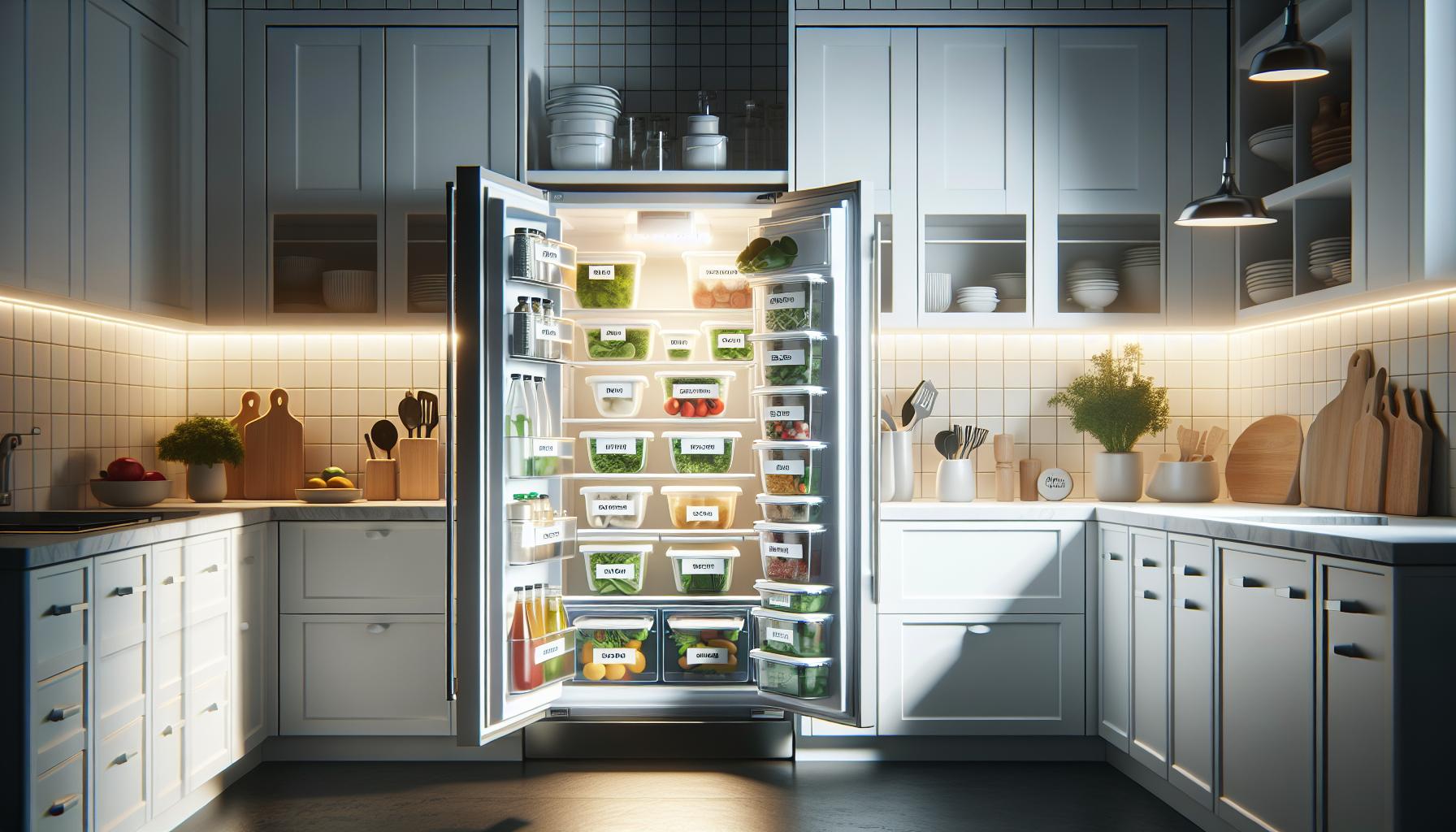
Once cooked, stew is a heartwarming dish that can also be a breeding ground for bacteria if not stored properly. To maintain its quality and safety, stew can generally last in the refrigerator for about 3 to 4 days. This timeframe is crucial, as beyond this, there is an increased risk of foodborne illnesses due to the potential growth of harmful bacteria such as Salmonella and Listeria in perishable foods.
To maximize the freshness and safety of your stew, consider the following tips:
- Cool it Properly: Allow your stew to cool down to room temperature before placing it in the refrigerator. Cooling it too slowly can promote bacterial growth.
- Store in Air-tight Containers: Use airtight containers to prevent exposure to air, which can lead to spoilage and flavor loss.
- Label and Date: Always label your containers with the date they were prepared. This practice helps you keep track of how long they have been in the fridge.
If you find yourself with leftover stew beyond the 4-day mark or wish to store it for a longer period, consider freezing it. Properly frozen stew can maintain its safety and quality for about 4 to 6 months. When freezing, use freezer-safe containers or heavy-duty freezer bags to prevent freezer burn, which can negatively affect taste and texture.
Signs Your Stew Has Gone Bad
It’s essential to recognize the signs that stew has gone bad to protect your health and ensure you’re enjoying your meals safely. Even when stored properly, sometimes factors like ingredient quality or an extended refrigerator stay can cause a change in your stew’s condition. Here are some key indicators to watch out for when assessing your leftovers.
One of the most apparent signs of spoilage is a change in odor. If your stew has developed an off or sour smell, it’s time to discard it. Freshly cooked stew should have a pleasant aroma, showcasing the ingredients used-any unpleasant scents indicate bacterial growth, and the dish is no longer safe to eat. Visual cues are also important; look for any signs of mold, which can appear as fuzzy patches in various colors. If you spot mold, it’s safest to throw the entire batch away, as some molds can produce toxins even if they are not visible throughout the dish.
Texture changes can also signal spoilage. If your stew has developed an unusually slimy or sticky texture, it’s an immediate red flag. This is often due to bacteria multiplying, indicating that the stew has been compromised. Additionally, if you notice any separation of liquids or an unusual consistency-like excessive thickness or clumping-it may be time to reconsider your meal. Lastly, if your stew has been stored beyond the recommended 3 to 4 days, even if it appears fine, it’s better to err on the side of caution and dispose of it to prevent any risk of foodborne illness.
By paying attention to these signs, you can enjoy your stews safely and avoid the unpleasant consequences of consuming spoiled food. Always prioritize your health when it comes to food storage and preparation.
Proper Storage Practices for Stew
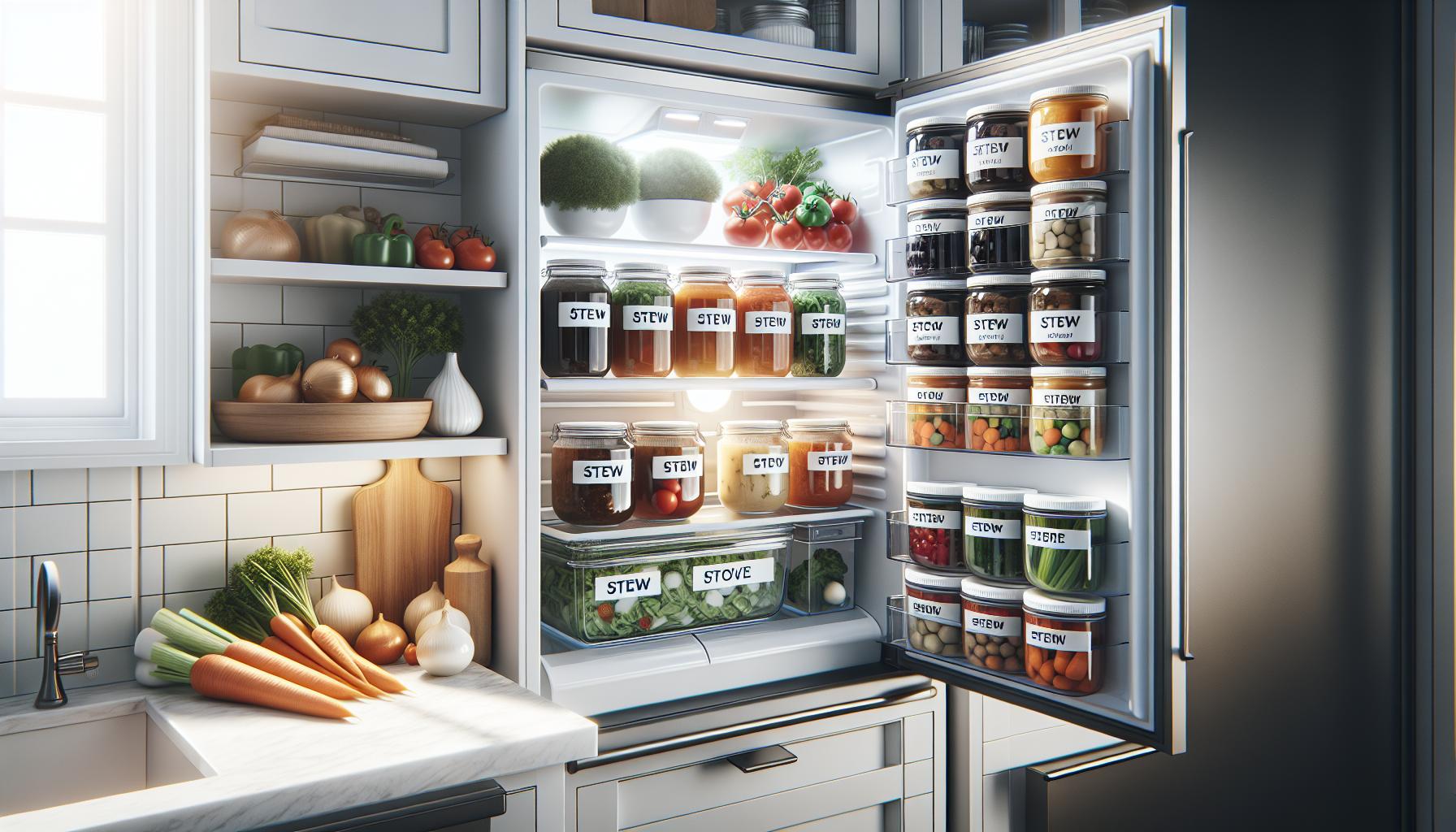
To ensure that your hearty stew remains safe and delicious for as long as possible, proper storage practices are essential. Stews that are not stored correctly can not only spoil faster but also pose serious food safety risks due to the potential growth of harmful bacteria. Here are some actionable guidelines to help you store your stew effectively.
First and foremost, it’s crucial to cool your stew before storing it. Placing hot stew directly in the fridge can raise the overall temperature inside your refrigerator, creating a perfect environment for bacteria to thrive. Aim to cool the stew to room temperature (but no longer than two hours after cooking) before transferring it to storage containers. To expedite the cooling process, consider dividing the stew into smaller portions or spreading it out in shallow containers.
When it’s time to store your stew, choose airtight containers to prevent moisture loss and contamination. Glass or plastic containers with tight-fitting lids are ideal. Make sure to leave some space in the container, as the stew may expand slightly when frozen. Label each container with the date it was prepared to keep track of freshness.
The refrigerated stew should ideally be consumed within 3 to 4 days. If you find that you won’t eat the stew within that timeframe, consider freezing it. Stew can last for 2 to 3 months in the freezer without significant loss of flavor or quality. When reheating frozen stew, thaw it in the refrigerator overnight to ensure even heating and safety; never leave it out at room temperature to thaw.
By following these proper storage practices, you can significantly extend the shelf life of your stew while ensuring your meals remain safe to enjoy. Remember, good food safety habits not only protect your health but also enhance your culinary experiences.
Reheating Stew: Safety Guidelines
Reheating stew is a critical step in ensuring your meal is not only delicious but also safe to eat. Proper reheating techniques can help prevent foodborne illnesses caused by bacteria that may thrive if the stew is not heated adequately. To safely reheat leftover stew, the goal is to ensure that it reaches a minimum internal temperature of 165°F (74°C). This temperature is crucial for killing any potential harmful bacteria.
When reheating your stew, consider the following steps:
- Thaw First: If your stew is frozen, allow it to thaw in the refrigerator overnight. This ensures that it will heat evenly and safely.
- Use a Microwave or Stove: For quick reheating, the microwave is convenient. Use a microwave-safe container and cover it to retain moisture. Stir the stew occasionally to promote even heating. If reheating on the stove, place it in a saucepan over medium heat and stir frequently.
- Check the Temperature: Use a food thermometer to ensure that the stew reaches at least 165°F (74°C). This not only ensures safety but also improves the overall taste and texture.
- Serve Immediately: Once heated to the proper temperature, serve the stew right away. If you plan to store leftovers again, do not leave it out at room temperature for more than two hours.
To keep your reheated stew flavorful, you may want to refresh it with fresh herbs or a splash of broth if it appears too thick after reheating. Always prioritize safety and quality; if you notice an off smell, unusual texture, or discoloration, it’s best to err on the side of caution and discard the stew.
Following these guidelines not only keeps your meal safe but also enhances the experience of enjoying your delicious stew once again. By reheating properly, you can reduce the risk of foodborne illness and ensure that every spoonful is as satisfying as the first.
Freezing Stew: Best Practices for Long-Term Storage
Freezing your stew correctly can extend its life well beyond what refrigeration offers, allowing you to enjoy your hearty creation for months to come. When prepared and stored properly, most stews can last in the freezer for up to 3 months without significant loss of flavor or texture. Here are several best practices to ensure your frozen stew remains safe and delicious.
Start by letting your stew cool completely before transferring it to storage containers. Hot stew can raise the temperature of your freezer, potentially compromising the safety of other foods. Use airtight containers or heavy-duty freezer bags; both options are effective, but bags can save space and prevent freezer burn. If using bags, consider laying them flat for easier stacking and quicker thawing later. Label each container with the date and contents to keep track of your inventory.
Thawing and Reheating
When it’s time to enjoy your frozen stew, the best method for thawing is to place it in the refrigerator overnight. This slow process ensures that the stew defrosts evenly and remains at a safe temperature. If you’re in a hurry, you can thaw the stew in cold water or directly in the microwave, although the latter might affect the texture. Once thawed, reheat the stew on the stovetop or in the microwave until it reaches an internal temperature of at least 165°F (74°C) to ensure it is safe to eat.
By following these simple guidelines, you can maximize the shelf life of your stew while maintaining its quality, ensuring that every warming bowl still delights your taste buds even weeks or months after the initial preparation. Proper freezing techniques not only save time and reduce waste but also guarantee that your hearty meals are always just a thaw away.
Ingredients That Affect Stew Shelf Life
Certain ingredients in your stew can significantly impact its shelf life in the fridge. Understanding these factors is key to maximizing freshness and preventing foodborne illness. For instance, the base ingredients like meat and seafood are particularly perishable and can affect how long the stew stays safe to eat. If your stew contains any protein, it should generally be consumed within 3 to 4 days when stored properly in the refrigerator at or below 40°F (4°C).
Vegetables also play a role in the stew’s longevity. Sturdier vegetables such as carrots and potatoes tend to hold up better than delicate greens like spinach or herbs, which can wilt and spoil more quickly. If your stew includes a mix of these ingredients, consider how each will deteriorate over time. Ingredients like tomatoes and beans not only add flavor but can also contribute to thicker consistency, which might encourage faster spoilage due to their moisture content.
Acidity is another important factor. Ingredients that are acidic, such as tomatoes or vinegar, can act as natural preservatives and may help extend the shelf life of your stew by inhibiting the growth of harmful bacteria. Conversely, high-fat ingredients such as cream or butter can independently promote spoilage. It’s essential to balance the types of ingredients used to ensure your stew remains safe and delicious throughout its intended consumption period.
To maximize the freshness of your stew, consider portioning it into smaller containers, allowing for quicker cooling and reheating. This practice not only helps in managing the shelf life but also maintains the flavor and texture of individual servings. Always remember to label your containers with the date, so you can easily track how long they’ve been refrigerated and avoid using ingredients that have gone bad.
The Science Behind Foodborne Illness in Stew
Foodborne illness remains a significant concern when it comes to handling cooked dishes like stew, where multiple ingredients mingle in one pot. A critical aspect of preventing foodborne illness is understanding how various bacteria thrive in the offered ingredients, particularly when not stored properly. Certain bacteria can double in number every 20 minutes in optimal conditions, meaning that what starts as a safe dish can quickly turn dangerous if left out at room temperature or improperly stored.
One of the primary culprits behind foodborne illness in stews is *Clostridium perfringens*, a bacteria commonly found in raw meat and poultry. When cooked foods are left unrefrigerated, spores can survive and produce toxins that lead to gastrointestinal distress when consumed. To mitigate this risk, always ensure that leftover stew is cooled to room temperature and then refrigerated within two hours of cooking. This is especially relevant in colder seasons when stews are most popular, as the warm ingredients can take longer to cool down.
Important Safety Practices
To further safeguard against foodborne illnesses in stew, consider these critical practices:
- Temperature Control: Keep your stew at a safe temperature. Refrigerate promptly and maintain the fridge at or below 40°F (4°C).
- Proper Reheating: When reheating stew, ensure it reaches an internal temperature of 165°F (73.9°C) to kill any potential bacteria.
- Prevention of Cross-Contamination: Use separate utensils for raw and cooked ingredients and ensure all surfaces are sanitized.
The ingredients’ composition also plays a significant role. High-protein foods, especially meats, create an ideal environment for bacteria to flourish if not handled correctly. Ingredients such as onions and garlic, which are often found in stews, can also promote spoilage if present in large amounts. Therefore, understanding the interplay of your ingredients concerning food safety is vital for both quality and health.
By practicing diligent food safety measures, including appropriate cooling, storage, and reheating protocols, you can enjoy your homemade stews without the worry of foodborne illness. Knowledge of these precautions allows enjoyers of comfort food to savor their dishes with confidence and peace of mind.
Storage Containers: What to Use for Stew
When it comes to storing leftover stew, the choice of container can significantly impact its freshness and safety. Using appropriate storage options not only helps preserve the quality of your stew but also minimizes the risk of foodborne illness. Generally, the best containers for stew are made of stainless steel, glass, or BPA-free plastic. Each of these materials has its own advantages that can contribute to effective food storage.
Glass containers, especially those with airtight lids, are excellent for storing stew as they do not retain odors or stains and are microwave-safe. Look for containers that are labeled as freezer-safe if you plan to store stew for an extended period. Stainless steel containers are ideal for their durability and non-reactive nature. They are perfect for both storage and transport, although you’ll want to check whether your stainless steel option can be sealed to prevent air exposure, which can lead to spoilage.
When using plastic containers, ensure they are made from food-grade materials and are labeled as microwave, freezer, and dishwasher safe. Be cautious with older or scratched plastic containers, as they may harbor bacteria. For optimal safety, avoid using containers that are not specifically designed for food storage, as these can leach harmful chemicals into your stew. Remember to allow the stew to cool to room temperature before transferring it into storage containers to prevent condensation, which can promote bacterial growth.
By choosing the right storage containers and employing safe practices such as labeling your stored stew with the date and contents, you can extend its shelf life in the fridge to 3-4 days, ensuring both safety and deliciousness for your next meal. Proper storage is a simple yet critical step in enjoying your homemade dishes without the worry of foodborne illness.
Do Different Types of Stew Last Longer?
The type of stew you prepare can significantly influence its shelf life, largely due to variations in ingredients and cooking methods. Stews that are rich in acidic components, such as tomatoes or vinegar, can often last a bit longer in the fridge compared to those that are more neutral in pH, because acidity helps inhibit bacterial growth. Likewise, stews containing a good amount of vegetables or those that include beans may retain their quality for a shorter duration as they can break down faster, affecting both texture and flavor.
Types of Stew and Their Longevity
Some popular types of stew may have different shelf lives:
- Beef Stew: Typically lasts around 3-4 days in the fridge. It’s rich in protein, which can spoil over time, especially if not stored properly.
- Chicken Stew: Similar to beef stew, chicken stew should also be consumed within 3-4 days for optimal safety.
- Vegetable Stew: This may have a shorter shelf life if the vegetables included are particularly moisture-rich, like zucchini or mushrooms. Aim to eat it within 2-3 days.
- Seafood Stew: Should be eaten within 1-2 days due to the quick spoilage rates of seafood, making it the least lasting option.
In terms of storage, stews that are not only cooked thoroughly but also cooled rapidly before refrigeration can extend their freshness. Always remember to store them in airtight containers to prevent contamination and moisture loss, which is key to maintaining flavor and safety standards. By understanding these nuances, you can better manage your leftovers and reduce the risk of foodborne illnesses.
Food Safety Tips for Leftovers
Leftovers can be a lifesaver for quick meals, but they also come with responsibilities to ensure food safety. When it comes to stew, understanding how to handle, store, and consume your leftovers can greatly reduce the risk of foodborne illnesses. One key practice is to chill your stew promptly-within two hours of cooking-by dividing it into smaller portions. This helps it cool more quickly and reduces the amount of time it spends in the “danger zone” (40°F to 140°F), where bacteria thrive.
When storing stew, opt for airtight containers that are clear and labeled with the date it was prepared. This visual cue ensures you consume your leftovers within the recommended timeframe-generally 3 to 4 days for beef and chicken stew, and even less for seafood. It’s also important to keep your refrigerator at or below 40°F to maintain a safe storage environment. If you know you won’t finish your stew in time, freezing is a great alternative. Stews can be frozen for up to three months without a significant loss in quality.
Reheating is another critical aspect of food safety. When warming your stew, ensure it reaches an internal temperature of 165°F to effectively kill any harmful bacteria. Stirring it while reheating also helps distribute the heat evenly. Avoid reheating multiple times, as this increases the likelihood of bacterial growth. Always use your senses: if your stew smells off, has a strange color, or shows any signs of mold, it’s best to err on the side of caution and discard it.
Lastly, familiarize yourself with common food safety practices, such as washing your hands before handling food, keeping surfaces clean, and knowing the signs of spoilage. By incorporating these food safety tips into your routine, you can enjoy your delicious stews with confidence while minimizing health risks.
Meal Prep and Stew: Safe Storage Strategies
Taking the time to prepare and store your stew safely is a key factor in enjoying a delicious meal without compromising your health. When engaged in meal prep, consider that stew can last in the fridge between 3 to 4 days, depending on the ingredients used. A crucial first step is to cool the stew rapidly after cooking. Divide it into smaller portions and place it in shallow containers to allow for faster cooling, ensuring it spends minimal time in the “danger zone” where bacteria proliferate.
To maximize freshness and safety, always use airtight containers that are clear and preferably labeled with the preparation date. This simple practice not only helps keep track of how long your stew has been stored but also prevents any accidental spoilage. Remember to maintain your refrigerator temperature at or below 40°F. If you anticipate not consuming the stew within this timeframe, freezing is an excellent option. When properly frozen, stews can last up to three months, retaining quality and flavor.
When it comes to reheating, make sure the stew reaches an internal temperature of 165°F, which is essential for killing any harmful bacteria that may have developed during storage. Stirring the stew while reheating promotes even heat distribution, minimizing cold spots where bacteria could survive. Avoid repeatedly reheating stew, as each cycle increases the chance of bacterial growth and foodborne illness. Being mindful of these practices not only enhances your meal prep experience but also safeguards your health, allowing you to relish the comforting taste of homemade stew with peace of mind.
FAQs About Stew and Food Safety
Questions about stew and food safety often arise, particularly concerning how long it remains safe to consume and what practices can help ensure the healthfulness of your meals. To start, if you’ve stored your stew in the fridge, it is generally safe to eat within 3 to 4 days. If you’re ever uncertain about its freshness, it’s wise to trust your senses. Signs of spoilage include an off smell, change in color, or presence of mold.
When storing stew, it’s crucial to prioritize proper cooling methods. Rapidly cool your stew by dividing it into smaller portions and transferring it into shallow containers. This technique helps minimize the time spent in the “danger zone,” which is between 40°F and 140°F, where bacteria thrive. Keep your refrigerator’s temperature at or below 40°F to keep food safe. Use airtight containers to maintain freshness and label them with the date of preparation to stay organized.
Reheating stew should also be approached with caution. It’s essential to heat it to an internal temperature of 165°F. Stirring while reheating can help eliminate cold spots that might harbor live bacteria. As a general rule, avoid reheating stew multiple times; each cycle increases the risk of foodborne illness. For longer storage, consider freezing your stew, as it can last up to three months in the freezer without significant loss of quality.
Lastly, keep in mind that the ingredients in your stew can influence its shelf life. Ingredients like potatoes and dairy might cause it to spoil more quickly compared to lean meats and hearty vegetables. Always consider the composition of your stew when assessing its safety post-preparation. By following these guidelines, you can enjoy your homemade stew while minimizing health risks associated with foodborne pathogens.
Faq
Q: How can I tell if my stew has gone bad?
A: You can tell if your stew has gone bad by checking for an off smell, discoloration, or mold on the surface. Additionally, if the texture seems slimy or unusual, discard it immediately. For more details, visit the section on signs your stew has gone bad.
Q: How long can stew be left out at room temperature?
A: Stew should not be left out at room temperature for more than two hours. Bacteria can multiply rapidly in the temperature danger zone (40°F – 140°F). Always refrigerate leftovers promptly to avoid foodborne illness.
Q: Can I reheat stew more than once?
A: It is recommended to reheat stew only once. Repeated heating can increase the risk of bacterial growth. Always reheat until it’s steaming hot throughout, and check the temperature with a food thermometer if unsure.
Q: What are safe storage containers for stew?
A: Use airtight glass or plastic containers to store stew. Avoid using containers that are damaged or not food-safe. This helps preserve freshness and prevent contamination. For more tips, refer to the article on storage containers.
Q: Can you freeze stew to extend its shelf life?
A: Yes, freezing stew is an effective way to extend its shelf life. Properly stored in airtight containers, stew can last for 2-3 months in the freezer. Make sure to cool it fully before freezing to maintain quality.
Q: Is it safe to eat leftover stew after a week in the fridge?
A: No, it is not safe to eat leftover stew after a week in the fridge. Consume it within 3 to 4 days to minimize the risk of foodborne illness. For more guidelines, check the section on how long stew lasts safely in the fridge.
Q: What types of stew last longer in the fridge?
A: Stews containing higher acidic ingredients, like tomatoes, typically last longer than cream-based stews. Always store them properly to maximize shelf life. For detailed insights, see the section on ingredients affecting stew shelf life.
Q: How can I properly cool down stew before refrigeration?
A: To cool stew quickly, divide it into smaller portions and spread it out in shallow containers. Cooling it below 140°F within two hours helps reduce bacteria growth before storing it in the fridge.
In Retrospect
In summary, knowing how long stew lasts in the fridge is essential for your health and safety. For optimal freshness and to avoid foodborne illnesses, aim to consume refrigerated stew within 3 to 4 days. Don’t forget to store it properly in airtight containers for extended shelf life. If you’re interested in learning more about food storage techniques, check out our detailed guide on safe food practices and explore quick tips for meal prep.
Ready to take control of your kitchen? Sign up for our newsletter for more practical food safety tips, or dive into our related articles on leftover Storage and meal planning strategies. Remember, a little knowledge goes a long way in maintaining not just the flavor of your meals, but your health as well! Share your thoughts or questions in the comments below, and feel free to revisit anytime for your food safety needs.