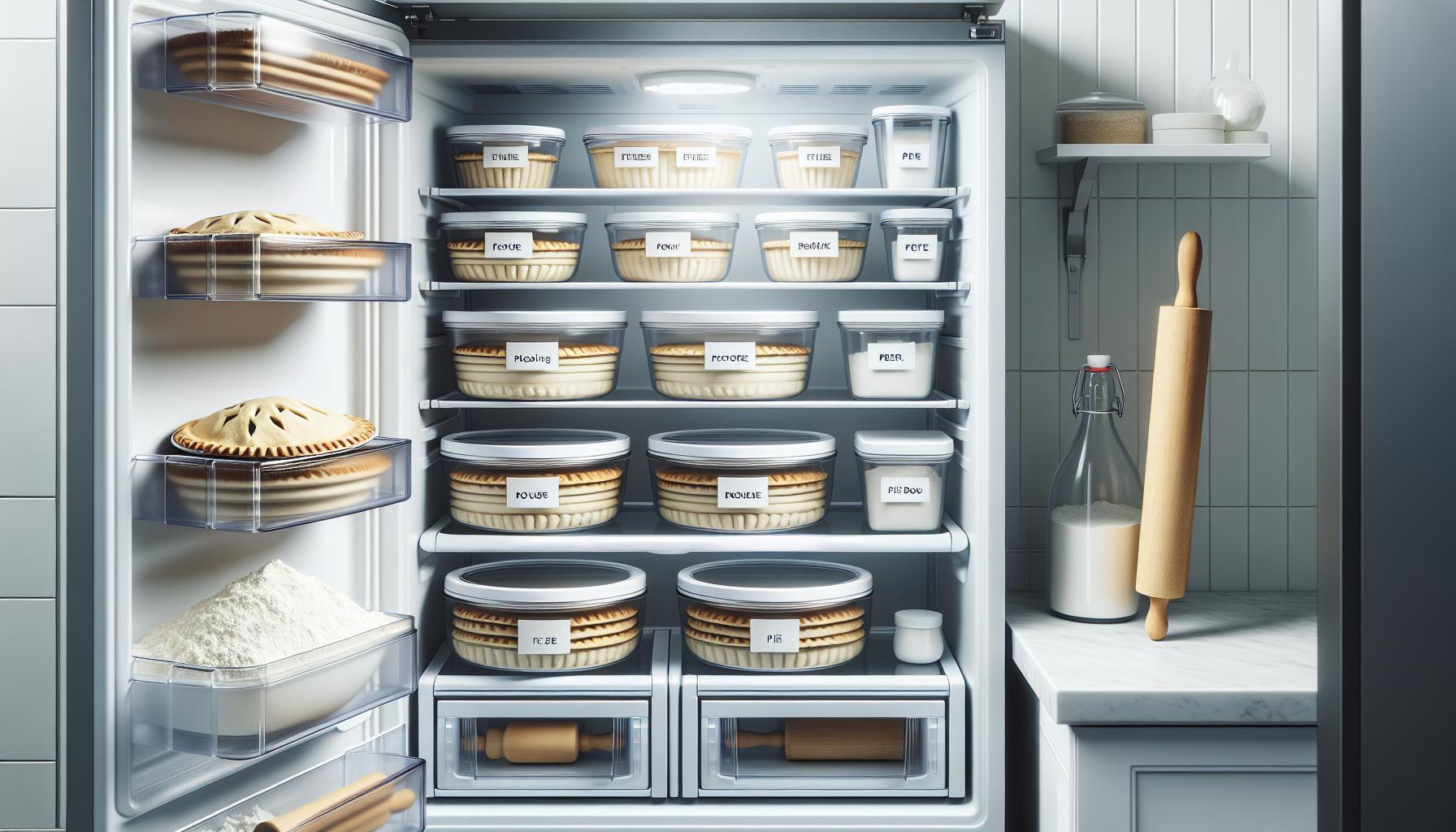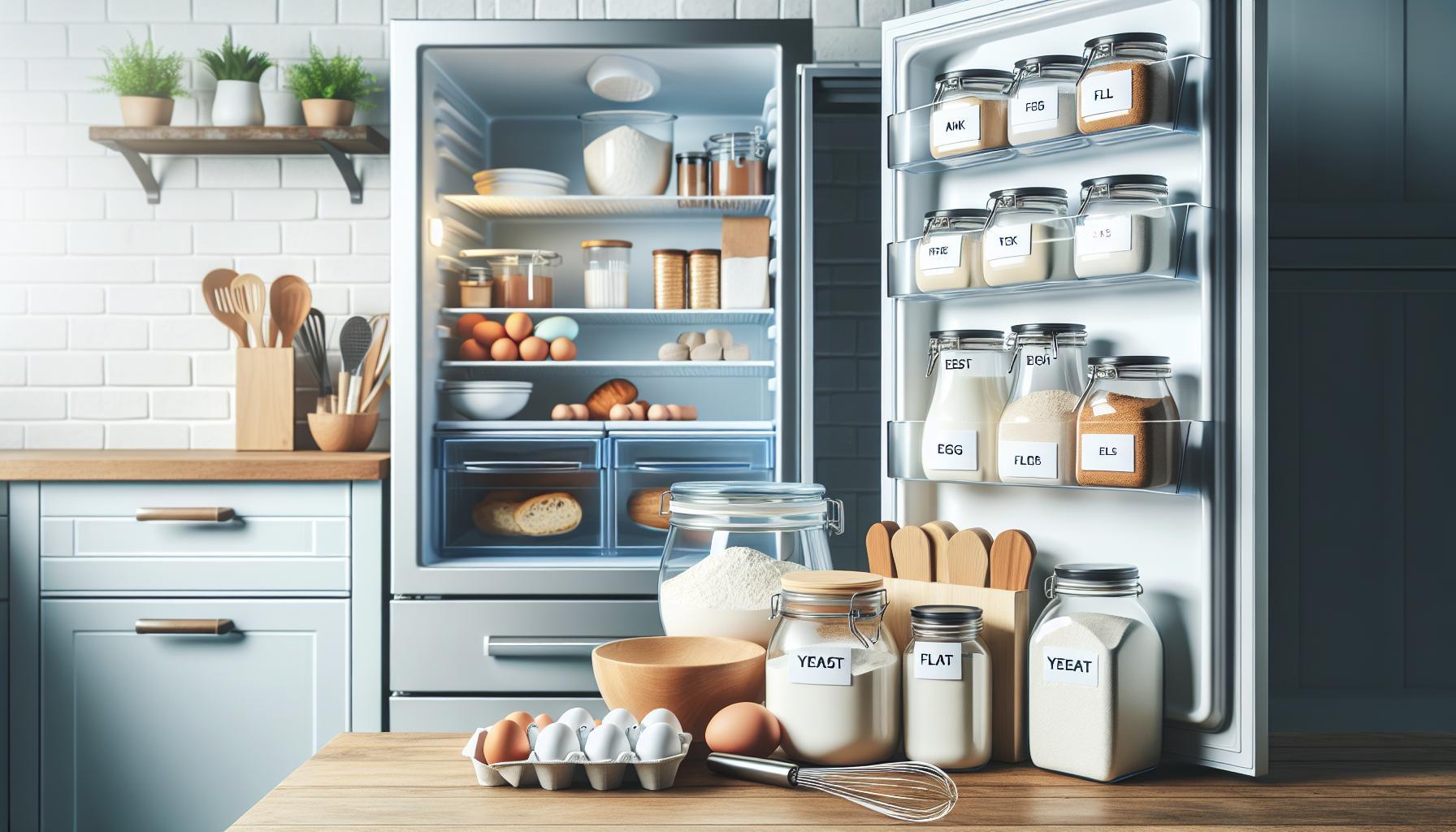

Did you know that the lifespan of yeast in your fridge can significantly impact your baking results? Understanding how long yeast lasts and the best practices for its storage is key to achieving consistently delicious bread and pastries. Whether you’re an avid baker or just starting, knowing the shelf life of yeast allows you to plan your baking projects more confidently and helps you avoid disappointing flat loaves.
When stored properly, active dry yeast and instant yeast can last for quite some time, but factors such as temperature and moisture can drastically reduce their efficacy. This guide will provide you with essential information on yeast storage guidelines, safety practices, and practical tips to maximize its longevity. Unlock the secrets of baking with confidence and ensure that your yeast is always ready to help your dough rise beautifully!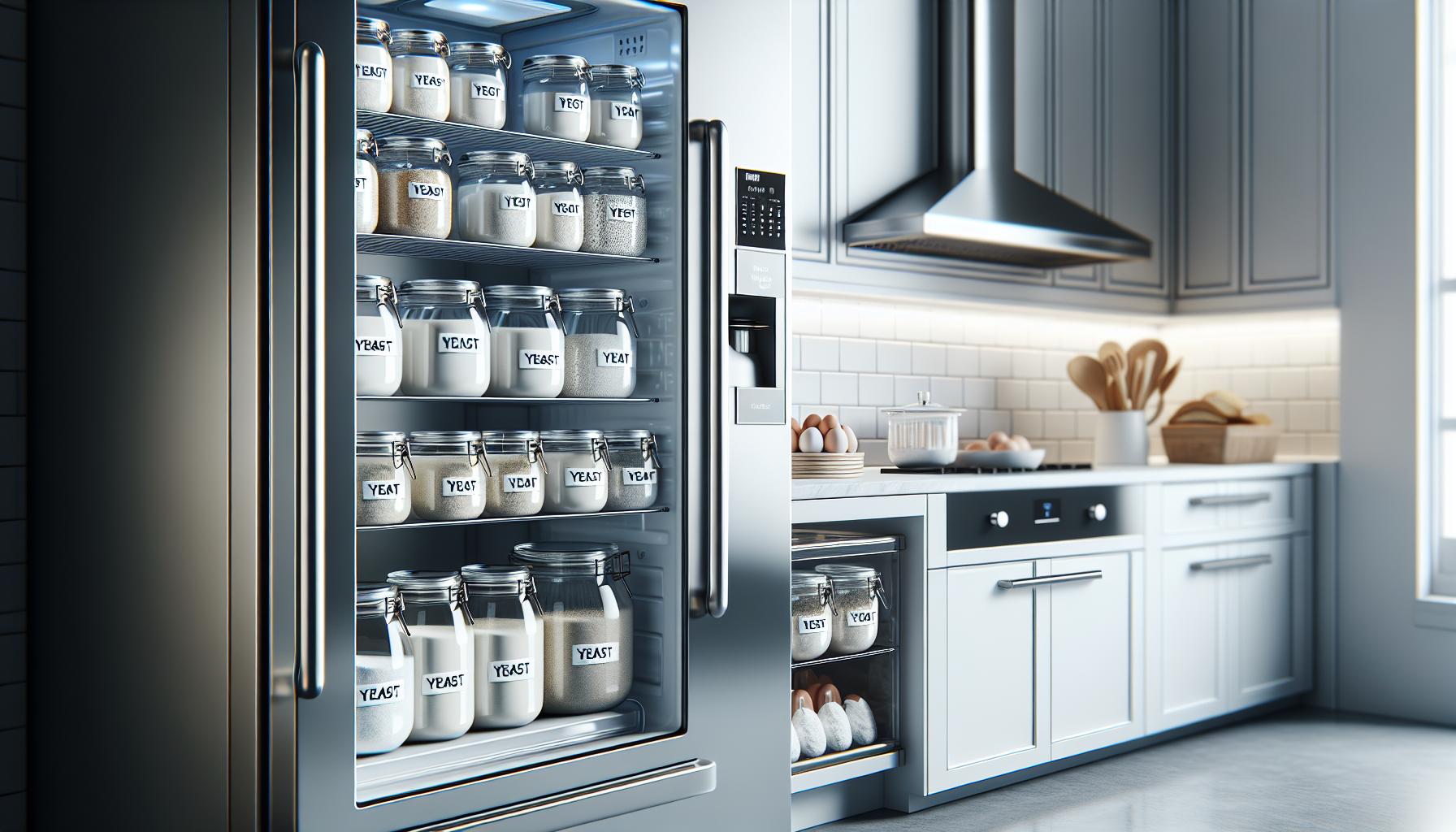
How Long Does Yeast Last in the Fridge?
When it comes to yeast, proper storage is key to maintaining its potency and effectiveness in baking. Yeast, particularly when stored in the fridge, can have a surprisingly long shelf life if conditions are right. Generally, active dry yeast, when unopened and stored properly in a cool, dry place, can last up to two years. However, once opened, it is best used within four months for optimal results. If kept in the refrigerator, opened yeast can be expected to last up to six months, as the cooler temperatures slow down the yeast’s activity and help preserve its viability.
For fresh yeast, which is often sold in cake form, the shelf life is shorter. It usually lasts about two weeks beyond its expiration date if stored in the fridge. To extend its life, you can also freeze it. When you’re ready to use it, simply thaw it in the fridge for a day before baking. This preparation minimizes temperature shock and helps reactivate the yeast.
To ensure you’re getting the best results from your yeast, always check for signs of spoilage. This includes any unusual smell or discoloration, which could indicate that the yeast has gone bad. A simple test involves dissolving a teaspoon of sugar into a cup of warm water and adding a packet of yeast. If it bubbles and froths within five to ten minutes, your yeast is still active and ready to use.
In summary, storing yeast in the fridge properly can greatly extend its shelf life, allowing you to bake with confidence knowing that you are using viable ingredients.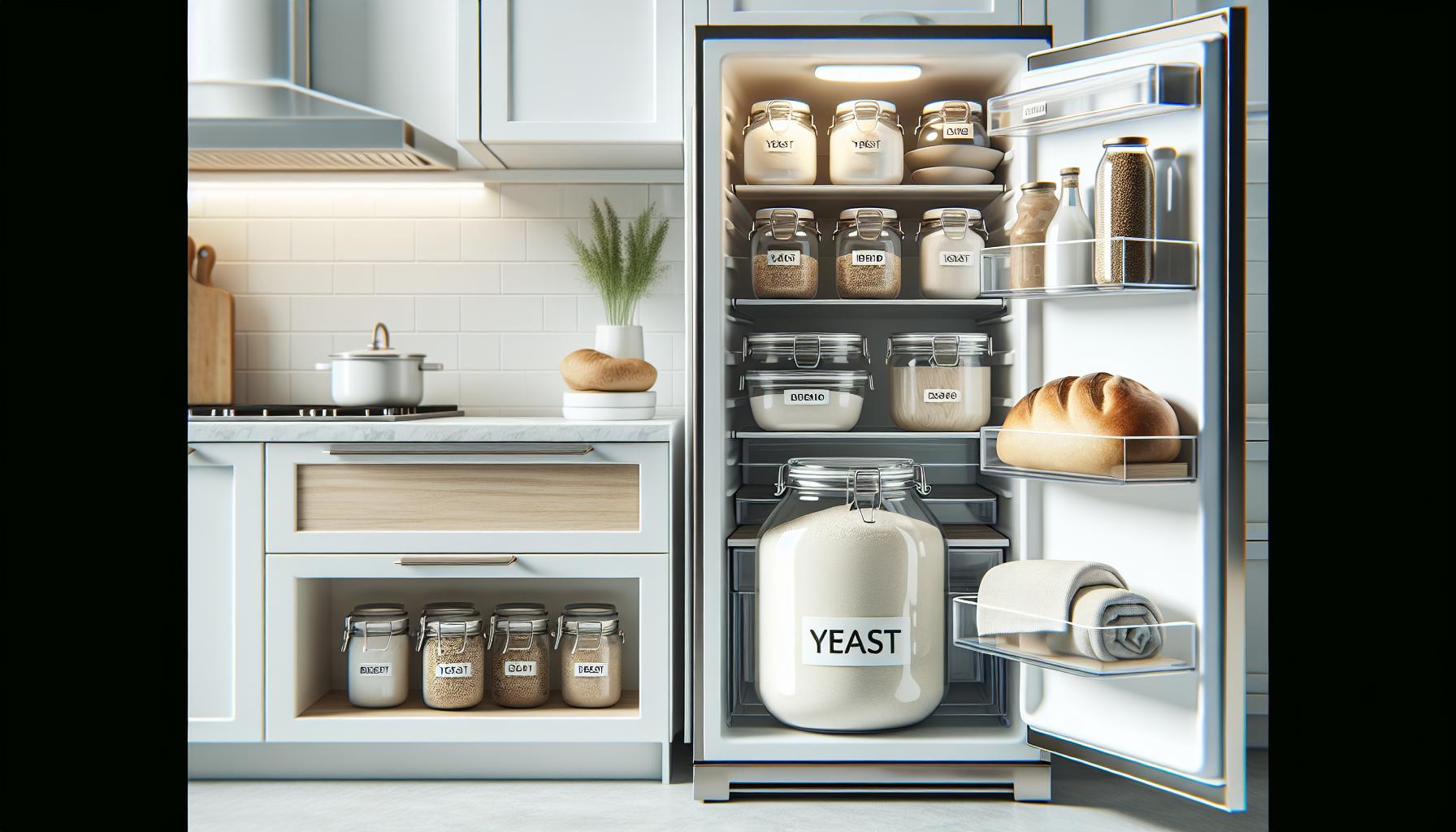
Understanding Different Types of Yeast
Yeast is a fundamental ingredient in baking, acting as the engine that drives fermentation and leavens dough. Understanding the various types of yeast available is crucial for any baker aiming to achieve the best possible results. The three most common types of yeast used in baking are active dry yeast, instant yeast, and fresh (or cake) yeast. Each variety offers unique characteristics that can affect the final product, and their storage requirements may differ slightly.
Active dry yeast consists of granules that are dormant and require rehydration before use. It’s essential to dissolve it in warm water (typically around 110°F or 43°C) to awaken the yeast. This type typically has a long shelf life, often lasting up to two years unopened. Once opened, it can be refrigerated for up to six months. Instant yeast, on the other hand, is similarly dried but ground into finer particles, allowing it to be mixed directly into dry ingredients without prior rehydration. Its shelf life is comparable to that of active dry yeast, making it a versatile choice for many bakers.
Fresh yeast, sold in blocks or cakes, has a shorter life span and is more perishable than its dried counterparts. While it can typically last up to two weeks in the refrigerator, it is recommended to use it sooner for the best flavor and performance. Regardless of the type, always ensure to check expiration dates and storage conditions to maintain their potency and prevent disappointing results.
When selecting which yeast to use, consider the type of recipes you plan to make as well as the convenience of each variety’s storage and activation requirements. Ultimately, knowing the strengths and weaknesses of each yeast type will empower you to choose the right one for your baking endeavors, ensuring your baked goods rise beautifully and taste delicious.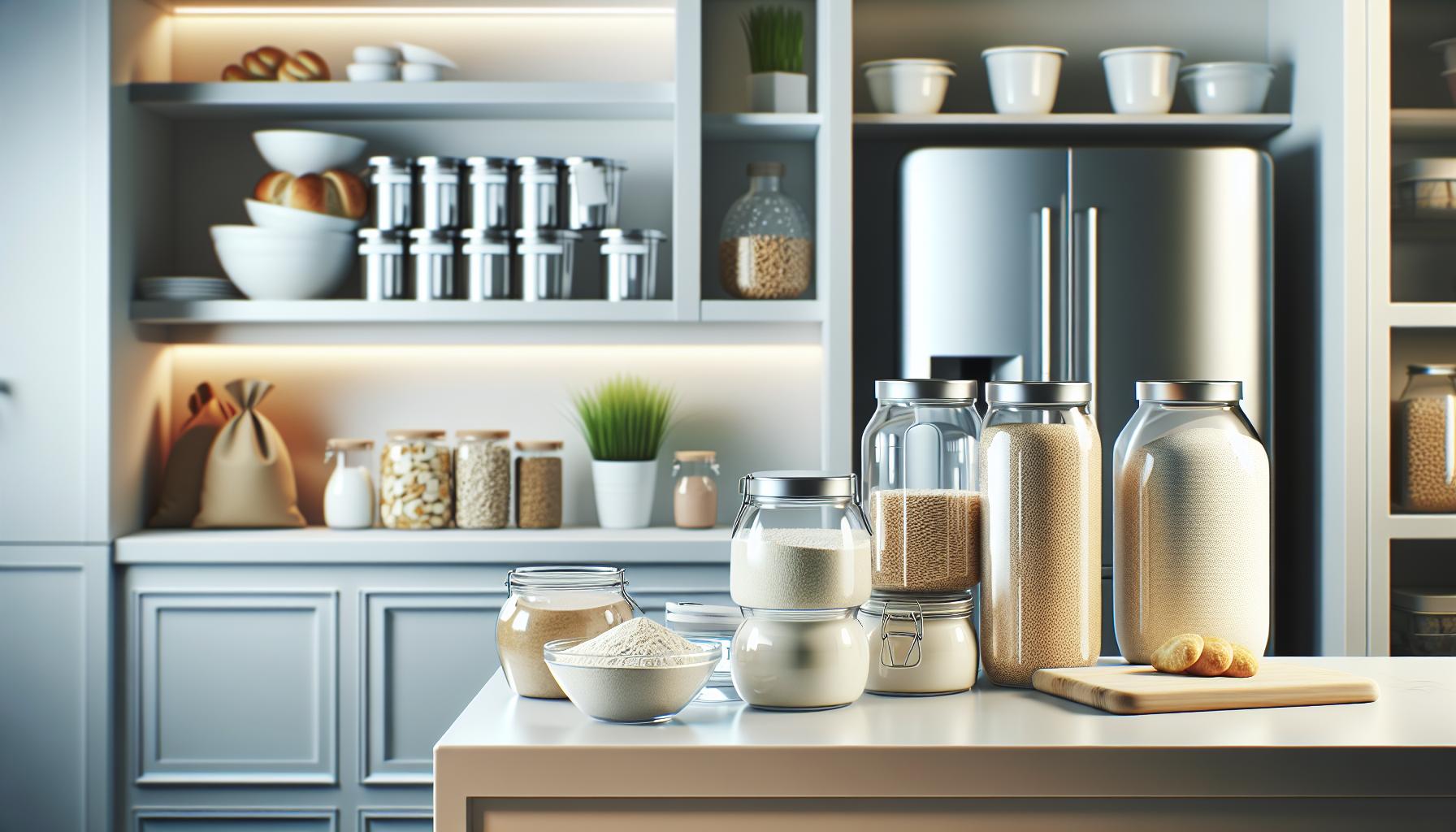
Proper Storage Techniques for Yeast
To ensure your yeast remains potent and ready for baking, proper storage techniques are essential. Many home bakers overlook how storing yeast correctly can significantly impact its longevity and effectiveness. When yeast is exposed to air, moisture, and warmth, it can deteriorate, leading to disappointing results in your baked goods. Here’s how to maximize the lifespan of your yeast and maintain its activity levels.
Active dry yeast and instant yeast should be stored in a cool, dry place, and ideally in their original packaging until it’s time to use them. Once opened, transfer the yeast to an airtight container if you plan to store it for an extended period, as this can prevent exposure to humidity and contaminants. While active dry yeast can be kept in the refrigerator for up to six months after opening, instant yeast has a similar shelf life, thanks to its resilient drying process. For the best results, always check the sell-by date before purchasing and use the yeast soon after opening.
Fresh yeast, or cake yeast, requires a different approach due to its short shelf life-typically only about two weeks when stored in the refrigerator. For optimal freshness, keep it in a sealed container to mitigate its exposure to air. It’s also beneficial to wrap it in foil or parchment paper to reduce moisture loss and protect it from strong odors present in the fridge, which can affect its flavor.
Vacuum Sealing for Longevity
For bakers who purchase yeast in bulk, vacuum sealing can be an excellent option to extend the yeast’s shelf life. By removing the air, you minimize oxidation and spoilage risks. Additionally, consider dividing your yeast into smaller portions before sealing to avoid repeatedly opening the main supply, which can introduce air and moisture.
When storing any type of yeast, keep it away from direct sunlight, humidity, and temperature fluctuations. Placing it in a consistently cool environment will help maintain its active properties. Following these straightforward guidelines will not only help you manage your yeast efficiently but also enhance your baking outcomes, allowing your dough to rise beautifully every time.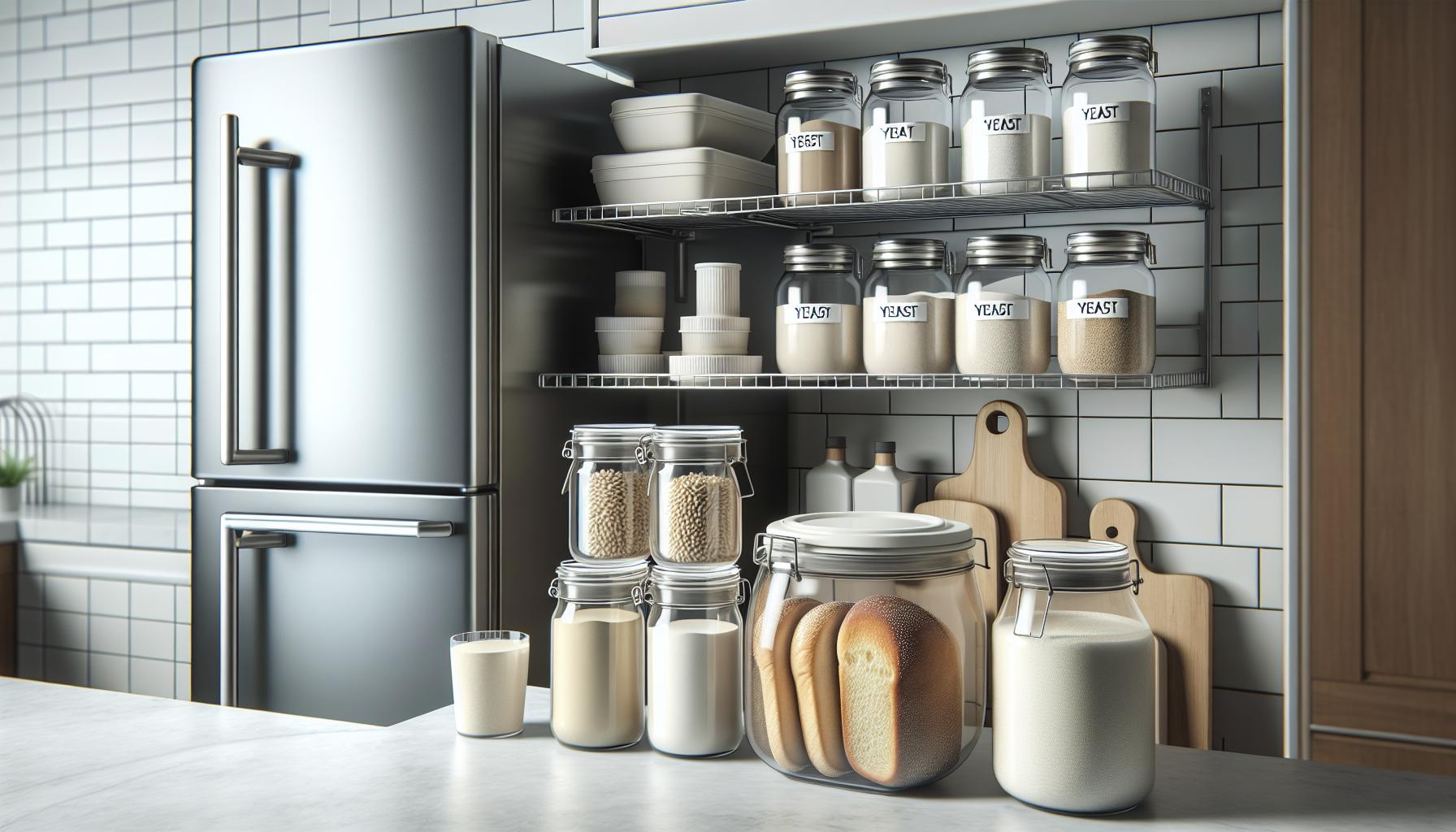
Signs of Expired Yeast: What to Look For
Even the most experienced bakers can find themselves in a tricky situation when they discover they may be working with expired yeast. It’s essential to be aware of the signs that indicate yeast is no longer viable, as using expired yeast can lead to disappointing outcomes in your baking. Fortunately, knowing what to look for can help ensure your dough rises beautifully every time.
One of the most apparent signs of expired yeast is a lack of activity during the proofing process. If you are using active dry or instant yeast, sprinkle it on warm water mixed with a bit of sugar. After about 5 to 10 minutes, you should see bubbles forming and the mixture should become frothy. If there is little to no reaction-no foam or bubbles-it’s a clear indication that the yeast is no longer alive. In this case, it’s best to dispose of the yeast and use a fresh batch.
Another visual cue is the texture and color of the yeast itself. For both active and instant dry yeast, the granules should remain dry and free-flowing. If you notice any clumping, discoloration, or an unusual odor, these can be signs that the yeast is past its prime. Fresh yeast (also known as cake yeast) should be soft, moist, and crumbly without any off-putting smells. If it appears hard, dry, or has a sour odor, it is best to discard it.
Last but not least, always check the sell-by or expiration date on the packaging. Yeast can sometimes lose effectiveness or become inactive even before this date, particularly if it hasn’t been stored properly. Regardless of the date, if you experience any of the aforementioned signs after opening the package, it’s wise to err on the side of caution and replace your yeast to ensure successful baking results. By being vigilant and following these guidelines, you can continue to bake with confidence, knowing your yeast is ready to work its magic.
How to Test Yeast Freshness Effectively
While many bakers rely on their intuition and experience, understanding is crucial for consistent results. The most reliable method to assess yeast viability involves a simple activation test. For active dry or instant yeast, start by mixing a small amount-typically about 1 teaspoon-with ¼ cup of warm water (around 100°F to 110°F) and a teaspoon of sugar. Let this mixture sit for about 5 to 10 minutes. If the yeast is fresh, you should see bubbling or frothing, indicating that it is still alive and ready to work its magic in your dough.
However, yeast testing goes beyond just observing bubbles. Pay attention to the granular texture of the yeast itself. Fresh dry yeast should appear loose, dry, and free-flowing. If the granules are clumped together, discolored, or have a strange odor, these are telltale signs that your yeast may be expired. For fresh cake yeast, it should feel soft and moist without any sour smell; a hard or crumbly texture could indicate that it has gone bad.
Additionally, it’s wise to consider the storage conditions. If the yeast has been stored in a warm or humid environment, it may degrade faster than expected, even if the expiration date has not yet passed. Therefore, always store yeast in a cool, dry place, preferably in the refrigerator once opened, to extend its shelf life. With proper testing and careful observation, you can confidently assess your yeast’s freshness and ensure successful baking results without the worry of using expired products.
The Impact of Temperature on Yeast Longevity
Temperature plays a crucial role in determining the longevity and viability of yeast, a living organism essential in both baking and brewing. Keeping yeast in an ideal temperature range is vital to prolong its shelf life and ensure optimal performance. When yeast is stored in the refrigerator, it can typically last up to 6 months for dry yeast and about 2 weeks for fresh or cake yeast when sealed properly. However, temperature fluctuations or improper storage can drastically reduce these timeframes.
For dry yeast, temperatures above 70°F (21°C) can begin to activate the yeast, leading to a premature decline in potency if not used. Conversely, extremely low temperatures, such as those found in a freezer, can kill yeast cells or render them inactive if not stored correctly. Therefore, maintaining a consistent refrigerator temperature of around 35°F to 40°F (1.5°C to 4°C) is optimal. Always store yeast in an airtight container to protect it from moisture and ambient odors, which can negatively affect its lifespan.
It’s not just the average temperature that counts; rapid changes can also be detrimental. Moving yeast in and out of the fridge frequently exposes it to warm air, which can revive yeast prematurely, leading to a decrease in shelf life. To minimize this risk, only take out the amount needed for immediate use and keep the rest securely stored. This practice maximizes the yeast’s freshness and ensures that it’s ready to perform at its best when called upon in your recipe.
In conclusion, keeping track of how yeast is stored and the temperatures it is exposed to is fundamental in preserving its effectiveness and usability in baking and brewing. Proper temperature management not only extends the life of your yeast but ensures delicious, reliable results every time you bake or brew.
Using Expired Yeast: Risks and Recommendations
Using expired yeast can often feel like a gamble, especially when the effectiveness of your baking or brewing depends on it. Although yeast can sometimes remain viable after its “best by” date, there are several risks associated with using expired yeast that can lead to disappointing results. The degradation process varies based on storage conditions, but generally, using yeast that has exceeded its recommended usage timeframe is not advisable for optimal outcomes.
When yeast ages, its cell viability decreases, meaning that it may not provide the necessary fermentation activity needed for your recipes. As yeast cells die off, you could end up with a sluggish fermentation or even complete failure, leading to dense bread or uncarbonated beer. To navigate this potential pitfall, consider conducting a quick viability test. Simply mix a small amount of your expired yeast with warm water and a bit of sugar; if you see bubbles or froth within 15 minutes, your yeast is likely still alive and capable of fermentation.
However, even if expired yeast seems to activate, it’s crucial to assess factors beyond just fizz. Look for changes in color, texture, or odor. Any off smells or unusual clumping may indicate that the yeast has deteriorated and could introduce unwanted flavors or even spoilage to your final product. In essence, while using expired yeast isn’t necessarily dangerous, it’s a practice fraught with uncertainty that can undermine your confidence in the baking or brewing process.
For best results, always prioritize using fresh yeast within the recommended storage times. If you find yourself with expired yeast, consider using it in less critical recipes where the outcome is less impactful, such as test batches or non-essential baking projects. This way, you can still make the best of the situation without jeopardizing your primary baking goals.
Best Practices for Reviving Dormant Yeast
To bring dormant yeast back to life, it’s essential to understand that yeast is a living organism, and like all living things, it requires specific conditions to thrive. Reviving dormant yeast can be a straightforward process, but ensuring success relies on following a series of careful steps.
Begin by assessing your yeast’s condition. Check the packaging for its expiration date; if it’s still within the recommended timeline, there’s a higher chance of successful revival. Next, prepare a revival mixture by combining warm water (around 100°F or 37°C) with a small amount of sugar-about a teaspoon per cup. This sugar serves as food for the yeast and gives it the energy necessary to reactivate. If you’re using active dry yeast, use about one packet (2¼ teaspoons) of yeast for every cup of water.
Once you have your mixture, gently sprinkle the yeast on the surface of the warm water without stirring. Allow it to sit undisturbed for about 5 to 10 minutes. You’ll start to notice bubbles forming and the mixture foaming, which is a sign that the yeast is waking up and becoming active again. If after this period you don’t see any bubbling action, the yeast may be too old or has not been stored properly, making it unsuitable for baking.
When your yeast is lively, it’s time to incorporate it into your baking recipe. Mix the revived yeast with the other ingredients in your recipe, and provide the necessary warmth and moisture to allow it to ferment. Remember to monitor the dough as it rises; the temperature and time spent will significantly affect the yeast’s performance. For best practice, use this revived yeast within a few hours to ensure its maximum efficacy.
By following these steps, you can successfully breathe life back into dormant yeast and boost your baking confidence, transforming simple ingredients into delicious creations. Always remember that maintaining proper storage conditions, such as keeping yeast in a cool, dry place or refrigerating it if opened, can extend its shelf life and effectiveness.
Freezing Yeast: Can You Do It?
Freezing yeast can be a practical solution for extending its shelf life, but doing it correctly is essential to maintain its viability and performance in baking. Yeast, whether active dry or instant, can be frozen for several months without significant loss of potency. However, it is crucial to follow specific guidelines to ensure that your yeast remains effective after thawing.
To freeze yeast effectively, start by packaging it in an airtight container to prevent moisture from affecting its quality. You can use small portions to minimize exposure each time you open the container. For example, consider dividing one packet of active dry yeast into smaller portions, then sealing them in freezer-safe bags or containers. Label each container with the date and type of yeast. It’s best to use your frozen yeast within six months for optimal results, but it can last up to a year if properly stored.
When you’re ready to use your frozen yeast, take it out of the freezer and let it thaw in the refrigerator. Avoid thawing at room temperature, as this can lead to condensation and may affect yeast viability. Once thawed, give the yeast a chance to come back to life by activating it in warm water with a pinch of sugar, following the usual revival procedure. After about 5 to 10 minutes, if you see bubbling and foam, your yeast is ready to be incorporated into your recipe.
Freezing yeast offers a great way to make the most of bulk purchases or to ensure you always have fresh yeast on hand, reducing trips to the store. By adhering to these guidelines, you can effectively utilize frozen yeast, ensuring your baking remains consistent and delicious.
How to Use Leftover Yeast Wisely
Using leftover yeast wisely can not only save money but also help in crafting delicious baked goods without waste. Rather than discarding what might seem like excess, it’s beneficial to explore various methods of repurposing and revitalizing leftover yeast. This fosters sustainability in your baking ventures and ensures you always have the right leavening agent on hand.
One of the best practices for utilizing leftover yeast is to create a starter culture, especially if you have a bit of liquid or active yeast left in the container. Combine the leftover yeast with flour and water to create a simple yeast starter. Let it ferment for a few hours, and you can use this mix to kickstart your bread recipe. This method not only enhances flavor but also revitalizes the yeast’s activity. You’ll likely notice a faster rise and a more complex taste in your finished product.
Additionally, consider using leftover yeast in less conventional baking methods. For example, you can incorporate it into pancakes or waffles for a light, airy texture. Simply mix the leftover yeast into the batter and allow it to rest for about 20-30 minutes before cooking. This will give you fluffy pancakes that have a slight tang reminiscent of sourdough, making for a delightful breakfast experience.
Finally, don’t forget about the potential for brewing. If you’re into home brewing, leftover yeast can be washed and reused to ferment your next batch of beer. This practice is not only economical but also helps maintain consistency in your brews. By repurposing leftover yeast, whether in baking or brewing, you maximize its potential and contribute to more sustainable cooking practices, ensuring that nothing goes to waste in your kitchen.
Common Baking Mistakes with Yeast and Solutions
Baking with yeast can be a wonderfully rewarding experience, but it’s fraught with potential pitfalls that can undermine your hard work. One common mistake is using expired or improperly stored yeast, which can lead to disappointing results. Yeast has a finite shelf life, even when stored in the fridge. Fresh yeast can last up to 2 weeks in the refrigerator, while active dry yeast can last for up to 6 months if kept sealed. Improper handling or exposure to moisture can drastically reduce this timeframe, so it’s crucial to check expiration dates.
Another frequent error is neglecting the activation process, especially with dry yeast. Failing to properly proof yeast can result in a lackluster rise. To avoid this, always ensure your water is at the right temperature-around 100°F to 110°F (37°C to 43°C) is optimal. If using water that’s too hot, you risk killing the yeast; too cold water can impede activation. When in doubt, do a quick proof: dissolve the yeast in warm water with a bit of sugar and wait about 5-10 minutes. If it bubbles and foams, you’re good to go.
Inaccurate measurements of yeast can drastically affect the outcome of your baked goods. Too much yeast can lead to a very rapid rise, resulting in a coarse texture and undesirable flavors. Conversely, too little yeast can make your dough dense. Use a kitchen scale for the most accurate measurements; a general rule of thumb is about 1 to 2 teaspoons of dry yeast per cup of flour.
Lastly, many bakers overlook the importance of dough temperature and room conditions. It’s vital to create a warm, draft-free environment for yeast to thrive. Ideal rising conditions hover around 75°F to 80°F (24°C to 27°C). If your kitchen is cool, place your dough in an oven with just the light on or in a warm spot to ensure optimal fermentation. Making these small adjustments can significantly enhance the quality of your baked goods, allowing you to bake with confidence every time.
Troubleshooting Yeast Issues in Baking
When baking, encountering yeast issues can be frustrating, but understanding how to troubleshoot effectively ensures your baking remains successful. One of the first signs of trouble is when your dough fails to rise adequately. This is often due to yeast problems, which can arise from improper storage or outdated yeast. Active dry yeast, for example, can remain viable for up to six months when properly sealed in the refrigerator, whereas fresh yeast has a much shorter life span of about two weeks. Therefore, always check the expiration date and ensure your yeast is stored correctly to maximize its longevity.
Another common issue is yeast activation. If you skip the proofing step, where you dissolve yeast in warm water with sugar to activate it, you may be setting yourself up for disappointment. To effectively proof your yeast, use water that’s between 100°F to 110°F (37°C to 43°C); any hotter may kill the yeast, while cooler water can inhibit its activation. It should begin to foam within 5 to 10 minutes, indicating that it’s ready to work its magic. If it doesn’t bubble, consider using a fresh batch.
Temperature also plays a crucial role in yeast activity. If your kitchen is too cool, the fermentation process may not occur as expected. Ideal rising conditions hover around 75°F to 80°F (24°C to 27°C). If you notice slow rising, try placing the dough in a warmer spot, such as a turned-off oven or near a heat source. Conversely, excessive heat can be detrimental, so ensure that your space is draft-free.
Lastly, if you find yourself with leftover yeast, consider repurposing it in various recipes, such as pancakes or waffles, rather than discarding it. Properly storing opened yeast in an airtight container in the fridge can extend its life slightly, but keep an eye on its performance. Always err on the side of caution when it comes to expired yeast; while it might still work in some cases, the results can be unpredictable, impacting the quality of your baked goods. By following these guidelines, you can troubleshoot yeast issues effectively and continue to bake with confidence.
Frequently Asked Questions
Q: How can I tell if my yeast is still good?
A: To check if your yeast is still viable, perform a simple test by mixing it with warm water and sugar. If it bubbles and foams within 10 minutes, it’s still active. For detailed storage and testing methods, visit the “How to Test Yeast Freshness Effectively” section in the main article.
Q: Can I use dry yeast that has been stored in the fridge for a long time?
A: Dry yeast can last up to two years when stored properly in the fridge. However, for optimal performance, use yeast that is within six months of its expiration date. Refer to “Understanding Different Types of Yeast” for more insights on yeast longevity.
Q: What happens if I bake with expired yeast?
A: Baking with expired yeast may result in poor dough rising and compromised texture. Always test for freshness to avoid disappointing results. Check the section on “Using Expired Yeast: Risks and Recommendations” for more information.
Q: How should I store fresh yeast in the fridge?
A: Fresh yeast should be kept in an airtight container in the coldest part of the fridge, ideally at around 32°F (0°C). Proper storage practices are detailed in the “Proper Storage Techniques for Yeast” section of the main article.
Q: Is it safe to freeze yeast?
A: Yes, you can safely freeze yeast to extend its shelf life. Ensure it’s well sealed in an airtight container or freezer bag. For more tips on yeast preservation, check the “Freezing Yeast: Can You Do It?” section for best practices.
Q: How long can I keep leftover yeast after baking?
A: Leftover yeast can last up to two weeks in the fridge. Make sure to store it in a sealed container. To maximize freshness, refer to “How to Use Leftover Yeast Wisely” for effective methods of using or storing yeast.
Q: Can I reactivate old yeast by adding sugar?
A: You can attempt to reactivate old yeast by adding sugar and warm water to stimulate fermentation. However, success is not guaranteed, especially if the yeast is significantly aged. For detailed instructions, see the “Best Practices for Reviving Dormant Yeast” section.
Q: How does temperature affect yeast’s lifespan in the fridge?
A: Temperature greatly impacts yeast longevity; ideally, it should be kept consistently at around 32°F (0°C). Fluctuations can lead to reduced viability. Explore “The Impact of Temperature on Yeast Longevity” for more on temperature effects.
In Summary
Understanding how long yeast lasts in the fridge is essential for confident baking. Properly stored, active dry yeast can last up to four months, while rapid-rise varieties should be used within three to six months for optimal performance. Don’t hesitate to check your supply before you bake! If you’re unsure about your yeast’s viability, a simple water test can help you confirm its effectiveness.
For more baking tips and food safety guidance, explore our articles on “Storing Baking Products Effectively” and “Baking with Fresh Ingredients.” If you’re eager to elevate your baking skills, consider subscribing to our newsletter for the latest tips and recipes delivered straight to your inbox. Remember, safe storage practices empower you to bake with confidence! Share your yeast storage tips in the comments below, and keep exploring our resources for an even better baking experience.